Sending Flowers to Desnogorsk? Here Is What to Expect
Desnogorsk is a quiet, close-knit city in the Smolensk region, and when you want to send flowers there, the details matter more than in a large metropolis. The recipient is likely someone you know well — a parent, a partner, a close friend — and the bouquet will be noticed, talked about, and remembered. Getting the timing right, choosing varieties that survive the journey in good shape, and understanding what the occasion calls for will make the difference between a gift that feels thoughtful and one that simply arrives.
Why Desnogorsk Has Its Own Delivery Logic
Desnogorsk sits about 320 kilometres south-west of Moscow, close to the Smolensk Oblast border. It is a compact nuclear-industry city with roughly 25,000 residents, which means the community is tight and a flower delivery is a visible, social event. Your bouquet will likely be seen by neighbours in the corridor or colleagues in the office before it even reaches its destination. That social dimension is worth keeping in mind when you choose the size and style of the arrangement.
Because the city is not a regional hub, logistics require planning. Turboflora works with temperature-controlled transport to keep flowers fresh during the journey from Saint Petersburg or Moscow fulfilment points. In summer, when Smolensk Oblast temperatures regularly reach 28–32 degrees Celsius, this matters enormously. Roses and lisianthus in particular suffer if left in a warm vehicle for even thirty minutes without proper cooling.
Delivery windows in Desnogorsk run from morning through evening, but the most reliable slots for same-day delivery are placed before noon. If you are ordering for an evening occasion — a birthday dinner, a graduation — placing the order by 10 a.m. gives the fulfilment team the best chance of arriving within the one-to-two-hour window the service promises. Last-minute orders placed after 4 p.m. may shift to a next-morning delivery, so building in that buffer is simply good practice when the occasion is time-sensitive.
Bouquets we can deliver

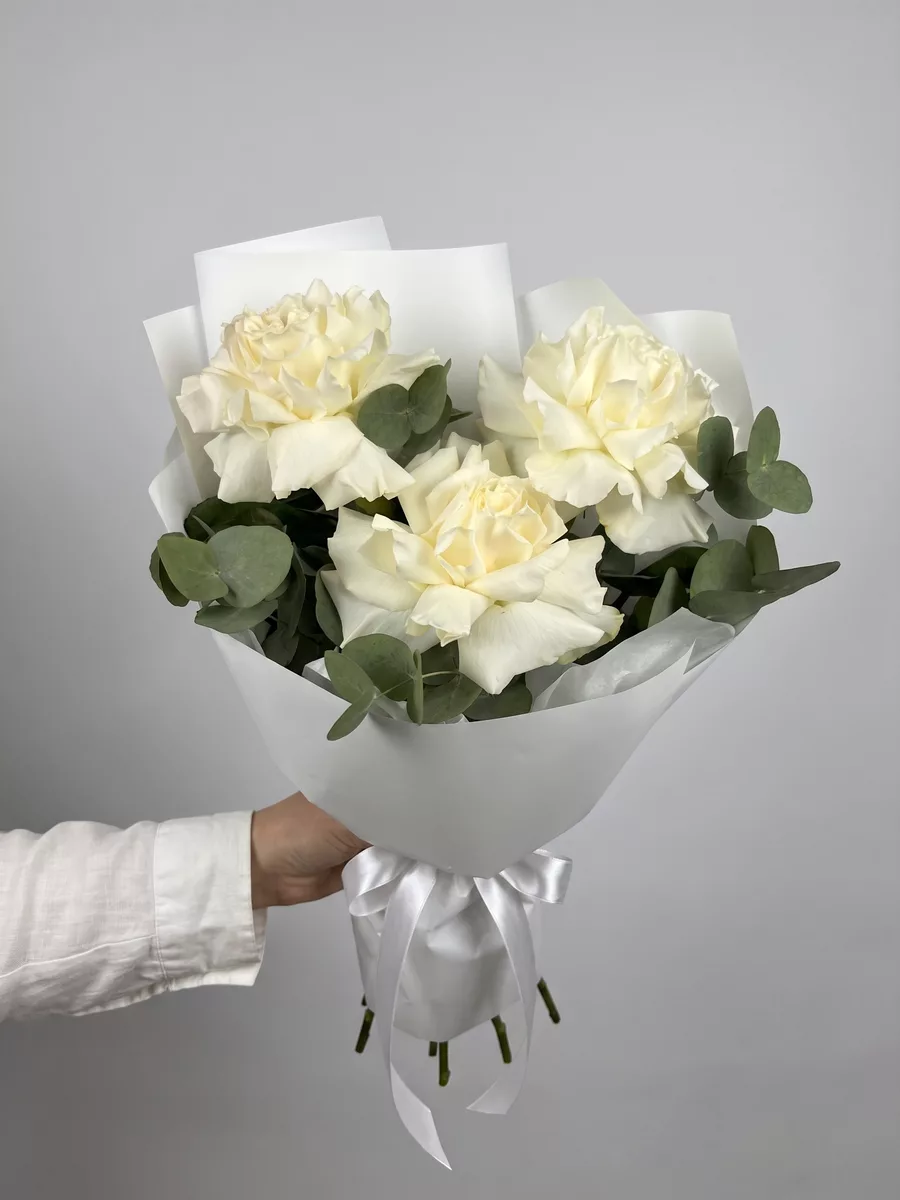
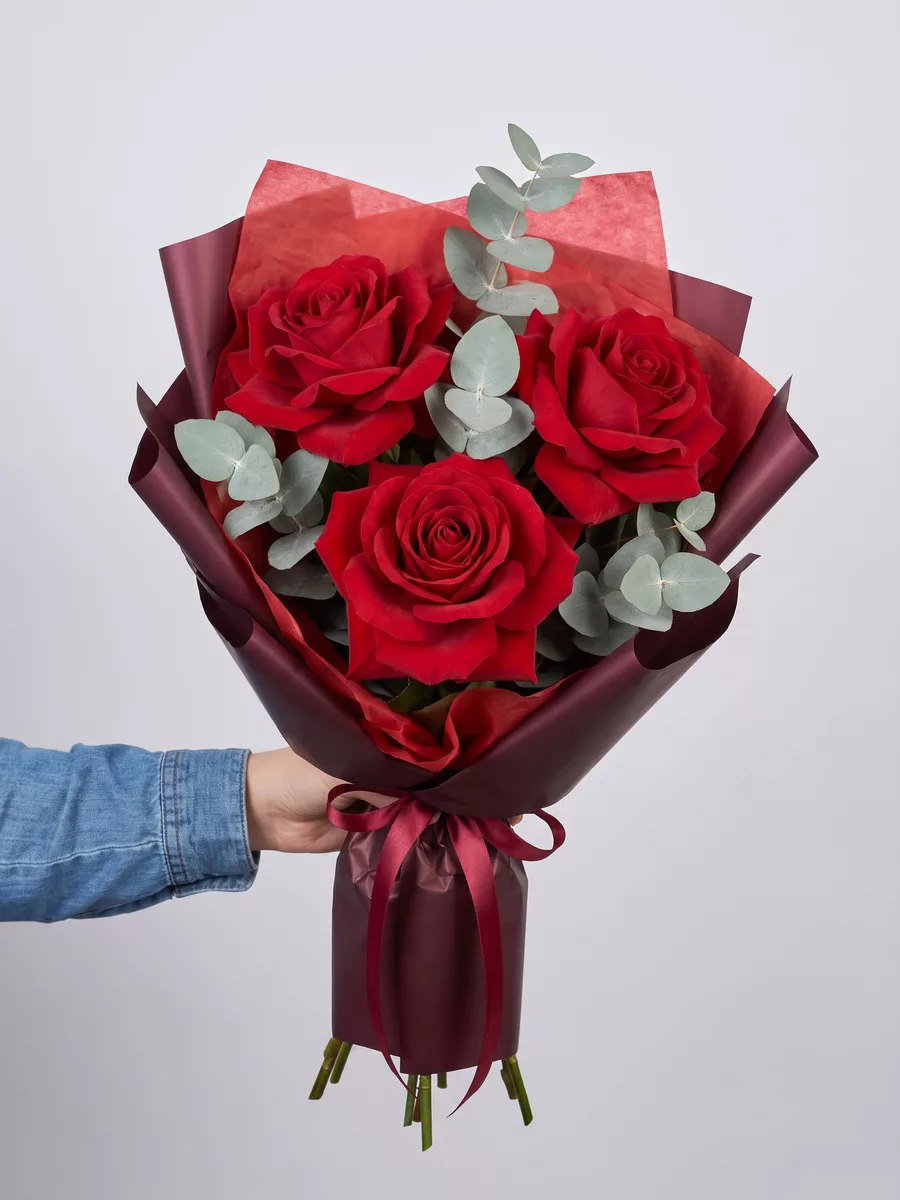
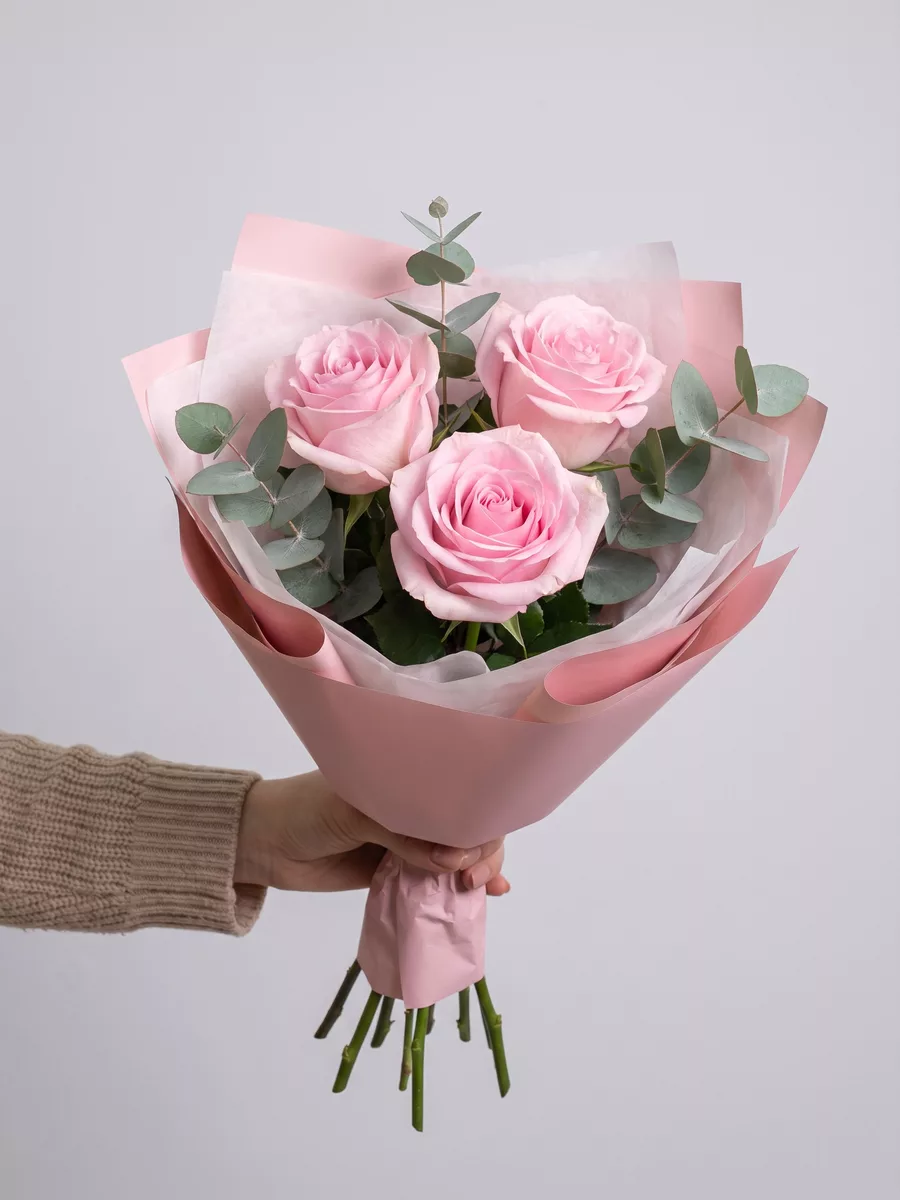
Matching the Bouquet to the Person and the Moment
Before you think about varieties or budget, think about the recipient first. A woman in her sixties who grew up in Soviet Russia will likely feel more moved by a generous, classic arrangement of spray roses, carnations, and eucalyptus than by a minimalist single-stem trend piece. A younger colleague celebrating a promotion might love something more unexpected — garden-style ranunculus mixed with dried pampas or a loose, asymmetric bouquet of seasonal tulips and anemones. The flower itself is secondary to the feeling it produces when it is unwrapped.
In Russian culture, the number of flowers in a bouquet carries meaning. An odd number is given to the living; even numbers are reserved for mourning occasions. If you are not Russian and ordering for a Russian recipient, this is the one rule worth following without exception. A bouquet of eleven roses or fifteen tulips will feel entirely natural to the receiver, while a bouquet of ten might cause a moment of confusion, even if no one mentions it aloud.
For romantic occasions, deep red garden roses — varieties like Explorer or Prestige — paired with dusty miller foliage create a classic that never reads as generic when the proportions are generous. For a warm, celebratory feel, think coral and peach tones: peach spray roses alongside orange ranunculus and white waxflower. For a close friend who simply needs cheering up, a relaxed mix of chamomile, lavender, and white lisianthus feels personal without being overly formal. Starting from the feeling, not the flower name, always leads to a better choice.
Timing Your Order for the Best Result
The one-to-two-hour delivery window is a real commitment, but it depends on a few conditions being met on your end. The address needs to be complete and precise — Desnogorsk uses a numbered micro-district layout, so specifying the building number and entrance number prevents delays that can stretch a delivery from ninety minutes to three hours. A phone number for the recipient, or a trusted neighbour, is equally important. Couriers in smaller cities cannot always find a buzzer that works or a concierge who is available.
If you want the flowers to arrive while the recipient is at home rather than at work, coordinate the timing actively. Send a casual message asking if they will be around in the afternoon — you do not need to reveal the surprise, just confirm their location. A bouquet left with a neighbour in a warm hallway for two hours will arrive wilted, regardless of how carefully it was packed. The gesture loses half its impact.
For major Russian holidays — 8 March (International Women's Day), 14 February, and 1 September — demand across all Russian cities spikes sharply. In Desnogorsk specifically, the small size of the city means that many orders arrive in a short window, which can compress delivery slots. Placing your order 24 to 48 hours ahead on these dates is not overcaution; it is the practical choice. Florists cut and condition stems the night before peak days to ensure freshness, and an early order means your bouquet gets that attention rather than being assembled in a rush.
Choosing Flowers That Travel Well to Desnogorsk
Not every variety that looks beautiful in a Saint Petersburg flower studio will arrive in the same condition several hours later. Understanding which flowers travel well helps you make a smarter order, especially for longer distances. Chrysanthemums, spray roses, alstroemeria, and statice are among the most resilient options — they hold their shape and colour through temperature variation and movement without dropping petals or wilting at the neck.
Tulips are beloved in Russia and are a perfectly good choice in cooler months — October through March — when ambient temperatures stay low. In July or August, however, tulips in transit can open fully within an hour of warmth exposure, arriving as fully open blooms rather than the elegant closed buds the sender imagined. If you are ordering in summer, lean toward roses, lisianthus, or gerbera, which handle heat significantly better.
Peonies are a special case. They are one of the most requested flowers in Russia, particularly for birthdays and anniversaries, but their season is short — roughly late May through June. Outside that window, peonies in the catalogue are imported and have often travelled far before reaching you, which reduces their vase life. If you are ordering outside peony season and want that lush, full look, garden roses in varieties like Keira or Juliet from David Austin are the closest substitute and will last considerably longer in the vase.
Foliage and filler matter more than most people realise. Eucalyptus, ruscus, and pittosporum not only frame the main flowers but also help regulate moisture within the wrapping during transport, keeping the stems from drying out on the journey.
Presentation and Wrapping for a Small City Recipient
In a city the size of Desnogorsk, the wrapping of a bouquet is part of the gift. When a courier walks through a residential building carrying a beautifully wrapped arrangement, it creates a moment before the door even opens. Kraft paper with a satin ribbon reads as warm and artisan. Matte film in a neutral tone feels contemporary. Bright cellophane with a large bow is the older Soviet-era style and still resonates with some recipients — but it is worth thinking about which aesthetic fits your recipient's taste rather than defaulting to whatever is simplest.
For workplace deliveries — which are common in Desnogorsk because many residents work at the same large facility — a neat, upright arrangement in a box or a wrapped bouquet that travels without spilling water is the practical choice. A water-soaked stem wrap inside the outer packaging keeps flowers hydrated for up to eight hours, which covers the journey and several hours on a desk before the recipient can get them into a vase.
If you are adding a card, keep the message specific. In Russian gift culture, a handwritten note — even a short one — carries more weight than a generic printed message. Ask the florist to write it by hand if you are ordering remotely. A line like "I thought of you when I saw these" or a specific reference to a shared memory will be read and re-read in a way that "Happy Birthday" printed in a standard font simply is not. The card is the voice behind the flowers, and in a close community like Desnogorsk, it will be remembered long after the petals have fallen.
Caring for the Bouquet Once It Arrives
A well-chosen bouquet delivered fresh can last anywhere from five to twelve days depending on the variety and how it is cared for after arrival. The first thirty minutes after unwrapping are the most important. Stems should be cut at a 45-degree angle under running water — this prevents an air bubble from forming at the cut end and blocking water uptake. Removing any leaves that would sit below the waterline stops bacterial growth in the vase, which is the single most common reason bouquets die early.
Tap water in the Smolensk region is generally hard, meaning it contains higher mineral content. Using filtered or bottled water, or adding a small packet of flower food if one is included with the delivery, will noticeably extend vase life. Change the water every two days and re-cut the stems each time. This takes three minutes and adds two to three days to the life of most arrangements.
Keep the vase away from direct sunlight, radiators, and fruit bowls. Ethylene gas released by ripening fruit — particularly apples and bananas — accelerates wilting in roses, tulips, and carnations faster than most people expect. A cool room with indirect light is ideal. In Russian apartments, which are often well-heated in autumn and winter, placing the vase near a window overnight, when the glass is cooler, can help the flowers rest and recover.
If individual stems begin to droop before the others, remove them rather than leaving them in the vase. A single wilting stem releases gases that affect the rest of the arrangement. Keeping only the freshest stems together will extend the life of the whole bouquet by several days.
Making the Delivery Feel Personal Across the Distance
Ordering flowers for someone in Desnogorsk when you are in Moscow, Saint Petersburg, or abroad is an act of deliberate care — and the recipient will feel that, provided the small details are right. The most common mistake people make when ordering remotely is treating the bouquet as a transaction rather than a message. Choosing a generic pre-made arrangement without considering what the person actually loves, or not including a card, produces a gift that feels automated rather than considered.
Spend two minutes thinking about the recipient's home. Do they have a particular colour they wear often? Do they tend toward simple, clean interiors or warmer, more layered spaces? A person who lives surrounded by plants and books will respond differently to a wild, garden-style arrangement than to a formal dozen roses, even if both are objectively beautiful. These observations are not about overthinking — they are about the small signals that tell the recipient you were actually thinking of them.
If you are celebrating something from a distance — a birthday, a new job, a new home — consider timing the delivery to arrive in the morning, when the day is still ahead of the recipient and the flowers can set the tone for it. An evening delivery is lovely, but a morning bouquet on a birthday turns the whole day into a celebration rather than ending it on a sweet note. Turboflora's morning slots in Desnogorsk are available from 8 a.m., which means you can place the order the evening before and wake up knowing the flowers are already on their way to someone who matters to you.
Desnogorsk is the kind of city where a flower delivery is genuinely noticed and genuinely felt. The community is small enough that gestures carry weight, and a well-chosen, freshly delivered bouquet says something specific about the care behind it. Whether you are sending roses to a parent on their birthday, a congratulatory arrangement to a colleague, or simply a bunch of cheerful gerbera to a friend who needs lifting, the principles are the same: choose for the person, order with enough lead time, and trust that the details — the wrapping, the card, the right variety for the season — will do the work that words sometimes cannot.
Frequently asked questions
Can I order flowers for same-day delivery to Desnogorsk?
Yes, same-day delivery to Desnogorsk is available when the order is placed before noon. Orders placed later in the afternoon may be scheduled for the following morning to ensure the bouquet arrives fresh and within the one-to-two-hour delivery window. For major holidays, placing the order a day or two ahead is strongly recommended.
What is the best flower choice for a summer delivery to Desnogorsk?
In summer, when temperatures in the Smolensk region regularly exceed 28 degrees Celsius, roses, lisianthus, and gerbera travel most reliably. Tulips and peonies are better suited to cooler months. Asking for a temperature-controlled delivery and choosing heat-resilient varieties ensures the bouquet arrives in the same condition it left the studio.
Why does the number of flowers in a Russian bouquet matter?
In Russian tradition, an odd number of flowers is given for celebratory occasions, while an even number is associated with mourning. This is a widely observed custom across generations and regions. If you are unfamiliar with this convention, simply choose an arrangement with an odd count — nine, eleven, or fifteen stems — and the gesture will feel entirely natural to the recipient.
How do I make sure the bouquet is delivered to the right address in Desnogorsk?
Desnogorsk uses a numbered micro-district layout, so a complete address includes the district, building number, entrance number, and flat number. Providing a working phone number for the recipient or a trusted neighbour prevents delays. Double-checking these details at the time of order is the single most effective way to ensure on-time delivery.
How long will the flowers last after delivery?
Most varieties last five to twelve days with proper care. Cut stems at a 45-degree angle under water immediately after unwrapping, use clean water changed every two days, and keep the vase away from direct sunlight, radiators, and fruit bowls. In well-heated Russian apartments, placing the vase near a cooler window overnight can add extra days to the arrangement's life.
Ready to send flowers?
Pick the city, choose the bouquet, and a local florist takes it from there.
Choose a city →