Sending Flowers to Divnogorsk? Here Is What to Expect
Divnogorsk sits on the Yenisei River just twenty kilometres from Krasnoyarsk, close enough that you can picture the recipient opening the door, yet far enough that getting flowers there takes real planning. Whether you are marking a birthday, celebrating a new job or simply saying you are thinking of someone, a fresh bouquet arrives with a weight that a message never carries. This guide walks you through exactly how delivery works in Divnogorsk, what the Siberian climate means for your flowers and how to choose a combination that will still look beautiful two days after it lands.
Why Divnogorsk Has Its Own Delivery Logic
Divnogorsk is a compact hydropower city, built around the Krasnoyarsk dam and shaped by the Yenisei. The river corridor creates a microclimate that is noticeably colder than Krasnoyarsk in winter and can be windier in spring and autumn. That geography matters when you are sending cut flowers, because temperature stress between the florist's cold room and the recipient's door is one of the main reasons bouquets wilt faster than they should.
The city itself is well connected by road, which means a delivery van leaving central Krasnoyarsk can reach most Divnogorsk addresses in under an hour under normal conditions. During heavy snowfall or the spring thaw when roads along the Yenisei become unpredictable, the window stretches, and we always communicate that honestly rather than promise something we cannot keep.
Because the city is smaller than Krasnoyarsk, many recipients will be at home or at a workplace that is easy to find. This actually makes doorstep delivery smoother here than in a sprawling district of a major city. Still, giving a precise address including the entrance number and floor makes a real difference. A driver circling an unfamiliar courtyard in minus twenty degrees is not good for the flowers or for anyone's mood.
Think of Divnogorsk delivery as a short but serious journey. The flowers leave our cold storage at the right moment, travel quickly and arrive ready to impress rather than already exhausted by the road.
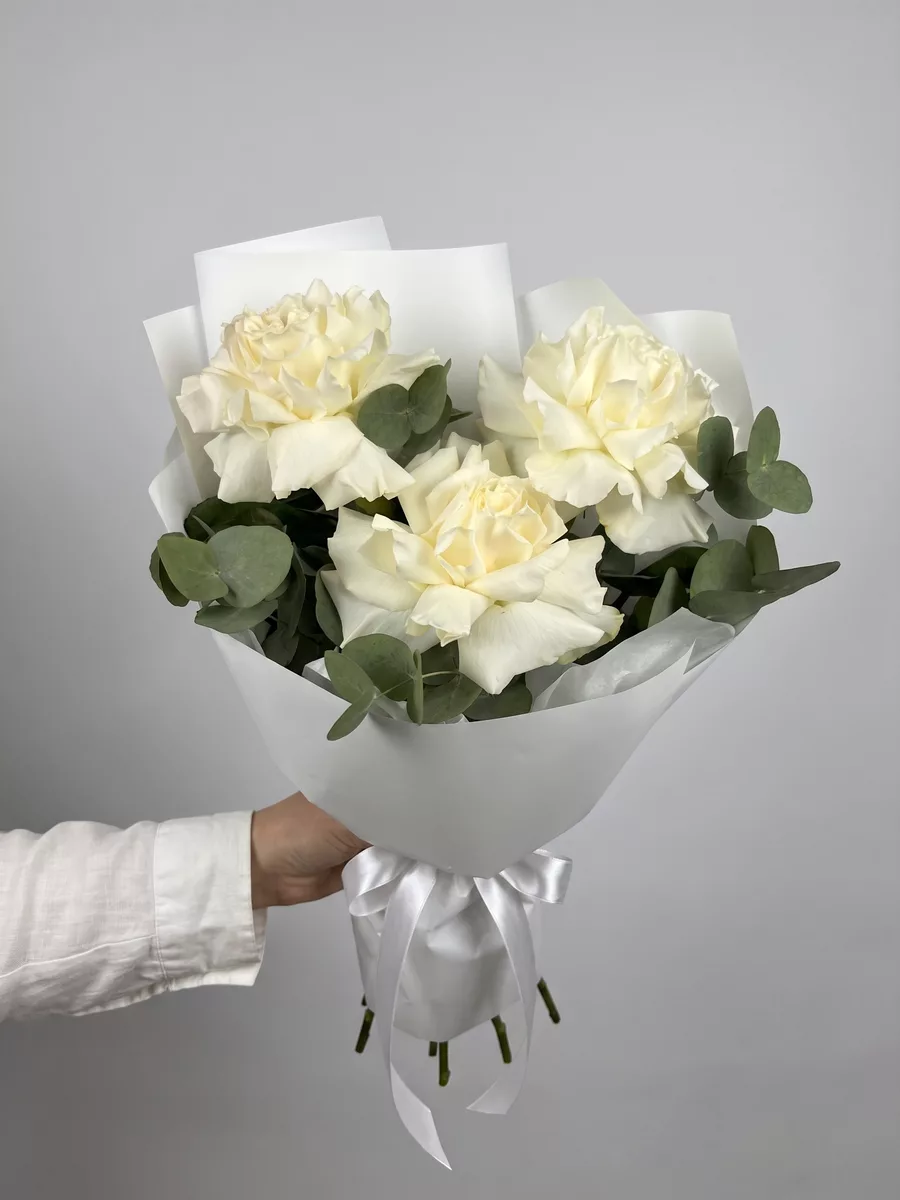
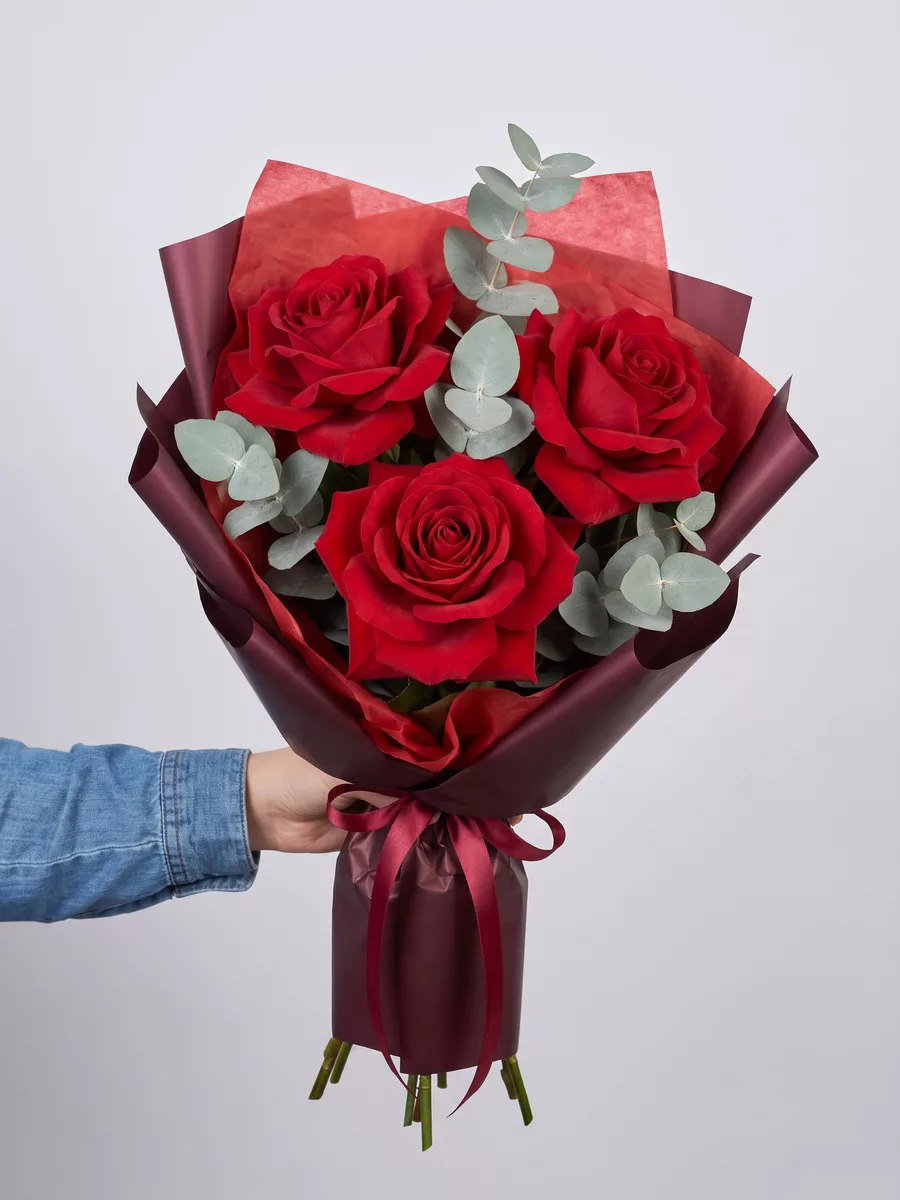
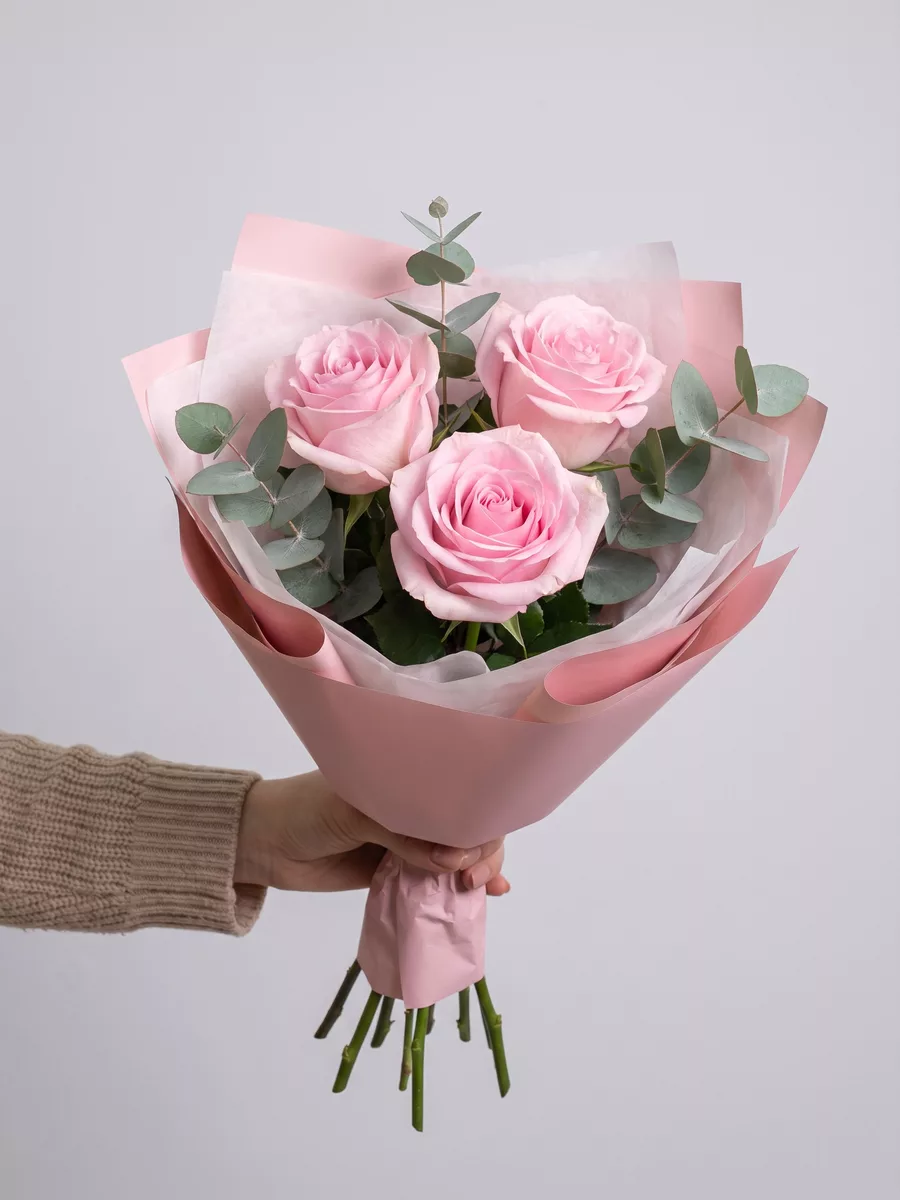
Bouquets we can deliver

Timing Your Order: When to Book and What to Expect
The honest answer on timing is this: place your order at least three hours before you want the bouquet to arrive, and four to five hours if the date is a major Russian holiday. On ordinary weekdays, same-day delivery to Divnogorsk is realistic when the order is confirmed before early afternoon. Evenings and weekends are busier, so earlier is always safer.
Russian gift-giving culture has a few peak moments worth knowing if you are not familiar with them. International Women's Day on the eighth of March is the single largest flower day in the country, and demand across the whole Krasnoyarsk region surges for several days around it. Valentine's Day in February and the New Year period in late December and early January are also high-traffic times. Pre-ordering for these dates is not just a good idea, it is the only way to guarantee both the variety you want and a specific delivery slot.
For birthdays and anniversaries on ordinary dates, same-day orders placed by midday almost always work. If you are sending flowers as a surprise and the recipient has an unpredictable schedule, choose a morning window so the bouquet is not waiting outside in cold air. Flowers left on a doorstep in Siberian winter even for thirty minutes can show frost damage on delicate petals, particularly on garden roses and ranunculus.
Once your order is confirmed, you receive updates on dispatch and arrival. If the recipient is unexpectedly away, our driver will contact you directly so the bouquet is never wasted.
Choosing Flowers for a Siberian Recipient
The person receiving your bouquet lives with long winters and a deep appreciation for colour when it finally arrives. That context shapes what works best. Bright, saturated tones land with more impact here than they might in a city where flowers are available on every corner year-round. Think coral and deep red spray roses, sunflowers in summer, vivid gerberas and ranunculus in spring shades of apricot and magenta.
For winter deliveries, hardier varieties travel better through the cold. Standard roses, alstroemeria and chrysanthemums are robust and hold their shape even when temperatures outside are severe. Eustoma, also called lisianthus, is an elegant choice that looks far more delicate than it actually is, making it ideal for formal occasions or when you want something that feels refined without being fragile.
If the recipient loves greenery and texture, eucalyptus branches and ruscus add volume and survive temperature changes well. Pairing them with peonies in late spring or tulips in early spring creates a bouquet that feels seasonal and considered rather than generic.
Avoid sending tropical varieties like anthurium or bird of paradise in deep winter unless the packaging is specifically designed for cold protection. These flowers are sensitive to temperatures below ten degrees Celsius and can show blackening or softening within hours of cold exposure. Our florists account for this when composing winter arrangements, but if you have a specific variety in mind, mentioning the delivery conditions when you order lets us advise you properly.
The safest general rule: choose what the recipient loves, then let us handle the cold-weather logistics.
Bouquets by Occasion: Matching the Moment
In Russia, flowers for a birthday are almost always a large, generous arrangement. The size of a bouquet is read as a measure of affection, so a single stem, however beautiful, can feel insufficient unless you know the recipient well and the gesture is intentional. For birthdays in Divnogorsk, a mixed bouquet of fifteen to twenty-five stems with varied textures — roses, spray roses, alstroemeria and some foliage — reads as warm and celebratory.
For a colleague or a teacher, a more structured arrangement in softer tones works better. White and cream eustoma, pale pink roses and a few stems of waxflower create something professional and genuinely lovely without feeling overly personal. Teachers in Russia are frequently given flowers at the start of the school year in September and on Teacher's Day in October, so those are good moments to plan ahead.
For a romantic occasion, red roses remain the classic choice and they carry clear meaning across cultures. But if you want something that feels more personal, a combination of garden roses in blush and dusty rose tones with ranunculus and eucalyptus has a warmth that a uniform red bouquet sometimes lacks. It says the same thing with more texture.
New baby, new home, new job — all of these are celebrated with flowers in Russian culture. Yellows and whites work beautifully for new arrivals and housewarming gifts. For a promotion or professional milestone, deeper tones like burgundy, plum and forest green feel appropriately substantial. Match the scale of the moment to the scale of the bouquet and you will rarely go wrong.
What Happens Between Our Florist and the Front Door
Every bouquet for Divnogorsk is assembled in our Krasnoyarsk studio and kept in cold storage until the moment it leaves. The cold chain matters more than most people realise. Flowers that sit at room temperature for even an hour before a long delivery lose vase life that cannot be recovered. Our process is built around minimising that warm window.
Packaging for Divnogorsk deliveries takes the Yenisei climate into account. In winter, bouquets are wrapped in insulating kraft paper and placed in a protective sleeve that guards petals from direct contact with cold air. This is not decorative, it is functional. A rose petal that touches metal or frozen plastic in transit can bruise or blacken, and that damage shows immediately when the bouquet is unwrapped.
The delivery vehicle maintains a stable temperature throughout the journey. This is why we ask for accurate addresses and contact numbers: a driver who needs to make multiple attempts at finding the right entrance is a driver whose flowers are spending more time in transit than planned.
When the bouquet arrives, the recipient will find it ready to arrange immediately. The stems are cut at an angle before packaging, so placing them directly into water is the right first step. If there is a care card included, it is worth reading, because the instructions are specific to the varieties in that particular arrangement rather than generic advice.
One detail that surprises people: the bouquet may look slightly compact when it first arrives. Give it thirty minutes in water at room temperature and you will see it open up. This is especially true of roses and peonies, which travel better when slightly closed.
Keeping Your Bouquet Fresh After Delivery
The vase life of a well-made bouquet in Divnogorsk depends on three things: water, temperature and trimming. Apartments in Siberian cities are often very warm in winter because of central heating systems that run at high output. This is wonderful for residents but hard on flowers. Keeping the vase away from radiators and out of direct sunlight extends the life of almost any arrangement by several days.
Change the water every two days and re-cut the stems at a slight angle each time, removing about a centimetre. This keeps the stem ends open and able to draw water. Stems that sit in the same water for more than two days begin to develop bacteria at the cut end, which blocks water uptake and causes premature wilting even when the water level looks fine.
Different varieties have different lifespans, and knowing this helps manage expectations. Alstroemeria and chrysanthemums typically last ten to fourteen days with proper care. Standard roses give you seven to ten days. Tulips and ranunculus are shorter-lived at five to seven days, but their impact in the first few days is extraordinary. Eustoma sits comfortably in the middle at around ten days.
Removing spent blooms as they fade keeps the arrangement looking fresh and also reduces the ethylene gas that wilting flowers release, which accelerates ageing in the stems around them. This is a small habit that makes a visible difference.
If the recipient lives in a particularly dry apartment, placing the vase away from air vents and misting the petals lightly in the morning helps. Siberian winters dry out indoor air significantly, and flowers feel it just as people do.
Making the Delivery a Real Surprise
The logistics of a surprise delivery in a smaller city like Divnogorsk are actually more manageable than in a large urban area. There are fewer large residential complexes with restricted access, and most addresses are straightforward to reach. The main risk with a surprise is timing: if the recipient is not home and you have not provided a contact number for them, the bouquet cannot simply be left outside in winter temperatures.
The cleanest solution is to give us a secondary contact, a family member or colleague who can quietly let the recipient know to expect a visitor without spoiling the surprise entirely. Alternatively, choose a delivery window when you are confident the person will be in. For a birthday morning delivery, knowing the recipient's routine helps enormously.
If you are sending flowers from another city or from abroad and cannot coordinate directly, a note in the order about the recipient's likely schedule is genuinely useful. Our driver will always call ahead, which gives a few minutes of warning but rarely spoils the emotion of the moment.
The presentation itself adds to the surprise. A bouquet wrapped thoughtfully, with a handwritten card rather than a printed slip, lands differently than a package. When you place your order, take a moment to write the message as you would actually say it rather than defaulting to a standard phrase. Recipients in Divnogorsk, as anywhere, remember the words long after the flowers have faded.
A good surprise is not just about the object arriving at the door. It is about the person opening it feeling that someone thought carefully about them. That intention comes through in every detail, from the variety chosen to the words on the card.
Divnogorsk may be a quiet city by Siberian standards, but the people who live there notice and appreciate a well-chosen bouquet just as much as anyone in a major capital. The Yenisei, the cold, the warm apartments, the close-knit feel of the city — all of it shapes how flowers land there, and knowing that context makes you a better sender. Plan a little ahead, choose varieties that suit the season and the person, and trust that a bouquet which arrives in good condition and with a genuine message will do exactly what you hoped it would.
Frequently asked questions
Can I order flowers for same-day delivery to Divnogorsk?
Yes, same-day delivery to Divnogorsk is available when you place your order before midday on most days. During major holidays such as March 8th or Valentine's Day, demand rises sharply across the Krasnoyarsk region, and we strongly recommend ordering at least one to two days in advance to secure your preferred bouquet and delivery slot.
Will the flowers be damaged by the cold during delivery in winter?
We wrap all bouquets in insulating kraft paper and protective sleeves specifically for cold-weather transit. The delivery vehicle maintains a stable interior temperature throughout the journey. Delicate varieties like ranunculus and open roses are packaged with extra care. As long as the recipient places the bouquet in water promptly after receiving it, cold transit should not affect the arrangement's quality or vase life.
What flowers last longest in a warm Siberian apartment?
Alstroemeria and chrysanthemums are the most durable, typically lasting ten to fourteen days even in centrally heated rooms. Standard roses and eustoma give you seven to ten days with regular water changes. Keep the vase away from radiators and re-cut stems every two days. Avoid placing the bouquet near fruit bowls, as ripening fruit releases ethylene gas that shortens flower life noticeably.
How many stems should I order for a birthday bouquet in Russia?
In Russian gift culture, bouquet size is associated with the warmth of the gesture, so fifteen to twenty-five stems is a comfortable range for a birthday. Odd numbers are traditional for celebratory occasions in Russia, though this convention is observed less strictly than it once was. More important than the count is a mix of textures and colours that suits the recipient's personality and the mood of the occasion.
What if the recipient is not home when the bouquet arrives?
Our driver will call the recipient before arriving. If there is no answer and no secondary contact provided, we will reach you directly to arrange a solution. We never leave flowers unattended outside in winter, as even thirty minutes in sub-zero temperatures can damage petals. Providing a backup contact number when ordering is the simplest way to ensure the surprise goes smoothly regardless of the recipient's schedule.
Ready to send flowers?
Pick the city, choose the bouquet, and a local florist takes it from there.
Choose a city →