Sending Flowers to Dobryanka? Here Is What to Expect
Dobryanka is a quiet city on the Kama River, and when someone there receives flowers at the door, it stands out. Whether you are surprising a mother on her birthday, congratulating a colleague on a promotion, or simply saying thank you to a friend who lives far from you, a fresh bouquet delivered to their address says something that a message cannot. This guide walks you through timing, seasonal choices, presentation, and care — everything you need to feel confident ordering from a distance.
Which Parts of Dobryanka We Reach and How Long It Takes
Dobryanka sits in the Perm Krai region, and delivery there works on a next-day or scheduled basis depending on when you place your order. Unlike same-day delivery within Saint Petersburg, orders to Dobryanka travel a significant distance, so planning one to two days ahead gives the best results. We recommend placing your order before noon if you want the bouquet to arrive the following day. For weekend deliveries, ordering by Friday afternoon is the safest approach.
The city itself is compact, and our courier covers central streets as well as residential districts on the outskirts. If you are sending to a specific address and are unsure whether it falls within range, the checkout page will confirm coverage before you complete payment. Apartment buildings, private houses, and workplace addresses are all reachable.
One thing worth knowing: Dobryanka winters are cold, and temperatures regularly drop below minus fifteen Celsius between November and February. Flowers are packed in insulated wrapping to protect them during transit, but tulips and ranunculus are especially sensitive to freezing. In deep winter, roses and chrysanthemums travel more reliably because their stems and petals handle brief cold exposure better. We factor this into packaging automatically, but if you have a particular variety in mind during winter months, it is worth checking availability at the time of order.
Bouquets we can deliver

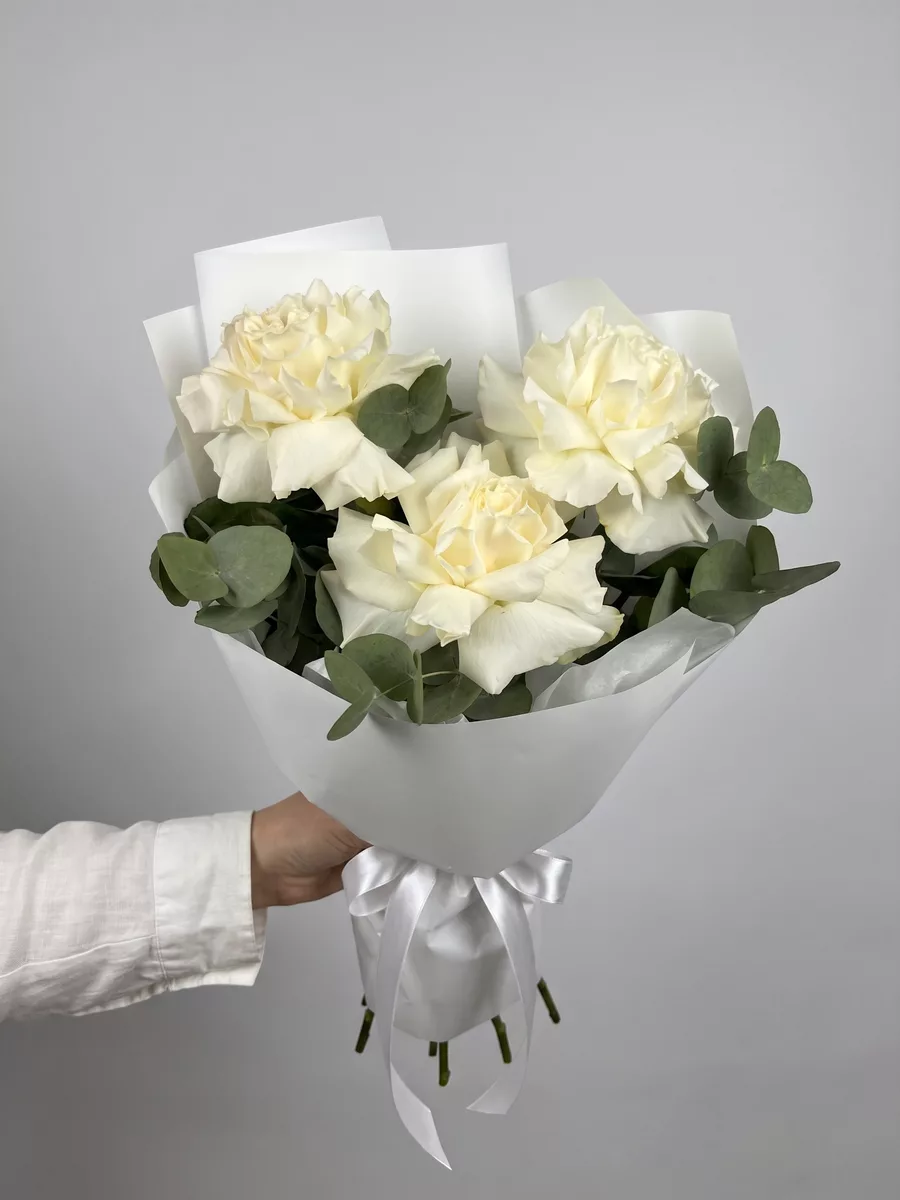
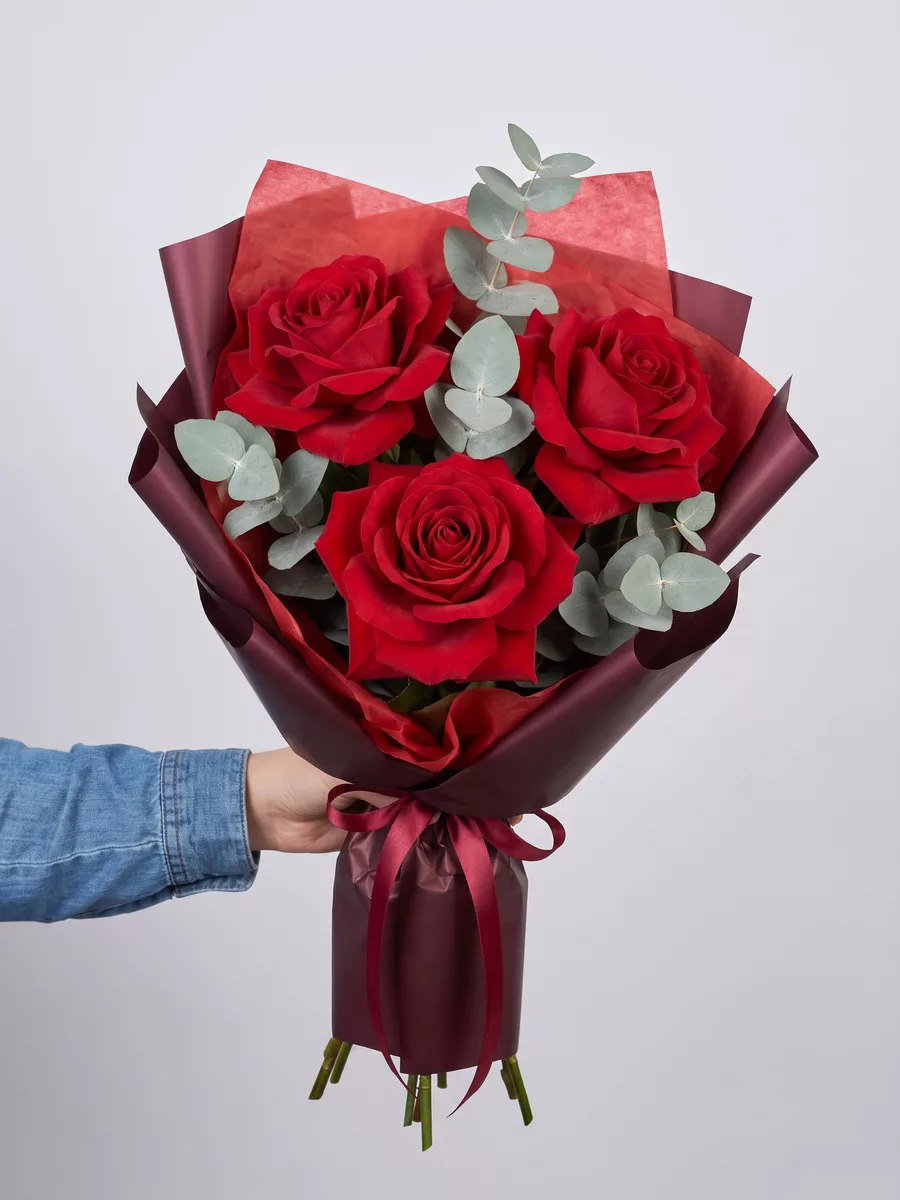
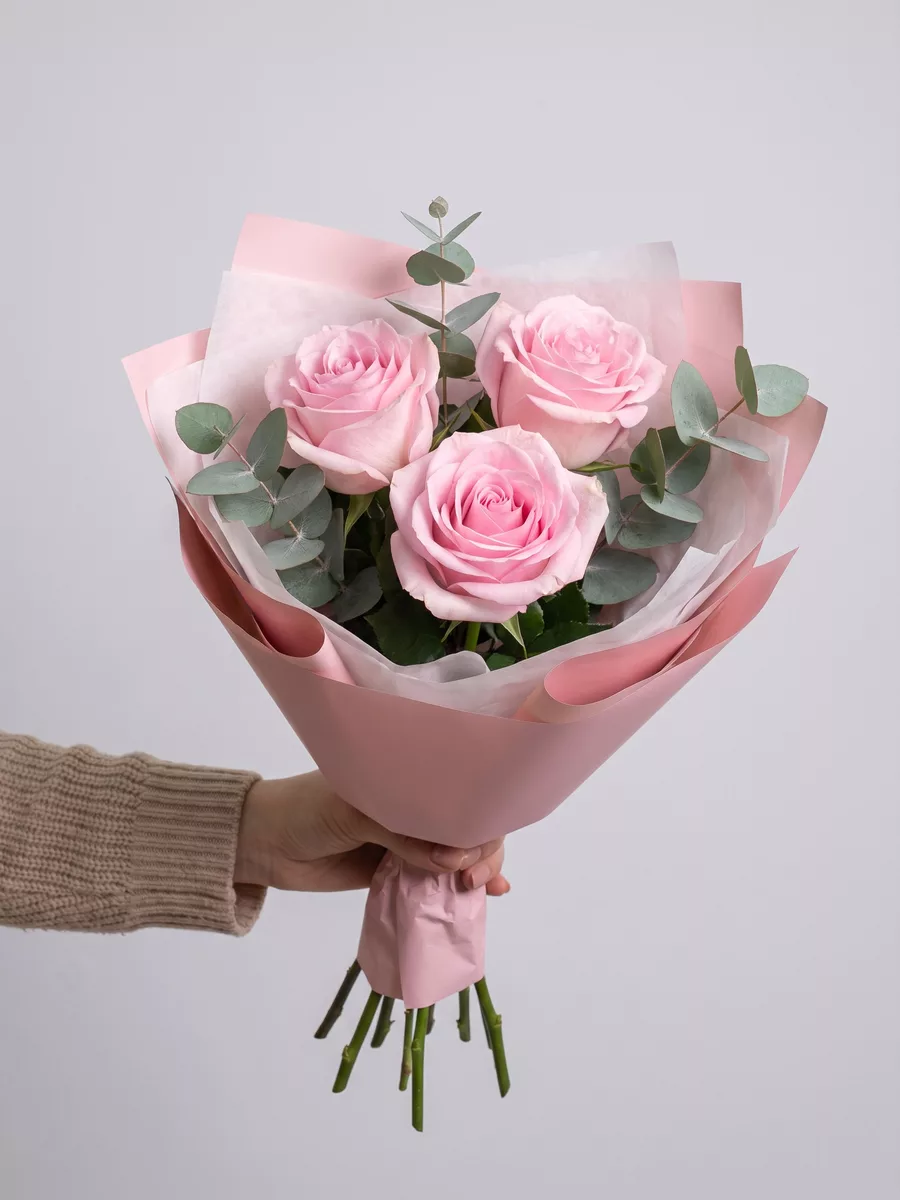
Choosing a Bouquet for the Person, Not Just the Occasion
The occasion tells you the mood, but the person tells you the bouquet. A birthday for a woman in her sixties calls for something different than a birthday for a twenty-five-year-old colleague. Older recipients in Russia often appreciate full, lush arrangements — think garden roses in peach or cream, alstroemeria, and eucalyptus. Younger recipients tend to respond well to something more contemporary: a monobouquet of white or blush peonies in season, or a tight cluster of spray roses with minimal greenery.
For a man, which is still an unusual but growing choice in Russian gifting culture, a structured arrangement of tropical foliage, anthuriums, or bold sunflowers reads as thoughtful rather than awkward. Russians do not typically give flowers to men outside of specific occasions like a professional anniversary or a significant birthday, but it is becoming more accepted, especially in urban contexts.
Children and teachers are another common recipient category in Russia, particularly around Knowledge Day on September 1st and Teacher's Day in October. For these, gladioli and asters are traditional and still widely loved. If you want something that feels fresh while respecting local custom, a mixed bouquet of dahlias and seasonal berried branches hits the right note — celebratory without being over the top. Think about what the recipient's home looks like, too. A single large arrangement in a tall vase suits a spacious apartment, while a compact round bouquet is easier to display in a smaller space.
Seasonal Flowers That Arrive in the Best Condition
Flowers that are in season travel better and last longer, and this matters even more for a delivery that covers hundreds of kilometres. In spring, tulips are at their peak from March through April — they arrive tight and open beautifully over two to three days at room temperature. Peonies come into their own in late May and June, and a bouquet of them in blush or white is one of the most requested combinations we prepare during that window.
Summer brings dahlias, lisianthus, and an abundance of garden roses. Lisianthus is underused and worth considering: it has the layered look of a rose but lasts up to ten days in a clean vase with fresh water changed every two days. Dahlias are stunning but slightly more delicate — they do best in a cool room away from direct sunlight.
In autumn, chrysanthemums are the backbone of most arrangements. They are hardy, long-lasting, and available in a wide range of colours from white and yellow to deep burgundy. Paired with hypericum berries and seasonal foliage, they make a rich autumn bouquet that holds up well after delivery. Winter calls for roses, carnations, and amaryllis. Amaryllis is dramatic and architectural — a single stem in a tall vase makes an impression in any room. Carnations have an unfair reputation, but premium spray carnations in dusty pink or coral are genuinely beautiful and last two weeks with basic care.
How to Write the Card Message for a Russian Recipient
In Russia, the card that comes with flowers carries real weight. It is often read aloud if the delivery happens in front of others, so the tone matters. A warm, direct message is always better than something vague. Instead of writing 'thinking of you,' try 'wishing you a wonderful birthday and sending a little colour your way.' Specificity makes the message feel personal rather than copied from a template.
Russian recipients appreciate sincerity over cleverness. Humour works if you know the person well, but a heartfelt line lands more reliably across all ages and relationships. If you are sending on behalf of a company or a group, mention the names or the team — it makes the gesture feel human rather than corporate.
For significant birthdays — fortieth, fiftieth, sixtieth — Russians often expect a more formal tone, especially in professional relationships. Something like 'Congratulations on this milestone. Wishing you health and continued success' is appropriate and well-received. For close friends or family, you can be warmer and more personal.
If you are writing in English and the recipient reads Russian, you can leave the message in English — many people appreciate it, especially from someone abroad. Alternatively, you can ask us to translate a short message at the time of order. One practical note: avoid writing the recipient's age on the card if you are unsure how they feel about it. In Russian culture, some people are private about their age, and leaving it out is always the safer choice.
Presentation Details That Make the Difference at the Door
The moment the bouquet is handed over is the moment the gift lands. Presentation is not just about the flowers — it is about how they are wrapped, what they smell like when the paper opens, and whether they look intentional. We wrap bouquets in kraft paper or matte film depending on the style, with the stems cut cleanly and wrapped in damp cotton to keep them hydrated during transit.
For a romantic occasion, we add a layer of soft tissue inside the outer wrapping so the flowers are revealed gradually when the recipient opens it. This small detail costs nothing but changes the experience entirely. If you want ribbon or a specific colour scheme for the wrapping, note it at checkout and we will match it as closely as possible to what is available.
A common mistake people make when ordering remotely is choosing a bouquet based on size alone. A very large arrangement can be hard to carry, difficult to find a vase for, and overwhelming in a small apartment. A medium-sized, well-composed bouquet with interesting texture — combining, say, white freesias, pale green hellebores, and a few stems of eucalyptus — often makes a stronger impression than a bucket of roses.
Freesias are worth mentioning specifically because they are one of the most fragrant flowers we work with. When the recipient opens the wrapping, the scent fills the room immediately. For someone who loves fragrance, a bouquet built around freesias or garden roses is a sensory gift as much as a visual one. This is the kind of detail that gets remembered.
Caring for the Bouquet After It Arrives
A bouquet that arrives in Dobryanka has already travelled, and the first thirty minutes after delivery determine how long it will last. The recipient should cut the stems at an angle — about two centimetres from the bottom — using scissors or a sharp knife, not by snapping them. This opens up the stem and allows water to move through efficiently. The vase should be clean and filled with cool, not cold, water.
Strip any leaves that would sit below the waterline. Leaves left in water decompose quickly and introduce bacteria that shorten the life of the entire bouquet. This is the single most common mistake people make, and it is easy to avoid. Change the water every two days and recut the stems at the same time.
Keep the bouquet away from radiators, which are working hard during Dobryanka winters, and away from direct sunlight. A spot on a table near a window but out of the sun is ideal. Avoid placing flowers near a fruit bowl — ripening fruit releases ethylene gas, which accelerates wilting, particularly in roses and carnations.
Different flowers in a mixed bouquet have different lifespans. Chrysanthemums and carnations will often outlast roses and tulips by several days. As individual stems fade, remove them and rearrange what remains. A bouquet of twelve roses might become a small vase of six after five days, and that smaller arrangement can still look intentional and lovely. Teach the recipient this — it extends the pleasure of the gift considerably.
When to Order and How to Plan Around Russian Holidays
Russia has several dates when flower demand surges, and Dobryanka is no exception. International Women's Day on March 8th is the single busiest day of the year for flower delivery across the country. Orders for that date fill up days in advance, and the most popular varieties — tulips, mimosa, roses — sell out early. If you are planning a delivery for March 8th, ordering four to five days ahead is not excessive. It is genuinely necessary.
Valentine's Day on February 14th has grown significantly in popularity in Russia over the past decade, particularly among younger people. Red roses dominate, but a bouquet of white or pink peonies, if available, makes a more unexpected and memorable choice. New Year is another peak period, though flowers for New Year tend to be more about home decoration — branches, pine cones, and amaryllis in red and white are popular.
Birthdays and anniversaries can be ordered closer to the date, but for Dobryanka specifically, allowing two days of lead time is the right habit. This accounts for transit time and gives us room to prepare the bouquet fresh rather than pulling from stock assembled the day before.
Knowledge Day on September 1st is worth planning for if you have a child or a teacher in your life in Dobryanka. Gladioli are the traditional choice, and they arrive in abundance in late August. Ordering a week ahead for that date means the recipient gets a bouquet that was prepared fresh, not one assembled from whatever is left after the rush.
Sending flowers to Dobryanka from a distance is entirely manageable when you know what to expect. The city is reachable, the timing is predictable when you plan ahead, and the right bouquet for the right person is never just about the flowers — it is about the thought behind the choice. Whether you are marking a birthday, celebrating a milestone, or simply wanting someone to open their door to something beautiful, a well-chosen, well-wrapped, freshly cut bouquet does that work reliably. The florist's job is to make sure it arrives looking like it was assembled around the corner, even when it wasn't.
Frequently asked questions
How far in advance should I order flowers for delivery to Dobryanka?
For most occasions, ordering one to two days ahead is enough. For peak dates like March 8th or September 1st, plan four to five days in advance. Popular varieties sell out quickly around Russian holidays, and earlier orders give us time to prepare your bouquet fresh rather than working from limited stock.
Will the flowers survive the journey to Dobryanka in winter?
Yes, with the right varieties. Roses, chrysanthemums, and carnations handle cold transit well. Tulips and ranunculus are more sensitive to freezing temperatures. We pack all winter deliveries with insulated wrapping, but choosing hardy varieties in November through February gives your bouquet the best chance of arriving in excellent condition.
Can I send flowers to a workplace address in Dobryanka?
Absolutely. Office and workplace deliveries work well, and many customers choose them specifically because it makes the gesture more visible and celebratory. Include the full address, floor, and the recipient's name clearly. If the building has a reception or security desk, note that in the delivery instructions so our courier knows what to expect.
What is a good flower choice if I do not know the recipient's preferences?
White or cream roses are universally well-received and appropriate for almost any occasion. A mixed bouquet of roses, lisianthus, and eucalyptus is elegant without being too specific. If the delivery is for a birthday, adding a few stems of a seasonal accent flower — freesias in spring, dahlias in summer — makes it feel more personal and considered.
How long will the bouquet last after delivery to Dobryanka?
With proper care — stems cut at an angle, clean vase, water changed every two days, kept away from heat sources — most bouquets last five to eight days. Chrysanthemums and carnations can reach ten to fourteen days. Removing faded stems and rearranging what remains extends the life of the bouquet and keeps it looking intentional rather than tired.
Ready to send flowers?
Pick the city, choose the bouquet, and a local florist takes it from there.
Choose a city →