Sending Flowers to Donetsk? Here Is Everything You Need to Know
Ordering flowers for someone in Donetsk when you are sitting in Saint Petersburg feels like a leap of faith. You cannot see the bouquet being assembled, you cannot hand it over yourself, and you want to be sure it arrives looking the way you imagined it. The good news is that with the right preparation — knowing what to order, when to order it, and what to tell the recipient — the whole experience becomes straightforward and genuinely rewarding.
Which Areas of Donetsk We Deliver To
Donetsk is a large city with distinct residential and commercial districts, and not every address is equally straightforward to reach on the same day. We deliver across the central districts, including the areas around the city's main boulevards and squares, as well as to residential neighbourhoods on the outskirts. When you place your order, enter the full address including the district name or a recognisable landmark nearby — this helps our courier plan the most direct route and avoid delays.
If you are sending to a workplace, a clinic, or a university building, note the building number and the name of the organisation in the comments. Large complexes often have multiple entrances, and a courier arriving at the wrong side of a building can lose fifteen minutes easily. If your recipient is in a gated residential compound, leave a contact number so the courier can call ahead.
For deliveries to private homes in quieter suburban streets, we recommend scheduling a two-hour window when the recipient is definitely at home rather than relying on a surprise drop. Flowers left in a hallway or handed to a neighbour lose much of their emotional impact. A little coordination on your end means the bouquet is received exactly as intended — fresh, in person, and with the full effect of the moment intact.
Bouquets we can deliver

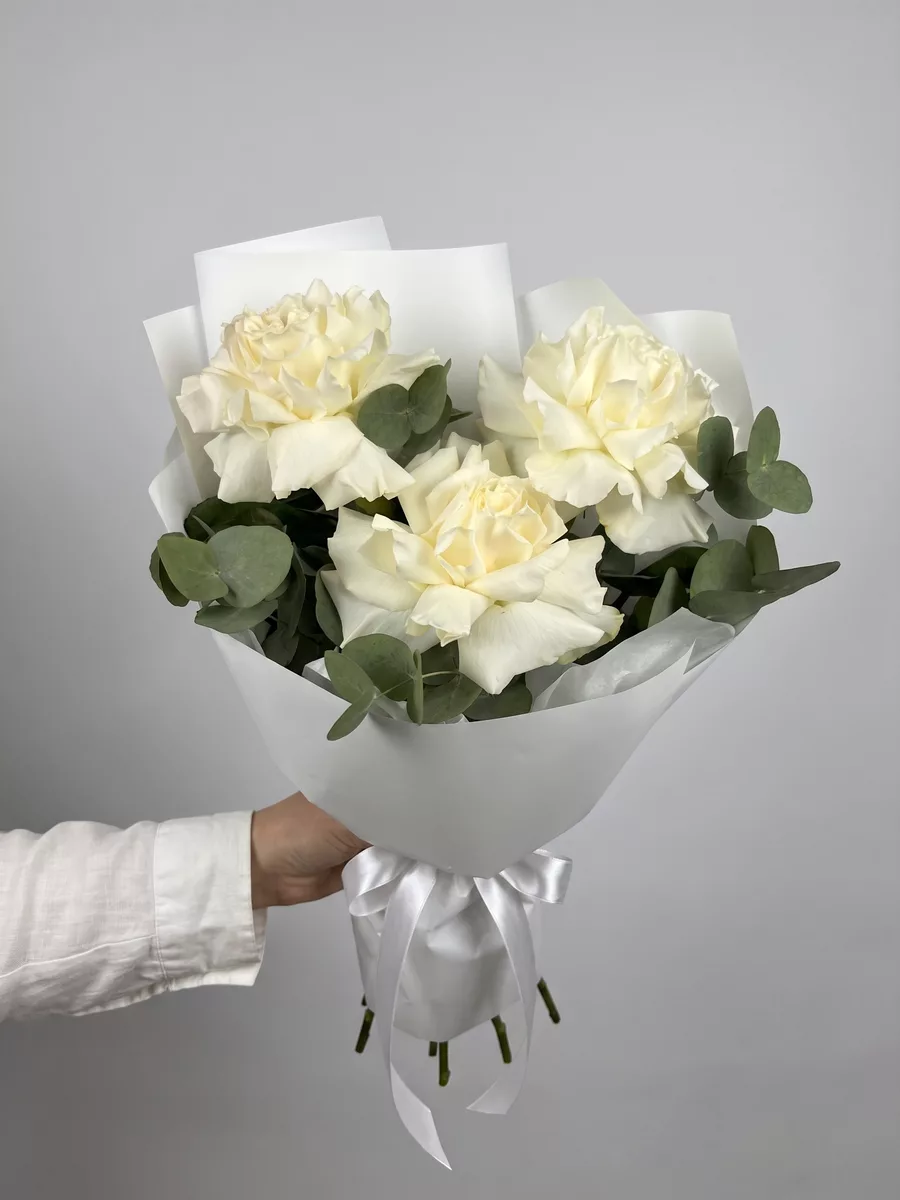
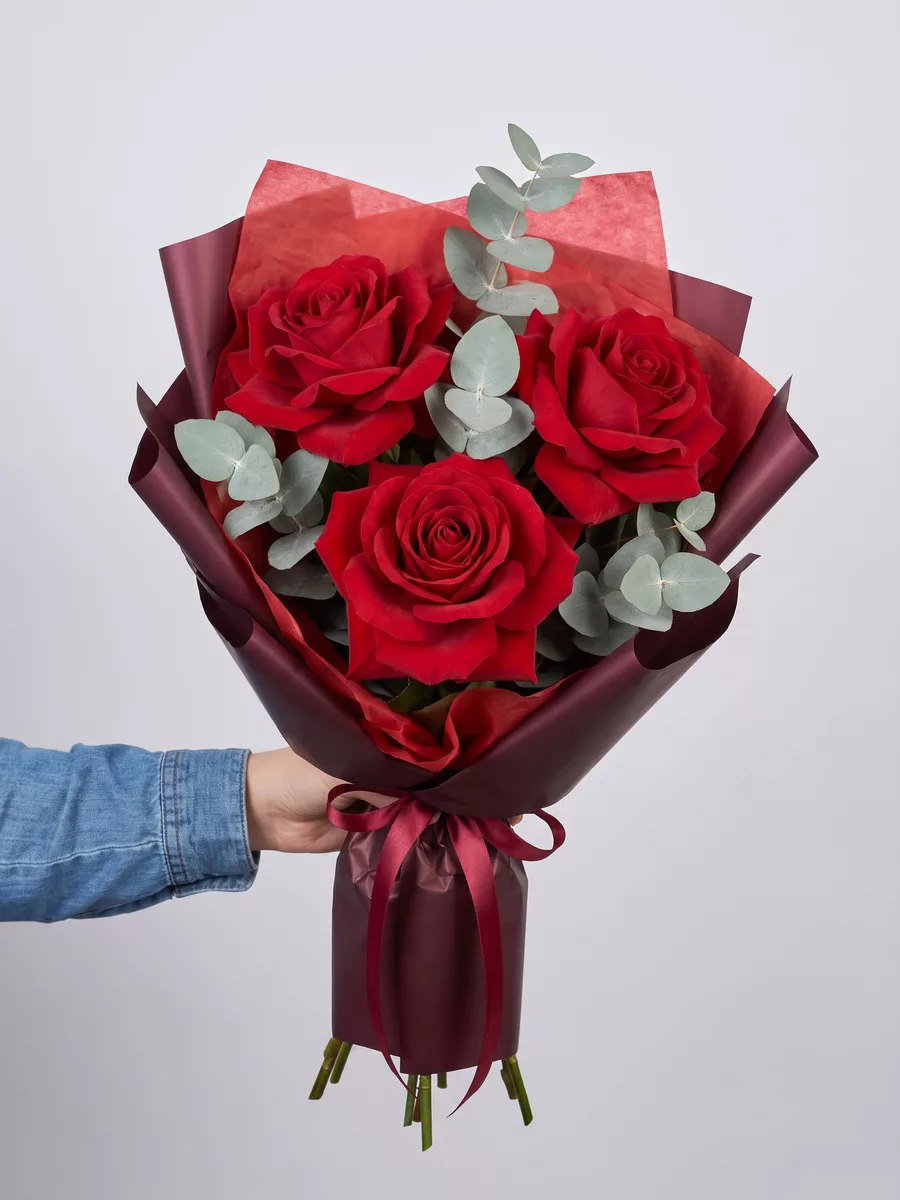
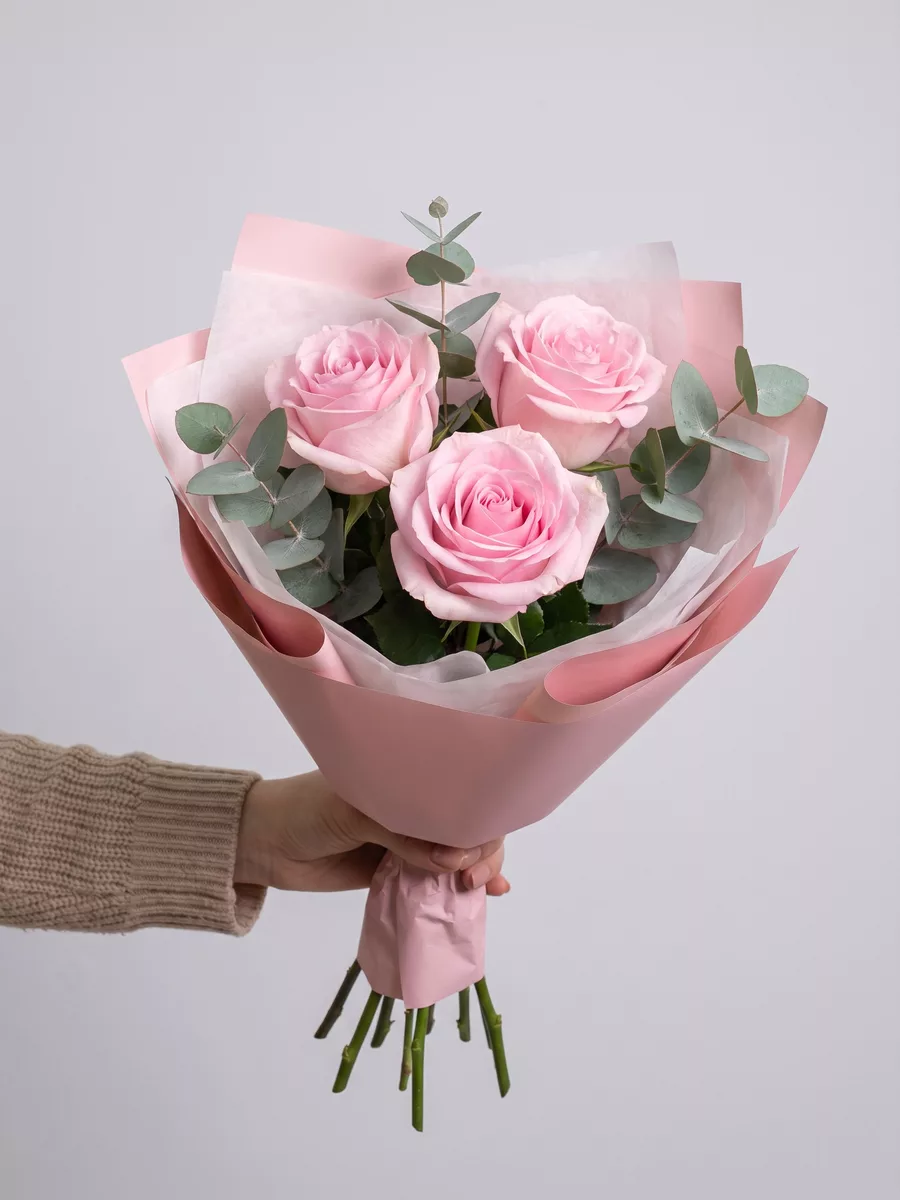
Timing Your Order: Same-Day and Scheduled Delivery
We operate on a one-to-two-hour delivery window, which means a bouquet ordered in the morning can reach your recipient before lunch, and one ordered in the afternoon can arrive before the working day ends. The key is placing your order at least ninety minutes before the moment you have in mind. Cutting it closer than that creates unnecessary pressure and increases the chance that the exact flowers you wanted have already been committed to another order.
For birthdays, anniversaries, and celebrations tied to a specific time — a dinner reservation, a graduation ceremony, a work presentation — scheduled delivery is the smarter choice. You pick the date and a two-hour slot, and we build that into the courier's route from the start. This is especially useful if you are ordering from a different time zone, since Saint Petersburg and Donetsk share the same time zone, but your own location might not.
Avoid ordering for the very last minute before a holiday. The days leading up to International Women's Day on the eighth of March and Valentine's Day on the fourteenth of February are the busiest in any flower shop calendar. If you want a specific variety — say, garden roses in a particular colour or double-headed tulips — place your order at least a day ahead during these periods. The flowers are there; it is the courier slots that fill up fastest. Early orders also give us time to source stems at their peak, rather than working through whatever remains at the end of a heavy delivery day.
Choosing Flowers for the Occasion, Not Just the Season
The most common mistake people make when ordering remotely is choosing flowers they personally like rather than flowers that suit the recipient and the moment. A bold arrangement of tropical anthuriums looks striking in a photograph but can feel cold and impersonal when handed to a grandmother on her birthday. A soft cluster of garden spray roses or freesias, on the other hand, feels warm and considered even before the recipient reads the card.
For romantic occasions, ranunculus combined with garden roses in blush or cream tones creates depth without looking stiff. Peonies, when in season from late spring through early summer, need almost nothing added — a generous bunch wrapped simply in kraft paper is enough. For a friend's birthday or a colleague's work anniversary, a mixed bouquet with lisianthus, matthiola, and eucalyptus strikes the right balance between celebratory and tasteful.
If the recipient has a home with a particular aesthetic — minimalist, very colourful, traditionally Russian with lots of textiles and warm tones — mention it in the order comments. We can adjust the palette and the wrapping accordingly. Russian floral tradition tends toward generous, full-looking arrangements rather than sparse modern ones, so if your recipient grew up here, a bouquet that looks abundant will feel more like a real gift. That said, a single variety presented beautifully — thirty white tulips, for instance — reads as intentional and elegant rather than understated.
What Happens Between Order and Doorstep
Once your order is confirmed, our florists begin assembly immediately. Stems are cut at an angle under water, which allows them to drink without an air bubble forming at the base — a small detail that adds days to the vase life. Conditioning time varies by flower: roses need their lower leaves removed and their stems recut before wrapping, while tulips are kept cool and upright until the last moment because they continue to grow and will bend toward any light source if left lying down.
The bouquet is wrapped in a way that protects the heads during transit. In warm weather, above twenty-two degrees Celsius, we use insulated packaging for delicate flowers like peonies and garden roses to prevent wilting between the shop and the door. In winter, the wrapping adds an extra layer to protect against frost damage during the time the courier moves between the vehicle and the building entrance — even thirty seconds in minus fifteen can mark the outer petals of a ranunculus.
When the courier arrives, they carry the bouquet vertically, heads up. If your recipient is not home, we will call the number provided rather than leave the flowers unattended. A bouquet sitting in a cold stairwell or a warm lobby for even an hour loses condition quickly. We would rather reschedule than deliver a bouquet that has started to fade before it has been appreciated. You will receive a notification when the order is on its way, so you can give your recipient a heads-up if the gift is not a surprise.
Flowers by Budget: Getting the Most From Every Arrangement
Budget shapes what is possible, but it does not have to limit what feels generous. A smaller bouquet that is well-composed and beautifully wrapped reads as more thoughtful than a large bundle of mismatched stems that looks like it was assembled in a hurry. The goal is always proportion: the right number of flowers for the container, the right combination of textures, and wrapping that complements rather than overwhelms.
At a modest budget, single-variety bouquets perform best. Tulips, chrysanthemums, and alstroemeria are all long-lasting, reliably available, and look intentional when presented in a single colour. A bunch of white or lilac alstroemeria with a few stems of ruscus for greenery is simple, fresh, and lasts well over a week in a vase. These are not compromise choices — they are florist choices, the kind of thing a professional would bring to a friend.
With more to spend, you can layer textures: a base of spray roses, a mid-layer of lisianthus or scabiosa, and a few statement stems of garden roses or peonies at the top. This is how the arrangements you see in editorial photographs are built — not one expensive flower, but a considered combination where each element makes the others look better. Adding a candle, a small box of chocolates, or a handwritten card from us lifts the overall gift without requiring a significantly larger bouquet. Think of the total impression, not just the flowers alone.
Caring for the Bouquet After Delivery: What to Tell Your Recipient
Most flowers arrive in better condition than people expect, but that condition only holds if the recipient knows what to do in the first ten minutes. The single most important step is getting the stems into water quickly. If the bouquet is wrapped, the wrapping should come off before the flowers go into a vase — leaving cellophane or paper around the stems traps humidity and encourages bacterial growth at the base.
The vase should be clean, filled with cool water, and positioned away from direct sunlight, radiators, and fruit bowls. Fruit releases ethylene gas as it ripens, which accelerates the ageing of cut flowers — tulips and roses are particularly sensitive to this. A cool room extends vase life noticeably: flowers kept at eighteen degrees Celsius last significantly longer than those in a room at twenty-five degrees.
Every two days, the stems should be recut by one to two centimetres at an angle, and the water changed completely. This prevents the buildup of bacteria that blocks water uptake. Different flowers in a mixed bouquet age at different rates: tulips and alstroemeria tend to outlast roses and ranunculus. When one variety starts to fade, remove those stems rather than leaving them in the water, which degrades the remaining flowers faster. With basic care, a well-assembled mixed bouquet should look good for seven to ten days, and single-variety arrangements of tulips or alstroemeria can last up to two weeks.
Adding a Personal Touch: Cards, Messages and Russian Customs
In Russia, the gesture of giving flowers carries significant social weight. Flowers are brought to first meetings, handed to teachers on Knowledge Day in September, given to doctors after a successful treatment, and presented at every kind of celebration from a child's first school play to a corporate anniversary. If you are sending flowers to someone in Donetsk and you are not from Russia yourself, understanding this context helps you write a message that feels appropriate rather than generic.
The card message matters more than many people realise. A specific, personal line — referencing something the recipient achieved, a memory you share, or a quality you genuinely admire — lands far better than a standard congratulations. We can print your message on a card and attach it to the bouquet. Write it in whatever language feels natural between you and your recipient; the warmth comes through regardless.
One small cultural note: in Russia, even numbers of flowers are traditionally associated with mourning, so bouquets are always assembled in odd numbers — five, seven, eleven, fifteen stems. We follow this automatically, so you do not need to count or specify. If you are ordering a very large arrangement and the number is not immediately obvious, rest assured this is handled at the assembly stage. Similarly, yellow flowers carry a folklore association with separation in some parts of Russian culture, though this is generational and not universal. If you are unsure, a mix of warm tones — coral, peach, soft red — is always safe and genuinely beautiful.
Sending flowers to Donetsk from a distance is less complicated than it sounds once you know what to expect at each step. The timing, the flower choice, the care instructions for your recipient — each of these is something you can prepare for in a few minutes, and the result is a bouquet that arrives in full condition and lands with the impact you intended. Whether you are marking a birthday, celebrating a promotion, or simply telling someone you are thinking of them, a well-chosen arrangement does the work that a message alone cannot.
Frequently asked questions
Can I order flowers for delivery in Donetsk from another city?
Yes, you can place an order from anywhere in Russia or abroad through our website. Enter the Donetsk delivery address, choose your preferred time slot, and add the recipient's phone number. We handle assembly and delivery from our end — no need to coordinate with anyone locally. Payment is processed online at the time of ordering.
What if my recipient is not home when the courier arrives?
Our courier will call the recipient's number before or upon arrival. If there is no answer, we will contact you as the sender to decide next steps. We do not leave bouquets unattended in corridors or with neighbours without your explicit permission, because flowers lose condition quickly in uncontrolled environments. Rescheduling to a confirmed time is always an option.
How far in advance should I order for a holiday like March 8th?
For major flower holidays, we recommend ordering at least two to three days ahead. Courier slots fill quickly on the seventh and eighth of March, and specific varieties — particularly tulips in unusual colours and peonies — are committed to early orders first. Placing your order early also gives us time to source the freshest stems rather than working from the day's remaining stock.
Do you deliver to workplaces and office buildings in Donetsk?
Yes. Include the organisation name, building number, floor, and a contact number for the recipient in your order comments. Large office complexes often have security desks or multiple entrances, and this information helps the courier reach the right point without delay. For surprise deliveries to an office, it helps to have a colleague inside who can receive the bouquet discreetly.
Which flowers last longest in a vase after delivery?
Alstroemeria, chrysanthemums, and lisianthus consistently offer the longest vase life — often ten to fourteen days with basic care. Tulips last seven to ten days when kept cool and recut regularly. Roses and ranunculus are slightly shorter at five to eight days but make a stronger visual impression. For recipients who travel or are often away from home, a single-variety alstroemeria bouquet is a practical and beautiful choice.
Ready to send flowers?
Pick the city, choose the bouquet, and a local florist takes it from there.
Choose a city →