Sending Flowers to Dubna: Timing, Areas and What to Order
Dubna sits about 130 kilometres north of Moscow, close to the Volga reservoir, and it has its own quiet character — a science town where people value thoughtfulness over spectacle. When you want to send flowers there for a birthday, an anniversary, or simply to say you are thinking of someone, the distance from Saint Petersburg is not the obstacle it might seem. Turboflora delivers fresh flowers to Dubna directly, and this article tells you everything you need to know before you place your order.
Which Parts of Dubna We Deliver To
Dubna is a compact city, but it is divided by water in a way that surprises people who have never visited. The Volga Canal and the river itself split the city into distinct districts — the left bank, the right bank, and the newer residential areas that have grown up along the Dmitrovskoye Highway. We deliver to all of them, including the academic quarter around the Joint Institute for Nuclear Research, the Bolshaya Volga neighbourhood, and the residential streets near the railway station. If you are unsure whether a specific address falls within our delivery zone, the safest step is to enter the full address at checkout — the system confirms coverage immediately rather than leaving you guessing. One practical note: some addresses in the newer construction zones on the outskirts use building numbers that do not yet appear on standard maps. If you are sending to a recently built apartment block, add a landmark or the nearest street intersection in the comment field. Our courier will confirm the address by phone before setting out, so nothing gets lost. Dubna is not a large city by Russian standards, which works in your favour — once our courier arrives in the city, the distance between any two points is rarely more than fifteen minutes by car. That means the flowers you order in the morning can reach the recipient well before lunch, still fresh and tightly arranged.
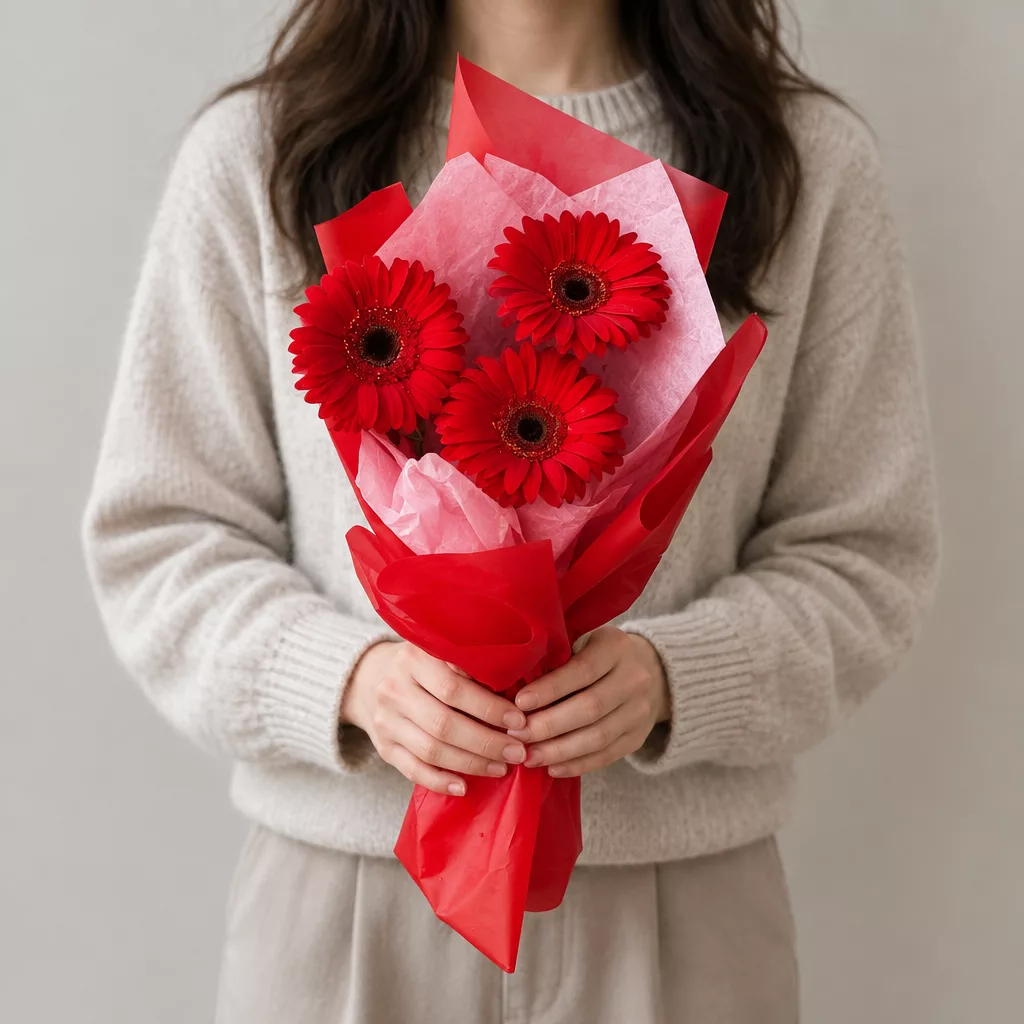
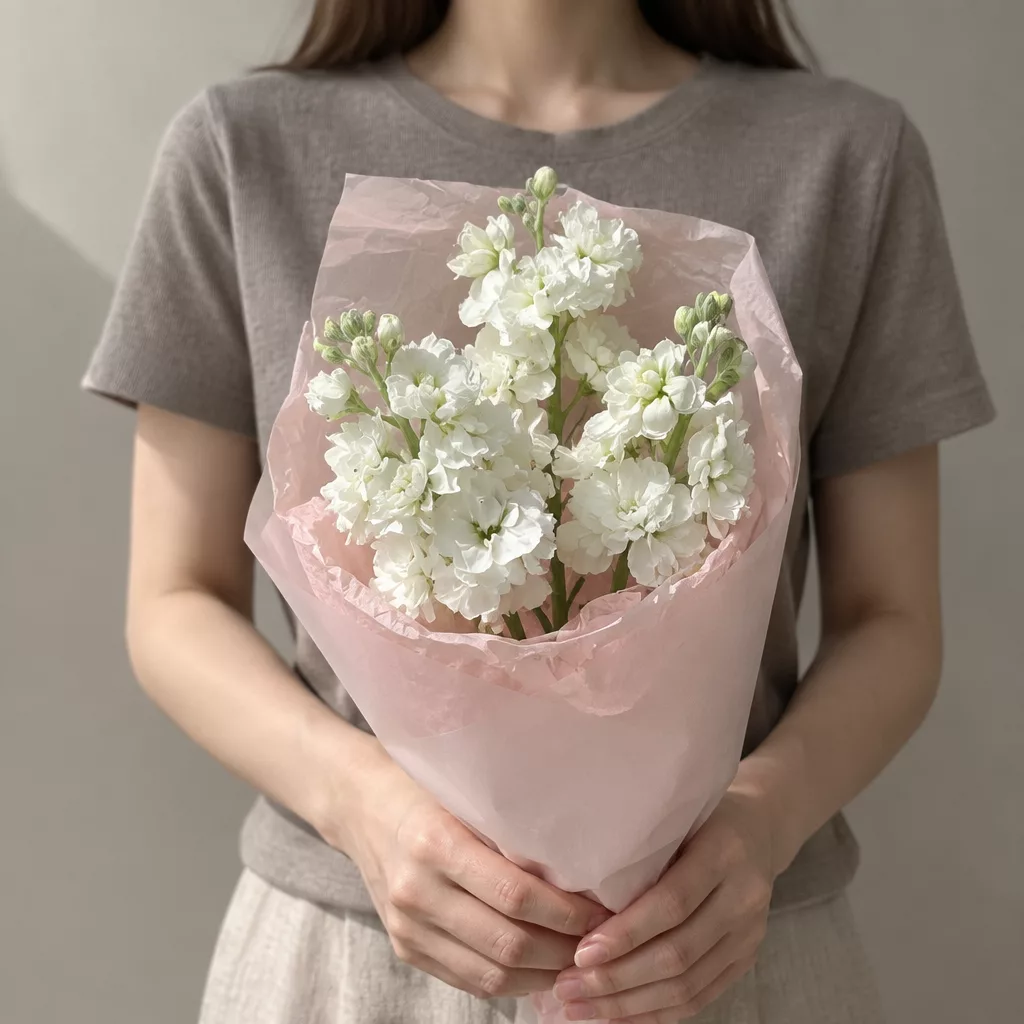
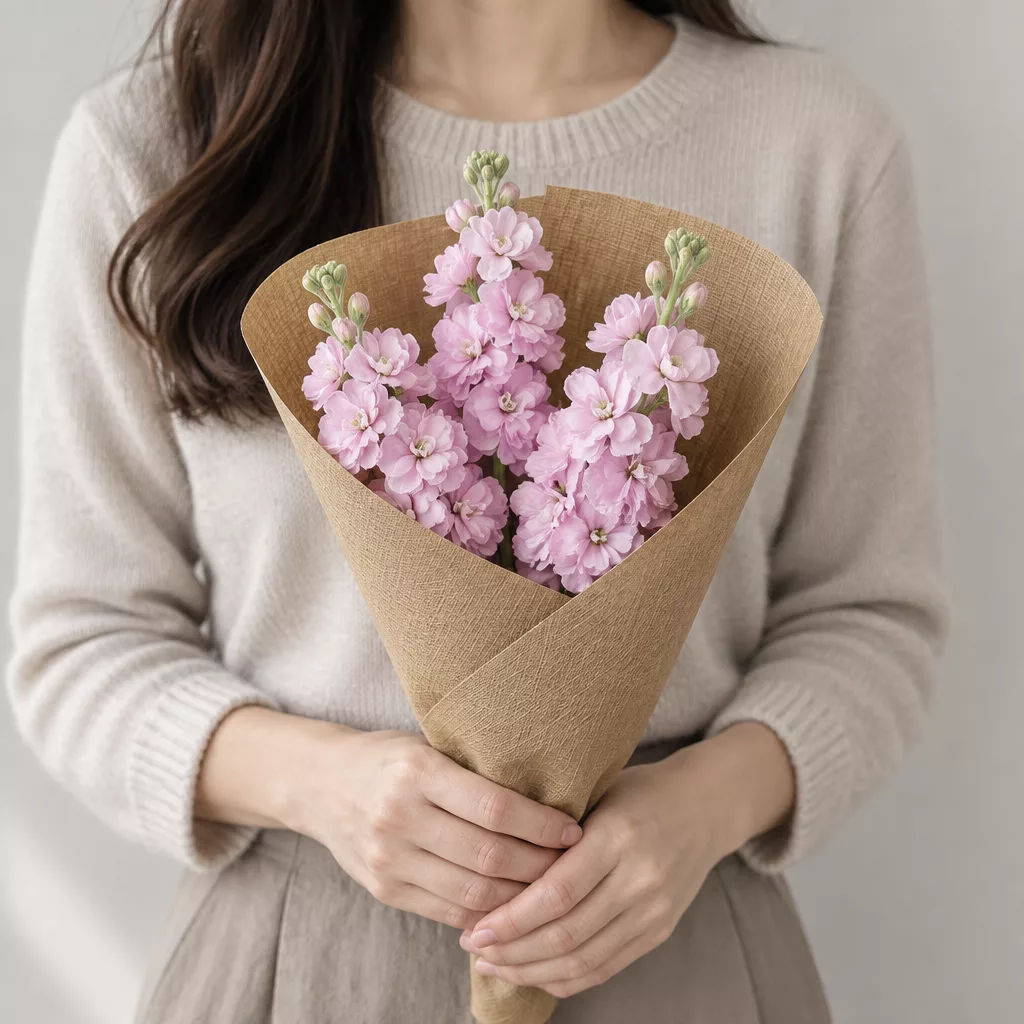
Bouquets we can deliver

How Long Delivery Actually Takes from Saint Petersburg
The honest answer is that delivery to Dubna from Saint Petersburg is not the same as delivering within the city itself. We quote a window rather than a single moment, and we want you to understand why. The drive from Saint Petersburg to Dubna takes roughly two hours under normal conditions, following the M11 motorway toward Moscow and then cutting across toward the Volga. Traffic on the M11 is generally predictable, but it can thicken near Tver and around the Moscow orbital road on weekday evenings and Friday afternoons. We factor this into the delivery window we give you at the time of order. For morning deliveries placed before ten o'clock, we aim to have flowers at the door between one and three in the afternoon. For afternoon orders, we typically schedule arrival in the early evening. We do not promise exact minutes because fresh flowers and road conditions both require honesty. What we do promise is that the bouquet leaves our workshop in Saint Petersburg the same day, packed in a temperature-controlled box to protect it from both summer heat and winter cold. In winter, when temperatures in the Dubna region regularly drop below minus fifteen Celsius, we wrap stems in insulating material and seal the packaging so the flowers never sit exposed to frost. In summer, we use cool packs inside the box. The recipient does not need to be home — we can leave the order with a neighbour or building concierge if you let us know in advance, and we always photograph the handover.
Choosing Flowers for the Person, Not Just the Occasion
Before you scroll through varieties, think about the person first. Dubna has a significant community of scientists, researchers and academics, many of whom live quietly and appreciate something considered rather than showy. A tightly composed bouquet of garden roses in dusty pink and white, wrapped simply in kraft paper, tends to land better than an enormous arrangement packed with tropical fillers. That said, everyone is different, and a young graduate celebrating her first research publication might love a bold mix of bright gerbera, orange tulips and lime-green chrysanthemums. For a colleague or a professional thank-you, white or cream flowers read as respectful and elegant across Russian culture — freesia, lisianthus and white spray roses work beautifully together and carry a gentle fragrance that does not overwhelm a shared office or laboratory. For a romantic occasion, deep red roses remain a classic in Russia, but a softer interpretation using blush peonies in season, pale ranunculus and a few stems of eucalyptus has a more personal feeling than a dozen uniform stems. Peonies are at their best from late May through early July, so if you are ordering in that window, they are worth choosing. For a birthday where you want something cheerful and long-lasting, sunflowers combined with yellow alstroemeria and white daisies stay bright for ten days or more, which means the recipient gets to enjoy them well beyond the celebration itself. Think about where the bouquet will live — a small apartment calls for something vertical and contained, while a large kitchen table can hold a generous, spreading arrangement.
What to Order at Different Budget Levels
Flowers do not need to be expensive to be meaningful, and a well-chosen small bouquet often creates more emotion than a large one assembled without thought. At a modest budget, three to five stems of a single variety — garden roses, tulips in season, or bright gerbera — tied with a ribbon and a handwritten card is a complete and generous gift. The key is choosing stems that are fully hydrated and at the right stage of opening: tulips, for example, should arrive closed or barely open so they unfold over the following days in the recipient's home. At a mid-range budget, you have room to combine two or three varieties and add texture. A good combination at this level is spray roses paired with waxflower and a few stems of ruscus — the waxflower adds tiny white or pink accents and a faint honey scent, while the ruscus gives the bouquet a natural, slightly wild shape. At a higher budget, you can move into statement arrangements: garden roses with peonies and sweet peas in season, or a structured composition of white hydrangea, garden roses and eucalyptus that fills a room with quiet presence. Hydrangea is particularly good for Dubna deliveries because it travels well in cool packaging and opens fully once placed in water. Whatever the budget, we do not pad arrangements with cheap filler greenery that wilts within a day. Every stem in the bouquet earns its place.
Seasonal Considerations for Dubna's Climate
Dubna has a continental climate with cold winters and warm, sometimes humid summers. This matters more than people expect when you are choosing and sending flowers. In January and February, the temperature outside can sit at minus twenty Celsius or lower. Delicate flowers like open garden roses or fully bloomed peonies are vulnerable to freezing if exposed even briefly, which is why our winter packaging is designed to keep the interior of the box above five degrees Celsius for at least four hours. Tropical varieties — anthuriums, birds of paradise, orchid stems — are actually more cold-sensitive than European flowers and require extra care in deep winter. If you are ordering in January, roses, carnations and chrysanthemums are the most reliable choices: they tolerate cold packaging conditions better and arrive in better condition. Spring in Dubna arrives slowly, and tulips are the flower that signals it most clearly. From late March through April, tulips in yellow, purple, white and coral are available and travel beautifully. May brings lilac, which is deeply associated with Russian spring and makes an extraordinary gift if you can find it — the scent alone is worth it. Summer opens up the full range, including peonies, sweet peas and lisianthus. Autumn is the season for dahlias, which come in an extraordinary range of colours from pale lavender to deep burgundy, and for sunflowers, which feel generous and warm as the days shorten. Knowing the season helps you choose flowers that are genuinely fresh rather than forced out of season in artificial conditions.
Caring for the Bouquet Once It Arrives
A flower that travels two hours in good packaging still needs proper care on arrival to reach its full life. This is worth explaining to the recipient, especially if they are not used to receiving flowers regularly. The first step is always to trim the stems — cut about two centimetres off the bottom at a diagonal angle, using a sharp knife rather than scissors. Scissors crush the stem tissue, which reduces water uptake. Make this cut while the stem is submerged in water if possible, or immediately before placing the bouquet in the vase. Use a clean vase and fill it with cool, fresh water. Avoid warm water except for tulips, which sometimes benefit from a slightly warmer start. Remove any leaves that would sit below the waterline — leaves left in water rot quickly and cloud the water, shortening the life of the whole arrangement. Change the water every two days and re-trim the stems each time. Keep the bouquet away from direct sunlight, radiators and fruit bowls. Fruit releases ethylene gas as it ripens, and ethylene accelerates the ageing of flowers — even sitting a bouquet near a bowl of apples will shorten its life noticeably. With this care, roses typically last seven to ten days, alstroemeria ten to fourteen days, and chrysanthemums up to two weeks. Tulips last five to seven days but continue to grow in the vase, which gives them a lively, changing character. Including a short care note with the bouquet is something we always recommend — it turns a beautiful gift into one that lasts.
Making the Order Feel Personal: Cards, Timing and Surprises
The flowers are the centrepiece, but the details around them are what make a delivery feel genuinely considered. A handwritten card — even a short one — changes the experience for the recipient completely. In Russian culture, written words carry real weight, and a message that goes beyond a generic greeting is noticed and remembered. You do not need to write much: a specific memory, a reason you are thinking of them, or simply the date and what it means to you. We include the card exactly as you write it, without editing. Timing matters too. If you want to surprise someone at the moment they wake up on their birthday, schedule the delivery for the morning and let us know the recipient's typical routine in the comments. If the person works in the research institute during the day, an afternoon delivery to their home address means they return to flowers already waiting, which has its own pleasure. For anniversaries, some people prefer the flowers to arrive before the couple sits down to dinner — we can work with a window as specific as a two-hour slot if you give us enough notice. One thing to avoid: do not schedule a surprise delivery to someone who lives alone and is rarely home without giving us a backup plan. We always call ahead, but if nobody answers and there is no concierge, the flowers wait in the van — and a van is not a flower shop. A neighbour's name, a building manager's number, or permission to leave the box at the door with a photograph all solve this cleanly.
Sending flowers to Dubna is straightforward once you understand the journey the bouquet makes and what helps it arrive well. Choose varieties that suit the season, think about the person before the occasion, and give us the details that let us deliver on time — a clear address, a backup contact, and a note that says what you actually mean. The distance between Saint Petersburg and Dubna is a road, not a barrier, and a well-packed bouquet of fresh flowers crosses it every day.
Frequently asked questions
Can I order flowers for same-day delivery to Dubna?
Yes, same-day delivery to Dubna is available for orders placed before midday Saint Petersburg time. Orders placed in the morning typically arrive in the early afternoon. For evening arrivals, orders placed by three o'clock usually reach Dubna before eight in the evening, depending on road conditions on the M11 motorway.
What happens to the flowers if the recipient is not home?
Our courier calls the recipient before arriving. If there is no answer, we follow the instructions you leave at checkout — leaving the bouquet with a neighbour, a building concierge, or at the door with a photograph. We never leave flowers unprotected in extreme weather. Adding a backup contact when you order removes any uncertainty.
Which flowers travel best to Dubna in winter?
Roses, carnations and chrysanthemums handle cold transit conditions reliably. We pack all winter deliveries in insulated boxes with thermal lining. Tropical varieties like anthuriums and orchids are more sensitive to cold and require extra care — if you are ordering in January or February, roses or spray roses are the safest and most beautiful choice.
Can I include a card with a personal message in Russian or English?
Absolutely. You can write your message in any language during checkout, and we print or write it exactly as you submit it. Many of our customers send messages in English to recipients who read both languages comfortably. If you want a message in Russian but are not confident writing it yourself, write it in English and note that you would like a translation — we are happy to help.
How do I know my bouquet will still look fresh after the journey from Saint Petersburg?
We cut and arrange every bouquet the morning of delivery, not the day before. Stems are hydrated in our workshop before packing. In summer we use cool packs inside sealed boxes; in winter we use insulating wrap. The goal is for the recipient to open the box and find flowers that look as if they were arranged an hour ago, not transported across two hundred kilometres.
Ready to send flowers?
Pick the city, choose the bouquet, and a local florist takes it from there.
Choose a city →