Sending Flowers to Dudinka: Timing, Choices and What Arrives at the Door
Dudinka sits on the Yenisei River above the Arctic Circle, and sending flowers there feels like a small act of defiance against the cold and the distance. It can be done, it is done regularly, and when a bouquet arrives in that kind of climate it lands with a weight that a delivery to a warmer city simply does not carry. This guide walks you through exactly what to expect — from how long it takes to which flowers travel best and how the person receiving them should care for the arrangement once it is in their hands.
Why Dudinka Is a Special Case for Flower Delivery
Dudinka is the administrative centre of the Krasnoyarsk Krai's Taimyr district and one of the northernmost cities in Russia with a permanent urban population. Its location above the Arctic Circle means the logistics of getting anything there — including flowers — require more planning than a delivery to Moscow or Kazan. The city is served primarily by air from Krasnoyarsk, and road access is seasonal and limited, which shapes every step of the delivery process.
For a florist, this geography is not an obstacle to hide but a fact to work with honestly. Flowers that leave Saint Petersburg travel a significant distance before reaching a recipient in Dudinka, and the assembly, packaging and routing all account for that journey. The good news is that certain varieties handle long transit exceptionally well — roses with tight buds, spray chrysanthemums, alstroemeria and sturdy carnations all arrive in far better condition than delicate open peonies or garden-cut sweet peas would.
Understanding the city's position also helps you set realistic expectations for the person you are sending to. They will likely know that receiving a fresh bouquet in Dudinka is genuinely unusual and meaningful. That context makes the gesture land harder. A simple seasonal arrangement of alstroemeria and eucalyptus, properly packaged against sub-zero temperatures, will feel like a considerable effort — because it is one, and because the recipient will understand exactly what went into it.
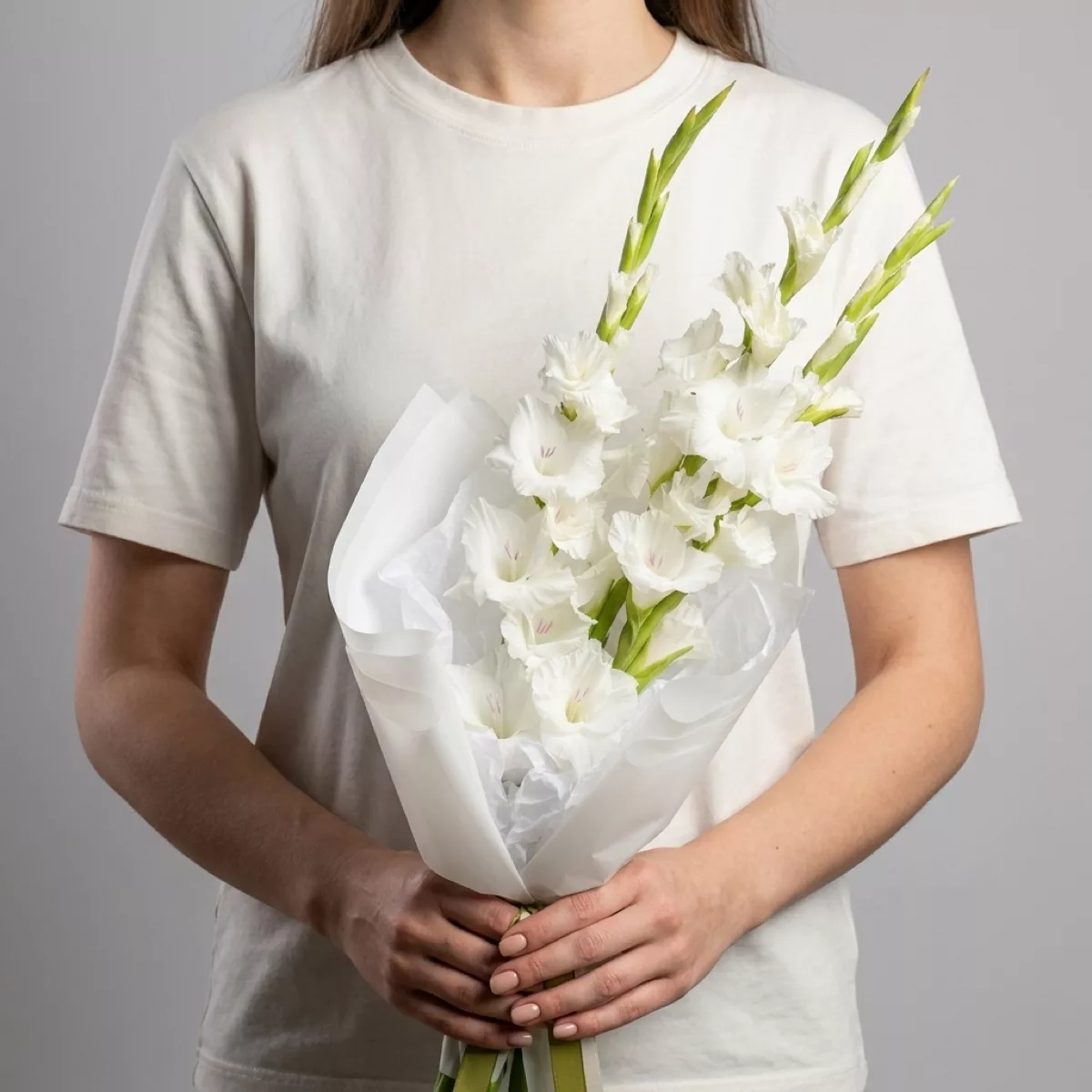
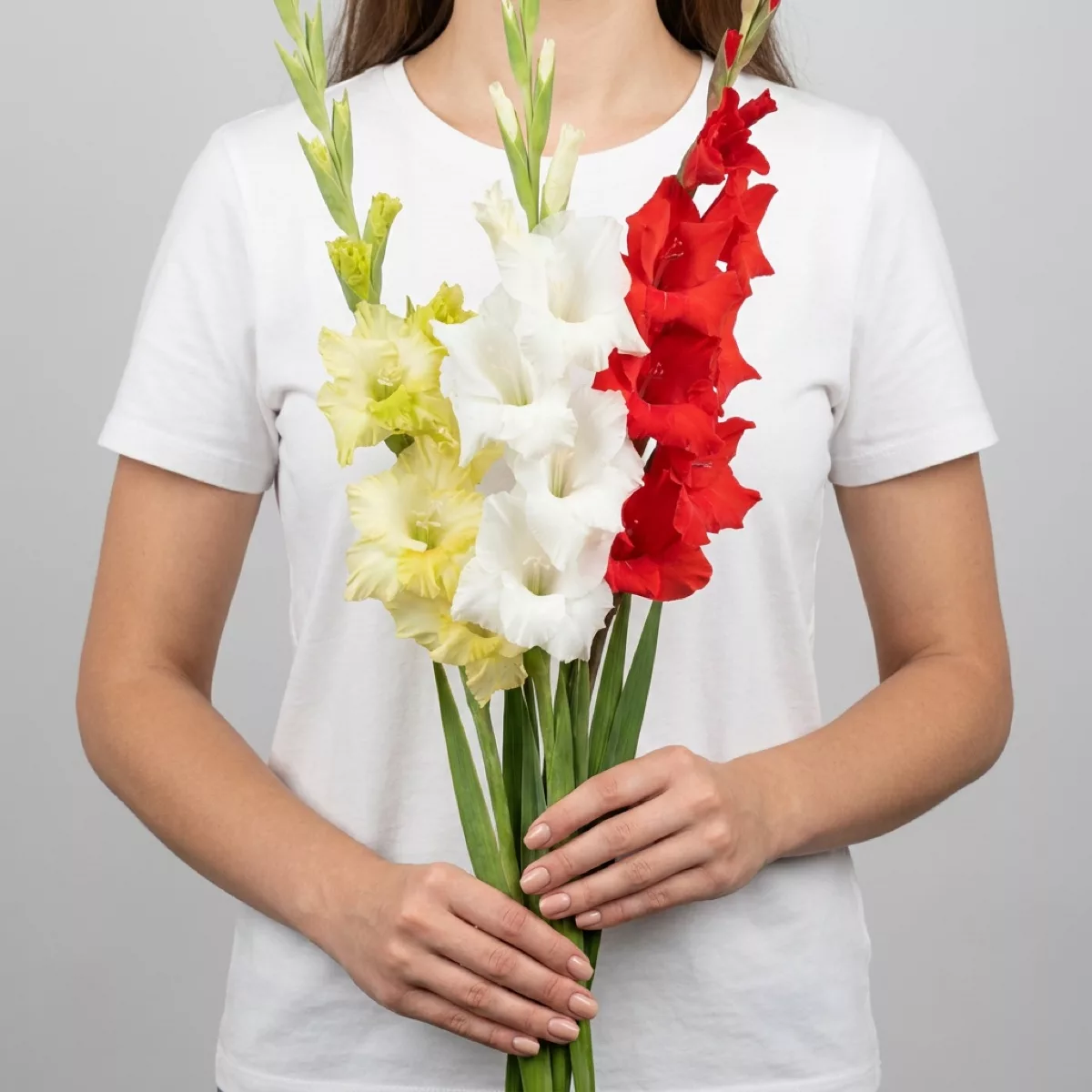
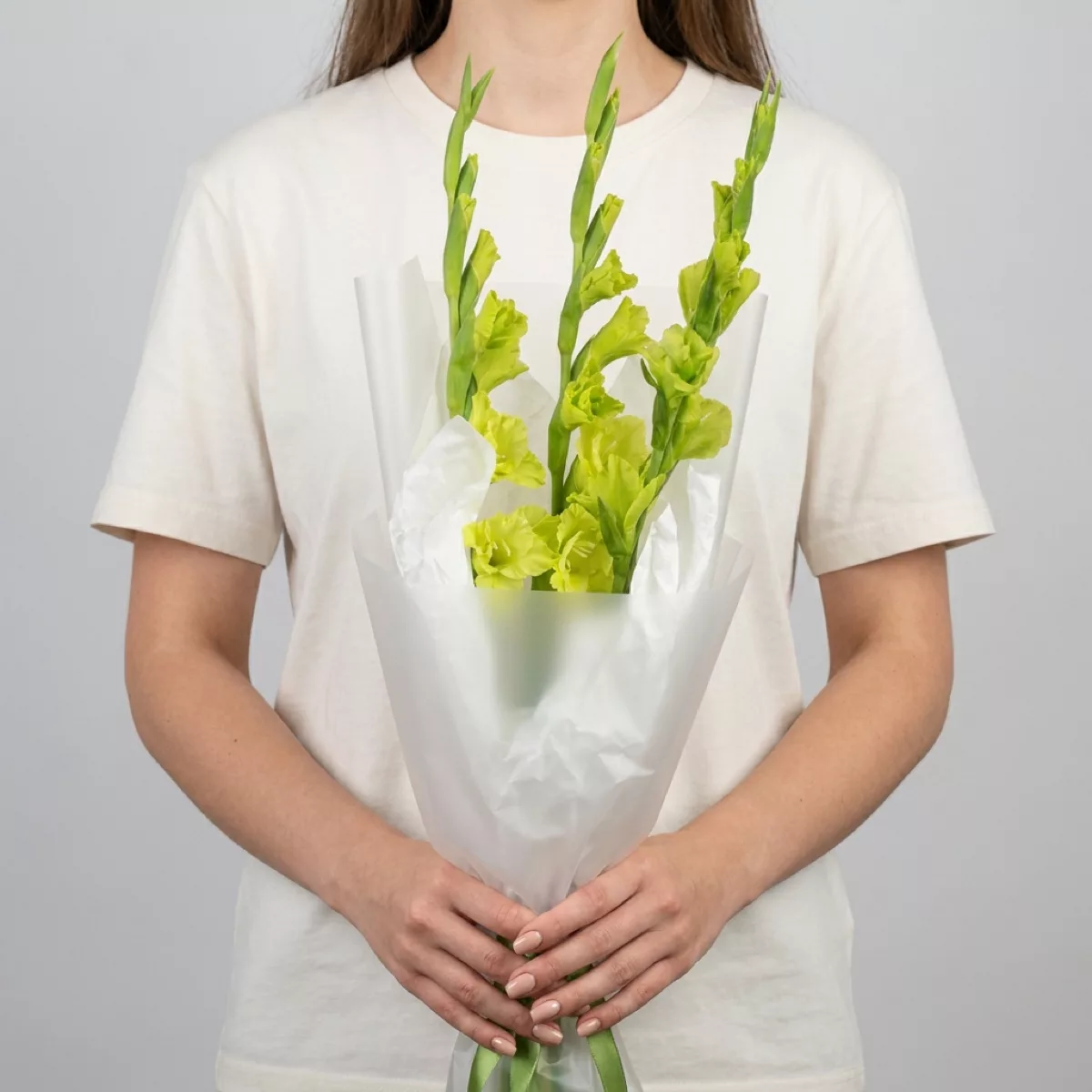
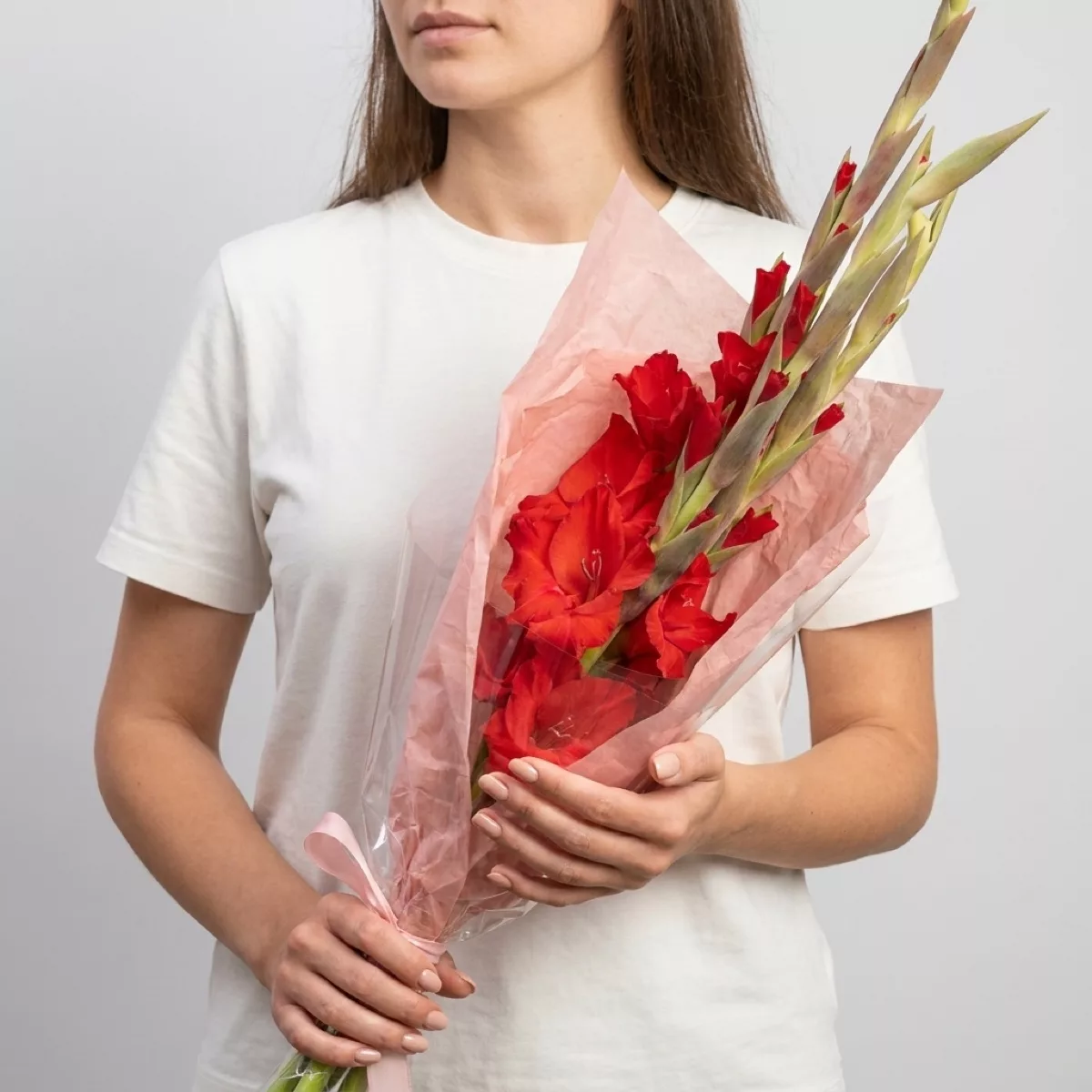
Bouquets we can deliver
Delivery Timing: What the Schedule Actually Looks Like
Turboflora's standard promise of delivery within one to two hours applies to Saint Petersburg and the major cities it serves directly. For Dudinka, the timeline is different and it is important to be clear about that from the moment you place an order. Delivery to Dudinka is scheduled rather than instant, and the window depends on flight availability from Krasnoyarsk, which is the nearest large hub with regular air connections to Dudinka.
When you order, the team will confirm the earliest realistic delivery window based on current routing. In practical terms, this usually means same-day or next-day delivery when the order is placed early enough in the morning Saint Petersburg time. Orders placed late in the afternoon may be routed through the following day's connection. The team communicates this clearly so there are no surprises for either you or the recipient.
If the occasion is fixed — a birthday, an anniversary, a graduation — place the order at least 48 hours in advance. This gives enough buffer to account for any scheduling variation and ensures the flowers are assembled as close to departure as possible, not sitting in storage. Timing the assembly to happen just before the bouquet is packaged for transit is one of the most important quality decisions a florist makes for long-distance northern deliveries. Buds that are slightly closed when packed will open beautifully in a warm Dudinka apartment, which is exactly the effect you want.
Choosing Flowers for an Arctic Destination
The first question to ask when selecting flowers for Dudinka is not what looks most beautiful in a photograph but what will look most beautiful when it arrives. These are related but not identical questions, and in cold-climate deliveries the gap between them matters more than usual.
Roses are the reliable backbone of any long-distance arrangement. Choose varieties with firm, closed buds — they travel without bruising and open gradually over several days once the recipient puts them in water. Spray roses, which have several smaller blooms per stem, add texture without fragility. Alstroemeria is another excellent traveller: the blooms are resilient, the stems are strong, and a single bunch gives the impression of abundance. Carnations, often underestimated, hold their shape and colour for up to two weeks and tolerate temperature variation better than almost any other cut flower.
For greenery and structure, eucalyptus is ideal. It is aromatic, visually generous and practically indestructible in transit. Ruscus and pittosporum also work well. What to avoid for Dudinka deliveries: open garden roses with many petals, ranunculus, anemones and any flower that is already fully open at the time of purchase. These varieties are beautiful in a local shop but fragile over distance and temperature change.
A combination of blush roses, white alstroemeria and silver eucalyptus, wrapped in kraft paper and tied simply, is one of the most effective arrangements for this destination. It looks considered without being fussy, and every element in it will arrive intact.
Packaging and Temperature: What Protects the Bouquet
Dudinka's average winter temperature sits well below minus twenty Celsius, and even in summer the city rarely reaches the kind of warmth that most cut flowers prefer. This means packaging is not just about presentation — it is a functional part of keeping the bouquet alive during the final stretch of its journey.
Flowers sent to northern destinations are wrapped in layers: first in damp tissue around the stem ends to keep them hydrated, then in insulating material that buffers against sudden cold, then in outer packaging that holds everything in place during handling. The outer layer is also designed to be water-resistant, because condensation forms rapidly when a cold package moves into a heated interior.
The moment the recipient receives the bouquet, they should bring it inside and let it rest at room temperature for fifteen to twenty minutes before unwrapping. This acclimatisation step prevents thermal shock, which can cause petals to bruise or blacken at the edges even on otherwise healthy flowers. It is a small thing but it makes a visible difference, and it is worth mentioning when you send a message along with the delivery.
In extreme cold — below minus thirty — even well-packaged flowers are at risk during the brief time between vehicle and door. The delivery is timed to minimise exposure, and the courier moves quickly, but the recipient should be ready to receive the bouquet promptly. Leaving a note with the order asking the recipient to expect the delivery at a specific time helps enormously and avoids the bouquet sitting on a cold landing even for a few minutes.
Choosing by Occasion: What Suits the Moment in Dudinka
The occasion shapes the arrangement as much as the budget does, and in a city like Dudinka — where receiving flowers is less routine than in a large southern city — the gesture carries extra weight regardless of what you choose. That said, matching the flowers to the feeling still matters.
For a birthday, warmth and colour are the right instinct. A mix of coral and yellow spray roses with alstroemeria reads as celebratory without being formal. Add a few stems of solidago — the yellow filler flower sometimes called goldenrod — and the arrangement feels full and generous. For a romantic occasion, a single-variety bouquet of red or deep-pink roses is the clearest statement. Fifteen stems with eucalyptus is enough; more is not necessarily better when the simplicity of the gesture is part of the message.
For a professional achievement — a promotion, a successful defence of a thesis, a retirement — white and cream tones feel appropriate. White spray chrysanthemums with green pittosporum and a few ivory roses create an arrangement that is elegant without being cold. Chrysanthemums are also one of the best choices for northern delivery because they are structurally robust and last exceptionally long in a vase.
If you are sending to someone who has recently moved to Dudinka for work, which is common given the city's role in the region, a bright and generous bouquet acknowledges the courage of that choice. Vivid gerberas, if the season and routing allow, or bright alstroemeria in mixed colours — these say welcome and well done at the same time.
Vase Life and Care Once the Flowers Arrive
Flowers that have travelled to Dudinka deserve careful handling on arrival, and a few simple steps will extend their vase life significantly. The recipient may not know these steps unless you share them, so including a short care note with the delivery is always a good idea — and Turboflora can include one on your behalf.
The first step is cutting the stems. Use a sharp knife or scissors and cut at a forty-five-degree angle, removing about two centimetres from the bottom of each stem. Do this under water if possible, or immediately before placing the stems in the vase. The diagonal cut increases the surface area through which the flower drinks and prevents the stem end from sitting flat against the bottom of the vase, which would block water uptake.
Fill the vase with cool, clean water. In Dudinka, tap water is generally fine but if it has a strong mineral smell, filtered water will produce noticeably better results. Remove any leaves that would sit below the waterline — submerged foliage rots quickly and contaminates the water, shortening the life of all the flowers in the vase.
Change the water every two days and re-cut the stems each time. Keep the vase away from radiators, which are working hard in a northern winter, and away from direct heat sources. Roses and alstroemeria will last seven to ten days with this care. Carnations and spray chrysanthemums can last two weeks or more. Eucalyptus will dry gracefully in place and can be kept long after the fresh flowers are gone, which gives the arrangement a second life.
What to Write: The Card That Travels with the Flowers
In Russian tradition, a card or note accompanying flowers is not an afterthought — it is part of the gift. If you are sending to someone who grew up in Russia, they will expect a message, and its absence would feel more unusual than its presence. If you are sending from abroad or are unfamiliar with this custom, it is simply worth knowing: the words matter as much as the flowers.
Keep the message warm and specific. General phrases like 'thinking of you' are fine but a detail that references the person or the occasion makes the note feel genuinely personal. Mentioning Dudinka itself — acknowledging the distance, the cold, the fact that you wanted the flowers to reach them there specifically — turns a pleasant message into something the recipient will remember.
You can write in English and ask for it to be transcribed exactly, or write in Russian if you are comfortable doing so. Either is accepted. The card is printed and enclosed with the bouquet, protected from the outer packaging so it arrives dry and legible.
For occasions where you are not sure what to say, a florist's instinct is to keep it short. Three sentences — one acknowledging the occasion, one saying something true about the person, one expressing the feeling behind the gesture — is enough. More than that can feel like it is trying too hard. The flowers are already saying something; the card just needs to sign it.
Sending flowers to Dudinka is one of those gestures that the recipient will talk about. It is not an everyday occurrence in a city that far north, and the fact that a fresh bouquet arrived — properly packaged, correctly chosen, with a note inside — will register as something that took real thought. The distance is real, the logistics are specific, and getting them right is exactly what Turboflora is set up to do. When you place the order, you are not just buying flowers; you are sending proof that someone on the other end of Russia was thinking about the person in that apartment on the Yenisei.
Frequently asked questions
Can flowers really survive delivery to Dudinka in winter?
Yes, with the right variety selection and proper packaging. Roses with closed buds, alstroemeria, carnations and spray chrysanthemums all handle cold transit well. The bouquet is wrapped in insulating and moisture-resistant layers, and the courier minimises exposure time during the final handover. The recipient should bring the bouquet inside immediately and let it acclimatise for fifteen minutes before unwrapping.
How far in advance should I order for a specific date in Dudinka?
Place your order at least 48 hours before the occasion. Dudinka is reached via air connection through Krasnoyarsk, and the delivery is scheduled around available flights. Ordering early gives the team time to assemble the bouquet as close to departure as possible, which makes a significant difference to freshness on arrival. For major holidays, 72 hours in advance is safer.
Which flowers last longest after arriving in Dudinka?
Carnations and spray chrysanthemums are the longest-lasting cut flowers and can remain fresh for up to two weeks with proper care. Alstroemeria typically lasts seven to ten days. Roses last seven to ten days when stems are re-cut every two days and water is changed regularly. Eucalyptus will dry in place and can be kept decoratively long after the fresh flowers have finished.
Can I include a card in a language other than Russian?
Absolutely. You can write your message in any language and it will be printed and enclosed exactly as you write it. Many people sending to Dudinka from abroad choose English or their native language, and the recipient understands the gesture perfectly. If you would like the message written in Russian but are not confident writing it yourself, the team can help you phrase it correctly.
What if the recipient is not home when the delivery arrives?
For Dudinka deliveries, coordinating a specific time with the recipient is strongly recommended. Unlike a city delivery where a second attempt is quick, rescheduling in Dudinka involves routing logistics. Include the recipient's phone number when ordering so the courier can call ahead. Flowers left in an unheated hallway or entrance in winter will not survive long, so an attended delivery is always the better plan.
Ready to send flowers?
Pick the city, choose the bouquet, and a local florist takes it from there.
Choose a city →