Sending Flowers to Dzerzhinsky? Here Is What to Expect
Dzerzhinsky sits close enough to central Saint Petersburg that a same-day bouquet is genuinely easy — but far enough that a few details matter if you want the flowers to arrive cold, fresh, and exactly on time. Whether you are surprising a colleague, thanking a host, or marking a birthday you nearly forgot, knowing how delivery actually works here saves you from guessing and gets the right stems to the right door.
Which Parts of Dzerzhinsky We Reach and How Quickly
Dzerzhinsky district covers a wide band of residential and mixed-use streets stretching south and southeast from the city centre. Turboflora delivers across the entire district — from the older apartment blocks near Ligovsky Prospekt to the newer residential clusters further out toward the ring road — with a standard window of one to two hours from the moment you place your order.
The one-hour end of that window is realistic for most central addresses when you order before mid-afternoon. Streets with limited parking or gated courtyards can add ten to fifteen minutes, so if you know the building has a difficult entrance, mention it in the delivery notes. Our courier will call ahead.
For addresses at the far edge of the district, particularly near the industrial belt, two hours is the honest estimate. That is still fast by any standard, and it means a bouquet ordered at noon arrives well before a typical evening gathering. If you have a hard deadline — a ceremony start time, a train departure — give us that time in the order comments rather than the door-to-door window, and we will work backwards from it.
We deliver seven days a week, including public holidays, because flowers are most needed on exactly those days. Late-evening slots are available; the cut-off for same-day delivery changes slightly by day, so checking the site at the time of ordering gives you the live availability rather than an estimate.
Bouquets we can deliver

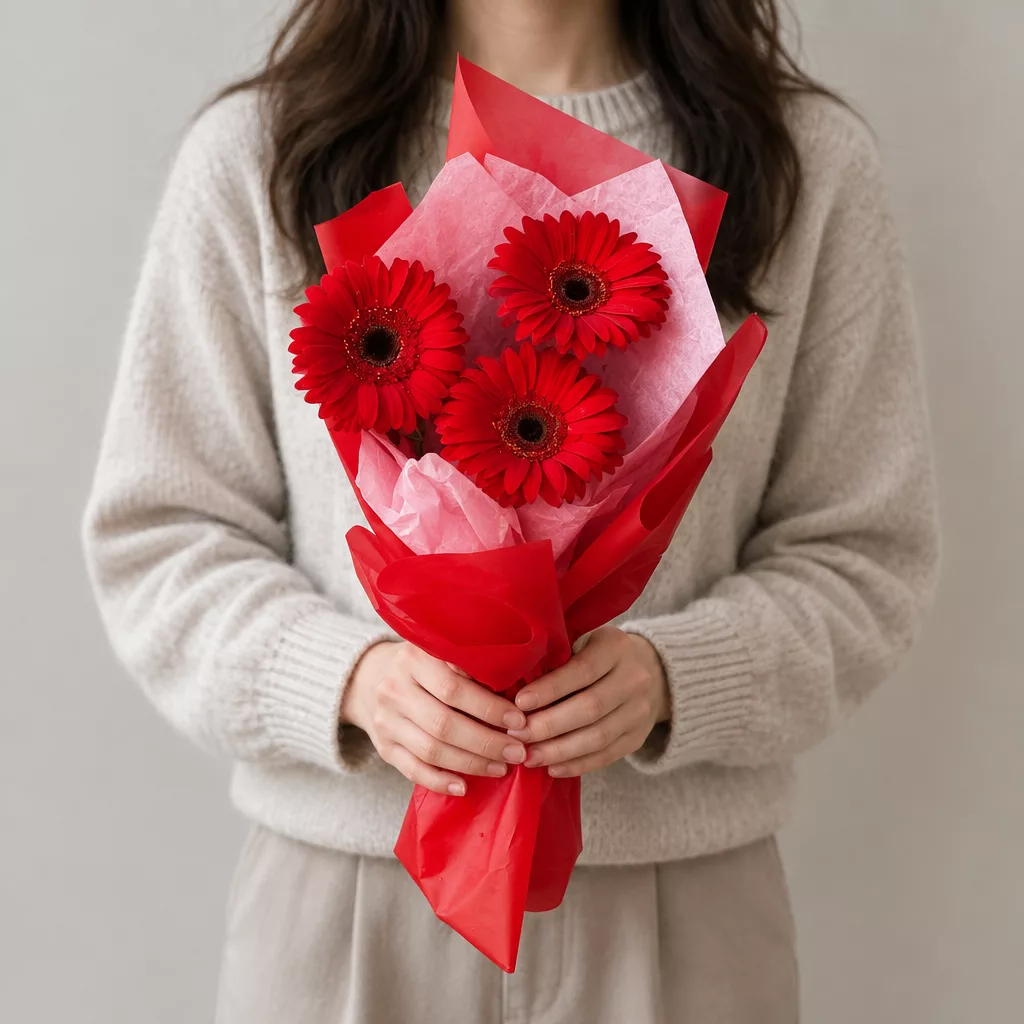
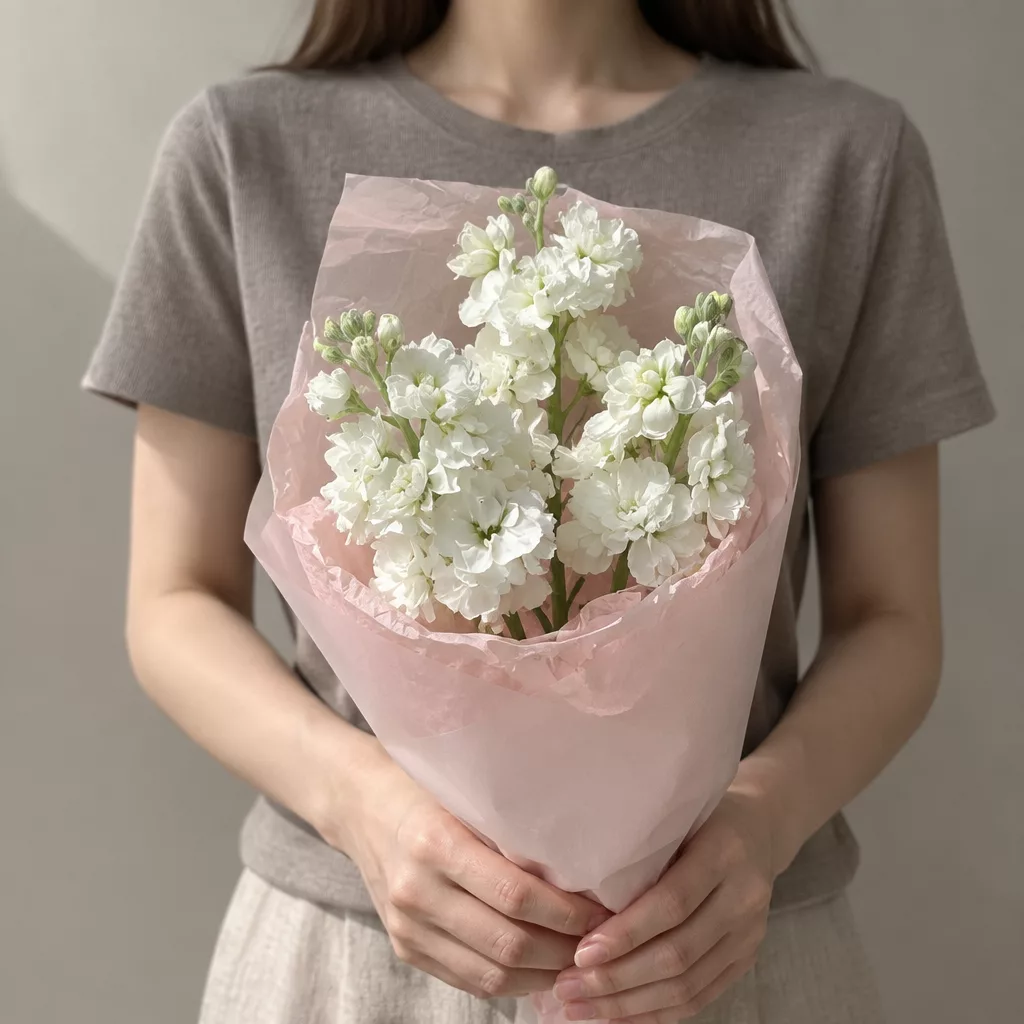
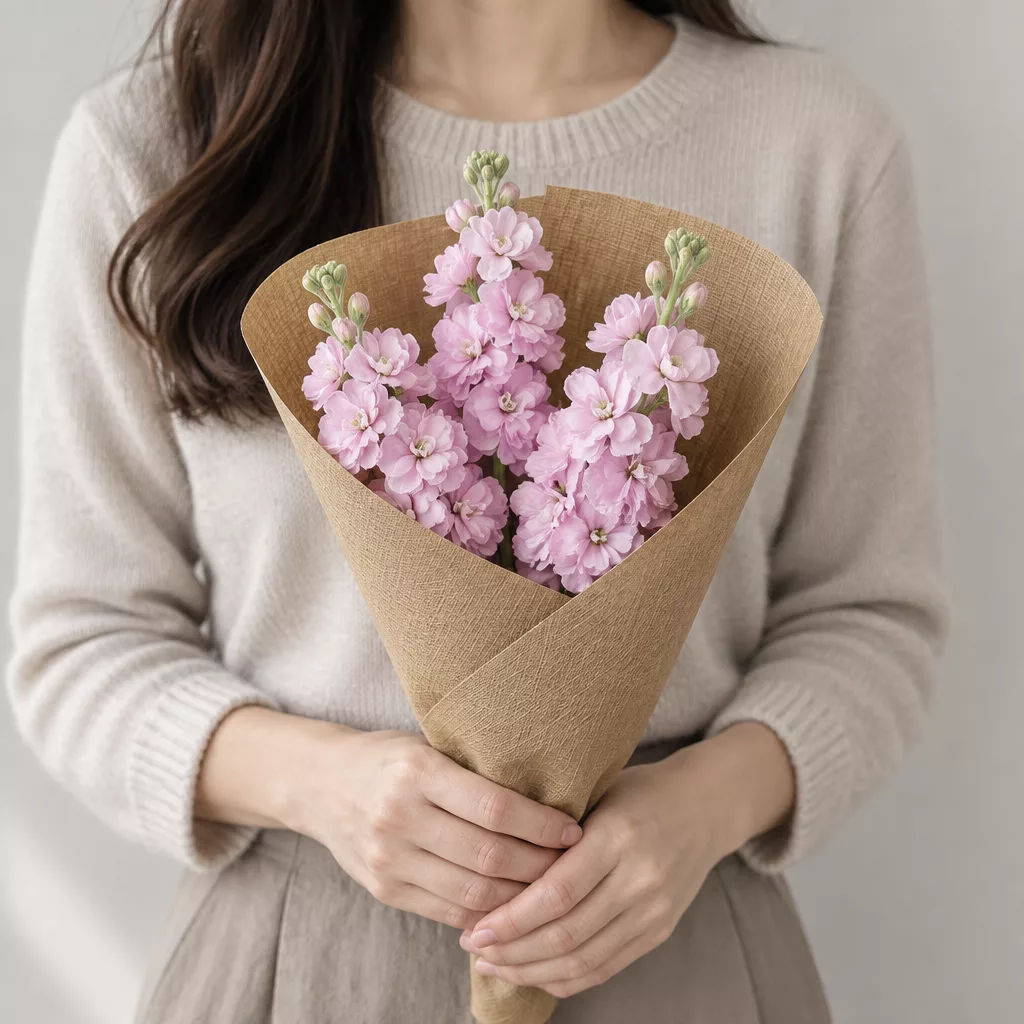
Reading the Recipient Before You Choose the Flowers
The best bouquet for Dzerzhinsky — or anywhere — starts not with what looks impressive on a screen but with who is receiving it and what you want them to feel the moment they open the door. A colleague celebrating a promotion wants something that reads confident and celebratory: think bold sunflowers with deep burgundy dahlias, or a sculptural arrangement of protea and eucalyptus that sits well on a desk. A friend recovering from a tiring week wants something softer — pale pink ranunculus, white lisianthus, a handful of sweet peas if the season allows.
Age and personal style matter more than most people admit. Older recipients in Russia often have a strong preference for classic roses or seasonal garden flowers like peonies and asters. Younger recipients tend to appreciate mixed bouquets with texture — dried grasses alongside fresh blooms, or a loose, gathered style that looks gathered from a garden rather than arranged by formula.
If you genuinely do not know the person's taste, a monochromatic bouquet — one colour family, several varieties — is almost always a safe and elegant choice. White and cream combinations travel particularly well because they look intentional rather than uncertain. Adding a single contrasting stem, a blush tulip among white freesias for example, gives the arrangement a focal point without overcomplicating it.
For children's birthdays and school events, bright colours and robust flowers — gerberas, chrysanthemums, alstroemeria — hold up better to enthusiastic handling and last longer in a warm room than more delicate varieties.
Matching the Bouquet to the Occasion
Russia has a rich culture of flower-giving that can feel slightly different from what Western Europeans or North Americans expect. Flowers here are given for birthdays, name days, graduations, professional milestones, first meetings, and simply as a thank-you after being hosted for dinner. The number of stems carries meaning: an odd number is given to the living, so bouquets are always arranged with an odd count — seven roses, nine tulips, eleven stems of freesia. Even numbers are reserved for mourning, so this is a detail worth knowing if you are ordering from abroad.
For a birthday, a full and generous bouquet signals warmth. Roses remain the default in Russia, but peonies in season — roughly May through July — feel more special and personal. For a professional occasion, something architectural and long-lasting like anthuriums or tropical foliage makes a stronger impression than something overtly romantic.
For a housewarming, which is a common occasion for flower-giving in Russia, choose varieties that last well in a new environment: chrysanthemums, alstroemeria, and spray roses hold up for ten days or more with basic care. Avoid anything highly fragrant if you do not know whether the recipient is sensitive to scent — some people find strong perfume from lilies or narcissus overwhelming indoors.
For a romantic gesture, red roses remain deeply meaningful here. A single variety — thirty red roses, for instance — carries more weight than a mixed bouquet in this context. If you want something less conventional, deep red dahlias or burgundy ranunculus read as romantic without being predictable.
Budget Ranges and What They Actually Buy
Thinking in terms of what a budget achieves is more useful than comparing prices in the abstract. At the entry level, a well-chosen single-variety bouquet of seasonal stems — tulips in spring, chrysanthemums in autumn — can be genuinely beautiful if the florist selects tight, fresh buds and wraps them cleanly. The key at this range is simplicity: one excellent flower, presented honestly, beats a crowded arrangement of mediocre mixed stems.
A mid-range budget opens up combinations. You can pair a primary flower with a secondary one and add foliage — roses with lisianthus and eucalyptus, for example — which gives the bouquet depth and a longer visual life as different elements open at different rates. Lisianthus in particular is underused and underappreciated; it resembles a ruffled rose but lasts several days longer and adds a softness that roses alone cannot provide.
At the higher end, you are paying for volume, rarer varieties, and presentation. Garden roses — varieties like David Austin — have a fuller, more layered head than standard roses and a subtle fragrance. Peonies at peak season, ranunculus in spring, and protea year-round all sit in this tier. A large, well-structured arrangement in a hat box or a tall vase arrangement adds presence to a room and makes an immediate impression at the door.
Whatever the budget, the presentation matters as much as the flowers. A thoughtfully wrapped bouquet with quality paper and a ribbon communicates care before a single stem is seen. Ask about packaging options when you order if this matters to you.
How Temperature and Transit Affect Your Flowers
Saint Petersburg's climate means flower delivery faces different challenges across the year, and Dzerzhinsky's position in the city does not insulate it from any of them. In winter, temperatures regularly drop to minus ten or minus fifteen degrees Celsius. Flowers left in the cold for even a few minutes can suffer frost damage — petals turn translucent, stems go limp, and the damage is irreversible. Our couriers use insulated packaging during cold months, but the handover moment matters: if the recipient is not home, we will not leave a bouquet outside.
In summer, the challenge reverses. Heat above twenty-five degrees Celsius accelerates the opening of buds and shortens vase life significantly. Flowers delivered in summer should be moved into water within fifteen minutes of arrival. If the recipient is in a hot apartment without air conditioning, choosing hardy varieties — alstroemeria, chrysanthemums, tropical flowers — is a practical act of kindness.
Spring and autumn are the most forgiving seasons for delivery. Temperatures are moderate, flowers travel well, and the seasonal availability is often at its richest — tulips and hyacinths in March and April, asters and dahlias from August onward.
If you are ordering for a recipient who will not be home at the time of delivery, coordinate the timing carefully. We will call ahead and can hold a delivery for a short window, but flowers waiting in a warm courier bag or a cold entrance hall are flowers losing hours of their vase life. A confirmed delivery time is always better than a surprise for this reason.
Care Instructions Worth Passing Along
A beautiful bouquet deserves more than a vase of tap water. Passing along a few simple care notes — either verbally or tucked into the card — is one of the most practical things you can do for the recipient, especially if they do not regularly keep flowers at home.
The first step is always a fresh cut. Stems should be trimmed at a diagonal with a sharp knife, not scissors, removing at least two centimetres. Scissors crush the stem's vascular tissue and reduce water uptake. The cut should happen under running water or immediately before the stems go into the vase, so no air enters the stem. This single step extends vase life by two to three days for most varieties.
Leaves below the waterline should be removed completely. Any foliage sitting in water rots quickly and introduces bacteria that clog the stems and cloud the water. Change the water every two days, and rinse the vase each time. A cool room away from direct sunlight, radiators, and fruit bowls — which emit ethylene gas that accelerates wilting — makes a genuine difference.
Different flowers have different lifespans even in the same bouquet. Alstroemeria and chrysanthemums regularly last twelve to fourteen days with good care. Roses and lisianthus typically give seven to ten days. Tulips open quickly and last five to seven days but are spectacular while they last. Ranunculus and sweet peas are shorter-lived but worth it for their appearance.
For roses specifically, re-cutting stems every two days and adding a small amount of flower food — usually included with the bouquet — keeps heads upright and prevents the drooping that happens when stems can no longer draw water efficiently.
Making the Delivery Feel Like a Moment, Not Just a Transaction
The physical arrival of flowers matters as much as the flowers themselves. In Russia, the presentation of a gift is taken seriously — arriving with something wrapped carelessly or handed over without a word reads as indifferent even if the gift itself is generous. When you order for delivery, thinking about the full experience the recipient has from the moment the courier knocks is worth a minute of your time.
A handwritten card changes everything. Even three sentences — why you chose to send flowers, what you hope they feel, something specific to your relationship — makes the bouquet personal rather than generic. Generic messages like 'Happy Birthday' work, but a line that only you could have written is remembered long after the flowers are gone. We include a card with every order; use it fully.
Consider the timing relative to the recipient's day. Flowers arriving at eight in the morning feel dramatic and exciting. Flowers arriving at seven in the evening, just as someone gets home from work, feel warm and perfectly timed. Flowers arriving during a lunch hour at an office create a public moment that some people love and others find embarrassing — know your recipient.
If you are sending to someone who lives alone, a bouquet with a mix of opening stages is particularly thoughtful. Tight buds alongside half-open blooms means the arrangement evolves over several days, giving the recipient something new to notice each morning. Ask the florist to include a mix of bud stages when you order, and specify it in the notes — it is a small detail that shows real thought.
Dzerzhinsky is well within the reach of a genuinely fast, genuinely fresh flower delivery — and the difference between a forgettable order and a bouquet someone talks about for weeks comes down to a handful of considered choices. Pick for the person, not the occasion alone. Think about the season and what it offers. Pass along a care note. Write something real on the card. The flowers do the rest.
Frequently asked questions
How far in advance should I order if I need flowers at a specific address near the ring road edge of Dzerzhinsky?
For addresses toward the outer edge of the district, close to the industrial belt, allow the full two-hour window. Order at least two and a half hours before you need the flowers at the door. If there is a fixed arrival time — a dinner, a birthday gathering — put that time in the order comments and we will work back from it rather than from dispatch.
Will the courier be able to find a building with a gated courtyard or a code-entry entrance in Dzerzhinsky?
Gated courtyards and intercom buildings are common across the district, especially in the older blocks near Ligovsky Prospekt. Add the entry code or gate instructions in the delivery notes when you order. The courier will also call ahead, so the recipient can buzz them in directly. That call happens before arrival, not after the courier is already standing outside.
Does it matter what time of day I order if I want the freshest stems possible on arrival?
Flowers held in a cold van for forty minutes arrive in better condition than flowers sitting in a warm shop for three hours. Ordering for delivery closest to when the recipient will actually be home keeps the bouquet at its best. A bouquet ordered mid-afternoon for an early-evening arrival is a better choice than one ordered at noon for a late-night surprise.
What should I choose if the occasion is a thank-you for a host rather than a celebration?
For a host, lean toward arrangements that do not demand immediate attention — something they can put straight into a vase without fuss. Seasonal foliage mixed with one or two focal flowers reads as considered rather than extravagant. Avoid very large statement bouquets, which can feel like they require a reaction. A mid-sized, well-structured bunch in soft tones is usually the right register for gratitude.
Can I send flowers to a colleague at a residential address in Dzerzhinsky without knowing the exact apartment number?
You need at least the building number and street to dispatch. If you do not have the apartment number, put that in the notes and we will have the courier call the recipient on arrival — they can come down or give the number over the phone. Avoid leaving the address field vague; the district covers a wide area and a building number alone is the minimum we need to route correctly.
Ready to send flowers?
Pick the city, choose the bouquet, and a local florist takes it from there.
Choose a city →