Sending Flowers to Dzhankoy? Here Is Everything You Need to Know
Dzhankoy sits at the northern gateway of Crimea, a city where a well-chosen bouquet can cross town quickly — if the order is placed with a florist who actually knows the route. Whether you are surprising someone on their birthday, marking a work anniversary or simply saying you were thinking of them, the flowers that arrive at the door tell the story before a single word is spoken. This guide walks you through timing, seasonal choices, presentation ideas and the small details that make a delivery feel personal rather than transactional.
Which Areas of Dzhankoy Turboflora Delivers To
Dzhankoy is a compact city by Russian standards, but its residential districts, the central market area, the railway quarter and the newer housing developments on the outskirts each have their own character. Turboflora delivers across all of these zones, from the older apartment blocks near Ulitsa Lenina to the quieter streets further north toward the industrial edge of the city. No neighbourhood is treated as secondary — the same care goes into a bouquet heading to a ground-floor flat as one destined for a fifth-floor walk-up with no lift.
The surrounding settlements and suburban villages within a reasonable radius of the city centre are also covered. If you are unsure whether a specific address qualifies, the safest approach is to enter the full address at checkout; the system will confirm coverage immediately rather than leaving you guessing. Dzhankoy's road layout is straightforward compared to larger Crimean cities, which works in your favour when timing matters.
One practical note: deliveries to addresses near the railway station or the central bus terminal sometimes require extra coordination during peak hours when vehicle access is restricted. Placing the order at least two hours ahead of your preferred window gives the courier enough flexibility to navigate those moments without rushing. Turboflora plans routes in real time, so even last-minute orders within the city boundary are handled with the same attention as scheduled ones.
Bouquets we can deliver

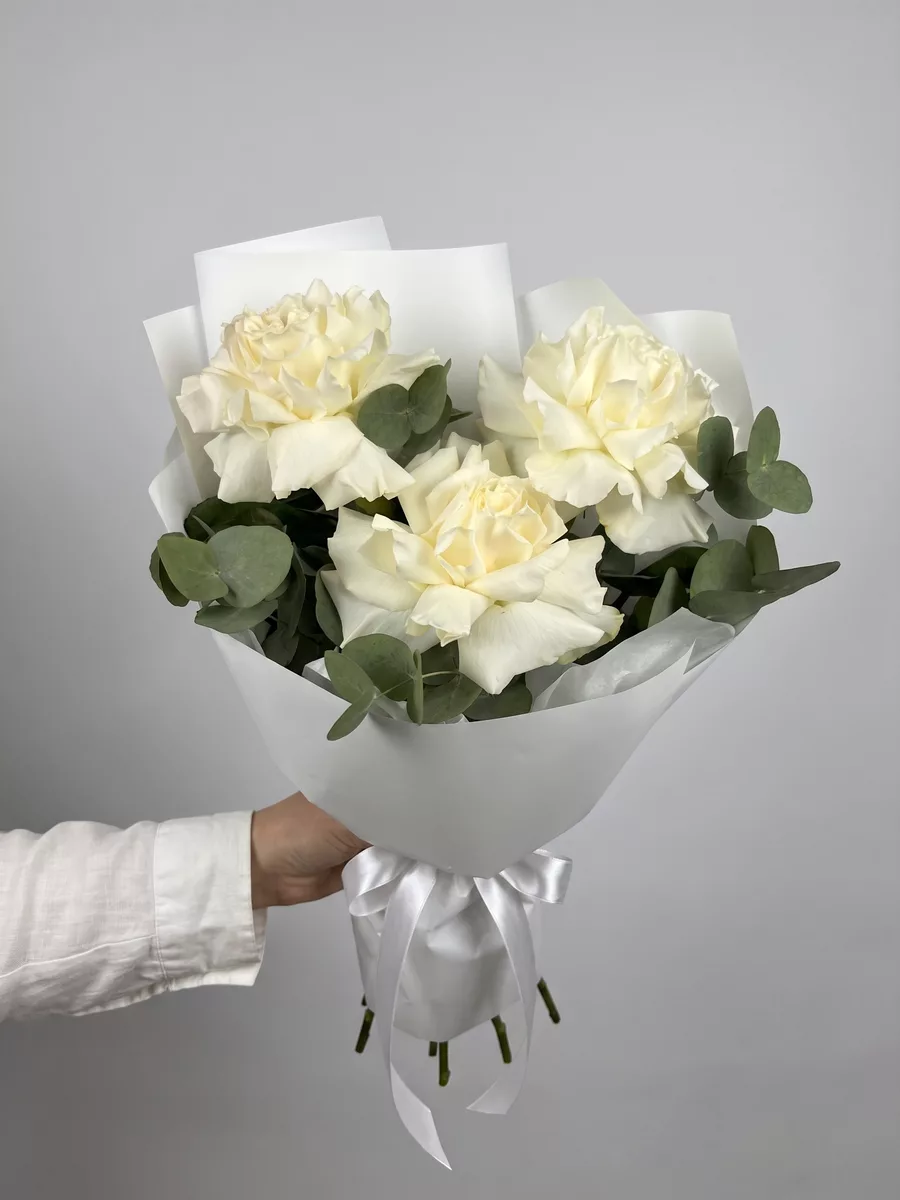
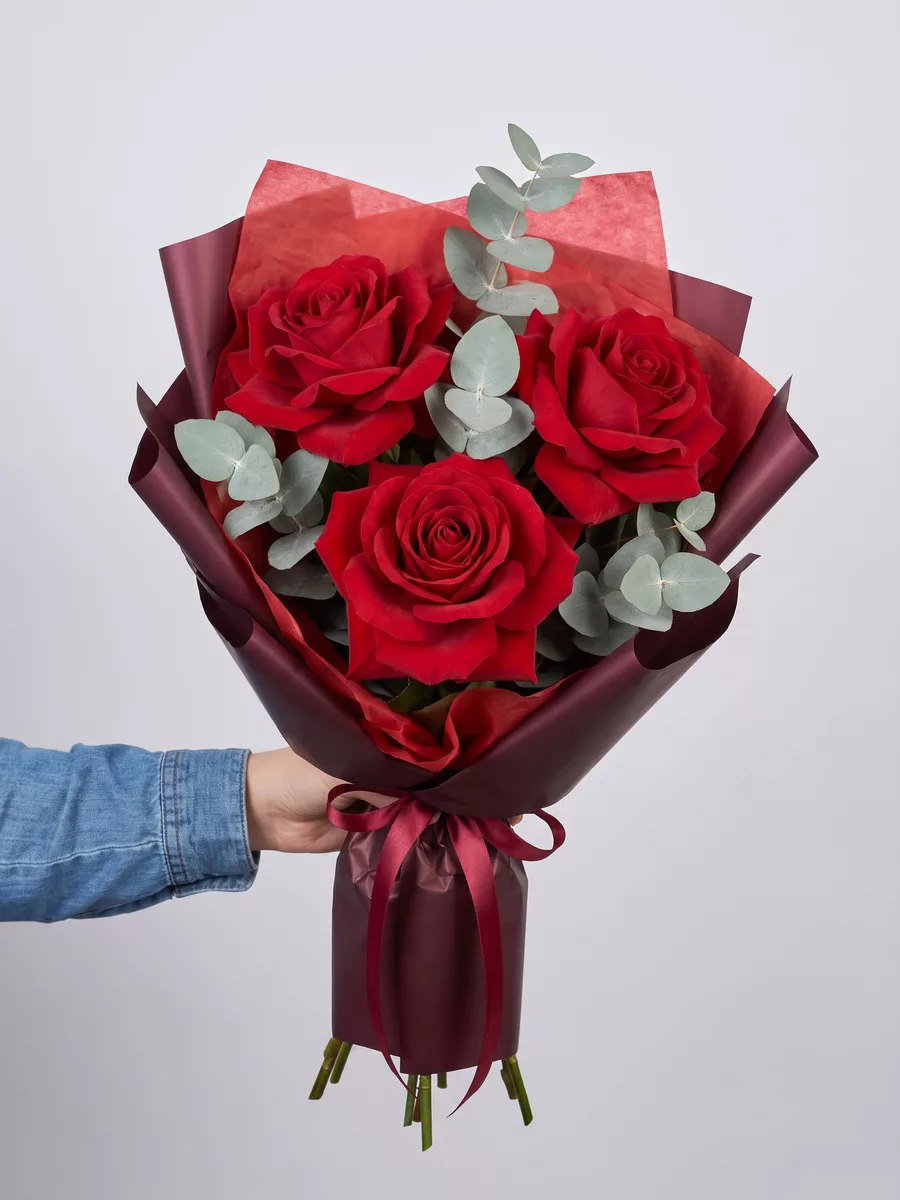
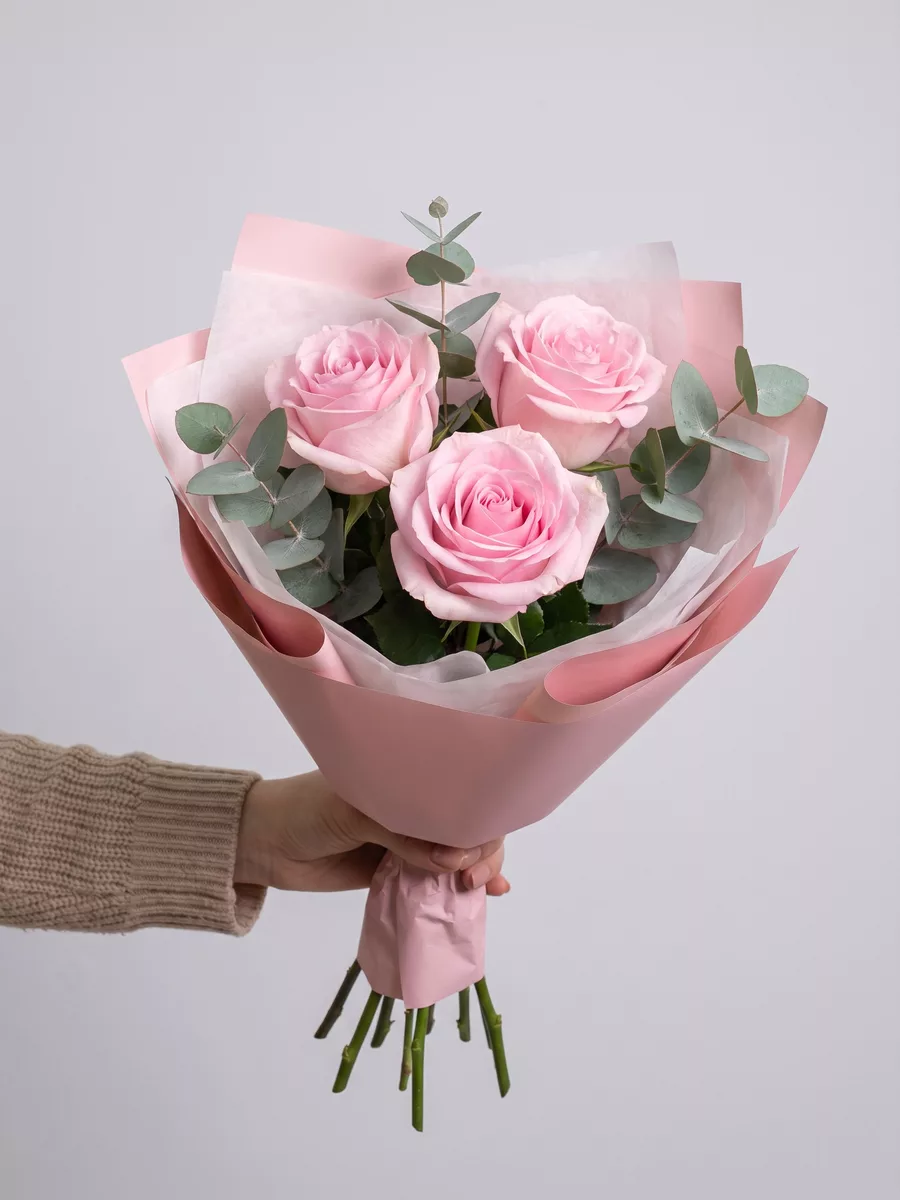
Delivery Timing: What the 1–2 Hour Promise Actually Means
When Turboflora says one to two hours, that window starts from the moment the order is confirmed, not from when you began browsing. Confirmation happens after payment is processed and the florist has checked that every stem in your chosen bouquet is in stock and in good condition. If a specific flower is not available that day — a common situation with ranunculus or garden roses during high-demand periods — you will be contacted before the bouquet is assembled, not after it has already been delivered.
In Dzhankoy, the one-hour end of the range is realistic for most central addresses during morning and early afternoon. Evening deliveries, particularly after seven o'clock, may sit closer to the two-hour mark depending on how many orders are moving simultaneously. This is worth factoring in if you are trying to time a surprise for a specific moment, such as the end of a work shift or a dinner reservation.
The florist assembles the bouquet fresh immediately before dispatch. This is not a bouquet that has been sitting in a cold room since morning waiting for a driver to become available. The stems are cut, conditioned and wrapped at the point of preparation, which is why the flowers arrive hydrated and upright rather than already beginning to droop. That assembly-to-door gap being as short as possible is the main reason same-day flower delivery in Dzhankoy works as reliably as it does.
Choosing Flowers for the Person, Not Just the Occasion
The occasion gives you a starting point, but the recipient gives you the answer. A colleague celebrating a promotion will respond differently to a structured arrangement of white spray chrysanthemums and eucalyptus than to a loose, garden-style bouquet of peach lisianthus and soft pink alstroemeria. Both are appropriate for the moment, but one will feel right for her and one will not. Think about her home, her style, whether she tends toward the classic or the unconventional.
For someone you know well, lean into specifics. If she always mentions that she loves the smell of freesia, a bouquet built around white or yellow freesia stems with complementary greenery will mean far more than a standard red rose arrangement, however beautiful. Freesia is available through most of the year and holds well in a vase for up to ten days when kept in cool water.
For someone you know less well — a new manager, a teacher, a neighbour who helped during a difficult week — neutral palettes work best. Cream, white and soft green combinations read as generous without making assumptions about personal taste. Alstroemeria is a reliable choice here: it comes in many colours, lasts exceptionally well in the vase, and carries no strong cultural connotations that might feel out of place. Avoid all-red arrangements for professional relationships, as red roses in Russian culture carry a clear romantic meaning that can create awkwardness in a workplace context.
Budget Ranges and What Each One Gets You
Flower budgets in Russia tend to fall into three broad bands, and each one produces a genuinely different result — not just a smaller or larger version of the same bouquet. Understanding what each range actually delivers helps you set expectations before you order rather than being surprised by what arrives.
At the entry level, you are working with single-variety bouquets or simple two-element combinations. A dozen alstroemeria stems in a single colour, wrapped in kraft paper with a ribbon, is a clean and honest gift. It does not try to look like something more expensive, and recipients who appreciate directness often prefer it. Spray roses, statice and standard carnations also perform well at this level — carnations in particular have had an unjust reputation in recent decades, but a mono-bouquet of burgundy carnations with dark foliage is genuinely striking.
The mid range opens up combination work. This is where you can pair garden roses with eucalyptus, add a few stems of waxflower for texture, or build a bouquet around a central focal flower — a large-headed peony in season, for example — surrounded by softer complementary blooms. The overall impression shifts from simple to considered.
At the upper end, the difference is in stem count, flower grade and presentation. Dutch roses at this level have noticeably larger heads and longer stems. Arrangements may include premium flowers such as peonies, ranunculus or ornamental branches that are not available year-round. The packaging also becomes part of the gift — a hatbox or structured arrangement rather than a hand-tied wrap.
Seasonal Availability: What Grows When in Crimea
Crimea's climate is milder than most of Russia, and Dzhankoy benefits from that geography. Winters are short and rarely severe, which means local growing seasons extend further into autumn and begin earlier in spring than in cities like Moscow or Novosibirsk. This has a direct effect on what is available and how fresh it is when it reaches you.
Spring is the strongest season. From late February through May, locally sourced tulips, narcissus and anemones are at their best. Tulips in Crimea come in a range of varieties beyond the standard single-colour supermarket stem — parrot tulips with their ruffled petals and fringed edges are worth requesting specifically if you want something that looks unusual. Peonies arrive in late May and remain available through June; this is the window to use them if a significant occasion falls in that period.
Summer brings an abundance of sunflowers, which are grown extensively in the Crimean steppe and are both affordable and long-lasting. Lisianthus peaks in summer and is one of the most underused flowers in Russian bouquets — its layered petals resemble a rose but it holds in a vase for two weeks with minimal care. Matthiola, known in English as stock, adds a strong sweet fragrance to summer arrangements.
Autumn and winter rely more on imported stems — Dutch roses, Colombian carnations, Ecuadorian lilies — but these are consistently high quality. Temperature-controlled transport means that a lily arriving in Dzhankoy in January has travelled well and will open fully over three to five days once placed in a warm room.
Presentation Choices: Wrap, Box or Vase Arrangement
How a bouquet is presented when it arrives at the door shapes the first impression as much as the flowers themselves. Turboflora offers several presentation formats, and choosing the right one for your recipient and occasion takes less than a minute once you understand what each format is actually saying.
The hand-tied wrap is the most common format and the most versatile. The florist assembles the stems in a spiral, ties them at the binding point and wraps the lower half in paper — kraft, tissue or a combination — leaving the flowers fully visible from the front. This format works for almost every occasion and every recipient. It is also the easiest for the recipient to manage: they simply unwrap the paper, trim the stems and place the bouquet in a vase.
The hatbox or round box format presents the flowers arranged upright in a compact container, often with moss or tissue at the base to hold moisture. This is a stronger choice when the recipient has limited vase options or when you want the presentation itself to feel like a designed object rather than a bunch of flowers. It photographs well, which matters if the recipient is likely to share the moment on social media — a relevant consideration for milestone birthdays or public celebrations.
A vase arrangement arrives ready to display, with no assembly required. This is the most practical choice for recipients who are elderly, who live alone and may find unwrapping and arranging difficult, or who are receiving the flowers at a workplace where a vase may not be available. The arrangement is designed to look intentional from every angle, not just the front.
Keeping the Bouquet Fresh: Care Instructions That Actually Work
The most common mistake people make after receiving flowers is placing them in a warm room near a window in direct sunlight and assuming the water will do the rest. Direct sun accelerates water loss through the petals and raises the temperature around the stems, shortening vase life significantly. A bright spot away from direct sun and away from radiators or air conditioning vents is the right location.
Water quality matters more than most people expect. Tap water in Dzhankoy is generally suitable, but the key is changing it every two days rather than topping it up. Bacteria build up in the water and block the stem ends, preventing uptake. When you change the water, re-cut the stems by one to two centimetres at a diagonal angle — this reopens the uptake surface and keeps the flowers drinking properly.
Remove any leaves that fall below the waterline immediately. Submerged foliage rots quickly and dramatically increases bacterial content in the water, which is the main reason bouquets collapse faster than they should. Keeping the water clear and the stems clean is more effective than any commercial flower food additive, though a small sachet of flower food dissolved in the water at the start does provide a genuine benefit by adjusting the pH.
Different flowers have different natural lifespans. Alstroemeria and chrysanthemums routinely last fourteen days with proper care. Roses and lisianthus give you seven to ten days. Tulips are shorter — five to seven days — but they continue to grow in the vase, which means a tulip bouquet looks different and often more interesting on day four than it did on day one.
Ordering flowers to Dzhankoy is straightforward when you know what to expect at each step. The delivery window is real, the flowers are assembled fresh before dispatch, and the choices available — from a simple mono-bouquet of freesia to a full hatbox arrangement of peonies and garden roses — cover every occasion and every budget. The details that make a bouquet memorable are small ones: the right colour for the recipient's personality, a fragrant stem tucked among the focal flowers, a card message that says something specific rather than something generic. Turboflora handles the logistics; the thought behind the order is yours to bring.
Frequently asked questions
Can I order flowers for same-day delivery to Dzhankoy in the evening?
Yes, evening deliveries are available. Orders placed after six in the evening may fall at the two-hour end of the delivery window rather than the one-hour end, depending on demand. If you need the flowers to arrive by a specific time in the evening, place the order at least two and a half hours ahead of that moment to give the florist and courier enough room to work comfortably.
What flowers are available year-round in Dzhankoy?
Roses, alstroemeria, spray chrysanthemums, carnations and standard lilies are consistently available throughout the year regardless of season. These are imported from reliable growing regions and arrive via temperature-controlled supply chains. Seasonal Crimean flowers such as tulips, peonies and sunflowers are available during their natural growing windows and are worth requesting when the timing aligns with your occasion.
Is it possible to include a card message with the delivery?
Yes, a handwritten card can be added at checkout. The message is printed or written and attached to the bouquet before dispatch. Keep the message specific to the person and occasion rather than using a generic phrase — recipients notice the difference, and a personal sentence or two makes the bouquet feel like a considered gift rather than an automated transaction.
What should I do if the recipient is not home when the flowers arrive?
The courier will contact the recipient directly before arrival to confirm someone is available. If the recipient is temporarily unavailable, the courier can wait briefly or arrange a short revised window. It is worth providing the recipient's phone number at checkout so this coordination can happen smoothly without the order being returned or the flowers sitting in a vehicle longer than necessary.
Are there flowers I should avoid sending to a colleague or professional contact in Russia?
Red roses carry a clear romantic meaning in Russian culture and should be avoided for professional relationships unless the intention is explicitly romantic. All-yellow arrangements are sometimes associated with separation or farewell in older Russian tradition, though this association is fading among younger generations. Neutral palettes of white, cream and soft green are the safest and most universally appreciated choice for workplace or formal occasions.
Ready to send flowers?
Pick the city, choose the bouquet, and a local florist takes it from there.
Choose a city →