Flower Delivery in Elabuga: Timing, Choices and What Arrives at the Door
Elabuga sits on the Kama River in Tatarstan, a city that feels unhurried and personal — and that is exactly the mood a well-chosen bouquet should match. Whether you are sending flowers to a relative celebrating a birthday, a colleague marking a promotion, or someone you simply want to surprise on an ordinary Tuesday, the question is always the same: will they arrive fresh, on time, and looking the way you imagined them? This article walks you through every part of the process so you can order with confidence.
Why Elabuga Is Worth Sending Flowers To
Elabuga is one of Russia's best-preserved historic towns, home to the Spassskaya Tower and the museum of the poet Marina Tsvetaeva. People here appreciate thoughtful gestures, and a bouquet of fresh flowers lands differently in a city where neighbours still greet each other by name. The culture of gifting flowers in Russia runs deep — it is expected at birthdays, anniversaries, graduations, and even at the first day of a new job. If you are sending from abroad or from another Russian city, knowing this helps you choose better.
Elabuga is not a metropolitan centre, which means the recipient will notice the quality of what arrives. A bouquet that looks slightly tired after a long transit will not go unnoticed. That is why sourcing, packing and timing all matter more here than in a city where the recipient might assume a quick local purchase. Your order deserves the same care as one delivered to central Saint Petersburg.
The town also has a strong tradition around Women's Day on March 8th, Teacher's Day in early October, and the New Year period. Demand for delivery spikes sharply around these dates. If you are planning for any of those occasions, ordering two or three days in advance gives you the best choice of varieties and the most reliable delivery window.
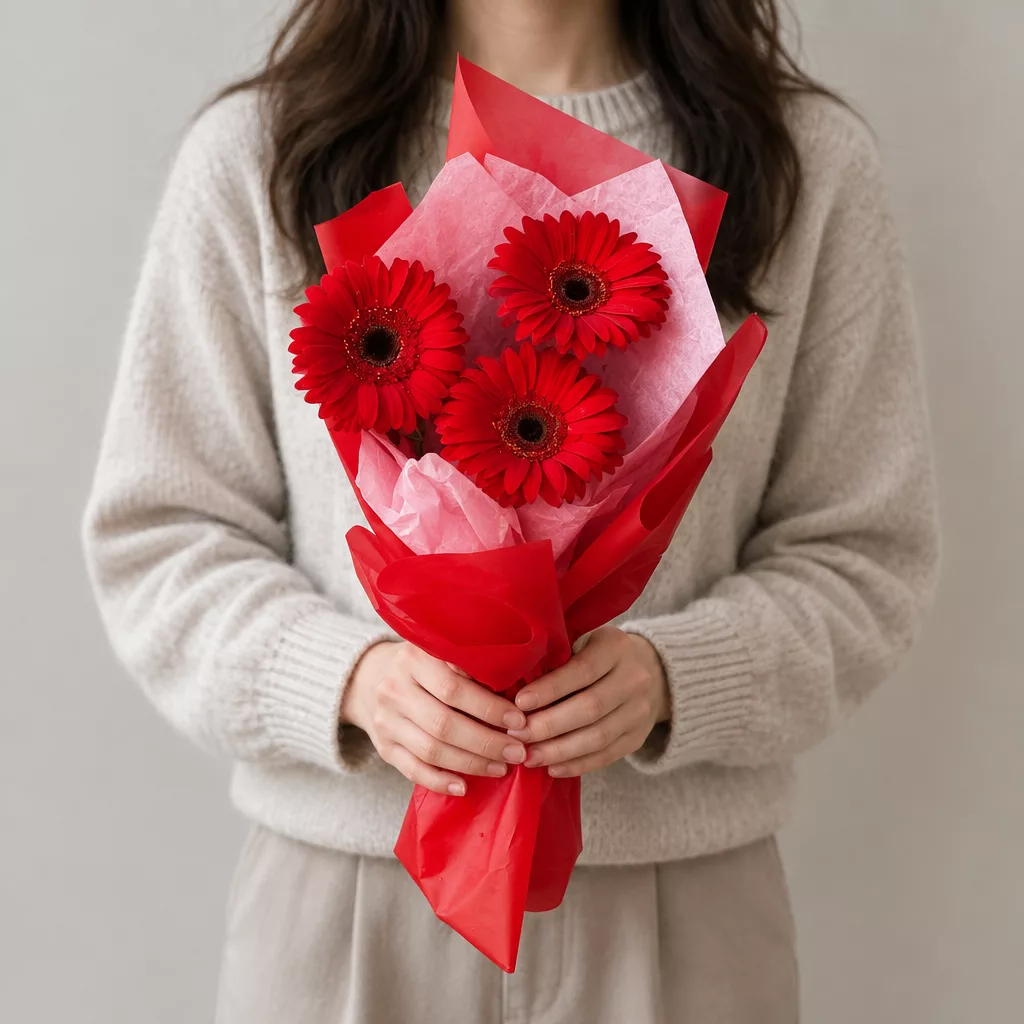
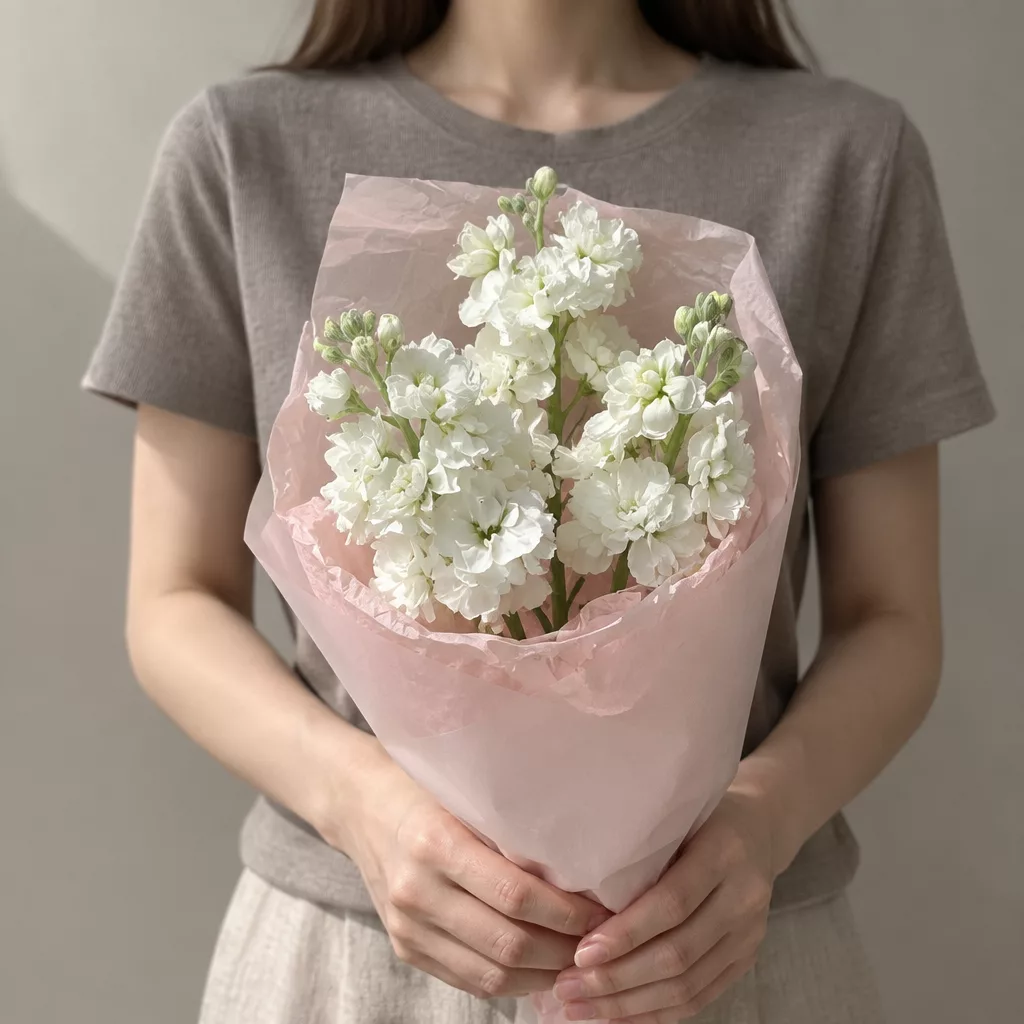
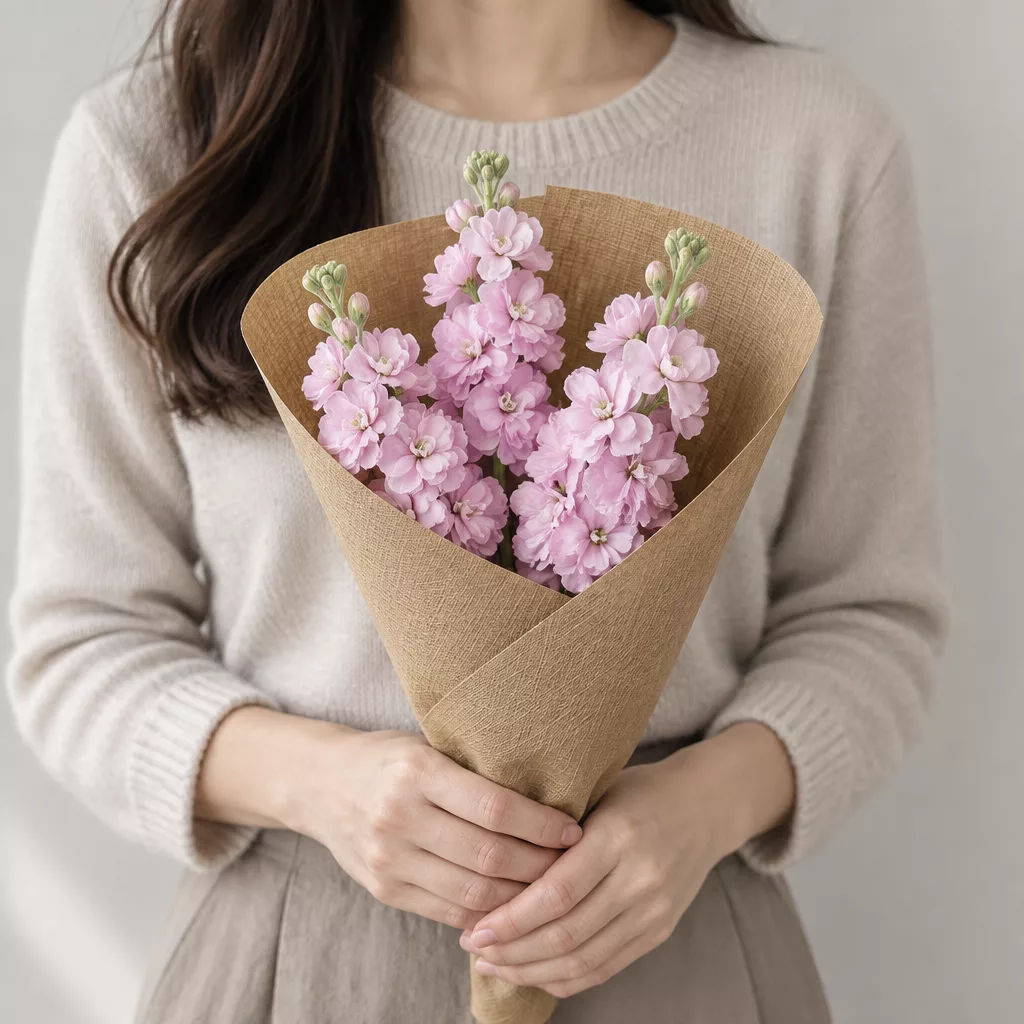
Bouquets we can deliver

Delivery Timing: What the Journey Actually Looks Like
Elabuga is approximately 1,100 kilometres east of Saint Petersburg, which means same-day delivery within one or two hours is not realistic for this destination — and any service claiming otherwise deserves scrutiny. The honest timeline from order to doorstep is typically one to two days, depending on when you place the order and which delivery window you select. Orders placed before midday on a weekday tend to move fastest.
The bouquet travels in a temperature-controlled environment. This matters enormously for delicate varieties like garden roses, ranunculus and anemones, which can lose their shape within hours if exposed to heat above 20 degrees Celsius or frost below zero. During the Russian winter, packaging includes insulating layers that keep stems above freezing throughout transit. In summer, the opposite challenge applies — cooling is maintained to prevent premature opening.
Once the bouquet reaches Elabuga, the final-mile delivery is handled directly, not handed off. The recipient receives a message before the courier arrives, which is standard practice and avoids the common frustration of missed deliveries in apartment buildings. If the recipient is not home, the courier will coordinate a new time rather than leaving flowers unattended in a hallway where temperature and light are unpredictable.
For time-sensitive occasions — a birthday morning, an anniversary dinner — state the preferred delivery window clearly in your order notes. The team works around that window whenever logistics allow, and they will contact you if something changes.
Choosing a Bouquet for the Person, Not the Occasion
The occasion gives you a starting point, but the person tells you everything. A colleague who keeps succulents on her desk probably prefers structured, long-lasting arrangements over soft romantic clusters. A grandmother in Elabuga who grew up with a garden will light up at peonies or garden roses in season, not a stiff formal arrangement that looks like it belongs in a hotel lobby.
For recipients you do not know well, roses remain the safest and most universally appreciated choice in Russian culture — but the variety matters. Spray roses feel lighter and less formal than large-headed hybrid teas. A mix of blush and cream tones reads as warm and considered rather than generic. Adding texture with eucalyptus, waxflower or dried pampas grass makes a standard bouquet feel curated.
For younger recipients or anyone with a more contemporary taste, consider tulips in spring, sunflowers in summer, or a loose garden-style mix of ranunculus, sweet peas and lisianthus when they are in season. These combinations photograph beautifully, which matters when the recipient will inevitably share the moment.
If you genuinely have no information about the person's preferences, a monochromatic bouquet — all white, all blush, or all deep burgundy — is a reliable move. It looks intentional and elegant rather than like a compromise. Avoid very dark or very unusual colours for a first-time gift to someone you do not know; save those for people who will understand the choice.
Bouquet Options Across Different Budgets
Budget shapes what is possible, but it does not have to limit how personal the gift feels. At the more modest end, a tight bunch of seasonal tulips or chrysanthemums — both of which hold exceptionally well in transit — can be arranged with a single accent stem of something unexpected, like a deep blue iris or a spray of white freesia. Freesia in particular carries a strong, sweet fragrance that makes an immediate impression when the wrapping comes off.
In the mid-range, you gain access to combinations. A dozen standard roses can become far more interesting when paired with hypericum berries, eucalyptus and a wide satin ribbon rather than cellophane. Lisianthus, which resembles a ruffled rose but costs considerably less, works beautifully as a filler that also becomes a focal point. Alstroemeria is another mid-range staple that lasts ten to fourteen days in a vase, making it a genuinely practical gift for someone who travels or works long hours.
At the higher end, large-headed garden roses from Ecuador or Kenya, peonies in season from May through July, and orchid stems give a bouquet real visual weight. These varieties require more careful handling in transit and are worth the premium when you want the arrival to feel unmistakably special. A box arrangement rather than a hand-tied bouquet also elevates the presentation — the recipient opens a lid rather than unwrapping paper, which creates a different kind of moment.
Whatever the budget, presentation is where the difference is made. A generous bow, a handwritten card, and clean-cut stems make any bouquet feel considered.
Seasonal Availability and What Grows When
Russia's seasons shape flower availability in ways that matter practically. From December through February, the market relies heavily on imported roses, carnations, chrysanthemums and tropical flowers like anthuriums and birds of paradise. These are not second-best choices — they are selected precisely because they travel well and last long in cold conditions. Avoid ordering delicate open-faced flowers like garden roses or poppies in deep winter if the bouquet will spend more than a day in transit.
Spring arrives dramatically in Russia. By late March and through April, tulips flood the market in every colour, and they are at their freshest and most affordable. Daffodils appear briefly and have a powerful nostalgic quality for many Russian recipients who associate them with childhood and early spring. Hyacinths carry an extraordinary fragrance but have a shorter vase life, so they are best ordered for an occasion happening within a day or two of delivery.
Summer brings peonies — arguably the most beloved flower in Russia — along with sweet peas, garden roses and sunflowers. Peonies are available roughly from late May through mid-July depending on the year, and they are worth planning around if the occasion falls in that window. A peony bouquet sent to Elabuga in June is almost always received with genuine delight.
Autumn is the season of dahlias, which come in extraordinary shapes and colours and hold well in cooler temperatures. Late September and October are also when chrysanthemums peak, and a large-headed chrysanthemum arrangement can be genuinely impressive in scale without requiring a large budget.
Care Instructions to Pass On to the Recipient
A bouquet that arrives in perfect condition can still fade within two days if it is not cared for properly — and in Elabuga, where the recipient may not have received many delivered bouquets before, a simple note with care instructions is a thoughtful addition to the order. Most people know to put flowers in water, but the details make the real difference.
The first step is to recut the stems at a forty-five degree angle, removing about two centimetres, immediately before placing them in water. This reopens the stem and allows maximum water uptake. Stems that have been out of water during transit form a seal at the cut end, and simply placing them in a vase without recutting significantly shortens vase life. A sharp knife is better than scissors, which can crush the stem tissue.
Water temperature matters by variety. Most flowers prefer cool or room-temperature water. Tulips are an exception — they continue to grow in the vase and will bend toward light, which some people find charming and others find frustrating. Keeping them in a cool room and rotating the vase helps them stay upright.
Change the water every two days and remove any leaves that sit below the waterline, as submerged leaves rot quickly and cloud the water with bacteria. Keep the arrangement away from direct sunlight, radiators and fruit bowls — ethylene gas from ripening fruit accelerates petal drop in roses and carnations noticeably. In a cool room away from these hazards, a well-made bouquet of roses or chrysanthemums will last seven to ten days easily.
Making the Order Feel Personal from a Distance
Sending flowers from another city — or from abroad — can feel impersonal if the only connection is a transaction. There are a few ways to make the gift feel genuinely warm regardless of the distance. The handwritten card is the most important one. A printed message is fine, but if you have the option to write something in your own words, even briefly, it changes how the recipient experiences the gift. In Russian culture, the words that accompany flowers carry almost as much weight as the flowers themselves.
If you know the recipient's favourite colour or a flower they have mentioned loving, say so in the order notes. A florist who knows that the recipient once said she loves anything white and fragrant can build a bouquet with that in mind rather than defaulting to a standard arrangement. Specific information always produces a better result than a general budget range alone.
Think about the moment of arrival, not just the bouquet itself. Will the recipient be at home? Is there a time of day that would make the delivery more meaningful — morning, so they start the day with it, or evening, so it arrives after a long day at work? These are details worth specifying. A birthday bouquet that arrives at nine in the morning lands differently than one that comes at six in the evening.
Finally, consider the wrapping. Kraft paper with twine reads as natural and artisan. White tissue with a wide ribbon reads as classic and elegant. A hat box or round box adds an element of surprise. Each of these choices sends a signal before a single petal is seen, and choosing deliberately makes the gift feel more considered even when you are hundreds of kilometres away.
Elabuga is a city where a thoughtful gesture is noticed and remembered. Getting flowers there requires planning ahead, choosing varieties that travel well in the season you are ordering, and giving the recipient the small details — a card, a care note, a preferred delivery time — that turn a transaction into something that feels personal. The distance between you and the recipient does not have to show in what arrives at their door.
Frequently asked questions
How far in advance should I order flowers for delivery to Elabuga?
Ordering one to two days ahead gives the best results. This allows time for careful packing and transit without the bouquet sitting in storage. For major holidays like March 8th or New Year, place your order three to four days early — demand is high and the most popular varieties sell out quickly during peak periods.
Which flowers hold up best during a long delivery to Elabuga?
Chrysanthemums, alstroemeria, carnations and standard roses are the most reliable for longer transit. They tolerate temperature fluctuation better than open-faced flowers like ranunculus or garden roses. In summer, sunflowers also travel well. If you want something more delicate, order for a delivery window that keeps transit time as short as possible.
Can I send flowers to Elabuga if I am outside Russia?
Yes. You can place an order on turboflora.com from anywhere with an internet connection. Provide the recipient's full address in Elabuga including apartment number, a working local phone number, and your preferred delivery window. Payment is processed online, and you will receive order confirmation and tracking information by email.
What happens if the recipient is not home when the courier arrives?
The courier contacts the recipient directly to arrange a new delivery time rather than leaving the bouquet unattended. Flowers left in an uncontrolled environment — a cold stairwell or a sunny doorstep — deteriorate quickly, so rescheduling protects the quality of your gift. It helps to confirm with the recipient that they will be available on the chosen day.
Is it acceptable to send flowers as a gift in Elabuga without a specific occasion?
Absolutely. In Russian culture, flowers given without a formal reason are often received as the most genuine gesture — they say the sender was simply thinking of the person. A small, well-chosen bouquet sent on an ordinary day can mean more than an elaborate arrangement on a birthday. There is no need to wait for a calendar event.
Ready to send flowers?
Pick the city, choose the bouquet, and a local florist takes it from there.
Choose a city →