Flower Delivery in Gagarin: What to Expect and How to Order Right
Gagarin is a small city with a big emotional geography — a place where people still mark birthdays, anniversaries and ordinary Tuesdays with real flowers, not digital messages. If you are ordering from outside the region, or simply want to understand what happens between your click and the moment someone opens the door to a bouquet, this article walks you through every step. Distance, timing, seasonal variety, presentation, care — all of it, plainly explained.
Which Parts of Gagarin We Reach and Why Coverage Matters
Gagarin sits in Smolensk Oblast, a compact city where most residential addresses, offices, schools and medical facilities fall within a single delivery zone. The central districts — including the streets closest to Gagarina Square and the main administrative buildings — are straightforward to reach. Residential neighbourhoods on the outskirts, including newer housing developments along the eastern edge of the city, are also covered, though these sometimes require a slightly wider delivery window.
When you fill in the address at checkout, use the full street name and building number. Russian addresses often include a corpus or stroenie number — a secondary building identifier written after the main number. If you are sending to an apartment block, include the flat number and, if you know it, the entry code for the front door. Missing this detail is the single most common reason a delivery is delayed at the last metre.
If you are unsure whether a specific address is within range, contact us before placing the order rather than after. We would rather confirm coverage in two minutes than have a courier standing outside a locked gate with tulips. The city is manageable in size, and in most cases the answer will be yes — we simply want to set accurate expectations from the start rather than disappoint anyone on an important day.
Bouquets we can deliver

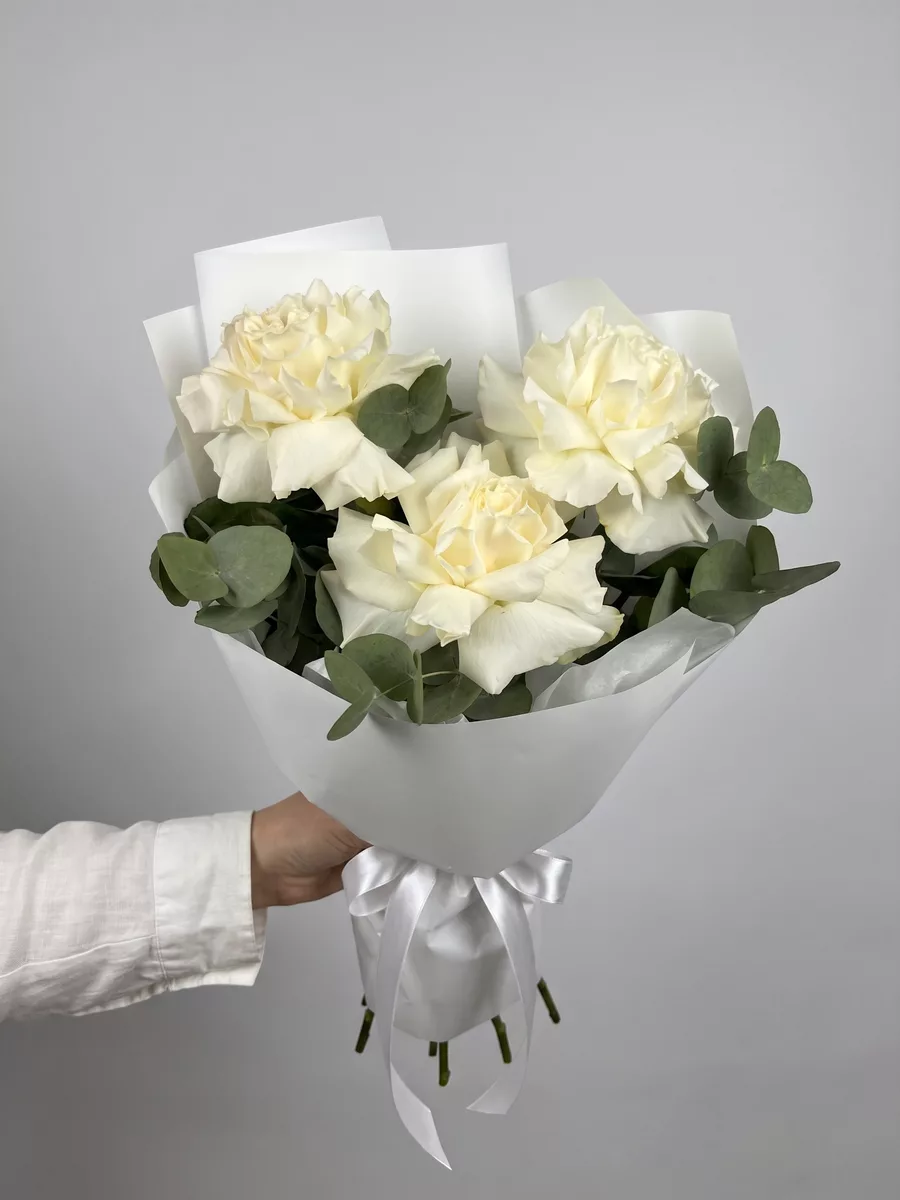
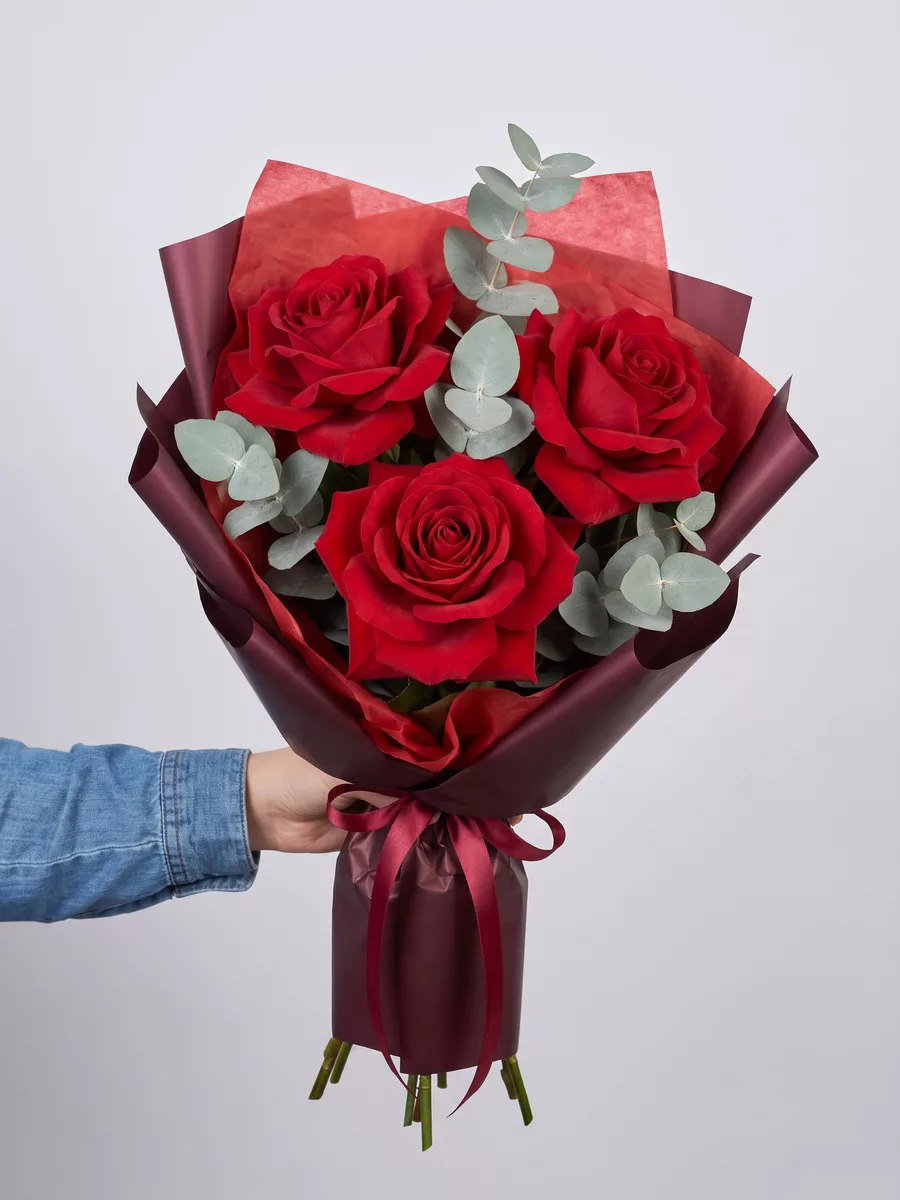
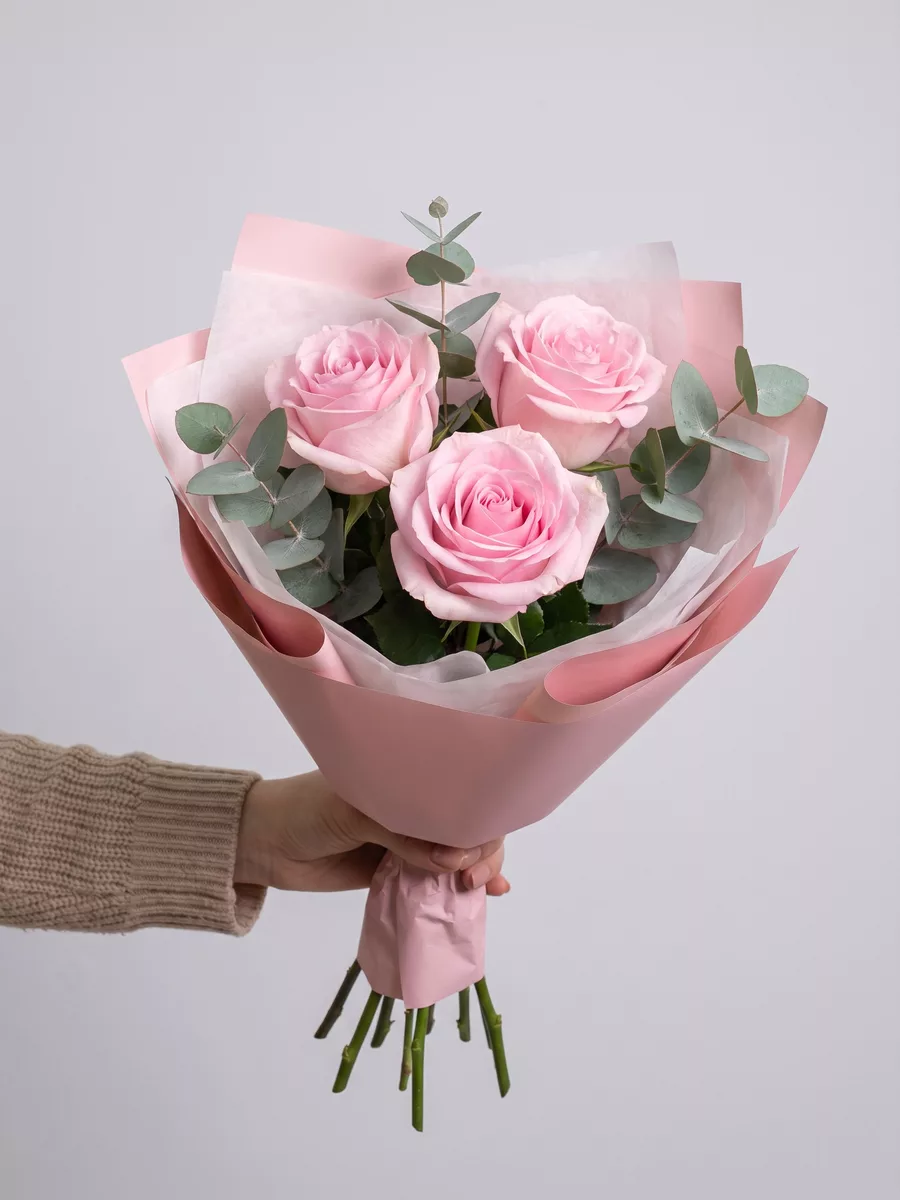
Timing the Delivery: What One to Two Hours Actually Means
The one-to-two-hour window refers to the time between order confirmation and the moment the courier arrives at the door. It assumes the bouquet is already assembled or can be assembled quickly from stock in our Saint Petersburg workshop, and that the route to Gagarin is clear. For same-day delivery to work reliably, orders placed before early afternoon give us the most flexibility. Orders placed in the evening may be scheduled for the following morning, which is often the better choice anyway — flowers delivered at nine in the morning feel like a genuine surprise.
Russian road conditions between regions vary by season. Winter in Smolensk Oblast can bring ice and reduced visibility, and we account for this in our courier scheduling. If weather is genuinely severe, we communicate this proactively rather than letting you discover it from a tracking update. In summer, the roads are faster, and early-morning deliveries can be particularly beautiful — roses and peonies hold their shape best in cooler temperatures.
If you are coordinating the delivery with an event — a birthday dinner, a graduation ceremony, a work anniversary — tell us the preferred arrival window in the order notes. We treat that window as a commitment, not a suggestion. Florists understand that a bouquet arriving two hours after the cake has been cut is not the same gift at all. Timing is part of the craft, and we take it as seriously as the flowers themselves.
Choosing Flowers for the Person, Not Just the Occasion
The most useful question to ask yourself before ordering is not 'what flowers are popular right now' but 'what does this person actually like.' A woman who keeps succulents on her windowsill and prefers clean lines will respond differently to a structured arrangement of white lisianthus and eucalyptus than she would to a dense, romantic bundle of garden roses and alstroemeria. Both are beautiful. Only one will feel like it was chosen for her.
For recipients you know well, think about their home. Pale interiors suit soft palettes — creamy ranunculus, blush spray roses, white freesia with its faint sweet scent. Brighter, eclectic spaces can carry bolder choices: sunflowers, orange gerbera, deep burgundy dahlias in season. If you are less certain, a monochromatic arrangement in one colour family rarely fails — it reads as considered rather than cautious.
For professional occasions — a colleague's promotion, a teacher's retirement — restraint usually serves better than abundance. A single variety in a clean wrap, perhaps white chrysanthemums or pale green hydrangea, communicates respect without overstepping. In Russian workplaces, flowers are a genuine and common gesture of appreciation, so do not worry that the gift will seem unusual. It will not. What matters is that it arrives fresh, well-presented and on time, which is exactly what we are there to ensure.
Seasonal Flowers Available for Gagarin Deliveries
We work with what is genuinely fresh rather than what has been sitting in cold storage for three weeks. In late spring and early summer, peonies are the most requested flower we handle — their brief season makes them feel precious, and recipients in Gagarin respond to them the same way people do everywhere in Russia. Peonies travel well when cut at the tight bud stage and kept cool during transport. By the time they open in a vase at room temperature, they are extraordinary.
Summer brings an abundance of choice: garden roses, eustoma, statice, solidago, and — depending on the year — sweet peas, which are delicate but worth it when available. Autumn is the season for dahlias, which are among the most structurally interesting flowers we work with. Their forms range from tight pompom to large decorative heads, and they hold colour exceptionally well in low light. Chrysanthemums, often underestimated, are also at their best in autumn and last longer in a vase than almost anything else.
Winter deliveries lean on roses, which are available year-round from reliable growers, alongside carnations — which have had a quiet revival in Russian floristry — hypericum berries, and seasonal greenery like ruscus and pittosporum. We do not offer flowers that cannot make the journey in good condition. If a variety is unavailable or unlikely to arrive fresh, we will tell you and suggest something comparable rather than send a compromised arrangement.
How Presentation and Packaging Work for Long-Distance Delivery
A bouquet that travels from Saint Petersburg to Gagarin needs to be packaged differently from one handed across a counter. The stems are wrapped in a water-retaining sleeve — a damp paper layer inside the kraft or linen wrap — so the flowers are not sitting dry for the duration of the journey. This detail matters more than most people realise. Roses and tulips in particular begin to show stress within an hour of being cut and left without moisture, and a wilted bouquet on arrival is something we take personally.
The outer wrap protects the blooms from cold air in winter and direct sun in summer. We use structured packaging that holds the arrangement in shape rather than letting stems shift during transport. If the bouquet includes tall-stemmed flowers like delphiniums or gladioli, the packaging is reinforced to prevent the heads from bending. Presentation is not decoration — it is protection.
For gifts that need a message, we include a handwritten card rather than a printed slip. In Russian culture, a handwritten note carries weight. Even a few words in your own phrasing feel more personal than a typed template. If you are sending from abroad and writing in English, that is completely fine — it adds its own warmth. Tell us exactly what you want written, punctuation and all, and we will transfer it faithfully. The card is tucked inside the wrap so it arrives with the flowers rather than separately.
Vase Life and Care: What to Tell the Recipient
Most people who receive flowers do not know how to care for them, and that is not a criticism — it is simply not something most of us are taught. Passing along a few plain instructions with the bouquet makes a real difference to how long the arrangement lasts. If you know the recipient well enough, you can include care notes with your message.
The single most important step is a clean diagonal cut on the stems before placing them in water. This increases the surface area through which the flower drinks. Use a sharp knife rather than scissors, which can crush the stem tissue. Change the water every two days and rinse the vase at the same time. Keep the bouquet away from direct sunlight, radiators and fruit bowls — ripening fruit releases ethylene gas, which accelerates petal drop.
Different varieties have different lifespans. Chrysanthemums and carnations routinely last ten to fourteen days with basic care. Roses typically give seven to ten days. Tulips, which many people find unpredictable, last well when kept in cool water and in a cooler room — they continue to grow after cutting and will lean toward light, which can be charming or chaotic depending on the vase. Peonies, once fully open, are spectacular for four to six days. Lisianthus is one of the longest-lasting cut flowers available, often holding for two weeks. Knowing what you ordered helps you set expectations for the recipient.
Common Mistakes When Ordering Flowers to an Unfamiliar City
The most frequent mistake is leaving the order too late and then expecting the same result as a planned delivery. Same-day orders are possible and we handle them regularly, but they require flexibility on variety and timing. If you have a fixed deadline — the party starts at seven, the meeting is at noon — order the evening before. The flowers will be fresher, the timing will be more precise, and you will spend the day thinking about something other than tracking updates.
The second mistake is under-describing the recipient. 'Something nice for my mum' gives us very little to work with. Her age, her taste, her home, whether she prefers fragrant flowers or is sensitive to strong scents — any of this helps us choose better. Freesia and hyacinth are intensely fragrant and can be overwhelming in a small apartment. Anthuriums and orchids are nearly scentless and suit people who find perfume overwhelming. These are real considerations, not florist fussiness.
The third mistake is skipping the delivery note. In Russia, flowers arriving without explanation can cause momentary confusion — particularly if the sender is not expected. A short note, even just your name and a single warm sentence, anchors the gift immediately. It also means the recipient knows who to thank, which matters more than people admit. We include the card with every order; you simply need to tell us what to write. Do not leave that field blank and assume the flowers will speak for themselves — they will, but a note helps them speak more clearly.
Ordering flowers to Gagarin from a distance is simpler than it might seem, and the result — a fresh, well-packaged bouquet arriving on time at the right door — is entirely achievable when the details are in place. Address, timing, recipient, message: these four things are all we need to make it work. The flowers, the craft and the journey are our responsibility. Yours is simply to decide that someone deserves them today.
Frequently asked questions
Can I order flowers to Gagarin on the same day?
Yes, same-day delivery to Gagarin is available for orders placed before early afternoon. Later orders may be scheduled for the following morning, which often works better for surprise gifts. If your timing is fixed — a specific event or meal — add the preferred arrival window in the order notes and we will treat it as a firm target.
What happens if the recipient is not home when the courier arrives?
The courier will contact the recipient directly using the phone number provided at checkout. If there is no answer, we will also notify you as the sender. In most cases, a short wait or a second attempt resolves the situation. Including an entry code or building access detail in the address field reduces these situations significantly.
Which flowers travel best over longer distances in winter?
Roses, carnations, chrysanthemums and lisianthus are all reliable winter travellers. They tolerate cooler temperatures during transport and arrive in good condition when packaged correctly. We avoid sending open peonies or delicate sweet peas in severe cold. If you are ordering in January or February, we will suggest varieties that are genuinely suited to the conditions.
Is it appropriate to send flowers to a Russian colleague or acquaintance?
Completely appropriate. Flowers are a normal and respected gift in Russian professional culture for birthdays, retirements, promotions and other milestones. A clean, single-variety arrangement in a neutral colour works well in most workplace settings. Avoid very large or theatrical bouquets for professional contexts — considered and fresh is always the right register.
Can I write the card message in English?
Yes, absolutely. We transfer your message exactly as written, including punctuation and capitalisation, onto a handwritten card included with the bouquet. English messages are warmly received and often feel distinctly personal. Simply type your text into the card message field at checkout, and we will handle the rest faithfully.
Ready to send flowers?
Pick the city, choose the bouquet, and a local florist takes it from there.
Choose a city →