Flower Delivery in Gay: Timing, Choices and What Arrives at the Door
Gay is a compact city in the Orenburg region, sitting close to the southern Ural foothills, and sending flowers there is entirely possible when you plan around the real conditions of the route. Whether you are congratulating a colleague on a promotion, surprising a partner on an anniversary, or simply telling someone far away that you are thinking of them, a fresh bouquet can carry that feeling across the distance. This guide walks you through how delivery works in Gay, which flowers travel best, how to choose by occasion and budget, and how the recipient can keep the arrangement looking beautiful for as long as possible.
What Gay Looks Like as a Delivery Destination
Gay is a mid-sized industrial city in the Orenburg region, known for the Gai copper-mining complex and a population that takes quiet pride in its Ural character. It is not a metropolis, but it is a real city with residential districts, a recognisable centre, and addresses that are easy to navigate once you know the layout. Deliveries reach both the central streets and the residential mikrorayony on the outskirts without difficulty.
The city sits at an elevation that gives it genuinely cold winters and warm, dry summers. That temperature range matters for flowers. In January or February, a bouquet left in an unheated hallway or a cold stairwell for even twenty minutes can suffer petal damage, particularly on delicate varieties like garden roses or ranunculus. In July, the opposite problem appears: heat above thirty degrees accelerates wilting, so timing the handover carefully protects the arrangement.
Because Gay is not in the immediate Saint Petersburg metropolitan area, delivery is organised as a scheduled same-day or next-day service rather than the one-to-two-hour sprint that works in larger cities. Orders placed in the morning are typically delivered by early afternoon; orders placed by midday can often reach the recipient before evening. Communicating clearly with the recipient about the approximate window avoids the frustrating scenario of a bouquet waiting outside a locked door. Gay rewards a little advance planning, and the result is a fresh arrangement that arrives in genuinely good condition.
Bouquets we can deliver

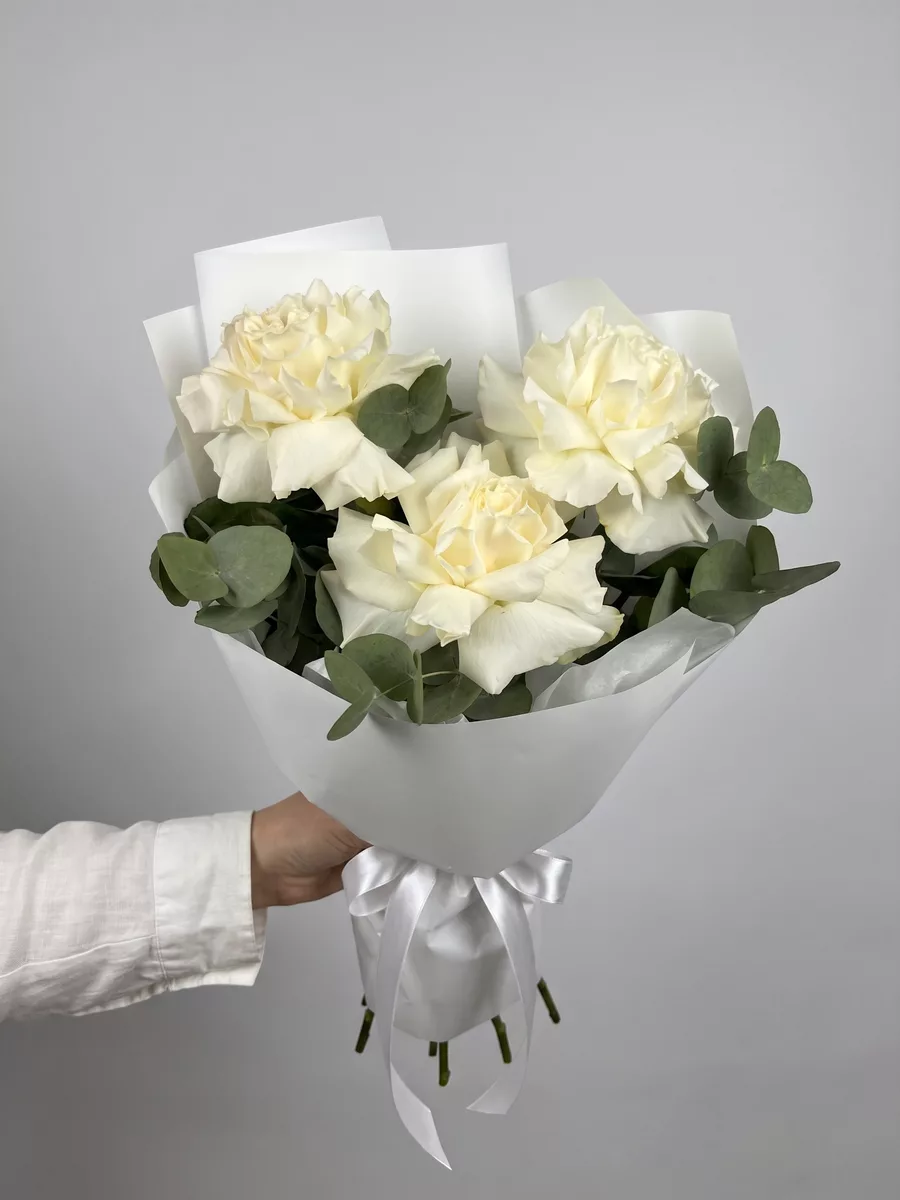
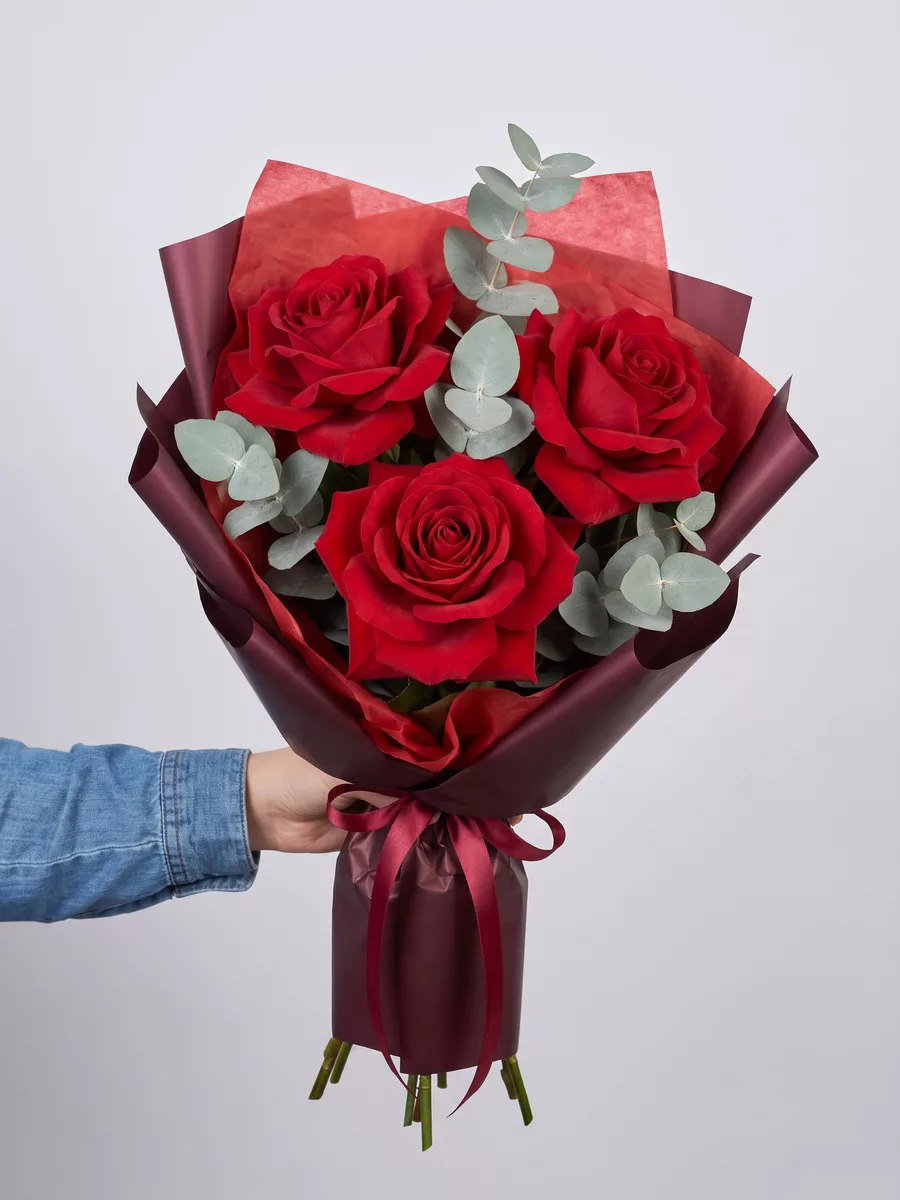
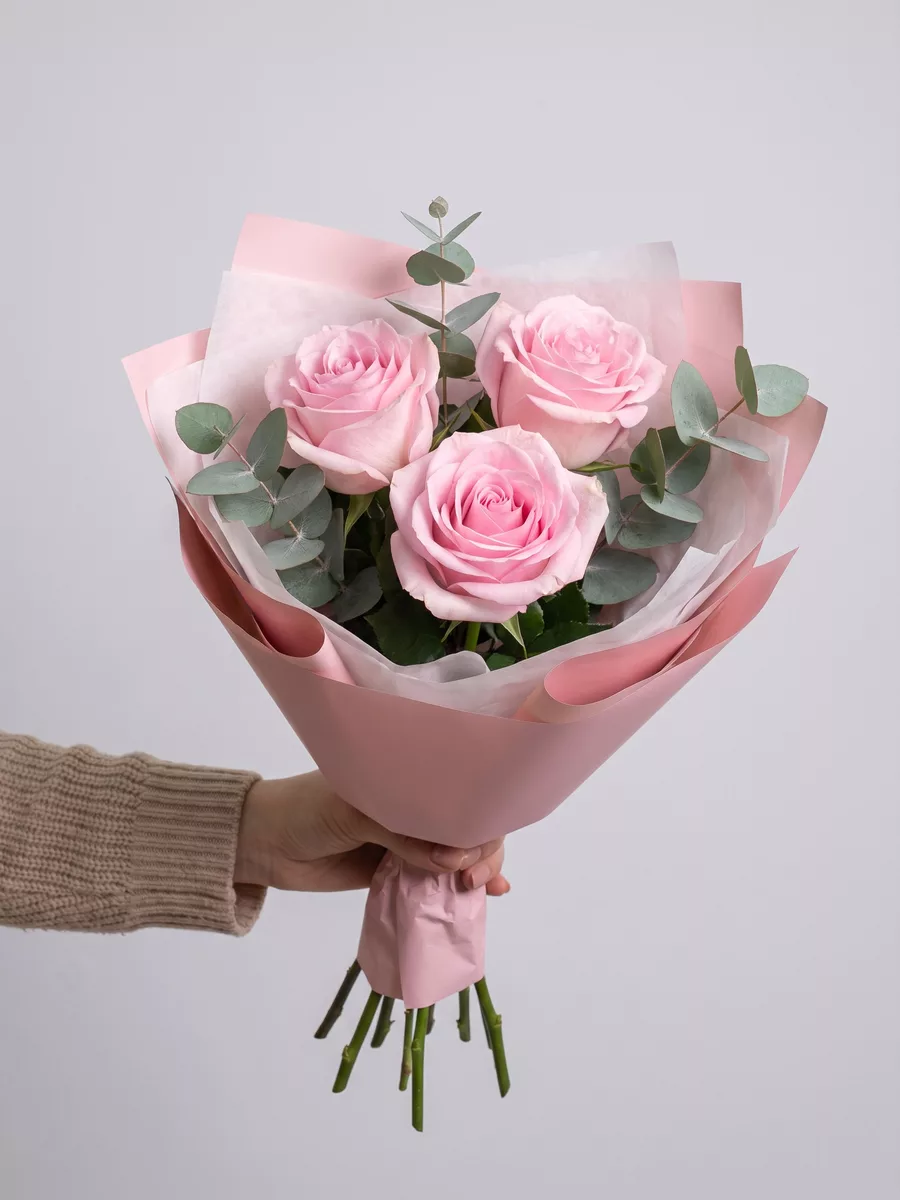
Choosing Flowers for the Occasion, Not Just the Catalogue
The most common mistake people make when ordering remotely is choosing flowers they personally like rather than flowers suited to the recipient and the moment. A birthday calls for something with energy and colour — spray chrysanthemums in orange and yellow, alstroemeria in coral, or a mixed bouquet built around a focal flower like a peony or a large-headed rose. These varieties also travel well, which makes them doubly sensible for a delivery that covers distance.
For a romantic occasion — an anniversary, a declaration, a reconciliation — red or deep pink roses remain the classic choice in Russian culture, and they carry that meaning clearly even if the recipient is not Russian. Pairing them with white gypsophila softens the formality and adds texture without competing with the roses. If you want something less conventional, a bouquet of white lisianthus with eucalyptus reads as elegant and considered rather than generic.
Professional milestones like promotions or new jobs suit compositions that feel polished without being overly intimate. White and cream tones work well here: cream alstroemeria, white chrysanthemums, and a few stems of green trick dianthus create a composition that feels celebratory but appropriate across genders and ages. Avoid very small bouquets for professional occasions — in Russian custom, a generous arrangement signals genuine respect and effort. When in doubt, go one size larger than you initially planned. The recipient will notice, and it will feel right.
Seasonal Availability and What Travels Best to Gay
Flower availability shifts through the year, and understanding that rhythm helps you order confidently rather than being surprised. From May through September, peonies, sunflowers, and garden-style roses are more accessible and arrive in better condition because they do not have to endure extreme cold during transit. These months are also when locally grown field flowers — cornflowers, chamomile, and lavender — can appear in arrangements and add an informal, warm character that recipients often love.
From October through April, the reliable workhorses are spray roses, chrysanthemums, carnations, alstroemeria, and standard roses. These varieties are grown in controlled greenhouse conditions and hold their structure through cold transit when they are properly wrapped. Tulips are available from late winter through spring and are genuinely popular in Russia for Women's Day on the eighth of March — if you are ordering around that date, place your order at least two days early because demand is extraordinary and stock moves fast.
Tropical varieties like anthuriums and orchid stems are available year-round but require careful packaging in winter because they are sensitive to temperatures below ten degrees Celsius. If you are ordering these for a Gay delivery in January or February, mention it when placing the order so the team can wrap them accordingly. Succulents and potted plants are another winter-friendly option — they are less affected by cold transit and last far longer than cut flowers, which makes them a thoughtful choice when you want the gift to remain visible in someone's home for weeks rather than days.
Budget Ranges and What Each Level Gets You
Thinking about budget before you open the catalogue saves time and reduces the anxiety of comparing too many options. Entry-level arrangements — modest but genuinely fresh — typically feature three to five stems of a single variety presented cleanly: five tulips in white, or three spray rose stems with a little greenery. These are appropriate for a small thank-you or a spontaneous gesture, and they should never look cheap if the stems are fresh and the wrapping is done with care.
Mid-range compositions expand into mixed bouquets with a clear focal flower and two or three supporting varieties. A bouquet built around five or seven large-headed roses, filled with waxflower and eucalyptus, sits comfortably in this range and looks generous without being extravagant. This is the level most people choose for birthdays and anniversaries, and it reads as a thoughtful, considered gift rather than a last-minute purchase.
Higher-budget arrangements introduce premium focal flowers — garden roses with layered petals, large peonies in season, or white lisianthus — combined with more elaborate greenery and presentation. The wrapping itself becomes part of the gift: kraft paper with ribbon, a hat box, or a preserved-look arrangement in a ceramic pot. For Gay deliveries, a hat box or structured container is particularly practical because it protects the flowers during transit and doubles as a decorative element the recipient can keep. If you are sending flowers for a significant occasion, the presentation layer is worth the investment.
How the Delivery Process Actually Works
Once you place an order, the arrangement is prepared fresh — not pulled from a refrigerator shelf — and packaged for the specific conditions of the day. In winter, this means extra insulating wrap around the stems and, where necessary, a protective sleeve over the bloom heads. In summer, the flowers are kept cool until the last possible moment before dispatch and travel in a temperature-managed vehicle where possible.
For Gay, the delivery window is communicated at the time of order. You will receive confirmation of the time slot, and the recipient is contacted before arrival so they are ready to receive the bouquet. If the recipient is not home, the driver will wait briefly and attempt contact — flowers are not left outside in Russian practice, especially in winter, because unattended bouquets in cold stairwells deteriorate quickly. If no contact can be made, the order team calls the sender to decide the next step.
It is worth adding a short personal note when you order. In Russian gift culture, a handwritten card or printed message accompanying a bouquet is expected and appreciated — receiving flowers without any words can feel slightly impersonal. The note does not need to be long: a sentence or two expressing the occasion and your feeling is enough. If you are sending from abroad or are not sure what to write, the team can help you phrase something appropriate. Small details like this are what separate a transaction from a genuine gift.
Caring for the Bouquet Once It Arrives
The recipient's first thirty minutes with the flowers determine how long the arrangement will last. The most important step is getting the stems into water quickly. Before placing them in a vase, the stems should be cut at a diagonal angle — about two centimetres from the bottom — using sharp scissors or a knife. A diagonal cut increases the surface area absorbing water and makes a real difference to vase life. Tearing or crushing the stems, even accidentally, blocks the water channels inside.
The vase should be clean and filled with cool, fresh water. Lukewarm or warm water encourages bacteria to grow faster and shortens the life of the bouquet noticeably. If a sachet of flower food was included with the delivery, dissolve it fully in the water before adding the stems — it contains a mild bactericide and a small amount of sugar that feeds the flowers. Without food, change the water every two days and re-cut the stems each time.
Placement in the room matters more than most people expect. Keep the bouquet away from direct sunlight, radiators, and open windows in winter. Roses and tulips are particularly sensitive to heat sources and will open and fade much faster than they should if placed near a warm radiator. A cool corner of a room, away from fruit bowls — fruit releases ethylene gas that accelerates petal drop — gives most bouquets an extra two or three days of life. Chrysanthemums and alstroemeria are the most forgiving varieties and will last ten to fourteen days with basic care. Roses, with proper attention, hold well for five to seven days.
Russian Flower Customs Worth Knowing Before You Order
If you are sending flowers to someone in Gay and you are not familiar with Russian customs around gifting flowers, a few conventions are worth understanding. The most widely known is the odd-number rule: bouquets given as gifts should contain an odd number of stems — three, five, seven, nine, and so on. Even numbers are associated with mourning and funerals, and presenting an even-numbered bouquet as a celebration gift creates an unintended awkward feeling for the recipient. This rule is observed consistently across Russia, including in smaller cities like Gay.
Colour carries meaning too, though Russian conventions are not always the same as Western ones. Yellow flowers were historically associated with separation and bad luck in Soviet-era culture, and while younger Russians are less superstitious about this, older recipients may notice. If you are unsure of the recipient's age or sensibility, a mixed bouquet that uses yellow as an accent rather than a dominant colour avoids any discomfort. White is universally appropriate for celebrations and is particularly popular for weddings and graduations.
The size and generosity of a bouquet is read as a signal of how much the sender values the relationship. Arriving with a very small bouquet at a significant occasion — a major birthday, a new home, a graduation — can feel underwhelming in Russian social culture, even if the flowers themselves are beautiful. When the occasion is important, err on the side of generosity. A well-chosen, full arrangement communicates respect and warmth in a way that a minimal gesture sometimes does not, and recipients in Gay, as elsewhere in Russia, will feel that difference.
Sending flowers to Gay from Saint Petersburg is a straightforward process when you understand the route, the seasons, and the customs that shape how a bouquet is received. Choose varieties that travel well for the time of year, plan the delivery window so the recipient is home, give the flowers a clean cut and cool water as soon as they arrive, and let the arrangement do what flowers do best — make someone feel genuinely seen and celebrated across any distance.
Frequently asked questions
How far in advance should I order flowers for delivery to Gay?
Placing your order the evening before or early in the morning of the delivery day gives the best results. For major dates like the eighth of March or Valentine's Day, two to three days in advance is strongly recommended because demand is high and specific varieties sell out quickly. Same-day orders are accepted but depend on the time of day and current availability.
What happens if the recipient is not at home when the flowers arrive?
The driver will attempt to reach the recipient by phone before leaving the address. If there is no answer, the sender is contacted to decide how to proceed — whether to wait, reschedule, or leave the bouquet with a neighbour if the recipient confirms that arrangement. Flowers are never left outside unattended, particularly in cold weather, because the quality would be compromised.
Can I send a potted plant instead of cut flowers to Gay?
Yes, and it is often a practical choice, especially in winter. Potted plants like kalanchoe, peace lily, or a small orchid in a decorative pot are less affected by cold transit than cut flowers and last considerably longer in the recipient's home. They make particularly good gifts for people who travel frequently or who may not be home immediately after delivery.
Is it true I should only give an odd number of flowers in Russia?
Yes, this convention is widely observed across Russia including in Gay. Bouquets given as celebration or affection gifts should contain an odd number of stems — three, five, seven, and so on. Even numbers are culturally associated with mourning. All arrangements prepared by Turboflora for gifting follow this convention automatically, so you do not need to count or specify it separately.
Which flowers last the longest after delivery to Gay?
Chrysanthemums and alstroemeria are the most durable cut flowers, typically lasting ten to fourteen days with basic care including clean water every two days and a fresh diagonal stem cut. Carnations also hold well. Roses last five to seven days with attentive care. Tulips are shorter-lived at three to five days but are very popular and look striking when fresh. Avoid placing any cut flowers near radiators or fruit.
Ready to send flowers?
Pick the city, choose the bouquet, and a local florist takes it from there.
Choose a city →