Sending Flowers to Gorno-Altaysk? Here Is What to Expect
Gorno-Altaysk sits at the edge of the Altai Mountains, and anyone who has tried to send flowers there knows the city has its own rhythm. The distances are real, the climate swings between seasons dramatically, and the person waiting at the door deserves something that arrives fresh, arranged properly, and worth the moment. This article walks you through every practical detail — timing, flower choices by season, budget combinations, care after delivery, and the small customs that make a Russian bouquet feel right.
Why Gorno-Altaysk Feels Different from a Standard Delivery City
Gorno-Altaysk is the capital of the Altai Republic and sits at roughly 270 metres above sea level, surrounded by foothills that rise sharply in every direction. It is a compact city by Russian standards, but its geography means that logistics require more planning than a flat urban centre. Roads into residential districts can be narrow, and some addresses on the city's outskirts sit closer to rural terrain than to a busy city block.
For the person sending flowers, this matters because timing windows need to be honest. A one-to-two-hour delivery promise is realistic within the central districts and well-mapped neighbourhoods. For addresses further out, it is worth confirming the exact location when placing your order, so the florist can route the courier correctly and the bouquet does not sit in a warm car longer than necessary.
The city also has a distinct seasonal identity. Summers are warm and relatively dry, winters are cold with temperatures regularly dropping below minus fifteen Celsius. That temperature range changes which flowers travel well and which ones suffer. Knowing this upfront helps you choose a bouquet that actually looks the way it did in the photo when it reaches the recipient's hands.
Gorno-Altaysk residents tend to appreciate a well-presented bouquet. The city has a strong cultural connection to nature and landscape, so arrangements that feel abundant and slightly wild — think textured greenery, mixed stems, layered colours — often land better than very stiff, formal styles.
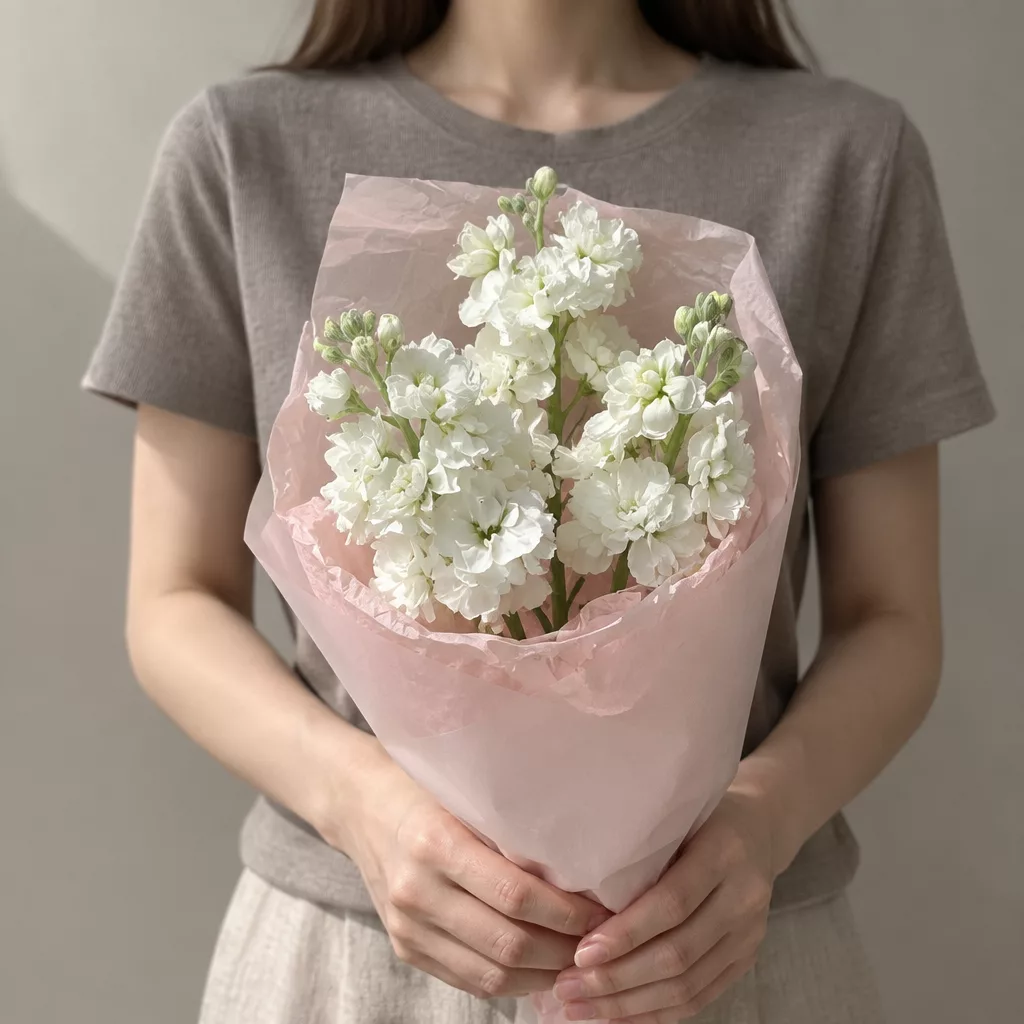
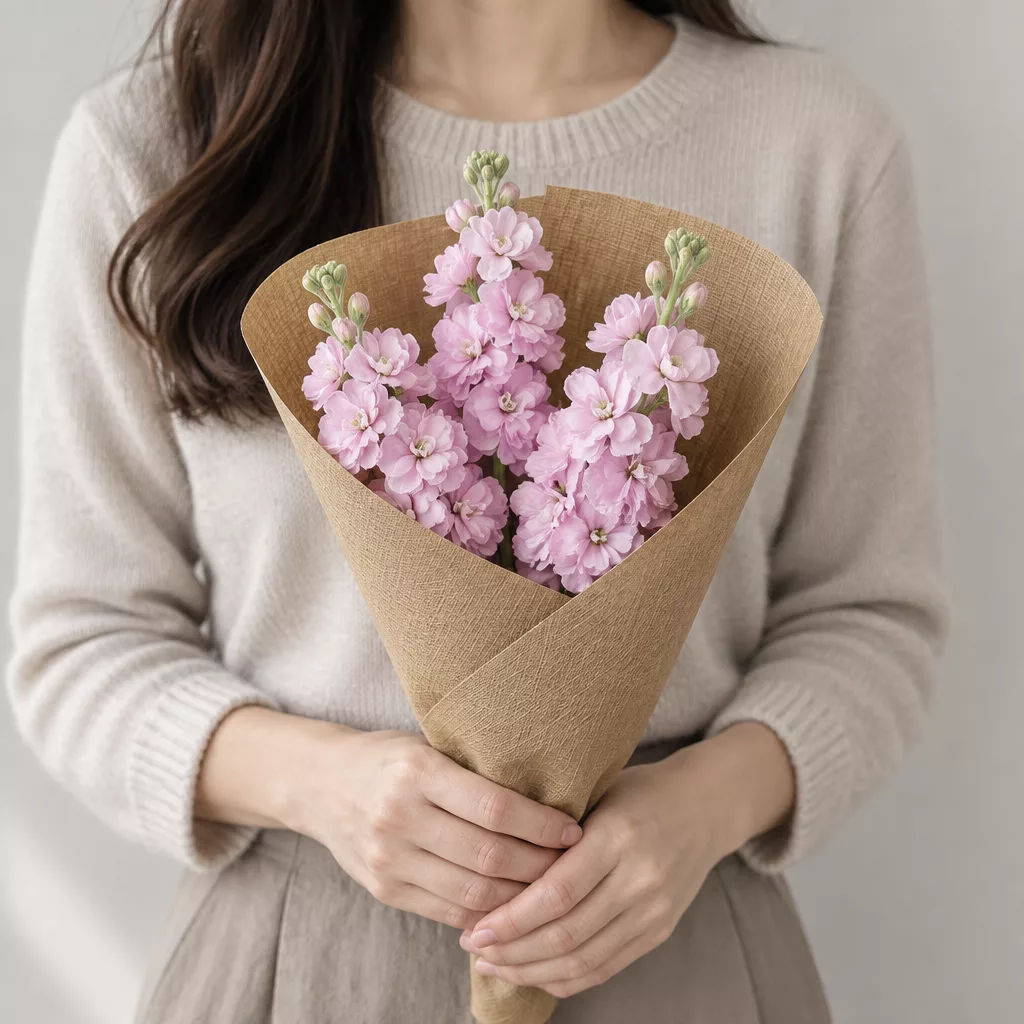
Bouquets we can deliver


Timing Your Order: When to Book and What the Window Looks Like
The most common mistake people make when sending flowers to a city like Gorno-Altaysk is treating the order like a same-day purchase from a corner shop. It is not. Flowers need to be cut, conditioned, arranged, and then driven to the address — and each of those steps takes real time. Placing your order at least two to three hours before the moment you want the bouquet to arrive gives the florist room to do the work properly.
For major dates — February 14th, March 8th, May 9th, and significant personal milestones like anniversaries or milestone birthdays — booking the day before is the smarter move. On peak days, the volume of orders rises sharply, and a last-minute request may mean a simplified arrangement or a later slot than you wanted.
Morning deliveries, roughly between nine and noon, are the most reliable window. The courier starts fresh, roads are quieter in residential areas, and the recipient is often still at home. Evening deliveries before eight in the evening are also popular for surprises after work. Try to avoid requesting delivery during the midday heat of summer, particularly for delicate varieties like garden roses or sweet peas, which wilt faster when temperatures rise above twenty-five Celsius.
If you are sending flowers for a birthday and you do not know the recipient's exact schedule, a morning slot is almost always safer. Flowers waiting on a doorstep in direct afternoon sun in July can lose their shape within an hour, and that ruins the moment you were trying to create.
Choosing Flowers for the Occasion, Not Just the Price Tag
The occasion shapes everything — the colours, the textures, the scale of the arrangement. A bouquet for a young woman celebrating her first job promotion calls for something entirely different from one sent to a grandmother on her birthday. Starting from the recipient and the feeling you want to create is always more useful than starting from a list of available stems.
For romantic occasions, deep red or coral roses paired with eucalyptus and a few ranunculus create warmth without looking predictable. Ranunculus in particular holds well during transport and has a softness that photographs beautifully. For a friend's birthday, a mixed seasonal arrangement with sunflowers, alstroemeria, and spray chrysanthemums gives a generous, celebratory feel at a sensible cost — alstroemeria especially lasts ten to fourteen days in a vase, so the gift keeps going.
For a teacher, a colleague, or a professional milestone, white and cream tones with structured greenery like ruscus or pittosporum read as elegant and considered. Avoid all-white arrangements for casual gifting in Russia — white flowers carry formal associations and can feel cold without warmer tones mixed in.
In spring and early summer, when peonies and lisianthus come into season, lean into them. Peonies are enormously popular in Russia and carry a sense of generosity and abundance. A bouquet of mixed peonies in blush, white, and deep pink needs very little else — the stems speak for themselves. Just note that peonies are sensitive to heat and need to be placed in water within two hours of delivery.
Budget Combinations That Look Generous Without Overcomplicating Things
A beautiful bouquet does not require rare or expensive flowers. What it requires is proportion, colour logic, and enough volume that the arrangement feels intentional rather than sparse. The most common mistake at a modest budget is choosing too few stems of a single variety — five roses in a row look thin, while seven mixed stems with greenery look full.
At an entry-level budget, chrysanthemums, alstroemeria, and statice create a reliable combination. Statice adds texture and holds its colour for weeks even after the fresh stems have faded, which means the bouquet ages gracefully. Adding a few stems of waxflower or gypsophila gives softness without adding significant cost.
In the mid-range, you have room to include one or two focal flowers — a rose variety, a gerbera, or a few stems of lisianthus — surrounded by supporting flowers and foliage. Lisianthus is particularly good value because it looks like a delicate poppy or peony but lasts much longer and travels well. A combination of white lisianthus, lavender statice, and eucalyptus reads as sophisticated and considered.
At a higher budget, focal flowers like garden roses, peonies, or orchid stems allow for a truly abundant arrangement. Garden roses have many more petals than standard roses and open slowly over several days, which means the recipient gets to watch the bouquet evolve. Pair them with textured foliage — olive branches, eucalyptus, or ferns — and the arrangement looks like it came from a very thoughtful person, which it did.
How Gorno-Altaysk's Climate Affects Your Flower Choice by Season
Sending flowers in January in Gorno-Altaysk and sending them in July are genuinely different tasks. Winter temperatures regularly fall below minus fifteen Celsius, and flowers exposed to that cold even briefly — walking from a warm car to a cold entrance — can suffer cell damage that shows up as blackened petals or collapsed stems within hours.
In winter, the most resilient choices are standard roses, chrysanthemums, and tropical varieties like anthuriums or orchids, which handle cold better than soft-petalled flowers. The courier should wrap the bouquet in insulating paper and move quickly from vehicle to door. If you know the recipient will not be home, winter deliveries to an unheated entrance are risky — always confirm someone will be there to receive the flowers.
Spring in Gorno-Altaysk arrives a little later than in central Russia, but by late April tulips and hyacinths are fully in season and travel well in the cool air. These are excellent choices for March 8th, the major spring gifting occasion in Russia, when women receive flowers from family members, colleagues, and partners as a mark of appreciation — not just romantic interest. Understanding this custom matters if you are new to Russian gifting culture.
Summer is the most generous season for variety but the most demanding for transport. Keep arrangements away from direct sun, request morning delivery, and choose varieties with waxy or firm petals — gerberas, alstroemeria, standard roses — over soft ones like sweet peas or garden roses if the day is very warm. Autumn brings dahlias and asters into season, both of which are underused and beautiful.
What Happens After the Bouquet Arrives: Care and Vase Life
The moment the flowers arrive is not the end of the story — it is the beginning of the next ten to fourteen days, if the recipient knows what to do. Passing along a few care instructions, either verbally or in a note with the order, is one of the kindest things you can do alongside the flowers themselves.
The first step is always a fresh cut at the base of each stem, made at a forty-five-degree angle with a sharp knife rather than scissors, which can crush the stem tissue and reduce water uptake. Stems should go into clean, cool water immediately. Warm or room-temperature water encourages bacterial growth, which shortens vase life significantly.
Remove any leaves that fall below the waterline. Submerged leaves decompose quickly and cloud the water, which again promotes bacteria. Change the water every two days and re-cut the stems each time. A clean vase matters — residue from previous flowers is enough to shorten the life of a fresh arrangement.
Keep the bouquet away from direct sunlight, heating radiators, and fruit bowls. Ripening fruit releases ethylene gas, which accelerates the aging of flowers, particularly roses and carnations. This is a detail most people do not know and one that makes a real difference.
Different varieties have different lifespans. Alstroemeria and chrysanthemums regularly last two weeks. Standard roses last seven to ten days with good care. Tulips and hyacinths are shorter — five to seven days — but their impact in the first days more than compensates. Peonies open fully over three to five days and are worth every moment of that window.
Making the Delivery Feel Personal: Notes, Wrapping and Small Details
A bouquet without a note is a beautiful object. A bouquet with a handwritten note — or even a typed one delivered with it — becomes a memory. In Russian gifting culture, the accompanying message carries real weight. It does not need to be long. A sentence or two that names the person, the occasion, and one specific thing you appreciate about them is enough to make the whole gesture land differently.
Wrapping style also communicates something. A kraft paper wrap with a simple ribbon reads as warm and artisan. A cellophane wrap with a large bow is more festive and traditional — appropriate for birthdays and celebrations. Fabric wrapping, sometimes called furoshiki-style in contemporary floristry, adds a tactile richness that feels considered. When placing your order, it is worth specifying which direction you want to go, rather than leaving it entirely to chance.
If the recipient lives alone or you know they travel frequently, a smaller, tighter arrangement in a compact form — sometimes called a hand-tied bouquet — is more practical than a very large display piece. It fits easily into a small apartment, requires a single medium vase, and does not overwhelm a modest kitchen table.
For surprise deliveries, confirm the address carefully and let the courier know if there is a gate code, an intercom, or a specific entrance. Gorno-Altaysk has residential buildings where the entrance system requires a code or a call to the flat — missing this detail can mean a delayed delivery and flowers sitting in a cold hallway. A small logistical note in the order comments saves everyone the frustration.
Sending flowers to Gorno-Altaysk is entirely possible and, when done with a little planning, genuinely rewarding. The city's mountain setting and seasonal extremes ask for slightly more thought than a standard urban delivery — but that thought is what separates a bouquet that arrives looking like a gift from one that arrives looking like an afterthought. Choose for the person and the moment, book ahead on important dates, pick varieties that travel well in the season you are ordering, and pass along a few care tips so the flowers last. The recipient in Gorno-Altaysk deserves exactly that.
Frequently asked questions
Can flowers really be delivered to Gorno-Altaysk within one to two hours?
Within the central districts and well-mapped residential areas, a one-to-two-hour window is realistic. For addresses on the outskirts or in less accessible areas, it is worth confirming the exact location when ordering so the courier can route efficiently and the flowers spend as little time in transit as possible.
What flowers survive the cold Gorno-Altaysk winter best?
Standard roses, chrysanthemums, anthuriums, and orchid stems handle cold transport better than soft-petalled varieties. In winter, always ensure someone is home to receive the delivery — flowers left in an unheated entrance at minus fifteen Celsius will sustain damage within minutes, regardless of how well they were wrapped for the journey.
Is March 8th really as significant for flower gifting in Russia as people say?
Yes, genuinely. March 8th, International Women's Day, is one of the largest gifting occasions in Russia. Women receive flowers from male colleagues, family members, and partners as a broad gesture of appreciation — it is not exclusively romantic. Tulips, mimosa, and mixed spring arrangements are traditional, and booking the day before is strongly advisable.
How do I make sure a surprise delivery actually reaches the recipient?
Provide the full address including any building entrance code or intercom number. Note in the order comments whether the recipient is likely to be home and at what time. For apartment buildings in Gorno-Altaysk, missing an entry code is the most common reason a delivery is delayed — a small detail that takes thirty seconds to include and saves considerable frustration.
Which flower variety gives the best value for a long-lasting bouquet?
Alstroemeria is the most reliable choice for longevity — it regularly lasts ten to fourteen days in a vase with basic care and comes in a wide range of colours. Lisianthus is a close second, offering a delicate, peony-like appearance at a moderate cost with excellent vase life. Either variety pairs well with eucalyptus for a complete, generous-looking arrangement.
Ready to send flowers?
Pick the city, choose the bouquet, and a local florist takes it from there.
Choose a city →