Flower Delivery in Gubakha: Timing, Choices and What to Expect
Gubakha sits in the Perm Krai mountains, and sending flowers there feels like a bigger task than ordering to a capital city. It does not have to be. With the right preparation — knowing what to order, when to place it, and how to frame the gift for the person receiving it — a bouquet can arrive fresh, on time, and genuinely moving, whether the occasion is a birthday, an anniversary, or simply a Tuesday that someone deserves to remember.
Why Gubakha Is Different from a Big-City Delivery
Gubakha is a compact industrial town in the eastern foothills of the Ural Mountains. The population is modest, the streets are manageable, and the distances between addresses are short — which actually works in your favour once the flowers are on their way. The challenge is not the last kilometre but the supply chain before it. Flowers reaching Gubakha travel from regional hubs, and that journey takes time and exposes stems to temperature changes that a Moscow or Saint Petersburg delivery simply does not face.
The Ural climate is continental and unforgiving. Winters are long, and even in May the night temperatures can drop sharply. Roses and tulips are sensitive to cold shock: when a stem goes from a chilled van into a warm apartment too quickly, the petals bruise and the vase life shortens by days. Reputable delivery services account for this with insulated packaging and timed dispatch windows.
Because of the geography, the window for same-day delivery in Gubakha is narrower than in larger cities. Orders placed in the morning stand the best chance of arriving before evening. If you are planning a surprise for a specific hour — a work lunch break, a school finish time, a dinner — communicate that clearly when you order, and build in a buffer of at least ninety minutes. The town is navigable, but the approach roads from the Perm direction have their own rhythm depending on season and weather.
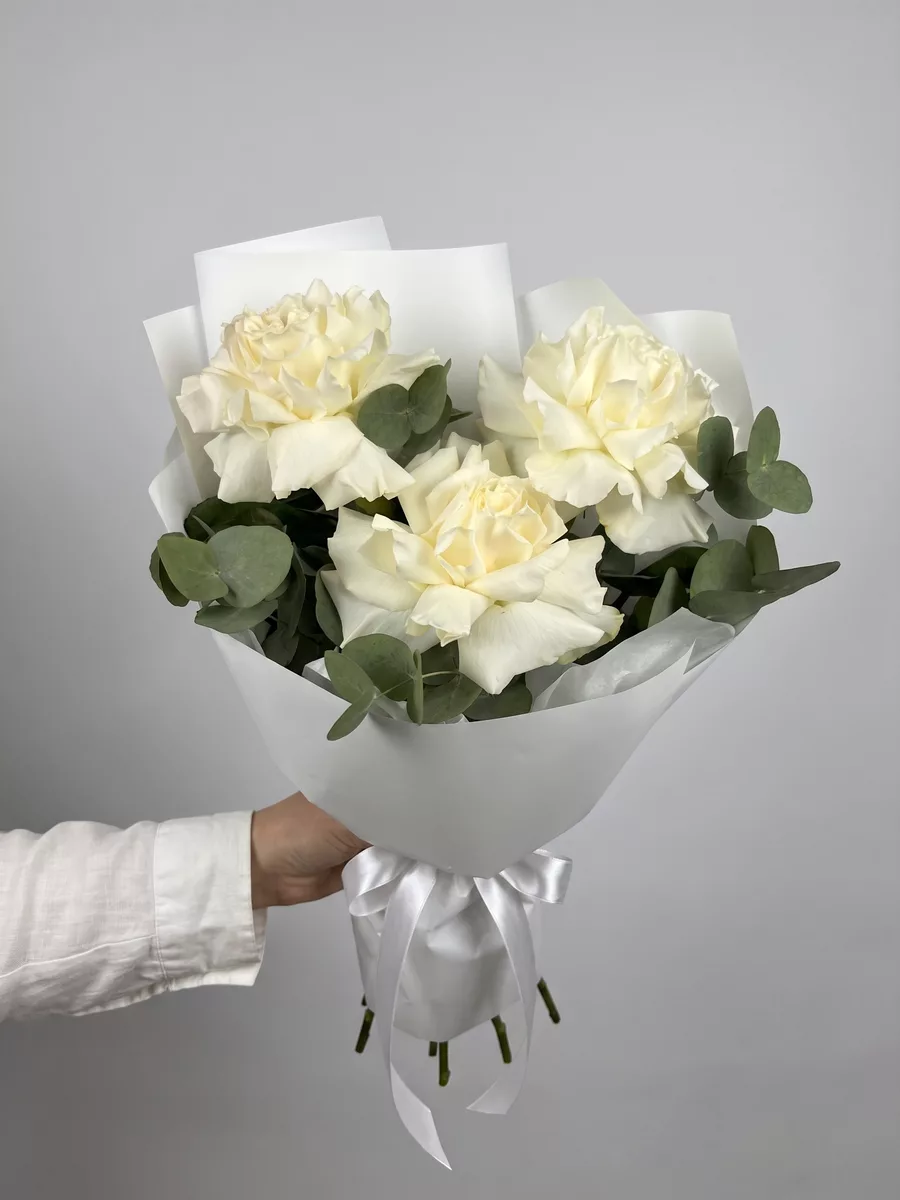
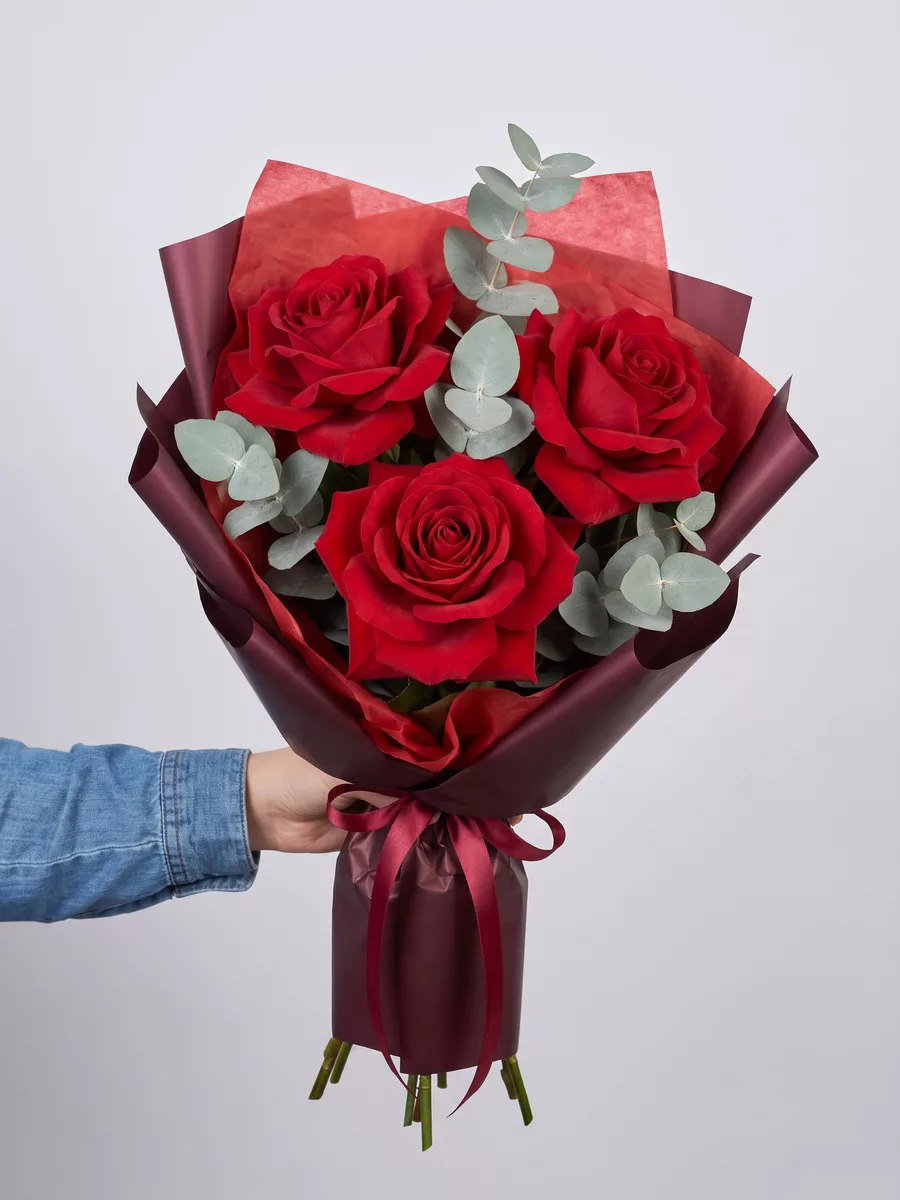
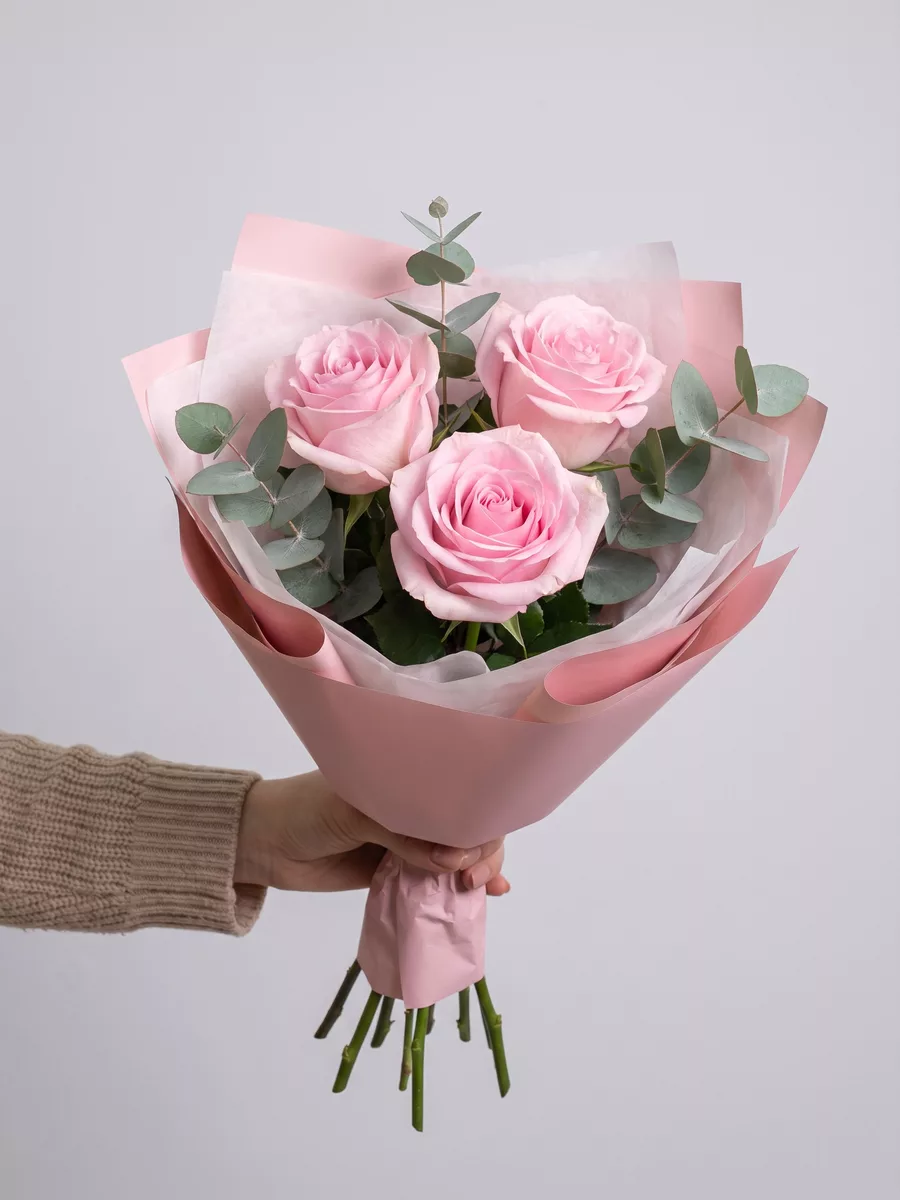
Bouquets we can deliver

Choosing Flowers for the Person, Not Just the Occasion
Before you think about which flowers to pick, think about who will receive them and where they will put them. A woman who lives alone in a small flat and works long hours needs something that looks after itself — chrysanthemums, alstroemeria, or solidago last ten days to two weeks with minimal care. A person who loves to fuss over a vase, changing the water daily and trimming stems, will appreciate garden roses or lisianthus, which reward that attention with extraordinary blooms.
For a romantic gesture, deep red or burgundy tones read as passionate and deliberate in Russian culture — a single colour bouquet in velvet red roses or dark ranunculus carries weight. For a mother or grandmother, softer combinations work better: blush peonies in season, white freesia, or a mixed bouquet where the scent matters as much as the colour. Freesia has one of the strongest natural perfumes of any cut flower and fills a room within an hour of unwrapping.
If you are sending to a colleague or a friend and you are not sure of their taste, a neutral palette of white and green — white spray roses, eucalyptus, white snapdragons — is universally received well without reading as either too romantic or too formal. In Russian workplaces, receiving flowers at the office is genuinely celebrated, not awkward, so do not hesitate to send a bouquet to someone's workplace address in Gubakha if that is where they will be during the day. The delivery team can leave it at reception if the recipient is briefly unavailable.
Seasonal Availability and What Grows Well in the Urals
Russia's cut flower market is heavily import-dependent, with the majority of roses, lilies, and gerbera coming from Ecuador, the Netherlands, and Kenya year-round. This means that in Gubakha, as in most Russian cities, the core catalogue stays consistent across seasons. You can order red roses in January and white lilies in August without worrying about availability. What changes is the local and regional supplement — the flowers that come from Perm Krai growers or nearby greenhouse operations.
In late spring and summer, locally grown tulips, irises, and peonies enter the supply, and these are worth choosing when they are available. A locally grown peony cut that morning has a firmness and scent that an imported stem simply cannot replicate after days in transit. Ask specifically about what is freshest when you call or order online — a good florist will always tell you what came in that day.
Autumn in the Urals is bracingly beautiful, and the seasonal flowers match it: sunflowers, orange gerbera, dahlias in deep burgundy and amber, and ornamental grasses that give bouquets texture and movement. These are not expensive flowers, but they photograph strikingly well and feel appropriate for the season in a way that imported tropical blooms sometimes do not.
Winter is when the gift of flowers lands hardest emotionally. The contrast between a snowy street and a bright arrangement of yellow mimosa, red tulips, or orange Peruvian lilies on a windowsill is genuinely dramatic. Mimosa, which blooms in late February and is closely tied to International Women's Day on March 8th, is the most culturally loaded flower in the Russian calendar — ordering it for a woman in Gubakha in late February is understood immediately and warmly.
Budget Ranges and What Each One Gets You
Thinking about budget before you browse saves time and avoids the disappointment of falling in love with an arrangement that is twice what you planned to spend. At the entry level, a single-variety bouquet of fifteen to twenty stems — tulips, spray carnations, or alstroemeria — makes a clean, cheerful impression. These flowers are not lesser than roses; they simply have a different character. Alstroemeria in particular is underrated: it lasts two weeks, comes in every colour from white to deep purple, and the multiple blooms per stem mean a modest bunch fills a vase generously.
In the mid range, mixed bouquets with a focal flower — a garden rose, a peony, or a large-headed gerbera — surrounded by secondary flowers and foliage feel considered and generous without being extravagant. Eucalyptus, ruscus, or pittosporum as greenery adds volume and a herbal scent that complements most flowers. A bouquet like this, wrapped in kraft paper with a ribbon, is the standard for birthdays and anniversaries in Russia and will read as exactly right.
At the upper end, you are paying for volume, premium varieties, and presentation. Long-stemmed Ecuadorian roses — fifty to sixty centimetres — in a monochrome palette, or a hat-box arrangement of garden roses and ranunculus, signals a serious occasion. These are the bouquets people photograph and keep on the table for a week. For Gubakha specifically, if the budget allows, choose flowers with the longest vase life at this tier: garden roses over standard roses, lisianthus over open lilies, since the recipient has fewer options for quick replacement if something wilts early.
Delivery Timing: Morning Orders, Evening Surprises and the Buffer Rule
The safest window for ordering flowers to Gubakha for same-day delivery is before noon. This gives the dispatch team time to prepare the bouquet, pack it correctly for the conditions, and route it efficiently. Orders placed after two in the afternoon are more likely to be scheduled for early the following day, which is not a failure — it simply means the flowers arrive fresher because they are not rushed.
If you are planning a surprise arrival at a specific time — say, six in the evening when someone returns from work — place the order the night before or first thing in the morning and specify the arrival window clearly. Delivery teams in smaller cities like Gubakha often have more flexibility to honour a time request than their counterparts in a city with hundreds of daily orders, but they need the information in advance, not thirty minutes before.
One practical mistake people make is ordering for a recipient who is not home and not leaving contact instructions. In Russian delivery culture, the courier will typically call ahead. If the recipient is supposed to be surprised and you do not want them called, note this explicitly — ask for the flowers to be left with a neighbour or building concierge if available, or arrange for someone else to be present. Flowers left in an unheated entrance hall in a Ural winter for more than an hour will suffer, so this is worth planning.
For large occasions — a significant birthday, an anniversary dinner — consider ordering the day before and requesting morning delivery. Flowers that arrive at ten in the morning give the recipient the whole day to enjoy them and arrange them before guests arrive.
How to Write a Card That Actually Means Something
In Russia, a card with a bouquet is expected. Arriving without one feels unfinished, like a sentence without a full stop. The card does not need to be long — three sentences is enough — but it should be personal enough that the recipient knows it was written for them specifically, not copied from a template.
Start with the occasion or the feeling, not with your own name. 'You have worked harder than anyone this year, and today is yours' lands differently than 'Happy Birthday from Dmitri.' The first version opens on the recipient; the second opens on the sender. Russian culture values directness in emotion — saying clearly that someone is loved, admired, or appreciated is not embarrassing, it is correct.
If you are sending from abroad or from a different city and the recipient may not immediately know who the flowers are from, add a small identifying detail rather than just a name. 'From your cousin in Saint Petersburg who thinks of you more than he writes' is more memorable than a name alone and makes the moment more personal.
For professional occasions — a colleague's promotion, a manager's work anniversary — keep the card warm but measured. Something like 'Your energy makes the whole team better. Congratulations on a well-earned milestone' is appropriate and will not make anyone uncomfortable. Flowers in a professional context in Russia are a genuine sign of respect, and the card should reflect that register. Avoid jokes unless you are certain of the relationship — humour on a card can read differently when the person is opening it alone.
Caring for Flowers After Delivery: Making Them Last in Gubakha
Vase life depends almost entirely on what happens in the first thirty minutes after unwrapping. The recipient should cut the stems at a forty-five-degree angle — a diagonal cut increases the surface area that takes up water — and place them immediately into a clean vase with cool, not cold, water. Warm water causes some flowers to open too fast; very cold water shocks stems that have been in a warm delivery environment.
Remove any leaves that will sit below the waterline. Submerged foliage rots quickly and introduces bacteria that shorten the life of every stem in the vase. This is the single most common mistake people make, and it costs three to four days of vase life on roses and lilies.
In Gubakha's heated winter apartments — central heating in Russian residential buildings runs hot and dry from October to April — place the vase away from radiators and direct sunlight. A cool windowsill that does not get afternoon sun is ideal. Change the water every two days and re-cut the stems each time. Tulips are an exception: they continue to grow in the vase and will lean toward the light source, so rotate the vase a quarter turn each morning to keep them upright.
Roses benefit from being placed in a cool room overnight — an unheated hallway or a balcony above freezing. This mimics the cold storage of a professional florist and slows the opening process, extending the display period. Lilies, by contrast, should stay in a warm room to encourage the buds to open. Remove the orange pollen-bearing anthers as soon as the lily opens — they stain fabric and surfaces permanently and do not affect the flower's appearance once removed.
Sending flowers to Gubakha is not complicated once you understand the rhythm of the place — the distances, the temperatures, the timing windows that make the difference between a bouquet that arrives glowing and one that arrives tired. Choose for the person first, the occasion second, and the flower variety third. Give the delivery team clear information about timing and access. Write something on the card that is actually for them. The rest — the freshness, the packaging, the route through the Ural roads — is handled. Your job is just to decide to send them.
Frequently asked questions
Can I order flowers to Gubakha for same-day delivery?
Yes, same-day delivery to Gubakha is available for orders placed before noon. Orders placed in the afternoon are more reliably scheduled for early the following morning, which also means the flowers arrive in better condition since they are not prepared and dispatched under time pressure. Always specify your preferred delivery window when ordering.
What flowers hold up best in cold Ural winters during delivery?
Chrysanthemums, alstroemeria, and spray carnations are the most cold-tolerant cut flowers and travel well in insulated packaging even in sub-zero temperatures. Roses and lilies are more sensitive to cold shock and should be unwrapped at room temperature and left to acclimatise for ten minutes before being placed in water. Avoid leaving any bouquet in an unheated space for more than thirty minutes in winter.
What is the significance of mimosa flowers in Russia?
Mimosa — the small yellow ball-flowered branch — is the defining flower of International Women's Day on March 8th, which is one of the most widely celebrated occasions in Russia. Giving mimosa to a woman in late February or early March is immediately understood as a warm, culturally resonant gesture. It is inexpensive, fragrant, and carries genuine emotional weight in the Russian context.
Can flowers be delivered to a workplace address in Gubakha?
Yes, workplace delivery works well in Gubakha. Russian workplace culture welcomes flowers openly — receiving a bouquet at the office is celebrated rather than awkward. Provide the full address including the organisation name and, if possible, the floor or department. Note in your order whether the recipient should be called ahead or whether the bouquet should be left at reception as a surprise.
How long will a delivered bouquet last in a Gubakha apartment?
With basic care — clean water, trimmed stems, leaves kept above the waterline, and a position away from radiators — most mixed bouquets last seven to ten days. Alstroemeria and chrysanthemums can reach twelve to fourteen days. Roses typically last six to eight days. Heated Russian apartments are dry in winter, so changing the water every two days and keeping the vase away from heat sources makes a significant difference.
Ready to send flowers?
Pick the city, choose the bouquet, and a local florist takes it from there.
Choose a city →