Flower Delivery in Gubkinsky: Timing, Choices and What Arrives at the Door
Gubkinsky sits deep in the Yamalo-Nenets region, where winters are long, temperatures drop well below freezing and a bouquet of fresh roses feels like a genuine event. Whether you are sending flowers to a colleague, a partner or a parent celebrating a birthday, the distance and the climate raise real questions. This guide walks you through exactly what to expect when you order delivery here — from how flowers travel safely in the cold to which varieties hold up best and how to make the moment land the way you intended.
Why Gubkinsky Is a Meaningful Place to Send Flowers
Gubkinsky is a relatively young city built around the oil and gas industry, and many of its residents have relocated from other parts of Russia or arrived on long work rotations. That context matters when you are choosing a gift. A bouquet is not just decoration here — it carries a sense of warmth and connection that feels especially significant when someone is far from home or working through a demanding schedule in a demanding climate.
Birthdays, anniversaries, professional milestones and the end of a long shift all become occasions worth marking. Russian flower-giving culture leans toward generosity: a single stem is rarely the right call. Odd numbers of flowers are traditional for celebratory gifts — three, five, seven stems or more — and this is a custom worth following even if you are ordering from outside Russia and unfamiliar with it.
The city is compact, which actually works in your favour for delivery. There is no sprawling suburban maze to navigate, and most residential and office addresses are reachable without difficulty. What matters more is timing and temperature management, both of which Turboflora handles as part of every order. When you place an order knowing the recipient's schedule — whether they are home in the afternoon or finishing a shift in the evening — the bouquet arrives at the right moment rather than waiting on a cold doorstep.
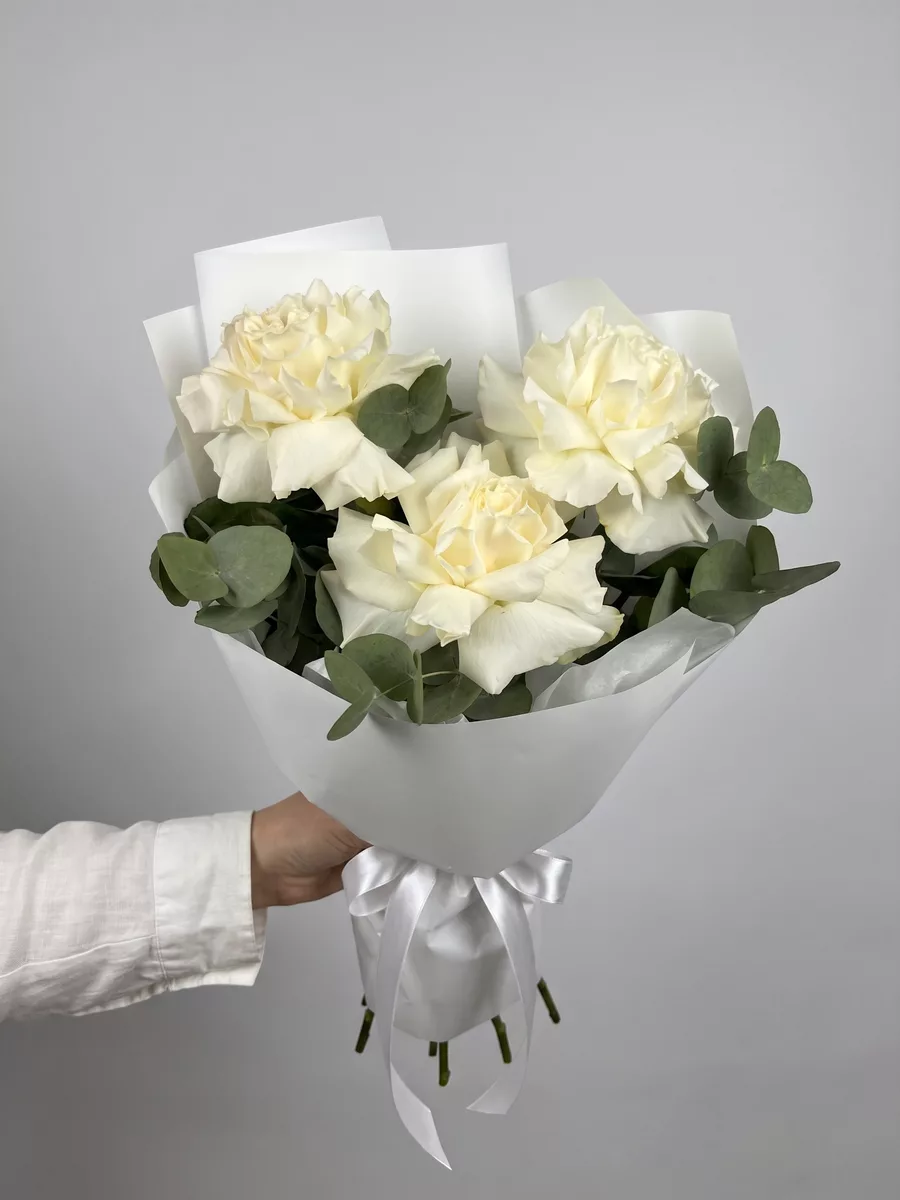
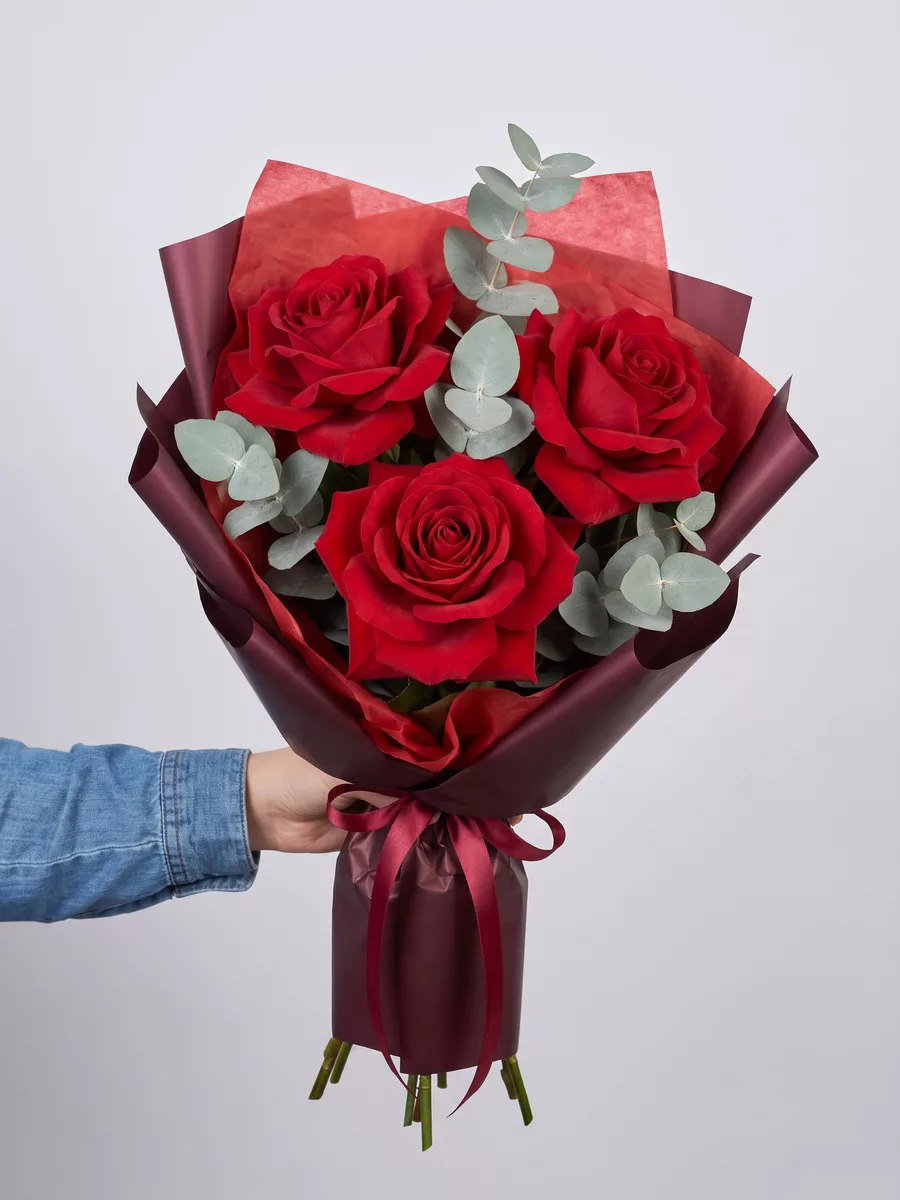
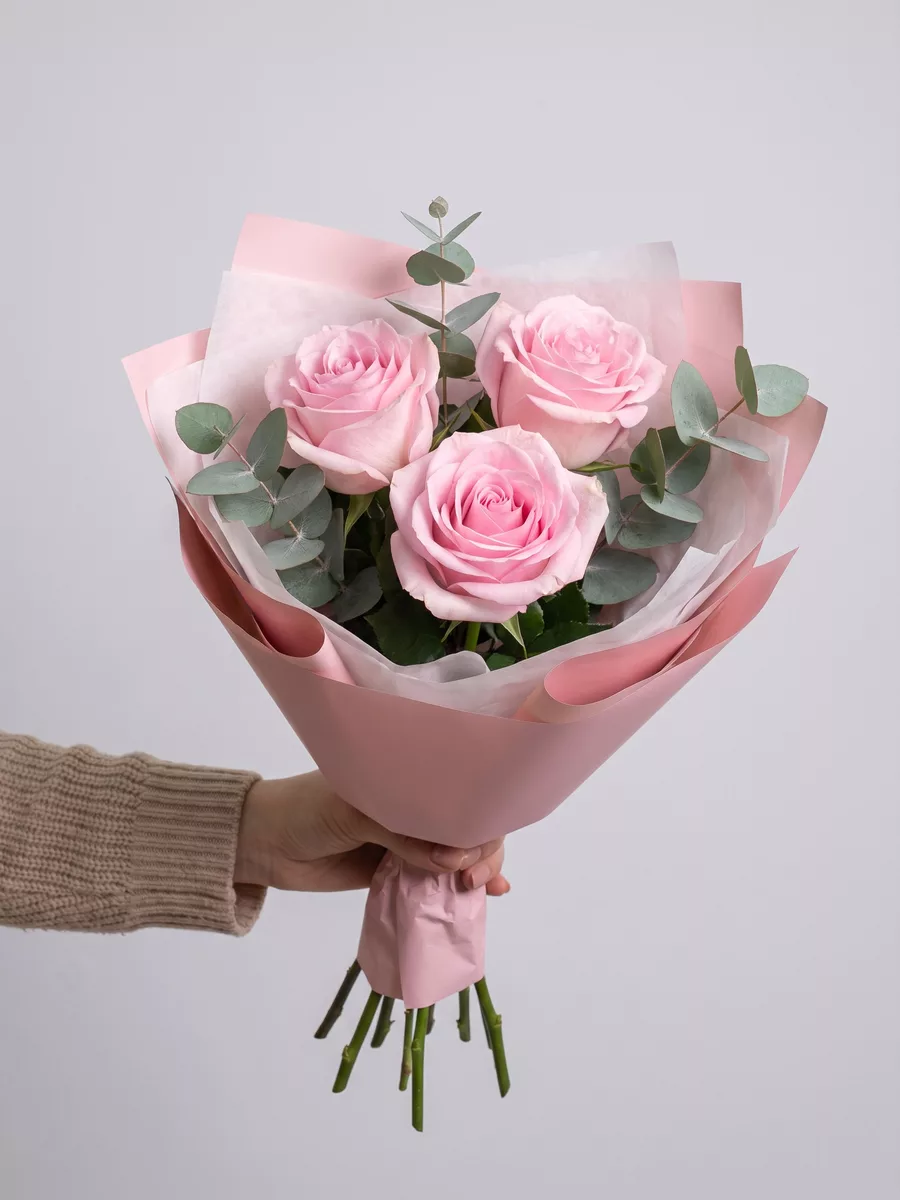
Bouquets we can deliver

Delivery Timing and What the 1–2 Hour Window Really Means
When Turboflora states a one-to-two-hour delivery window, that figure reflects the actual time between order confirmation and the moment the bouquet reaches the recipient's door. It is not an estimate that quietly assumes ideal conditions. The team accounts for current road conditions, the time of day and the specific address before confirming your slot.
For Gubkinsky, as with other cities in the Yamalo-Nenets region, the most reliable delivery windows tend to be mid-morning through early evening. If you are ordering for a specific moment — a surprise at lunchtime, a greeting when someone returns from a shift — place the order at least an hour before that moment and communicate the timing clearly in the order notes. The florists read those notes and plan accordingly.
Same-day delivery is available, and this is where the service genuinely earns its keep. Forgotten anniversaries, last-minute thank-you gestures and spontaneous celebrations are all real scenarios, and the ability to order at noon for a two o'clock arrival makes a practical difference. Evening orders are also accepted, though it is worth checking the latest cut-off time when you place your order, as it can vary by season.
One practical detail: if the recipient lives in a secured building or a gated compound — common in newer residential developments — include the entry code or intercom number in the delivery notes. This single step prevents delays more reliably than anything else and keeps the surprise intact.
How Cold Weather Affects Your Bouquet and What We Do About It
Gubkinsky winters are serious. Temperatures regularly fall to minus twenty-five or thirty degrees Celsius between November and March, and even autumn and spring carry sharp frosts. Fresh flowers are living things, and cold at that level can damage petals, blacken stems and turn a beautiful bouquet into a limp disappointment within minutes of exposure.
Turboflora wraps every bouquet destined for cold-weather delivery in insulating kraft paper and, where necessary, thermal sleeves that protect the flowers during transit. The wrapping is not purely decorative — it creates a buffer zone that keeps the flowers above the temperature threshold where cell damage begins. Roses, for instance, become vulnerable below about four degrees Celsius, and tulips suffer even faster.
On the recipient's side, there is one important step: bring the bouquet indoors and leave it wrapped for ten to fifteen minutes before unwrapping it. This gradual warming prevents condensation shock, which is what causes petals to bruise when cold flowers meet warm indoor air too quickly. It is a small habit that makes a visible difference to how the arrangement looks once it is in the vase.
In summer, the concern flips. Gubkinsky summers are short but can be genuinely warm, and direct sun through a delivery vehicle's window stresses flowers just as cold does. The team adjusts packaging and routing to account for heat as well. Asking for delivery to a shaded entrance or a cool indoor location is always a reasonable request to include in your notes.
Choosing Flowers for the Person and the Occasion
Start with the recipient, not the flower. A woman who keeps her home minimal and modern will likely appreciate a tight, structured arrangement — garden roses in a single tone, ranunculus in cream or blush, or a sculptural bunch of calla lilies. Someone who loves abundance and colour responds better to a mixed bouquet: spray roses alongside lisianthus, with eucalyptus or ruscus to add depth and movement.
For professional occasions — a promotion, a work anniversary, a farewell — white and green combinations read as polished and appropriate across most workplace cultures. Chrysanthemums, white alstroemeria and green hypericum berries make a clean, lasting arrangement that does not feel overly romantic or personal. This matters in a work context where you want warmth without ambiguity.
Romantic gestures call for something bolder. Red roses remain the clearest signal in Russian flower culture, and a well-composed bunch of fifteen or twenty-one long-stemmed red roses lands with exactly the weight it is meant to. If you want something less conventional but still clearly romantic, deep burgundy peonies in season or blush garden roses with soft foliage carry the same feeling with more texture.
For parents and grandparents, consider flowers with fragrance and familiarity. Freesia carries a clean, sweet scent that travels across a room. Gerbera daisies are cheerful and long-lasting. Carnations, sometimes overlooked, are genuinely beautiful in modern arrangements and hold their form for ten days or more — a practical choice when the recipient may not change vase water daily.
Budget Ranges and What Each Level Gets You
Flower bouquets exist across a wide price range, and understanding what changes as you move up helps you spend confidently rather than guessing. At the entry level, you are typically looking at a single flower type — perhaps five to seven stems of alstroemeria, a small bunch of spray roses or a trio of sunflowers with greenery. These are honest, cheerful gifts and entirely appropriate for casual occasions or when the gesture matters more than the scale.
The mid range opens up combinations. You might have garden roses paired with lisianthus, or tulips mixed with muscari in spring. The bouquet gains visual complexity, the stem count rises, and the presentation becomes something the recipient is likely to photograph and display. This is the most common range for birthdays and anniversaries among people who want to give something genuinely memorable without overreaching.
At the upper end, you are working with premium varieties — David Austin garden roses, peonies when in season, large-headed hydrangeas, or imported long-stemmed roses in specific colours that require careful sourcing. These bouquets are substantial in size and richness. They suit significant milestones: a decade of marriage, a major professional achievement, a meaningful reunion.
One honest note: a smaller bouquet composed with real care and the right greenery often reads as more thoughtful than a large bunch of one filler flower. Volume alone does not equal quality. When you order, describing the recipient and the occasion in the notes allows the florists to make composition choices that punch above the price point.
Vase Life and Care After Delivery
The bouquet arriving fresh is only the beginning. How the recipient cares for it in the first twenty-four hours determines whether it lasts four days or ten. The single most important step is a clean, diagonal cut across each stem — about two centimetres from the base — before placing the flowers in water. A diagonal cut maximises the surface area drawing water up the stem. A straight cut, or worse, a crush, limits uptake and shortens vase life noticeably.
Water temperature matters more than most people realise. Lukewarm water, around twenty degrees Celsius, is absorbed more efficiently than cold water by most cut flowers. The exception is spring bulb flowers like tulips and hyacinths, which prefer cool water. Change the vase water every two days and re-cut the stems each time. This removes the bacterial buildup that clogs stem ends and turns clear water cloudy.
Keep the arrangement away from direct sunlight, radiators and fruit bowls. Ripening fruit releases ethylene gas, which accelerates the ageing of petals — particularly in roses and carnations. A cool room with indirect light is the ideal environment. In Gubkinsky's heated apartments, where indoor temperatures are often kept high against the outdoor cold, placing the vase near a window at night gives the flowers a cooler resting period that extends their life.
Remove any leaves sitting below the waterline immediately after arranging. Submerged foliage rots quickly and contaminates the water, which is the fastest route to drooping stems. A clean vase, fresh water and a little daily attention are genuinely all that stands between a four-day bouquet and a ten-day one.
Making the Delivery a Moment, Not Just a Transaction
The physical bouquet is one part of what arrives. The other part is everything around it — the message, the timing, the element of surprise or the deliberate ceremony of a planned gift. Getting these details right takes less effort than people assume and makes a disproportionate difference to how the gesture is received.
A handwritten card, even a brief one, changes the experience completely. In Russian culture, written words accompanying a gift carry real weight. You do not need to be eloquent — sincerity matters far more than polish. Three sentences that say something specific about the person or the occasion will land better than a generic printed message. When you order, write the card text as you would say it aloud, then trim anything that feels performative.
Timing the delivery to coincide with a specific moment — the end of a working day, the morning of a birthday, the hour before a dinner — shows a level of attention that the recipient notices immediately. It signals that you thought about their schedule, not just about sending something. This is where the delivery notes field in your order becomes genuinely useful rather than optional.
If you are sending flowers as a surprise to someone at their workplace, check whether their building has a reception desk or a security entrance that might intercept the delivery. Including the recipient's full name, department and a contact number in the notes ensures the bouquet reaches the right person without awkward delays. A surprise that arrives smoothly feels magical. One that involves three phone calls and a confused security guard loses something in the telling.
Sending flowers to Gubkinsky is a more considered act than ordering delivery in a large city — the climate, the distances and the context of life in a northern industrial city all shape what the gesture means and how it lands. Getting it right comes down to choosing varieties that travel well, timing the delivery around the recipient's actual day, and adding the small personal touches that turn a bouquet into a memory. Turboflora handles the logistics and the cold-weather packaging; your job is to know the person well enough to pick the right flowers and say the right words. That combination, done with a little care, is what makes fresh flowers from across Russia feel like they arrived from next door.
Frequently asked questions
Does the compact size of Gubkinsky actually make delivery faster or is that just marketing?
The city's layout genuinely helps. Most residential blocks and office addresses sit within a tight radius, so couriers are not losing time crossing sprawling districts. Turboflora's one-to-two-hour window reflects real conditions on the ground here, not a best-case estimate borrowed from a larger city's logistics.
What bouquet works for someone on a long work rotation who lives in a temporary apartment?
Choose something self-contained and easy to manage. A compact arrangement in a water-filled box or a bouquet with a simple wrapped base needs no vase and suits a furnished room. Chrysanthemums, alstroemerias and spray roses hold well and do not require daily attention, which matters when someone is working long shifts and has limited time at home.
Is there a flower that reads as generous in Russian gifting culture without requiring a huge budget?
Spray roses and alstroemerias both look abundant because of how they branch, so a modest number of stems fills out a bouquet visually. Paired with seasonal greenery, they read as thoughtful rather than minimal. Following the odd-number tradition — five or seven stems — signals that you know the custom, which itself adds warmth to the gesture.
How do I choose between a bright arrangement and a soft one for a birthday in this city?
Think about where the recipient spends most of their time. Bright sunflowers or vivid gerberas lift a functional work apartment or office desk in a way that softer pastels might not. If you know the space is already warm and personal, blush tones and garden-style blooms feel more intimate. When in doubt, a mix of warm coral and white reads well in almost any setting.
What should I do if the recipient is out when the bouquet arrives?
Confirm their schedule before placing the order if you can — even a rough sense of whether they are home in the afternoon makes a difference. Turboflora couriers coordinate delivery rather than leaving flowers unattended in freezing temperatures, so a reliable contact number for the recipient is the single most useful detail you can provide at checkout.
Ready to send flowers?
Pick the city, choose the bouquet, and a local florist takes it from there.
Choose a city →