Flower Delivery in Gvardeysk: Timing, Choices and What to Expect
Gvardeysk is a quiet town with a strong sense of occasion — birthdays, anniversaries and name days are celebrated properly here, and a bouquet that arrives fresh and beautifully arranged means a great deal to the person receiving it. Whether you are ordering from across Russia or from a neighbouring city, knowing what the delivery process actually looks like helps you choose the right flowers, the right moment and the right presentation. This guide walks you through all of it.
Where in Gvardeysk We Deliver and How the Route Works
Gvardeysk sits in the Kaliningrad Oblast, and deliveries there follow a carefully planned logistics route that keeps flowers in transit for the shortest possible time. We cover the central streets, residential districts and the surrounding areas of the town, including addresses near the Pregel River embankment and the quieter neighbourhoods closer to the town boundary. If you are unsure whether a specific address falls within the delivery zone, the order form will confirm it instantly before you commit.
The route from our preparation point to the recipient's door is mapped to avoid unnecessary stops, which matters enormously for temperature-sensitive flowers like ranunculus, sweet peas and garden roses. These varieties wilt quickly if left in a warm vehicle for too long, so the logistics are not just administrative — they are part of keeping the bouquet alive.
For addresses on the outskirts of Gvardeysk, delivery may take slightly longer than for central locations, but we build that buffer into the estimated window we give you at checkout. You will always see a realistic timeframe, not an optimistic one. The goal is that when the door opens, the flowers look exactly as they did when they left our hands — stems firm, petals unwrinkled, water still cool in the packaging.
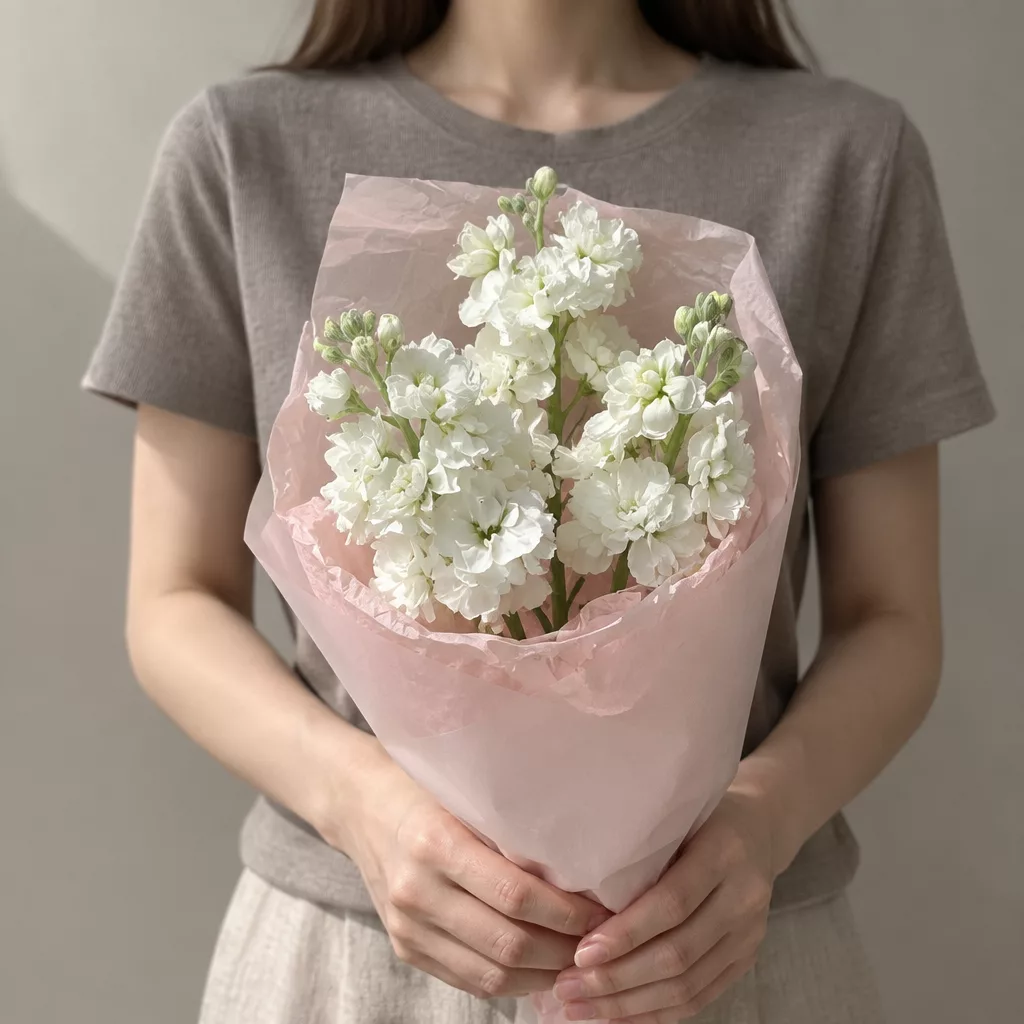
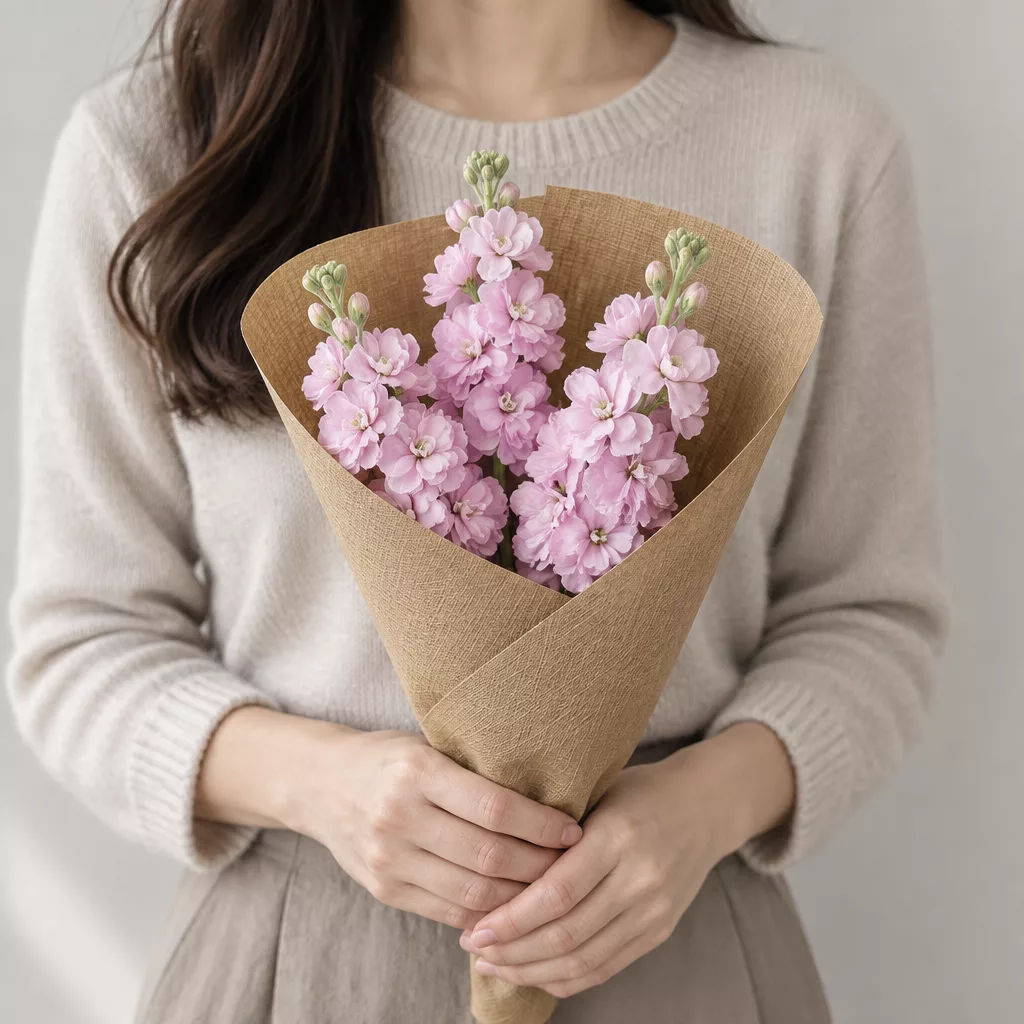
Bouquets we can deliver


Timing Your Order: When to Place It and What the Windows Mean
The standard delivery window for Gvardeysk is wider than for central Saint Petersburg, and it is important to plan around that. We recommend placing your order at least several hours before the moment you want the flowers to arrive, particularly if the occasion has a fixed time — a dinner, a surprise arrival, a party that starts at a specific hour. Last-minute orders can sometimes be accommodated, but the earlier you order, the more control you have over the timing slot.
Morning deliveries, roughly between nine and noon, are popular for birthdays when the recipient is at home. Afternoon slots work well for office deliveries, though you should confirm that the recipient will actually be at their workplace and not in a meeting or out of the building. Evening deliveries before eight are possible and often feel more romantic or celebratory, but they require the recipient to be reachable by phone in case access to the building is needed.
We send the courier with the recipient's contact number so that they can call ahead if the address has an entry code or a gate. This is a practical step that prevents the flowers from sitting in the cold — and in Gvardeysk, winters are genuinely cold, with temperatures regularly dropping below minus ten Celsius. A bouquet of tulips or anemones left on a doorstep in those conditions will be damaged within twenty minutes. Coordination matters, and we take it seriously.
Choosing the Right Flowers for the Person, Not Just the Occasion
The occasion gives you a starting point, but the person receiving the flowers should shape the final choice. A grandmother celebrating her birthday in Gvardeysk may love the classic look of white chrysanthemums and alstroemeria — long-lasting, unpretentious and deeply associated with warmth in Russian tradition. A younger woman might prefer something with more texture and colour: a mixed bouquet of spray roses, lisianthus and eucalyptus feels contemporary without being showy.
For a man, which is still an unusual choice in some parts of Russia but is becoming more common, lean toward strong shapes and deep colours. Anthuriums, tropical foliage, burgundy calla lilies or a structured arrangement of protea and monstera leaves make a confident statement without feeling overly feminine. Do not be afraid to ask for something unconventional — the recipient will notice the thought behind it.
Couples celebrating anniversaries often appreciate peonies when they are in season, roughly May through July, or garden roses in softer shades of blush and apricot. These flowers read as romantic without being clichéd. If the anniversary is a significant one — ten years, twenty-five — consider adding something with presence, like large-headed hydrangeas or a tall arrangement with snapdragons for height. The visual impact of the bouquet when it is first seen is part of the gift, and we think about that from the moment we start building it.
Bouquets at Different Budgets: What Changes and What Stays the Same
The most important thing to understand about budget and flowers is that price affects volume and variety, not care or freshness. A smaller bouquet assembled thoughtfully — five stems of good garden roses with foliage and a complementary filler like waxflower or pittosporum — will always outperform a large, rushed arrangement of mixed carnations. We say this not to steer you toward expensive choices but to help you spend wisely.
At a modest budget, single-variety bouquets are the most effective approach. A tight bunch of white freesias smells extraordinary and photographs beautifully. Bright gerberas in a single colour feel cheerful and energetic. Spray roses in peach or coral are generous-looking without being costly. These are not compromise flowers — they are flowers that work well when they are the focus.
At a mid-range budget, combinations become possible. Roses paired with lisianthus and a soft green filler like ruscus or asparagus fern create a layered, florist-style look that feels assembled rather than grabbed. The addition of a second bloom type immediately elevates the overall impression. At a higher budget, you gain access to seasonal premium varieties — garden roses with quartered centres, large peonies, ranunculus in unusual colours, or exotic additions like protea and hellebores when available. The packaging also shifts at this level, with more considered wrapping and ribbon choices that make the bouquet feel like a genuine gift from the first moment it is seen.
How Russian Flower Customs Work — Explained Simply
If you are not familiar with Russian gifting customs around flowers, a few things are worth knowing before you order. The most widely observed rule is that bouquets should contain an odd number of stems. Even numbers — two, four, six — are associated with mourning and are used at memorials, so they carry a very different emotional weight. An odd count of five, seven, nine or eleven is the norm for celebrations, and most florists follow this automatically. We do too.
Colour carries meaning in ways that differ from Western European conventions. Yellow flowers are sometimes associated with separation or bad luck in older Russian tradition, though this belief is fading among younger generations in cities. If you are sending to someone older or more traditional, it is safer to avoid an all-yellow arrangement unless you know the recipient well and are certain they do not hold this view. A mixed bouquet that includes yellow alongside other colours is generally considered neutral and fine.
Name days, known as imeniny in Russian, are celebrated alongside or sometimes instead of birthdays in more traditional families. If you know the recipient observes this, a bouquet on their name day will feel especially thoughtful and personal. Spring holidays like International Women's Day on the eighth of March are enormous flower-giving occasions across Russia — demand spikes sharply in the days before, so ordering early for that date is genuinely important, not just a suggestion.
Packaging, Presentation and What the Recipient Will See First
The first impression of a bouquet happens in the first three seconds after the door opens. That moment is determined almost entirely by packaging and presentation, not by the flowers themselves — the recipient sees the wrapping before they see the stems. We use kraft paper, soft tissue and structured wrapping that gives the bouquet a shape and a visual weight that feels intentional. A flat, loose bunch handed over in cellophane does not carry the same emotional impact, regardless of what is inside.
For Gvardeysk deliveries, we also wrap the stems in water-retaining material for the journey. This keeps the flowers hydrated during transit and means the recipient does not receive a dry-stemmed bouquet that needs immediate emergency care. In winter months, the outer wrapping includes insulating layers to protect against the cold, particularly for tropical varieties like orchids or anthuriums that are sensitive to temperatures below ten degrees Celsius.
If you want to include a card, write the message at checkout and we print and attach it before the bouquet leaves us. In Russian gifting culture, a handwritten or clearly personal message adds significant warmth to the gift — a generic greeting feels noticeably less thoughtful than a specific one. Even a single sentence that references a shared memory or a specific reason for the flowers makes the moment more meaningful for the recipient. We encourage you to use that space, even if the words feel simple.
Caring for the Flowers After Delivery: Making Them Last
The vase life of a bouquet depends almost entirely on what happens in the first thirty minutes after it arrives. The recipient should cut the stems at an angle — roughly two centimetres from the bottom — using a sharp knife rather than scissors, which can crush the stem and restrict water uptake. The bouquet should go into a clean vase filled with cool, not cold, water. Room temperature water is absorbed more easily than icy water for most varieties.
Leaves below the waterline should be removed completely. Submerged foliage rots quickly and introduces bacteria into the water, which shortens the life of every stem in the vase. This is the single most common mistake recipients make, and it can halve the vase life of an otherwise healthy bouquet. Roses, which might last eight to ten days in clean water, can decline in three or four days if the water is not kept clean and changed every two days.
Direct sunlight and heat sources are the other main enemies. A bouquet placed on a windowsill in afternoon sun or near a radiator — which is running hard through Gvardeysk winters — will lose a day or two of vase life very quickly. A cool spot away from direct light is ideal. Lisianthus and alstroemeria are particularly rewarding to care for because they open gradually over several days, so the bouquet actually looks better on day three than it did on day one. Knowing this helps the recipient enjoy the flowers through their full life rather than assuming they are fading when they are simply still opening.
Sending flowers to Gvardeysk is a genuine gesture, and it deserves to be handled with the same care you would give to a delivery in any major city. Fresh stems, thoughtful combinations, honest timing and proper packaging are not extras — they are the standard we work to every day. When the door opens and the recipient sees what has arrived, that moment is the whole point of everything that came before it.
Frequently asked questions
How far in advance should I order flowers for delivery to Gvardeysk?
We recommend ordering at least three to four hours before your preferred delivery window. For major dates like the eighth of March or Valentine's Day, placing your order a day or two ahead gives you more control over timing and ensures we can source the specific varieties you want rather than substituting at the last moment.
Can I request a specific delivery time rather than a window?
You can specify a preferred time slot at checkout, and we do our best to honour it. Exact minute-precise delivery is not guaranteed because real conditions — traffic, building access, a recipient who needs a moment to come to the door — affect the final arrival time. A slot of one to two hours is realistic and reliable.
What happens if the recipient is not home when the courier arrives?
The courier will call the recipient using the contact number provided. If there is no answer, they will attempt to leave the bouquet with a neighbour or building concierge if the recipient has pre-authorised this. We will also contact you as the sender so that a redelivery or alternative arrangement can be made quickly.
Are there flowers I should avoid sending in winter to Gvardeysk?
Tropical varieties like anthuriums and orchids are sensitive to cold and need careful insulated packaging in winter. We handle this, but it is worth knowing that these flowers require the recipient to bring them inside immediately. Avoid requesting them for outdoor events or situations where the bouquet might sit in the cold for any length of time.
Why do Russian bouquets always have an odd number of stems?
Even numbers of flowers are traditionally associated with mourning in Russian culture and are used at memorials. Odd numbers are the norm for all celebratory occasions. Most recipients, particularly those over forty, will notice and appreciate this detail. We follow this convention automatically for every bouquet we build.
Ready to send flowers?
Pick the city, choose the bouquet, and a local florist takes it from there.
Choose a city →