Flower Delivery in Bologoe: Timing, Choices and What Arrives at the Door
Bologoe sits almost exactly halfway between Moscow and Saint Petersburg, a town where a thoughtful gesture can feel even more meaningful precisely because it is unexpected. When you want to send flowers here — for a birthday, an anniversary, a new baby, or simply because someone deserves them — the question is not just which bouquet to choose. It is whether the flowers will actually arrive fresh, on time, and looking the way you imagined when you placed the order. This article walks you through everything that matters: the delivery area, realistic timing, what the weather does to petals, which combinations work best for different occasions, and how the recipient can keep the flowers looking beautiful for as long as possible.
Which Parts of Bologoe We Reach and Why It Matters
Bologoe is a compact town in Tver Oblast with a population spread across several residential districts, a railway quarter that grew up around the famous junction, and quieter streets on the outskirts near Mstino Lake. Turboflora delivers across the entire town, including the central streets around Ulitsa Lenina, the residential blocks near the railway station, and the private house areas further from the centre. If you are sending to a dacha address or a location just outside the town boundary, it is always worth specifying the exact street and any landmark in the order notes — this removes any ambiguity and speeds up the courier's route. Addresses near the station are typically the easiest to reach because the road network there is straightforward and well maintained. Addresses on the lake side can involve narrower roads, which is worth factoring in during winter months when snow and ice slow progress. The practical takeaway is simple: as long as you provide a full address with a flat or house number, delivery reaches you. Vague descriptions like 'the yellow house near the school' cause delays that no florist can absorb without affecting freshness. A precise address is as important as choosing the right flowers — both determine whether the moment lands the way you intended.
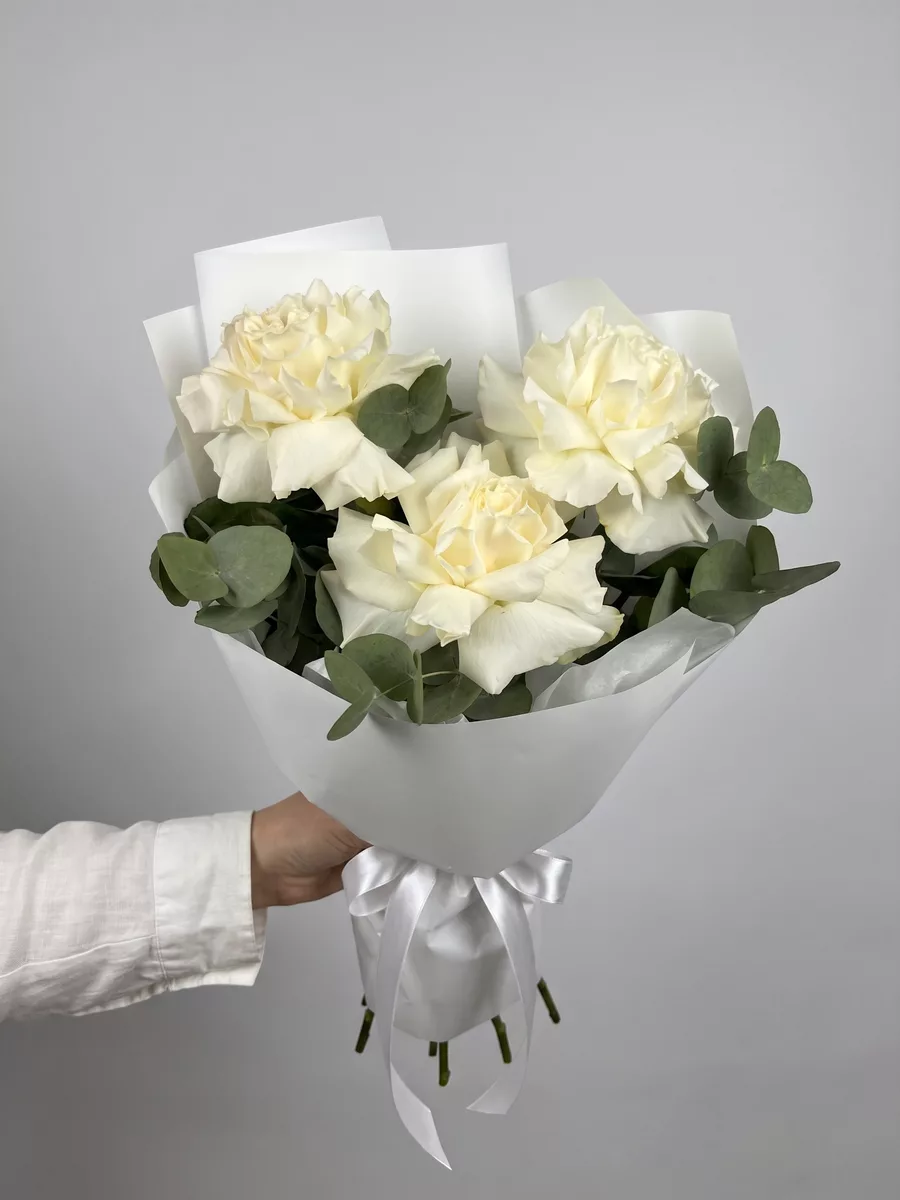
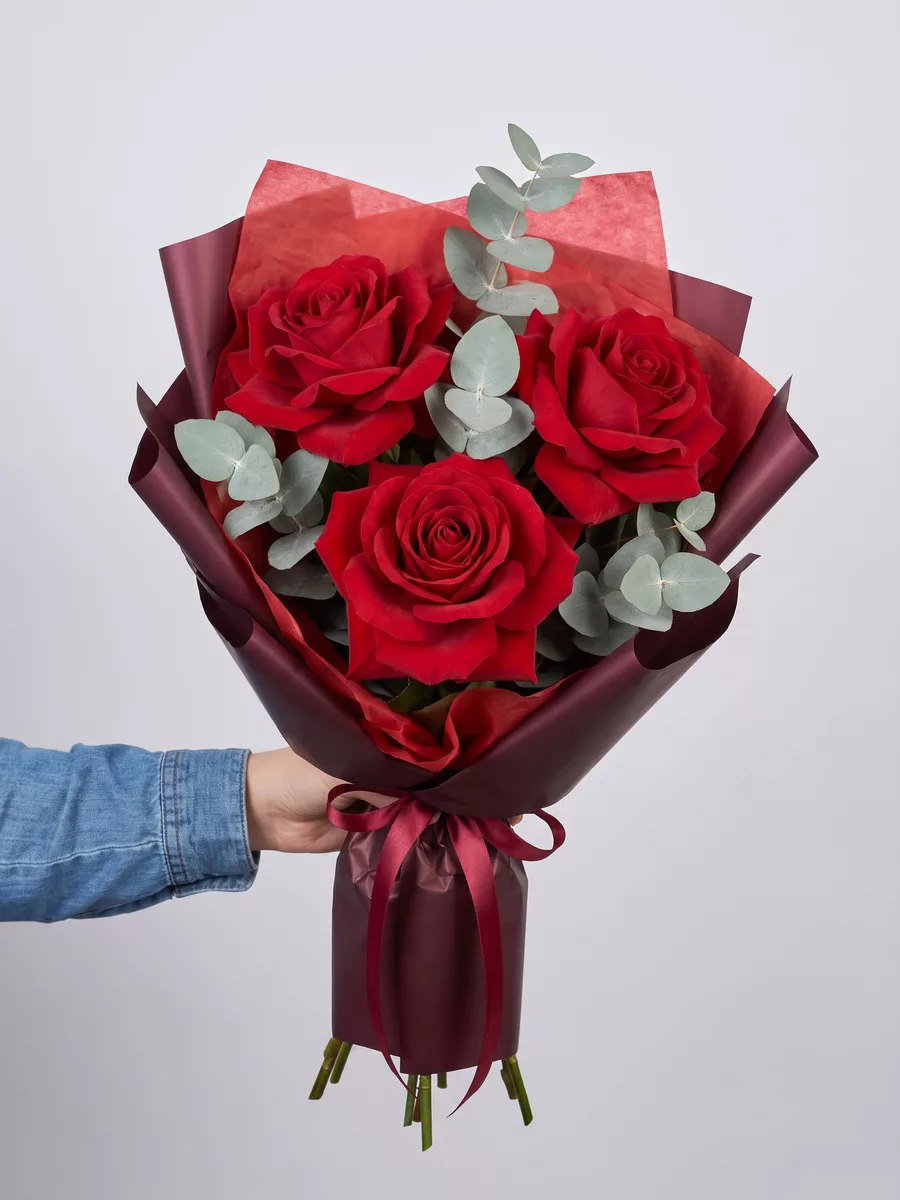
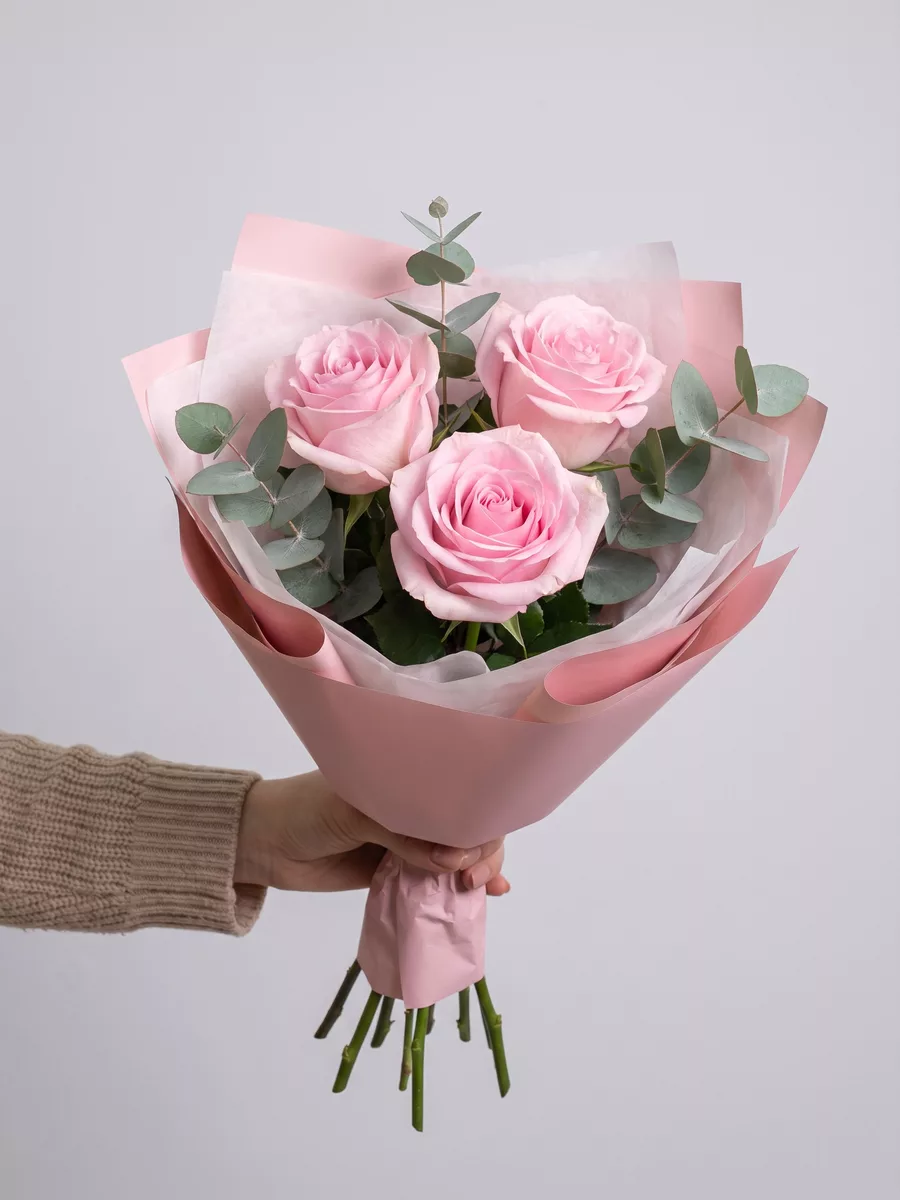
Bouquets we can deliver

Realistic Timing: What One to Two Hours Actually Means Here
Turboflora's standard delivery window across Russia is one to two hours from order confirmation, and Bologoe is no exception to that commitment. In practice, delivery to central addresses during daytime hours on weekdays tends to land at the shorter end of that range. Evening orders placed after seven o'clock, weekend orders during peak gifting days like February 14th or March 8th, and addresses on the edges of town are more likely to use the full two-hour window. This is not a failure of logistics — it is simply honest planning. Flowers cut and arranged in the morning are at their peak condition within the first several hours, so a two-hour delivery still delivers them in excellent shape. Where timing becomes critical is when you are working around a specific moment: a surprise at a workplace before a colleague finishes their shift, or a bouquet that needs to arrive before a birthday dinner. For these situations, place the order at least three hours ahead of the target moment rather than two. That buffer absorbs any unexpected traffic or address confusion without putting pressure on the courier or the flowers. Russian recipients are generally accustomed to receiving flowers as a surprise, so there is no cultural expectation that the bouquet arrives at an exact minute — the gesture itself carries the meaning, and a two-hour window preserves that generosity without stress.
Choosing for the Occasion: Birthdays, Anniversaries and Everyday Moments
In Russian gifting culture, flowers are not reserved for grand occasions. A bouquet for a colleague returning from holiday, a small arrangement for a neighbour who helped you move furniture, or peonies for a friend who just passed an exam — all of these are entirely normal and warmly received. That said, the occasion does shape the best choice. For birthdays, volume and colour tend to matter: a generous arrangement of garden roses in warm tones like coral, peach or deep red signals celebration in a way that a single-stem gift does not. For anniversaries, the combination of texture and fragrance works better than colour alone — garden roses mixed with lisianthus and a few stems of eucalyptus creates something that feels considered rather than simply purchased. For everyday moments, smaller mono-bouquets of tulips in spring, chrysanthemums in autumn, or spray roses year-round are the right scale. They say 'I was thinking of you' without overwhelming the recipient. One thing to know about Russian floral customs: odd numbers of flowers are given to living recipients, even numbers are reserved for mourning. Turboflora arrangements always follow this convention automatically, so you never need to count petals yourself. When in doubt about the occasion, lean toward white and cream tones — they read as elegant and appropriate across almost every context, from professional congratulations to romantic gestures.
Seasonal Varieties and What Arrives in Best Condition
Flowers travelling to Bologoe face the same challenge as flowers anywhere in Russia: the climate is continental, with cold winters that regularly drop below minus fifteen degrees Celsius and warm summers that push above twenty-five. Both extremes affect what should be in a bouquet and how it is packaged. In winter, cold-sensitive varieties like tropical anthuriums or delicate sweet peas are risky choices — even a five-minute exposure to freezing air between the courier's hands and the front door can bruise petals and collapse stems. Roses, chrysanthemums, alstroemeria, and carnations all handle cold transport well when wrapped correctly. In summer, the concern reverses: heat accelerates wilting, so bouquets containing gypsophila or open garden roses need to travel in insulated packaging and be placed in water as soon as they arrive. Spring is the most forgiving season for delivery. Tulips, ranunculus, daffodils, and hyacinths are all at peak availability from late February through April and travel beautifully even in variable temperatures. Autumn brings excellent chrysanthemum crops and the first dahlias, both of which are sturdy and long-lasting. Knowing the season helps you pick a bouquet that will look its best on arrival rather than one that was beautiful in the photograph but fragile in transit. Ask yourself what month it is before you choose, and let that guide your first instinct.
Presentation and Combinations That Make a Bouquet Feel Complete
A bouquet is not a collection of stems — it is a composition, and the difference between a forgettable arrangement and one that the recipient photographs and keeps in their memory is usually a matter of texture and contrast. A bouquet of roses alone, however beautiful the variety, reads as simpler than roses paired with something that adds movement or contrast. Dusty miller adds a silvery foliage note that makes pink roses look more sophisticated. Waxflower tucked between stems of spray roses gives a wildflower quality that feels generous rather than formal. Hypericum berries in autumn add a warm, jewel-like detail that photographs well and lasts longer than most flowers in the arrangement. For Bologoe recipients who live in private houses with gardens, a slightly natural, garden-style composition tends to feel more at home than a tightly structured dome of uniform blooms. For apartment recipients, a structured round bouquet or a monobouquet of a single premium variety tends to look better on the table or windowsill where space is limited. Wrapping matters too. Kraft paper with a linen ribbon reads as warm and artisanal. Matte film in a neutral tone feels contemporary. Bright cellophane is cheerful but less versatile. When you order, you can specify the mood you want — the florist uses that to make the wrapping decision that fits the recipient, not just the flowers.
Budgeting Without Compromising the Moment
Flowers in Russia span an enormous price range, and in Bologoe as anywhere else, the most expensive bouquet is not automatically the most appropriate one. A small, carefully composed arrangement of three to five stems with good foliage and beautiful wrapping can feel more considered than a large bouquet of filler flowers padded to look impressive. The key is understanding what drives cost: stem count, variety rarity, and seasonal availability. Roses are available year-round at consistent quality, which keeps them relatively stable in price. Peonies are seasonal — late spring through early summer — and cost more during that window but are worth it because nothing else smells or looks the same. Tulips in March are at their cheapest and most abundant, making them an excellent choice for a generous gesture at a modest spend. If your budget is modest, the best strategy is to choose one hero flower in good quantity rather than mixing many varieties at low stem counts. Five full-headed garden roses in a single colour, wrapped beautifully, outperform a ten-variety bouquet where each element is represented by a single stem. Think of it the way a good cook thinks about a simple dish: quality ingredients, restraint, and confidence in the composition. That approach works at every price point and always lands better than trying to look expensive on a small budget.
Keeping the Flowers Beautiful After Delivery: Care in a Russian Home
The moment the bouquet arrives is the beginning of its life in the home, not the end of the florist's responsibility. Flowers that are handled well after delivery will last significantly longer, and a few simple habits make the difference between three days and ten. The first step is always a fresh diagonal cut on each stem — about two centimetres — using a sharp knife rather than scissors, which compress the stem tissue and reduce water uptake. Place the stems immediately into a clean vase with cool water. Russian tap water is generally fine; there is no need to use filtered water unless the local supply is heavily chlorinated. Remove any leaves that fall below the waterline, as submerged foliage rots quickly and clouds the water with bacteria. Change the water every two days and repeat the stem cut each time. Keep the bouquet away from direct sunlight, radiators, and fruit bowls — ethylene gas from ripening fruit accelerates petal drop in roses and tulips noticeably. In winter, Bologoe homes are often kept very warm by central heating, which dries the air and shortens vase life. A light misting of the petals in the morning helps counteract this. Tulips will continue to grow in the vase and may lean toward the light source — rotating the vase a quarter turn each day keeps them upright and even. These small habits take less than two minutes a day and extend the life of almost any bouquet by several days.
Sending flowers to Bologoe is straightforward when you know what to expect: a full town delivery area, a one-to-two-hour window that works best with a precise address and a little planning ahead, and a choice of varieties that should reflect both the season and the person receiving them. The gesture of flowers travels well across distance — it does not matter that you are ordering from another city or even from abroad. What matters is that the bouquet arrives fresh, composed with care, and matched to the moment. Turboflora handles the logistics and the craft; your job is simply to decide who deserves flowers today.
Frequently asked questions
Can I order flower delivery to Bologoe from another city?
Yes, absolutely. Many customers order from Moscow, Saint Petersburg or abroad for recipients in Bologoe. You simply enter the recipient's address at checkout, and the bouquet is delivered directly to them. You do not need to be present or local — the entire process works remotely, and you receive confirmation when the flowers are delivered.
What happens to flowers during very cold winter weather in Bologoe?
Bouquets are packaged with insulating wrap during cold months to protect petals between the courier and the door. Hardy varieties like roses, chrysanthemums and alstroemeria are recommended in winter because they tolerate brief cold exposure well. Fragile tropical varieties are less suitable in temperatures below minus ten degrees Celsius, and our florists will suggest alternatives if your chosen flowers carry a cold risk.
Is it possible to include a handwritten card with the delivery?
Yes. When placing your order, you can add a message that will be written on a card and included with the bouquet. Keep the message concise — a card is not a letter. A warm sentence or two lands better than a paragraph, and in Russian gifting culture, the flowers themselves carry most of the emotional weight of the gesture.
How far in advance should I order for a specific delivery time in Bologoe?
For a standard delivery, placing your order two to three hours before the desired arrival time gives comfortable margin. For peak gifting days like March 8th or February 14th, ordering the evening before or early in the morning is strongly advisable. Same-day orders are accepted throughout the day, but earlier orders have more flexibility in scheduling and variety availability.
Which flowers last the longest in a vase after delivery?
Chrysanthemums, alstroemeria, and carnations consistently last ten to fourteen days with proper care. Spray roses and lisianthus typically give seven to ten days. Tulips and ranunculus are shorter-lived at five to seven days but are so beautiful in those days that many recipients consider the trade-off worthwhile. Changing the water every two days and trimming stems extends any variety's vase life noticeably.
Ready to send flowers?
Pick the city, choose the bouquet, and a local florist takes it from there.
Choose a city →