Sending Flowers to Inza: Timing, Freshness and What Arrives at the Door
Inza is a quiet town in the Ulyanovsk region, and the people who live there deserve flowers just as much as anyone in a capital city. Whether you are sending a bouquet to a mother on her birthday, congratulating a colleague on a new job, or simply letting someone know you are thinking of them, the distance between you and your recipient does not have to feel like an obstacle. Turboflora delivers fresh flowers from Saint Petersburg to Inza, and this article walks you through exactly what that means in practice — the timing, the flowers that travel well, how to prepare for arrival, and the small details that make the difference between a bouquet that impresses and one that disappoints.
What Sending Flowers to Inza Actually Looks Like
Inza sits in the Ulyanovsk region, roughly in the middle of European Russia, which means it is well within the delivery geography that Turboflora covers. The town is not enormous, but it has real streets, real addresses, and real people who are genuinely moved when flowers arrive unexpectedly at their door. Understanding the logistics helps you set the right expectations for both yourself and your recipient.
Delivery to Inza is not a same-day service the way it works inside Saint Petersburg itself. Orders placed with sufficient lead time — ideally the evening before or early in the morning of the desired delivery date — allow the bouquet to be assembled fresh, packaged correctly for transit, and dispatched so it arrives within the agreed window. The courier handles the flowers with care throughout the journey, keeping them upright and away from direct heat or cold drafts.
The recipient does not need to do anything special to prepare. They simply need to be reachable by phone so the courier can confirm the address and arrange a handoff time. If the person will be at work, a workplace delivery is perfectly normal in Russia and often makes the moment even more memorable in front of colleagues. Apartment buildings with entry codes or security desks are common in Russian towns, so sharing any access details when you place the order saves everyone time and keeps the flowers fresh rather than waiting in a hallway.
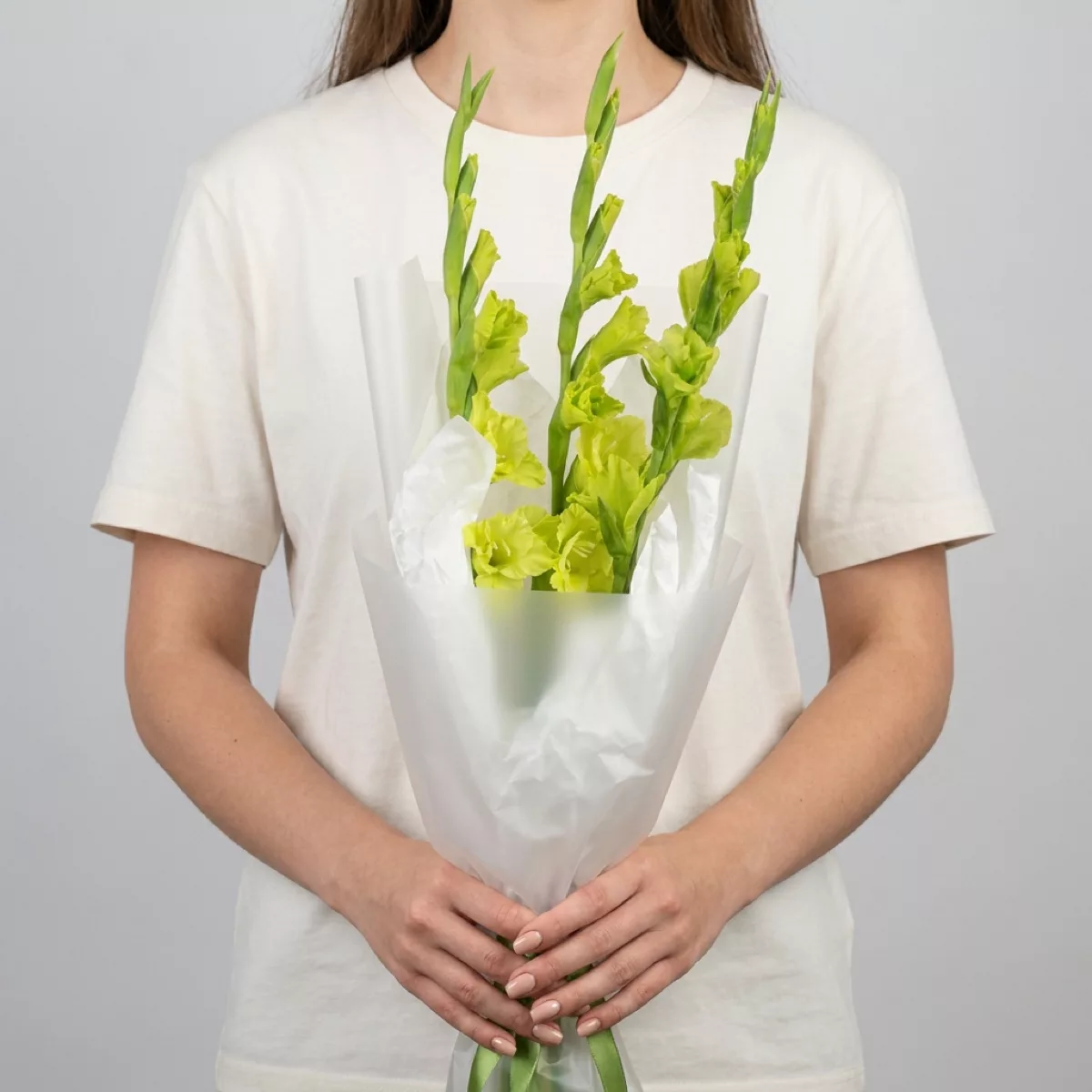
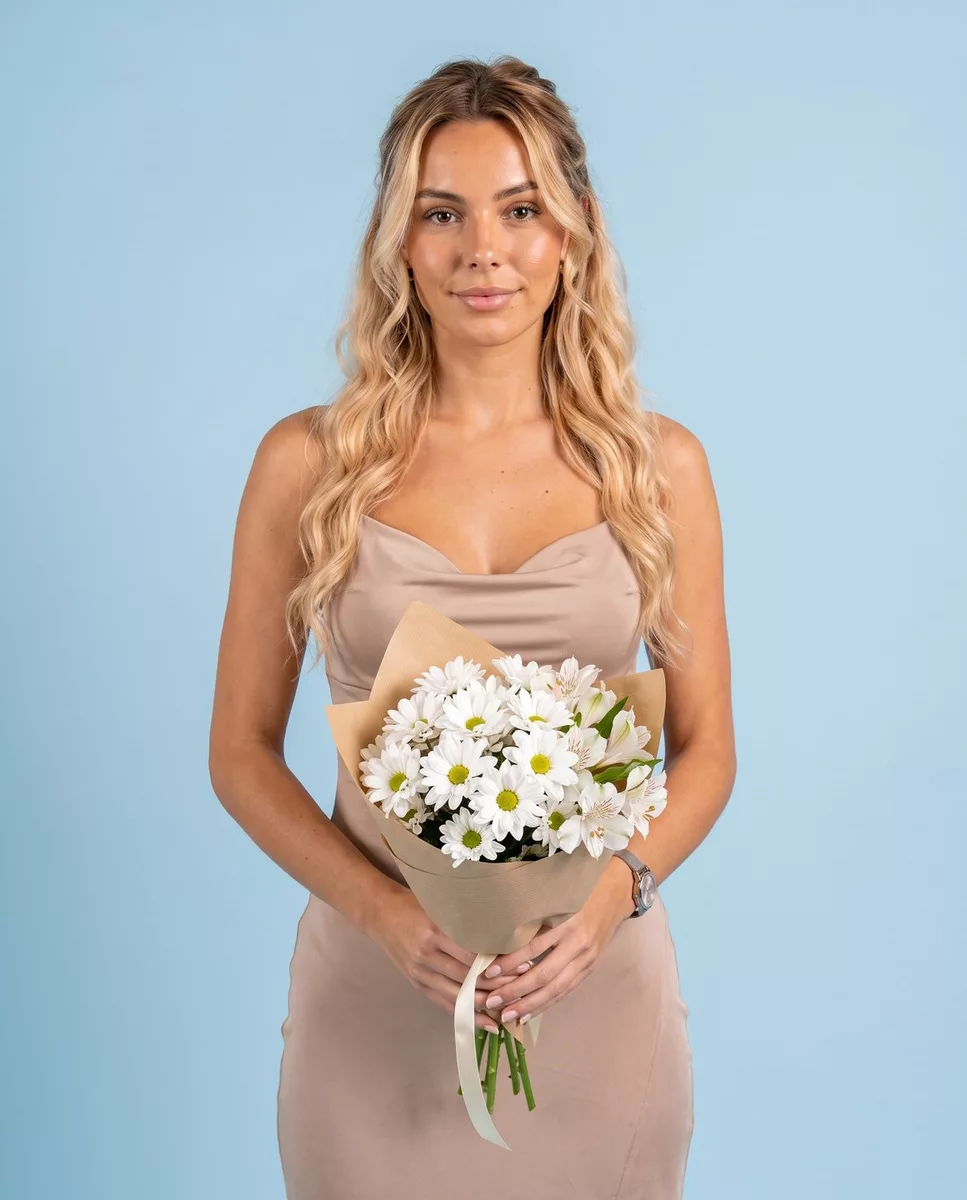
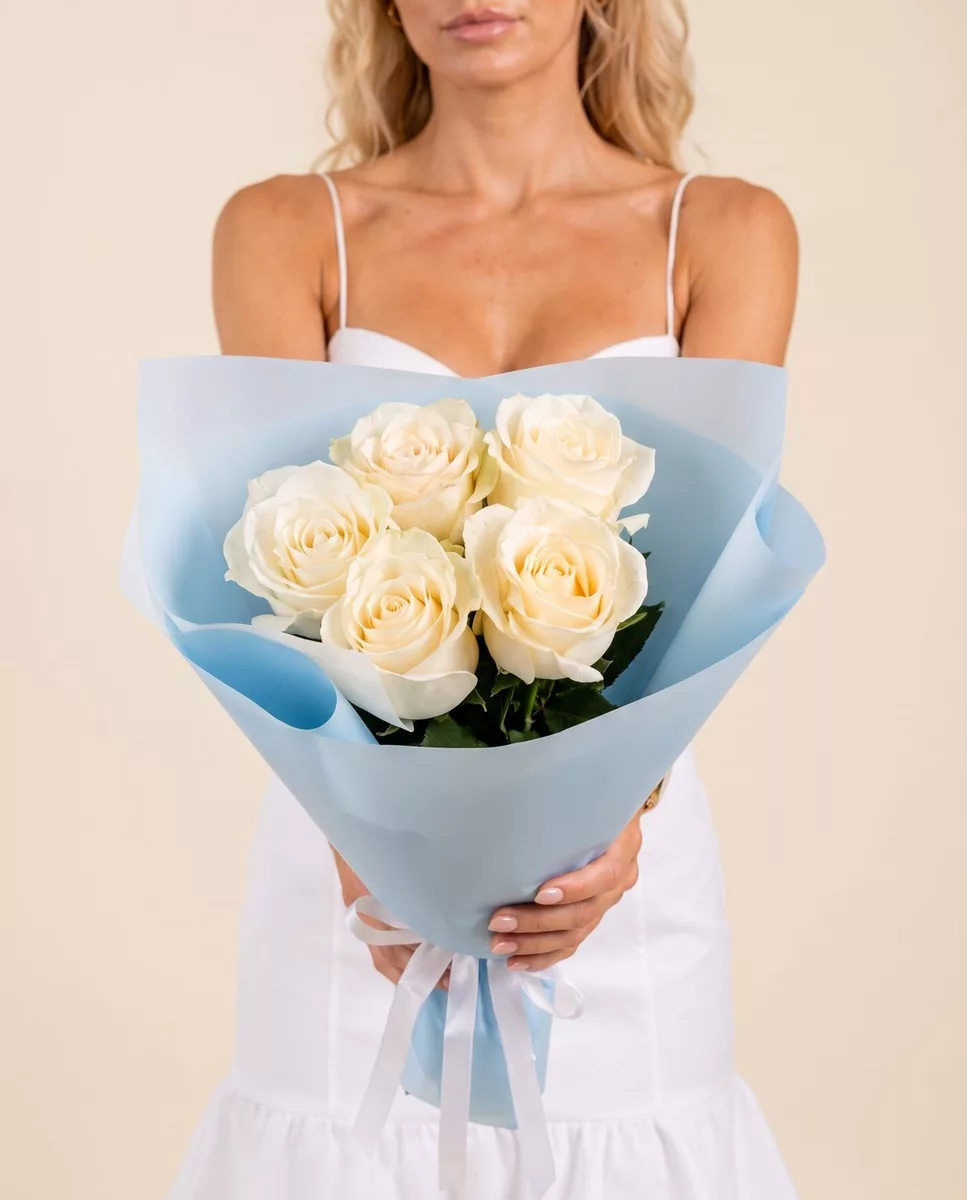
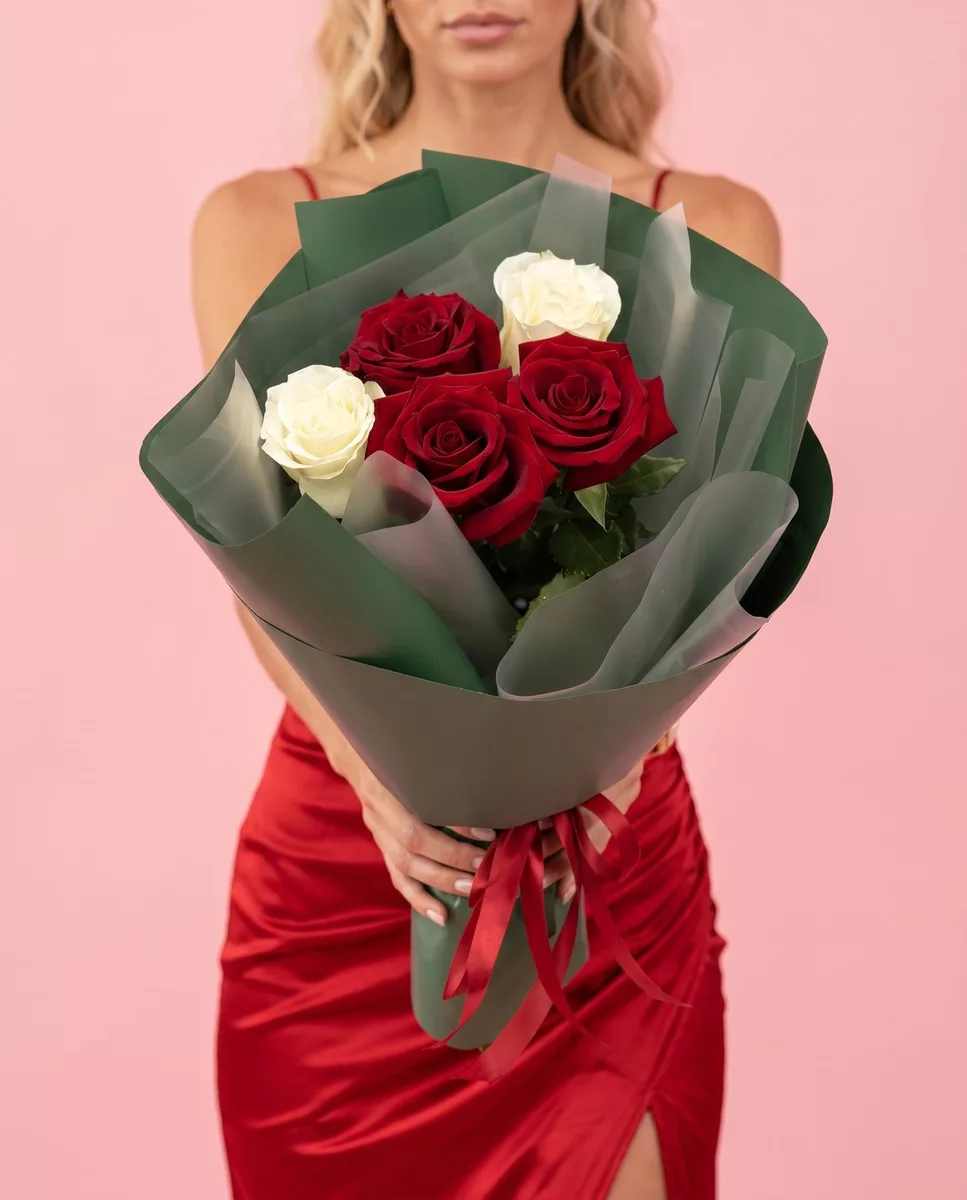
Bouquets we can deliver
Timing Your Order for the Best Result
The single most common mistake people make when ordering flowers for someone in another city is leaving the decision too late. A bouquet assembled at the last minute under time pressure is rarely as carefully arranged as one that the florist had proper time to build. For Inza, placing your order at least one day in advance gives the team room to select the freshest stems, condition them properly, and package the arrangement so it survives transit looking its best.
For significant occasions — a major anniversary, a graduation, a significant birthday with a round number — ordering two or three days ahead is even better. This is especially true if you want a specific flower that may need to be sourced fresh that week, such as garden roses in full bloom or ranunculus in peak season. Peonies, for example, are only genuinely available in late spring and early summer, so if you want them, timing your order to the actual season matters more than any other factor.
Delivery windows in Inza are confirmed when you place the order. Morning deliveries tend to work well for people who are home before heading to work, while afternoon slots suit those who prefer to be settled and relaxed when the flowers arrive. If you are sending a surprise and the recipient's schedule is unpredictable, a midday window often offers the most flexibility. Always provide a mobile number for the recipient — Russian couriers will call ahead, which is standard practice and not considered a spoiler for the surprise.
Choosing Flowers for the Person and the Moment
The best starting point is not the flower itself but the person receiving it. A woman in her sixties who keeps a tidy home and loves classical aesthetics will likely appreciate a structured arrangement of spray roses, white lisianthus, and eucalyptus — something that looks considered and elegant rather than wild. A younger recipient who fills her flat with plants and has an eye for texture might be far more delighted by a loose, garden-style mix of ranunculus, anemones, and seasonal greenery.
For romantic occasions, red roses remain the clearest signal in Russian culture, and there is nothing wrong with leaning into that clarity. A tightly arranged bouquet of deep red roses with minimal greenery reads as intentional and devoted. If you want something slightly softer — perhaps for a new relationship or a gesture that is warm rather than intense — blush pink roses or pale peach spray roses with white waxflower make a lovely combination that feels affectionate without being overwhelming.
For celebrations that are not romantic — a friend's promotion, a teacher's retirement, a neighbour's new baby — colour and volume matter more than symbolism. Sunflowers paired with orange gerberas and yellow solidago create an energetic, joyful arrangement that needs no explanation. For a new baby, soft lavender lisianthus with white alstroemeria and a little silver brunia gives a gentle, refined feel without relying on the cliché of pink or blue. Think about the room the flowers will sit in, the personality of the person, and the feeling you want to leave behind.
Flowers That Travel Well and Ones That Need Extra Care
Not every flower handles a delivery journey with equal grace. Knowing which varieties are robust and which are delicate helps you choose something that will look as good on arrival as it did when it was assembled. This is especially relevant for a destination like Inza, where the bouquet will be in transit for a meaningful stretch of time.
Roses, alstroemeria, chrysanthemums, and carnations are among the most reliable travellers. They hold their shape, resist bruising, and continue to open naturally after they are placed in water. Alstroemeria in particular has an excellent vase life — often ten days or more — which makes it a genuinely practical choice for someone who may not have fresh flowers in their home very often and will want to enjoy them as long as possible.
Delicate flat-faced flowers like anemones and open poppies are more vulnerable to pressure and temperature shifts. They can be included in arrangements, but they benefit from extra space in the packaging and should ideally be delivered on a day when temperatures are moderate rather than extreme. In the depths of a Russian winter, flowers exposed to temperatures below minus ten degrees Celsius even briefly can suffer petal damage, so winter orders should specify any concerns and the courier will take extra precautions with insulated packaging.
Summer heat presents its own challenge. Flowers left in a warm vehicle without adequate hydration will wilt faster than expected. Turboflora uses water-retaining packaging for all bouquets in transit, but if you know the recipient will not be home immediately, it is worth mentioning so the arrangement can be packaged with that in mind.
Seasonal Flowers Worth Knowing About
Russia has four genuinely distinct seasons, and each one brings flowers that are at their absolute best during that window. Ordering in season means you get better quality, more vivid colour, and longer vase life — because the flower is not being forced in a greenhouse at the wrong time of year.
Spring in Russia — roughly April through May — is the season of tulips, hyacinths, and the first daffodils. Tulips are deeply associated with spring celebrations in Russian culture, and a generous bunch of single-colour tulips, perhaps a rich violet or a creamy white, is one of the most straightforward and appreciated gifts you can send in April. Hyacinths add a fragrance that fills a room within hours of arrival, which makes them memorable in a way that photographs cannot capture.
Summer brings peonies, which are genuinely beloved in Russia and often considered the most romantic flower of the warm months. They are available for a relatively short window — usually late May through June — and they open dramatically over two or three days, so a recipient who receives them in bud will watch them transform. Sunflowers, zinnias, and dahlias carry summer into August and early September.
Autumn is the season for chrysanthemums, which in Russia carry none of the funerary associations they have in some Western European countries. A large-headed white or deep burgundy chrysanthemum arrangement is a perfectly cheerful autumn gift. Winter is the season for roses and evergreen accents — spruce tips, eucalyptus, and cotton stems — which give bouquets a seasonal warmth that feels intentional rather than generic.
How to Help Your Recipient Get the Most From the Bouquet
A beautiful bouquet can last five days or twelve depending almost entirely on what happens in the first hour after it arrives. Most people in Russia know the basics — trim the stems, put them in water — but a few specific details make a real difference, especially for someone who does not regularly keep fresh flowers at home.
The stems should be cut at an angle, about two centimetres from the bottom, using a sharp knife rather than scissors. Scissors tend to crush the stem tissue rather than cut it cleanly, which reduces the flower's ability to draw water. The cut should ideally be made while the stem is submerged in water or immediately before placing the flowers in a vase, so no air enters the stem in the gap between cutting and hydrating.
The vase water should be cool and clean, changed every two days. Warm water encourages bacterial growth, which shortens vase life significantly. Any leaves that would sit below the waterline should be removed before the flowers go in — submerged foliage rots quickly and clouds the water. A small amount of sugar dissolved in the water can provide nutrients, though this is only useful if the water is also kept clean.
Keep the bouquet away from direct sunlight, radiators, and fruit bowls. Ethylene gas released by ripening fruit — especially apples and bananas — accelerates the ageing of cut flowers noticeably. A cool spot with indirect light, such as a dining table away from a window or a kitchen counter away from the stove, will give most bouquets their best possible life.
Making the Delivery Feel Personal and Thoughtful
The flowers themselves are only part of what the recipient experiences. The moment of arrival — the knock at the door, the unwrapping, the card — is where the emotional weight of the gesture actually lands. A few small choices at the ordering stage can make that moment significantly more meaningful.
A handwritten-style card message, even a short one, transforms a bouquet from a transaction into a communication. In Russian culture, directness in affection is valued — saying exactly what you mean is not considered excessive. A card that says simply 'I am proud of you and wanted you to know' will be kept long after the flowers have faded. If you are not sure what to write, think about what you would say if you were handing the flowers over in person, then write that.
The wrapping and presentation of the bouquet also signal care. A bouquet that arrives in a structured wrap with a ribbon or a clean paper cone looks like something chosen with attention, not something grabbed in a hurry. When you place an order, you can specify a preference for the presentation style — minimal and modern, or layered and abundant — and the florist will build the arrangement accordingly.
If the occasion is a surprise, coordinate the delivery time with someone who knows the recipient's schedule — a family member, a flatmate, or a colleague — without necessarily revealing the sender. This kind of quiet coordination is common and appreciated. The goal is for the flowers to arrive when the person is present and has a moment to actually receive them properly, not to be left outside a locked door in the cold.
Sending flowers to Inza is a straightforward act with a genuinely disproportionate effect. The recipient in a smaller Russian town is often more surprised and more moved by a delivery than someone in a city where flowers are everywhere and unremarkable. That response — the phone call, the photograph sent back to you, the message that says the room smells wonderful — is what makes the effort worth it. Order with enough lead time, choose flowers that suit the person and the season, give the courier the details they need, and the rest takes care of itself.
Frequently asked questions
How far in advance should I order flowers for delivery to Inza?
Ordering the day before is the reliable minimum. For important occasions or specific flowers that are seasonal — peonies in late May, tulips in April — two to three days ahead gives the florist time to source the best stems and assemble the arrangement without rushing. Last-minute orders are accepted where possible, but lead time directly affects quality.
What happens if my recipient is not home when the flowers arrive?
The courier will call the recipient's mobile number before arriving, which is standard practice in Russia. If there is no answer and no one is home, the courier will contact you as the sender to arrange an alternative time or address. Flowers are never left unattended outside a door, especially in cold or hot weather, as this would damage them.
Can I send flowers to a workplace address in Inza rather than a home?
Yes, workplace deliveries are entirely normal and often create a particularly memorable moment. Provide the full address including the organisation name, floor, and any reception or entry instructions. Let the recipient's colleague know to expect a delivery if you want to make sure the flowers are received promptly and not left at a front desk.
Which flowers last the longest after delivery in Inza?
Alstroemeria, chrysanthemums, and carnations consistently offer the longest vase life — often ten days or more with proper care. Roses last well when stems are cut cleanly and water is changed regularly. Tulips are shorter-lived but open beautifully. If longevity matters most, ask for an arrangement built around alstroemeria as the primary flower.
Are there flowers I should avoid ordering in winter for a delivery to Inza?
Very delicate open flowers — fully open anemones or single-petal poppies — are more vulnerable to brief cold exposure during winter transit. Roses, chrysanthemums, alstroemeria, and lisianthus handle cold conditions reliably when properly packaged. Turboflora uses insulated packaging in winter, but mentioning the season when ordering allows extra precautions to be taken.
Ready to send flowers?
Pick the city, choose the bouquet, and a local florist takes it from there.
Choose a city →