Flower Delivery in Ishim: What to Expect When You Order
Ishim sits quietly in the Tyumen region, a city where people mark birthdays, anniversaries and everyday moments with the same warmth you find anywhere in Russia. When you want to send flowers to someone there — a mother, a colleague, a partner — the question is always the same: will they arrive fresh, on time and looking the way you imagined? This guide walks you through exactly what delivery to Ishim involves, so you can order with confidence and your recipient can open the door to something genuinely beautiful.
Which Parts of Ishim We Deliver To
Ishim is a compact city by Russian standards, but it has distinct neighbourhoods that matter when you are planning a delivery. We cover the central districts around Lenin Street and the riverside areas along the Ishim River, as well as the residential quarters further east toward the industrial zone. If your recipient lives in one of the newer housing estates on the city's outskirts, delivery is still possible — it simply helps to include a full address with the building entrance number, since multi-storey blocks in Russian cities often have several separate doorways and couriers can lose time at the wrong one.
Villages and settlements immediately surrounding Ishim, such as those along the Tyumen highway corridor, fall within our extended delivery zone. Response time for those addresses is slightly longer than for central Ishim, so we recommend placing those orders a little earlier in the day. When in doubt, enter the full postcode and address at checkout and the system will confirm coverage before you pay.
One practical note: Ishim has a number of private house streets where GPS mapping is inconsistent. Adding a landmark or a brief note — 'blue gate, opposite the school' — in the delivery comments takes ten seconds and saves your florist real minutes on the road. Fresh flowers waiting in a warm van lose petals; a clear address keeps them crisp.
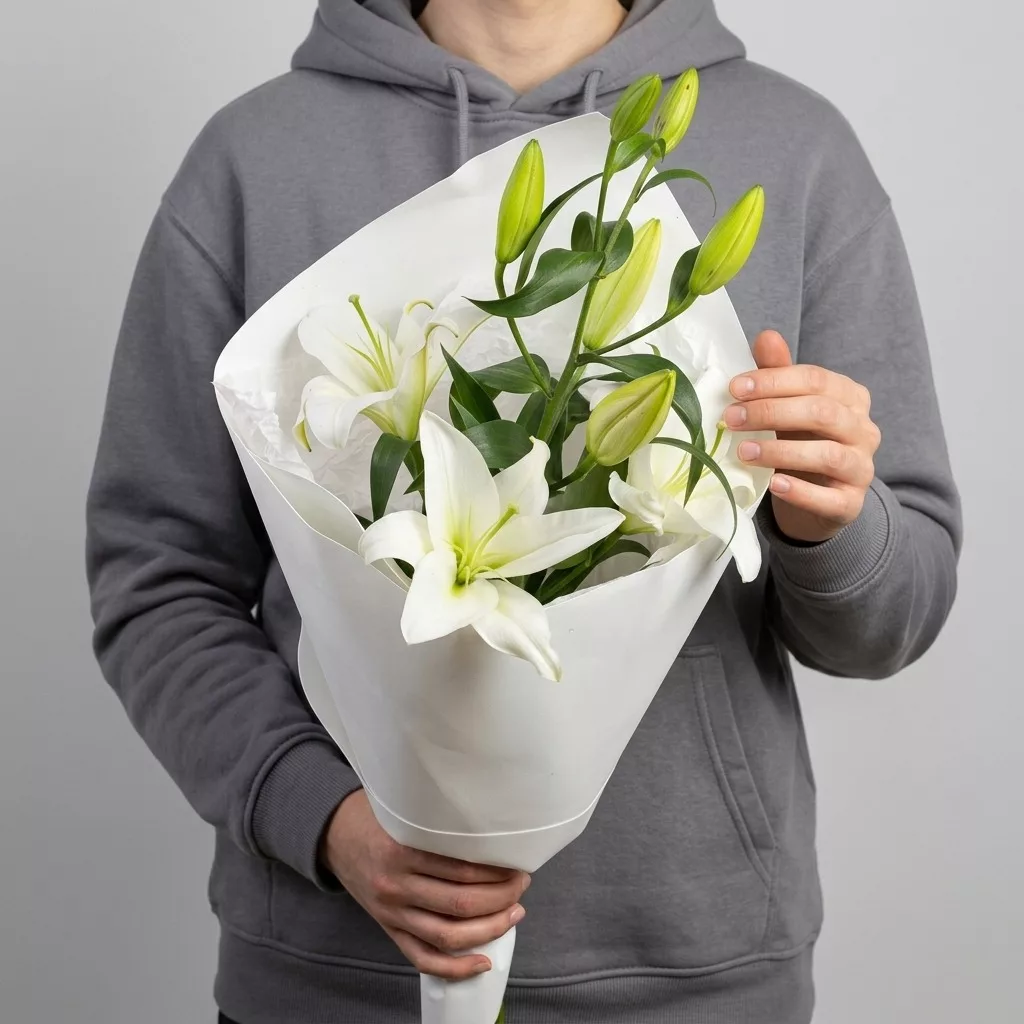
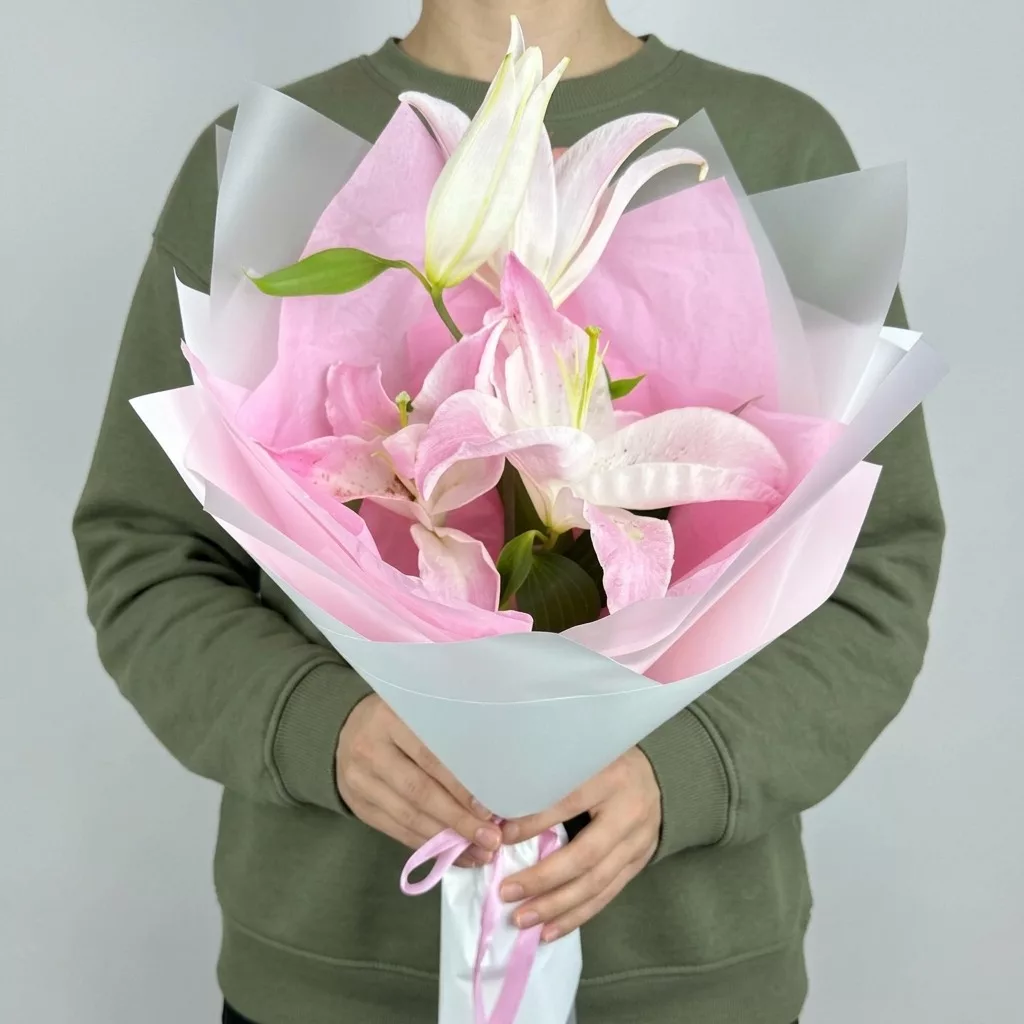
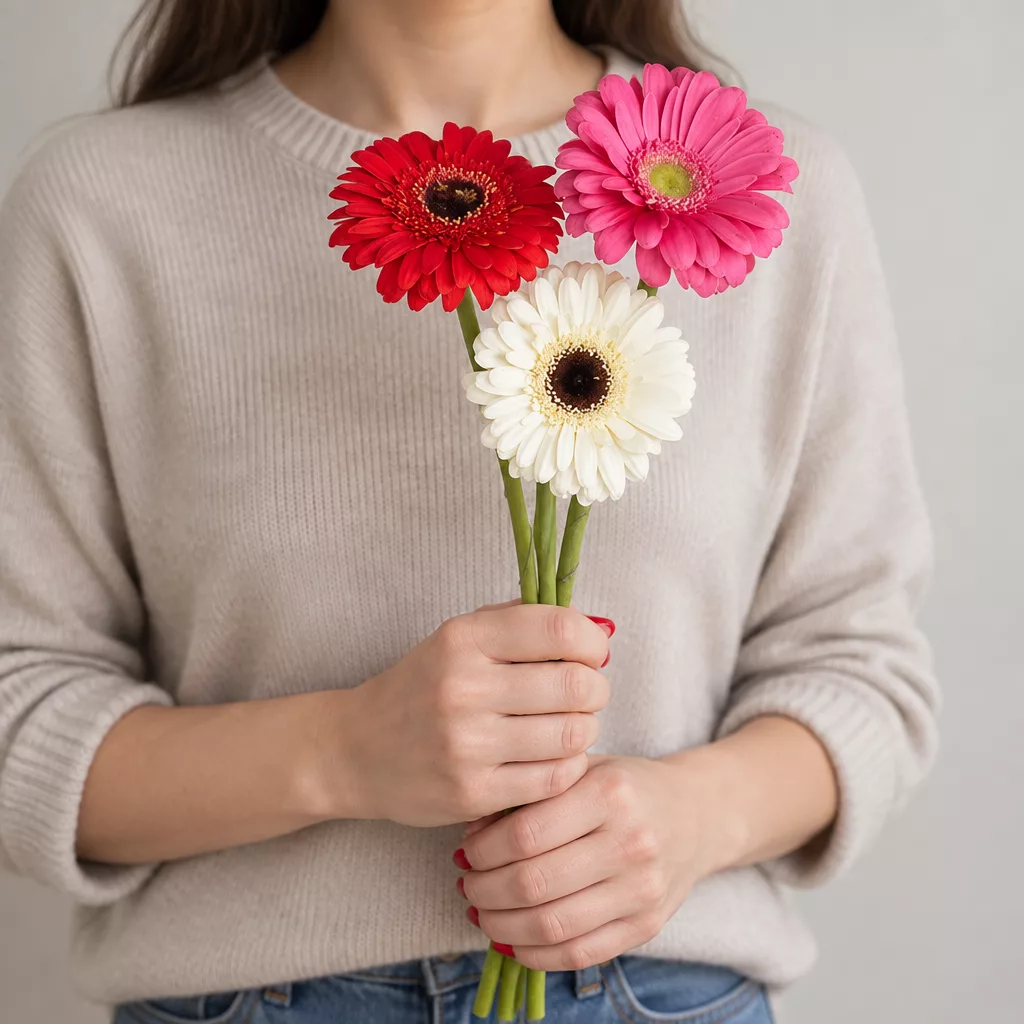
Bouquets we can deliver

Timing Your Order for the Right Moment
The standard delivery window in Ishim is one to two hours from the moment you confirm your order. That window holds for most of the working day, from morning until early evening. If you need the bouquet to arrive at a precise time — the start of a birthday dinner, the end of a work meeting — choose the scheduled delivery option and specify your preferred one-hour slot. Florists prepare the arrangement close to dispatch time so petals are not sitting in a box for hours before they reach your recipient.
Early morning orders, placed before ten o'clock, tend to be the smoothest. The city is quieter, traffic around the central market area is lighter and your recipient is more likely to be home. Lunchtime orders are also reliable. Late evening delivery is available but depends on order volume that day, so if the occasion is time-sensitive, morning is always the safer choice.
One mistake people make is ordering for a surprise and then not warning the recipient to stay home. In Russia it is perfectly normal to call ahead and say only that 'something is coming' without spoiling what it is. The courier will ring the doorbell and wait, but cannot leave a bouquet of roses on a doorstep in winter — the frost would ruin them within minutes. A quick message that someone should be home between noon and two saves the whole surprise.
What the Ishim Climate Means for Your Flowers
Ishim has a sharply continental climate. Winters are long and genuinely cold, with temperatures regularly dropping to minus twenty-five degrees Celsius or colder between December and February. Summers are short but can be surprisingly warm, reaching thirty degrees in July. Both extremes affect flowers in ways that are worth knowing before you order.
In winter, every bouquet leaving our workshop is wrapped in insulating kraft paper and placed in a thermal sleeve for the journey. Roses and tulips are especially sensitive to frost: even five minutes of exposure at minus fifteen can blacken the outer petals irreversibly. Our couriers move quickly between the van and the door, and the packaging is designed to protect the flowers through that brief exposure. When your recipient unwraps the bouquet indoors, the flowers need fifteen to twenty minutes at room temperature before they fully open — do not place them directly on a cold windowsill.
In summer the risk reverses. Heat causes stems to drink water faster and petals to wilt if the van is not climate-controlled. We schedule summer deliveries to avoid the hottest part of the afternoon when possible. If you are ordering for a July or August birthday, morning delivery is genuinely the better choice for flower quality. Spring and autumn in Ishim are transitional and unpredictable — a warm April day can turn frosty by evening — so seasonal wrapping stays in place until late May.
Choosing the Right Flowers for the Occasion
Start with the recipient, not the flower. A grandmother celebrating her seventieth birthday in Ishim will likely love a lush, traditional arrangement: spray chrysanthemums, alstroemeria and a few garden roses in soft pinks and creams. That combination holds well in Russian interiors, which tend to be warm and sometimes dry, and chrysanthemums in particular last ten to fourteen days in a vase with proper care. A younger colleague turning thirty might appreciate something more contemporary — a monobouquet of Dutch tulips in a single strong colour, or a loose arrangement of lisianthus that reads as modern without being cold.
For romantic occasions, roses remain the classic choice in Russia and for good reason: they carry clear meaning and arrive beautifully. Odd numbers are traditional in Russia for living recipients — three, five, seven, eleven — while even numbers are associated with mourning, so a bouquet of ten roses would feel subtly wrong to a Russian recipient even if they could not explain why. If you are ordering from abroad and unfamiliar with this custom, simply choose an odd quantity and you will be perfectly in step with local feeling.
Mixed bouquets work well when you are unsure of preferences. Combining a focal flower like a garden rose or a peony with supporting textures — waxflower, eucalyptus, pittosporum — gives the arrangement depth and makes it look considered rather than thrown together. Tell us the occasion and we will balance the composition.
Seasonal Availability and What Grows When
Ishim does not have a large local cut-flower growing industry, so most flowers arrive from growers in the Netherlands, Ecuador and Colombia via the main distribution hubs in Moscow and Tyumen. This means seasonal availability follows global growing calendars more than local ones, but there are still patterns worth knowing.
Peonies are available from roughly May through July and are enormously popular for spring and early summer birthdays. They travel well when bought in tight bud and open gradually over several days in the vase, which makes them a generous gift. Ranunculus, with their layered petals that resemble a small cabbage rose, peak in spring and are worth requesting if you are ordering between March and May.
In autumn, dahlias appear and are excellent for September and October occasions — their warm oranges, burgundies and deep pinks suit the season perfectly. Sunflowers are available almost year-round through imports but feel most natural in summer arrangements. Amaryllis and paperwhite narcissus come into their own in December and January, making them a strong choice for New Year celebrations, which in Russia are the biggest gift-giving occasion of the year, larger in many households than any other holiday.
If you have a specific flower in mind that is out of season, ask at the time of ordering. We can often source it with a day's notice, or suggest something with a similar character that is fresher and will last longer in the vase.
Presentation, Packaging and What Arrives at the Door
A bouquet is not just flowers — it is the first thing your recipient sees when they open the door, and that moment matters. Every arrangement from Turboflora is assembled by hand, with stems cut at an angle under water to maximise uptake, and leaves stripped below the waterline to prevent bacterial rot in the vase. The wrapping is chosen to suit the flowers: loose, airy kraft paper for large garden roses that need space; tighter cellophane-and-ribbon wrapping for compact tulip bouquets that benefit from support.
You can add a handwritten card at checkout. In Russia it is common to write warm, direct messages — 'I am proud of you', 'you make every room better' — rather than the more restrained phrasing common in northern Europe. If you are unsure what to write, keep it simple and sincere. A single honest sentence means more than a formal paragraph.
For birthdays and anniversaries, a box arrangement — flowers laid in a flat gift box rather than a traditional bouquet — has become very popular in Russian cities over the past several years. It photographs beautifully, which matters in an age when recipients often share the moment on social media, and it is easier to carry indoors without spilling water. Ask for a box format when you order if this appeals to you. The flower selection for boxes overlaps almost entirely with traditional bouquets, so you are not limiting your choices by choosing this format.
Caring for the Bouquet After Delivery
The florist's work ends at the door; the recipient's begins the moment the bouquet comes inside. A few simple steps make the difference between flowers that last four days and flowers that last ten or more. First, re-cut the stems by about two centimetres at a forty-five degree angle as soon as possible after unwrapping. Use a sharp knife rather than scissors, which can crush the stem tissue and reduce water uptake. Do this under running water or in a bowl of water so no air bubble enters the cut stem.
Fill a clean vase with cool water — not ice-cold, not warm — and add the flower food sachet included with the delivery. That sachet contains a sugar source for nutrition and a mild antibacterial agent; it is not decorative and genuinely extends vase life. Change the water every two days and re-cut the stems each time. Remove any leaf or petal that falls below the waterline immediately, as decomposing plant matter clouds the water and shortens the life of the remaining flowers.
Keep the bouquet away from direct sunlight, radiators and fruit bowls. Ripening fruit releases ethylene gas, which accelerates petal drop in roses and tulips noticeably. In Ishim's heated winter interiors, which tend to be quite dry, placing the vase in a slightly cooler room overnight — a hallway or a kitchen with the window slightly open — can add two or three extra days of bloom. It is a small habit that experienced flower lovers swear by.
Sending flowers to Ishim is straightforward when you know what to expect from the climate, the timing and the local customs. The city may be far from Saint Petersburg, but a well-packed bouquet of fresh roses or peonies travels that distance in good condition and arrives as a genuine expression of care. Choose with the recipient in mind, order in the morning when timing matters, and pass along the care tips — your flowers will reward the effort and so will the person who receives them.
Frequently asked questions
Can I order flower delivery to Ishim on the same day?
Yes, same-day delivery is available for orders placed during operating hours. The standard window is one to two hours from confirmation. For a specific arrival time, use the scheduled delivery option at checkout and select your preferred slot. Morning orders tend to move fastest, especially on weekdays when the city centre is less congested.
What happens to the flowers if my recipient is not home when the courier arrives?
The courier will call the recipient before arrival. If no one answers and there is no safe indoor location to leave the bouquet, we will contact you to arrange a second delivery attempt or an alternative address. Leaving flowers outside in Ishim's winter temperatures is not an option we take, as even brief frost exposure damages petals permanently.
Why do Russian bouquets always seem to have an odd number of flowers?
This is a long-standing tradition across Russia and much of Eastern Europe. Odd numbers — three, five, seven, eleven — are given to living recipients as a celebratory gesture, while even numbers are associated with mourning and funerals. Most Russian recipients notice the count instinctively, so we always assemble bouquets in odd quantities unless you specifically request otherwise.
Which flowers last longest in Ishim's dry winter interiors?
Chrysanthemums, alstroemeria and carnations are the most resilient in heated, dry indoor environments and can last two weeks or more with proper care. Roses and tulips are slightly more demanding but still perform well if stems are re-cut regularly and water is changed every two days. Avoid placing any bouquet near a radiator, which dries petals rapidly.
Can I include a personalised card with my flower delivery to Ishim?
Yes, a handwritten card option is available at checkout. You type the message and we write it by hand before dispatch. There is no strict word limit but shorter, warmer messages tend to land better. If you are ordering from outside Russia and unsure of the tone, a direct and sincere sentence in any language works perfectly well.
Ready to send flowers?
Pick the city, choose the bouquet, and a local florist takes it from there.
Choose a city →