Sending Flowers to Ivanteevka? Here Is Everything You Need to Know
Ivanteevka sits northeast of Moscow, close enough to the capital that a morning order can become an afternoon surprise on someone's doorstep. Whether you are marking a birthday, celebrating a new job or simply saying thank you to someone who lives there, getting fresh flowers to Ivanteevka is more straightforward than most people expect — as long as you know what to ask for, when to order and how to keep the bouquet looking its best once it arrives.
Which Parts of Ivanteevka We Reach and Why It Matters
Ivanteevka is a compact city, but its residential districts spread in ways that can surprise first-time senders. The central streets around Pervomayskaya and the older Soviet-era blocks near the Klyazma River are our most frequent delivery addresses. Newer residential complexes on the eastern edge of the city, including the areas around Detskiy and Zheleznodorozhnaya streets, are equally reachable within the standard delivery window.
When you place an order, the address you provide shapes everything: access to certain courtyards requires a gate code, and some newer buildings have concierge desks that need advance notice. Sharing these details in the order comments saves time and ensures the courier does not stand outside in cold or heat while the flowers wait.
Ivanteevka is also a city where many residents live in multi-entrance buildings without clear signage. A flat number alone is rarely enough. Include the entrance number, the floor and a working phone number for the recipient — or for yourself if the delivery is a surprise. Our couriers are experienced with exactly these situations and will always call before arriving so nothing is missed.
The surrounding villages and garden communities adjacent to Ivanteevka, such as the dacha settlements along the Klyazma corridor, may fall outside the standard zone. If you are sending to an address that feels rural or has no street number, contact us directly before ordering so we can confirm coverage and give you an honest answer.
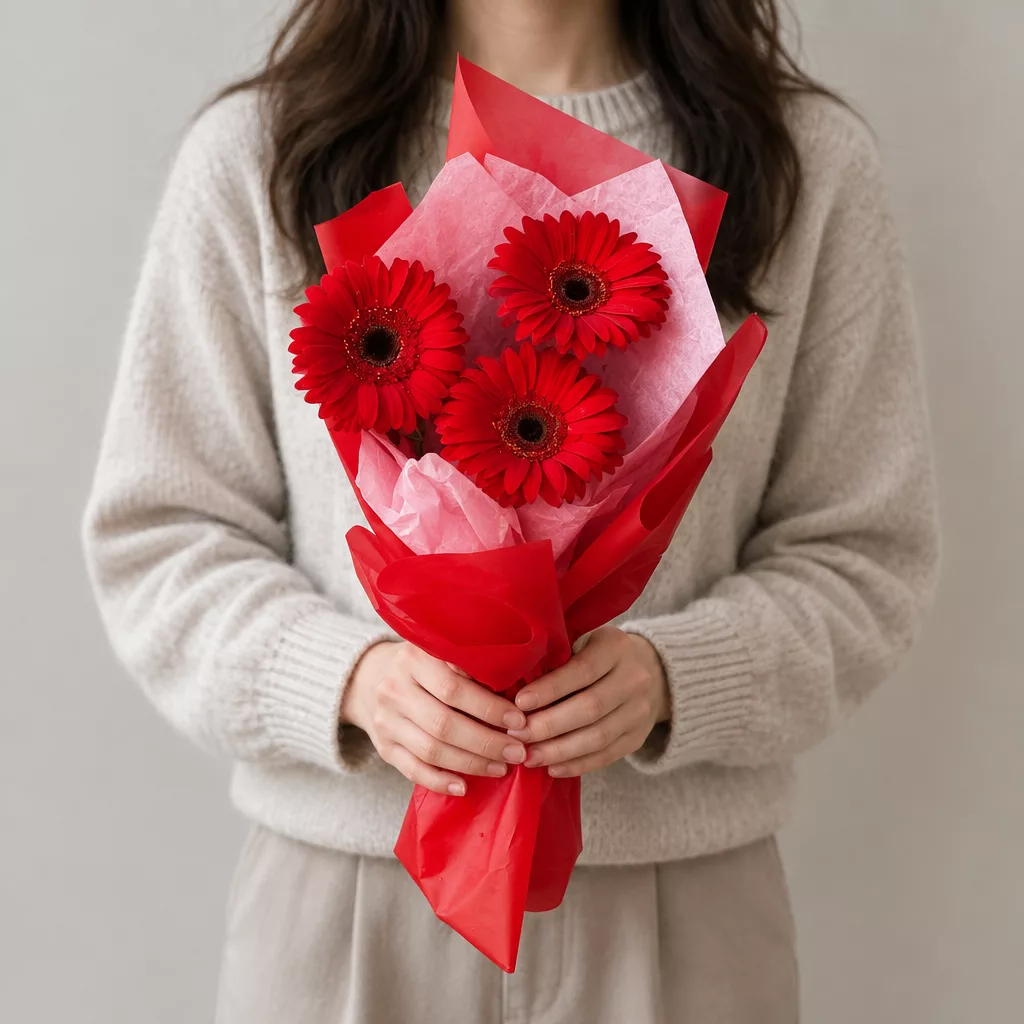
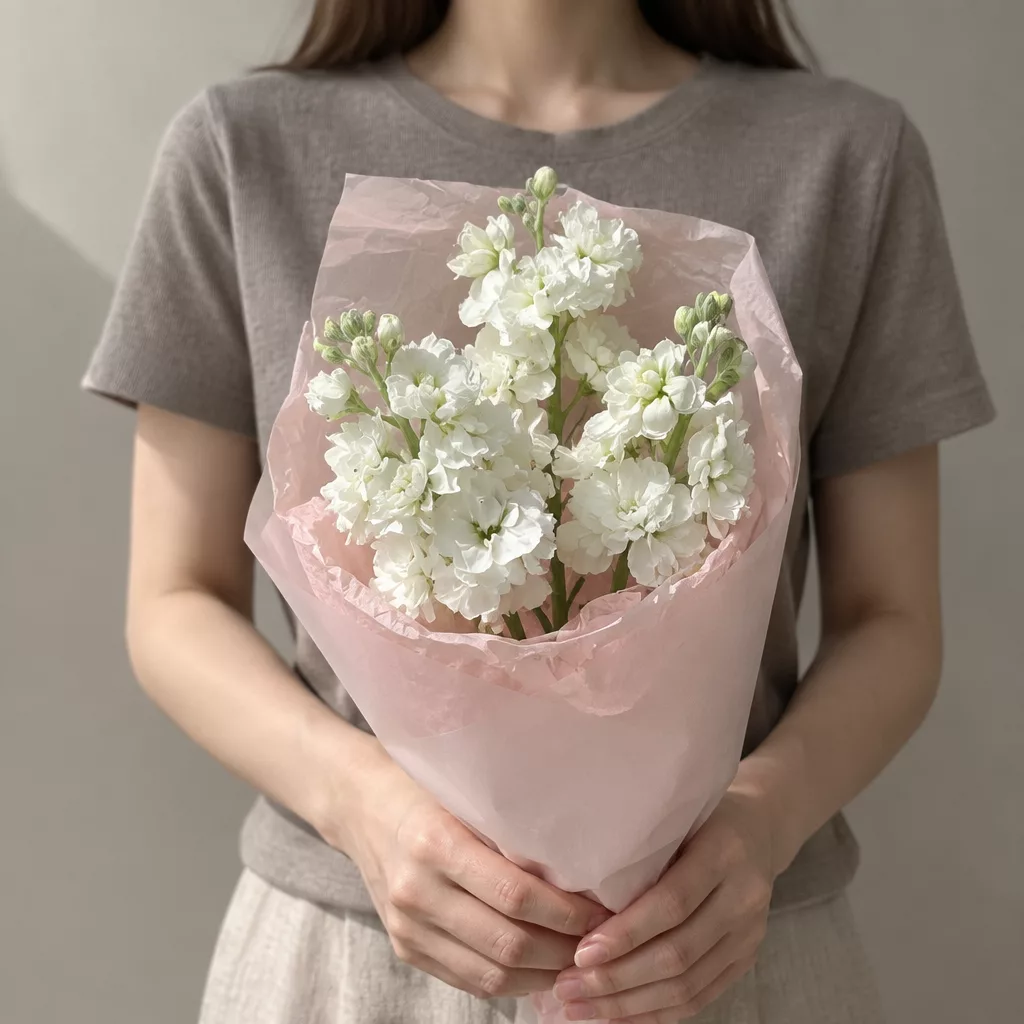
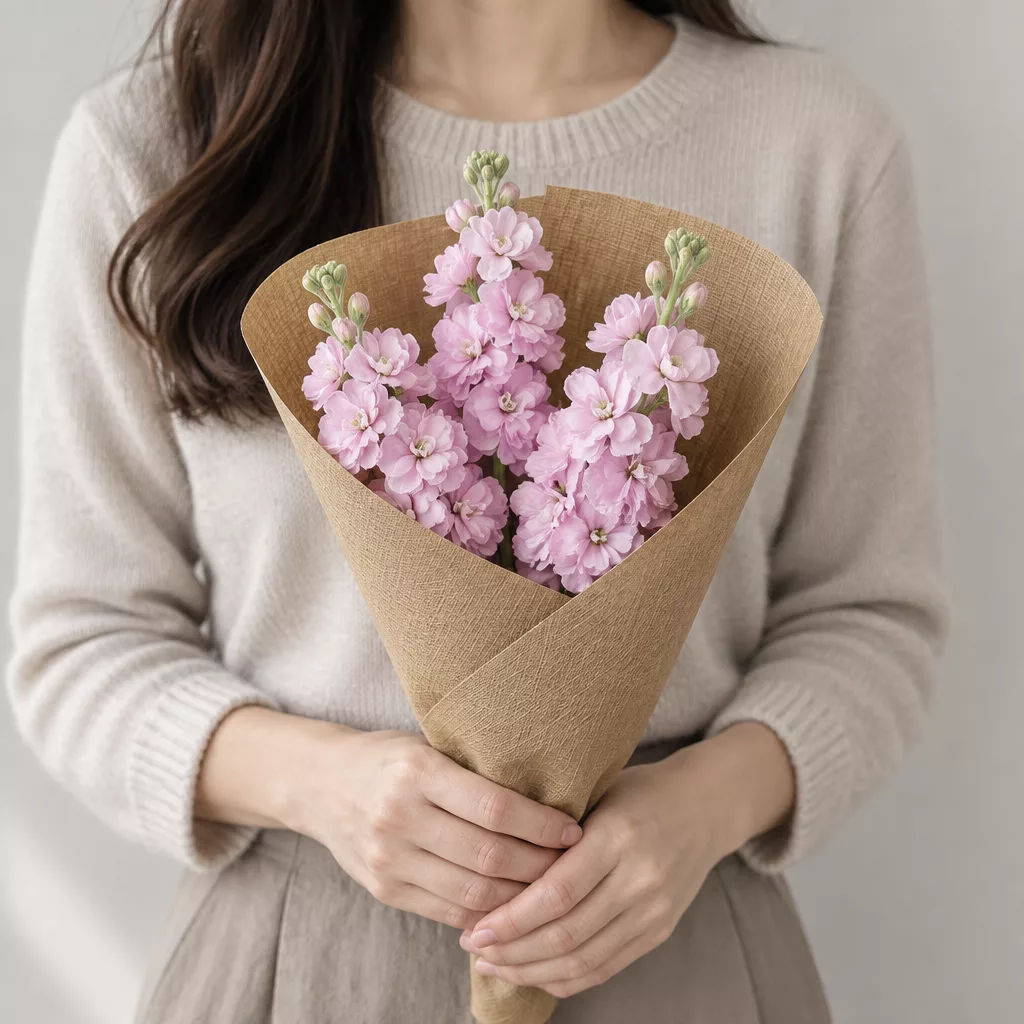
Bouquets we can deliver

Timing Your Order: When to Place It for the Best Result
The 1–2 hour delivery window we offer is a real commitment, not a marketing phrase. It applies to orders placed during working hours when our florists have the bouquet assembled and ready to hand to a courier without delay. For Ivanteevka specifically, the route from Saint Petersburg involves logistics planning, so same-day delivery to this region works on a scheduled dispatch model rather than an instant courier pickup.
The safest approach is to order the evening before or early in the morning of the date that matters. This gives us time to source the exact flowers you want, assemble the arrangement at peak freshness and schedule the courier so arrival falls within the window you choose. Last-minute orders placed after midday for same-day delivery to Ivanteevka are sometimes possible, but availability of specific varieties cannot be guaranteed.
Seasonality affects timing in a practical way. In winter, roses and tulips travel well in cold conditions and actually benefit from the lower temperatures during transit. In July and August, heat is the real challenge: delicate flowers like sweet peas, ranunculus and garden-style dahlias are more vulnerable and need to reach the recipient quickly. Morning deliveries in summer are always preferable to afternoon ones for this reason.
If the occasion has a fixed time — a birthday dinner, a work anniversary celebration at a specific hour — tell us that time when ordering. We will schedule backward from that moment rather than forward from your order, which is the difference between flowers that arrive as a surprise and flowers that arrive after the moment has passed.
Choosing Flowers for Someone You Know in Ivanteevka
The best bouquet is always the one that fits the person, not just the occasion. For a colleague or a professional acquaintance, a clean arrangement of white or blush spray roses combined with eucalyptus reads as polished and thoughtful without being overly personal. For a close friend or a mother, you have more room to be expressive: peonies in season, garden roses in peachy tones or a mixed arrangement with ranunculus and anemones all communicate warmth and care.
Russian gifting culture has one convention worth knowing if you are unfamiliar with it: flowers are traditionally given in odd numbers. A bouquet of five, seven or eleven stems is the norm for a celebration. Even numbers are associated with mourning, so a bouquet of ten roses, however beautiful, can feel jarring to a Russian recipient. This is one of those small details that makes a real difference.
For romantic occasions, red roses remain the classic choice and they are genuinely appreciated rather than seen as a cliché. A single variety done well — thirty red Naomi roses tightly wrapped in kraft paper with a satin ribbon — is often more striking than a mixed bouquet trying to do too many things at once. If you want something less expected, deep burgundy calla lilies or a monochrome arrangement of lavender lisianthus can be equally romantic without following the obvious path.
Children's celebrations in Ivanteevka, such as a school graduation or a recital, typically call for bright, cheerful arrangements: sunflowers, gerberas in orange and yellow, or mixed meadow-style bouquets that feel joyful rather than formal.
Budget and What Each Range Actually Gets You
Understanding what different budget levels deliver in practice helps you set expectations and make a confident choice. Entry-level arrangements typically feature one or two flower varieties — chrysanthemums, alstroemeria or standard carnations — presented simply but cleanly. These are reliable, long-lasting flowers that travel well and look fresh on arrival. They are a perfectly respectable choice for a neighbour, a distant relative or a casual thank-you.
Mid-range budgets open the door to Dutch roses, spray roses, hypericum berries and foliage like ruscus or pittosporum that give a bouquet structure and a professional finish. At this level you can request a specific colour palette and expect the florist to work within it rather than selecting whatever is available. A mid-range bouquet for a birthday or anniversary feels considered and generous without being extravagant.
At the upper end, you are working with premium varieties: garden roses such as David Austin types, peonies when in season from May through June, Ecuadorian roses with their notably large heads, or orchid stems woven into a structured arrangement. These flowers have shorter vase lives in some cases — peonies last five to seven days at their peak — but the visual impact on arrival is significant. For a milestone birthday, a wedding anniversary or a meaningful thank-you, this range communicates real intention.
One practical note: adding a small jar of flower food to your order is worth doing regardless of budget. It extends vase life by several days and costs almost nothing relative to the bouquet itself. Think of it as the last ten percent of the gift.
How Temperature and Season Shape What Arrives
Flowers are living things and the conditions during transit affect how they look and how long they last. Ivanteevka experiences cold winters with temperatures regularly dropping below minus ten degrees Celsius, and warm summers where July afternoons can reach thirty degrees. Both extremes require different handling, and understanding this helps you choose wisely.
In winter, most cut flowers actually travel well. Roses, tulips, alstroemeria and chrysanthemums tolerate cold transit without damage when properly wrapped. The risk is not the cold itself but the transition from cold air to a warm interior: a bouquet pulled from a cold courier bag into a heated apartment needs a few minutes to adjust before being unwrapped. Unwrapping immediately in a very warm room can cause condensation and accelerate wilting. Tell the recipient to let the bouquet rest for five minutes before opening the wrapping.
In summer, the challenge reverses. Heat accelerates the opening of blooms and shortens vase life. A peony that would last seven days in a cool room may open fully within two days in a warm apartment. For summer deliveries, we recommend choosing flowers that handle heat with more resilience: sunflowers, alstroemeria, standard roses and tropical varieties like anthuriums. Avoid ordering delicate open-headed flowers like garden roses or sweet peas for afternoon summer delivery if you want them to look their best for more than a day.
Spring and autumn are the most forgiving seasons for flower delivery. Moderate temperatures mean the bouquet travels in near-ideal conditions, and seasonal flowers like tulips in March or chrysanthemums in September are at their freshest and most affordable during these months.
What Happens After the Bouquet Arrives
A beautiful bouquet can last two to three days or ten to twelve days depending entirely on what happens after it reaches the recipient. The first thirty minutes are the most important. The stems should be cut at an angle under running water — not just trimmed straight across — because the diagonal cut increases the surface area drawing water and prevents the stem sitting flat against the bottom of the vase, which would block absorption.
The water in the vase matters more than most people realise. Tap water in many Russian cities, including the Moscow region, is treated and fine for flowers, but it should be changed every two days. Each time the water is changed, trim another centimetre from the stems. This keeps the uptake channels open and removes the bacterial buildup that is the main cause of early wilting.
Keep the vase away from direct sunlight, radiators and fruit bowls. Ripening fruit releases ethylene gas, which accelerates the aging of cut flowers significantly. A cool spot — a windowsill away from direct sun in winter, or a shaded corner in summer — extends vase life noticeably.
Different flowers in a mixed bouquet age at different rates. Alstroemeria and chrysanthemums are the last to go. Roses and tulips are in the middle. Anemones and ranunculus are the most delicate and will drop first. Removing spent blooms as they fade keeps the remaining flowers looking fresh rather than letting the whole arrangement look tired because of a few wilted stems. A little daily attention turns a good bouquet into one that lasts.
Making the Delivery a Moment, Not Just a Transaction
Flowers arrive with more impact when the presentation is thought through. The wrapping we use is chosen to protect the bouquet during transit, but it also sets the tone when the recipient opens the door. A kraft paper wrap tied with a ribbon reads as artisan and warm. A clear cellophane wrap shows the flowers immediately and works well for bold, colourful arrangements where the visual impact is the point. If you have a preference, mention it in the order notes.
A handwritten card makes a significant difference. In Russian culture, a personal note — even a few words — is taken seriously and often kept. If you are sending from abroad or are not confident writing in Russian, writing in English is completely fine; many recipients in Ivanteevka, particularly younger ones, will appreciate it and the gesture communicates regardless of language.
For surprise deliveries, coordinate carefully. The courier will call the recipient before arriving, which is standard practice for safety and access reasons. If the delivery is a surprise, you can ask us to call you instead so you can meet the courier or give access instructions. Alternatively, arrange for someone at the address — a family member or a neighbour the recipient trusts — to receive the bouquet without revealing the sender.
Small additions to the bouquet, such as a box of chocolates, a candle or a small potted plant alongside the cut flowers, are options worth considering for milestone occasions. A potted orchid paired with a bouquet of roses, for example, gives the recipient something that lasts long after the cut flowers have finished — a lasting reminder of the occasion rather than just a beautiful moment.
Sending flowers to Ivanteevka is genuinely straightforward when you plan a step ahead, choose varieties suited to the season and give the recipient the simple care information they need to enjoy the bouquet at its best. The distance is handled, the logistics are managed and the flowers arrive fresh. What makes the difference is the thought you put into the choice — the right colours for the right person, the right timing for the right moment — and that part only you can provide.
Frequently asked questions
Can I send flowers to Ivanteevka on the same day I order?
Same-day delivery to Ivanteevka is possible for orders placed in the morning during working hours. Orders placed after midday may still qualify depending on availability, but we recommend ordering the evening before for guaranteed same-day arrival and the widest choice of flower varieties.
Why do Russian bouquets always have an odd number of flowers?
In Russian tradition, even numbers of flowers are associated with mourning and are brought to funerals. For any celebration or gift, an odd number — five, seven, eleven or more — is the cultural norm. Our florists follow this automatically, so you do not need to count or specify unless you have a particular number in mind.
What if the recipient is not home when the courier arrives?
Our courier will call the recipient before arriving. If there is no answer, they will contact you as the sender. We can leave the bouquet with a neighbour or a concierge if you authorise this in the order notes. We do not leave bouquets unattended outside a building entrance.
Which flowers last the longest after delivery in summer?
Alstroemeria, chrysanthemums and standard roses handle summer heat the best and typically last seven to ten days with proper care. Sunflowers and tropical varieties like anthuriums are also reliable in warm conditions. Avoid ordering open, delicate flowers like ranunculus or sweet peas for summer afternoon deliveries if longevity matters.
Can I request a specific colour palette rather than a specific flower?
Absolutely, and this is often the better approach. Telling us you want soft blush and white tones, or bold orange and yellow, gives our florists the flexibility to use the freshest varieties available that day within your palette. The result is usually more cohesive and seasonally appropriate than specifying individual flowers by name.
Ready to send flowers?
Pick the city, choose the bouquet, and a local florist takes it from there.
Choose a city →