Sending Flowers to Kachkanar? Here Is What to Expect
Kachkanar sits in the middle Urals, a city with its own rhythm and its own weather — and when you want to send someone there a bouquet that actually arrives fresh and beautiful, you need a florist who understands both. Whether you are surprising a partner on a birthday, congratulating a colleague on a promotion, or simply telling a friend far away that you are thinking of them, the flowers should feel like a warm gesture, not a logistical gamble. Here is everything you need to know before you place your order.
Getting Flowers to Kachkanar: Coverage and Delivery Zones
Kachkanar is a compact city, but its neighbourhoods spread across hilly terrain, which means address accuracy matters more than it might in a flat, grid-plan city. When you place an order with Turboflora, it helps to include not just the street and building number but also the entrance number and floor, especially for Soviet-era apartment blocks where multiple entrances can add ten minutes to a courier's search.
Delivery covers the central residential districts as well as areas closer to the industrial outskirts. If the recipient lives in a more remote part of town or in a nearby settlement, it is worth mentioning that in the order notes so the team can plan the route and confirm the timing with you.
Kachkanar is not a short drive from major logistics hubs, so Turboflora plans each delivery window carefully. The city's road network is manageable in clear weather, but the Ural winter introduces variables — ice, reduced visibility and slower safe driving speeds. Building extra time into your order during November through March is simply good planning, not pessimism. When you receive a delivery window confirmation, that window already accounts for local conditions on that day.
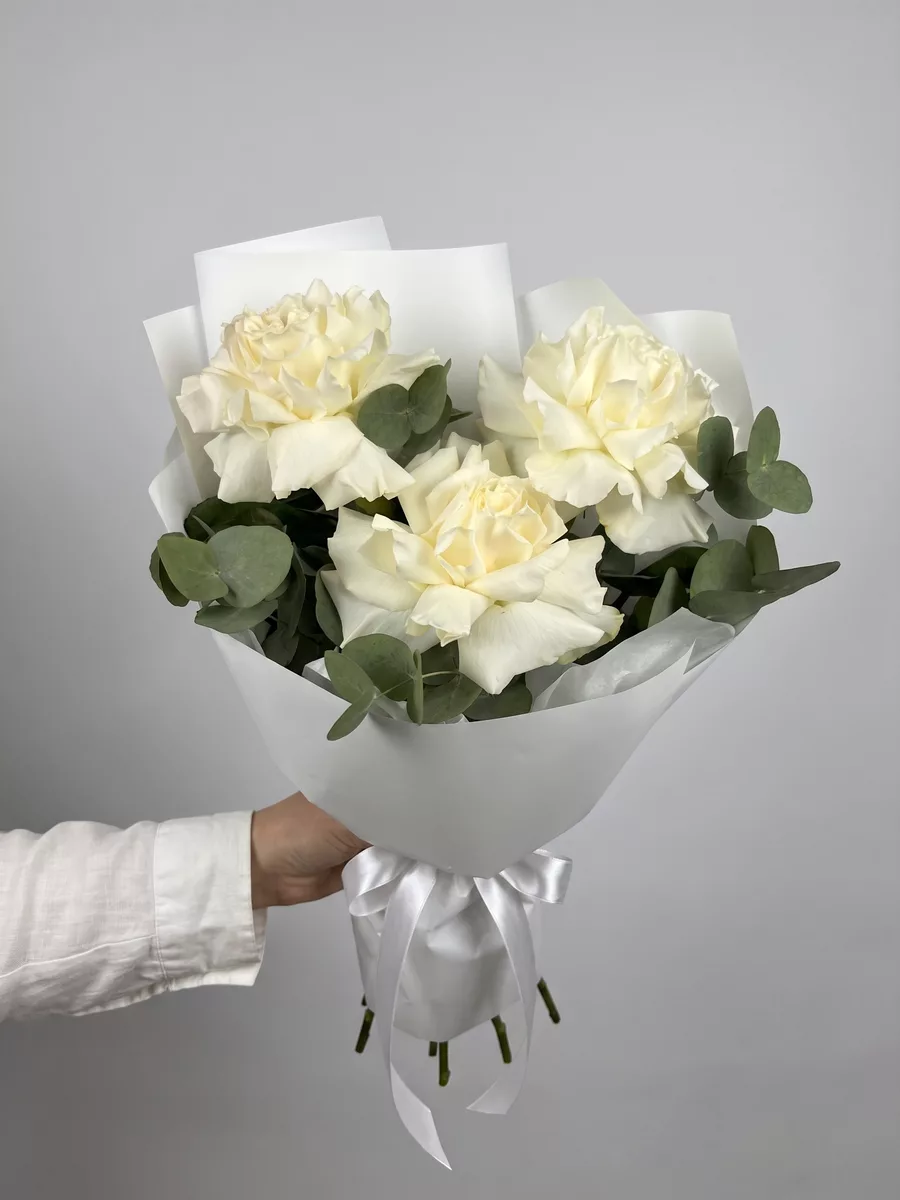
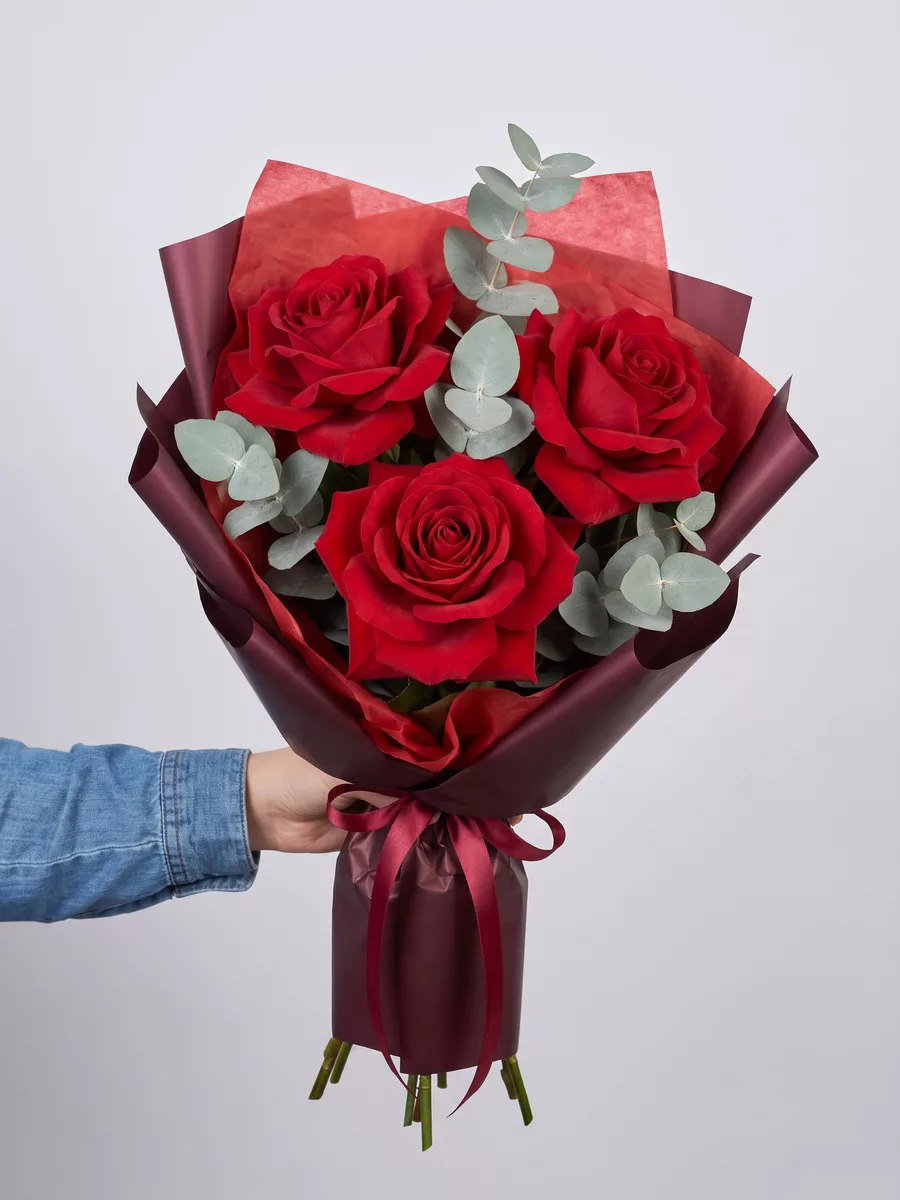
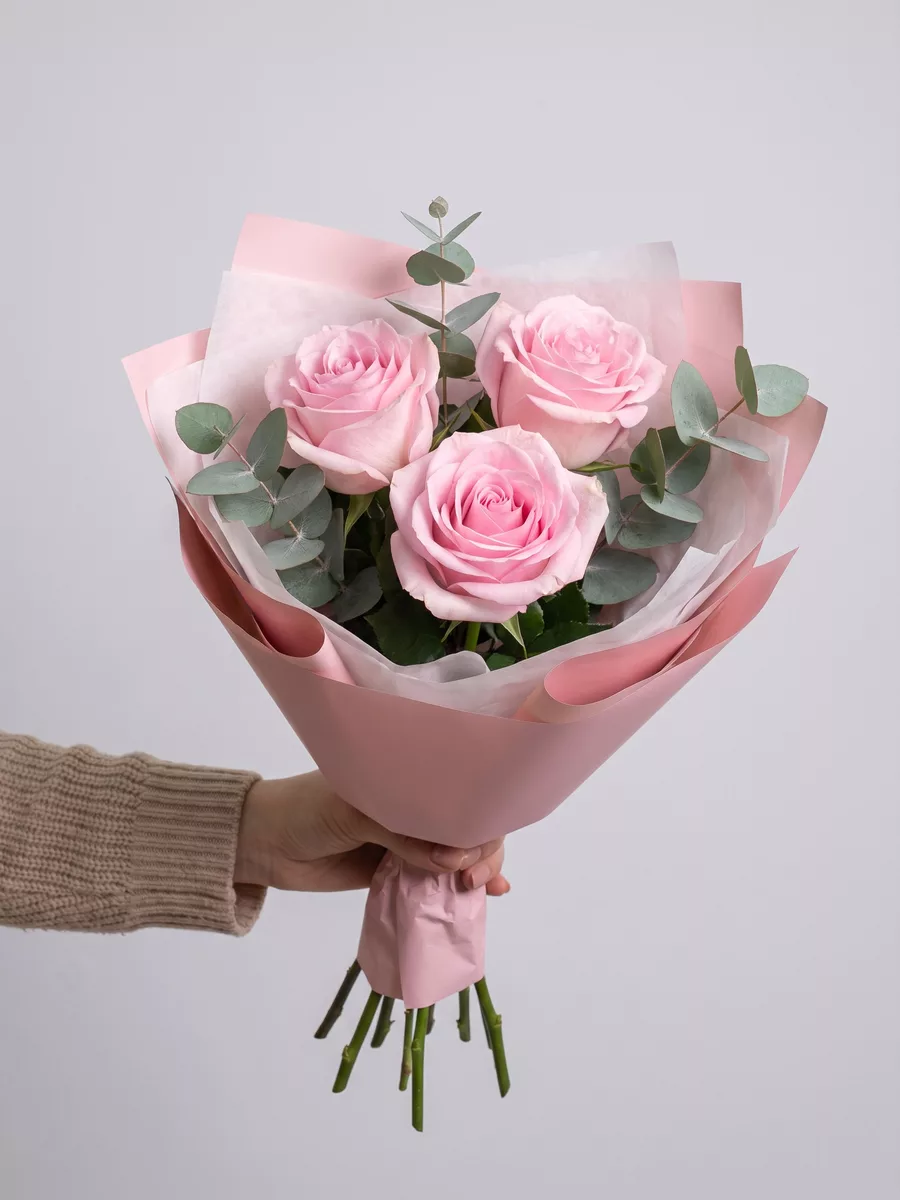
Bouquets we can deliver

Timing Your Order: Same-Day and Scheduled Delivery
Turboflora's standard promise is delivery within one to two hours of order confirmation, and that applies to Kachkanar as it does to Saint Petersburg. The key phrase is 'order confirmation' — the clock starts once the florist has confirmed stock, assembled the bouquet and handed it to the courier, not the moment you click the button on the website.
For same-day delivery, placing your order before noon gives you the most flexibility. Orders placed in the afternoon can still be fulfilled the same day, but the later you order, the narrower the window becomes for adding any special requests — a particular ribbon colour, a handwritten card with a longer message, or a specific flower variety that needs to be sourced.
Scheduled delivery is often the smarter choice when you know the occasion in advance. You can choose the date and a preferred time slot, and the florist prepares everything so the bouquet leaves the shop at exactly the right moment. This is especially useful for morning surprises — a bouquet waiting at the door before a birthday breakfast is a different kind of gift than one arriving mid-afternoon. It is also the safer option around Russian public holidays such as March 8th, when demand spikes sharply and same-day slots fill quickly across all delivery cities.
Choosing Flowers for the Kachkanar Climate
The Urals have a continental climate: summers are warm but short, winters are long and genuinely cold, and the transition seasons — particularly autumn — can bring frost earlier than you might expect. This matters because flowers in transit are sensitive to temperature extremes, and a bouquet that travels through minus fifteen degrees without proper insulation will arrive with blackened petals and limp stems.
Turboflora wraps cold-weather deliveries in insulating kraft paper and uses thermal packaging when temperatures drop below minus five. That said, some flowers handle cold better than others. Roses, particularly varieties with dense petals like spray roses, are more resilient than open-faced gerberas. Chrysanthemums and alstroemerias are genuinely cold-tolerant and arrive looking sharp even after a winter journey. Tulips, on the other hand, open fast in warm rooms — in Kachkanar's heated interiors, a tulip bouquet can go from bud to full bloom within twenty-four hours, which is delightful if the recipient knows to expect it.
In summer, the challenge reverses. Heat wilts delicate flowers quickly, so the courier's route timing becomes critical. Peonies and ranunculus, which are at their most beautiful in late spring and early summer, need to travel in the coolest part of the day. If you are ordering in July, morning delivery slots protect the flowers far better than a midday run.
What to Order for the Person and the Occasion
Start with the recipient, not the flower. A woman who keeps a minimalist home and tends to wear neutral colours will likely appreciate a monochromatic bouquet — all white lisianthus, or a single-variety arrangement of blush spray roses — more than a dense mixed bouquet in every colour. A person who loves their garden and talks about it constantly will respond to something that feels gathered rather than arranged: dahlias, cosmos and eucalyptus together read as a handful of flowers from a summer field.
For a birthday, volume and colour tend to read as celebratory. A bouquet with a central focal flower — a large-headed garden rose or a peony — surrounded by supporting textures like wax flower or ruscus feels generous without looking chaotic. For a work anniversary or professional congratulation, restraint signals respect: white or cream tones with clean green foliage carry the message without overwhelming a shared office space.
If the recipient is someone who does not usually receive flowers — a father, a male friend, a grandparent — the arrangement matters even more. A tight cluster of sunflowers, or a structured bunch of calla lilies with minimal wrapping, feels considered rather than fussy. Russian gift culture does value abundance, so a single stem can read as an afterthought; aim for at least five to seven stems even in a simple arrangement. The combination and the presentation do the emotional work that a single flower cannot.
Budget Ranges and What Each One Gets You
Thinking about budget before you browse makes the choice easier and avoids the frustration of falling in love with a bouquet that does not fit your plan. At the entry level, you are typically working with seasonal flowers in single varieties — tulips in spring, chrysanthemums in autumn, single-colour carnations year-round. These are not lesser flowers; a well-assembled bunch of fifteen white tulips tied with a wide satin ribbon is a genuinely beautiful gift. The key is that the florist focuses the budget on the flowers themselves rather than on elaborate wrapping or filler foliage.
In the mid range, you gain access to mixed compositions. This is where roses appear alongside supporting flowers like matthiola, wax flower or pittosporum, and where the shape of the bouquet becomes more deliberate — a dome, a cascading spiral, a hand-tied with visible stems. The presentation improves: kraft paper with a contrasting inner layer, a wider ribbon, a more substantial card envelope.
At a higher budget, the focal flowers change. Garden roses with quartered blooms, peonies during their short season, ranunculus, large-headed proteas or imported orchid stems become available. These flowers have shorter vase lives than workhorses like alstroemeria, but their visual impact is immediate and unmistakable. If you are sending something to mark a genuinely significant moment — a major birthday, a long-awaited achievement — the higher tier communicates that weight. The florist can also spend more time on the composition itself, balancing textures and heights in a way that a volume-driven arrangement does not allow.
What Happens When the Courier Arrives
Most recipients in Kachkanar, as in any Russian city, will receive their flowers at home. The courier calls or messages ahead — usually ten to fifteen minutes before arrival — so the recipient is not caught off guard. If the delivery is a surprise and the recipient should not know in advance, you can note this in the order and the courier will coordinate with you instead, calling the sender rather than the recipient.
If nobody answers the door, the courier will wait a reasonable time and attempt to reach the recipient by phone. Flowers cannot be left unattended outside in winter — they would freeze within minutes — and leaving them with a neighbour requires the recipient's prior consent in most buildings. If contact cannot be made, the order is rescheduled rather than abandoned, and the florist will prepare a fresh bouquet for the new delivery time.
The handover itself is simple. The courier presents the bouquet, the recipient signs or confirms receipt, and the card is included inside the wrapping. If you have added a message, it is printed or handwritten on a card tucked into the arrangement — not attached to the outside where it might get wet or lost. Russian recipients generally open gifts in private rather than immediately in front of the giver, so if you are watching via video call, do not be surprised if the bouquet is admired and then set aside to be arranged properly before the full reaction comes.
Keeping the Bouquet Fresh After Delivery
A bouquet that arrives in perfect condition can last anywhere from four days to two weeks depending on the varieties involved and how it is cared for. Giving the recipient a few simple instructions — either in a card or in a message — makes a real difference, especially if they do not regularly receive flowers.
The first step is recutting the stems. Even if the florist cut them fresh before assembly, stems seal over within a few hours. A diagonal cut with a sharp knife — not scissors, which crush the stem — opens the vascular tissue and lets the flower drink properly. Remove any leaves that would sit below the waterline in the vase; submerged foliage rots quickly and clouds the water, shortening the life of every stem in the bunch.
Fresh, cool water changed every two days is more effective than flower food sachets used incorrectly. The vase should be clean — bacteria from a previous arrangement will attack new stems within twenty-four hours. Keep the bouquet away from direct sunlight, radiators and fruit bowls; ethylene gas from ripening fruit accelerates petal drop in roses and tulips noticeably.
Alstroemerias and chrysanthemums routinely last ten to fourteen days with basic care. Roses vary by variety — a dense-petalled garden rose may open slowly and last a week and a half, while a thinner-petalled variety opens quickly and fades in five or six days. Tulips are short-lived but dramatic; enjoy them fully open rather than mourning when they drop. Knowing what to expect from each flower helps the recipient appreciate the bouquet at every stage rather than only when it is brand new.
Sending flowers to Kachkanar is less complicated than the distance might suggest, but it does reward a little thought — about the person, the season, the timing and the varieties that will survive the journey and the climate. When those details are handled well, what arrives is not just a bouquet but a genuine moment of warmth in someone's day. Turboflora takes care of the logistics so that the feeling is all that the recipient notices.
Frequently asked questions
Can I send flowers to Kachkanar the same day I order?
Yes, same-day delivery is available in Kachkanar. Orders placed before noon give the most flexibility for variety choice and timing. Later orders can still be fulfilled the same day, but it is worth confirming availability with the florist directly, especially during peak periods like March 8th or Valentine's Day when demand is high.
Will the flowers survive the cold during a winter delivery?
Turboflora uses insulating kraft wrapping and thermal packaging when temperatures drop below minus five degrees Celsius. Cold-tolerant varieties like chrysanthemums and alstroemerias travel particularly well. Delicate open flowers like gerberas are more vulnerable, so the florist may suggest hardier alternatives during the coldest months to ensure the bouquet arrives in good condition.
What if the recipient is not home when the courier arrives?
The courier calls ahead and waits a reasonable time. If there is no answer, the florist contacts you to arrange a new delivery slot and prepares a fresh bouquet for that time. Flowers are never left outside unattended in cold weather, as they would be damaged within minutes. You can also request that the courier call you rather than the recipient if the delivery is a surprise.
How many flowers should I order to make a good impression in Russia?
Russian gift culture values generosity, so a single stem can feel understated unless it is a very deliberate artistic choice. A minimum of five to seven stems reads as a considered gift. For birthdays and significant occasions, larger bouquets with a clear focal flower and supporting textures communicate the weight of the moment more effectively than a small arrangement.
Which flowers last the longest in a vase after delivery?
Alstroemerias and chrysanthemums consistently last ten to fourteen days with basic care — fresh water every two days, recut stems and a cool spot away from radiators and fruit. Roses vary by variety but average seven to ten days. Tulips are shorter-lived, typically five to seven days, but open dramatically and are worth enjoying at every stage rather than only when tightly budded.
Ready to send flowers?
Pick the city, choose the bouquet, and a local florist takes it from there.
Choose a city →