Flower Delivery in Kalach-Na-Donu: Timing, Bouquets and What to Expect
Kalach-Na-Donu sits quietly on the Don River, a city where a well-timed bouquet of fresh roses or a lush arrangement of peonies can say everything you cannot put into words. Whether you are sending flowers to a friend celebrating a birthday, a mother on a Sunday afternoon, or a colleague who just moved here, the experience of ordering from a distance raises real questions — will the flowers arrive fresh, how long will it take, and what should you choose for the occasion? This article answers all of that plainly, from someone who works with flowers every day.
Which Areas of Kalach-Na-Donu We Deliver To
Kalach-Na-Donu is a compact city, and that works in your favour when you are ordering flowers. Our delivery covers the central districts, the riverside neighbourhoods along the Don, the residential areas around Sovetskaya Street, and the outskirts including the private house zones near the dam and the industrial edge of the city. If you are unsure whether a specific address falls within range, the safest approach is to enter the full address at checkout — the system will confirm coverage immediately.
One thing worth knowing: Kalach-Na-Donu has a mix of Soviet-era apartment blocks and newer private homes, and the street numbering in some older quarters can be irregular. When you place an order, include not just the street and building number but also the apartment number, floor, and any entry code if the building has a locked door. This small detail prevents the most common delivery delay we see.
Delivery to offices, schools, cafes and public buildings is also possible during their working hours. If you are sending flowers to someone at work, note the recipient's schedule so the bouquet arrives while they are actually there. A surprise that sits at a reception desk for three hours loses some of its warmth. Coordinate timing carefully and the moment lands exactly as you imagined it.
Bouquets we can deliver

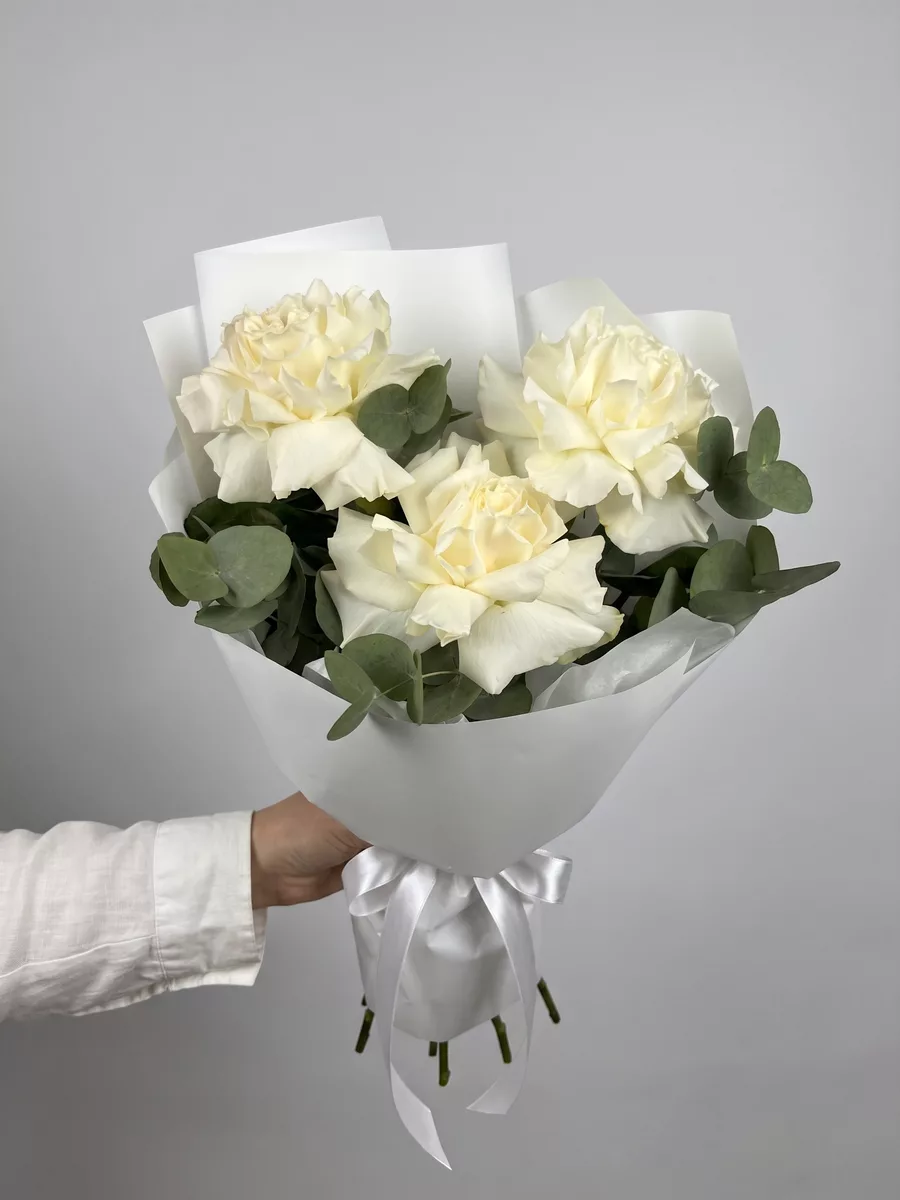
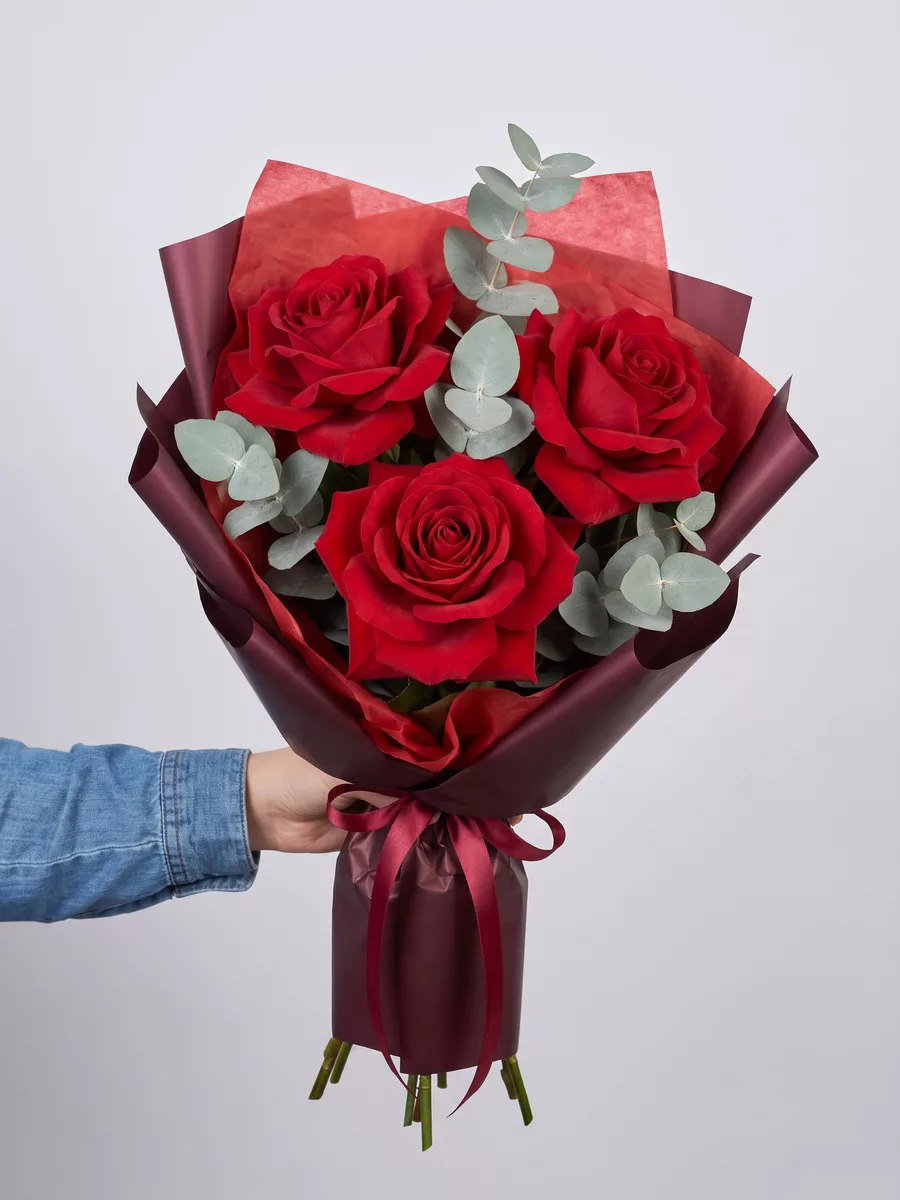
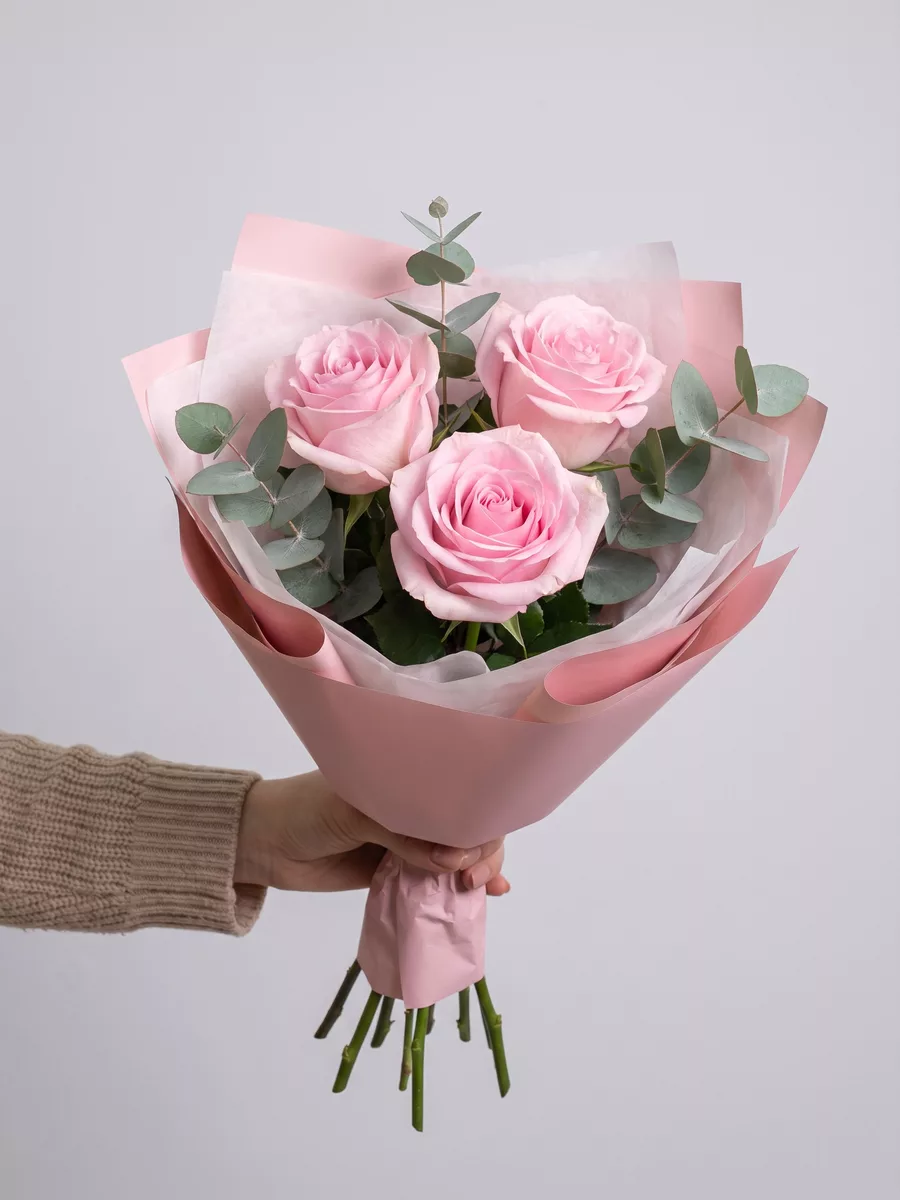
How Long Delivery Takes and When to Order
Our standard delivery window across Russia is one to two hours from the moment you confirm your order. In Kalach-Na-Donu this timeline holds for most central addresses during regular hours. If you are ordering for a specific moment — a birthday dinner starting at seven in the evening, for example — place the order at least two hours before that time to give the bouquet room to arrive and be presented properly.
Same-day delivery is available, and it is genuinely reliable for most occasions. The key is to order before the early afternoon if you want maximum flexibility in timing. Orders placed in the late evening will typically be scheduled for the first available slot the following morning, so if you need flowers for a midnight birthday surprise, plan a day ahead.
Seasonality affects timing in a practical way. Around major Russian flower holidays — March 8th, which is International Women's Day and the single biggest flower day of the year in Russia, and February 14th — demand rises sharply. On those dates we recommend ordering one to two days in advance. The same applies to graduation season in late May and early June, when sunflowers, spray roses and mixed seasonal bouquets move quickly. Outside those peaks, same-day ordering is straightforward and the one-to-two-hour window is consistent. The Don Valley summers are warm, so in July and August we take extra care with cooling during transit to protect delicate varieties like garden roses and sweet peas.
Choosing the Right Bouquet for the Person and the Moment
The best bouquet starts not with a flower name but with the person receiving it. Think about what they keep in their home — are there plants on the windowsill, a preference for simple things or for abundance? Someone who lives minimally will appreciate a clean, single-variety arrangement: a dozen white spray roses, or a bundle of eucalyptus branches with a few garden roses tucked in. Someone who loves colour and fullness will be delighted by a mixed bouquet combining ranunculus, alstroemeria and seasonal greenery.
For birthdays, warmth and celebration are the mood. Sunflowers paired with orange gerberas carry that energy naturally. Roses in warm tones — coral, peach, soft red — work for almost any age and any relationship. If you want something that feels more personal and less expected, a bouquet built around peonies in season or fragrant freesias tells the recipient you thought beyond the obvious choice.
For romantic occasions, red roses remain the classic in Russian culture and they are classic for a reason — they communicate clearly across any language barrier. But a thoughtful alternative is a bouquet of deep burgundy ranunculus mixed with dusty miller and white wax flower, which feels more intimate and less formulaic. For a new home, a potted arrangement or a bouquet of long-lasting chrysanthemums sends the message that you want something beautiful to stay with them. Always think about what the person will feel when they open the door and see what you sent.
Bouquet Options Across Different Budgets
A smaller budget does not mean a lesser gesture. Some of the most charming bouquets are built from three or five stems of a single beautiful variety — a trio of large-headed white roses with their natural foliage, or five stems of bright yellow freesias wrapped in kraft paper. The simplicity reads as intention, not economy, when the flowers are genuinely fresh and the presentation is clean.
In the mid range, combinations open up. This is where you can mix textures meaningfully: soft garden roses with the feathery lightness of gypsophila, or bold gerberas anchored by the deep green of ruscus leaves. A round, compact bouquet in this range feels substantial in the hand and photographs beautifully, which matters because the recipient will almost certainly take a picture to remember the moment.
At a higher budget, you are working with premium varieties and more generous volume. Large-headed Dutch roses, imported peonies when in season from April through June, or orchid stems combined with tropical foliage create arrangements that fill a room. For corporate occasions or significant milestones — a major anniversary, a retirement, a graduation — this level of bouquet signals that the sender understood the weight of the moment.
One practical note regardless of budget: avoid asking for a bouquet that looks expensive but is built from varieties with a short vase life. Carnations, chrysanthemums and alstroemeria last significantly longer than tulips or anemones at room temperature. If the recipient lives alone and may not tend flowers daily, choosing longer-lasting varieties is a kindness that extends the joy of your gift by several days.
What Happens to the Flowers During Transit in Different Seasons
Kalach-Na-Donu has a continental climate with genuinely hot summers and cold winters, and both extremes affect how flowers travel. In summer, when temperatures regularly climb above thirty degrees Celsius, we pack bouquets with moisture-retaining wrapping and use insulated packaging for transit. Delicate varieties like sweet peas, garden roses with open petals, and ranunculus are most vulnerable to heat and are handled with the most care during the warmest months.
In winter, the risk flips. Frost damage can happen in seconds if a bouquet is left on a doorstep or carried through cold air without protection. We wrap winter deliveries in protective sleeves and our couriers are instructed to hand bouquets directly to the recipient rather than leaving them unattended outside. If the recipient is not home, we will contact you to arrange a redelivery rather than leave flowers in freezing conditions.
Spring and autumn are the most comfortable seasons for flower transit in this region. March through May and September through October give flowers the best chance of arriving in peak condition, which is one reason spring bouquets — tulips in March, peonies in May — look so vivid when they arrive. The ambient temperature supports them.
What you can do on your end: ask the recipient to unwrap the bouquet promptly when it arrives, trim the stems at a diagonal under running water, and place the flowers in a clean vase immediately. These three steps, done within the first fifteen minutes of arrival, extend vase life more than any other single action.
Russian Flower Customs Worth Knowing Before You Order
If you are sending flowers to someone in Russia for the first time, a few cultural details will help you choose well. The most important one is the number of stems. In Russian tradition, even numbers of flowers are associated with mourning and are brought to cemeteries, while odd numbers are given to the living for celebrations. So a bouquet of eleven roses, thirteen tulips, or seven gerberas is the right instinct. This is not a rigid rule that every Russian follows, but it is widely felt, and an odd-numbered bouquet will always feel right to the recipient.
Colour carries meaning too, though less rigidly than the number rule. Yellow flowers were historically associated with separation or jealousy in Soviet-era culture, and some older recipients still hold that association. Younger Russians generally do not share this feeling, and yellow sunflowers or yellow roses are now popular and cheerful choices. If you are unsure of the recipient's age or sensibility, mixing yellow with other colours dissolves any ambiguity entirely.
Giving flowers without an occasion is completely normal and warmly received in Russia. You do not need a birthday or a holiday to send a bouquet — a Tuesday afternoon delivery just because you were thinking of someone is understood as a genuine expression of care. In fact, unexpected flowers on an ordinary day often land with more emotional impact than the expected bouquet on a named holiday. Do not wait for a reason if you feel like sending something beautiful.
How to Make the Flowers Last Once They Arrive in Kalach-Na-Donu
The vase life of a bouquet depends almost entirely on what happens in the first hour after it arrives. The single most effective action is re-cutting the stems. Use a sharp knife or scissors and cut at a forty-five-degree angle, removing about two centimetres from the bottom of each stem. Do this under running water or while the stems are submerged, which prevents air bubbles from blocking the water uptake channels inside the stem. This is the step most people skip, and it is the one that matters most.
Water temperature matters more than most people realise. Roses, gerberas and carnations prefer cool water — around fifteen to eighteen degrees Celsius. Tropical varieties like anthuriums and birds of paradise do better in slightly warmer water. Room temperature tap water is a reasonable default for mixed bouquets when you are unsure.
Keep the vase away from direct sunlight, radiators, and fruit bowls. Ripening fruit releases ethylene gas, which accelerates flower ageing noticeably — a bowl of apples sitting next to a bouquet of tulips will shorten their life by a day or two. Change the vase water every two days and re-trim the stems each time you do.
In Kalach-Na-Donu's warm summers, keep flowers in the coolest room in the home during the day. Spray roses and peonies particularly benefit from a cool overnight environment. With proper care, roses and chrysanthemums will last seven to ten days, alstroemeria up to two weeks, and gerberas five to seven days. Tulips are the shortest-lived at three to five days but are among the most dramatic while they last.
Sending flowers to Kalach-Na-Donu from anywhere in Russia is a straightforward, reliable thing to do when you know what to expect. The city is fully covered, the one-to-two-hour delivery window holds across most addresses, and the choice of flowers can be as simple or as considered as the occasion calls for. The things that make a bouquet land well — the right number of stems, a variety suited to the season, a clean vase and a fresh cut on arrival — are all within reach without any special knowledge. You just need to think about the person on the other side of the door, and the rest follows naturally.
Frequently asked questions
Can I order flowers to Kalach-Na-Donu on the same day?
Yes, same-day delivery is available for most addresses in Kalach-Na-Donu. Place your order before early afternoon for the widest choice of delivery times. Around major holidays like March 8th and February 14th, ordering one to two days ahead gives you more flexibility and ensures your preferred bouquet is available.
Why do bouquets in Russia always have an odd number of flowers?
Even numbers of flowers are traditionally associated with mourning in Russian culture and are brought to cemeteries rather than given as gifts. Odd numbers — seven, nine, eleven, fifteen — are for living recipients and celebrations. It is a widely held custom, especially among older generations, and choosing an odd number ensures your bouquet feels entirely appropriate to the recipient.
What flowers last the longest in a warm apartment in summer?
Chrysanthemums, alstroemeria and carnations are the most resilient in warm indoor conditions and can last ten to fourteen days with fresh water and regular stem trimming. Spray roses and gerberas are moderately long-lasting at five to seven days. Tulips and sweet peas are the most heat-sensitive and will fade fastest in a warm room during summer months.
Is it possible to include a card or personal message with the delivery?
Yes, you can add a personal message when placing your order and it will be included with the bouquet on a printed card. Keep the message warm and specific — a detail that only you and the recipient would share makes the card feel genuinely personal rather than a formality. The courier hands the card along with the flowers at the door.
What if the recipient is not home when the flowers arrive?
If the recipient is not available at the delivery address, we will contact you to arrange a suitable alternative. We do not leave bouquets unattended outside, particularly in cold winter conditions or summer heat, as both extremes damage flowers quickly. Coordinating a delivery window when the recipient is definitely home avoids this situation entirely.
Ready to send flowers?
Pick the city, choose the bouquet, and a local florist takes it from there.
Choose a city →