Sending Flowers to Kalachinsk? Here Is What to Expect
Kalachinsk sits about 75 kilometres east of Omsk along the Irtysh river, and if you want to send flowers there from Saint Petersburg or from anywhere else in Russia, the distance is real and the logistics matter. Getting a bouquet to someone in a smaller Siberian city is not complicated, but it does require knowing a few things upfront — what timing is realistic, which flowers survive the journey, and how to make sure the person you care about actually receives something beautiful rather than something wilted.
Who Receives Flowers in Kalachinsk and Why It Matters
Before you choose a single stem, think about the person on the other end of the delivery. Kalachinsk is a town of around 25,000 people, and flowers arrive there for the same reasons they arrive anywhere — birthdays, anniversaries, the first day of school in September, a thank-you to a teacher, a celebration of a new job. The occasion shapes everything: the palette, the size of the arrangement, even the wrapping.
For a birthday, warmth and abundance matter most. Roses in coral or peach, combined with alstroemeria and eucalyptus, read as generous and joyful without being formal. For an anniversary, something more considered — garden roses, lisianthus, and a few stems of waxflower — feels intentional and romantic. For a teacher or colleague, a neat hand-tied bouquet of seasonal flowers in a single colour family is almost always right.
Kalachinsk residents tend to appreciate classic presentation. An elegant wrap in kraft paper or soft fabric, tied with a ribbon, lands better than overly theatrical packaging. If you are ordering from a distance and do not know the recipient's taste well, lean toward clean, well-structured bouquets rather than loose, wild arrangements. The goal is for the person to open the door, see the flowers, and feel immediately that someone thought carefully about them.
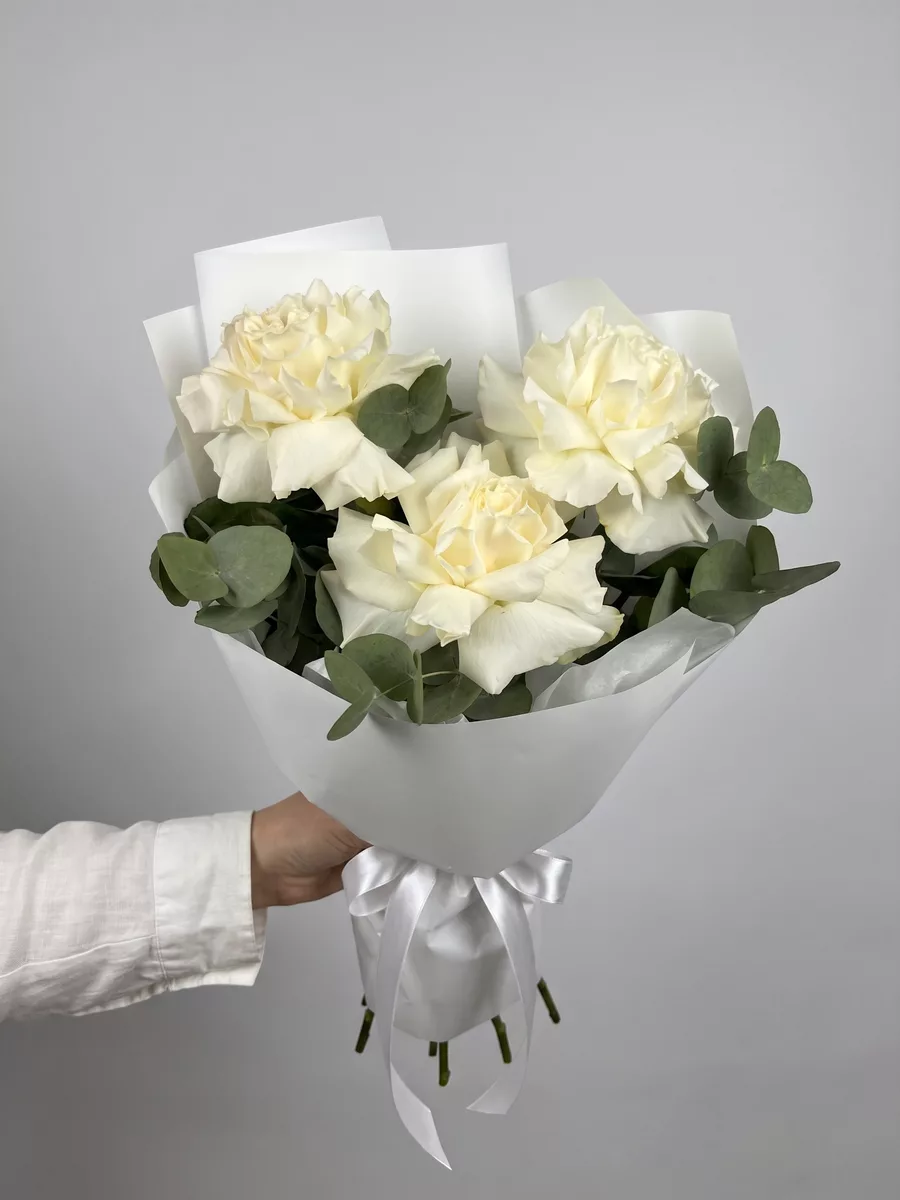
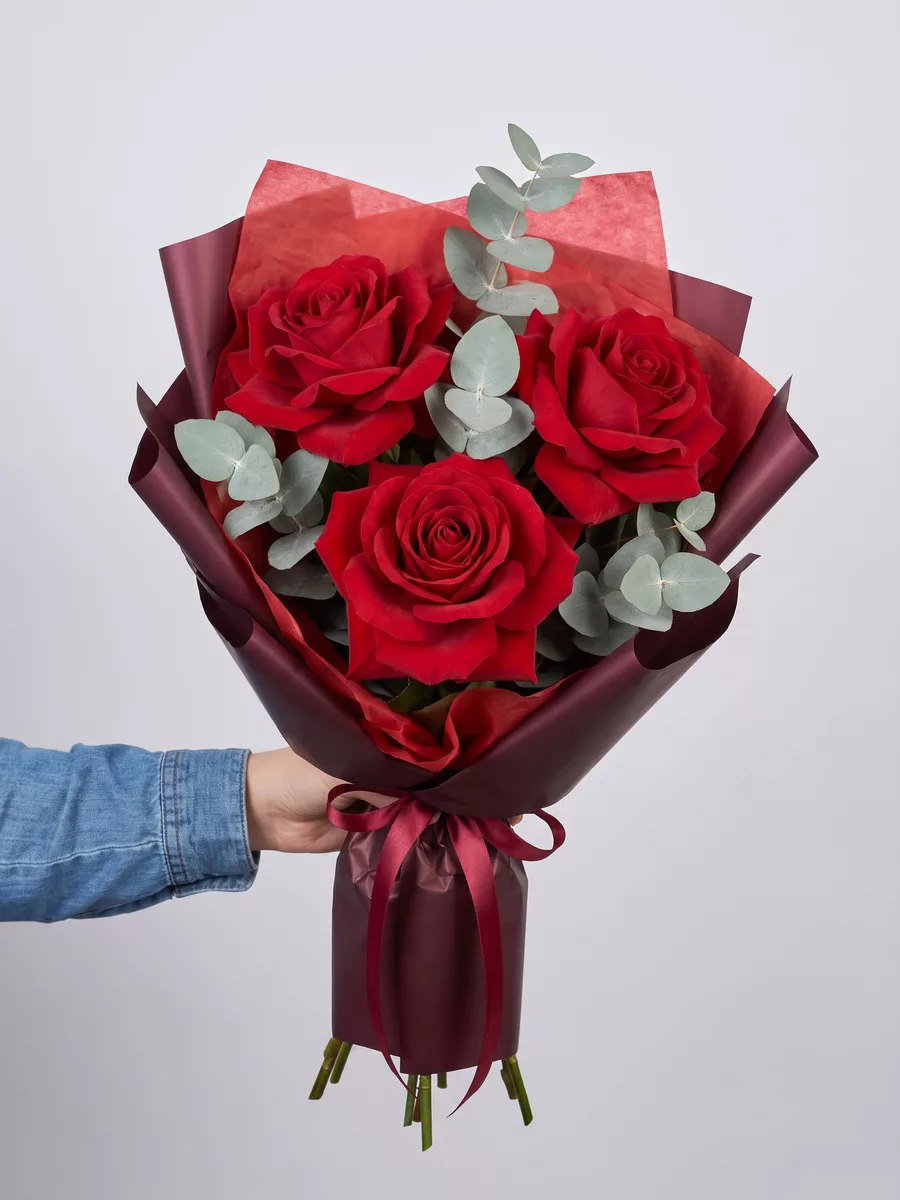
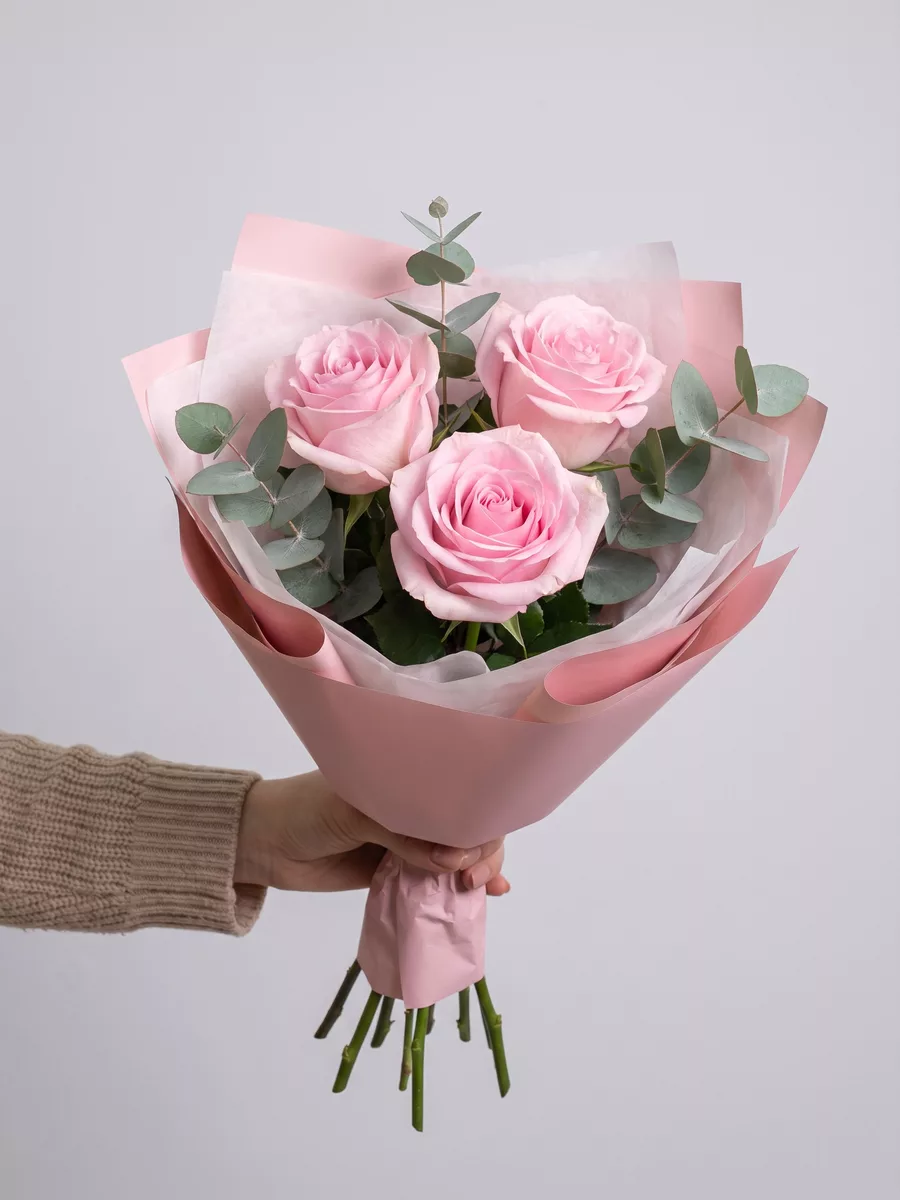
Bouquets we can deliver

Delivery Timing and What the Distance Actually Means
Turboflora is based in Saint Petersburg and delivers fresh flowers across Russia. For Kalachinsk, delivery is not instant — the city is in Omsk Oblast, and the logistics involve careful cold-chain handling to keep flowers in excellent condition during transit. Orders placed with enough lead time, typically at least one day in advance, arrive within the promised window. Same-day delivery to Kalachinsk depends on the time the order is placed, so checking availability at the point of ordering is always the right first step.
The delivery window you choose matters more than most people realise. If the recipient works during the day, an evening delivery slot avoids the flowers sitting outside or with a neighbour for hours. If you are sending to a home address, mid-morning to early afternoon tends to work well for most households in smaller Russian cities.
Kalachinsk experiences a continental Siberian climate: winters are cold and long, summers are warm and relatively short. This means that in January or February, flowers being transported in sub-zero temperatures need proper insulated packaging — something that is handled on the logistics side, but worth knowing about. In summer, heat can be just as damaging as cold. Either way, flowers should move from cool storage to the recipient as quickly as possible once they arrive in the region. Communicating the recipient's schedule when placing your order helps the delivery go smoothly.
Choosing Flowers for the Season in a Siberian City
The seasons in Kalachinsk are pronounced, and matching your flower choice to the time of year makes a real difference in how long the bouquet stays beautiful. In winter, from November through March, roses from greenhouse cultivation hold up well in cold transit because they are bred for durability. Spray chrysanthemums, carnations, and alstroemeria are also excellent cold-weather choices — they are sturdy, long-lasting, and look full and generous even in a compact bouquet.
Spring brings the first tulips, ranunculus, and hyacinths. These are the flowers most associated with the Russian celebration of March 8th, International Women's Day, which is one of the biggest flower-giving occasions in the country. If you are sending flowers around that date, order several days in advance — demand is extremely high across all Russian cities, including smaller ones like Kalachinsk.
Summer allows for more variety: sunflowers, lisianthus, eustoma, and seasonal garden roses all travel well when temperatures are managed correctly. Autumn is the season for rich, warm colours — burgundy dahlias, orange gerbera, and deep red roses feel right against the backdrop of the Siberian landscape turning gold. Matching the bouquet to the season is not just an aesthetic choice; it is also practical, because in-season flowers are at their freshest and hold up best during delivery.
Budgets and What Each Level Gets You in Practice
Thinking about budget is sensible, and it helps to know what different spending levels actually produce in terms of the bouquet the recipient sees. At the entry level, a small, well-composed hand-tied bouquet of five to seven stems — perhaps roses combined with a filler like gypsophila or pittosporum — looks considered and intentional if the stems are fresh and the wrapping is clean. The impression comes from quality and presentation, not quantity.
Moving up to a mid-range spend opens the door to mixed bouquets with more variety. You might combine roses with lisianthus and a few stems of eucalyptus, or pair peonies in season with soft spray roses and waxflower. These arrangements have more depth and texture, and they tend to photograph beautifully — which matters if the recipient will share them on social media or simply want to remember the moment.
At a higher budget, large statement arrangements become possible: a full bouquet of garden roses in a single rich colour, or a mixed arrangement of fifty stems or more with seasonal accents. For significant occasions — a milestone birthday, a major anniversary, a celebration of something that genuinely matters — this level of gesture lands with real impact. Whatever the budget, the most important factor is freshness. A small bouquet of perfectly fresh roses outperforms a large bouquet of tired ones every single time. When ordering for delivery to Kalachinsk, always prioritise freshness over size if you have to choose.
Presentation Details That Make the Difference
The wrapping and presentation of a bouquet are not secondary details — they are part of the gift. When someone opens their door in Kalachinsk and receives flowers, the first impression is the whole package: the paper, the ribbon, the way the stems are gathered, whether there is a card. Getting these elements right costs almost nothing extra but changes everything about how the gift feels.
Kraft paper wrapping is warm and natural-looking, and it suits almost any flower combination. Soft fabric wrapping — in linen or a similar material — feels more luxurious and works well for romantic occasions. Bright, glossy cellophane is less fashionable now and can make even a good bouquet look cheap. If the florist gives you options, lean toward matte and natural textures.
A handwritten card is more meaningful than a printed one. Even a short message — a sentence or two — makes the recipient feel that a real person thought about them, not just clicked through a checkout. In Russian gift-giving culture, the message is taken seriously. It does not need to be elaborate; it needs to be sincere.
For deliveries to Kalachinsk specifically, including clear instructions about the delivery address — entrance number, floor, intercom code — removes a common source of delay. Russian apartment buildings often have multiple entrances, and a driver arriving at the wrong one can cost twenty minutes. A small note in the order comments field saves everyone time and ensures the flowers arrive at their best.
Caring for Flowers After They Arrive
A well-chosen, well-delivered bouquet deserves proper care once it reaches the recipient. Flowers that are handled correctly after arrival can last anywhere from five to twelve days depending on the variety — and that range is wide enough that the care actually matters. Passing along a few simple instructions with your order is a kind touch, especially if the recipient is not used to receiving flowers regularly.
The first step is always to trim the stems. Using a clean, sharp knife or scissors, cut about two centimetres from the bottom of each stem at a diagonal angle. This increases the surface area available for water uptake. Do this under running water or immediately before placing the stems in the vase, so no air enters the cut ends.
Fill the vase with cool, clean water. Roses, lisianthus, and alstroemeria all prefer cool water — not cold, not warm. Remove any leaves that would sit below the waterline, because submerged foliage rots quickly and fouls the water, shortening the life of the whole bouquet. Change the water every two days and re-trim the stems each time.
Keep the bouquet away from direct sunlight, radiators, and draughts. In Kalachinsk in winter, this means keeping flowers away from the heating vents that run along the floors of most Russian apartments. A cool room — around 18 to 20 degrees Celsius — is ideal. Tulips and ranunculus are particularly sensitive to heat and will droop within hours in a warm spot. Chrysanthemums and carnations are the most forgiving and will last well even in less-than-ideal conditions.
Common Mistakes to Avoid When Ordering Long-Distance
Ordering flowers for someone in another city — especially a smaller city like Kalachinsk — involves a few specific pitfalls that are easy to avoid once you know about them. The most common mistake is leaving the order too late. For a date that matters, placing the order at least two to three days in advance gives enough time to ensure the right flowers are available and the delivery is scheduled correctly. Last-minute orders for specific varieties often result in substitutions.
The second common mistake is choosing flowers based on appearance in a photo without thinking about the journey. Delicate, open flowers — fully bloomed peonies, open garden roses, large-headed hydrangeas — are more vulnerable during transit than flowers that are still partially closed. A rose at three-quarter bloom will survive the journey and open beautifully in the recipient's home. A fully open rose may arrive with petals already falling.
Third, people often forget to confirm the recipient will be home. In Russia, it is common to call ahead to let someone know a delivery is coming — not to spoil the surprise, but to ensure the flowers are not left with a neighbour or, worse, outside the door in freezing temperatures. A simple message saying something unexpected is arriving is enough.
Finally, avoid ordering flowers that are out of season and have to be sourced from far away. They will be more expensive and often less fresh. A seasonal bouquet chosen with care will always outperform an exotic arrangement that has been in transit for days. Trusting the florist's seasonal recommendations is almost always the right call.
Sending flowers to Kalachinsk is genuinely possible, and when it is done with the right timing, the right variety choices, and a little attention to the details of presentation and care, the result is something the recipient will remember. The distance between cities in Russia is part of daily life for millions of families and friends — flowers have always been one of the ways people bridge that distance. Whether the occasion is a birthday, an anniversary, a celebration, or simply a moment when you want someone to know you are thinking of them, a well-chosen bouquet delivered fresh to their door in Kalachinsk carries exactly that message.
Frequently asked questions
Can I order flowers for same-day delivery to Kalachinsk?
Same-day delivery to Kalachinsk depends on the time your order is placed and current availability. Because Kalachinsk is in Omsk Oblast and logistics require planning, we recommend ordering at least one day ahead for guaranteed timing. Check availability when placing your order and our team will confirm the earliest possible delivery slot for your specific date.
Which flowers hold up best during delivery to a Siberian city in winter?
Roses, spray chrysanthemums, carnations, and alstroemeria are the most reliable choices for cold-weather delivery. They are bred for durability and handle temperature changes better than delicate open blooms. Flowers are packed with insulated materials for transit, but choosing sturdy varieties gives you an extra layer of assurance that the bouquet arrives looking its best.
What is the best way to write a message card for a recipient in Russia?
Keep it sincere and personal — even two or three sentences matter more than a long formal message. In Russian gift culture, the card is read carefully and often kept. You can write in English if the recipient reads it, or request a Russian translation when placing your order. Avoid generic phrases and say something specific to the person or the occasion.
How long will the bouquet stay fresh after it arrives in Kalachinsk?
With proper care — trimmed stems, clean cool water changed every two days, and a position away from heat and direct sunlight — most bouquets last between five and ten days. Chrysanthemums and carnations tend toward the longer end of that range. Tulips and ranunculus are shorter-lived but intensely beautiful for the first four to five days after arrival.
Do I need to tell the recipient the flowers are coming?
You do not have to, but a brief heads-up helps in practice. Russian apartment buildings often require someone to be home to receive a delivery, and flowers left outside in Kalachinsk winters can be damaged within minutes. A short message saying something is on its way — without revealing what — protects the surprise while ensuring the bouquet actually reaches the person safely.
Ready to send flowers?
Pick the city, choose the bouquet, and a local florist takes it from there.
Choose a city →