Sending Flowers to Kaltan? Here Is What to Expect
Kaltan sits in the Kemerovo region of western Siberia, a compact industrial city where a bouquet arriving at someone's door still feels like a genuine event. Whether you are sending roses to a colleague on Professional Day or surprising a parent on their birthday from across the country, the details matter — the freshness of the stems, the timing, the way the arrangement is wrapped against the cold. This guide walks you through everything that shapes a successful flower delivery in Kaltan, from choosing the right flowers for the season to understanding how long they will stay beautiful once they arrive.
Why Kaltan Has Its Own Delivery Rhythm
Kaltan is not a large city, but that does not mean flower delivery here is straightforward. The city's geography — tucked into the Tom River valley, surrounded by the Kuznetsk Alatau foothills — means road conditions shift noticeably with the seasons. In winter, which in this part of Siberia can stretch from October well into April, temperatures regularly drop below minus fifteen Celsius and sometimes reach minus thirty. That changes everything about how flowers travel.
A bouquet that would survive a forty-minute courier ride in Moscow without any protection will arrive wilted or frost-damaged in Kaltan if it is not properly insulated. Turboflora packs cold-weather deliveries with thermal wrapping and timed dispatch so flowers spend as little time in unheated transit as possible. The window between leaving the shop and reaching the recipient is kept tight by design.
In summer the challenge reverses: heat and direct sun can stress cut flowers just as badly as frost. Peonies and garden roses, which are at their peak in June and July, need to travel in the cooler part of the day or be kept shaded. Understanding these local rhythms is what separates a florist who knows Kaltan from one who treats it like any other Russian city. When you order, you are not just buying flowers — you are buying the logistics that keep them alive.
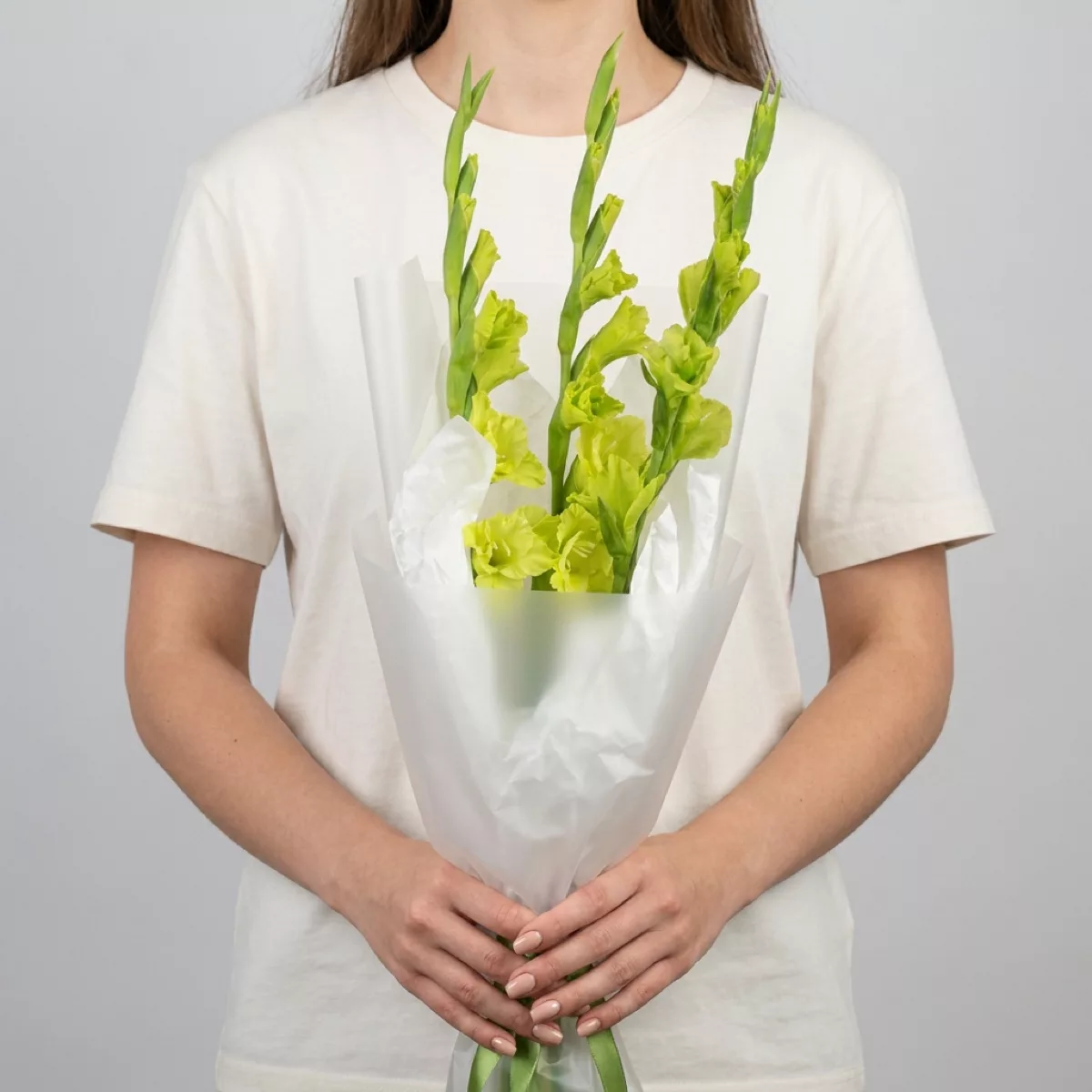
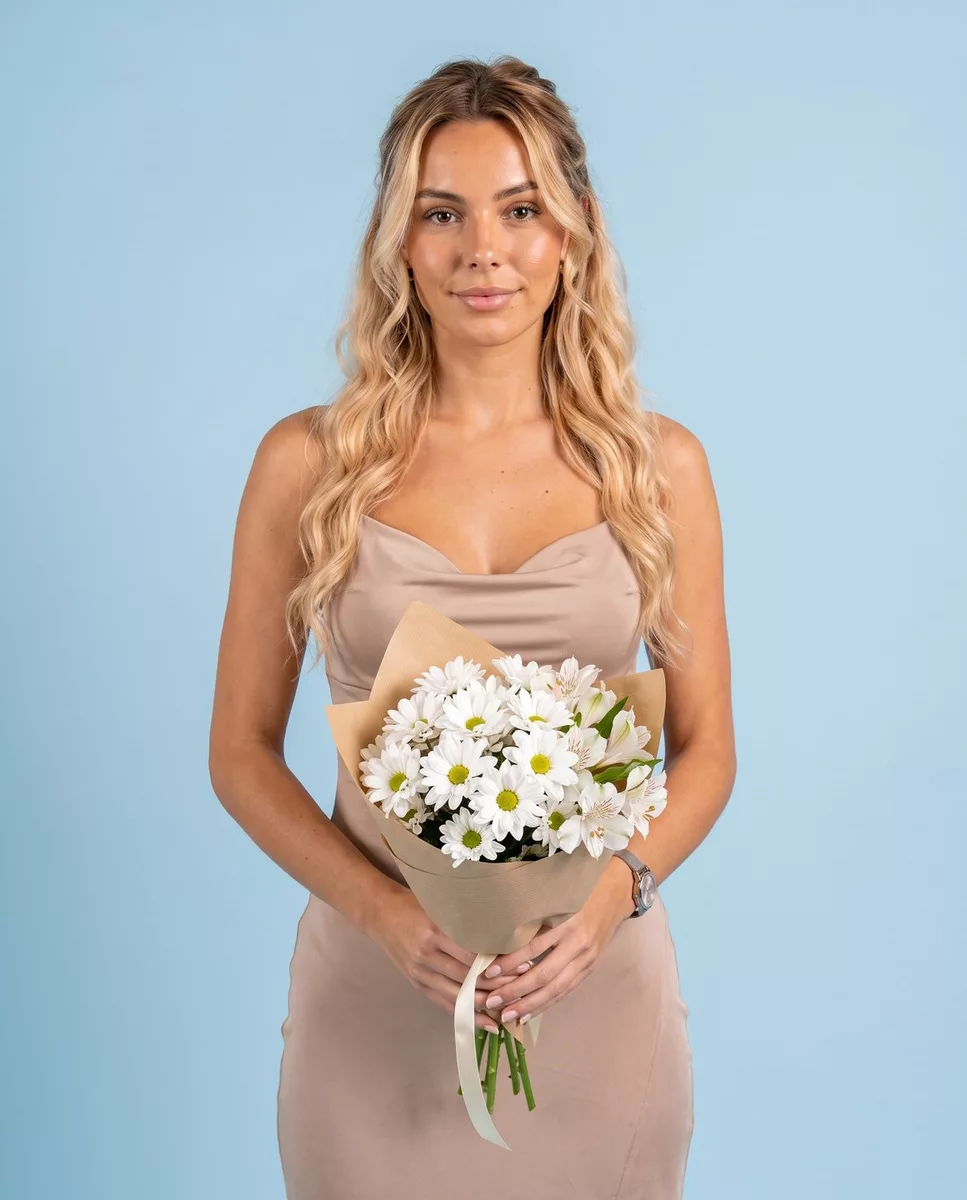
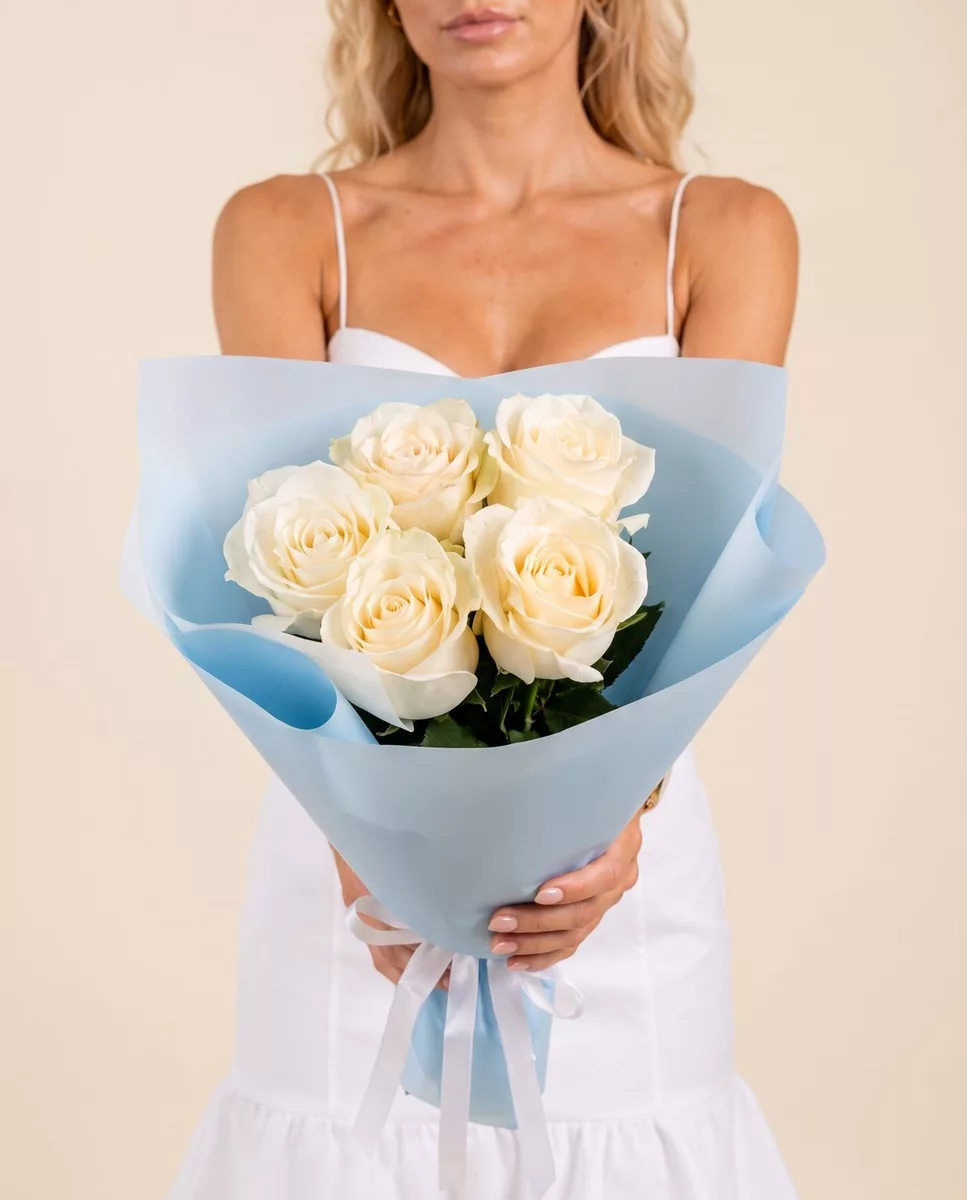
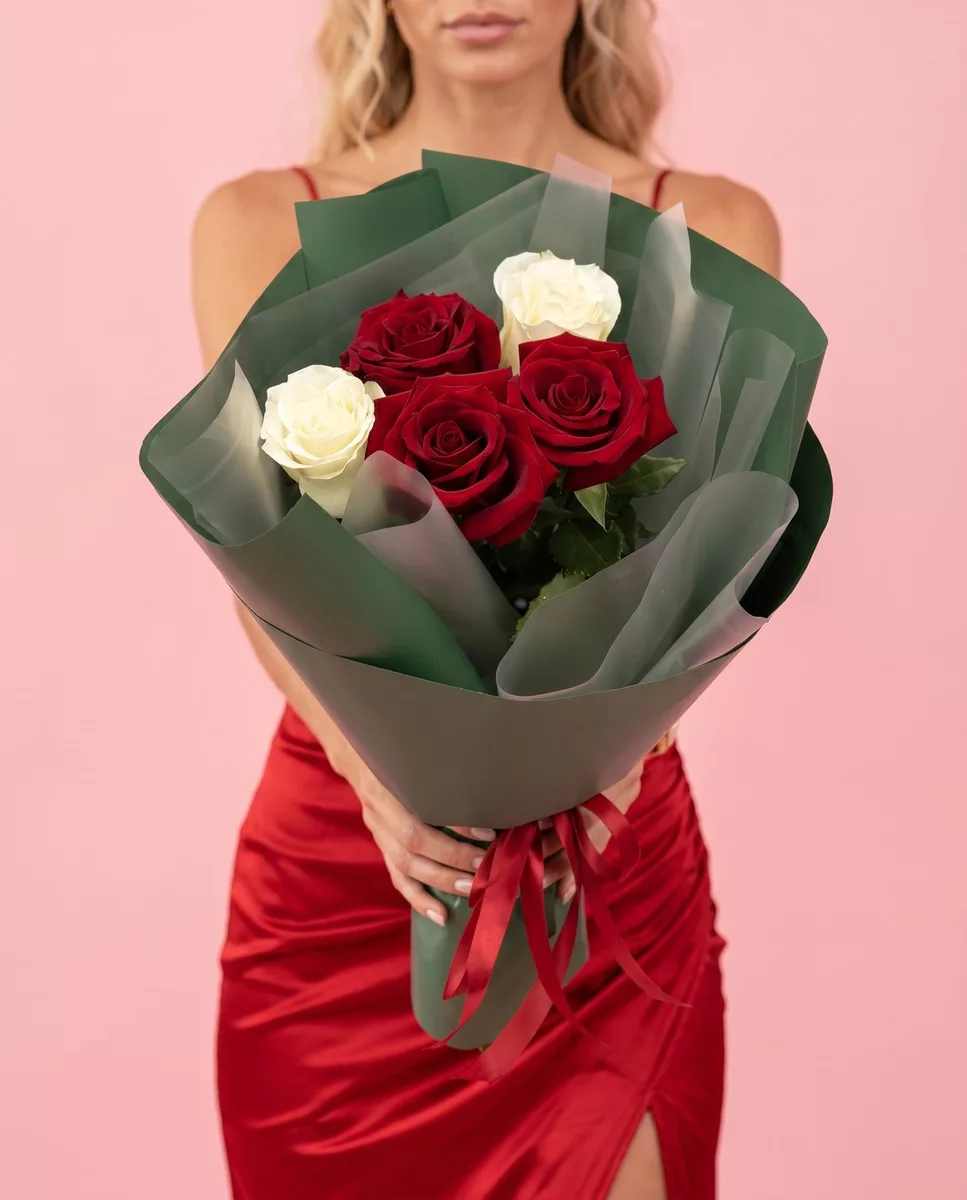
Bouquets we can deliver
Choosing Flowers for the Person, Not Just the Occasion
The most common mistake people make when ordering remotely is choosing by occasion first and by person second. The occasion tells you the mood; the person tells you the flower. A birthday bouquet for a woman who loves her garden and grows her own tomatoes will land very differently if it contains loose, garden-style flowers — lisianthus, scabiosa, sweet William — rather than a formal dozen red roses. Both are beautiful, but only one feels like it was chosen for her.
For someone you know well, think about colours they wear, plants they keep at home, or flowers they have mentioned in passing. For someone you do not know as well — a colleague, a teacher, a business partner — a classic arrangement of spray roses, alstroemeria and eucalyptus is universally appealing and carries no risk of misreading.
In Russia, odd numbers of flowers in a bouquet are traditional for celebratory occasions, while even numbers are associated with mourning. If you are ordering from outside Russia and were not aware of this, it is worth keeping in mind. A bouquet of nine or eleven stems reads as celebratory; a bouquet of ten reads as something else entirely to a Russian recipient. This is not a superstition everyone follows strictly, but many people notice it, and a good florist will automatically compose bouquets with this in mind. When in doubt, ask — or let the florist compose freely within your colour preference and budget.
Timing Your Delivery to Kaltan for Maximum Impact
Flowers delivered at the right moment feel like magic. Flowers delivered when the recipient is at work, out shopping or asleep feel like a logistical problem. Before you place an order, think through the recipient's day. If you are sending to a home address, mid-morning on a weekday or any time on a weekend tends to work well. If you are sending to a workplace, late morning is usually ideal — it gives the recipient the whole afternoon to enjoy the reaction from colleagues.
Turboflora delivers across Kaltan within a one-to-two-hour window from the moment you confirm your order. That precision is what makes a surprise actually surprising rather than a vague promise of flowers arriving sometime today. You can coordinate the timing with a phone call or message to someone near the recipient without spoiling the surprise itself.
One thing to factor in for Kaltan specifically is that some residential addresses on the city's outer streets can add a few minutes to the route depending on traffic near the main Kaltan highway. If you are sending to an address you are not sure about, include a phone number for the recipient so the courier can confirm the exact entrance or apartment code. A missed delivery in winter is not just inconvenient — flowers left outside even for twenty minutes in January will not recover. Confirming the address in advance costs nothing and saves the bouquet.
Seasonal Flowers That Thrive in Siberian Conditions
Not every flower is equally suited to arriving in Kaltan in February. Some varieties are naturally more resilient to temperature stress during transit; others need careful handling. Knowing which is which helps you make a better choice, especially for winter orders.
Chrysanthemums are one of the most cold-tolerant cut flowers available and hold their structure well even after a chilly ride. Carnations are similarly tough — they are often underestimated aesthetically, but a well-composed arrangement of spray carnations with greenery and a few ranunculus is genuinely striking. Gerberas, on the other hand, are more sensitive to cold and need thorough insulation; they are a better choice for spring and summer orders.
In spring, tulips arrive in abundance from Dutch and Russian growers and travel well in cool temperatures — they actually prefer it. A bouquet of parrot tulips or fringed tulips in mixed colours is one of the most joyful things you can send in April or May. By June, peonies take over, and they are worth ordering specifically if the recipient loves full, lush arrangements. They are only available for a short season, so when they appear, they feel special.
In autumn, dahlias and sunflowers bring warmth to the shorter days. Both are robust enough to handle the cooling temperatures of September and October in Kemerovo region without significant stress. Sunflowers in particular are a favourite in Russian homes — they are cheerful, long-lasting and unfussy in a vase.
Bouquet Combinations That Work Well as Gifts
A single variety presented beautifully often makes more impact than a mixed bouquet with too many competing elements. Three dozen white freesias wrapped in kraft paper and tied with a ribbon is a complete statement on its own. But when you want warmth, texture and a sense of abundance, combinations are where the real artistry lives.
One pairing that works across almost all occasions is roses with eucalyptus and waxflower. The eucalyptus adds a clean, herbal scent and a silvery-green colour that complements almost any rose shade. Waxflower adds tiny clusters of detail that make the arrangement look considered rather than assembled. This combination is easy to care for and lasts well — usually seven to ten days with proper water changes.
For something more romantic, try garden roses paired with ranunculus. Garden roses have a layered, open face quite different from the tight spiral of a hybrid tea rose, and ranunculus mirrors that softness with its tissue-paper petals. Together they create a bouquet that looks like it came from a private garden rather than a shop, which is precisely the effect many people want.
For a birthday with a festive, celebratory feel, a combination of bright gerberas, solidago and alstroemeria brings colour and energy without feeling overly formal. Alstroemeria is particularly practical as a gift flower because it lasts up to two weeks in a vase — longer than almost any other cut flower — which means the birthday feeling extends well past the day itself.
What the Recipient Should Do When the Flowers Arrive
Most flowers travel in a slightly dehydrated state, even over a short distance. The first thing a recipient should do when a bouquet arrives is trim the stems and place them in fresh, cool water. This sounds obvious, but many people leave flowers wrapped on a table for an hour while they take photos and send messages, and that hour matters more than most people realise.
Trimming is best done at an angle — about two centimetres off the bottom of each stem, cut diagonally with a sharp knife or scissors. The diagonal cut increases the surface area that can absorb water. Avoid crushing the stems by cutting with blunt scissors; a clean cut is essential. Remove any leaves that would sit below the waterline in the vase, because submerged leaves rot quickly and contaminate the water.
Keep the vase away from direct sunlight, radiators and fruit bowls. Fruit releases ethylene gas as it ripens, and ethylene accelerates the aging of cut flowers significantly — even a bowl of apples nearby can shorten vase life by two or three days. In a Kaltan apartment in winter, with central heating running at full power, the air can be very dry. Misting the petals lightly with cool water once a day helps flowers stay fresh longer.
Change the water every two days and re-trim the stems each time. With this routine, roses and alstroemeria will last a week to ten days, and chrysanthemums can go two weeks or more. The effort is small and the difference is significant.
Russian Flower Customs Worth Knowing Before You Order
Russia has a strong culture of gifting flowers, and a few customs are so widely observed that they are worth understanding before you order, especially if you are sending from abroad or from a different cultural background.
The odd-number rule for bouquets is the most important one. As mentioned earlier, odd numbers are for celebrations and even numbers are associated with remembrance. This applies regardless of the flower type or colour. A florist composing a bouquet will naturally follow this convention, but if you are specifying an exact stem count, keep it odd for any happy occasion.
Yellow flowers carry a different meaning in Russia than in many Western countries. In Russian tradition, yellow flowers — particularly yellow roses — are sometimes associated with separation or betrayal in a romantic context. This is a cultural association, not a universal rule, and many younger Russians do not hold to it at all. But if you are sending flowers to someone of an older generation or are unsure, it is safer to choose a different colour or mix yellow with other shades so it reads as a cheerful, summery combination rather than a statement.
Presenting flowers in person, the Russian custom is to remove the wrapping before handing them over. When delivering by courier, the wrapping stays on to protect the bouquet, but including a note that explains the arrangement — the flower names, the thought behind the colours — makes the gift feel more personal and helps the recipient appreciate what they are holding. A handwritten card, even a short one, is always well received.
Ordering flowers to Kaltan from anywhere in Russia is straightforward when you know what shapes the experience — the seasonal temperatures, the timing of the delivery, the customs that make a bouquet feel right to a Russian recipient. The distance between you and the person you are sending to does not have to reduce the gesture to something generic. A well-chosen arrangement, packed properly and delivered on time, carries exactly the warmth you intended. Turboflora handles the logistics so you can focus on the part that matters: choosing something that will genuinely delight the person who opens the door.
Frequently asked questions
How long does flower delivery to Kaltan take?
Turboflora delivers to Kaltan within one to two hours of order confirmation. You can select a specific delivery window when placing your order, which makes it possible to coordinate a surprise without guessing. If you are sending to an address with a gate code or an unusual entrance, add those details in the order notes to avoid any delay on arrival.
Which flowers hold up best in Kaltan's cold winters?
Chrysanthemums and carnations are the most cold-resilient cut flowers for winter delivery. Roses travel well when properly insulated. Gerberas and tropical flowers like anthuriums are more sensitive to cold and are better ordered in warmer months. Turboflora uses thermal packaging for winter orders, but choosing naturally robust varieties gives the bouquet extra protection throughout its journey.
Is it true that yellow flowers are a bad gift in Russia?
Some Russians, particularly older generations, associate yellow roses with parting or unfaithfulness in a romantic context. This is a cultural tradition rather than a universal rule, and many people today do not observe it strictly. To be safe with a romantic gift, choose another colour or mix yellow with orange and white tones so the overall effect reads as warm and celebratory rather than symbolic.
Can I send flowers to a workplace address in Kaltan?
Yes, workplace deliveries work well in Kaltan. Late morning is usually the most practical window — the recipient is typically settled in and colleagues are around to share the moment. Include the company name, floor or office number, and a contact phone number in your order. This ensures the courier can reach the right person without delay, especially in larger buildings.
How can I make the bouquet last longer after delivery?
Trim the stems diagonally in fresh water as soon as the bouquet arrives, remove leaves below the waterline and place the vase away from radiators, direct sunlight and fruit. Change the water every two days and re-trim the stems each time. In centrally heated Kaltan apartments, lightly misting the petals with cool water once a day also helps extend vase life noticeably.
Ready to send flowers?
Pick the city, choose the bouquet, and a local florist takes it from there.
Choose a city →