Sending Flowers to Kamen-Na-Obi? Here Is What to Expect
Kamen-Na-Obi sits on the west bank of the Ob River in the Altai region, far enough from the nearest major hub that sending flowers there feels like a leap of faith. It does not have to be. When you know how delivery actually works in this city — the timing, the seasonal realities, the right varieties for the climate — you can order with confidence and give someone a bouquet that arrives looking exactly as it should.
Why Distance and Climate Shape Every Bouquet We Send Here
Kamen-Na-Obi is not a small village, but it is a city where the continental Siberian climate sets the rules for every flower that travels through it. Winters here are long and genuinely cold, with temperatures regularly dropping below minus twenty Celsius between November and February. Summers are short, warm and surprisingly bright. Those extremes matter because cut flowers are living things, and a rose that handles a Moscow winter perfectly can bruise or freeze in transit across western Siberia if the packaging is not designed for it.
When we prepare a delivery for Kamen-Na-Obi in winter, the bouquet travels in insulated thermal wrapping that holds the internal temperature stable. In summer, the challenge reverses: heat above twenty-five degrees wilts soft-petalled flowers like lisianthus or garden roses faster than sturdy spray chrysanthemums or alstroemeria. We choose varieties and wrapping to match the season, not just the occasion.
The Ob River itself creates a microclimate effect — humidity near the riverbank tends to be higher, which is actually gentle on flowers. But that does not change the transit conditions on the road. Understanding that the environment here is genuinely different from Saint Petersburg or Moscow helps explain why variety choice matters as much as the card you write. A thoughtfully chosen bouquet arrives in better shape than a fashionable one chosen without regard for where it is going.
Bouquets we can deliver

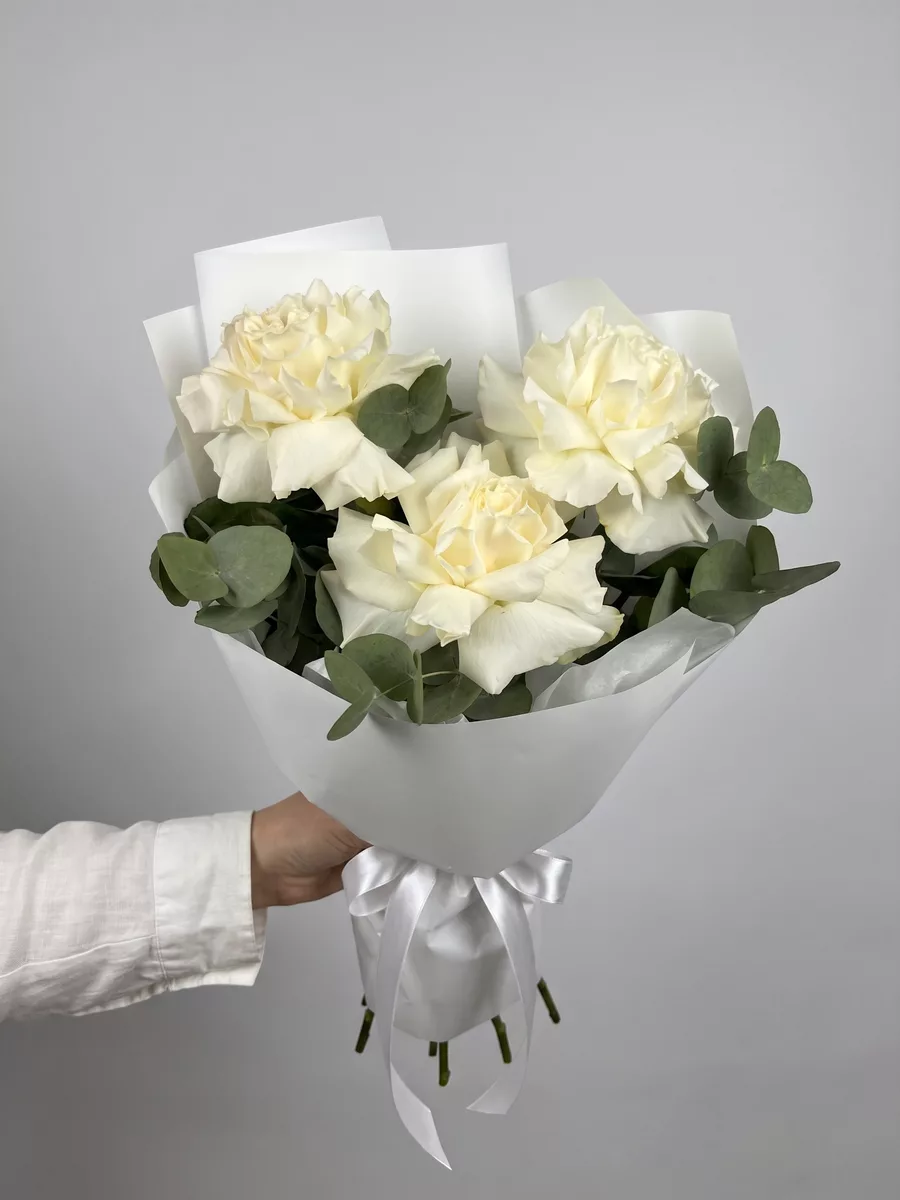
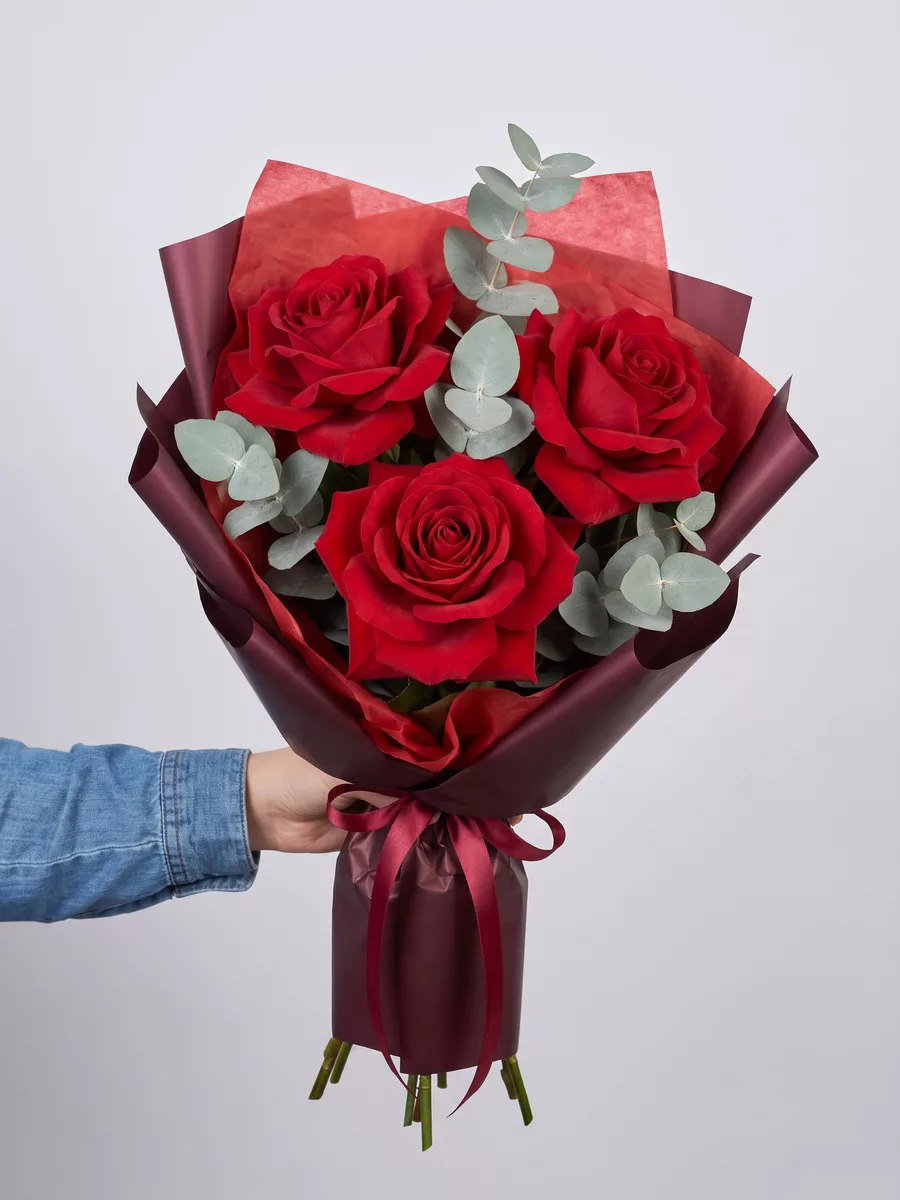
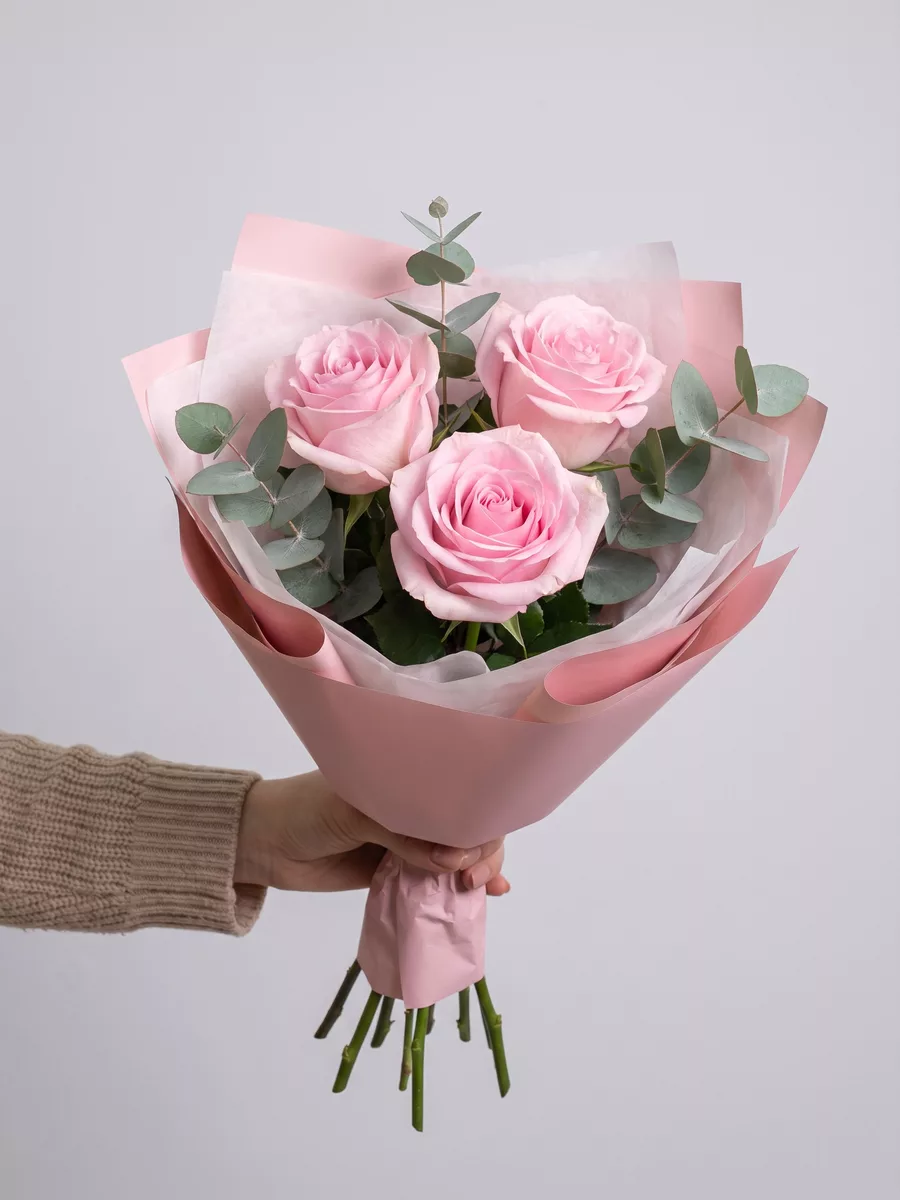
Delivery Timing: What One to Two Hours Means in Practice
Our standard delivery window across Russia is one to two hours from the moment your order is confirmed. In Kamen-Na-Obi, that promise holds under normal conditions — meaning your order is placed during working hours, the address is within the city limits, and the road situation is clear. The city's road network is manageable, and most residential areas, the central district around Lenin Street, and the hospital and school zones are all reachable within the window.
There are honest exceptions worth knowing. During heavy snowfall between December and March, delivery can extend to two to three hours simply because roads slow down. We always communicate that proactively rather than leaving you guessing. If you are ordering for a specific moment — a birthday dinner, a school graduation ceremony, a work anniversary at a particular time — place the order at least three hours ahead to give us a comfortable buffer.
Early morning deliveries, before nine o'clock, and late evening deliveries, after nine, work on a pre-order basis. This is standard across most Russian cities outside the largest metropolitan areas. If you want flowers waiting when someone wakes up or arrives home after work, pre-ordering the evening before is the most reliable approach.
One thing that surprises people ordering from outside Russia: recipients in smaller cities often prefer to be called before the courier arrives, rather than receiving a surprise knock. We follow that custom as a default. Your recipient will get a short call a few minutes before arrival, which also means someone is actually home to receive fresh flowers properly.
Choosing for the Occasion: Reading the Moment Before You Pick a Flower
Before you think about roses versus tulips, think about the person and what they are in the middle of. A woman who has just had a baby in Kamen-Na-Obi's central maternity hospital will be in a warm room with other people around her — a compact, upright bouquet of spray roses and eucalyptus travels well, takes up little space on a crowded bedside table, and lasts without a vase if needed. A colleague celebrating a promotion in an office wants something that does not overwhelm a desk but still reads as genuinely celebratory — alstroemeria in two or three colours, or a mixed bouquet with solidago and lisianthus, works beautifully.
For romantic occasions, local custom here leans toward an odd number of flowers, which is worth knowing if you are not from Russia. Even numbers are traditionally associated with mourning, so a bouquet of eleven roses reads as romantic while ten does not. This is not a rigid rule in modern Russia, but it is a detail that shows you paid attention.
Spring in Kamen-Na-Obi arrives noticeably later than in European Russia — tulips and daffodils feel genuinely seasonal from late April through May, and giving someone local spring flowers during that window feels connected to where they actually live. In winter, amaryllis, freesia and hypericum berries bring warmth and colour without requiring the fragility of tropical blooms. Matching the bouquet to the season and the setting is what separates a memorable gift from a generic one.
Bouquets by Budget: Getting the Most From What You Spend
Budget shapes a bouquet, but it does not have to limit it. The key is understanding which flowers give you the most visual presence and the longest vase life for the money, and which ones are beautiful but brief.
At a modest budget, chrysanthemums — both single-stem and spray varieties — are genuinely underrated. A generous bunch of white or burgundy spray chrysanthemums wrapped with eucalyptus and kraft paper looks considered and lasts ten to fourteen days in a vase. Carnations have unfairly fallen out of fashion but a tight, monochrome bunch of clove-scented carnations in deep red or soft peach is striking and stays fresh for up to two weeks. These are not consolation flowers — they are practical choices that let you give more volume and more longevity.
In the mid range, alstroemeria mixed with roses and a filler like waxflower or pittosporum gives a full, layered bouquet. Roses at this level work best in single-colour arrangements rather than mixed, because the colour story is cleaner and the presentation looks more intentional.
At a higher budget, garden roses — varieties like David Austin types with their cupped, densely petalled heads — are the most luxurious choice for someone who appreciates flowers. Pair them with ranunculus in spring or with dried pampas grass accents in autumn for a bouquet that photographs beautifully and fills a room with scent. Peonies, available from May through June, are the peak seasonal luxury and no other flower replaces that particular softness and fragrance. If someone loves flowers and it is peony season, that is the answer.
What Happens to Flowers in Siberian Winter: Care After Delivery
Receiving flowers in Kamen-Na-Obi in January means bringing something from a cold outdoor environment into a heated apartment. Russian homes in Siberia are typically very warm inside — central heating runs high, and the air is dry. That combination is hard on flowers, and a few simple steps make a real difference to how long a bouquet lasts.
The moment the bouquet arrives, trim the stems at a diagonal angle under running water or in a bowl — about two centimetres is enough. This reopens the stem's water channels after transit. Remove any leaves that would sit below the waterline in the vase, because submerged foliage rots quickly and clouds the water, which shortens vase life dramatically. Change the water every two days rather than topping it up.
Keep the vase away from radiators, which are typically placed under windows in Russian apartments. The warmth accelerates wilting faster than almost anything else. A spot on a table away from direct heat and away from direct sunlight is ideal. At night, if your apartment is warm, moving the vase to a cooler hallway or even a slightly open balcony door for a few hours genuinely extends bloom life — flowers rest in the cold the way they do in a florist's refrigerator.
In summer, the enemy is the opposite: warm water in the vase speeds bacterial growth. Use cool water, refresh it daily, and keep flowers out of direct afternoon sun through south-facing windows. Alstroemeria and chrysanthemums handle summer heat best; lisianthus and garden roses need the most protection from it.
Russian Flower Customs Worth Knowing Before You Order
If you are ordering from outside Russia for someone in Kamen-Na-Obi, a few local customs will help you make choices that land well rather than cause quiet confusion.
The odd-number rule for bouquets is the most important one. In Russian tradition, even-numbered flowers are given at funerals and memorial occasions. An arrangement of eleven, thirteen or fifteen stems is the right choice for birthdays, celebrations and romantic gestures. When you order, our florists follow this convention automatically — but it is useful to understand why.
Yellow flowers carry a different weight in Russian culture than in many Western countries. Yellow roses or yellow chrysanthemums are sometimes associated with separation or bad luck in relationships, particularly among older generations. This is not universal — younger Russians in cities often ignore it entirely — but if you are sending to someone traditional or older, it is safer to choose another colour or mix yellow with other colours so it does not read as a single-colour yellow bouquet.
Flowers are given for almost every occasion in Russia in a way that can surprise people from cultures where flowers are reserved for specific moments. Teacher's Day in early October, International Women's Day on the eighth of March, and a child's first day of school in September are all major flower-giving occasions. Ordering ahead of those dates in Kamen-Na-Obi, as everywhere in Russia, is strongly advisable — demand is very high and early orders get the best selection. A bouquet for a teacher traditionally features gladioli or chrysanthemums, though this is a convention rather than a rule, and something more personal is always appreciated.
Making the Order: Details That Help Everything Go Smoothly
Ordering flowers for delivery in Kamen-Na-Obi is straightforward, but the small details you include in your order are what separate a smooth delivery from a stressful one. The most important piece of information is a precise address with the apartment or office number. In Russian cities, large residential blocks can have dozens of entrances, and an address without an entrance number or apartment number means the courier has to call and wait — which adds time and can catch a recipient off guard.
If the recipient lives in a building with a door code or an intercom, include it in the order notes. Many apartment buildings in Kamen-Na-Obi, particularly newer ones, have coded entry systems. A courier who cannot get through the door will call, but having the code in advance makes the delivery seamless.
Include the recipient's phone number. As mentioned earlier, a brief call before arrival is standard and considerate — it ensures someone is there to receive the flowers and gives them a moment to come to the door. If the delivery is meant to be a surprise, note that in the order and we will keep the call brief and neutral without revealing who sent the flowers.
For the card message, write in whatever language feels natural to you. If you write in English, we will include it exactly as written. If you would like the message in Russian and you are not confident in the language, a simple note to us about the sentiment — happy birthday, thinking of you, congratulations — and we can help phrase it warmly. The card is part of the gift, and it deserves the same attention as the bouquet itself.
Kamen-Na-Obi is a city with its own rhythm, its own seasons and its own way of receiving a gift. When you understand how the climate shapes the flowers, how timing works on the ground, and what the small cultural details mean, ordering becomes less of a gamble and more of a genuine act of care. A bouquet that arrives fresh, on time, and chosen for the person and the moment is not a small thing — in a city this far from the florists most people know, it is a real gesture of connection.
Frequently asked questions
Can you deliver flowers to Kamen-Na-Obi on the same day I order?
Yes, same-day delivery is available when you order during working hours. The standard window is one to two hours from confirmation. For early morning or late evening delivery, placing the order the evening before gives you the most reliable result and ensures we have the right flowers prepared and ready.
Which flowers last longest after delivery in Kamen-Na-Obi's cold winters?
Chrysanthemums, alstroemeria and carnations are the most resilient in cold-climate conditions and can last ten to fourteen days with basic care. Roses and lisianthus are beautiful but need more attention — keep them away from radiators, change the water every two days, and trim stems on arrival to extend their life significantly.
Is it true I should avoid yellow flowers when sending to someone in Russia?
Among older and more traditional recipients, a single-colour yellow bouquet can carry an association with separation or bad luck. It is not a universal belief and younger Russians often pay no attention to it. If you are unsure, mixing yellow with other colours, or choosing a different colour entirely, is the safe and considerate approach.
What should I include in my order to make sure delivery goes smoothly?
A full address with apartment number and entrance number, the recipient's phone number, and any door or intercom codes are the most important details. These prevent delays at the building entrance and ensure the courier can reach the right door without unnecessary waiting or confusion, especially in larger residential blocks.
Are there particular occasions in Kamen-Na-Obi when I should order flowers in advance?
International Women's Day on the eighth of March, Teacher's Day in early October, and the first of September — the first day of school — are the busiest flower-giving dates across Russia. Ordering at least a day ahead during these periods ensures you get the best selection and a confirmed delivery slot rather than competing with peak demand.
Ready to send flowers?
Pick the city, choose the bouquet, and a local florist takes it from there.
Choose a city →