Sending Flowers to Kamenka? Here Is Everything You Need to Know
Ordering flowers for someone in Kamenka feels like a small act of courage — you cannot hand the bouquet over yourself, so you are trusting that the roses will arrive upright, the wrapping will still be crisp, and the person you care about will genuinely feel surprised. That is exactly the standard we hold ourselves to at Turboflora, and this article walks you through what the delivery experience actually looks like, from the moment you choose your flowers in Saint Petersburg to the moment they land in Kamenka.
Where in Kamenka We Deliver and Why It Matters
Kamenka is a town in the Leningrad Oblast, close enough to Saint Petersburg that our couriers reach it as part of our extended same-day delivery zone. We cover residential addresses, workplaces, and private houses throughout the town, including streets on the outskirts that some services skip. If your recipient lives in a newer development or a more rural part of the area, it is worth specifying the nearest landmark or a gate code when you place the order — this small detail saves real time on the ground.
The road conditions between Saint Petersburg and Kamenka change with the seasons. In winter, ice and reduced visibility can add twenty to thirty minutes to a journey that takes under an hour in summer. We account for this in our delivery windows and will always contact you if we anticipate a meaningful delay. Transparency matters more than a promise we cannot keep.
Kamenka is not a large city, which means our courier is not navigating a maze of one-way streets or a busy city centre. Deliveries here tend to feel more personal — a courier arriving at a quiet residential address with a full bouquet of garden roses or white lisianthus makes a genuine impression. That intimacy is part of what makes sending flowers to a smaller town so worthwhile.
Bouquets we can deliver

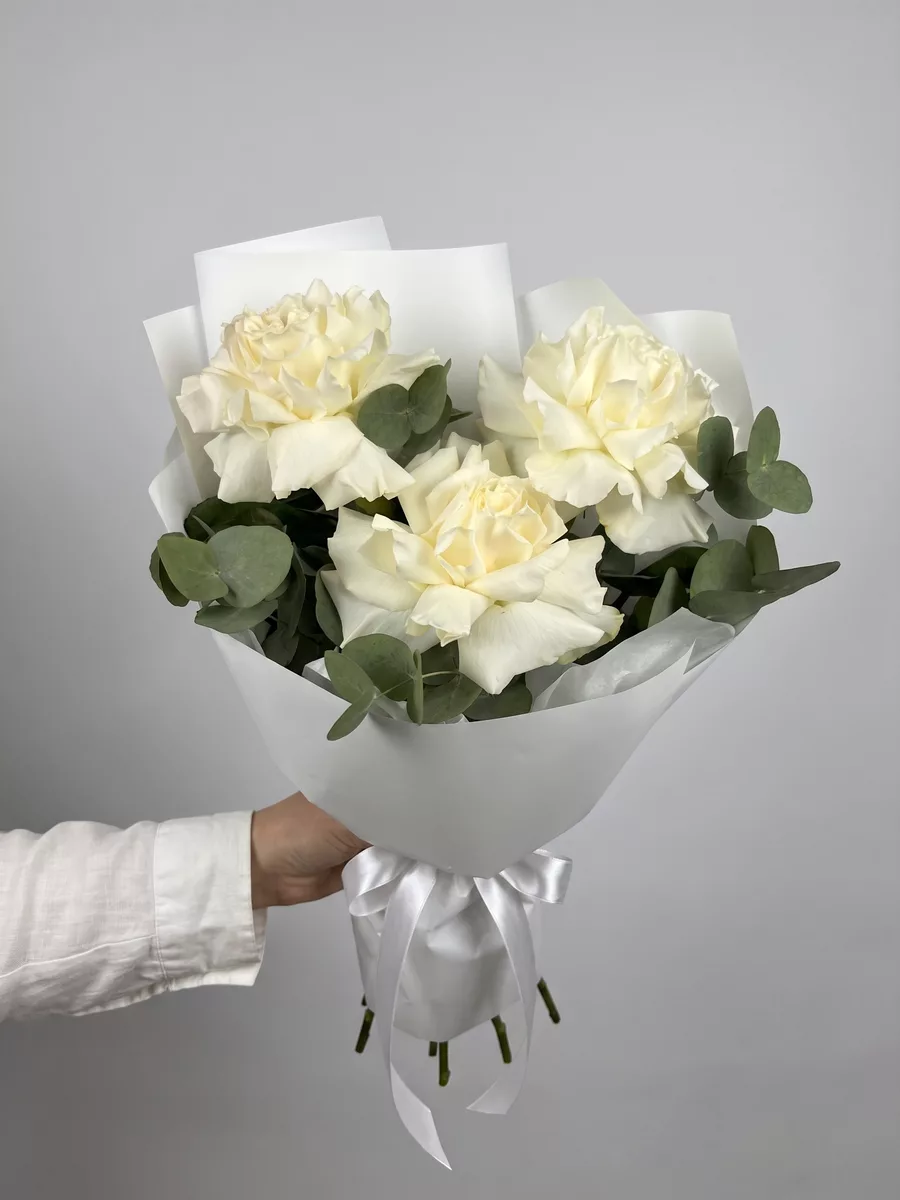
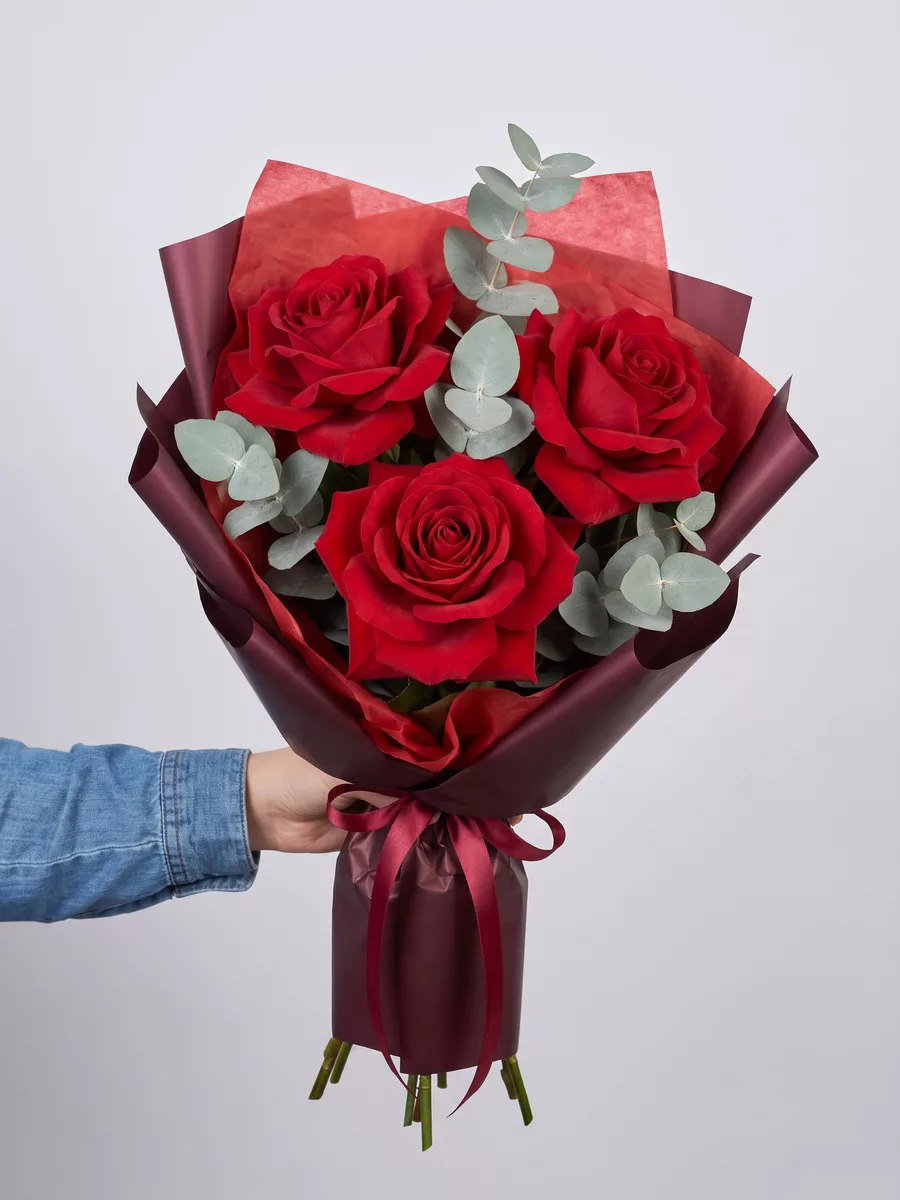
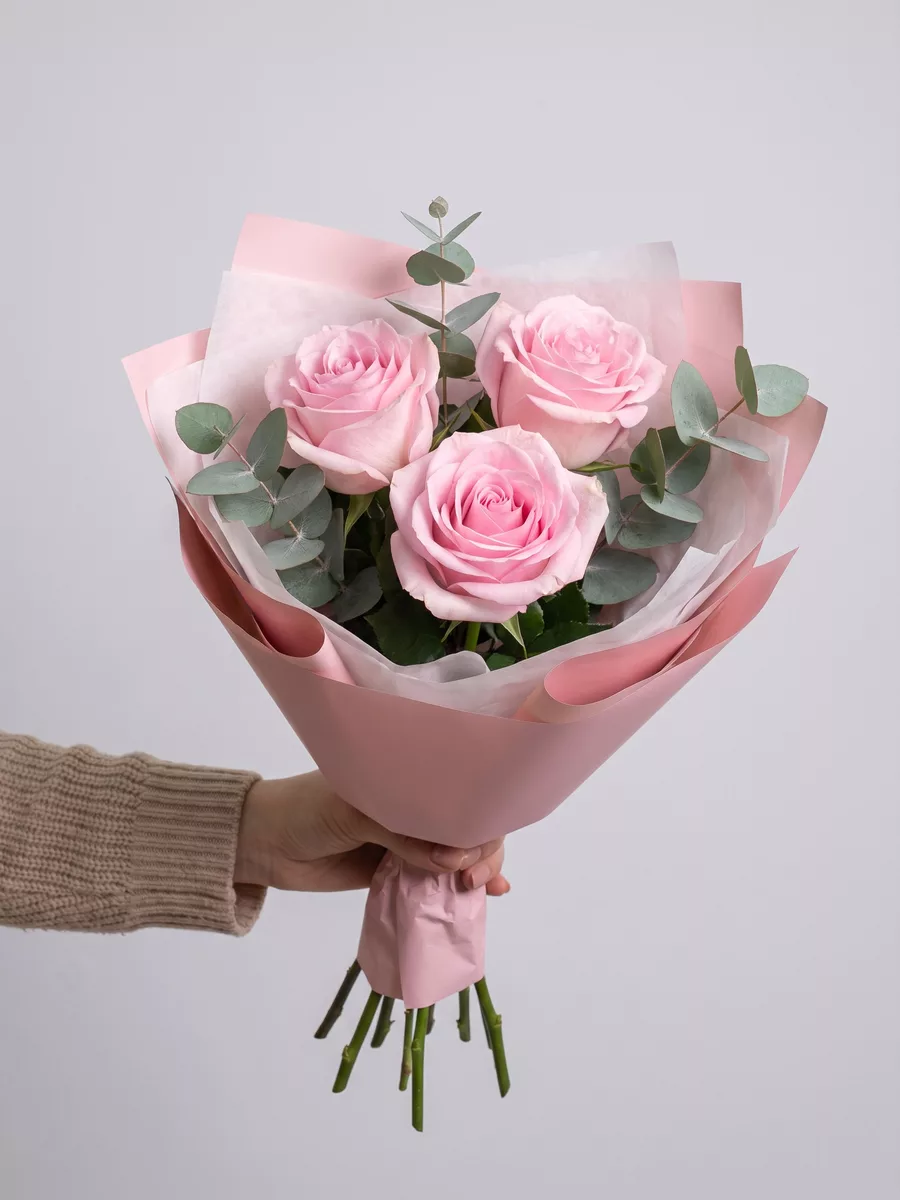
Timing Your Order for the Moment That Counts
The most important question most people ask is whether flowers can arrive on the same day they order. For Kamenka, same-day delivery is available when you place your order before early afternoon, giving us enough time to assemble the bouquet and dispatch a courier during daylight hours. Orders placed in the evening are scheduled for the following morning, which is often the better choice anyway — flowers delivered at nine in the morning feel like a genuine surprise, while a late-evening delivery can feel rushed.
If you are ordering for a birthday, anniversary, or a holiday like March 8th — which is International Women's Day and one of the biggest flower-giving occasions in Russia — plan at least a day ahead. Demand on those dates is high, and the earlier you book, the more variety you have to choose from. Last-minute orders are possible but may be limited to what is freshest in stock rather than a specific arrangement you had in mind.
For corporate deliveries or workplace surprises, factor in whether your recipient will actually be at their desk. We can hold a delivery to a specific time window — say, between noon and two — so the bouquet arrives when your colleague is at lunch and returns to find it waiting. A small logistical detail like that turns a nice gesture into a memorable one. Always double-check the recipient's address and phone number before confirming, because reaching someone in Kamenka for a quick redirect is easier when we have a working contact.
Choosing Flowers That Travel Well to Kamenka
Not every flower handles a road journey the same way. Roses, carnations, alstroemeria, and chrysanthemums are among the most travel-resilient varieties — their petals hold structure even when the van hits a bump, and they do not drop moisture as quickly as more delicate blooms. Lisianthus is another excellent choice: it looks romantic and layered, almost like a peony, but it is considerably hardier in transit.
Delicate flowers like sweet peas, anemones, and garden peonies are beautiful but require more careful handling in warm weather. In summer, when temperatures in the Leningrad Oblast can climb above twenty-five degrees Celsius, we pack heat-sensitive arrangements in insulated sleeves and time departures to avoid the hottest part of the day. In winter, the concern reverses — frost exposure for even a few minutes can blacken petals, so our couriers keep flowers inside the vehicle rather than in a boot or on a roof rack.
For Kamenka specifically, we recommend thinking about the occasion before thinking about the flower. A cheerful mixed bouquet with sunflowers and spray roses works well for a birthday or a housewarming. Monochrome arrangements — all-white or all-blush — feel more considered for a romantic occasion. If the recipient has a garden themselves, adding seasonal greenery like eucalyptus or ruscus gives the bouquet a grounded, natural feel that garden lovers genuinely appreciate. Ask our florists for a combination rather than a single variety and the result will almost always be more interesting.
What the Recipient Actually Experiences at the Door
When a courier arrives in Kamenka, the first thing your recipient sees is the packaging. We wrap bouquets in kraft paper or fabric, depending on the style you have chosen, and the arrangement is kept upright in a water sleeve during transit so stems stay hydrated. The presentation at the door should feel like unwrapping something — there is a small ceremony to it, and that matters as much as the flowers themselves.
If the recipient is not home, our courier will call ahead. We do not leave flowers on a doorstep unattended in cold or hot weather because the quality would suffer within an hour. If there is no answer, we coordinate with you to reschedule or redirect. This is why a working phone number for the recipient is not optional — it is the single most useful piece of information you can give us.
In Russia, it is common to give flowers in odd numbers for celebratory occasions — one, three, five, seven stems — while even numbers are traditionally associated with mourning. If you are unfamiliar with this custom and are ordering for a Russian recipient, our florists follow it automatically unless you specifically request otherwise. It is a small cultural detail but one that your recipient will almost certainly notice, and getting it right shows a level of care that goes beyond simply placing an order. You do not need to ask about it — we handle it as a matter of course.
Seasonal Flowers and What Is Available When
Russia's seasons are pronounced, and the flower calendar shifts noticeably between months. From late spring through early autumn, locally grown flowers become more available alongside imports — tulips in April and May, garden roses from June onward, dahlias and zinnias in late summer. These seasonal varieties are often fresher than their imported counterparts because they have travelled less, and freshness translates directly into vase life.
In winter, the range narrows to what holds up in cold-chain transport: roses from Ecuador and Kenya, chrysanthemums, carnations, and tropical varieties like anthuriums and birds of paradise. These are not lesser flowers — Ecuadorian roses in particular are known for their large heads and long stems — but the palette is different from a June arrangement. If your recipient loves seasonal variety, a winter bouquet with deep red roses, white waxflower, and eucalyptus can feel genuinely luxurious rather than a compromise.
Spring is the most emotionally charged season for flowers in Russia. March 8th alone accounts for a significant share of annual flower sales nationally, and tulips become almost synonymous with the holiday. If you are sending flowers for this occasion, yellow, pink, and white tulips in a simple kraft wrap feel classic and appropriate. Adding ranunculus or hyacinth gives the arrangement more texture and scent. Order early — not because we will run out, but because the best stems go to orders placed first, and your recipient deserves the best ones.
Caring for the Bouquet Once It Arrives
A bouquet that arrives in perfect condition can still wilt within a day if it is not looked after properly. The first thing the recipient should do is trim the stems at an angle — about two centimetres from the bottom — using scissors or a sharp knife rather than tearing. This opens the stem and allows water to travel upward efficiently. Doing this under running water or while the stems are submerged is even better, because it prevents air bubbles from blocking the cut.
The vase matters more than most people think. It should be clean — residue from a previous bouquet harbours bacteria that shorten vase life — and filled with cool, fresh water. Flowers last longer in a cool room away from direct sunlight, heating vents, and fruit bowls. Ripening fruit releases ethylene gas, which accelerates the ageing of petals, particularly in roses and carnations. This sounds like a small detail, but moving a bouquet from the kitchen counter near the fruit bowl to a side table in a cooler room can add two or three days of vase life.
Change the water every two days and re-trim the stems each time. Remove any leaves that fall below the waterline, as submerged foliage decays quickly and clouds the water. With this basic care, roses and carnations typically last seven to ten days, alstroemeria can last up to two weeks, and chrysanthemums are among the longest-lasting of all cut flowers. Giving the recipient a simple care card with the bouquet is something we include as standard, because beautiful flowers deserve to be looked after.
Making Your Order Personal Without Overcomplicating It
The most meaningful bouquets are usually not the most elaborate ones. A thoughtful combination of three or four varieties in colours the recipient actually loves will feel more personal than a large mixed arrangement chosen without context. If you know they prefer soft tones, ask for blush roses, white lisianthus, and dusty miller. If they love something bold, deep burgundy roses with orange spray roses and dark foliage make a striking combination that photographs beautifully and looks confident in any interior.
A handwritten card is available with every order and it is worth using properly. A specific memory or a concrete reason for sending the flowers — not just a name and a generic message — turns a card into something the recipient might keep. In Russia, giving flowers without any explanation is perfectly acceptable and often expected; the flowers speak for themselves. But if you are sending from abroad or the gesture has a specific meaning, a few genuine words go a long way.
You can also specify the wrapping style and ribbon colour when ordering. A bouquet destined for a modern apartment in Kamenka might suit minimal kraft paper and a simple twine tie. Something going to a more traditional home might suit a fuller wrap with a satin ribbon. These are not extra charges — they are choices that shape the first impression your recipient has before they even see the flowers inside. Think of the packaging as the first sentence of the message the bouquet is sending, and choose accordingly.
Sending flowers to Kamenka from Saint Petersburg is not a complicated process, but the small decisions you make — the varieties, the timing, the card, the wrapping — are what turn a delivery into a moment someone remembers. At Turboflora, we take those details seriously because we know the person receiving the bouquet is not thinking about logistics: they are thinking about who sent it and why. Our job is to make sure the flowers match the feeling you intended.
Frequently asked questions
Can I order flowers for same-day delivery to Kamenka?
Yes, same-day delivery to Kamenka is available for orders placed before early afternoon. If you order later in the day, we will schedule delivery for the following morning, which is often a better choice for a surprise. During major holidays like March 8th, we recommend ordering at least one day in advance to secure the best available stems.
What happens if the recipient is not home when the courier arrives?
Our courier will call the recipient before arriving. If there is no answer, we will contact you to arrange a new delivery window or redirect to a different address. We never leave flowers unattended outdoors, as temperature exposure — whether heat or frost — can damage the bouquet within an hour. A working phone number for the recipient is essential.
Why do Russian florists give flowers in odd numbers?
In Russian tradition, odd numbers of flowers are given for celebrations and happy occasions, while even numbers are associated with mourning. This is a widely observed custom that your recipient will almost certainly notice. At Turboflora, we follow this convention automatically for all celebratory orders, so you do not need to count stems yourself or request it separately.
Which flowers last the longest after delivery?
Chrysanthemums are among the hardiest cut flowers and can last up to two weeks with proper care. Alstroemeria also has excellent vase life, often reaching ten to fourteen days. Roses and carnations typically last seven to ten days when stems are trimmed, water is changed every two days, and the bouquet is kept away from direct sunlight, heat sources, and ripening fruit.
Can I choose the wrapping style and add a personal message?
Yes, both are included as standard options when placing your order. You can specify kraft paper, fabric wrap, ribbon colour, and the style of presentation. A handwritten card is available with every bouquet — we encourage you to write something specific rather than a generic greeting, as a personal detail makes the card worth keeping long after the flowers have faded.
Ready to send flowers?
Pick the city, choose the bouquet, and a local florist takes it from there.
Choose a city →