Sending Flowers to Kamyshlov? Here Is What to Expect
Kamyshlov sits quietly along the Pyshma River, a town where a well-chosen bouquet still turns heads and means something real. Whether you are surprising someone on a birthday, marking a work anniversary, or simply saying you were thinking of them from across the country, getting fresh flowers there takes a little planning — and the right information. This article walks you through timing, seasonal choices, presentation, and the small details that make the difference between flowers that delight and flowers that disappoint.
Where in Kamyshlov We Deliver and Why the Geography Matters
Kamyshlov is a compact town in the Sverdlovsk Oblast, roughly 120 kilometres east of Yekaterinburg. Its street layout is straightforward — a central grid of older streets near the cathedral, a ring of residential mikrorayons built in the Soviet era, and a scattering of private house districts on the outskirts toward Obukhovo and the river bends. We deliver across all of these zones, including private addresses with no formal apartment number, which is more common here than in larger cities.
When you place an order, enter the full street name in Russian transliteration if you are ordering in English, or simply type it as you know it and our team will confirm the address before dispatch. For private houses, a gate description or landmark — the blue fence, the corner with the birch trees — genuinely helps the courier, especially in winter when house numbers can be buried under snow drifts.
The distance from our Saint Petersburg hub means Kamyshlov orders are fulfilled through a carefully timed regional logistics chain that keeps flowers in temperature-controlled conditions throughout transit. This is not a detail to skip over: the Urals climate swings hard, and a bouquet left in a warm van in July or an unheated one in January will age visibly within hours. We account for that at every stage, which is why we ask for a delivery window rather than an exact minute — it gives us the buffer to protect the flowers properly.
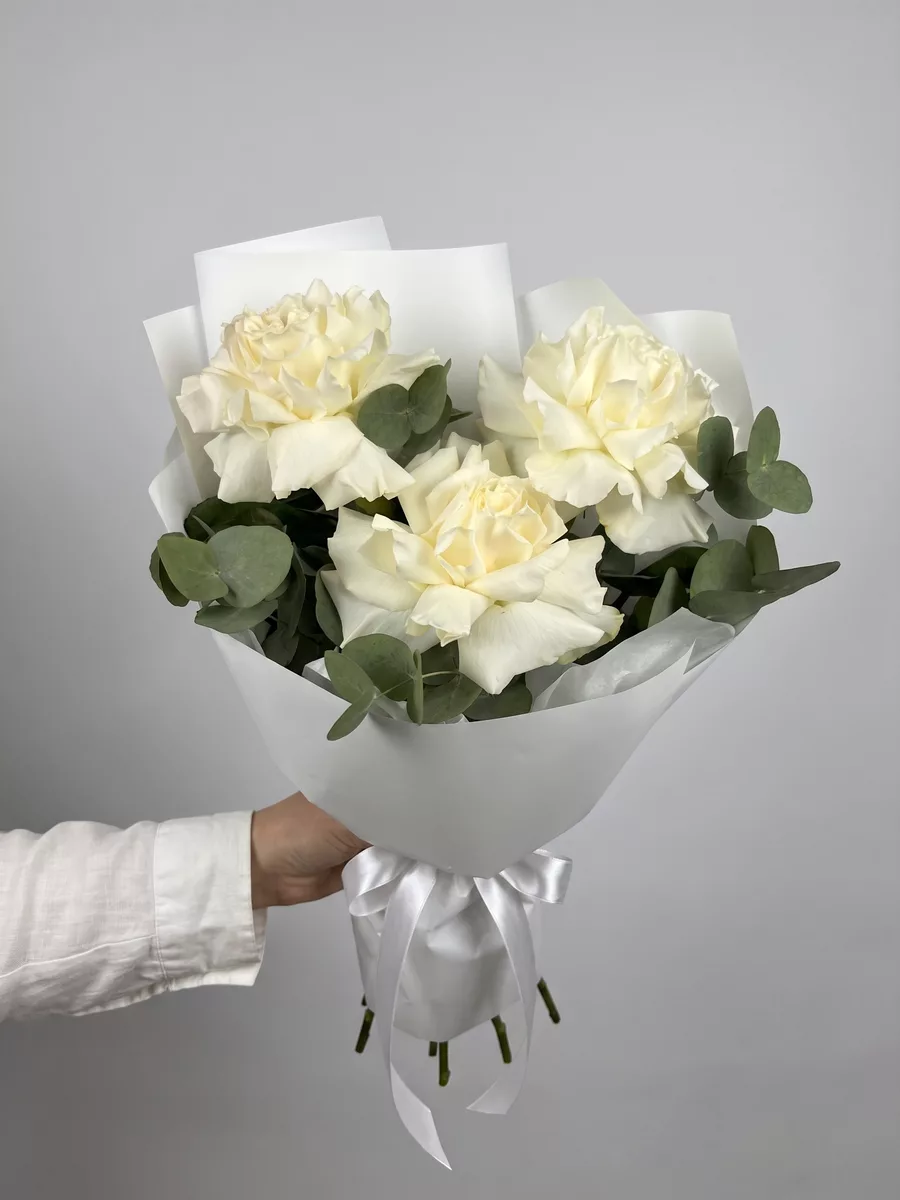
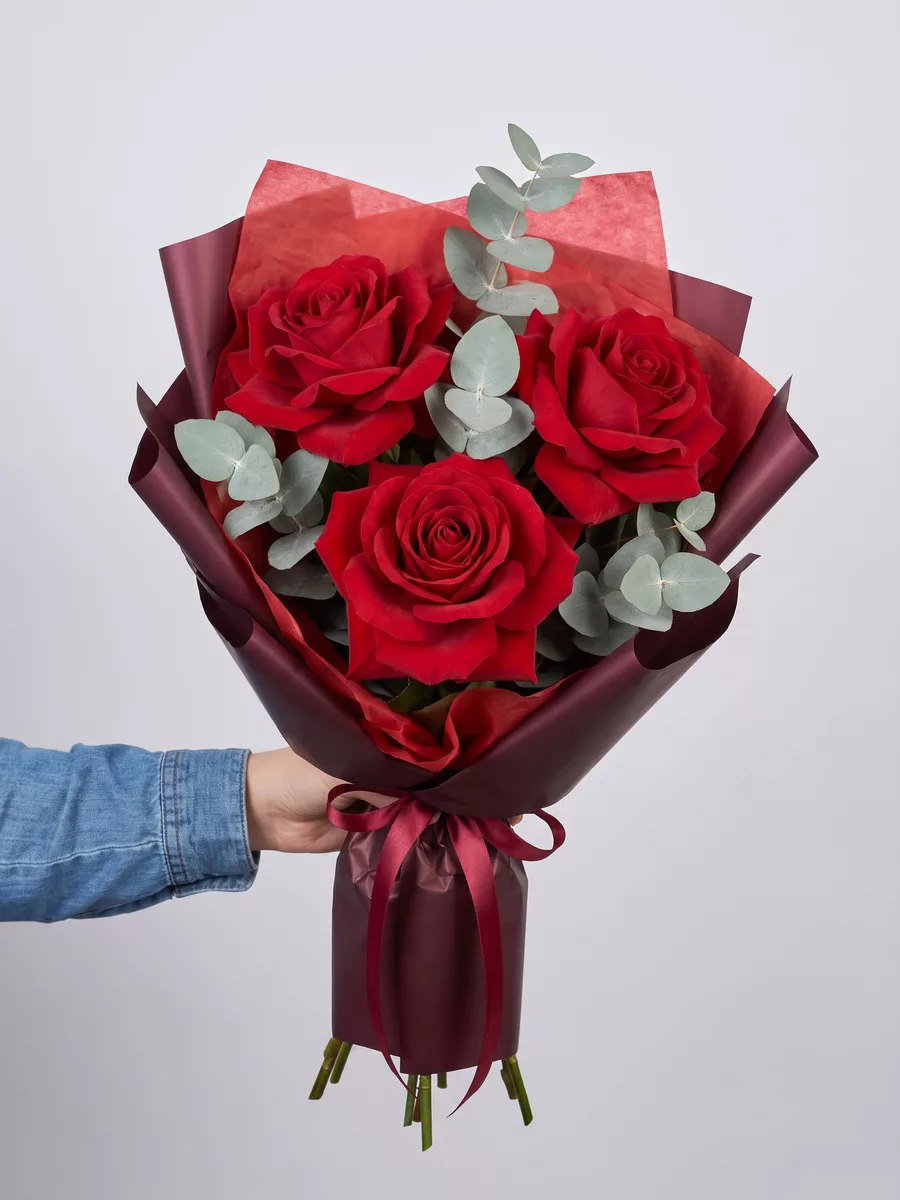
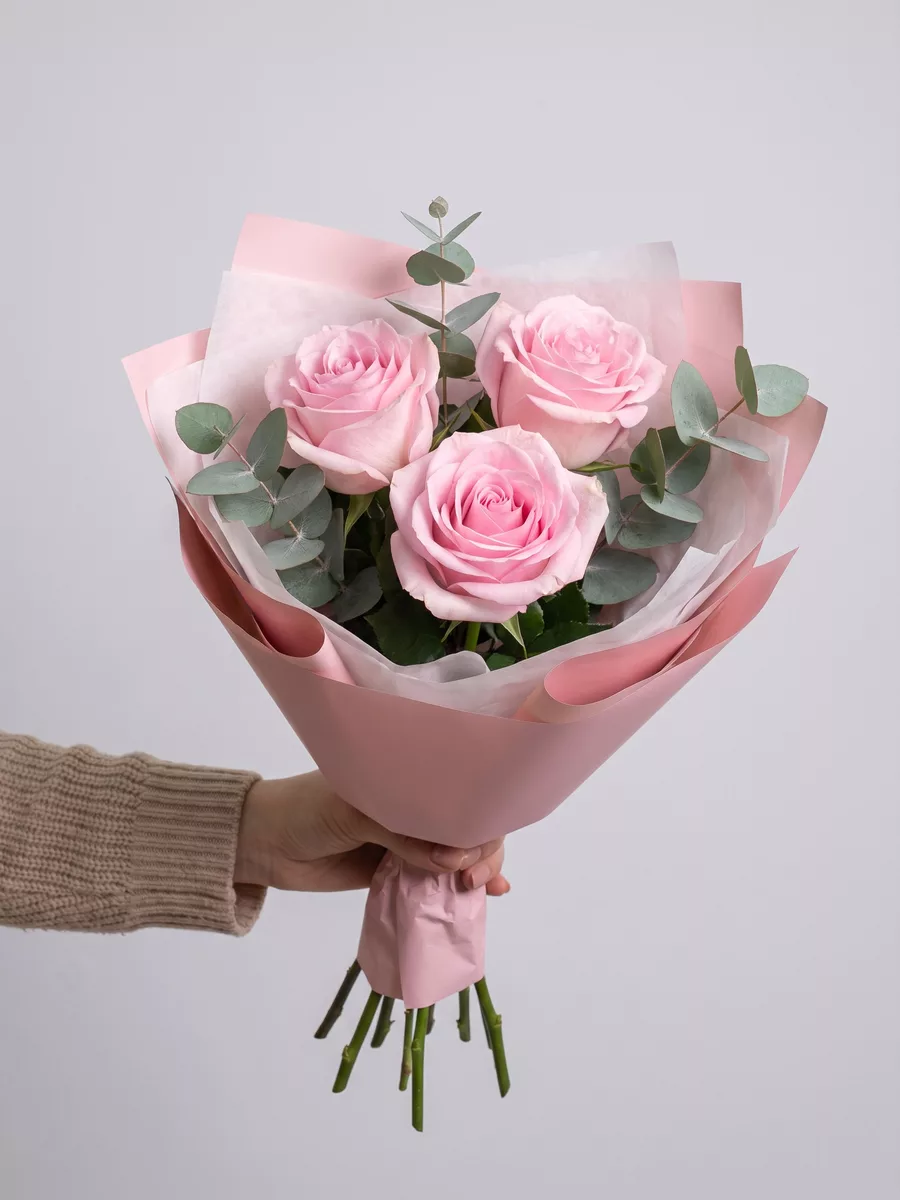
Bouquets we can deliver

Timing Your Order: Same-Day, Next-Day and Planned Deliveries
For Kamyshlov, same-day delivery is available when orders are placed before the cut-off time displayed at checkout — typically mid-morning for afternoon slots and early afternoon for evening slots. These windows exist because flowers travelling to the Urals region need to be prepared, packed, and handed to the logistics team with enough lead time to arrive fresh. Rushing the preparation almost always shows in the final bouquet.
Next-day delivery gives you the most flexibility and is the option we quietly recommend for important occasions. It allows us to select flowers at their best stage of opening — not fully blown, not too tight — so they peak beautifully one to two days after arrival, which is exactly when the recipient is still enjoying them most. For a birthday, this means ordering the evening before; for an anniversary on a Monday, ordering Saturday afternoon is ideal.
Planned deliveries — booked three to seven days ahead — are worth considering for large arrangements, wedding-adjacent celebrations, or any order where a specific flower is essential. Peonies in late May, garden roses in July, tulips in early March before International Women's Day: these varieties move fast across Russia, and reserving them in advance means you are not choosing from whatever is left.
Delivery slots in Kamyshlov run from mid-morning through early evening. We do not offer late-night delivery here, and we think that is actually fine — a bouquet handed over in good light, when the recipient can properly see it, always lands better than one left at a door in the dark.
Choosing Flowers for the Occasion, Not Just the Season
The occasion shapes the bouquet more than any other factor, and it is worth thinking about the recipient before thinking about colour or variety. A colleague celebrating a promotion responds differently to a sleek monochrome arrangement of white calla lilies and eucalyptus than to a loose garden-style mix — and both are correct choices depending on that person's taste and your relationship with them.
For close family, warmth reads through texture and layering: ranunculus tucked among spray roses, lisianthus softening the edges of a tighter centrepiece flower like a garden rose or a large chrysanthemum. These combinations feel generous and considered rather than formal. For a romantic gesture, single-variety bouquets — all red roses, all white tulips — carry a directness that mixed bouquets sometimes dilute.
In Kamyshlov, as across most of provincial Russia, the tradition of giving an odd number of flowers is still widely observed for living recipients. Even numbers are associated with mourning occasions, so a bouquet of eleven roses or seven tulips will feel culturally correct to the recipient even if the sender has never thought about this. It is one of those small things that signals care.
Children's celebrations call for bright, light-stemmed flowers: gerberas, alstroemeria, and sunflowers work well because they are visually cheerful and sturdy. Avoid heavily perfumed varieties like lilies for indoor children's parties — the scent can be overwhelming in a small apartment, which is the most common living arrangement in Kamyshlov's residential blocks.
Budget Ranges and What Each Level Actually Gets You
Talking about budget openly is something florists often avoid, but it helps you make a better decision. At the entry level, you are working with single-variety bouquets of seasonal stems — alstroemeria, standard carnations, or spray chrysanthemums. These are not lesser flowers; they are simply flowers that travel and hold exceptionally well, and a well-assembled bunch of them looks clean and intentional rather than budget-conscious.
The mid range opens up combinations: a focal flower like a garden rose or a lisianthus paired with softer secondary stems and greenery. This is where most bouquets that photograph well live. The arrangement has depth, the colours can be layered, and there is enough material for a florist to create a shape rather than just a bundle. For most occasions — birthdays, thank-yous, romantic gestures — this range hits the right note.
At the upper range, you are choosing flowers that are either rare, seasonal, or both: peonies, David Austin roses, ranunculus, or orchid stems used as accent rather than filler. The difference is not just variety — it is also the size of the arrangement, the quality of the wrapping, and the time spent on composition. A large bouquet takes longer to make well, and that craft time is part of what you are paying for.
One practical note: the most expensive flower is not always the most impactful. A generous armful of white tulips in March, timed perfectly with their season, will move someone more than a small cluster of out-of-season roses that have travelled too far. Seasonal alignment is its own luxury.
Packaging and Presentation for Kamyshlov's Climate
The Urals region experiences genuine continental extremes — winters that regularly drop below minus twenty Celsius and summers that can push above thirty. Both ends of this range are hard on cut flowers, and packaging has to account for whichever season you are ordering in.
In winter, we wrap bouquets in insulating kraft layers and add a thermal sleeve for orders travelling through the coldest months, roughly November through March. Cold damage on flowers looks like translucent, water-soaked patches on petals — it happens fast and cannot be reversed. A rose that freezes even briefly in transit will show it within hours of being brought inside. Our packaging prevents this, but it also means the bouquet arrives looking more bundled than it does in summer, which is normal and nothing to worry about.
In summer, the challenge is heat rather than cold. Flowers in a warm environment respire faster, drink water they do not have access to, and open more quickly than intended. We cut stems at a sharper angle before packing summer orders and use water-retaining wrapping at the stem base. We also advise against choosing tightly budded varieties in July and August — a bud that needs five days to open in April may open the same day in a warm Kamyshlov apartment in summer.
Presentation wrapping — the decorative paper, ribbon, and outer layer — is chosen to complement the flowers rather than overpower them. Muted kraft paper suits neutral and white palettes; coloured tissue works with brighter arrangements. If you have a preference, note it in the order comments and we will follow it.
Care Instructions to Share with the Recipient
The best bouquet in the world shortens its own life if it is not cared for in the first few hours. When flowers arrive in Kamyshlov, the recipient should unwrap them within fifteen minutes and get the stems into water as soon as possible. This sounds obvious, but it is easy to leave a beautiful bouquet on a table while you admire it, and that pause costs vase life.
The first step is a fresh cut — about two centimetres from the bottom of each stem, at an angle, using a sharp knife rather than scissors. Scissors compress the stem tissue and reduce water uptake. The cut should happen while the stem is submerged in water if possible, or immediately before placing it in the vase. Tap water at room temperature works fine; there is no need for flower food sachets if the water is changed every two days.
Vase placement matters more than most people think. Direct sunlight, the top of a radiator, and proximity to a fruit bowl all accelerate wilting. Ethylene gas from ripening fruit is particularly damaging to roses and tulips. A spot on a windowsill away from direct sun, or on a table in a cool room, will add two to three days to the arrangement's life.
For mixed bouquets, remove any leaves that fall below the waterline — they rot quickly and cloud the water, which then smells and stresses the flowers. Recut stems every two to three days when you change the water. With this routine, most seasonal bouquets last seven to ten days in a Kamyshlov apartment, and some — particularly alstroemeria and chrysanthemums — will go longer.
Common Mistakes When Ordering Flowers to Kamyshlov from Afar
Ordering flowers for someone in a city you are not in requires a small shift in thinking. The most common mistake is choosing based on how a bouquet looks in a photograph rather than how it will look and feel on arrival. Some arrangements that photograph beautifully — loose, airy, full of delicate stems — are fragile in transit. Others that look simple in a product image arrive looking generous and full because the stems are robust and hold their shape.
The second mistake is underestimating the importance of the delivery note. In Russia, it is customary to include a personal message with a flower gift, and a bouquet that arrives without any note can feel anonymous or even confusing to the recipient. Even a short line — your name, the occasion, one warm sentence — transforms the experience. We include a printed card with every order; do not leave the message field blank.
Ordering at the last possible moment is the third mistake, and it compounds the others. Late orders mean less choice, more pressure on the logistics chain, and a higher chance of a substitution if a specific flower is unavailable. For significant occasions, ordering two days ahead is almost always better than ordering the morning of.
Finally, some people order a bouquet and then do not tell the recipient to expect a delivery, hoping for a complete surprise. This is lovely in theory but can mean missed deliveries if the recipient is out. A partial hint — something is coming today, be home in the afternoon — preserves most of the surprise while ensuring the flowers actually get into the right hands.
Kamyshlov may be a quieter corner of the Urals, but a well-chosen bouquet arrives there with the same weight it carries anywhere — it says that someone was thinking about you specifically, not just sending something generic. Getting it right means thinking about the person first, the occasion second, and the practical details — timing, packaging, care — as the framework that makes the gesture land properly. Order with a little lead time, write something in the message field, and trust that fresh flowers, handled well from Saint Petersburg to the Pyshma River, will do exactly what you need them to do.
Frequently asked questions
Can I order flowers to a private house address in Kamyshlov, not just an apartment?
Yes, we deliver to private houses across Kamyshlov. When placing your order, include the full street name and house number, and add any helpful landmarks in the comments — a gate colour, a corner street, or a nearby building. This is especially useful in winter when house numbers can be hard to spot, and it helps the courier find you without unnecessary delays.
How far in advance should I order for a birthday in Kamyshlov?
For most birthdays, ordering the day before gives us the best window to select flowers at the right stage of opening and route them properly. If you want a specific seasonal variety — peonies, ranunculus, or David Austin roses — booking two to three days ahead is safer. Same-day orders are possible but depend on the time of day and current availability, so earlier is always better.
Will the flowers survive the journey in winter? Kamyshlov gets very cold.
Yes. Winter orders are packed with insulating kraft layers and a thermal sleeve to protect against temperatures that regularly drop below minus twenty in the Sverdlovsk Oblast. Cold damage — translucent, water-soaked patches on petals — happens fast if flowers are unprotected, so we treat winter packaging as a non-negotiable part of every Kamyshlov order placed between November and March.
Is it true I should give an odd number of flowers in Russia?
Yes, and it matters to most recipients even if they would never say so. In Russian tradition, even numbers of flowers are associated with mourning occasions, while odd numbers are for living recipients and celebrations. A bouquet of seven, nine, or eleven stems feels culturally correct and signals that the sender knows what they are doing. We follow this convention in all our arrangements by default.
What should the recipient do with the flowers as soon as they arrive?
Unwrap within fifteen minutes and cut two centimetres from each stem at an angle using a sharp knife, not scissors. Place in room-temperature water immediately. Keep the bouquet away from direct sunlight, radiators, and fruit bowls. Change the water every two days and recut the stems at the same time. With this routine, most bouquets last seven to ten days, and hardier varieties like alstroemeria can go longer.
Ready to send flowers?
Pick the city, choose the bouquet, and a local florist takes it from there.
Choose a city →