Sending Flowers to Kandalaksha? Here Is What to Expect
Kandalaksha sits on the shores of the White Sea, well above the Arctic Circle, and the people who live there celebrate birthdays, anniversaries, and new arrivals just as warmly as anyone in Moscow or Sochi. The distance and the climate do add a layer of planning, but they do not make a beautiful bouquet impossible. If you know what to order, when to order it, and how to prepare the recipient, the flowers arrive fresh, the surprise lands perfectly, and the whole thing feels effortless from a thousand kilometres away.
Which Parts of Kandalaksha We Reach and Where Delivery Starts
Kandalaksha is a compact city by Russian standards, built along the bay and climbing into the hills behind the railway station. Deliveries cover the central districts around Pervomayskaya and Leningradskaya streets, the residential blocks near the Kandalaksha railway junction, and the quieter neighbourhoods stretching toward the nature reserve. If your recipient lives in one of the outlying villages along the Kola Peninsula road, it is worth checking the exact address at the time of ordering, because distances from the city centre can add to the delivery window.
The city is reachable by road from Murmansk and Apatity, and that road connection is the backbone of our logistics for this region. Orders placed before the daily cut-off time are routed through the nearest fulfilment point and driven directly to the door. There are no transfer hubs or intermediate stops that could bruise petals or delay timing.
One thing worth knowing: Kandalaksha has a mix of Soviet-era apartment blocks and newer low-rise buildings, and entrance codes are common. When you place your order, include the entrance number, floor, and any door code your recipient has shared with you. A courier standing outside a locked entrance in minus fifteen degrees cannot wait long, and a missed delivery is the one outcome nobody wants. Small details in the address field make the difference between a smooth surprise and a phone call that gives everything away.
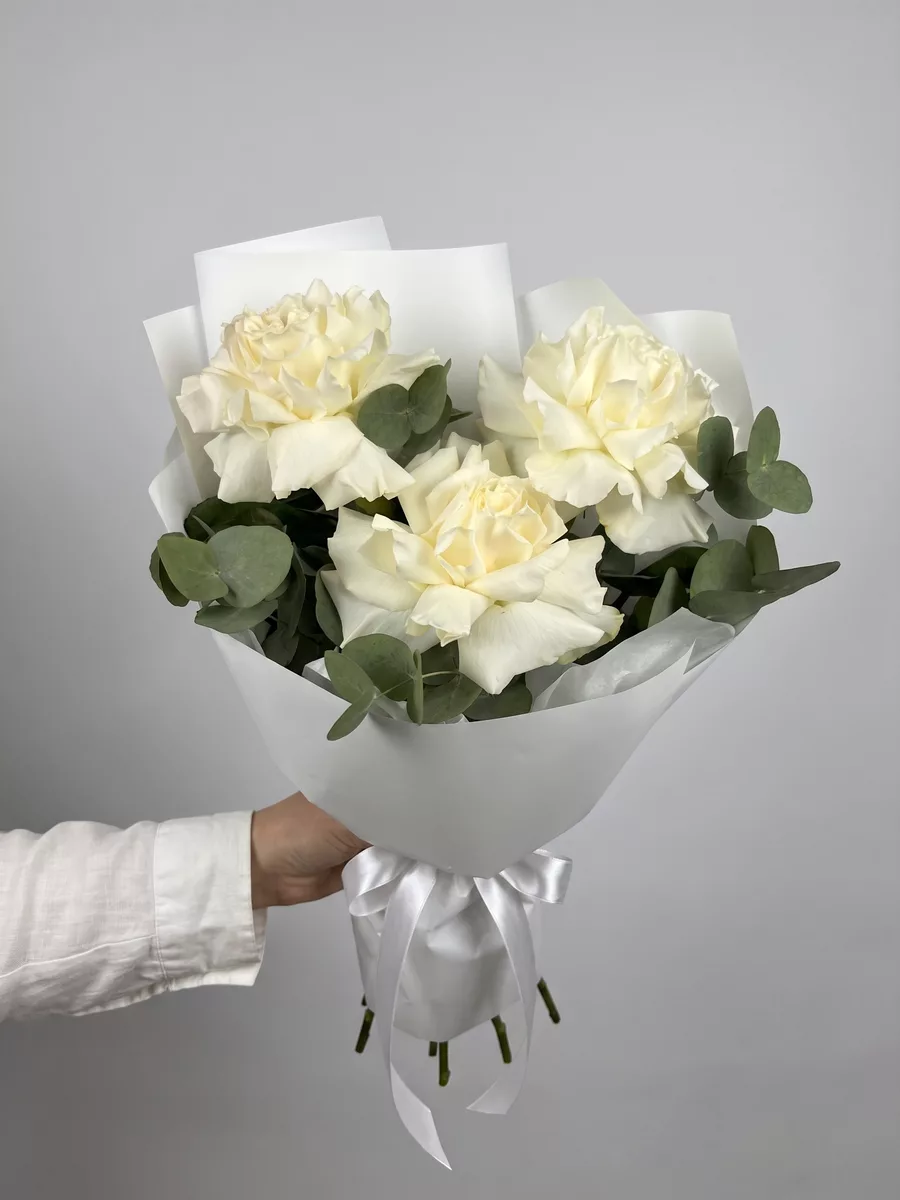
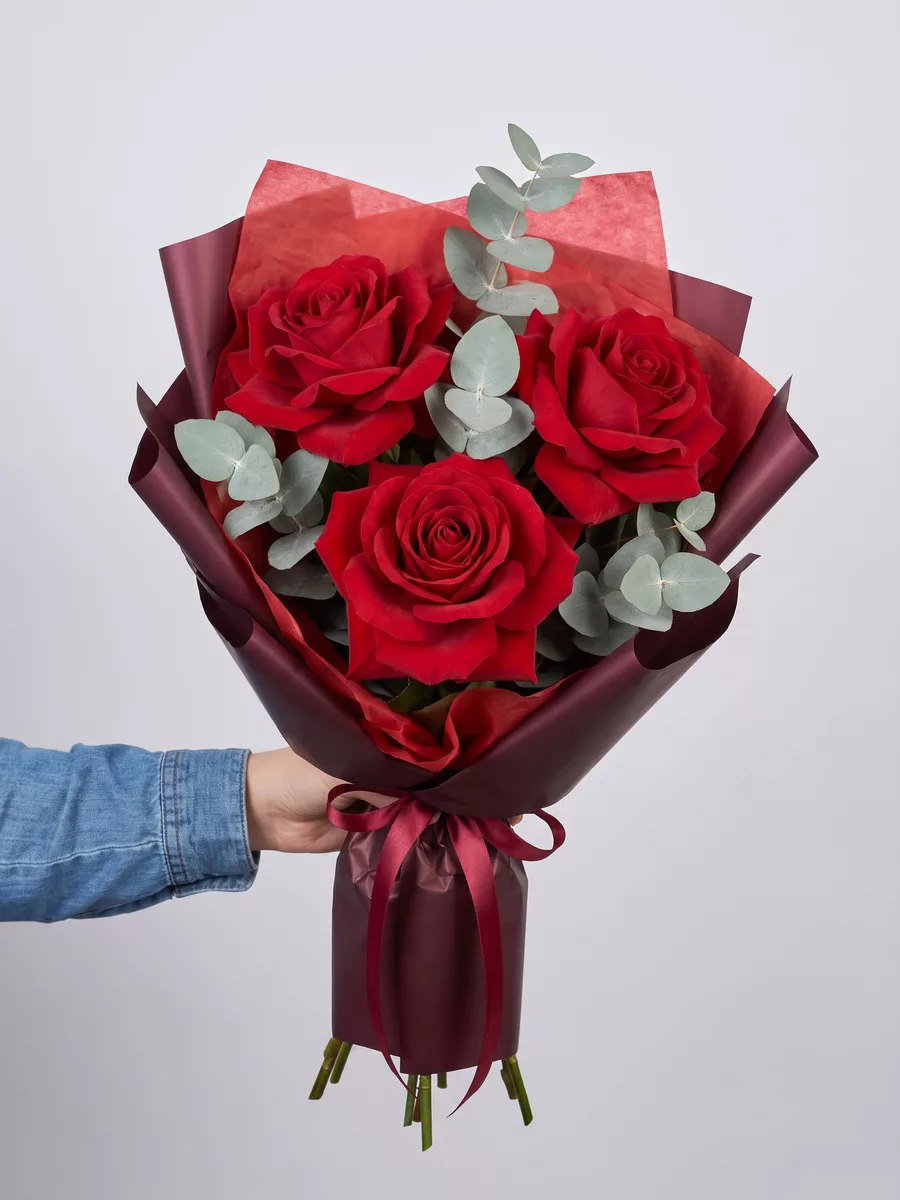
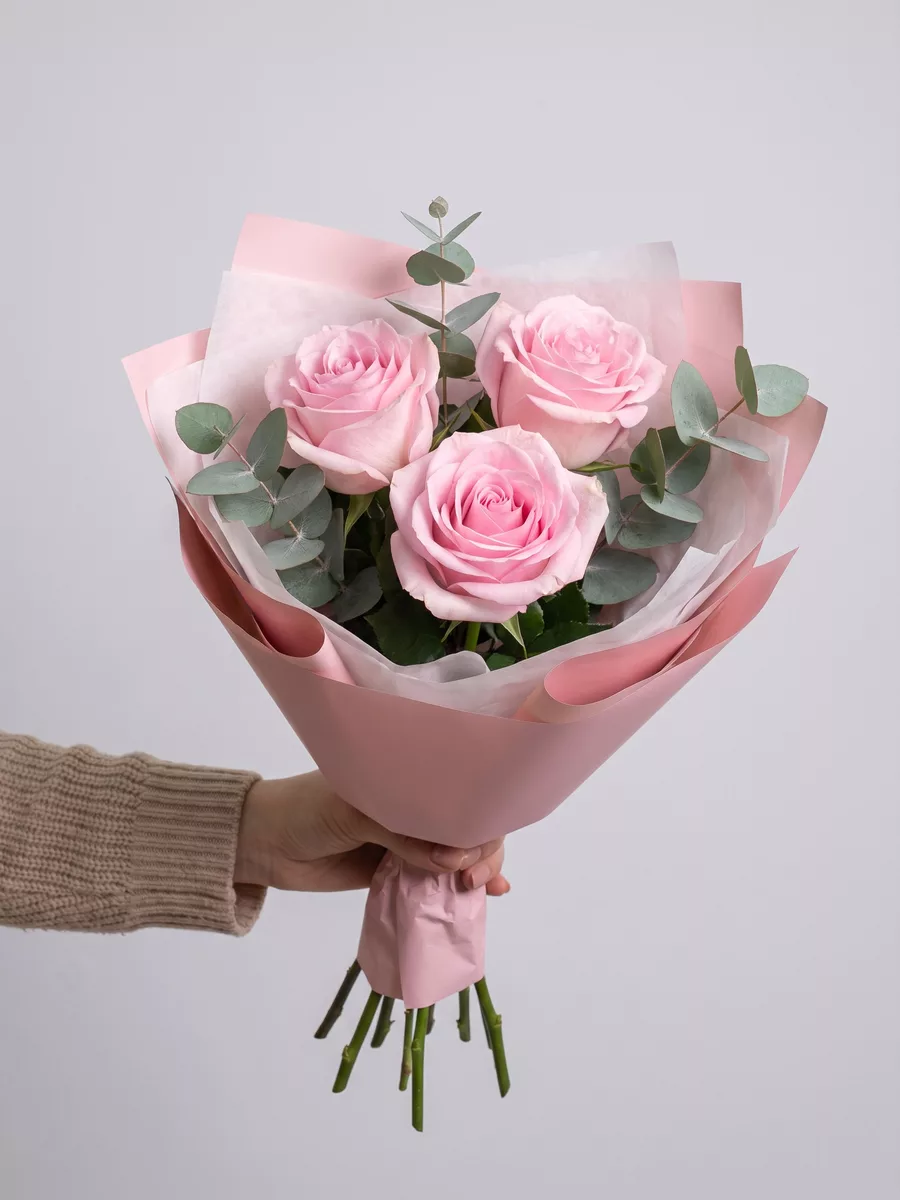
Bouquets we can deliver

Timing Your Order Around the Arctic Day and Night
Kandalaksha experiences polar night from late November through mid-January, when the sun barely clears the horizon or does not rise at all. It also has polar day in summer, when it never gets fully dark. Both extremes affect how people feel, how they socialise, and when a bouquet of flowers carries the most emotional weight. During polar night, a delivery of bright sunflowers or warm-toned gerberas can genuinely lift a mood in a way that feels almost medicinal. Florists who work in northern cities understand this, and it shapes how we think about colour choices for winter orders.
Delivery windows in Kandalaksha run across morning, afternoon, and evening slots. Because the city is not a 24-hour metropolis, evening deliveries should be confirmed with the recipient's likely schedule in mind. A surprise delivery at nine in the evening works well in Saint Petersburg; in Kandalaksha, earlier afternoon slots tend to suit residents better, especially in winter when people prefer to be indoors by dark.
For same-day delivery, placing your order in the morning gives the most reliable result. Orders placed after midday may still reach the recipient the same day depending on route availability, but next-day morning delivery is the safer choice when timing matters for a specific event. If you are ordering for a birthday dinner at seven in the evening, aim to have the flowers arrive by four so the recipient has time to arrange them before guests come.
How Arctic Temperatures Affect the Flowers in Transit
Winter temperatures in Kandalaksha regularly drop to minus twenty or colder, and the wind off the White Sea makes it feel sharper still. Flowers are living things, and cold is one of their most immediate enemies. Roses, for example, develop black edges on their petals when exposed to frost even briefly. Tulips go limp within minutes in severe cold. Orchid stems can turn translucent and collapse. This is not a reason to avoid sending flowers in winter; it is a reason to think carefully about packaging and transit time.
Bouquets destined for Kandalaksha in winter are wrapped in insulating kraft layers and sealed against wind before they leave our hands. The courier carries them inside the vehicle, not in an open boot, and the handover at the door is kept as brief as possible. Recipients should be asked to unwrap the bouquet immediately indoors and not leave it in an unheated hallway or on a balcony.
Some varieties handle cold better than others. Chrysanthemums are genuinely robust and recover well even if they have been briefly chilled. Alstroemeria is another strong choice for northern deliveries because its stems are thick and its petals are less sensitive to temperature shock than those of thin-petalled roses. Carnations also travel well in cold. If you are sending in July or August, the concern flips: the White Sea summer can be surprisingly warm, and flowers need water within an hour of arrival to avoid wilting in the heat of an apartment.
Choosing the Right Bouquet for the Occasion in a Northern City
People in Kandalaksha mark occasions the same way people do across Russia: birthdays are the most common reason to send flowers, followed by anniversaries, professional celebrations like Teacher's Day or International Women's Day on the eighth of March, and new baby arrivals. If you are not familiar with Russian flower customs, one thing to know immediately is that bouquets are almost always given in odd numbers of stems. Even numbers are associated with mourning in Russian tradition, so a bouquet of twelve roses would feel wrong even if it looked beautiful. Eleven, fifteen, or twenty-one stems are all appropriate.
For a birthday in winter, think about what the recipient sees every day: a landscape that is grey, white, and dark for months at a time. A bouquet built around deep burgundy roses with eucalyptus and white waxflower brings warmth and richness. Yellow mimosa in February signals that spring is coming and carries a specific emotional charge in Russia because it is closely associated with the eighth of March celebrations. Bright orange gerberas mixed with green pittosporum feel energetic and cheerful against a winter backdrop.
For a professional milestone or a thank-you to a teacher or doctor, classic white or cream arrangements read as respectful and elegant. A mono-bouquet of white eustoma, also called lisianthus, is sophisticated and longer-lasting than roses in a warm apartment. For a new baby, soft pink or white arrangements with delicate fillers like gypsophila feel tender without being overwhelming.
Budget Ranges and What Each One Gets You
Thinking about budget before you choose a specific flower saves time and avoids disappointment. At the lower end of the range, a small but carefully arranged bouquet of five or seven stems — spray roses with a filler like limonium or waxflower — is entirely appropriate as a spontaneous thank-you or a small birthday gesture. The key is that presentation matters more than volume. A tightly arranged hand-tied bouquet of seven stems with good foliage looks intentional and generous; seven stems dropped loosely into paper looks like an afterthought.
In the mid range, you can build something that genuinely impresses: fifteen mixed roses in complementary colours, a mixed seasonal bouquet combining gerberas, alstroemeria, and chrysanthemums, or a mono-bouquet of twenty tulips in spring when they are at peak quality. These arrangements work for birthdays, anniversaries, and professional celebrations where the gift needs to feel meaningful but not extravagant.
At the higher end, large format bouquets with premium varieties like garden roses, peonies in season, or orchid stems make a strong statement. Peonies are available reliably from May through July and have a scent and fullness that no other flower quite matches. Garden roses, with their dense layered petals, photograph beautifully and last well if the recipient trims the stems and changes the water every two days. For a significant anniversary or a major professional achievement, a large arrangement of mixed garden roses with eucalyptus and ranunculus says everything without needing a word of explanation.
Care Instructions to Pass On to Your Recipient
The florist's job ends at the door, but the flowers' life in the apartment is the part the recipient experiences most. A bouquet that is handled correctly from the first hour will last five to ten days depending on the variety. One that is left in its wrapping on a table, or placed in tap water without trimming, may start to droop within two days. Passing on a few simple instructions when you send your order is one of the kindest things you can do.
The most important step is trimming the stems. Each stem should be cut at a diagonal angle, about two centimetres from the base, using a sharp knife rather than scissors. Scissors crush the vascular tissue that draws water up the stem. The cut should be made under running water or immediately before placing the stem in water, so no air bubble forms in the cut end. Remove any leaves that would sit below the waterline, because submerged leaves rot quickly and cloud the water.
The vase should be clean and filled with cool, not cold, water. Flowers last longer away from direct sunlight, heating vents, and fruit bowls. Ethylene gas released by ripening fruit accelerates petal drop in roses and tulips noticeably. Changing the water every two days and re-trimming the stems each time extends vase life significantly. Chrysanthemums and alstroemeria are the most forgiving varieties for recipients who are not used to caring for cut flowers; roses and tulips reward a little more attention. In the dry air of a northern apartment heated for winter, a light mist of water on the petals once a day helps keep them from drying at the edges.
Making the Delivery a Real Surprise Without It Going Wrong
Surprise deliveries are one of the most requested formats, and they are also the ones most likely to go sideways if the logistics are not thought through. The most common problem is that the recipient is simply not home. In a city like Kandalaksha where many residents commute to work early and return in the afternoon, a delivery at eleven in the morning to someone who works at the Kandalaksha aluminium plant or the port may find an empty apartment. Before ordering a surprise, think honestly about whether you know the recipient's schedule well enough to choose the right window.
If you are not certain of the schedule, a semi-surprise works better: you tell the person a gift is coming and to expect a delivery between certain hours, without revealing what it is. They are home, the door opens, and the flowers still land as a beautiful shock. The emotional effect is almost identical to a full surprise, and the logistics become much simpler.
For a true surprise, coordinate with someone at the recipient's address — a family member, a flatmate — who can receive the bouquet and keep it cool until the right moment. Make sure that person knows not to leave the flowers in a cold hallway or near a window in winter. Including a handwritten card with the bouquet is standard in Russia and expected; a delivery without any note can feel impersonal or even confusing. Write something specific to the person and the occasion rather than a generic phrase, and the flowers will carry far more meaning than their stems and petals alone.
Kandalaksha is not the easiest city to reach, and the climate there tests flowers more than almost anywhere else in Russia. But the people who live there deserve the same quality, the same care, and the same surprise as anyone else. When you choose the right varieties for the season, give the courier the full address details, and pass on a few care tips to your recipient, a bouquet sent from hundreds of kilometres away arrives as warmly as one handed over in person. The distance is ours to manage. The feeling it creates is entirely yours.
Frequently asked questions
Can you deliver flowers to Kandalaksha on the same day I order?
Same-day delivery to Kandalaksha is available for orders placed in the morning. Orders received after midday are more reliably fulfilled the following morning. If your occasion is time-sensitive, placing the order the evening before gives you the most flexibility and ensures the flowers arrive at the slot that suits your recipient best.
Which flowers survive the cold transit to Kandalaksha in winter?
Chrysanthemums, carnations, and alstroemeria are the most cold-tolerant cut flowers and are excellent choices for winter delivery. Roses and tulips are more sensitive to frost but travel safely when properly insulated. We wrap all winter bouquets in protective layers and keep them inside the heated vehicle throughout transit to prevent cold damage.
Do I need to be present to receive the flowers, or can someone else sign for them?
Any adult at the address can receive the bouquet. If you are arranging a surprise, a family member or flatmate can accept the delivery on behalf of the recipient. Please include their name in the order notes so the courier knows who to expect at the door, especially in apartment buildings with entry codes.
Why do Russian bouquets always have an odd number of stems?
In Russian tradition, even numbers of flowers are associated with mourning and are brought to funerals. Odd numbers signal celebration and good wishes. When ordering for a birthday, anniversary, or any joyful occasion, always choose an odd stem count: seven, eleven, fifteen, or twenty-one are all common and feel entirely natural to a Russian recipient.
How long will the flowers last after delivery in a Kandalaksha apartment?
With proper care, most bouquets last five to eight days. Trim stems diagonally with a sharp knife, remove submerged leaves, and change the water every two days. Keep the arrangement away from fruit, heating vents, and direct sunlight. Chrysanthemums and alstroemeria can last up to ten days; roses and tulips reward slightly more attentive care.
Ready to send flowers?
Pick the city, choose the bouquet, and a local florist takes it from there.
Choose a city →