Sending Flowers to Karabash: Timing, Choices and What Arrives
Karabash is not the first city that comes to mind when people think about flower delivery, but the people who live there deserve exactly the same freshness and care as anyone in a larger city. Whether you are sending roses to a mother on her birthday, surprising a partner on an anniversary, or simply telling someone far away that you are thinking of them, the bouquet needs to arrive looking as though it was just arranged. Here is everything you need to know before you place your order.
Where in Karabash We Deliver and What the City Looks Like
Karabash is a small industrial city in the Chelyabinsk Oblast, sitting in the southern Urals at roughly 450 metres above sea level. The city itself is compact, and most residential addresses, including the central streets, the newer housing blocks on the outskirts and the private house sector, fall within our standard delivery zone. If you are sending to a workplace, a school, or a medical facility, those are covered too — just include the full address with any building number or office detail when you order.
One thing worth knowing is that Karabash has a mix of Soviet-era apartment buildings and private homes on smaller lanes. Private houses sometimes have unlisted entrance paths, so adding a landmark or a gate description in the comments field genuinely helps the courier find the door faster. A note like "green fence, second house from the corner" saves time and means the flowers stay in the cold bag for less time before they are handed over.
The city is well connected to Chelyabinsk by road, which is the main route our couriers use. Road conditions in the Urals can change quickly with seasons, and we factor that into our timing estimates rather than giving you a flat promise we cannot keep. Honest timing is always better than a pleasant-sounding number that turns out to be wrong.
Bouquets we can deliver
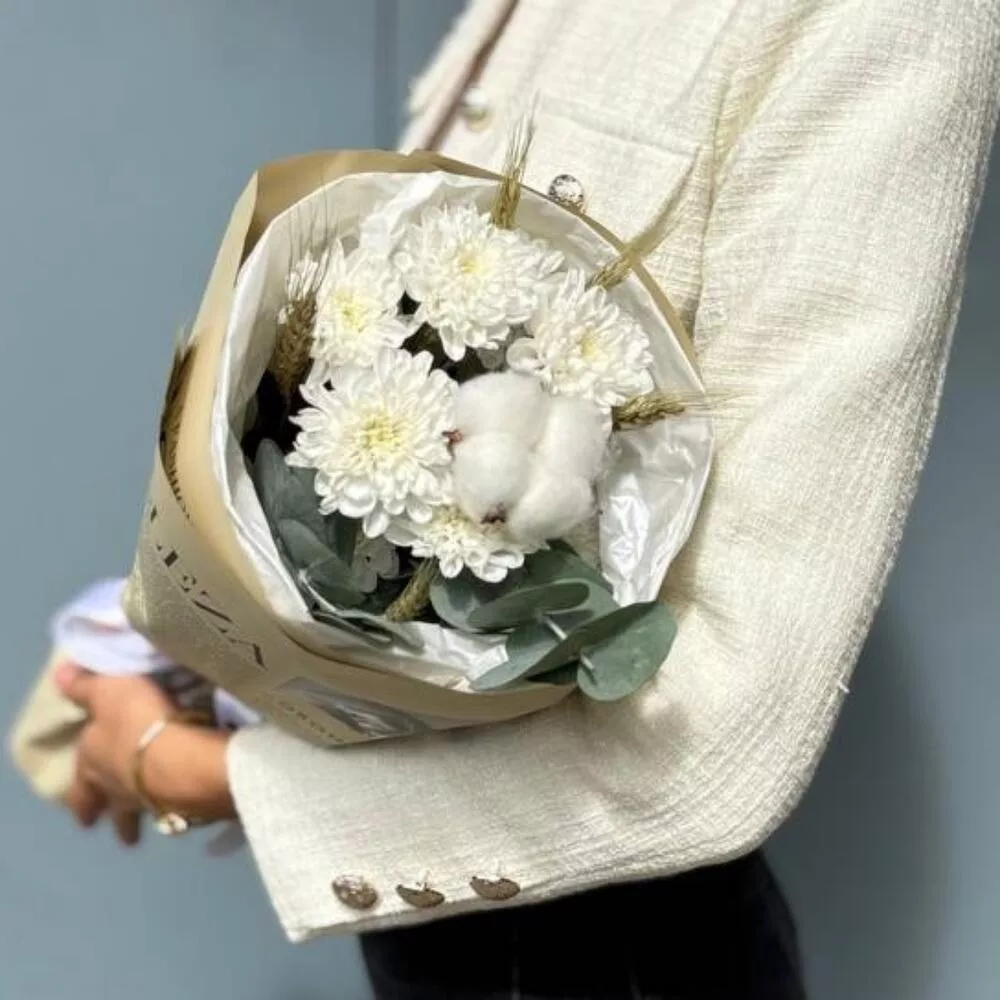
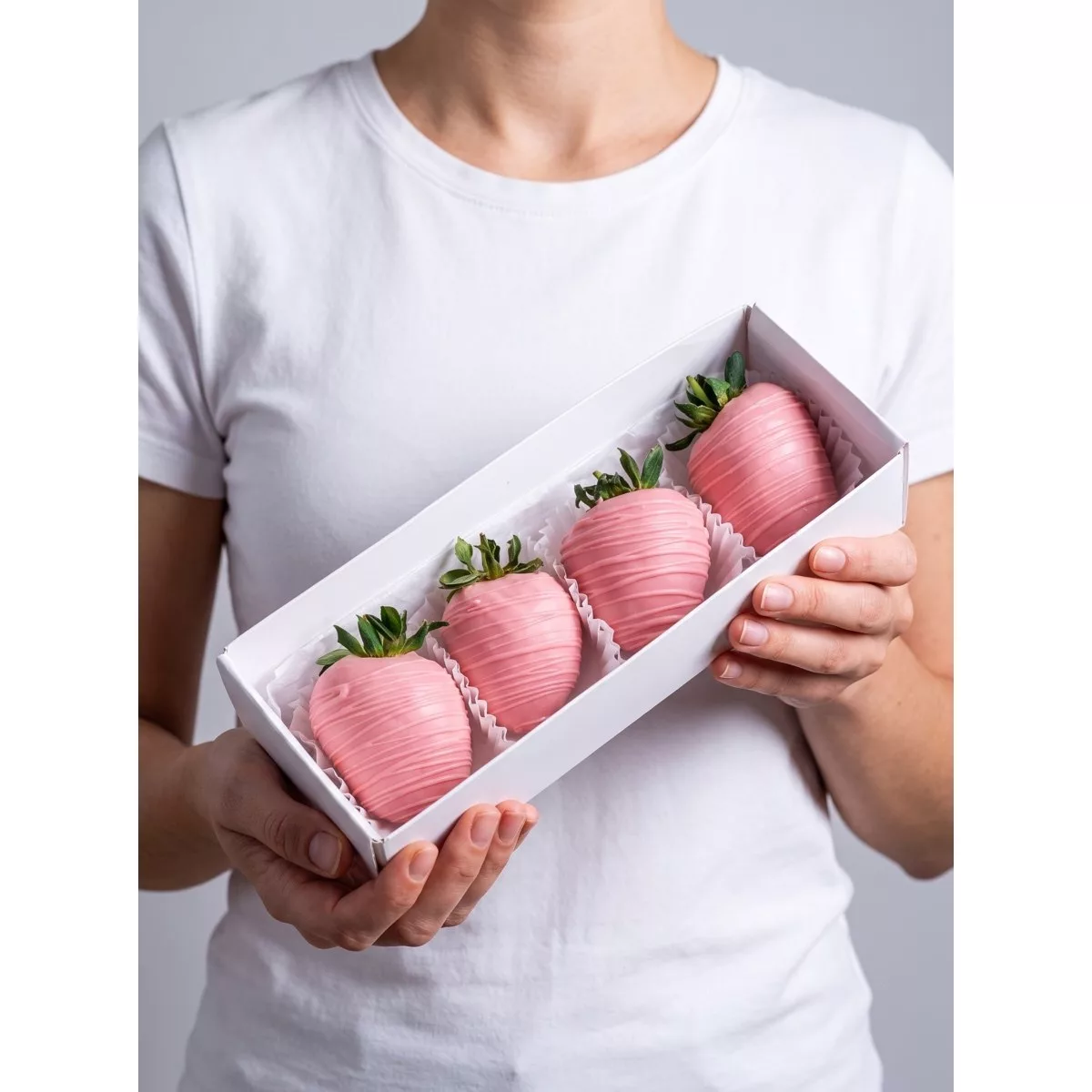

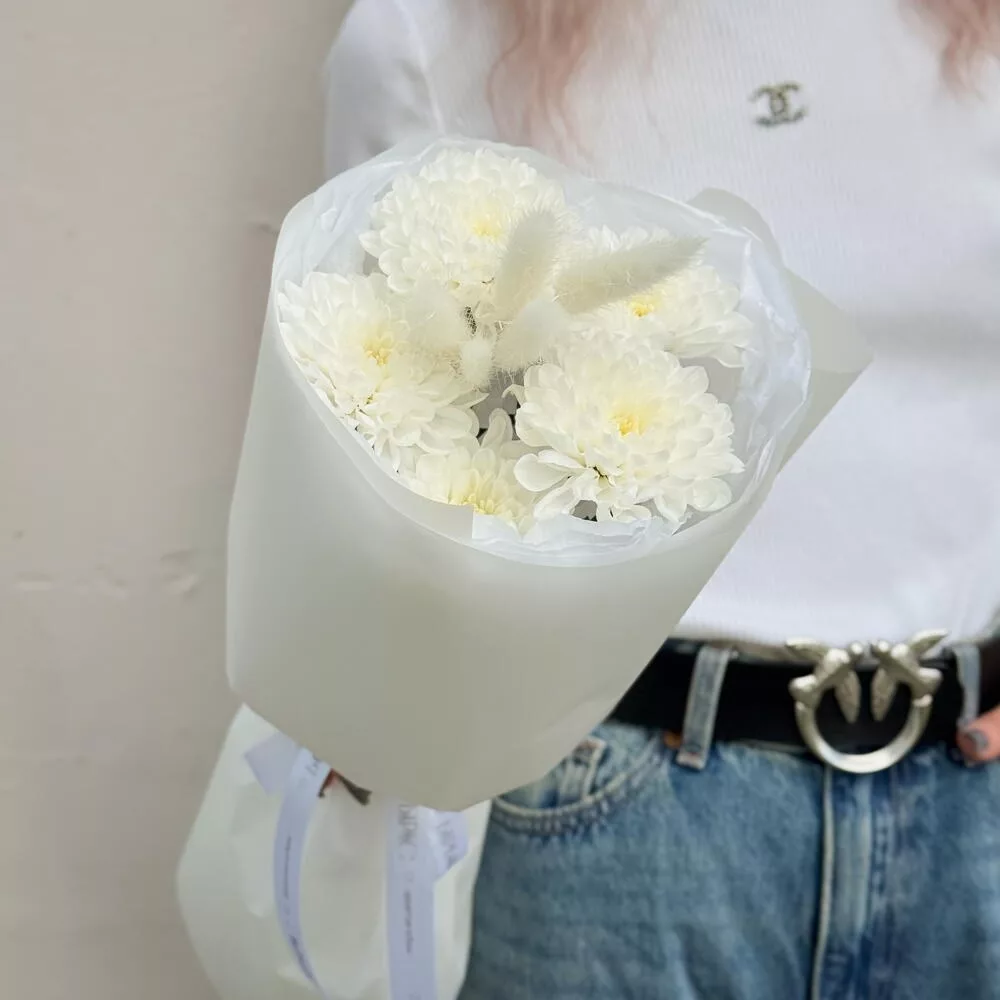
How Long Delivery Actually Takes and When to Order
Delivery to Karabash from our fulfilment point takes longer than a city-centre drop in Saint Petersburg, and we want to be straightforward about that. Depending on the time of day and current road conditions on the Chelyabinsk route, you should expect a window of several hours rather than the one-to-two-hour sprint we offer inside major cities. The best approach is to order the evening before if the occasion is in the morning, or by midday if you want the bouquet to arrive in the afternoon or early evening.
For birthdays and anniversaries, same-day delivery is available when you order before noon. For a truly precise arrival — say, you want the flowers to be there when someone gets home from work at six — tell us the target time in the order notes and we will work backward from that. We would rather adjust your order time than have a courier ring the bell to an empty flat.
Seasonal timing matters too. Winter in the southern Urals brings temperatures that can drop well below minus twenty Celsius. We wrap bouquets in thermal packaging during cold months, which protects the blooms during transit but also means the flowers need a few minutes to acclimatise at room temperature before you unwrap them fully. Rushing that step can cause condensation to settle on petals, which shortens vase life. Summer heat is a different challenge — direct sun in the car is the enemy of any open rose, so our couriers keep flowers shaded and the vehicle cool.
Choosing the Right Flowers for the Person, Not Just the Occasion
The occasion gives you a starting point, but the person gives you the real answer. A woman who keeps a tidy, minimal home will appreciate a structured bouquet of white lisianthus and eucalyptus far more than an overflowing mixed arrangement. A grandmother who grew up with a dacha garden will light up at peonies in season, or at a generous bunch of garden roses in soft pink or cream. Think about what they already have around them before you default to red roses.
That said, red roses are popular in Russia for a reason — they carry a clear emotional message that crosses every language barrier, and a well-conditioned stem of a variety like Explorer or Red Naomi holds up beautifully over several days. If you want roses but want something less expected, try a single-colour bouquet of peach or coral tones, which read as warm and personal rather than formal.
For friends and colleagues, spray chrysanthemums, alstroemeria and statice make excellent choices because they are long-lasting and travel well. These are not lesser flowers — they are practical ones, and a florist who tells you otherwise is not thinking about the recipient's experience three days after delivery. Sunflowers work well in summer and early autumn, and they carry a cheerful energy that suits casual celebrations, housewarming gifts and thank-you bouquets equally. When in doubt, choose fewer stems of something excellent over many stems of something average.
Bouquets by Budget: What Each Level Gets You
Budget shapes what is possible, but it does not have to shape how the bouquet feels. A modest arrangement built around three or five stems of a premium rose variety, wrapped simply in kraft paper with a ribbon, can look more considered than a large mixed bouquet assembled without thought. The key is proportion and intention — a florist who knows what they are doing will make a smaller bouquet feel complete rather than sparse.
At a mid-range budget, you gain the ability to combine flower families. A bouquet might open with garden roses at the centre, then add texture with waxflower or pittosporum, and finish with a few stems of ranunculus if the season allows. Ranunculus has a papery, layered bloom that photographs beautifully and surprises people who have not received it before — it reads as more unusual than its price suggests.
At a higher budget, the shift is mostly in stem count, flower size and the addition of accent materials like preserved cotton, dried bunny tail grass, or seasonal branches. These elements extend the visual life of the bouquet even after the fresh flowers begin to fade, which is a practical advantage for someone who lives alone and may not be replacing water daily. Whatever your budget, tell us the occasion and the recipient's personality in the order notes — that context is worth more than the number itself, and it lets us make choices you might not have considered.
What Russian Flower-Giving Customs Mean for Your Order
If you are not familiar with Russian customs around flowers, a few things are worth knowing before you order. The most widely observed rule is that bouquets should contain an odd number of stems — one, three, five, seven and so on. Even numbers are associated with mourning and funerals, so a bouquet of twelve roses, while generous, would strike most Russian recipients as strange or unsettling. We always compose bouquets with this in mind, but if you are specifying a stem count yourself, keep it odd.
Colour carries meaning too, though less rigidly than the number rule. Yellow flowers were historically associated with separation or jealousy in Soviet culture, and while younger generations are far more relaxed about this, some older recipients may still react to a yellow bouquet with mild unease. If you are sending to someone over sixty and you are not certain of their preferences, a mixed bouquet that includes yellow as an accent rather than the dominant colour is a safe middle ground.
Giving flowers is genuinely common in Russia for occasions that would not prompt flowers in other cultures — a teacher on Knowledge Day in September, a colleague on their professional holiday, a neighbour on New Year. If you are sending from abroad and are unsure whether flowers are appropriate for the moment, the answer is almost always yes. Russians receive flowers with real warmth, and the gesture of sending them from a distance reads as especially thoughtful rather than excessive.
Keeping the Bouquet Fresh After It Arrives
The care instructions you give the recipient matter as much as the flowers themselves. A bouquet of well-conditioned roses can last seven to ten days with correct care, or three days with none. The first step is always a clean diagonal cut across each stem — cut underwater if possible, or at least immediately before placing the stems in water so air does not enter the vascular tissue. Kitchen scissors compress stems rather than cutting them cleanly, so a sharp knife or proper flower scissors make a real difference.
The vase water should be cool and changed every two days. Remove any leaves that sit below the waterline, because submerged foliage rots quickly and clouds the water with bacteria that block stem uptake. A pinch of sugar and a few drops of bleach in the water is a traditional Russian household trick that genuinely extends vase life by feeding the flowers and slowing bacterial growth — it is not elegant but it works.
Keep the bouquet away from direct sunlight, heating radiators and fruit bowls. Ripening fruit releases ethylene gas, which accelerates petal drop in roses and lisianthus in particular. In Karabash winters, the apartment heating is often very high — placing the vase near a window that is slightly open at night gives the flowers a cooler resting period and noticeably extends how long they look their best. Pass these tips along with the bouquet and the recipient will remember both the flowers and the thought behind them.
Adding a Card, a Gift or a Personal Detail to the Order
A handwritten card changes the entire experience of receiving flowers. When a bouquet arrives without a message, the first question is always who sent it and why — and even if the answer comes by phone a moment later, the mystery creates a small gap between the gift and the feeling. A card closes that gap immediately and lets the sender's words arrive alongside the scent of the flowers.
When you write the card message in your order, write it as you would say it rather than reaching for formal phrasing. "I am proud of you" lands differently than "Congratulations on your achievement." Simple and personal is always better than polished and generic. If Russian is not your first language and you are not sure how to phrase something in Russian, write it in English and add a note asking us to keep it in English — many recipients in Karabash, especially younger ones, will appreciate an English message as something distinctive.
Beyond the card, we can add small accompaniments to the order — a box of chocolates, a soft toy, or a candle. These work especially well for birthdays where the flowers are the main gift but you want the delivery to feel like an event rather than a single item. For children's celebrations, a small toy alongside a bright bouquet of sunflowers or gerberas creates a moment rather than just a transaction. Whatever you add, make sure it reflects the person, not just the occasion — that is the detail they will tell someone else about later.
Sending flowers to Karabash is entirely straightforward when you know what to plan for — a little lead time, the right variety for the season, and a card that says what you actually mean. The distance between you and the person receiving the bouquet does not have to show in the flowers themselves. Order with care, give us the details that matter, and what arrives at their door will feel like it came from around the corner.
Frequently asked questions
Can I order flowers to Karabash for same-day delivery?
Yes, same-day delivery to Karabash is available when you place your order before noon. For morning arrivals, ordering the evening before gives us the best window to ensure the bouquet reaches your recipient at exactly the right moment. Include your preferred delivery time in the order notes and we will work to meet it.
Why should a bouquet have an odd number of flowers in Russia?
In Russian tradition, even numbers of flowers are associated with mourning, so gifts always contain an odd number of stems — three, five, seven and so on. This is widely observed across generations and regions. We always follow this rule when composing bouquets, but if you are specifying a stem count yourself, keep the number odd to be respectful of the custom.
What flowers travel best in cold Ural winters?
Roses, spray chrysanthemums, alstroemeria and lisianthus all handle cold transit well when properly packaged. We use thermal wrapping in winter months. Tropical varieties like anthuriums are more cold-sensitive, so in deep winter we recommend sticking to roses or chrysanthemums for Karabash deliveries to ensure the blooms arrive in perfect condition.
How do I make sure the recipient is home when the bouquet arrives?
Add the recipient's phone number to the order so our courier can call ahead before arrival. If you want the delivery to be a surprise, you can ask us not to reveal who sent it during that call. Alternatively, specify a time window in the notes — if you know they are home after six, tell us and we will schedule accordingly.
Can I write the card message in English for a Russian recipient?
Absolutely. Write your message in English in the order notes and we will reproduce it exactly on the card. Many recipients in Karabash, particularly younger people, will find an English message charming and memorable. If you would like the message translated into Russian instead, simply add that request and we will handle it for you.
Ready to send flowers?
Pick the city, choose the bouquet, and a local florist takes it from there.
Choose a city →