Sending Flowers to Karabulak? Here Is What to Expect
Karabulak sits in the heart of Ingushetia, a city where occasions are celebrated with real warmth and where arriving with flowers means something. Whether you are sending a bouquet to a mother on her birthday, congratulating a colleague on a promotion, or marking a wedding anniversary from a distance, the flowers need to arrive fresh, on time and looking exactly as you imagined them. This article walks you through everything that shapes a successful delivery to Karabulak — the timing, the climate, the best choices by season and budget, and how to keep the bouquet alive once it reaches its recipient.
Why Karabulak Is Worth Getting Right
Karabulak is a compact but lively city, and gift-giving culture here leans toward generosity and presentation. A bouquet is rarely a quiet gesture — it is a statement, and the recipient will notice every detail, from the freshness of each stem to the way the wrapping holds its shape after the journey. Understanding this helps you choose not just the right flowers but the right volume and the right moment to send them.
The city is located in a region where summers are genuinely hot and winters can bring sharp cold spells. Both extremes affect how flowers travel. In July and August, roses can lose a petal tier within two hours if they are not kept cool during transit. In January, exposed stems can suffer frost damage in under fifteen minutes of outdoor exposure. Knowing this means you can time your order to avoid the worst of the midday heat or the coldest morning window.
Karabulak recipients also tend to appreciate abundance. A single-variety bouquet of fifteen roses in a clean wrap reads as confident and elegant. A mixed arrangement combining spray roses, lisianthus and eucalyptus branches signals thought and effort. Neither is wrong — the choice depends on the person and the occasion. What matters is that the flowers arrive at their peak, which is entirely achievable with the right planning on your end and reliable cold-chain handling on ours.
Bouquets we can deliver

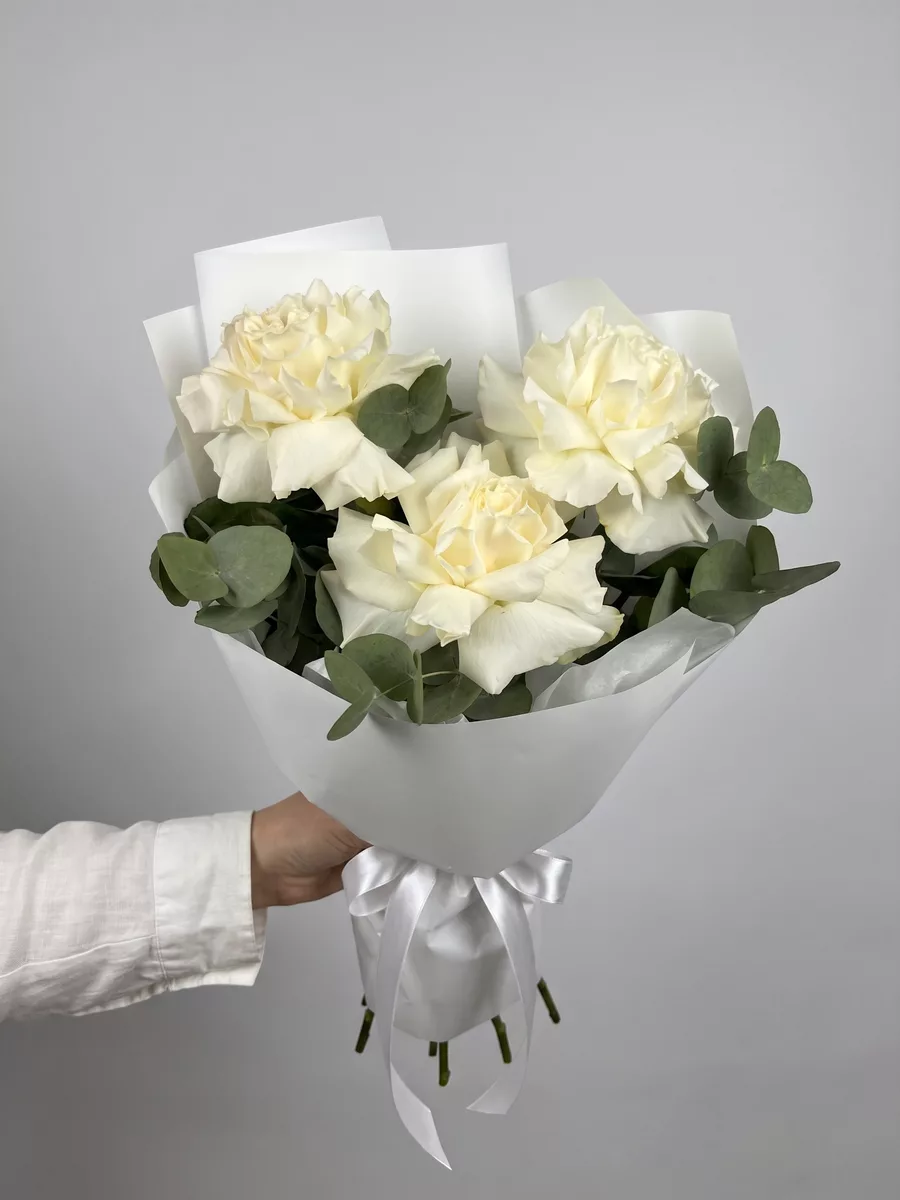
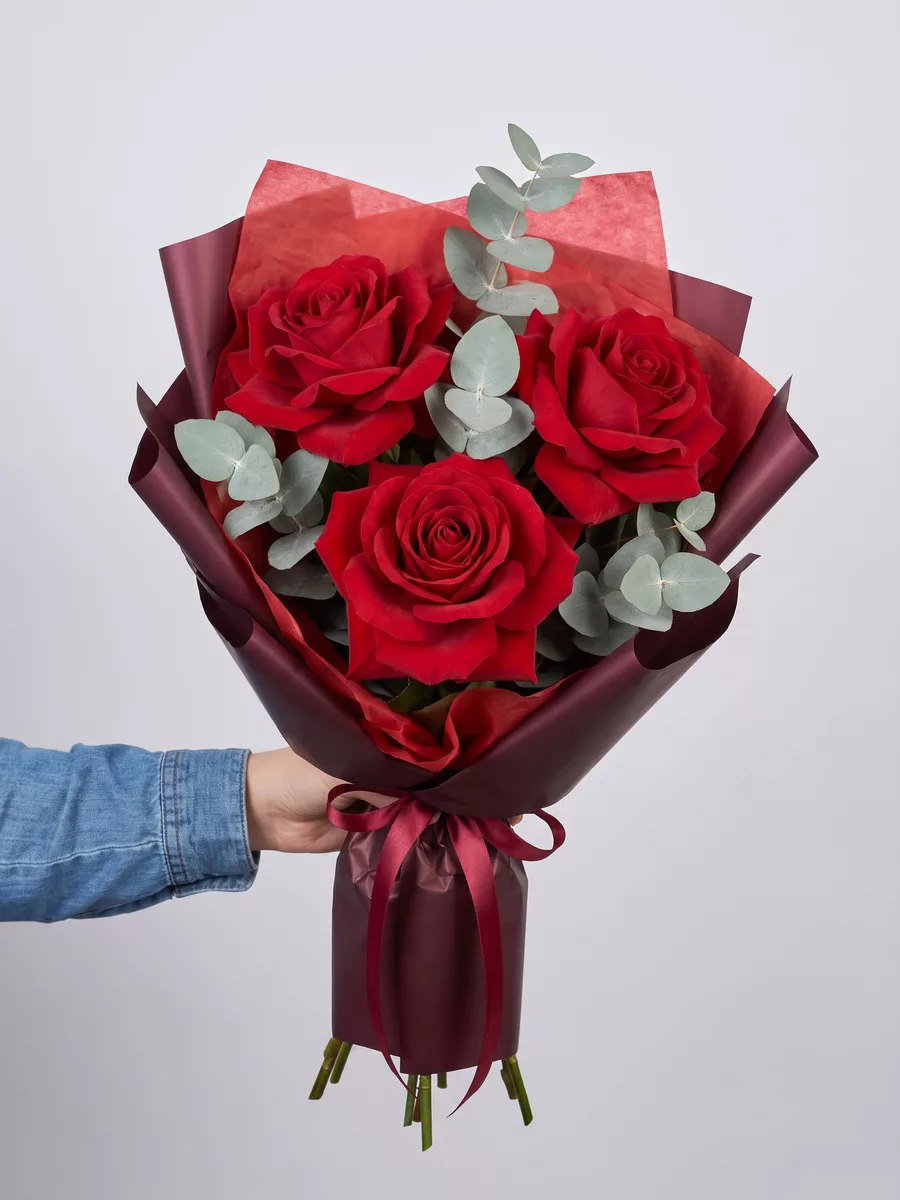
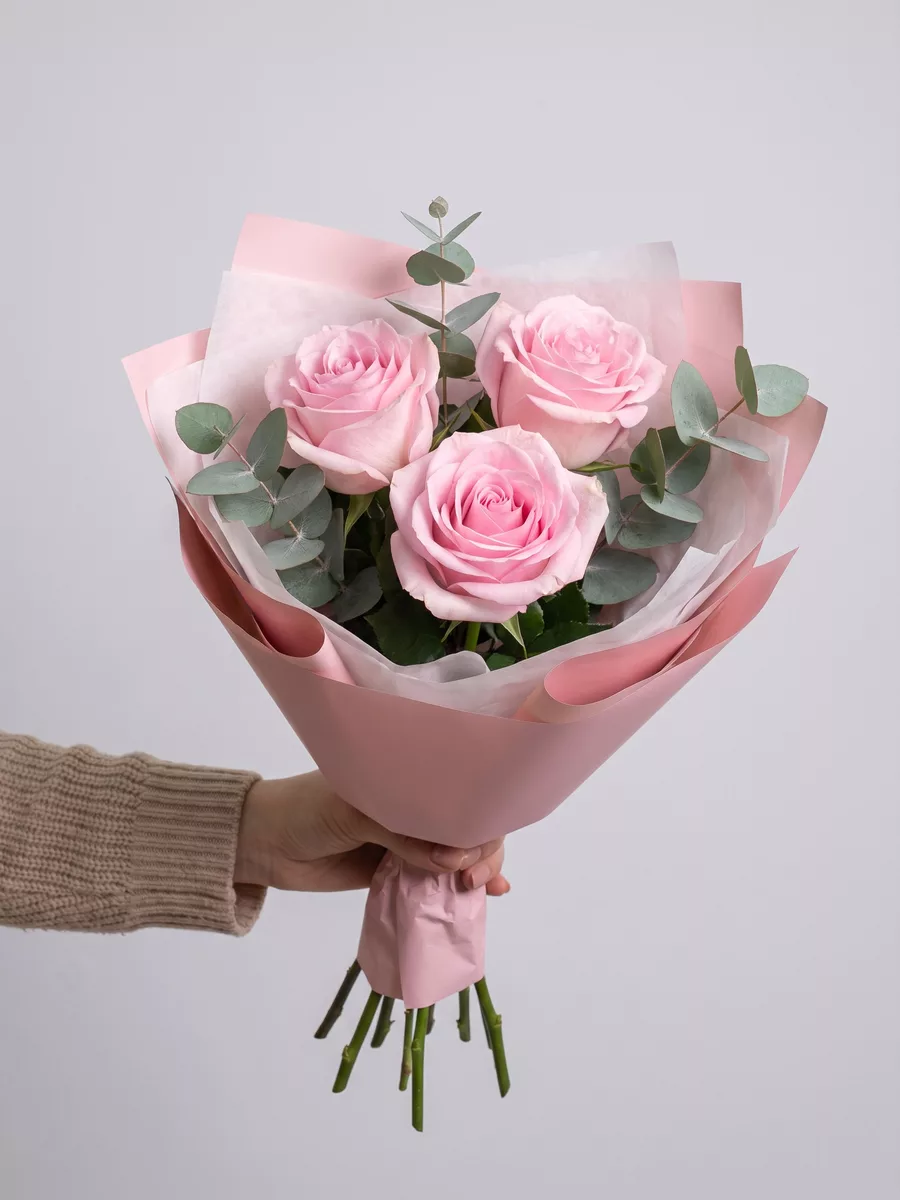
Delivery Timing and What the Journey Actually Looks Like
Turboflora operates from Saint Petersburg and delivers across Russia, including to Karabulak. Orders placed before the cut-off time are assembled by professional florists using fresh stock held at controlled temperatures, then dispatched through a verified courier route that maintains the cold chain as long as possible. Delivery to Karabulak typically falls within the one-to-two-hour window for same-day orders, though cross-regional deliveries to the North Caucasus benefit from early ordering — ideally before noon — to secure the best same-day slot.
The flowers travel in insulated packaging designed to buffer temperature swings. This matters enormously in Ingushetia's climate. In summer, packaging includes moisture-retaining wrapping around the stems and a breathable outer layer that prevents condensation from building up and rotting the lower leaves. In winter, an extra thermal sleeve protects against the cold air the courier encounters between the vehicle and the recipient's door.
Once you place the order, you can specify a delivery window and add a personal message card. The recipient does not need to be home if you arrange for a neighbour or family member to receive the bouquet — though for perishable arrangements, same-day receipt is always the better outcome. If no one is available, the courier will contact the recipient directly to arrange the handover, ensuring the flowers do not sit in the heat or cold longer than necessary. Planning ahead by even two hours makes a noticeable difference to the final condition of the bouquet.
Choosing Flowers for the Occasion, Not Just the Season
The occasion shapes the choice far more than most people realise. For a birthday, you want flowers that feel celebratory and a little extravagant — think garden roses in blush or coral, paired with white alstroemeria and a few stems of waxflower for texture. This combination holds up well in transit, blooms gradually over several days and photographs beautifully, which matters when the recipient will almost certainly share the moment.
For a romantic anniversary, red roses remain the classic and for good reason — they carry an unambiguous message and they are bred for longevity. A bouquet of twenty-five red roses with dark foliage and a satin ribbon is a confident choice that needs no explanation. If you want something more nuanced, deep burgundy peonies in season (late May through June) or ranunculus in terracotta tones offer a more intimate feeling without losing the impact.
For congratulations — a new job, a graduation, a new home — lighter palettes work better. Sunflowers, yellow chrysanthemums and white freesia together create an energetic, optimistic arrangement that suits the mood without feeling too formal. Freesia is particularly useful here because it carries a gentle fragrance that fills a room without overwhelming it, and it travels exceptionally well even in warm conditions.
For a teacher or a respected elder, which is a common gifting occasion in Ingush culture, a structured bouquet of white or cream flowers — lilies, lisianthus, white roses — communicates respect and care in a way that feels appropriate to the relationship. Avoid very casual wildflower styles for these recipients; they can read as underprepared.
Bouquets by Budget: What You Actually Get
Budget shapes composition, not quality. At a modest level, a bouquet built around spray roses, statice and a few stems of solidago gives you colour, texture and reasonable vase life. Spray roses are smaller than standard roses but they cluster beautifully and open over five to seven days, meaning the bouquet looks better on day three than it did on day one. This is a genuine advantage for a recipient who lives alone and will be enjoying the flowers by themselves.
At a mid-range level, you can move into single-headed roses, tulips in season (October through April), or a mixed arrangement that includes a statement flower — a large-headed peony, a few stems of ornamental allium, or a branch of flowering quince if the season allows. The wrapping and ribbon choices also become more considered at this level, and the overall presentation gains significantly.
At a generous budget, you are working with premium varieties: garden roses with multiple petals and a true fragrance, Ecuadorian roses with stems that stand sixty to seventy centimetres tall, or a structured arrangement that combines several textures — soft pampas grass, dusty miller foliage, and a centrepiece of large-headed white chrysanthemums or blush dahlias in late summer. These arrangements have real visual weight and make an impression the moment the door opens.
The honest advice is to spend more on fewer, better flowers rather than stretching a modest budget across too many stems. A tight bouquet of twelve premium roses says more than a loose bundle of thirty mixed stems that will not all survive the week.
Seasonal Awareness: What Travels Well to Karabulak in Each Season
Summer in Karabulak means temperatures that regularly reach thirty-five degrees Celsius or above. In these conditions, delicate flowers like sweet peas, anemones and open peonies are poor choices for delivery — they simply cannot handle the heat exposure during the final steps of handover. Roses, chrysanthemums, alstroemeria and tropical varieties like anthurium or bird of paradise are far more resilient. Gerbera daisies are popular but need careful handling; they travel well if the stems are kept in water and the heads are not compressed during packaging.
Autumn is actually the most forgiving season for flower delivery in this region. Temperatures drop into a comfortable range, and many of the best varieties are in full supply — dahlias, lisianthus, sunflowers, solidago, and the last of the summer roses before the market shifts to greenhouse production. If you have flexibility in timing, September and October are excellent months for a generous, colourful arrangement.
Winter brings its own challenges. Tulips, which are widely available from November onward, are sensitive to cold shock and can collapse if exposed to freezing air even briefly. Roses and chrysanthemums handle winter better. If you are ordering in January or February, mention the cold conditions when placing your order so the packaging can be adjusted. The florist team knows what to add — the thermal sleeve makes a real difference.
Spring sees a rush of availability: ranunculus, anemones, narcissus and the first tulips of the new season. These are all wonderful choices for March and April deliveries, especially for Women's Day on the eighth of March, which is one of the biggest flower-giving occasions in Russia and requires early ordering.
Care Instructions to Pass On to the Recipient
A bouquet that arrives in perfect condition can still disappoint if the recipient does not know how to care for it. Passing on a few simple instructions — either verbally or on the card — makes a meaningful difference to how long the flowers last and how the gift is remembered.
The first step is cutting the stems. Trim one to two centimetres from each stem at a forty-five-degree angle using a sharp knife or scissors, ideally under running water or while the stems are submerged. This angle maximises the surface area for water uptake and prevents the flat end from sitting against the bottom of the vase and blocking the intake. Do this on the day of arrival and again every two days.
Fill the vase with cool, clean water and add the flower food sachet that comes with the bouquet. This sachet contains a biocide that slows bacterial growth and a small amount of sugar that feeds the blooms. It is not optional — flowers kept in plain water without the sachet will last noticeably fewer days. Change the water completely every two days rather than topping it up.
Keep the bouquet away from direct sunlight, radiators and fruit bowls. Ripening fruit releases ethylene gas, which accelerates ageing in cut flowers and causes petals to drop prematurely. A cool room — between sixteen and twenty degrees Celsius — is ideal. Roses and chrysanthemums can last seven to ten days with this care. Tulips, which continue to grow after cutting, will last five to seven days and will lean toward the light, so rotate the vase daily to keep them upright.
Making the Moment Land: Presentation and Personal Touches
The flowers themselves are only part of what the recipient experiences. The wrapping, the card message and the timing of delivery all shape the moment, and small choices here have an outsized effect on how the gift is received.
Wrapping choices signal intention. Kraft paper with a natural ribbon reads as warm and considered — it suits birthdays, congratulations and casual celebrations. A smooth matte paper in a deep colour with a velvet ribbon reads as more formal and suits anniversaries or significant professional milestones. Ask for the wrapping style when you place the order; it is not a minor detail.
The card message is where most people underinvest. A generic message — happy birthday, best wishes — is fine but forgettable. A specific detail — referencing a shared memory, naming the flowers and why you chose them, or writing in the recipient's first language if it differs from your own — transforms the card from a formality into something kept. In Ingush culture, warmth and directness are both valued; a message that says exactly what the sender feels is always the right call.
Timing the delivery adds another layer. Arriving at the beginning of a celebration, rather than mid-event, gives the recipient time to arrange the flowers and enjoy them as part of the occasion rather than managing them while guests are present. For a birthday, early morning or late morning delivery is ideal. For a work anniversary, mid-morning when colleagues are present amplifies the moment. These are small adjustments that cost nothing but land very differently.
Sending flowers to Karabulak is entirely straightforward when you understand the climate, the culture and the logistics. Order early, choose varieties suited to the season and temperature, pass on care instructions to the recipient, and invest a little thought in the wrapping and the card message. The distance between Saint Petersburg and Karabulak is significant, but the bouquet that arrives should feel as though it was assembled just around the corner — fresh, considered and ready to make an impression the moment the door opens.
Frequently asked questions
Can I order same-day flower delivery to Karabulak?
Yes, same-day delivery to Karabulak is available when you order before noon. Ordering earlier in the day gives the team the best window to assemble and dispatch your bouquet so it arrives fresh. For evening events, a morning order is always the safest approach and avoids any risk of delay during peak hours.
Which flowers hold up best in Karabulak's summer heat?
Roses, chrysanthemums, alstroemeria and tropical varieties like anthurium are the most heat-resilient options for summer delivery. Avoid open peonies, sweet peas and anemones in July and August — they deteriorate quickly when exposed to high temperatures during the final handover step, even with good packaging in transit.
What should I write on the card for a recipient who follows Ingush traditions?
Be warm and direct. Reference the specific occasion, mention the person by name and say plainly what you wish for them. In Ingush culture, sincerity matters more than formality. If you know a phrase in the recipient's preferred language, using it adds a personal touch that will be remembered long after the flowers have faded.
How long will the bouquet last after delivery?
With proper care — fresh water every two days, a diagonal stem cut, the included flower food sachet and a cool location away from sunlight and fruit — roses and chrysanthemums typically last seven to ten days. Tulips last five to seven days. Passing these instructions to the recipient at the time of delivery makes a noticeable difference to the outcome.
Can I schedule delivery for a specific time rather than a general window?
Yes. At checkout you can select a delivery window and add notes about timing preferences. For occasions where the moment of arrival matters — a surprise, a workplace delivery when colleagues will be present — specifying a narrower window in the order notes helps the dispatch team plan accordingly and gives the recipient the best possible experience.
Ready to send flowers?
Pick the city, choose the bouquet, and a local florist takes it from there.
Choose a city →