Sending Flowers to Karachev? Here Is What to Expect
Karachev sits quietly in the Bryansk region, a city where a bouquet arriving at the door still feels like a genuine event. Whether you are marking a birthday from across the country or surprising someone who moved there recently, getting flowers to Karachev requires a little planning — and the right expectations about timing, variety, and how fresh stems travel in a city that is not a metropolitan hub. This article walks you through everything you need to know before you order.
Where in Karachev We Deliver and How the City Is Laid Out
Karachev is a compact city, which is actually good news for flower delivery. The central districts, residential microrayons along Revolyutsii Street, and the quieter streets near the Snezhet River are all reachable without the traffic complications you would find in a large city. Because the city is relatively small, a driver can cross it in under twenty minutes under normal conditions, which keeps flowers fresher on arrival.
The surrounding villages and settlements close to Karachev can sometimes be reached depending on the specific address, so it is always worth specifying the full address including any building number or apartment block when you order. Ambiguous addresses are the single most common reason for a delayed delivery, even in a town this size.
Industrial zones and newer housing developments on the city's edges may require a slightly longer lead time, but they are not out of reach. If you are unsure whether a particular street falls within the delivery zone, the simplest step is to enter the full address at checkout — the system will confirm coverage immediately. Knowing the layout helps you set realistic expectations: this is not a city where a bouquet gets lost in traffic, but it is also not a place where you should assume the florist knows every courtyard by heart.
Bouquets we can deliver
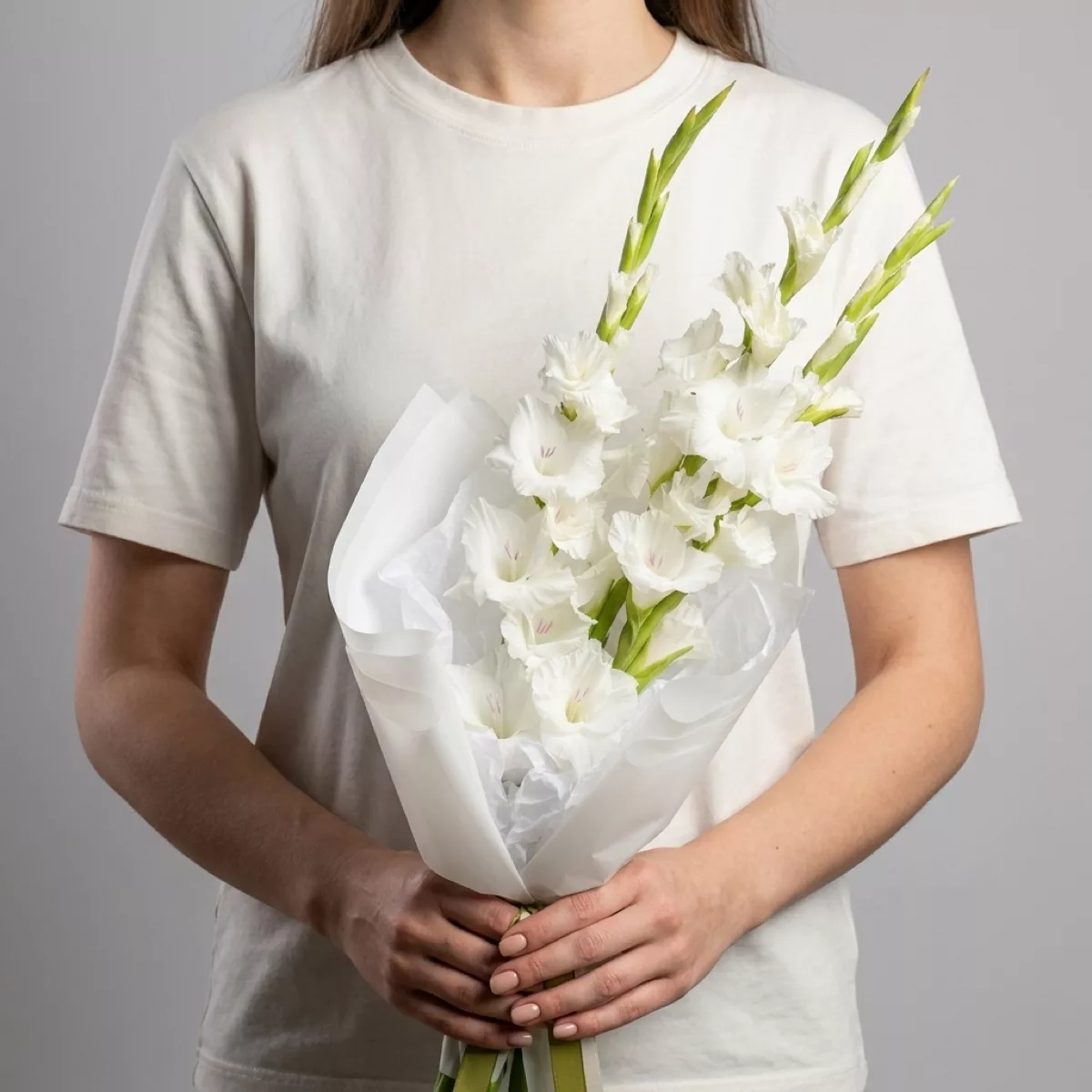
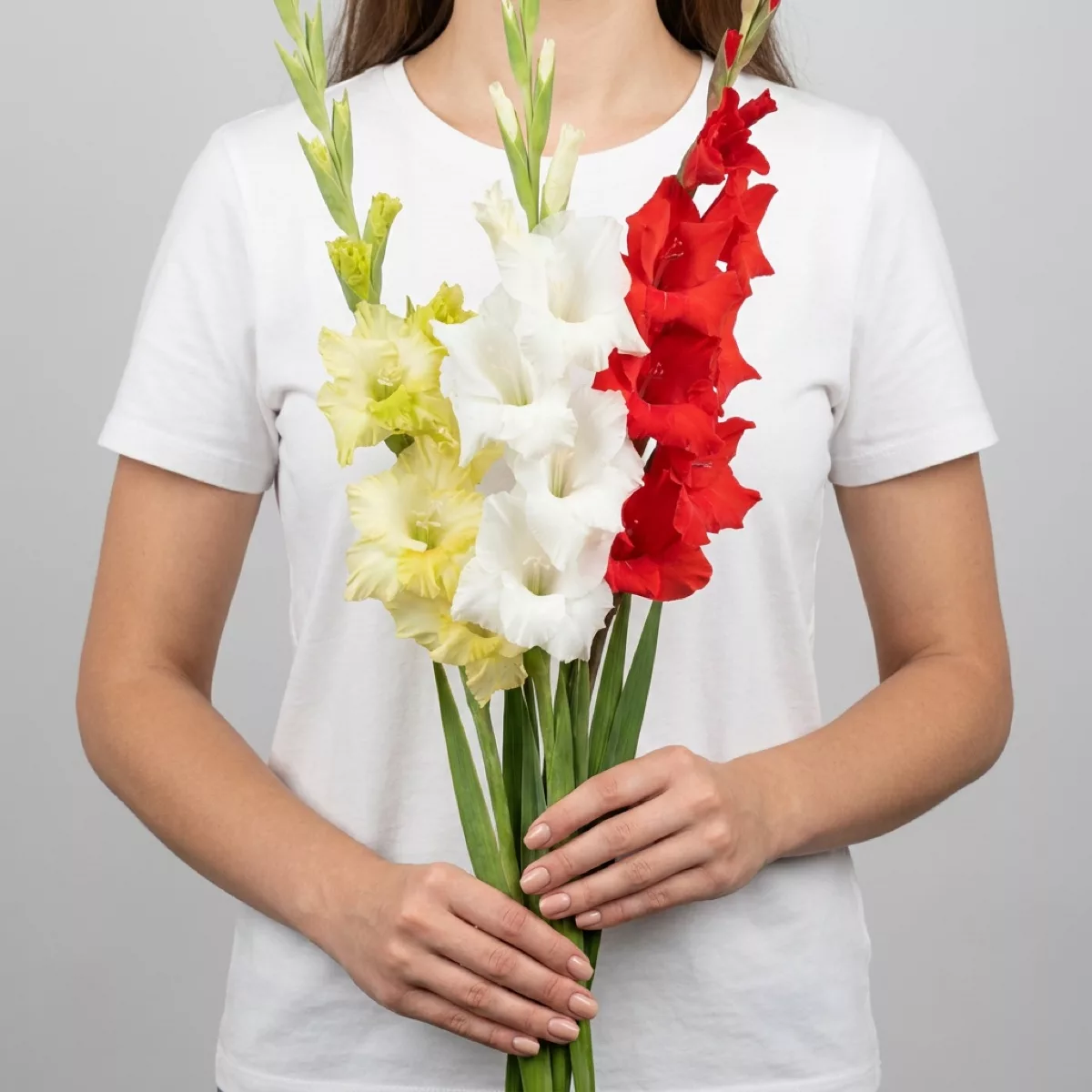
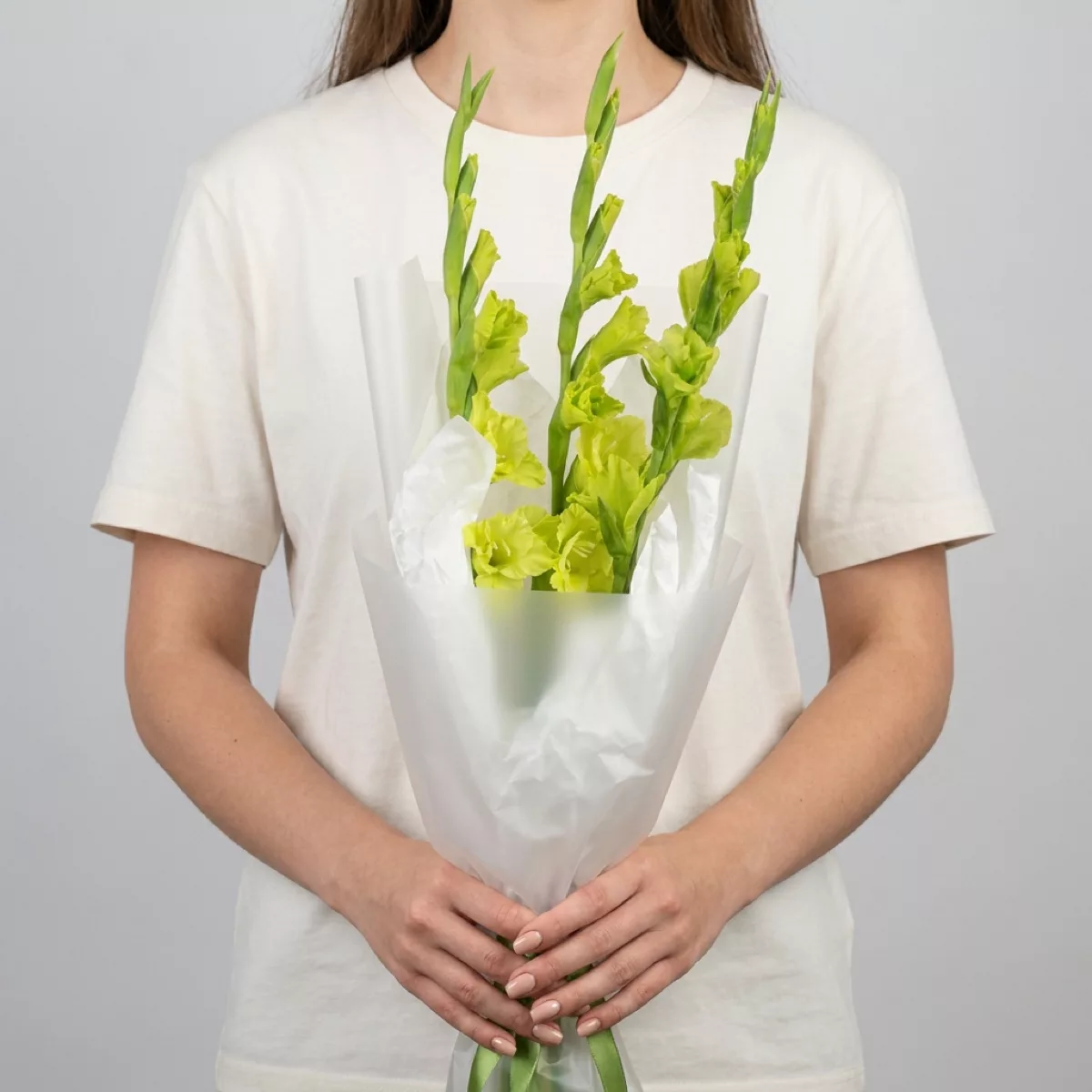
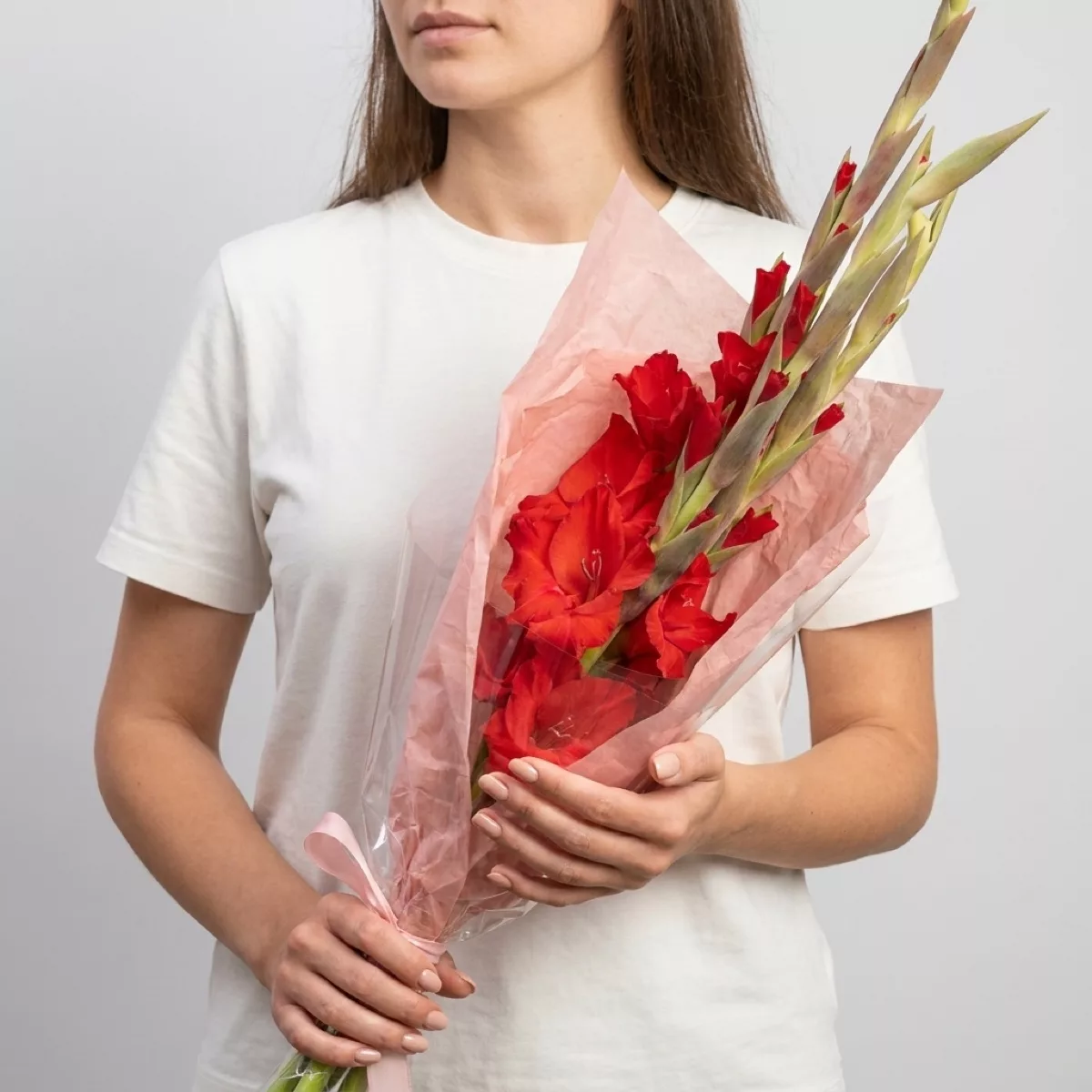
Delivery Timing: What One to Two Hours Actually Means Here
The one-to-two-hour delivery window is the standard Turboflora promise, and in Karachev it holds well precisely because the city does not have the congestion of Saint Petersburg or Moscow. Once your order is confirmed and the bouquet is assembled, the courier is typically on the road within thirty to forty minutes. The remaining time is travel and handover.
That said, there are moments when timing becomes tighter. Public holidays, especially around March 8 — International Women's Day, which is the single busiest flower day in Russia — see order volumes spike sharply. If you are planning a delivery for that date, ordering at least a day ahead is not overcaution, it is practical sense. The same applies to Valentine's Day and the first of September, when schoolchildren across Russia traditionally receive flowers from parents.
Evening deliveries, particularly after 8 p.m., can take slightly longer simply because traffic patterns shift and some addresses become harder to reach when building entrances are locked. Always include a working phone number for the recipient — or let them know to expect a call from an unfamiliar number — so the courier is not standing outside a locked door with a bouquet of spray roses and no way in. A small logistical detail like that protects both the flowers and the experience of receiving them.
Choosing the Right Bouquet for the Occasion and the Person
Start with who the recipient is, not with which flowers look impressive in a photo. A woman in her sixties who tends her own garden will often respond more warmly to a carefully composed arrangement of lisianthus, alstroemeria, and garden-style greenery than to a tight, formal rose bouquet. A younger recipient celebrating a promotion might love the drama of large-headed garden roses or a monobouquet of ranunculus in a single rich color.
For birthdays, warmth and abundance read well — full bouquets with texture, mixing focal flowers like roses or peonies (when in season) with supporting elements like waxflower or eucalyptus. For anniversaries, a more considered, elegant arrangement tends to suit the moment better than something exuberant. Think of the difference between a celebration and a declaration.
If you genuinely do not know the recipient's taste, neutral and versatile is safer than bold and polarizing. White and blush tones travel well across generations and personal styles. Avoid heavily scented flowers like tuberose or oriental lilies if you do not know whether the recipient has allergies or sensitivity — this is a common oversight that can turn a kind gesture into a problem. When in doubt, ask the florist at the point of ordering: a brief note in the order comments about the person and occasion goes a long way toward getting the composition right.
Seasonal Availability and What Travels Best to Karachev
Not every flower that looks beautiful in a Saint Petersburg studio will arrive in Karachev in the same condition. Flowers travel in temperature-controlled packaging, but delicate varieties still feel the journey. Knowing which flowers are robust and which are fragile helps you choose wisely.
Roses, chrysanthemums, alstroemeria, and carnations are among the most travel-resilient flowers available year-round. They hold their form and freshness reliably across longer transit distances. Lisianthus and spray roses are also good choices — they do not bruise easily and they open gradually, which means the recipient gets to watch the bouquet evolve over several days.
Seasonality matters more than many buyers realize. In summer, peonies are genuinely available and stunning, but they are also sensitive to heat — a bouquet left in a warm car for even thirty minutes can arrive with drooping heads. In winter, tulips sourced from Dutch growers are a reliable and cheerful option, but they continue to grow after cutting and will lean toward light, which is worth warning the recipient about so they know to rotate the vase. Hydrangeas are popular but thirsty — they need water immediately on arrival and do not tolerate dry conditions. Matching the flower to the season and the transit conditions is part of what a good florist does before the bouquet is even assembled.
Bouquet Care After Delivery: What to Tell the Recipient
A bouquet arriving in Karachev has already traveled, and giving it the right start in a new home makes the difference between a week of enjoyment and three days of disappointment. The first step is always a fresh diagonal cut on the stems — about two centimeters — using a sharp knife rather than scissors, which can crush the vascular tissue and reduce water uptake.
The vase should be clean and filled with cool, not cold, water. Tap water in most Russian cities is fine for cut flowers, but let it stand for a few minutes if it smells strongly of chlorine. Remove any leaves that would sit below the waterline, as they rot quickly and cloud the water, which accelerates bacterial growth and shortens vase life significantly.
Keep the bouquet away from direct sunlight, heat sources like radiators, and drafts from open windows — all of which speed dehydration. In winter, a room kept at around eighteen to twenty degrees Celsius is ideal. Change the water every two days and re-cut the stems each time. With this care, roses and chrysanthemums will typically last seven to ten days, while more delicate flowers like ranunculus or anemones may give five to seven days. Including a short care note with the delivery is something Turboflora does by default, but reminding the recipient verbally — or via a message — means the flowers are more likely to be treated well from the first hour.
Russian Gifting Customs Worth Knowing Before You Order
If you are sending flowers to someone in Karachev and you are not familiar with Russian gifting traditions, a few points are worth understanding so your gesture lands the way you intend it.
The most important: always send an odd number of flowers. Even numbers of flowers in Russia are associated with mourning, and while a modern recipient may not react strongly, it is still a deeply embedded cultural reflex. Three, five, seven, or eleven stems are all considered appropriate for celebratory occasions. Most bouquets sold by professional florists already follow this rule, but if you are specifying a custom quantity, keep it odd.
Colors carry associations too, though they are softer than the even-number rule. Red roses are romantic and unambiguous — a fine choice between partners but potentially awkward between colleagues. Yellow flowers were historically associated with separation in Soviet-era culture, though younger generations are far less likely to hold that view. White is universally neutral and elegant. If you are unsure, a mixed bouquet with warm tones — coral, blush, peach — avoids any symbolic complications while still looking generous and considered.
It is also common in Russia for the recipient to unwrap the bouquet immediately and thank the sender, so packaging that opens easily and presents well from the outside matters. A beautifully wrapped bouquet signals care before the flowers are even visible — this is not superficial, it is part of the gift.
Making the Order Smooth: Details That Actually Matter
The difference between a delivery that goes perfectly and one that causes stress usually comes down to a handful of small details at the point of ordering. The most important is the recipient's phone number. In Karachev, as in any smaller city, the courier may need to call ahead to confirm an entrance code, a building number in a large complex, or simply to let the recipient know to come to the door. Without a working number, the delivery window shrinks to guesswork.
The delivery time slot is the second critical detail. If you know the recipient has a lunch break between one and two, or that they will be home after six, specify that. A bouquet left with a neighbor or building administrator is not the same experience as receiving it in person — and for most occasions, the personal handover is the point.
A gift message is optional but often underestimated. In Russia, a handwritten card accompanying flowers is considered more personal than a text message sent separately. Even a single sentence — something specific to the person or the occasion — makes the bouquet feel chosen rather than ordered. You do not need to write poetry; you need to write something true.
Finally, if the occasion is particularly important — a significant birthday, a milestone anniversary — consider ordering the evening before rather than the morning of. This gives you time to adjust if anything needs changing, and it removes the anxiety of watching the clock on the day itself. A relaxed order is almost always a better order.
Karachev is a city where a flower delivery still carries genuine weight — it is not lost in the noise of a metropolis, and the person receiving it will notice the thought behind it. Getting that thought to arrive in perfect condition is a matter of choosing the right flowers for the season, giving the courier accurate information, and making sure the recipient knows how to care for what they have been given. When those pieces come together, a bouquet from across the country can feel as close and considered as one handed over in person.
Frequently asked questions
Can I schedule a flower delivery to Karachev for a specific time?
Yes, you can specify a preferred delivery window when placing your order. While we work to honor the requested slot, we recommend building in a thirty-minute buffer for occasions where timing is critical, such as a surprise at a specific moment. Providing a working phone number for the recipient helps the courier coordinate arrival precisely.
What happens if the recipient is not home when the flowers arrive?
The courier will call the recipient before arriving. If there is no answer, we will attempt contact again and hold the bouquet in temperature-appropriate conditions for a short period. We can also leave flowers with a neighbor or building administrator if the recipient has confirmed this in advance. Providing accurate contact details at checkout prevents most of these situations entirely.
Which flowers last longest after delivery to Karachev?
Chrysanthemums, alstroemeria, and carnations are consistently the most durable cut flowers, often lasting ten days or more with proper care. Roses last seven to ten days when stems are re-cut and water is changed every two days. More delicate choices like ranunculus or anemones are beautiful but give a shorter vase life of around five to seven days.
Is it true I should never send an even number of flowers in Russia?
Yes, this is a genuine and widely observed custom. Even numbers of flowers are traditionally associated with mourning in Russian culture, and sending an odd number — three, five, seven, eleven — is the correct choice for any celebratory occasion. All Turboflora bouquets are composed following this convention, so you do not need to count manually when ordering a standard arrangement.
Can I include a personal message with the bouquet?
Absolutely. A gift card with a handwritten message is included with every order when you add text at checkout. In Russian gifting culture, a personal note accompanying flowers is considered more meaningful than a separate digital message, so even a brief, specific line about the person or occasion adds real warmth to the delivery.
Ready to send flowers?
Pick the city, choose the bouquet, and a local florist takes it from there.
Choose a city →