Sending Flowers to Kartaly? Here Is What to Expect
Kartaly sits in the southern Chelyabinsk region, close to the Kazakh border, and the weather there does not forgive a poorly packed bouquet. If you are ordering flowers for someone in this city — a birthday, an anniversary, a new baby, or simply a moment you want to mark — you deserve to know exactly what happens between the moment you click and the moment your recipient opens the door. This article walks you through timing, seasonal choices, presentation and the small details that separate a wilted disappointment from a bouquet that genuinely moves someone.
Understanding the Distance and What It Means for Your Bouquet
Kartaly is not a short drive from Saint Petersburg. When Turboflora says delivery within one to two hours, that refers to the Saint Petersburg metro area. For Kartaly, the bouquet travels by express courier logistics, and the honest answer is that same-day delivery to Kartaly depends on the time of your order and the route available on that day. Placing your order the evening before a special date is always the safer choice, and it costs you nothing extra in terms of freshness — flowers conditioned and packed correctly hold beautifully for the journey.
The distance also means temperature matters enormously. Kartaly winters are genuinely cold, often reaching minus twenty or below, and summers can push past thirty degrees. Both extremes stress cut flowers. In winter, roses and tulips need insulated packaging so the petals do not freeze and turn translucent. In summer, delicate ranunculus and sweet peas need to travel in the cool of the morning rather than the heat of the afternoon.
Knowing this before you order lets you make smarter decisions. If you are sending in January, lean toward roses, chrysanthemums and alstroemeria — varieties bred for resilience. If you are sending in July, ask for flowers that open slowly, such as closed-bud peonies or firm garden spray roses. The goal is always that the bouquet looks its best not when it leaves the shop but when it arrives at the door.
Bouquets we can deliver

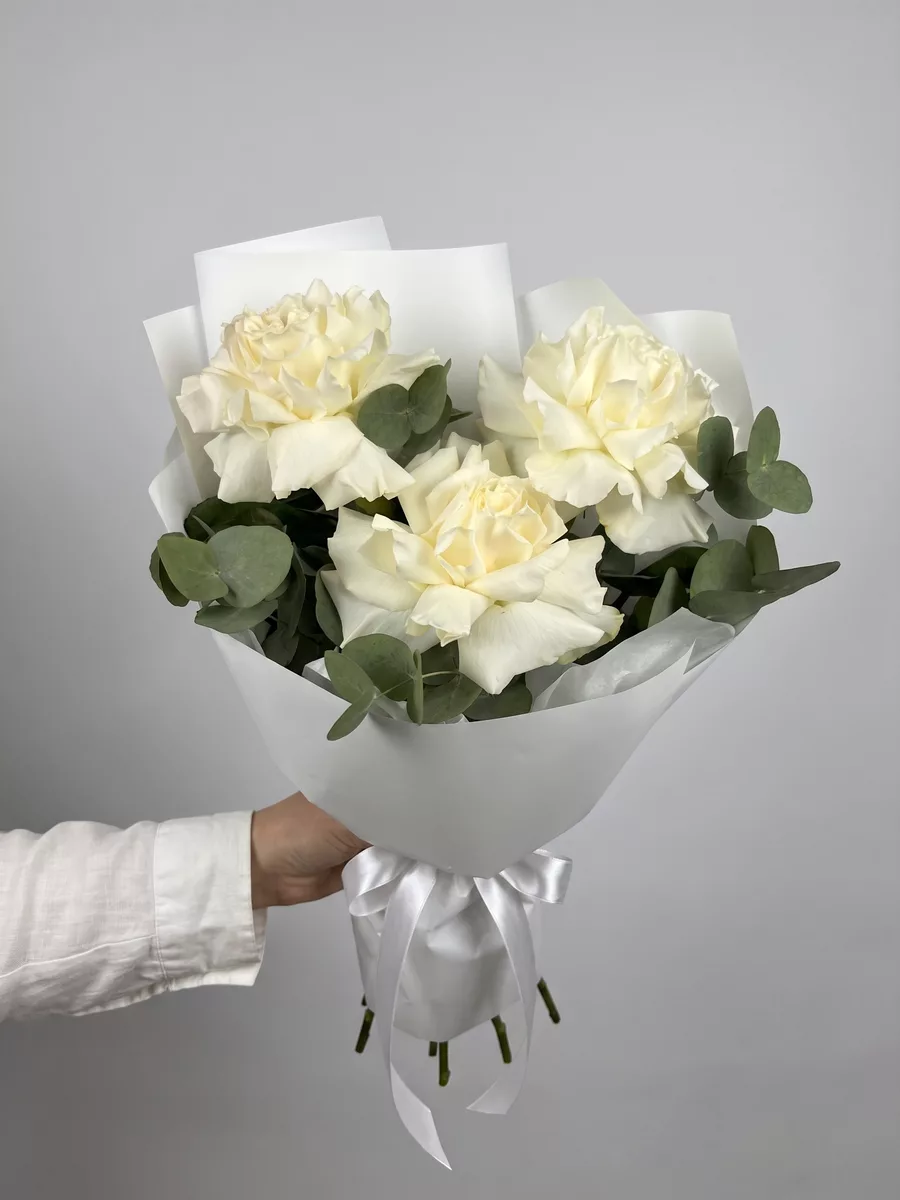
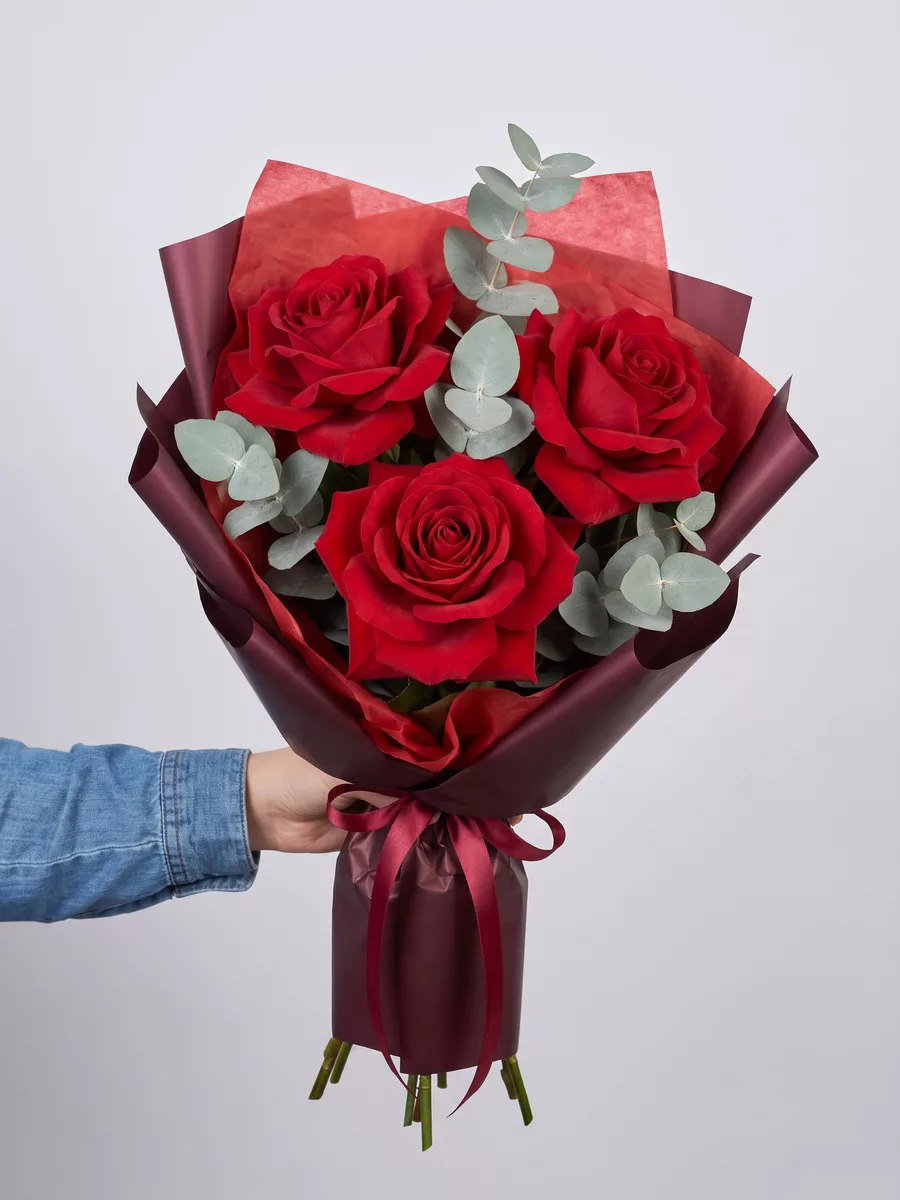
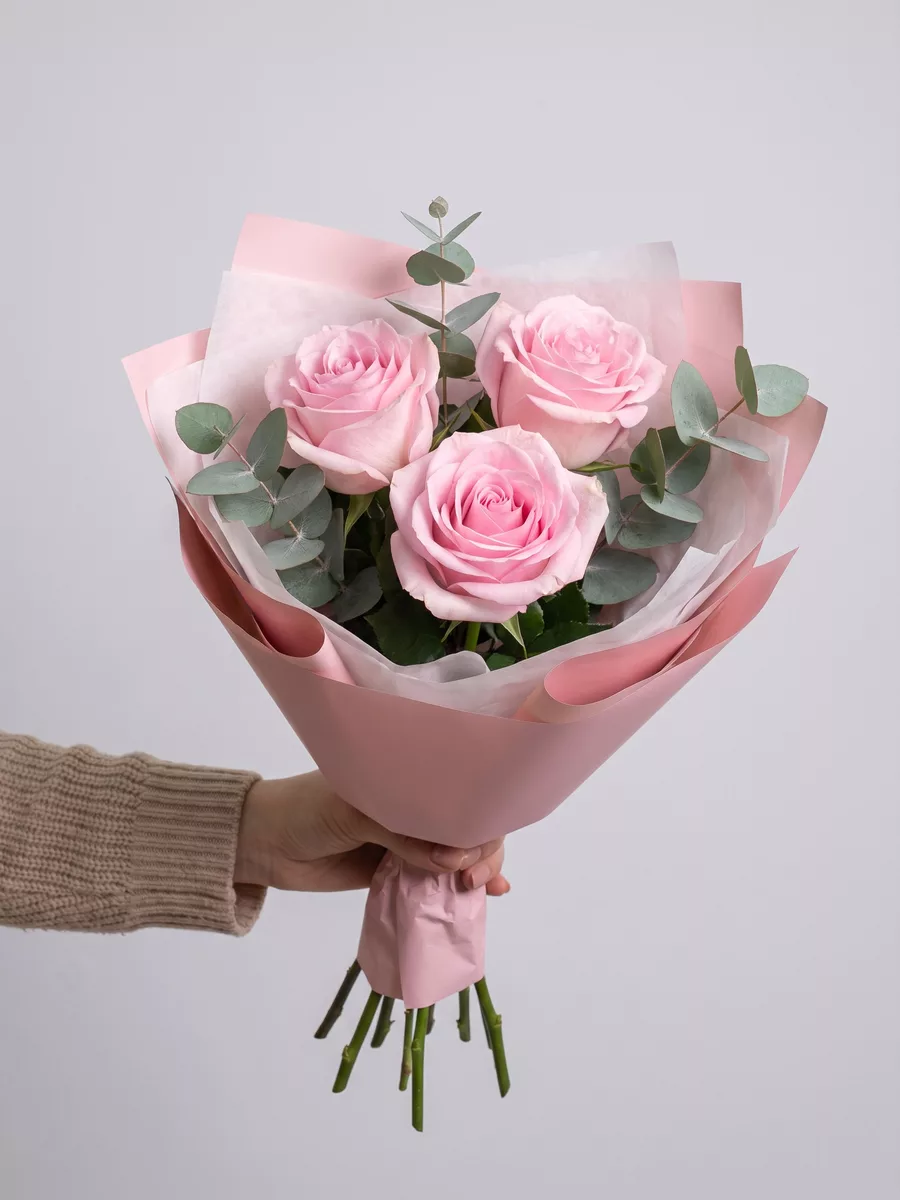
Choosing Flowers for the Person, Not Just the Occasion
Russian flower-giving has a few customs worth knowing if you are ordering from abroad or simply unfamiliar with local traditions. Odd numbers of stems are given to the living — this is taken seriously, so a bouquet of twelve roses would be split to eleven or thirteen. Red roses carry strong romantic weight and are rarely given to a colleague or a teacher without that meaning being read into them. White and cream tones read as elegant and neutral, making them safe for professional congratulations or a host gift.
Beyond tradition, think about the recipient's home. Kartaly is a smaller city with a quieter, more domestic pace of life. A grand architectural arrangement that looks spectacular in a Moscow loft can feel out of place on a modest kitchen table. Bouquets that are generous in volume but relaxed in shape — garden-style arrangements with eucalyptus, wax flower and spray roses — tend to feel genuinely welcoming rather than performative.
Age and personality shift the palette too. For a grandmother's birthday, soft pink lisianthus combined with white alstroemeria and a few stems of limonium creates something that reads as thoughtful and tender. For a young woman celebrating a promotion, a tighter, more graphic arrangement of single-colour dahlias or bold gerbera with clean foliage signals confidence. The florist's job is to translate what you feel into something the recipient will immediately understand, even before they read the card.
Timing Your Order for the Best Result
The single most common mistake people make when sending flowers to a city like Kartaly is ordering on the morning of the occasion. It feels logical — you want the flowers to be fresh — but it leaves no room for anything: a delayed route, a recipient who is unexpectedly out, or a customs check at a regional hub. Ordering twenty-four to forty-eight hours ahead gives the flowers time to be cut and conditioned properly, gives you time to confirm the delivery address and gives the recipient time to be home.
If you are ordering for a birthday, consider whether the person works. A delivery arriving at two in the afternoon to an empty apartment is a problem. In Russia it is entirely normal to arrange delivery to a workplace — colleagues will admire the bouquet and the recipient will carry it home with pride. Just confirm the office address and the hours the building is open to visitors.
For significant dates like the eighth of March, which is Women's Day and the single busiest flower day in Russia, order at least three days ahead. Demand across the country spikes sharply, and the varieties you want — tulips, mimosa, ranunculus — sell through quickly. The same applies to the fourteenth of February. These are not warnings meant to create urgency; they are practical facts from years of watching what happens when orders arrive late in the queue. A little planning protects the moment you are trying to create.
What a Well-Made Bouquet Looks Like When It Arrives
A bouquet that has traveled correctly arrives with stems in water or wrapped in damp paper at the base, petals intact and no browning at the edges. Roses should feel firm at the head, not soft. Tulips should be closed or barely open, because they continue opening in the warmth of a home. Lilies often arrive in bud deliberately — a bouquet of open lilies would lose petals within two days, while buds give the recipient five to seven days of gradual bloom, which is far more satisfying.
The wrapping itself communicates care. Craft paper, soft fabric ribbon, a small envelope with a handwritten-style card — these details tell the recipient that someone thought about them specifically, not just clicked a generic option. When you place your order, write the card message in full. A bouquet arriving with a blank card or a truncated note feels incomplete, no matter how beautiful the flowers are.
Presentation in Kartaly, as in most Russian cities outside the capitals, tends to favour abundance. A bouquet that looks slightly too large for one person to hold comfortably is considered generous rather than excessive. Compact, minimalist arrangements read as cold to many recipients there, so if you are choosing between a tighter design and a fuller one, err toward fullness. Spiral binding of the stems, visible through clear paper, shows craft and signals that the flowers were assembled by someone who knows what they are doing.
Seasonal Flowers That Travel Well to Kartaly
Not every flower is a good traveler, and not every flower suits every season in Kartaly's climate. Spring — roughly April through May — is the moment for tulips, which are grown in enormous volume in Russia and the Netherlands and hold their structure well in transit. Anemones and ranunculus also peak in spring and bring a painterly softness that photographs beautifully, though they are more delicate and need careful packing.
Summer brings the lush abundance of peonies, which are available for a frustratingly short window — roughly six weeks — but are worth every effort to send when they are in season. Garden roses with cupped heads, spray chrysanthemums in cream and blush, and sunflowers all travel well in summer heat when packed with cool packs. Sunflowers in particular are beloved across Russia for their warmth and scale.
Autumn is the season of dahlias, which come in forms ranging from tight pompom to wide decorative heads, and of rich-toned chrysanthemums in burgundy, copper and rust. These colours suit the season and feel intentional rather than accidental. Winter narrows the palette somewhat but does not impoverish it: roses remain available year-round from greenhouse growers, and branches of cotton or eucalyptus add texture and volume without the fragility of petals. Knowing the season helps you order something that feels current and alive rather than forced.
Keeping the Flowers Fresh Once They Arrive
The recipient's job begins the moment the bouquet arrives, and a few minutes of attention on day one extends vase life significantly. The stems should be cut at an angle — about two centimetres from the bottom — under running water or submerged in a bowl. This prevents an air bubble from sealing the cut end and blocking water uptake. A sharp knife is better than scissors, which can crush the stem tissue.
The vase matters more than people expect. It should be clean, because bacteria in a dirty vase will shorten flower life by several days. Fill it with cool water, not warm, and add the small sachet of flower food that comes with the bouquet if one is included. This sachet contains sugar, an acidifier and a mild antibacterial agent — it is not decorative and genuinely extends vase life by two to three days.
Place the vase away from direct sunlight, radiators and fruit bowls. Ripening fruit releases ethylene gas, which accelerates ageing in cut flowers — roses near a fruit bowl will drop petals noticeably faster. In Kartaly's cold winters, keep the flowers away from draughts near windows and doors. Change the water every two days and re-cut the stems each time. Roses in good conditions last seven to ten days. Alstroemeria can reach fourteen. Chrysanthemums are the long-distance champions, sometimes lasting three weeks with attentive care. Sharing these tips with the recipient, perhaps in the card message, turns a gift into an experience.
Making the Order Personal and Getting the Details Right
The practical details that seem minor are the ones that cause the most problems. Double-check the delivery address — building number, apartment number, entrance code if the building has one, and the recipient's phone number. In many Russian apartment buildings the entrance is locked, and a courier who cannot reach the recipient by phone will not be able to deliver. A missed delivery on a birthday is a specific kind of disappointment that is entirely avoidable.
If you are ordering as a surprise, think through the logistics honestly. Is the recipient likely to be home? Do they live alone, or will someone else answer the door? In Russia it is common for a neighbour or a family member to accept a delivery on someone's behalf, and this usually works smoothly. But if the recipient lives alone and works long hours, coordinate discreetly with a friend or family member who can let the courier in or accept the bouquet.
The card message deserves more thought than most people give it. A specific memory, a private joke, a line that only this person would understand — these transform a beautiful object into a meaningful one. Generic messages like 'Happy Birthday, with love' are fine but forgettable. If you are ordering from far away and the bouquet is the only physical thing connecting you to this moment, let the card carry some of that weight. The flowers open and fade; the words stay. A well-chosen combination of the right bouquet and the right message is what makes someone photograph the arrangement and keep the card long after the petals are gone.
Sending flowers to Kartaly is entirely achievable, and when the details are handled well, the result is something the recipient will remember. The distance is real, the climate is demanding, and the logistics require a little more thought than a local delivery — but none of that is complicated once you know what to plan for. Order ahead, choose varieties suited to the season and the journey, write a card message that means something, and confirm the address carefully. The rest is what Turboflora is here to do.
Frequently asked questions
Can I send flowers to Kartaly for same-day delivery?
Same-day delivery to Kartaly depends on order timing and available routes on that day. For guaranteed arrival, placing your order twenty-four to forty-eight hours before the occasion is strongly recommended. This also gives the flowers time to be properly conditioned for the journey, which directly affects how fresh they look when they arrive.
How many stems should a bouquet have when sending to someone in Russia?
In Russian tradition, bouquets given to living recipients should contain an odd number of stems — five, seven, eleven, fifteen and so on. Even numbers are associated with mourning and would feel jarring to most Russian recipients. When you order, our florists follow this convention automatically, so you do not need to count yourself.
What flowers survive the cold Kartaly winters best?
Roses, chrysanthemums, alstroemeria and carnations are the most resilient in cold transit. They tolerate temperature fluctuation better than soft-petalled flowers like ranunculus or sweet peas. All winter bouquets are packed with insulated wrapping to protect against frost, but choosing hardier varieties adds an extra layer of assurance that the bouquet arrives in full condition.
What should I do if the recipient is not home at delivery time?
Provide the recipient's phone number when ordering so the courier can call ahead. In Russian apartment buildings it is common and accepted for a neighbour or family member to receive the bouquet. If you are planning a surprise, coordinate quietly with someone who can be present. Avoid scheduling delivery to an empty address with no backup contact.
How long will the flowers last once they arrive in Kartaly?
With proper care — fresh water every two days, re-cut stems, no direct sunlight or fruit nearby — roses last seven to ten days, alstroemeria up to two weeks, and chrysanthemums sometimes three weeks. Sharing these care instructions with your recipient, either in the card or a quick message, makes a real difference to how long the gift stays beautiful.
Ready to send flowers?
Pick the city, choose the bouquet, and a local florist takes it from there.
Choose a city →