Sending Flowers to Kem: Timing, Choices and What Arrives at the Door
Kem sits on the western shore of the White Sea, small and unhurried, and yet the people who live there celebrate birthdays, anniversaries and ordinary Tuesdays just as warmly as anyone in a larger city. When you want to send flowers here — whether you are calling from Saint Petersburg or from across the country — the main question is not whether it is possible but how to do it well, so the bouquet arrives looking alive, the colours still sharp and the stems still drinking.
Who Receives Flowers in Kem and What They Expect
Kem is a modest town of roughly thirty thousand people, and most residents have a strong sense of occasion. A bouquet arriving at a door here is not a casual gesture — it carries weight. If you are sending to a woman, expect that she will put the flowers in a visible spot in the apartment and mention them to every visitor for the next few days. That is not vanity; it is simply how flowers function socially in a smaller Russian city.
If you are sending to a man — for a professional anniversary, a birthday, or a congratulation on a new job — keep the arrangement structured and unfussy. Single-variety bouquets of chrysanthemums, alstroemeria or lisianthus read as confident rather than sentimental, which is usually exactly right.
For a child or a teenager, think about colour temperature rather than flower type. Bright sunflowers, vivid gerbera daisies and cheerful ranunculus in warm yellows and oranges land better than pale romantic palettes. The recipient does not need to know anything about flowers to feel the energy in a well-chosen colour story.
One thing worth knowing: in Russian tradition, bouquets are given in odd numbers of stems. Even numbers are associated with grief and are used at funerals. If you are ordering a custom bouquet, make sure the count is odd — three, five, seven, nine — before confirming. Most florists follow this automatically, but it is always worth checking when you specify a number yourself.
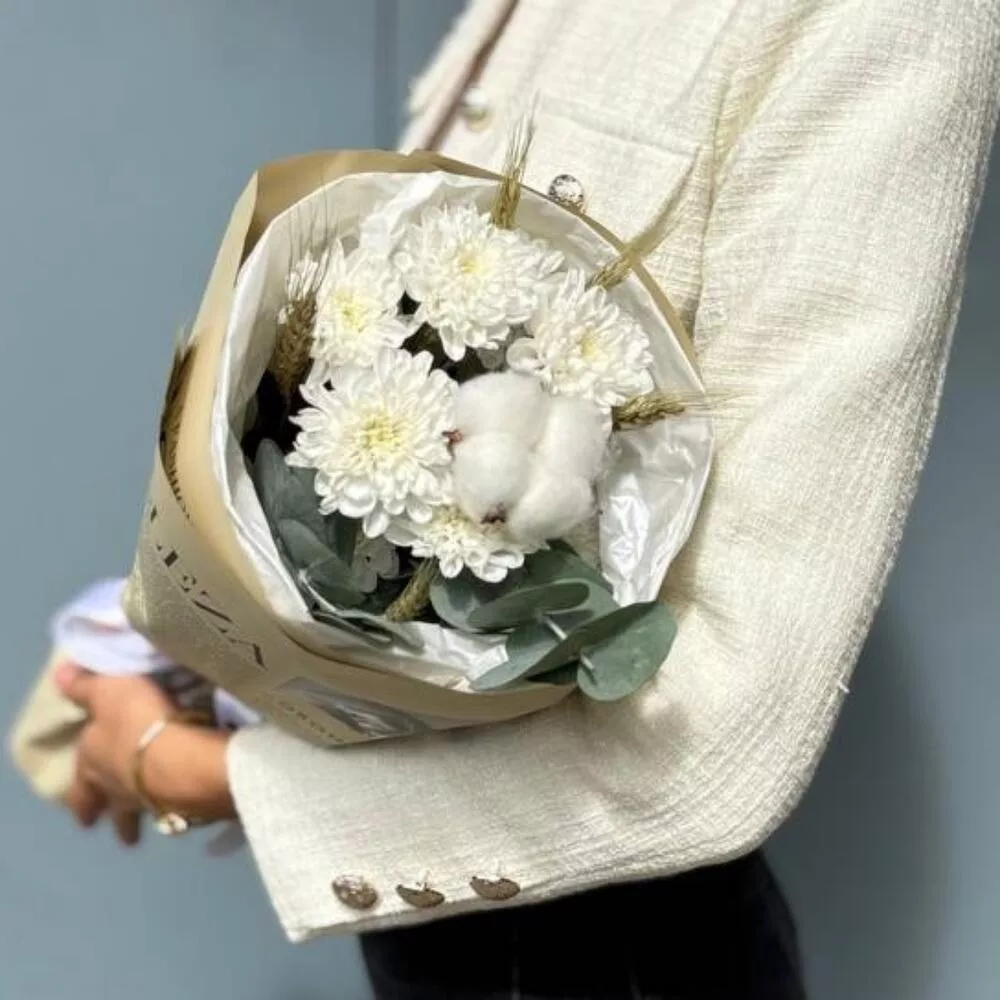
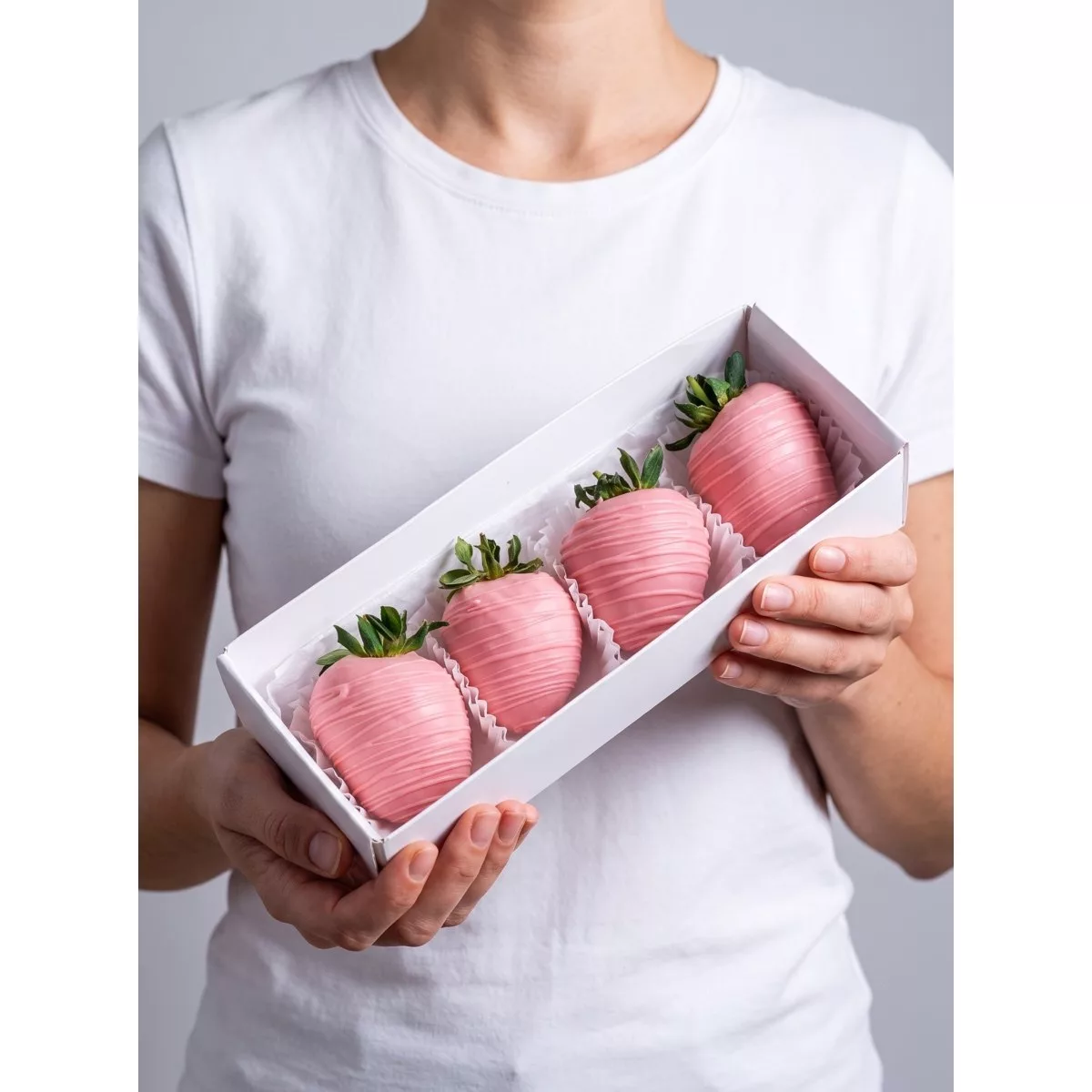
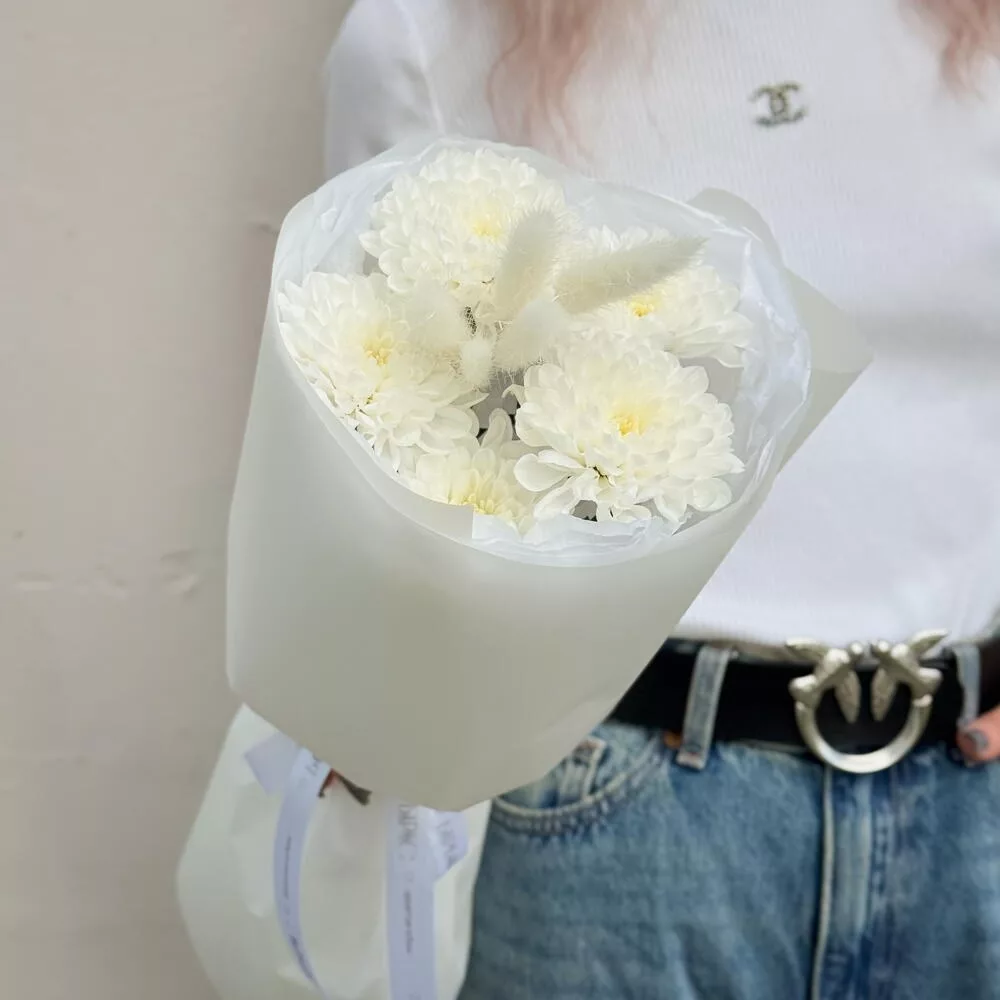
Bouquets we can deliver

The Delivery Area and How Kem Is Covered
Kem is located in the Republic of Karelia, about 500 kilometres north of Petrozavodsk. The town itself is compact, and most residential addresses — whether in the central streets near the river or in the quieter outskirts — are reachable without difficulty. The courier knows the local layout, which matters more than it sounds in a town where some buildings are numbered in a way that confuses even experienced navigators.
Delivery also covers Rabocheostrovsk, the small settlement a few kilometres from the town centre that serves as the embarkation point for ferries to Solovetsky Island. If your recipient is staying there temporarily — as many visitors to the Solovetsky Monastery do — a bouquet can reach them there too, though it helps to confirm the exact address in advance.
The surrounding villages and rural addresses require more lead time. If the delivery point is outside the main urban area, it is worth placing the order at least a day ahead and confirming the road access, especially in winter when unpaved roads can become difficult.
Within the town itself, the standard delivery window is one to two hours from the moment the order is confirmed and the bouquet is assembled. That timing assumes normal road conditions. In Kem, summer is short and pleasant, but winter brings snow, ice and occasionally severe frost that slows traffic. Building a small buffer into your timing — ordering slightly earlier than the ideal arrival moment — is a sensible habit here, not an overreaction.
Choosing the Right Flowers for a Northern Climate
Kem has a subarctic climate. Winters are long and genuinely cold, with temperatures dropping well below minus twenty Celsius in January and February. Summers are brief but can be surprisingly warm, with long daylight hours that give the whole town a different character. Both extremes affect which flowers travel well and which do not.
In winter, tropical and warm-climate flowers suffer most. Anthurium, bird of paradise and orchid varieties that are not properly insulated can show cold damage — blackened edges, limp stems, translucent patches on petals — even after a short journey in an unheated vehicle. For winter deliveries, the safest choices are roses with tight, dense heads, spray chrysanthemums, carnations and lisianthus. These varieties tolerate brief cold exposure far better than their more delicate counterparts.
In summer, the challenge shifts. Long daylight and warm temperatures mean flowers open faster than expected. A bouquet assembled at noon and delivered at two in the afternoon may already be half-open by evening. This is not a flaw — it is the nature of the flower — but it is worth knowing so you can choose varieties that are beautiful at every stage of opening. Garden roses, peonies in season and ranunculus are all generous that way; they look as good open as they do in bud.
Spring and autumn in Kem are transitional and often wet. Tulips, which are enormously popular in Russia from late February through April, travel well in cool damp conditions and make an excellent choice for spring occasions. In autumn, dahlias, if available, and sunflowers bring warmth to a season that can feel grey.
Timing Your Order for the Best Result
The one- to two-hour delivery window is real, but it works best when you treat it as a guideline rather than a guarantee and plan around the edges of the day thoughtfully. Morning deliveries — before noon — tend to go smoothly because roads are clear and the recipient is most likely to be at home. Midday is also reliable. Late afternoon and evening can work well for surprises, but it helps to have a confirmed address and a recipient who will actually be there.
For significant occasions — a birthday, an anniversary, a graduation — placing the order the evening before and specifying a morning delivery window is the most comfortable approach. The bouquet is assembled fresh the same day it is delivered, so there is no quality loss in scheduling ahead. What you gain is certainty.
Same-day delivery is available, and it is one of the genuine advantages of working with a florist that has real logistics rather than a marketplace that depends on whoever happens to be available. But same-day orders placed after six in the evening should come with a realistic expectation: delivery may shift to early the next morning, particularly in winter when driving after dark in Kem requires extra care.
If you are coordinating a delivery around a specific moment — a surprise arrival, a delivery timed to a dinner — communicate that clearly in the order notes. A one-hour window is achievable; a precise minute is not, and attempting it creates unnecessary anxiety for everyone. Give the courier a thirty-minute range and let the surprise breathe.
Bouquet Combinations That Work Well as Gifts
A single-variety bouquet — all roses, all tulips, all peonies — has a clean authority that a mixed arrangement sometimes lacks. It says the sender knew exactly what they wanted. For Kem, where tastes tend toward the classic and sincere rather than the avant-garde, this kind of clarity is often exactly right.
That said, combinations can be deeply beautiful when they are built around a logic the eye can follow. A bouquet of white lisianthus with dusty miller foliage and a few stems of eucalyptus reads as elegant and considered. Coral spray roses with white gypsophila and pale green pittosporum is cheerful without being loud. Sunflowers with solid green leaves and no competing flowers is bold and joyful for a birthday.
What tends not to work is combining too many colours without a connecting thread. Five different flower types in five different colours can look confused rather than abundant. A useful rule: choose one dominant colour, one accent colour, and let the foliage be the neutral. That structure holds even in a large bouquet.
For romantic occasions, red roses remain the clearest signal in Russian culture — they do not need explanation or context. A bouquet of nineteen or twenty-five red roses with dark green foliage is universally understood. If you want something slightly less traditional but still warm, deep burgundy roses or blush-pink peonies carry the same emotional register with a softer visual tone.
For professional congratulations — a promotion, a successful project, a work anniversary — white and cream tones with structured flowers like calla lilies or lisianthus communicate respect without sentimentality.
Keeping Flowers Fresh After Delivery in Kem
The recipient's job begins the moment the bouquet arrives. In Kem's climate, the most common mistake in winter is leaving flowers near a heating radiator. Russian apartments are often very warm inside — sometimes twenty-four or twenty-five degrees Celsius — while the outside temperature is minus fifteen or colder. That contrast stresses the flowers, and placing them directly beside a heat source accelerates wilting dramatically.
The best spot for a bouquet indoors is away from direct heat and away from direct sunlight. A table in a cooler room, or even a windowsill in a room where the window is slightly open, can extend vase life noticeably. At night, moving the vase to the coolest room in the apartment — even a hallway — adds another day or two of freshness.
Water management matters more than most people realise. The stems should be re-cut at an angle — a diagonal cut of about two centimetres — as soon as the bouquet is unwrapped, before they go into the vase. This is because cut stems begin to seal themselves within minutes of leaving water, and a fresh diagonal cut opens the maximum surface area for drinking. Use clean, cool water and change it every day or every other day.
For roses specifically, remove any leaves that would sit below the waterline. Submerged leaves decompose quickly and cloud the water, which accelerates bacterial growth and shortens vase life. Tulips are a special case: they continue to grow after cutting and will lean toward any light source, so rotating the vase helps them stay upright and even.
With good care, roses and chrysanthemums last seven to ten days. Tulips and gerberas are shorter — four to six days — but vivid while they last.
What to Write When Sending Flowers to Kem
The card or message that accompanies a bouquet matters more than people often admit. In Russia, a handwritten or printed note is expected with a gift bouquet, and arriving without one can feel slightly incomplete — as if the sender forgot the last step. Even a few words are enough.
For a birthday, the warmest messages are personal rather than generic. Instead of 'Happy Birthday,' try 'Wishing you a day as bright as these flowers' or simply a specific memory or inside joke that only the two of you would understand. The recipient reads that card multiple times over the days the flowers are in the vase.
For congratulations on a professional achievement, keep the tone warm but measured. Russians appreciate sincerity over effusiveness; a message that says 'This was well-deserved and we are all proud of you' lands more genuinely than three exclamation points and a string of superlatives.
For romantic occasions, do not overthink it. A short, honest sentence — 'I wanted you to have something beautiful today' — is more powerful than a long declaration that reads like it was composed under pressure. The flowers carry most of the message; the card only needs to sign it.
If you are sending from far away and the recipient may not immediately know who sent the bouquet, make sure your name is on the card. A mystery bouquet sounds romantic in theory but can cause genuine confusion and mild anxiety in practice, especially if the recipient has multiple people in their life who might plausibly send flowers.
Turboflora can include your message exactly as you write it, so take a moment with it before submitting the order.
Sending flowers to Kem is an act of real care — not because the logistics are complicated, but because the distance between sender and recipient makes the arrival of something living and beautiful feel genuinely significant. Choose varieties that travel well for the season, give the timing a small buffer, and include a card that says something true. The bouquet will do the rest.
Frequently asked questions
Can flowers really be delivered to Kem within one to two hours?
Yes, within the main residential areas of Kem the standard delivery window is one to two hours from order confirmation. Winter conditions and remote addresses may add time, so placing your order slightly earlier than the ideal arrival moment is always a good idea, especially between November and March when road conditions vary.
Which flowers survive the cold journey to Kem in winter?
Roses with dense, tight heads, spray chrysanthemums, carnations and lisianthus handle brief cold exposure best. Tropical varieties like anthurium and open orchid blooms are more vulnerable to frost damage during transit. If you are ordering in January or February, sticking to cold-tolerant varieties gives the bouquet the best chance of arriving in perfect condition.
Is it possible to deliver flowers to Rabocheostrovsk near Kem?
Yes, delivery to Rabocheostrovsk is available. It is a small settlement a few kilometres from the town centre, often used as a base by visitors travelling to Solovetsky Island. Confirm the exact address when placing the order, and allow a little extra time compared to a central Kem delivery to ensure a smooth handover.
Why do Russian bouquets always have an odd number of stems?
In Russian tradition, even numbers of flowers are associated with grief and are placed at graves or given at funerals. Odd numbers — three, five, seven, nine and so on — are used for all celebratory and affectionate occasions. Turboflora follows this convention automatically, but if you specify a custom stem count yourself, make sure it is odd.
How long will the flowers last once they arrive in Kem?
With proper care — fresh diagonal cuts on the stems, clean cool water changed every day, and placement away from radiators and direct sunlight — roses and chrysanthemums typically last seven to ten days. Tulips and gerberas are shorter-lived at four to six days but remain vivid throughout. Moving the vase to a cooler spot at night adds noticeable extra vase life.
Ready to send flowers?
Pick the city, choose the bouquet, and a local florist takes it from there.
Choose a city →