Flower Delivery in Khadyzhensk: Timing, Choices and What Arrives at the Door
Khadyzhensk sits in the foothills of the western Caucasus, a town where a bouquet arriving at someone's door still feels like a genuine event. Whether you are ordering from Moscow for a relative's birthday or sending congratulations to a colleague across town, the details matter: how long will it take, what will survive the journey, and what will the person actually feel when they open the door? This article walks you through every step so your flowers arrive looking exactly the way you imagined them.
Where in Khadyzhensk We Deliver and Why It Matters
Khadyzhensk is a compact town in the Apsheronsky District of Krasnodar Krai, and its geography shapes how delivery works in practice. The central streets around Lenina and Pobedy are straightforward to reach. Residential areas extending toward the Pshish river and the older neighbourhoods near the oil-industry quarter require a little more routing time, but they are all within our delivery zone.
The town's hilly terrain means that a courier driving from one end to the other can face unexpected detours, especially in winter when some slopes become slippery. We account for this in our time estimates rather than giving you a flat promise and then missing it. When you place an order, the address you enter determines the realistic window, not a generic city-wide figure.
For customers ordering from outside Khadyzhensk — say, from Saint Petersburg or Krasnodar — it helps to know the full address including the apartment or house number and a working phone number for the recipient. In smaller towns, couriers sometimes need to call ahead because building entrances are not always clearly marked. A correct contact number is the single most useful thing you can provide, and it costs nothing.
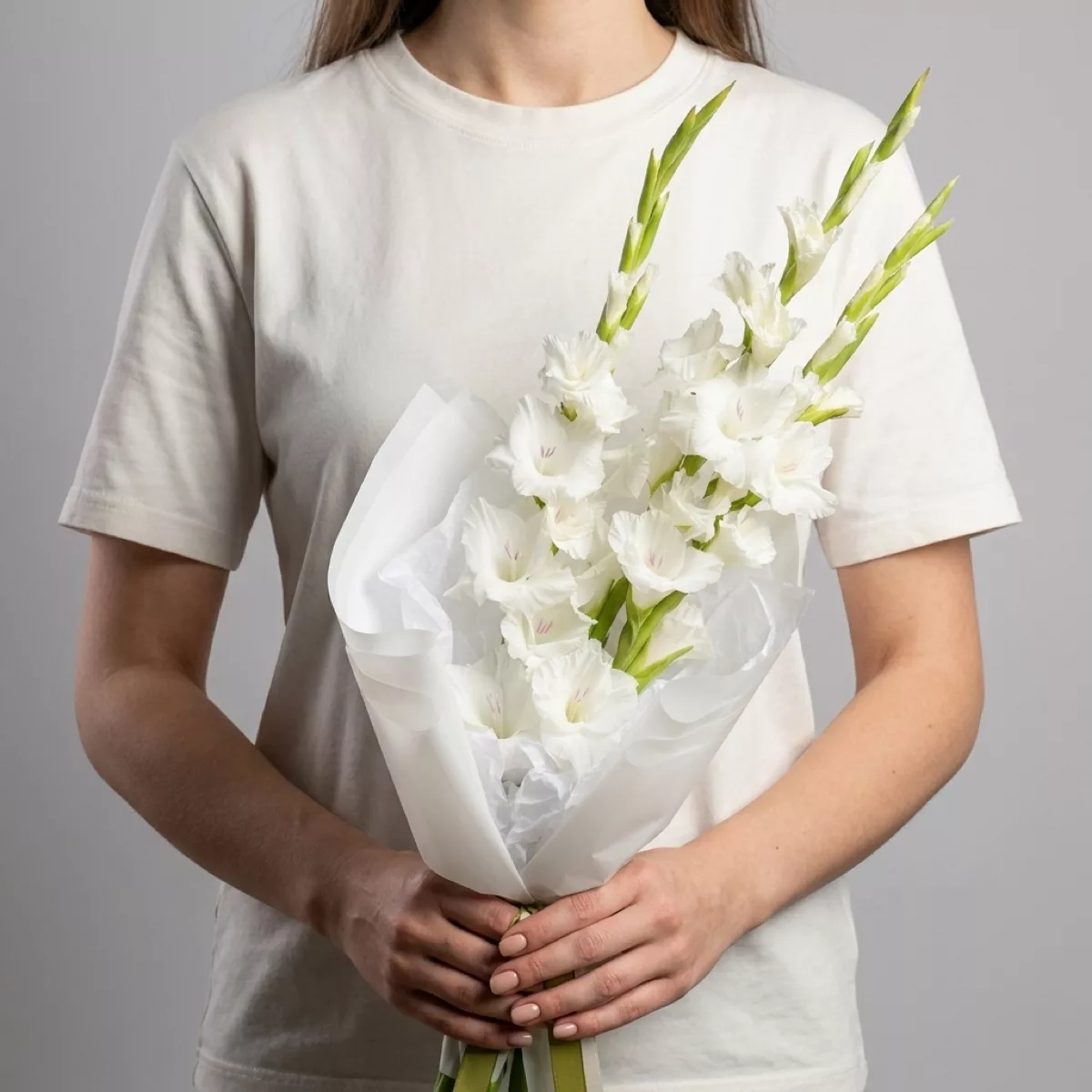
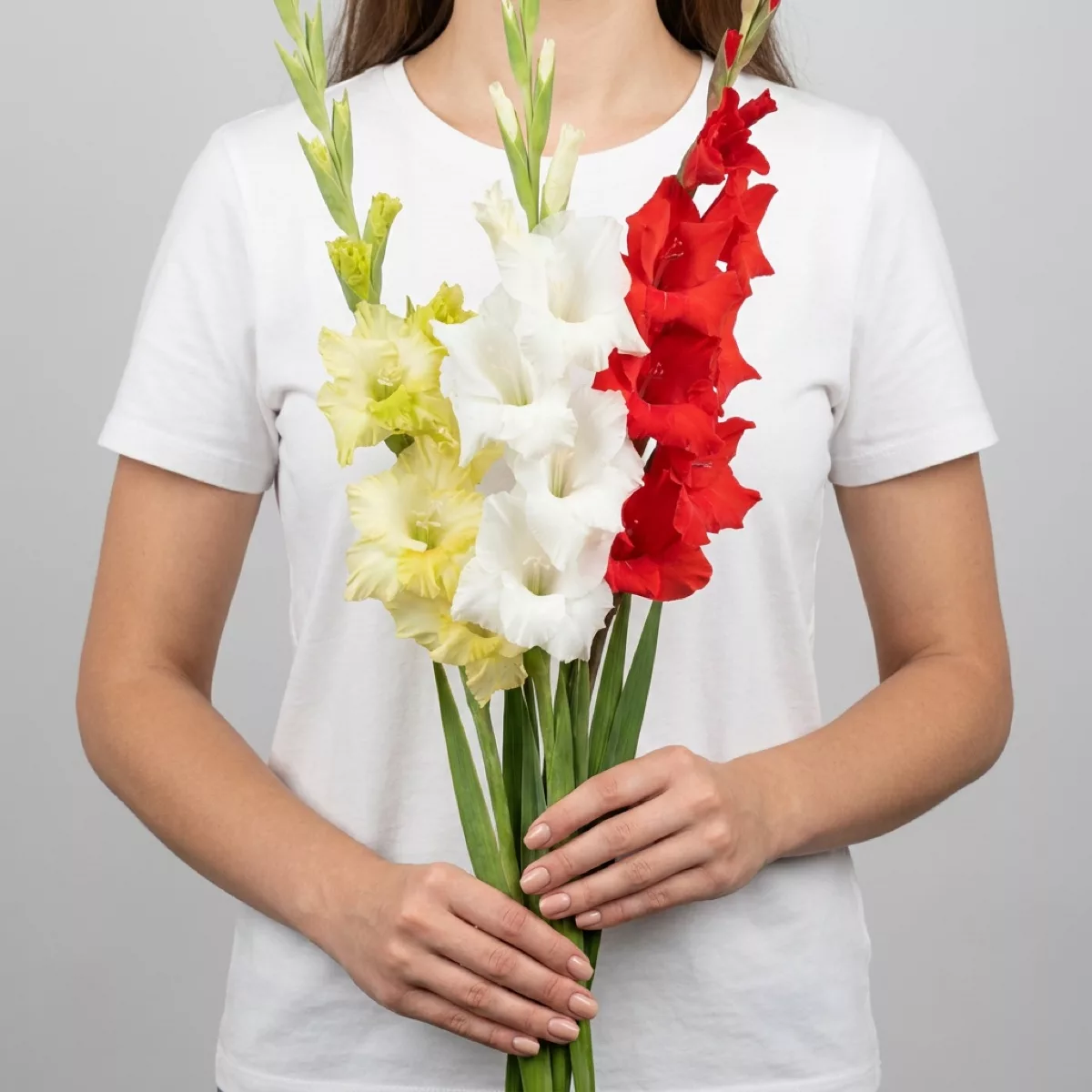
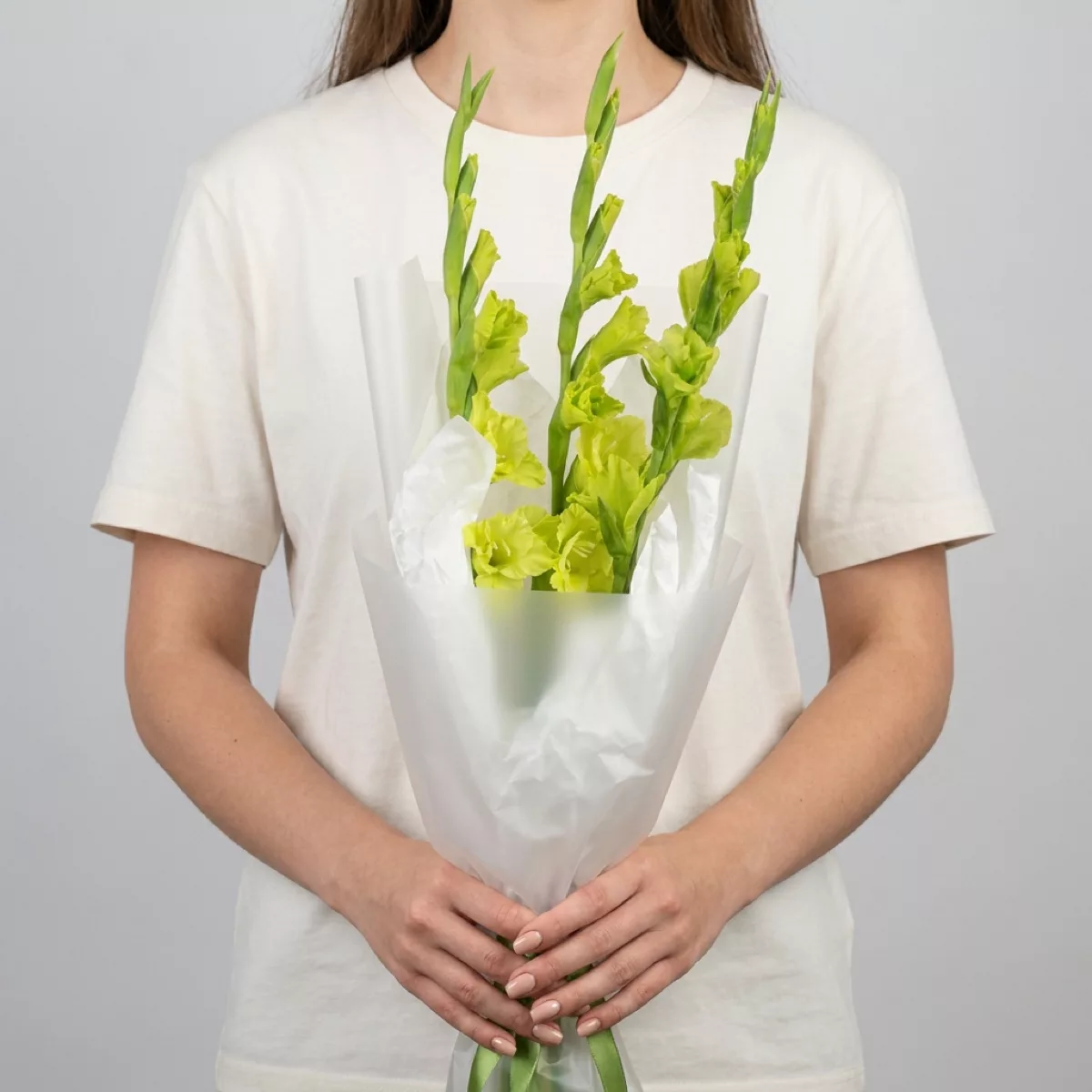
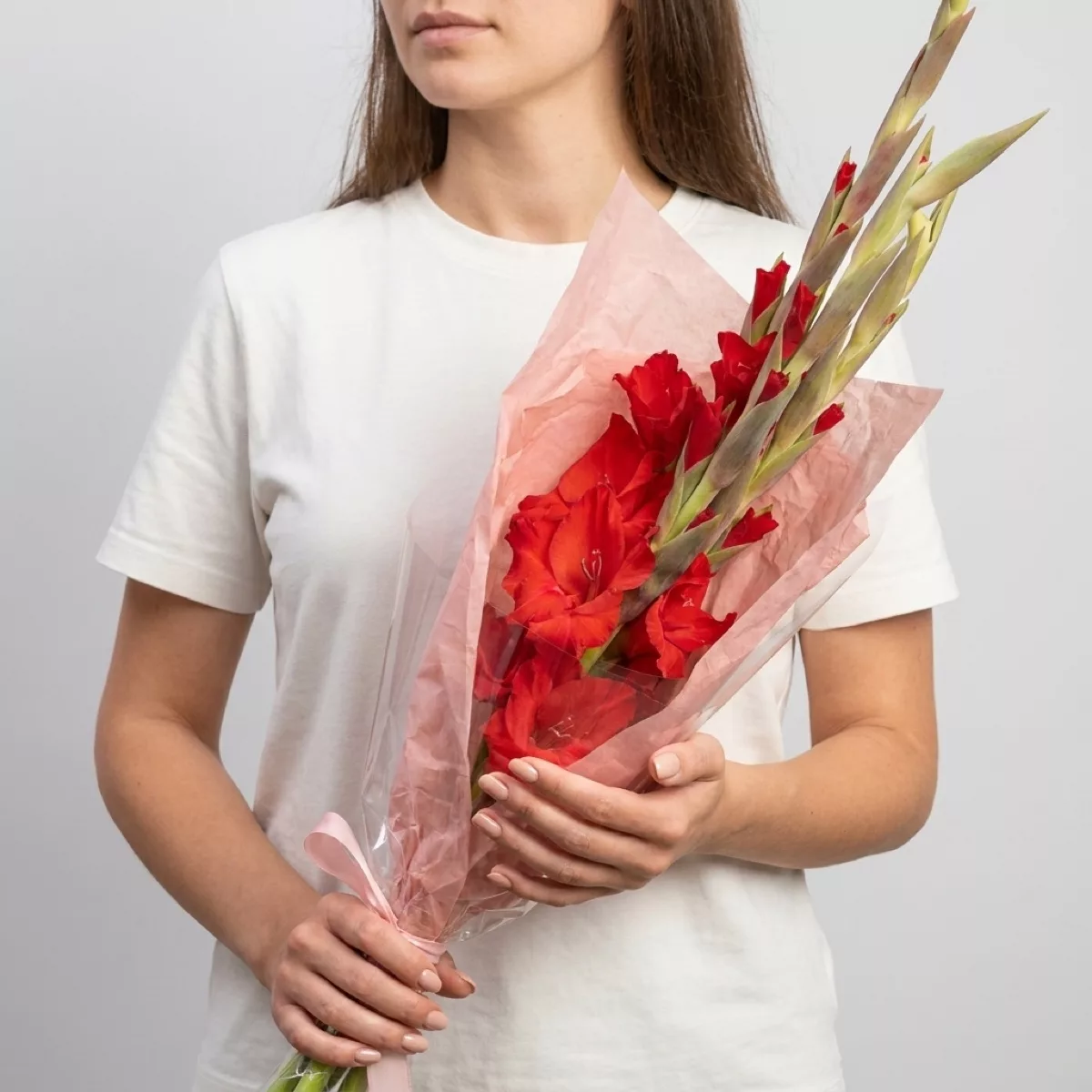
Bouquets we can deliver
Timing Your Order: When the Bouquet Actually Arrives
Turboflora works on a one-to-two-hour delivery model, and in Khadyzhensk that window holds for orders placed during standard daytime hours. The practical advice is to place your order at least ninety minutes before the moment you want the bouquet to arrive. If you are aiming for a surprise at noon, ordering at ten-thirty gives the team enough time to assemble the arrangement properly rather than rushing the wrapping.
Evening deliveries, particularly after seven o'clock, can take slightly longer because traffic patterns in the Krasnodar region shift and some road stretches are less predictable after dark. We recommend being transparent about this with yourself when you plan: a six-thirty order for a seven-thirty arrival is realistic; a nine-o'clock order for nine-thirty is tighter and depends on conditions that day.
For milestone occasions — anniversaries, significant birthdays, the first day of school in September — order the evening before or early in the morning. Russian celebrations often begin at a specific hour, and flowers arriving twenty minutes after the guests have sat down lose some of their impact. Planning a small buffer is not pessimism; it is how experienced gift-senders think. The recipient will never know you ordered early, but they will absolutely notice if the bouquet arrives on time with petals still fresh and upright.
Choosing Flowers for Khadyzhensk's Climate
The western Caucasus foothills have a humid, temperate climate with warm summers and mild but damp winters. This matters for flowers because high humidity in summer can accelerate petal browning, while the cooler, wetter months of November through February are actually gentler on cut stems. Knowing this helps you choose varieties that will look good not just when they arrive but for the days that follow.
In summer, roses are the classic choice but opt for tightly budded stems rather than fully open heads. A rose that arrives in bud in July will open beautifully over two to three days indoors. Spray chrysanthemums and alstroemeria are excellent warm-weather options because their cell structure holds moisture efficiently. Avoid arrangements built heavily around open hydrangea heads in July or August — they wilt faster in humid heat and the effect can disappoint within hours.
In autumn and winter, ranunculus, lisianthus, and freesia come into their own. Freesia in particular carries a scent that fills a room within minutes of being unwrapped, which makes it ideal for indoor celebrations in smaller Khadyzhensk apartments where the fragrance becomes part of the occasion. Tulips work beautifully in late winter and early spring, though they continue to grow after cutting and will lean toward any light source — worth mentioning to the recipient so they are charmed rather than surprised.
Bouquets by Occasion: Matching the Feeling to the Flowers
In Russian tradition, the number of flowers in a bouquet carries meaning: even numbers are associated with mourning, so bouquets for celebrations always contain an odd number of stems. If you are ordering from outside Russia and this is new information, simply trust that our florists follow this convention automatically. You do not need to count; we do it for you.
For a birthday, warmth and abundance read well. A mixed bouquet combining garden roses, matthiola, and eucalyptus branches creates a layered, generous impression without looking stiff or corporate. The eucalyptus adds a soft grey-green that makes the colours of the flowers pop and extends the vase life of the whole arrangement by releasing natural antimicrobial compounds into the water.
For a professional occasion — a promotion, a work anniversary, a thank-you to a teacher — cleaner compositions work better. White or cream lisianthus with a few stems of blue delphinium reads as respectful and considered. It is not cold; it is composed. Russian teachers, in particular, receive enormous numbers of flowers on Knowledge Day in September, and a bouquet that stands apart from the standard gerbera-and-ribbon bundles will be remembered.
For a romantic gesture, single-variety bouquets of long-stemmed roses or peonies in season carry more emotional weight than mixed arrangements. The focus of a single variety says the sender thought carefully rather than grabbed what was available.
Packaging That Protects Flowers on the Road
Between the shop and a door in Khadyzhensk, a bouquet spends time in a vehicle, sometimes in summer heat or winter chill. Packaging is not decoration; it is a protective system. Our bouquets are wrapped in kraft or textured paper that breathes rather than traps condensation, which is a common cause of petal damage in humid climates like this region's.
Stem ends travel with a water-soaked pad or a small water tube for longer arrangements. This keeps the vascular tissue of the stems hydrated during transit. A stem that dries out for even forty minutes on a warm day will develop an air lock that prevents it from drinking properly once placed in a vase, no matter how fresh the water. The pad solves this problem before it starts.
The outer structure of the packaging is designed to hold the arrangement upright in the courier's hands. Flowers that travel lying on their side, even for fifteen minutes, show it: petals bruise where they press against wrapping, and heavy blooms like peonies or garden roses can snap at the neck. When you receive a Turboflora bouquet, you will notice that the package has a clear top and base orientation — keep it upright until it is in the recipient's hands or in a vase.
In winter, we add an insulating layer for bouquets traveling in temperatures below five degrees Celsius. Cold damage on tropical varieties like orchids or anthuriums appears as translucent grey patches on petals and is irreversible, so prevention is built into the process.
What to Tell the Recipient: Care in the First Hour
The first hour after a bouquet arrives is the most important for its vase life. Most people unwrap flowers, admire them, and then set them down while they look for a vase. In that time, if the stems are not cut and placed in water, the arrangement loses hours of its potential life. Passing on a few simple instructions as part of the gift is a genuinely kind thing to do.
Ask the recipient to cut roughly two centimetres from the bottom of each stem at an angle, using scissors or a knife, and to do this under running water or while the stems are submerged. The angled cut increases the surface area for water uptake. Straight cuts work, but angled ones work better and the difference shows over three or four days.
The vase should be clean — residue from previous bouquets harbours bacteria that shorten stem life significantly. Fill it with cool, not cold, water. Room temperature water is absorbed more readily than ice-cold water, particularly by roses and peonies. If a small sachet of flower food was included with the bouquet, dissolve it in the water before placing the stems.
Keep the arrangement away from direct sunlight, heating vents, and fruit bowls. Ripening fruit releases ethylene gas, which accelerates the ageing of petals. This is not a myth; it is a measurable effect that florists see regularly. A bouquet placed next to a bowl of apples on a kitchen counter will fade noticeably faster than one set on a cooler shelf across the room.
Common Mistakes When Ordering Flowers to a Smaller Town
Ordering flowers to a town the size of Khadyzhensk from a distance involves a few predictable pitfalls, and knowing them in advance removes most of the stress. The first is assuming that a very specific delivery time — say, exactly fourteen hundred hours — is as reliable as it would be in a major city. We aim for precision, but a twenty-minute window is more realistic than an exact minute, and building that into your expectations means you will not be anxious watching the clock.
The second mistake is leaving the address incomplete. In smaller Russian towns, many buildings do not have clearly visible entrance numbers, and some residential addresses include a building number and a section number that are both necessary. If you are unsure of the full address, call the recipient casually beforehand — most people do not connect a friendly phone call with an incoming surprise.
A third mistake is choosing flowers based on what looks impressive in a photograph rather than what suits the season and the recipient's living situation. A towering arrangement of two dozen long-stemmed roses is dramatic, but if the recipient lives alone in a small flat with one narrow vase, it becomes a logistical problem rather than a joy. A well-proportioned bouquet of fifteen stems that fits comfortably in a standard vase will be appreciated and displayed, while an unwieldy arrangement may end up divided into several containers and lose its visual impact entirely.
Finally, do not forget the card message. In Russian culture, a handwritten or printed note accompanying flowers is expected and remembered long after the petals have faded.
Sending flowers to Khadyzhensk is straightforward when you understand the town, the climate, and the small details that separate a good delivery from a memorable one. The right variety for the season, a complete address, a realistic timing window, and a few words of care advice for the recipient — these are the things that turn a transaction into a gesture that the person on the other end will talk about. Turboflora handles the distance and the logistics; your job is simply to know what you want the flowers to say.
Frequently asked questions
Can I order flowers to Khadyzhensk from another city in Russia?
Yes, you can place an order from anywhere in Russia through turboflora.com. Enter the Khadyzhensk delivery address, choose your bouquet, and the order is processed and dispatched from our end. The recipient's phone number is important for smaller towns where building access can require a quick call from the courier.
What flowers hold up best during summer delivery in Khadyzhensk?
Spray chrysanthemums, alstroemeria, and tightly budded roses are the most reliable choices in warm, humid summer conditions. They resist wilting during transit better than fully open blooms. We recommend avoiding large open hydrangea heads in July and August as they are sensitive to heat and can soften quickly once outside refrigeration.
Is same-day delivery available, or do I need to order in advance?
Same-day delivery is available for orders placed with at least ninety minutes of lead time before your desired arrival window. For evening deliveries after seven o'clock, allow a slightly wider buffer. For major occasions like anniversaries or first-day-of-school celebrations, ordering the morning of or the evening before gives you the most reliable result.
Why do Russian bouquets always have an odd number of flowers?
In Russian tradition, even numbers of flowers are reserved for funeral occasions, so all celebratory bouquets contain an odd number of stems. This is a widely observed custom across the country. When you order from Turboflora, our florists apply this convention automatically, so you do not need to specify it or count stems yourself.
What should I do if the recipient is not home at delivery time?
Provide a working mobile number for the recipient when you place your order. The courier will call ahead to confirm they are home. If the recipient is unexpectedly unavailable, our team will contact you to arrange an alternative time or a safe handoff to a neighbour or building manager, depending on what you prefer.
Ready to send flowers?
Pick the city, choose the bouquet, and a local florist takes it from there.
Choose a city →