Sending Flowers to Kimry? Here Is Everything You Need to Know
Kimry sits on the upper Volga, quiet and unhurried, and yet the people there celebrate birthdays, anniversaries, and new arrivals just as warmly as anywhere in Russia. If you are ordering flowers from another city — or simply want to make sure the bouquet reaches someone you love in the best possible condition — this article walks you through timing, seasonal choices, and the small details that turn a delivery into a real moment.
Where in Kimry We Deliver and Why Geography Matters
Kimry is a compact town in the Tver region, roughly 130 kilometres north of Moscow along the Volga. The town centre, the residential neighbourhoods along Ulitsa Lenina and the areas near the river embankment are all within our standard delivery zone. We also cover addresses in the immediate surrounding districts, so if your recipient lives slightly outside the town boundary, it is always worth confirming the exact address when you place your order.
Geography shapes a bouquet in ways that are easy to overlook. The road from the assembly point to Kimry passes through varying temperatures depending on the season — a summer midday run is very different from a February morning when the thermometer drops below minus fifteen. We pack flowers accordingly, using insulated wrapping in cold months and avoiding direct sun exposure in summer. This is not a small detail: tulips, for example, open dramatically fast above eighteen degrees Celsius, so a poorly packed summer delivery can arrive with flowers already fully blown rather than in the elegant bud stage your recipient would prefer.
Kimry also has some narrow older streets near the historic centre. Our drivers know these routes well, which means we do not rely on GPS alone when navigating to an apartment building with an unusual entrance. Providing a clear entrance number, floor, and any gate codes in your order notes saves time and protects the flowers from sitting in a warm car longer than necessary. A precise address is the simplest thing you can do to guarantee a beautiful arrival.
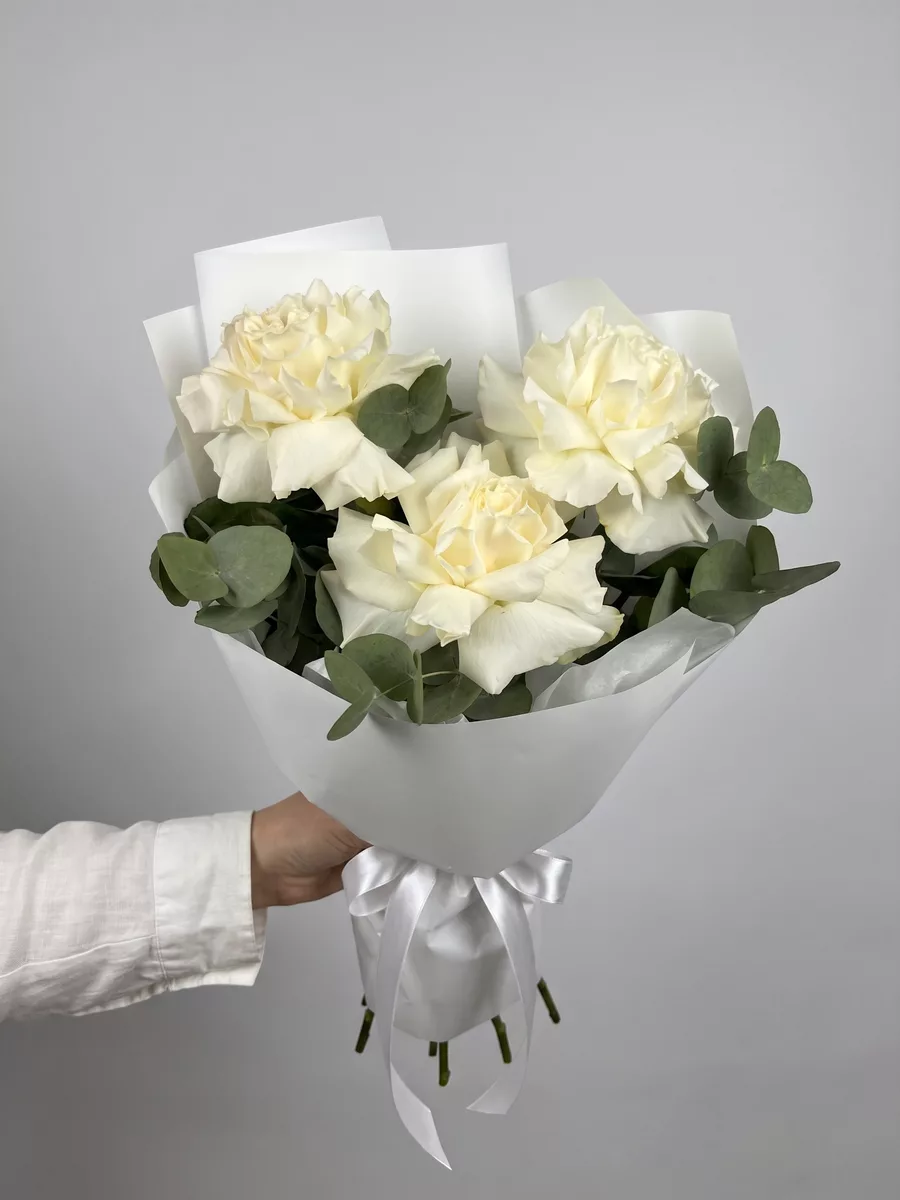
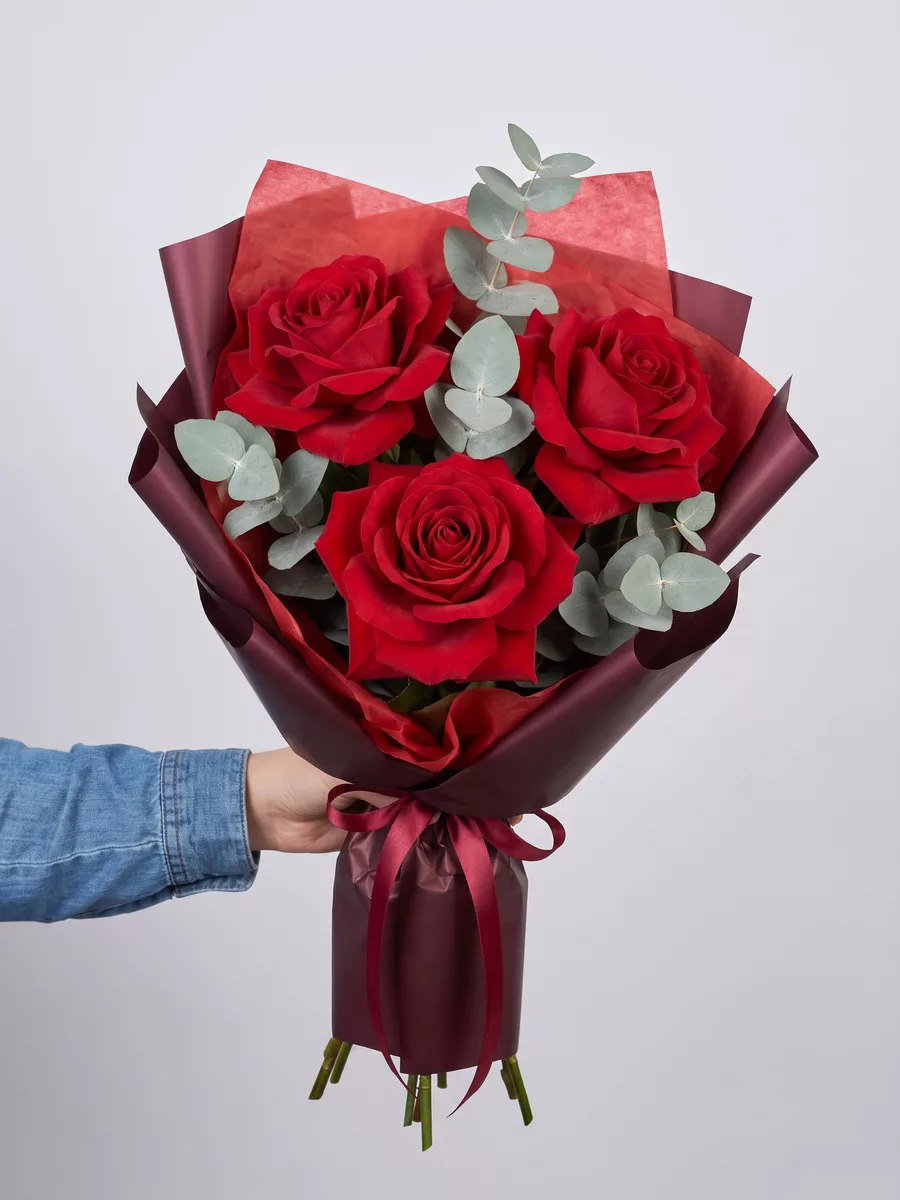
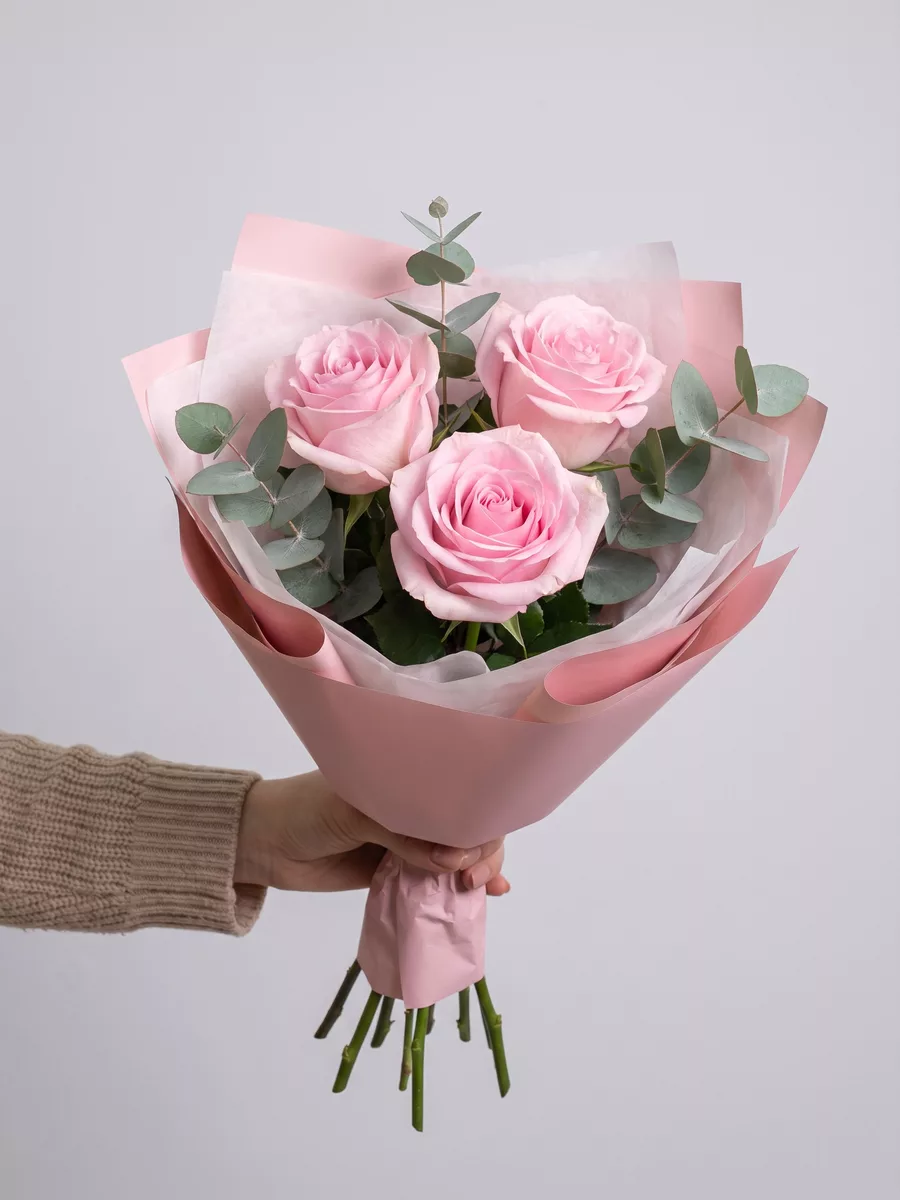
Bouquets we can deliver

Timing Your Order: When Flowers Arrive at Their Best
Turboflora operates on a one-to-two hour delivery window from the moment your order is confirmed. For Kimry, the realistic timeframe sits toward the upper end of that range depending on the time of day and current road conditions on the M11 corridor and regional roads leading into the Tver region. Morning orders placed before eleven tend to move the smoothest, while late afternoon can add a small buffer during busy periods.
If you are ordering for a specific event — a birthday dinner, a graduation ceremony, a first day at a new job — plan the delivery to arrive at least an hour before the occasion begins. Flowers need a few minutes of water and rest after transit before they look their absolute best. Roses in particular benefit from having their stems cut on a diagonal and standing in cool water for twenty to thirty minutes before being arranged or presented.
Same-day delivery is available for most orders placed before a cutoff time that varies slightly by season. In winter, when daylight is short and road conditions can be unpredictable, earlier is always safer. In summer, the longer day gives more flexibility, but heat is its own enemy for delicate flowers like sweet peas, anemones, and garden-style dahlias. If you are unsure whether your order will make a specific time slot, our team can advise you directly — it is far better to ask than to hope.
For surprise deliveries, coordinate with someone at the destination if possible. An unanswered door means the bouquet waits in the car, and waiting is never kind to flowers.
Choosing the Right Flowers for the Person, Not Just the Occasion
The most common mistake people make when ordering flowers remotely is choosing by occasion first and by recipient second. A birthday bouquet for a twenty-two-year-old and a birthday bouquet for a sixty-five-year-old should look nothing alike, even if the calendar date is the same. Start by picturing the person: their home, their style, what they wear, what they grow on their windowsill if they have plants at all.
For someone with a modern, minimalist taste, a single-variety arrangement works beautifully — thirty stems of white ranunculus or a clean bundle of blush spray roses with eucalyptus. For someone who loves abundance and warmth, a mixed garden bouquet combining lisianthus, alstroemeria, and seasonal greenery feels generous without being overwhelming. Both can be stunning; the difference is in reading the person correctly.
In Russia, odd numbers of flowers are traditional for living recipients — even numbers are reserved for memorial occasions. If you are not familiar with this custom, it is worth knowing so you do not accidentally send twelve roses when eleven or thirteen would be more appropriate. Our florists follow this convention automatically, but if you are building a custom order with specific stem counts, keep it in mind.
Colour also carries meaning in Russian flower culture. Red roses are strongly romantic, so sending them to a colleague or a distant relative can feel unexpectedly intimate. Warm yellows, coral tones, and soft whites read as celebratory and friendly across almost any relationship. When in doubt, a palette built around peach, cream, and soft green suits nearly every recipient and every room.
Seasonal Availability: What Grows When and What That Means for You
Russia's seasons are pronounced, and flower availability shifts noticeably across the year. Understanding what is genuinely fresh in each season helps you order with confidence rather than disappointment.
From late spring through early autumn — roughly May to September — the range is widest. Peonies arrive in late May and June, and they are glorious but brief; if you want them, order early in the season. Summer brings sunflowers, dahlias, zinnias, and an abundance of garden roses with proper fragrance. These months also bring the heat challenge mentioned earlier, so packaging and speed matter more than in cooler periods.
Autumn is underrated for flowers. Chrysanthemums, which have a somewhat old-fashioned reputation in some countries, are used beautifully in Russian floristry — large-headed single blooms in bronze, burgundy, and cream make striking autumn arrangements. Hypericum berries, ornamental cabbage, and dried elements like cotton stems can add texture and longevity to a seasonal bouquet.
Winter, from November through February, leans heavily on imported flowers: roses from Ecuador and Kenya, tulips from the Netherlands, and orchid stems that travel well in cold. Amaryllis appears around the New Year period and has a dramatic, sculptural quality that suits the season. February is the busiest month for flower delivery across Russia because of Defender of the Fatherland Day on the twenty-third and International Women's Day on the eighth of March, which falls just days later. If you are ordering during this window, book well ahead — demand is exceptionally high and the best varieties sell out quickly.
Presentation and Packaging: What the Bouquet Looks Like on Arrival
A bouquet that looks beautiful in a photograph and arrives crushed or wilted is a failure, regardless of how good the flowers were at the start. Presentation is not just aesthetics — it is protection. The way a bouquet is wrapped determines how it travels and how it is received.
Turboflora uses a layered approach: flowers are arranged with their stems in a small water source for transit when the delivery window is longer, and the outer wrapping protects blooms from wind, temperature shock, and physical contact. In winter, an additional thermal layer goes around the whole package. In summer, we avoid dark wrapping materials that absorb heat.
The outer presentation — kraft paper, matte film, fabric ribbon — is chosen to complement the flowers rather than overpower them. A loose, romantic arrangement of garden roses and eucalyptus suits kraft paper and a natural twine tie. A sleek, contemporary bundle of calla lilies looks better in a structured matte sleeve. These choices are made by the florist assembling your order, but if you have a strong preference, note it when ordering.
When the recipient opens the bouquet, they should find the flowers at exactly the stage you would want: roses in a tight bud just beginning to open, tulips upright and firm, peonies showing colour but not yet fully blown. This is the stage at which flowers are most photogenic, most fragrant, and have the longest remaining vase life ahead of them. It is also the stage that requires the fastest possible delivery, which is why the one-to-two hour window matters so much more than it might seem.
Caring for the Bouquet Once It Arrives in Kimry
The moment the flowers arrive is not the end of the process — it is the beginning of their life in the recipient's home. A few simple steps in the first ten minutes make the difference between a bouquet that lasts three days and one that lasts ten.
The most important step is fresh water and a clean cut. Remove any packaging, trim about two centimetres from the bottom of each stem at a forty-five-degree angle using a sharp knife or scissors, and place the flowers immediately into a clean vase filled with cool water. Avoid using a warm room or a windowsill in direct sunlight for the first hour — let the flowers hydrate in a cool, shaded spot first.
Remove any leaves that would sit below the waterline. Submerged leaves rot quickly and introduce bacteria into the water, which shortens vase life dramatically. This is the single most overlooked step and the most consequential one. Change the water every two days and re-cut the stems each time.
Different flowers have different needs. Tulips keep drinking water and will continue to grow after cutting — they may lean toward a light source, which some people find charming and others find untidy. Roses last longest when kept away from fruit bowls, because ripening fruit releases ethylene gas that accelerates petal drop. Lisianthus and alstroemeria are among the longest-lasting cut flowers and need very little fussing beyond clean water.
In Kimry's climate, winter indoor heating creates very dry air. A light mist of water on the petals in the morning — not the stems, just the blooms — can help flowers stay fresh a day or two longer during the heating season.
Making the Order Feel Personal: Notes, Timing, and Small Touches
Flowers are rarely just flowers. They carry the weight of what you wanted to say but perhaps could not find the words for. The small details around the bouquet — the card message, the timing, the choice of whether to make it a surprise — shape how the moment lands for the person receiving it.
A handwritten card note is included with every Turboflora delivery. Use it. A few genuine sentences mean more than any arrangement of flowers on its own. In Russian culture, it is common to wish the recipient health, happiness, and warmth — these are not clichés here but sincere expressions. If you are writing in Russian but are not a native speaker, keep the message simple and heartfelt rather than elaborate and uncertain.
Timing a delivery to coincide with a specific moment — the exact hour of a birthday, the morning of an anniversary — requires coordination and a bit of trust in the process. Communicate the preferred window clearly when ordering, and if the recipient will not be home, arrange for a neighbour or building manager to accept the bouquet. Flowers left unattended in a hallway in summer heat or winter cold lose their quality fast.
For a more elaborate gift, flowers can be paired with a small accompanying item ordered separately — a candle, a box of chocolates, a personal keepsake. The bouquet itself is the centrepiece, but context adds warmth. Think about what the person will do when they receive the flowers: where will they put them, who else will see them, what will the room smell like for the next week. That imagined scene is what you are really giving them.
Ordering flowers to Kimry from a distance asks for a little planning and a lot of trust — trust that the flowers are fresh, that the packaging protects them on the road, and that the person who opens the door will feel exactly what you intended. Turboflora handles the logistics so that you can focus on the message behind the bouquet. Whether it is a single stem of an orchid for a quiet anniversary or a full armful of summer peonies for someone who deserves exactly that, the flowers will arrive as they left: alive, fragrant, and ready to be loved.
Frequently asked questions
Can I order flowers to Kimry on the same day?
Yes, same-day delivery to Kimry is available for orders placed before the daily cutoff time. In winter months, order as early as possible to account for road conditions. If you are close to the cutoff, contact us directly and we will confirm whether your time slot is still open before you complete the order.
What happens if the recipient is not home when the flowers arrive?
If no one answers, our driver will contact you and attempt to reach the recipient. The bouquet cannot be left unattended for long in extreme temperatures. We recommend arranging for a neighbour or building manager to accept the delivery if there is any chance the recipient will be away, especially in summer heat or winter cold.
Are there flowers I should avoid sending in winter to Kimry?
Delicate tropical flowers like anthurium and certain orchid varieties are more vulnerable to cold shock during transit in temperatures below minus ten. Roses, tulips, chrysanthemums, and lisianthus travel well in winter with proper insulated packaging. If you are ordering in January or February, our florists will guide you toward varieties that arrive reliably beautiful.
Why do Russian bouquets always have an odd number of stems?
In Russian tradition, even numbers of flowers are associated with memorial occasions, so living recipients always receive an odd number. This is observed across most of Russia and is considered respectful rather than superstitious. Turboflora follows this convention automatically, so you do not need to count stems yourself unless you are building a very specific custom order.
How long will the flowers last after delivery to Kimry?
With proper care — fresh water, a clean diagonal cut on the stems, and placement away from direct heat and sunlight — most bouquets last seven to ten days. Alstroemeria and lisianthus often go longer. Peonies and tulips are shorter-lived but intensely beautiful while they last. Changing the water every two days and re-trimming stems each time makes the biggest difference.
Ready to send flowers?
Pick the city, choose the bouquet, and a local florist takes it from there.
Choose a city →