Flower Delivery in Kirensk: What to Expect When You Order
Kirensk sits deep in Irkutsk Oblast, on the banks of the Lena River, far from the large flower markets of central Russia. Sending flowers here is absolutely possible, and when it is done right, the bouquet arrives fresh, full of colour and genuinely surprising to the person who receives it. What matters is knowing the timing, the temperatures, and which flowers travel well on a long Siberian route — so that what lands at the door matches what you imagined when you placed the order.
Where We Deliver in Kirensk and the Surrounding Area
Kirensk is a compact city, and most addresses in the central districts, residential neighbourhoods along the Lena embankment, and the main streets near the administration building are all within our standard delivery zone. If you are sending to a private house in one of the outlying villages or a dacha settlement beyond the city boundary, it is worth specifying the exact address at checkout so we can confirm coverage and give you an accurate window.
Delivery to workplaces, schools, hospitals and public offices in Kirensk is handled the same way as residential addresses. The one thing to prepare for is access: some institutional buildings ask couriers to wait at reception rather than go directly to a floor. Letting the recipient know a delivery is coming saves time and means the flowers are not left sitting at a front desk in a warm lobby for longer than necessary.
For addresses on the far side of the river or in areas accessible only by seasonal roads, we recommend placing the order a day in advance rather than same-day. This gives us the flexibility to route correctly and guarantees the bouquet arrives in the condition it left our hands. We always call ahead to coordinate, so nobody is caught off guard.
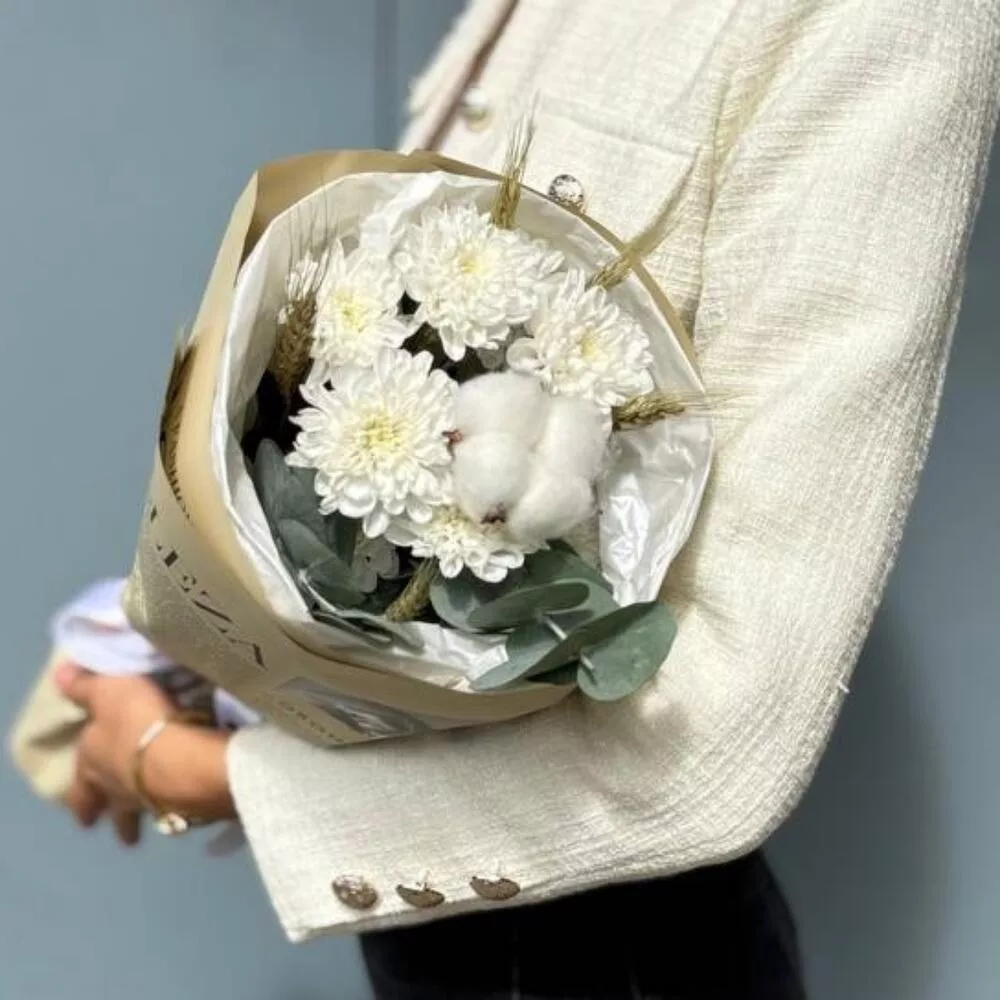
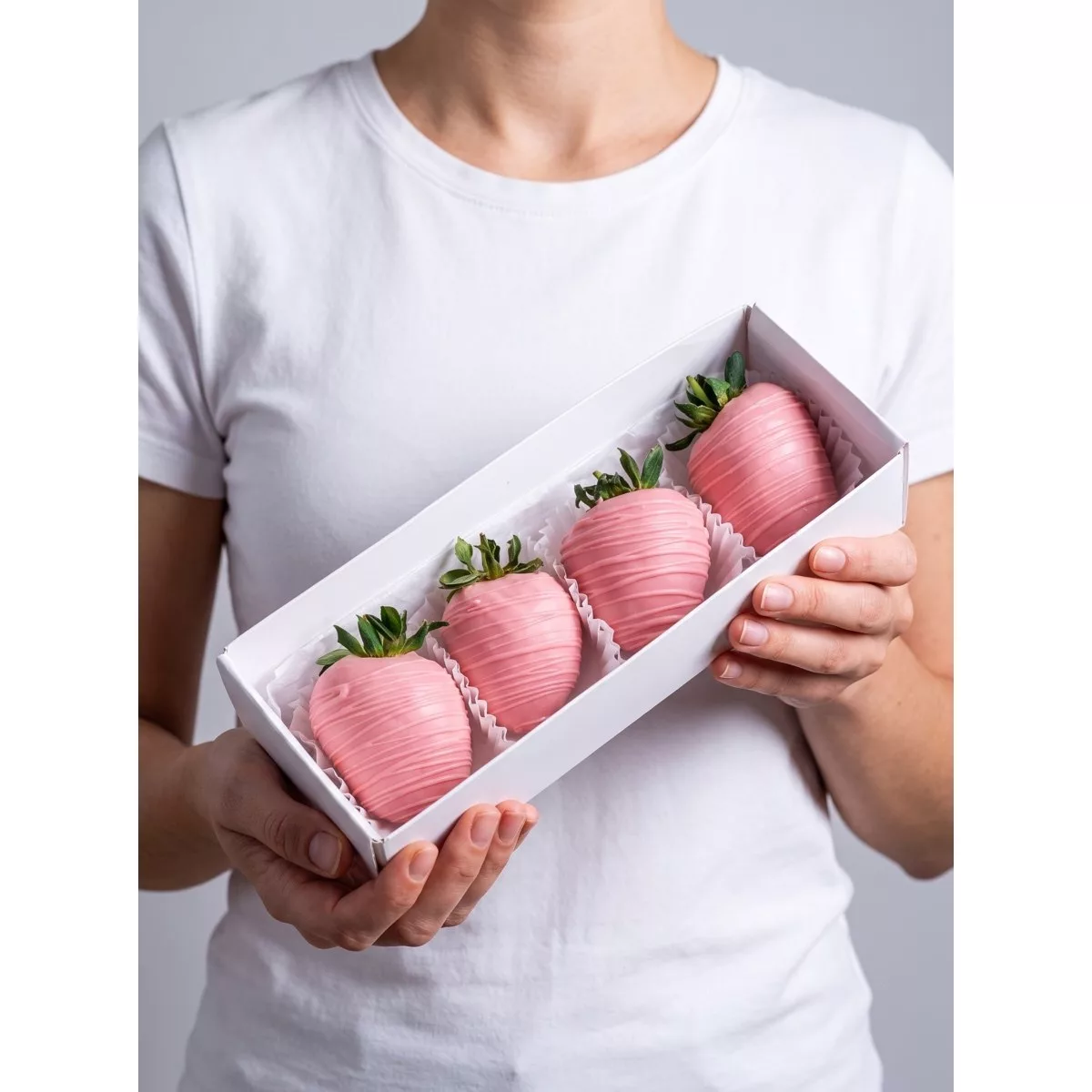
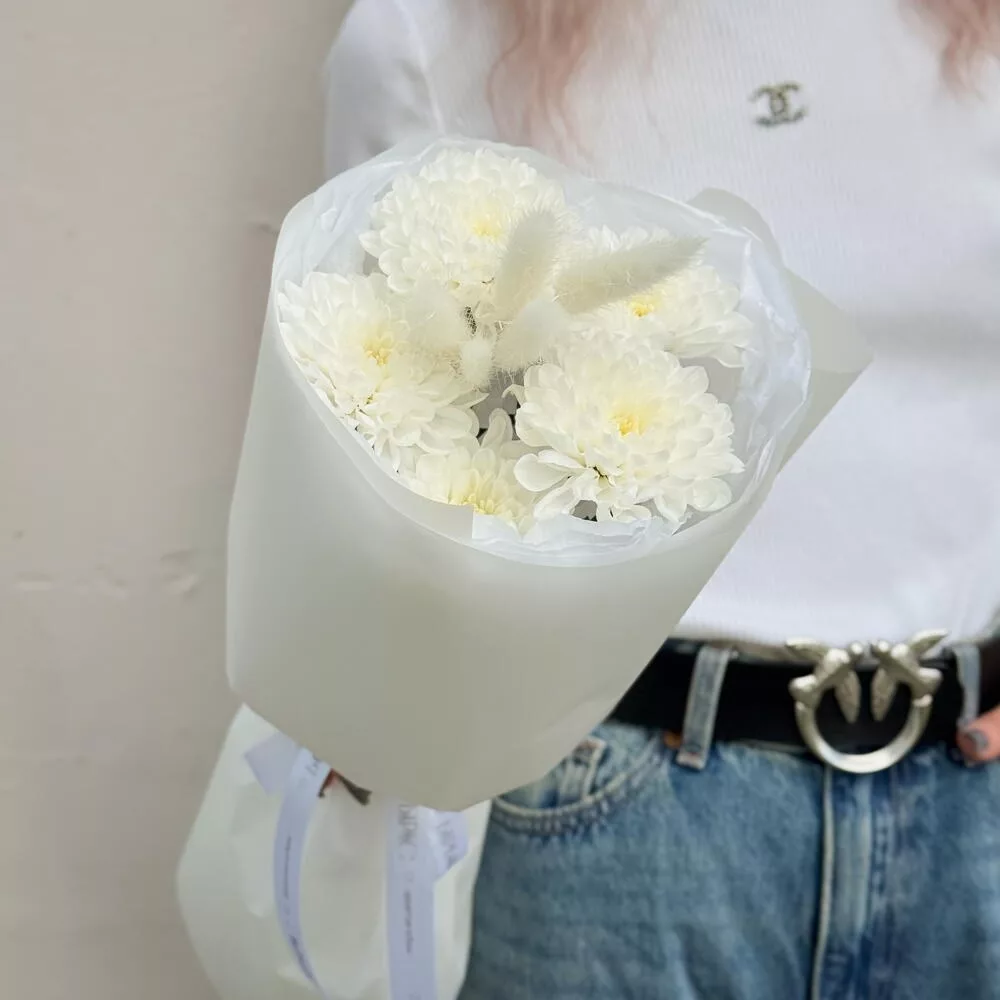
Bouquets we can deliver

Timing Your Order: Delivery Windows in Kirensk
Turboflora operates on a one-to-two-hour delivery model in Saint Petersburg, and for Kirensk the logistics are structured so that orders placed before noon local time are typically fulfilled the same day, arriving in the afternoon. Orders placed later in the day move to the following morning slot, which in practice often works better anyway — a fresh bouquet arriving with breakfast is a genuinely warm way to start someone's day.
The most common mistake people make when ordering to Kirensk is underestimating the time zone difference. Kirensk is five hours ahead of Moscow, so if you are ordering from western Russia or from abroad, convert carefully. An order that feels like it was placed mid-morning your time may already be early evening in Kirensk, which shifts the delivery to the next day.
For birthdays, anniversaries and other occasions with a fixed date, we strongly recommend ordering at least twenty-four hours in advance. This is not about doubt in the logistics — it is simply that a confirmed morning delivery on the right day is far more satisfying than a rushed same-day attempt that lands an hour after the celebration dinner has ended. If the occasion is a surprise, note that in the order comments and we will coordinate with the building concierge or a family member rather than calling the recipient directly.
Choosing Flowers for Kirensk's Climate
Kirensk has a sharply continental climate: winters are long and genuinely cold, with temperatures regularly dropping below minus twenty-five Celsius, and summers are warm but short. This matters for flowers more than most people realise. In January or February, a bouquet of open garden roses or fully bloomed hydrangeas will suffer if it spends more than a few minutes in unheated outdoor air. We pack cold-weather orders in insulated wrapping and time the handover to be brief, but the recipient should bring the flowers indoors immediately and not leave them in an unheated hallway or car boot.
In summer, the opposite challenge appears. Kirensk can see temperatures above thirty Celsius in July, and direct sun through a window or a car windscreen will wilt even robust flowers within an hour. Alstroemeria, chrysanthemums and carnations tolerate heat better than tulips or ranunculus, and they are good choices for warm-weather deliveries when the flowers will spend any time in transit without air conditioning.
Spring and early autumn are the easiest seasons for flower delivery in Kirensk. Temperatures are moderate, and flowers like spray roses, lisianthus and solidago travel beautifully. If you are choosing for a specific occasion and are unsure what is in season, the product descriptions on the site reflect what is genuinely available and fresh — not what looks appealing in a stock photograph taken somewhere else entirely.
What the Bouquet Will Look Like on Arrival
A well-packed bouquet arriving in Kirensk should look almost exactly as it does in the product photograph: stems trimmed cleanly, foliage arranged to frame the blooms, and the outer wrapping intact. We use kraft paper, cotton ribbon and, in colder months, a layer of thermal sleeve inside the outer wrap. The flowers will not be in water during transit, which is standard practice — cut flowers travel better dry and cool than wet and warm.
When the bouquet arrives, the recipient may notice that some blooms are not yet fully open. This is intentional and a good sign. Roses, peonies and lisianthus are cut and packed at a stage where they still have one to three days of opening ahead of them. A bud that is tight on arrival will be a full, fragrant bloom by the following morning, and the overall vase life will be longer than if the flowers had been shipped fully open.
Presentation matters in Russian gifting culture, and Kirensk is no exception. Flowers are given face-first, with the bouquet held upright, and it is completely normal for the recipient to unwrap the bouquet at the door and admire it before saying anything else. If you are adding a card, keep the message warm and personal — even a single handwritten line on the card makes the gift feel considered rather than transactional. We include the card text exactly as you write it, without editing.
Combinations That Work Well as Gifts in Kirensk
A single-variety bouquet — say, fifteen white spray roses or a dozen yellow freesias — reads as confident and intentional in Russian gifting culture. It signals that the sender chose specifically rather than grabbing whatever was available. For a first gift or a professional occasion such as a colleague's promotion or a teacher's appreciation, a clean single-variety arrangement is almost always the right call.
For romantic occasions, mixing textures works better than mixing many colours. A combination of garden roses with eucalyptus and a few stems of white waxflower creates depth without looking busy. If the recipient has a preference for bold colour, ranunculus in coral or deep burgundy paired with dusty miller gives a rich, jewel-toned result that photographs beautifully and lasts well in a vase.
For a birthday where you want something celebratory and abundant, consider a mixed bouquet anchored by two or three focal flowers — large-headed roses or sunflowers — supported by secondary blooms like alstroemeria and finished with soft foliage such as ruscus or pittosporum. The layering creates the sense of generosity that a birthday gift should carry. Avoid mixing more than three colour families in one bouquet; beyond that, the arrangement starts to look like it was assembled from leftovers rather than composed with intention. If you are unsure, warm tones — peach, coral, cream and soft yellow — work together naturally and suit almost any recipient.
Caring for the Flowers After Delivery
The first thing to do when a bouquet arrives in Kirensk, especially in winter, is to let the flowers rest at room temperature for about thirty minutes before unwrapping them fully. Moving flowers directly from cold outdoor air into a heated room and immediately into warm water can cause condensation inside the petals and speed up deterioration. A short acclimatisation period makes a real difference to vase life.
Trim the stems at a diagonal angle — about two centimetres — using a sharp knife rather than scissors. Scissors compress the stem tissue and reduce water uptake. Fill a clean vase with cool, not cold, water and add the flower food sachet that comes with the bouquet. Change the water every two days, re-trimming the stems each time.
Keep the vase away from direct sunlight, radiators and fruit bowls. Ripening fruit releases ethylene gas, which accelerates petal drop in roses, carnations and lilies particularly. In Kirensk's dry winter interiors, where central heating removes a lot of humidity from the air, placing a small dish of water near the vase helps the flowers stay hydrated. Roses and lisianthus kept in these conditions will typically last seven to ten days. Chrysanthemums and carnations can go longer — up to two weeks — which makes them a practical choice when you want the gift to be visible and beautiful throughout a week-long celebration.
Occasions When Kirensk Residents Most Often Order Flowers
Birthdays are by far the most common reason for a flower delivery in Kirensk, as they are across Russia. The expectation is a bouquet that feels generous and personal — not a single stem, and not a basket of mixed greenery. A well-composed bouquet of seven, nine or eleven stems (odd numbers are the Russian convention for gifts to the living) signals that the sender understands the occasion.
Women's Day on the eighth of March is the single busiest delivery day of the year across Russia, and Kirensk is no different. Tulips are the traditional flower for this holiday — yellow, pink and white are the most popular colours — and demand is high. Ordering several days before the eighth rather than on the day itself guarantees a fresher, more carefully assembled bouquet and avoids the logistical pressure of a peak day.
New baby deliveries have become increasingly popular in recent years. The convention is to send flowers to the mother rather than to the baby, and soft colours — white, pale pink, peach — are preferred. Chrysanthemums and spray roses are practical choices here because they last well in a hospital room or a home where the new parents are understandably too busy to change vase water every day. Graduations, professional milestones and housewarmings are also growing occasions for flower gifts in Kirensk, reflecting a broader Russian trend toward marking personal achievements with flowers rather than reserving them only for romantic gestures.
Ordering flowers to Kirensk from anywhere in Russia is straightforward when you plan around the time zone, the season and the occasion. The city is well within our delivery area, the bouquets travel carefully packed, and the flowers that arrive are chosen to last. Whether you are sending to mark a birthday, celebrate a new arrival or simply let someone know you are thinking of them across a very long distance, a well-chosen bouquet does that work better than almost anything else you could send.
Frequently asked questions
Can I order flowers for same-day delivery in Kirensk?
Yes, same-day delivery in Kirensk is available for orders placed before noon local time. Kirensk is five hours ahead of Moscow, so factor in the time difference when ordering. Orders placed later in the day are scheduled for the following morning, which often results in a fresher and better-timed delivery for the recipient.
What flowers survive the cold Kirensk winters best?
Chrysanthemums, carnations and alstroemeria are the most cold-resilient options for winter delivery. Roses travel well when packed correctly and acclimatised slowly on arrival. The key step for the recipient is to let the wrapped bouquet rest indoors for thirty minutes before unwrapping, rather than moving it directly from freezing air into warm water.
How many flowers should I include in a birthday bouquet in Russia?
Odd numbers are the Russian convention for gift bouquets: seven, nine, eleven or fifteen stems are all appropriate for a birthday. Even numbers are associated with different occasions in Russian tradition. If you are unsure about quantity, a bouquet of eleven stems reads as generous and thoughtful without being overwhelming for a standard apartment vase.
Will the flowers arrive open or in bud?
Most flowers are packed at a partially open or bud stage, which is intentional. Roses, peonies and lisianthus in particular continue opening over one to three days after delivery, giving the recipient a longer and more rewarding experience. A tight bud on arrival is a sign of freshness, not a sign that something went wrong during transit.
Can I add a personalised card to the bouquet?
Yes, a card message can be added at checkout and we include it exactly as written, without changes. Keep the message warm and specific to the person — even a short personal line makes the gift feel considered. The card is printed and attached to the bouquet before it leaves, so the recipient sees it as part of the presentation when the flowers are handed over.
Ready to send flowers?
Pick the city, choose the bouquet, and a local florist takes it from there.
Choose a city →