Sending Flowers to Kirishi? Here Is Everything You Need to Know
Kirishi sits about 120 kilometres southeast of Saint Petersburg, close enough to reach the same day but far enough that a little planning makes all the difference. Whether you are surprising a partner on their birthday, thanking a colleague, or simply letting someone know you are thinking of them, a fresh bouquet arriving at their door carries a weight that a message never quite manages. This article walks you through what delivery to Kirishi actually looks like — timing, flower choices, how to keep things fresh — so you can order with complete confidence.
The Distance and What It Means for Your Flowers
Kirishi is a compact industrial city on the Volkhov River, and the road from Saint Petersburg runs roughly two hours each way under normal conditions. That journey time shapes every decision a florist makes before a bouquet leaves the studio. Flowers are living things, and two hours in a vehicle is not the same as two hours in a refrigerated display case. Temperature management matters enormously here. In summer, when Leningrad Oblast can see afternoon highs above 25 degrees Celsius, delicate blooms like garden roses, sweet peas, and ranunculus can wilt noticeably if the car is not properly cooled. In winter, frost is the opposite danger — exposed petals at minus ten degrees develop translucent patches that never recover. A well-wrapped bouquet in a climate-controlled vehicle handles both extremes without drama. The practical upshot for you as a customer is simple: same-day delivery to Kirishi is genuinely achievable, but it works best when you order in the morning rather than the afternoon. Orders placed before noon give the courier a comfortable window to arrive, hand over the flowers, and return before evening traffic thickens on the Murmanskoe Highway. Ordering early also means the florist can select stems cut that morning rather than reaching for stock that has already spent a full day in the cooler. Freshness is not a marketing phrase here — it is a matter of hours.
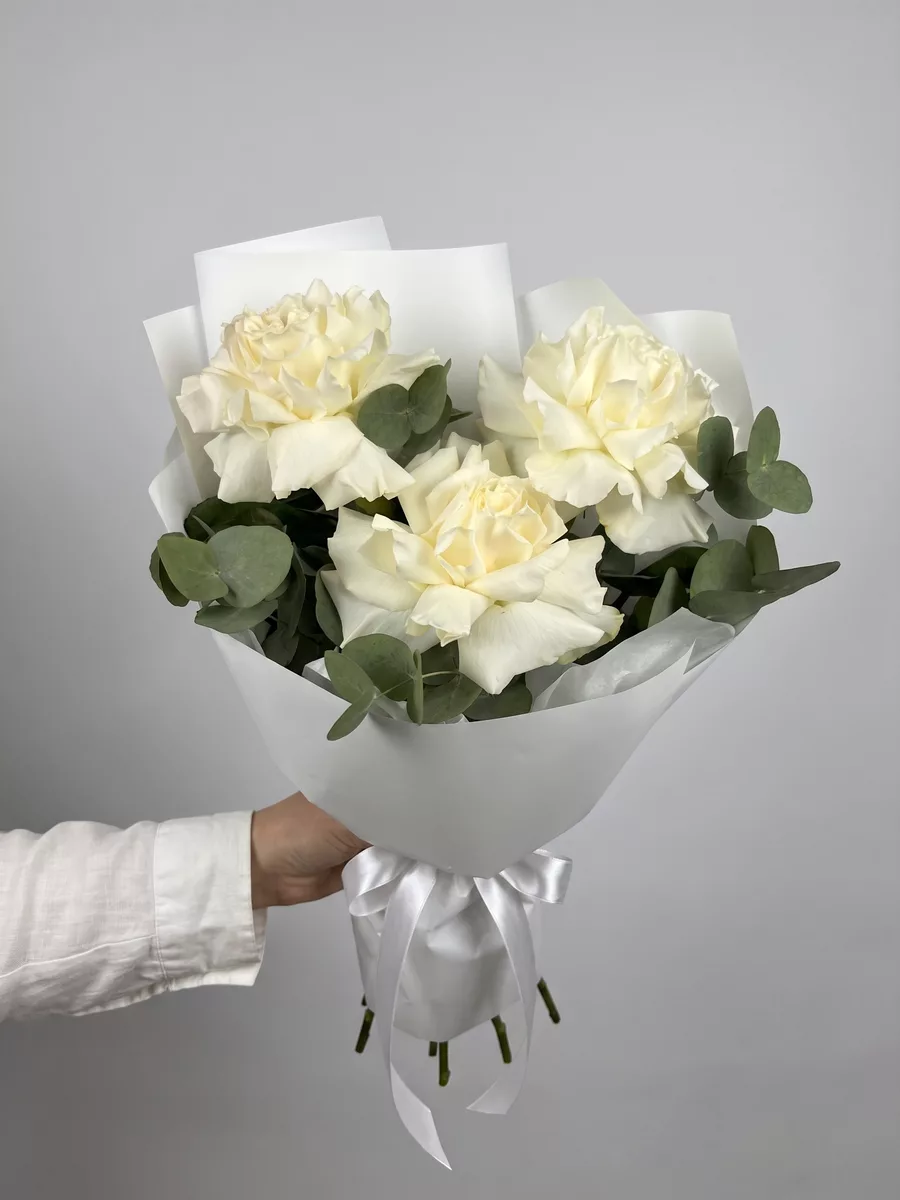
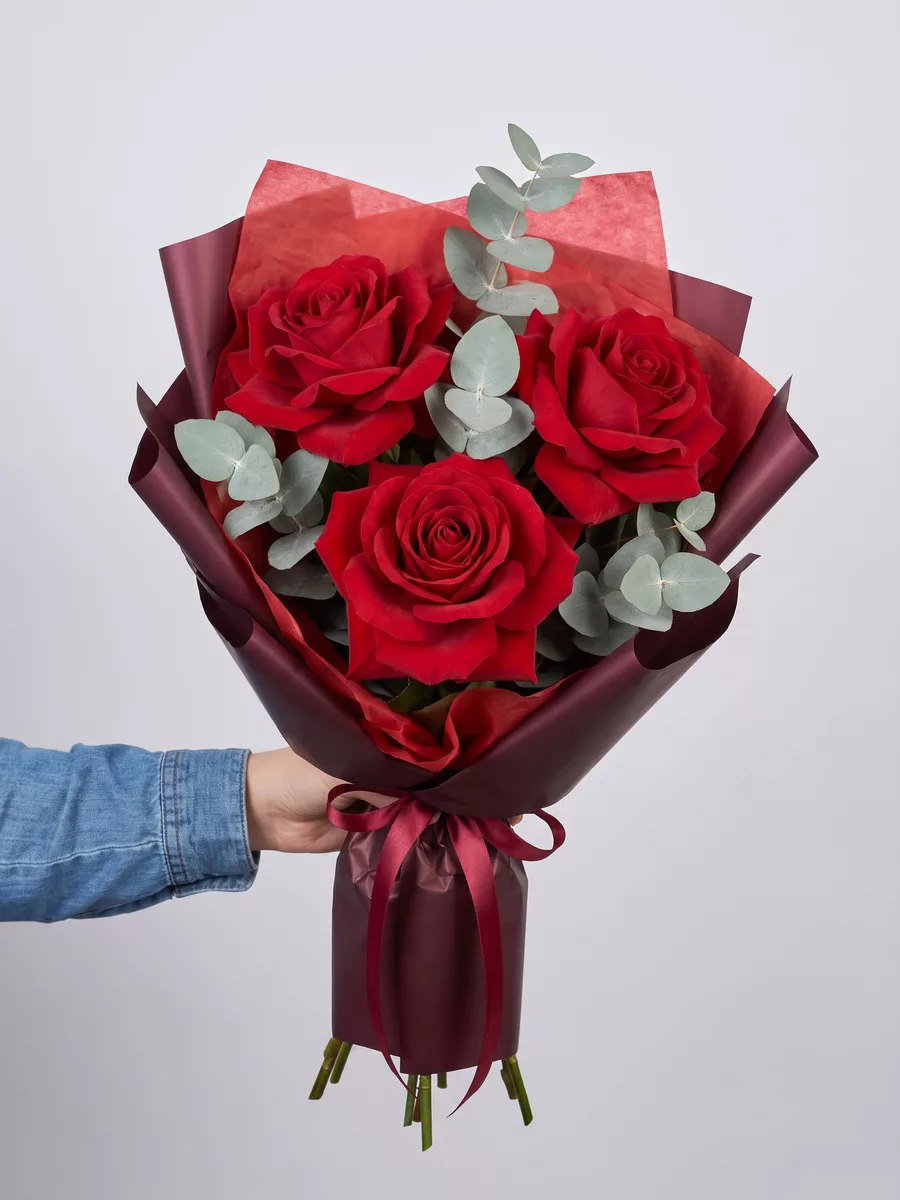
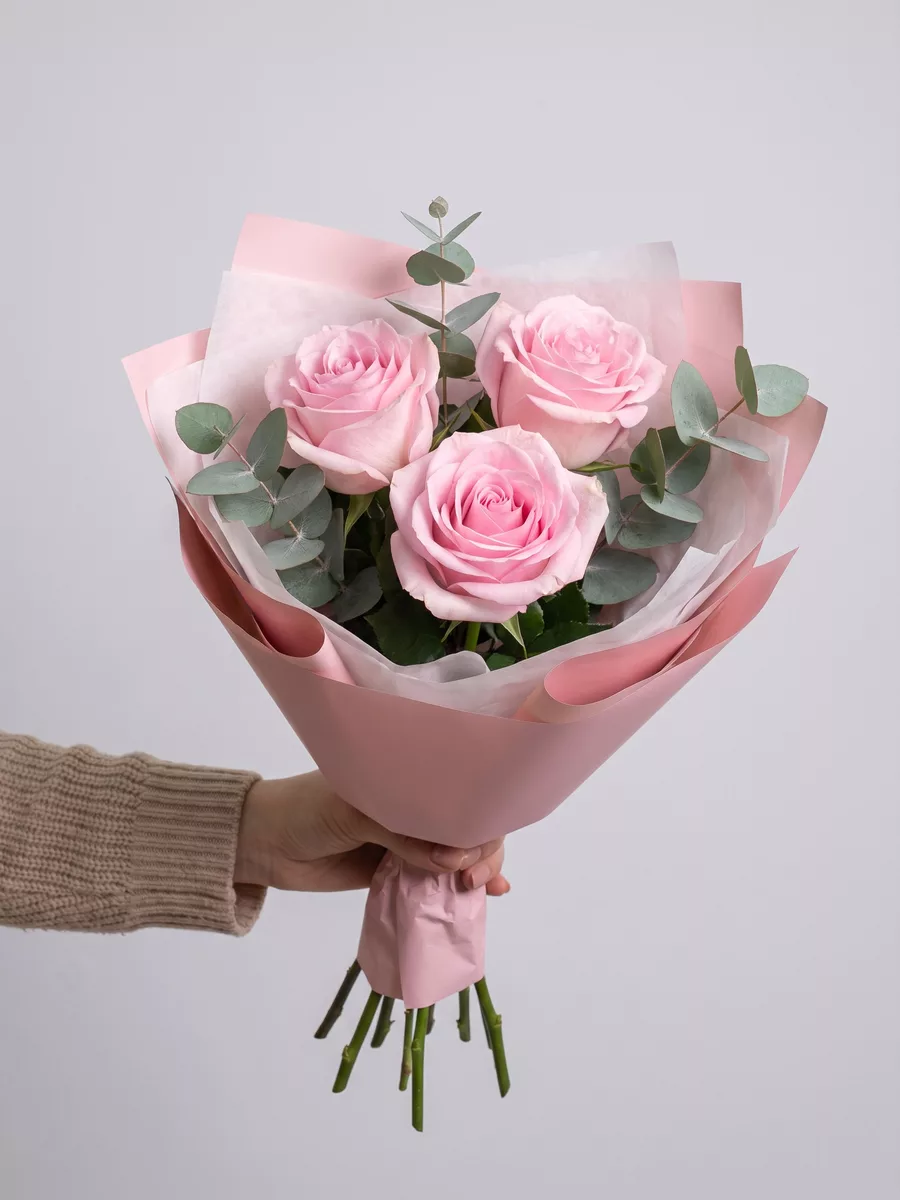
Bouquets we can deliver

Delivery Areas Within Kirishi and the Surrounding District
Kirishi itself is a relatively compact settlement, and most residential addresses — from the central Sovetskaya Street area to the newer microdistricts along the Volkhov embankment — are reachable without difficulty. The city was largely built during the Soviet industrial era, so its layout is straightforward: wide avenues, numbered residential blocks, and clear postal addressing. This makes courier navigation reliable even for drivers visiting for the first time. Beyond the city limits, the Kirishi district includes several smaller settlements: Chudovo direction villages, riverside communities, and industrial satellite areas. Delivery to these outlying addresses is possible but adds time and requires a specific postcode or landmark to avoid confusion. If you are sending to a rural address, it is always worth including the name of the nearest major landmark or a phone number for the recipient — Russian rural addressing can sometimes list a village name without a street number, which slows everything down. One thing worth knowing for international senders: Russian apartment buildings use a two-part system. The building number is called the dom, and the flat number is the kvartira. When filling in the delivery address, include both, plus the entrance number (podyezd) and floor if you know them. A courier standing in front of a nine-storey building with sixteen entrances and only a flat number will lose precious minutes — and your roses will be sitting in a warm hallway longer than they should be.
Choosing Flowers for the Person, Not Just the Occasion
In Russia, flowers are given far more freely than in many Western countries. A woman receiving flowers from a male colleague on a regular workday is not unusual — it is simply a mark of respect and warmth. International senders sometimes overthink the gesture, worrying it will be misread. It almost never is. Start from the recipient rather than the occasion. A practical, no-fuss person often appreciates a clean, monochrome bouquet — all-white chrysanthemums, a single-colour spray of alstroemeria, or a structured bunch of white and green lisianthus. Someone more expressive tends to light up at mixed garden-style arrangements: blush spray roses combined with waxflower, eucalyptus, and a few stems of burgundy scabiosa. For a younger recipient, sunflowers paired with bright gerbera daisies read as cheerful and uncomplicated. For someone older or more traditional, a classic red or pink rose bouquet still carries genuine emotional weight in Russian culture — it is never seen as lazy or generic. Think also about the setting where the flowers will land. An office bouquet should be compact and not overwhelmingly fragrant, since colleagues share the space. A home bouquet can be fuller and more dramatic. If the recipient lives alone and you are not sure whether they own a vase, a bouquet in a water-filled box or a wrapped arrangement with a small foam base gives the flowers a fighting chance before a vase is found.
Timing Your Order: Morning, Afternoon, and Same-Day Realities
The honest answer to the question of same-day delivery to Kirishi is: yes, but timing is everything. Orders confirmed before 11:00 Saint Petersburg time have the best chance of arriving by early afternoon. This is the sweet spot — the recipient is often still at home or has just arrived at work, the florist has the widest selection of fresh stock, and the courier avoids the mid-afternoon slowdown on the A114 highway. Orders placed between noon and 14:00 can still arrive the same day, but the delivery window shifts to late afternoon or early evening. For a birthday surprise timed to a dinner, this actually works well. The recipient comes home, the flowers are waiting, and the evening has a ready centrepiece. Orders arriving after 15:00 are assessed case by case. Distance, traffic conditions on the day, and the specific address all factor in. If same-day is not possible, next-morning delivery is offered instead — and in many cases, a bouquet received first thing in the morning lands with even more impact than one arriving in the evening rush. For planned occasions — anniversaries, name days, the first day of school on September 1st — ordering a day or two in advance removes all timing pressure entirely. You choose the exact delivery window, the florist prepares the arrangement fresh that morning, and the courier has a clear schedule. Planned orders also allow for more elaborate arrangements, since the florist can source specific varieties rather than working from what is already in the cooler.
What Travels Well on a Two-Hour Journey
Not every flower handles a road trip equally well, and knowing which varieties are road-hardy helps you set realistic expectations. Chrysanthemums are among the most resilient cut flowers available — their stems drink water efficiently, their petals are firm, and they do not bruise easily in transit. Alstroemeria, also called Peruvian lily, is similarly tough and arrives looking almost exactly as it left the studio. Spray roses — the smaller, multi-headed cousins of standard roses — travel better than large-headed garden roses because their individual blooms are more protected by the surrounding buds. Standard roses do travel well when properly conditioned: stems recut, wrapped in paper to protect the heads, and kept cool. What you want to avoid requesting for a long delivery is anything in full open bloom. An open peony or a fully open tulip is gorgeous in a vase but fragile on the road — petals catch on wrapping and tear, or the head droops under its own weight. Ordering these varieties with buds still partially closed is the right approach, and a good florist will do this automatically for distance deliveries. Tropical flowers — anthuriums, birds of paradise, orchid stems — are surprisingly good travellers. Their waxy surfaces resist temperature fluctuation, and they do not shed petals in transit. If you want something dramatic and long-lasting for a Kirishi recipient, a mixed arrangement anchored by anthurium and complemented with bold tropical foliage is an excellent choice, especially in the colder months when softer blooms are more vulnerable.
Care Instructions the Recipient Will Actually Use
Many bouquets arrive beautifully and then decline within two days because nobody told the recipient what to do next. Including a simple care card with the delivery is worth doing, but it helps to know what advice actually makes a difference. The single most impactful step is recutting the stems at an angle before placing them in water. Stems seal over during transit, and even an hour without fresh water creates a small air pocket that blocks uptake. A clean diagonal cut with scissors — not a blunt kitchen knife — reopens the channel immediately. The water in the vase should be cool and changed every two days. Warm water encourages bacterial growth, which is what turns the water cloudy and shortens vase life dramatically. A clean vase matters too: residue from a previous bouquet carries bacteria that will attack fresh stems within hours. Flower food sachets, which are often included with bouquets, contain a mild acidifier, a sugar source, and a biocide. They genuinely work and are worth using rather than ignoring. The old folk remedy of adding a copper coin or an aspirin has some basis in chemistry but is far less effective than a proper sachet. Placement in the home matters as well. Flowers last longest away from direct sunlight, heating radiators, and fruit bowls — ripening fruit releases ethylene gas, which accelerates petal drop in roses and carnations noticeably. A cool hallway or a north-facing windowsill can add two or three extra days of vase life compared to a sunny kitchen counter.
Making the Moment Land: Presentation and Personal Touches
A bouquet is rarely just flowers. The way it is presented — the wrapping, the note, the moment of handover — shapes how the recipient experiences it. In Russian tradition, odd numbers of flowers are given to the living and even numbers are associated with mourning, so bouquets are almost always assembled in odd counts: five, seven, eleven, fifteen stems. This is worth knowing if you are composing a specific count yourself, though most professional florists follow this convention automatically. A handwritten card still carries more emotional weight than a printed one. If you are ordering from abroad and cannot write in Russian, a note in your own language is completely fine — the gesture of a personal message is understood regardless of the language. Keep it short and direct: two or three sentences that say something specific about the person rather than a generic wish. The wrapping style can be tailored to the recipient's personality. Kraft paper with a simple twine bow reads as natural and relaxed. Matte black or deep green paper with a satin ribbon is more formal and dramatic. Transparent cellophane wrapping, which was dominant in Russia throughout the 1990s and 2000s, is now considered somewhat dated in urban areas, though it remains common in smaller cities. If presentation matters to you, specify the style when ordering. Small additions — a sprig of dried lavender tucked into the wrapping, a small jar of honey, a bar of good chocolate — can turn a bouquet into a complete gift without overwhelming the flowers themselves.
Sending flowers to Kirishi from Saint Petersburg is straightforward when you understand the rhythm of the journey. Order in the morning for same-day arrival, choose varieties that travel well, include a real note, and give the recipient a few simple care tips. The distance that might seem like a complication is actually just a detail — what arrives at the door is a fresh, thoughtfully assembled bouquet that tells someone exactly what you wanted to say.
Frequently asked questions
Which flowers hold up best on the two-hour drive from Saint Petersburg to Kirishi?
Roses, chrysanthemums, and alstroemeria are the most reliable travellers. They handle temperature shifts without wilting quickly and arrive looking composed rather than exhausted. Delicate blooms like sweet peas or garden ranunculus are beautiful in a studio but struggle on a long road. If you want something impressive at the door, build the bouquet around a sturdy centrepiece flower.
Is it worth sending flowers to a Kirishi address I only have in English transliteration?
Most couriers working this route are experienced with both scripts, but providing the address in Russian Cyrillic gives your order the cleanest path through. If you only have a transliterated version, pass it to the florist and ask them to confirm it. The city's straightforward Soviet-era block numbering means a small spelling variation rarely causes a failed delivery, but why leave room for doubt.
What kind of bouquet suits someone living in one of the Volkhov embankment microdistricts rather than the city centre?
Practically nothing changes based on the district — the gesture matters far more than the postcode. That said, a generous, unfussy arrangement travels and displays well in a typical apartment setting. Avoid very wide or architectural designs that are awkward to carry indoors. A round hand-tied bouquet in seasonal colours is comfortable to receive, easy to put straight into a vase, and looks considered without being overwhelming.
Can I include a gift alongside the flowers for a birthday delivery to Kirishi?
Many Saint Petersburg florists who cover this route will combine a bouquet with a boxed item such as chocolates or a candle, but confirm this when ordering rather than assuming. The addition needs to be packed so nothing shifts during two hours of road travel. A small, flat gift tucked into the wrapping works better than something fragile placed loose beside the stems.
How do I choose between a wrapped bouquet and a hatbox arrangement for someone in Kirishi?
A wrapped bouquet is easier for the recipient to deal with on the doorstep — they take it, thank the courier, and go straight to the kitchen for a vase. A hatbox looks striking and needs no vase at all, which suits someone in a smaller flat or an office setting. If you are unsure of their home situation, the hatbox removes one variable and tends to photograph beautifully if they want to share the moment.
Ready to send flowers?
Pick the city, choose the bouquet, and a local florist takes it from there.
Choose a city →