Sending Flowers to Kirovgrad? Here Is What to Expect
Kirovgrad sits in the Middle Urals, a compact industrial city where a bouquet arriving at the door still feels like a genuine event. Whether you are sending roses to a mother on her birthday, surprising a partner on an ordinary Tuesday, or marking a colleague's promotion from hundreds of kilometres away, the flower itself is only half the story. The other half is timing, freshness and knowing what grows well in a climate that swings between sharp Ural winters and short, bright summers. This guide walks you through every part of that journey so your gift arrives exactly as you imagined it.
Which Areas of Kirovgrad We Reach and Why It Matters
Kirovgrad is a relatively small city by Russian standards, with a population concentrated in a central residential core and several outlying districts that grew around industrial enterprises. Our delivery zone covers the central streets, the residential mikrorayons to the north and east, and the private house sector closer to the forest edge. If you are unsure whether a specific address falls within the zone, the checkout process will confirm it immediately before you commit.
The city's compact layout works in your favour. Unlike delivering across a sprawling metropolis, our couriers can reach most Kirovgrad addresses within a tight window once the bouquet leaves the preparation stage. That means less time in transit and more time in a vase.
One practical detail worth knowing: some addresses in the private house sector have unmarked gates or shared courtyards. When you place an order, leave a short note in the comments — the colour of the gate, a landmark, or a neighbour's surname on the intercom panel. Our courier will call ahead, but a clear address saves everyone ten minutes and keeps the flowers from sitting in a cold car longer than necessary.
Kirovgrad also has a number of apartment buildings where the entrance code changes seasonally. If the recipient lives in one of these, include the current code or ask them to meet the courier in the lobby. A small detail, but it is the difference between a seamless surprise and an awkward phone call that ruins it.
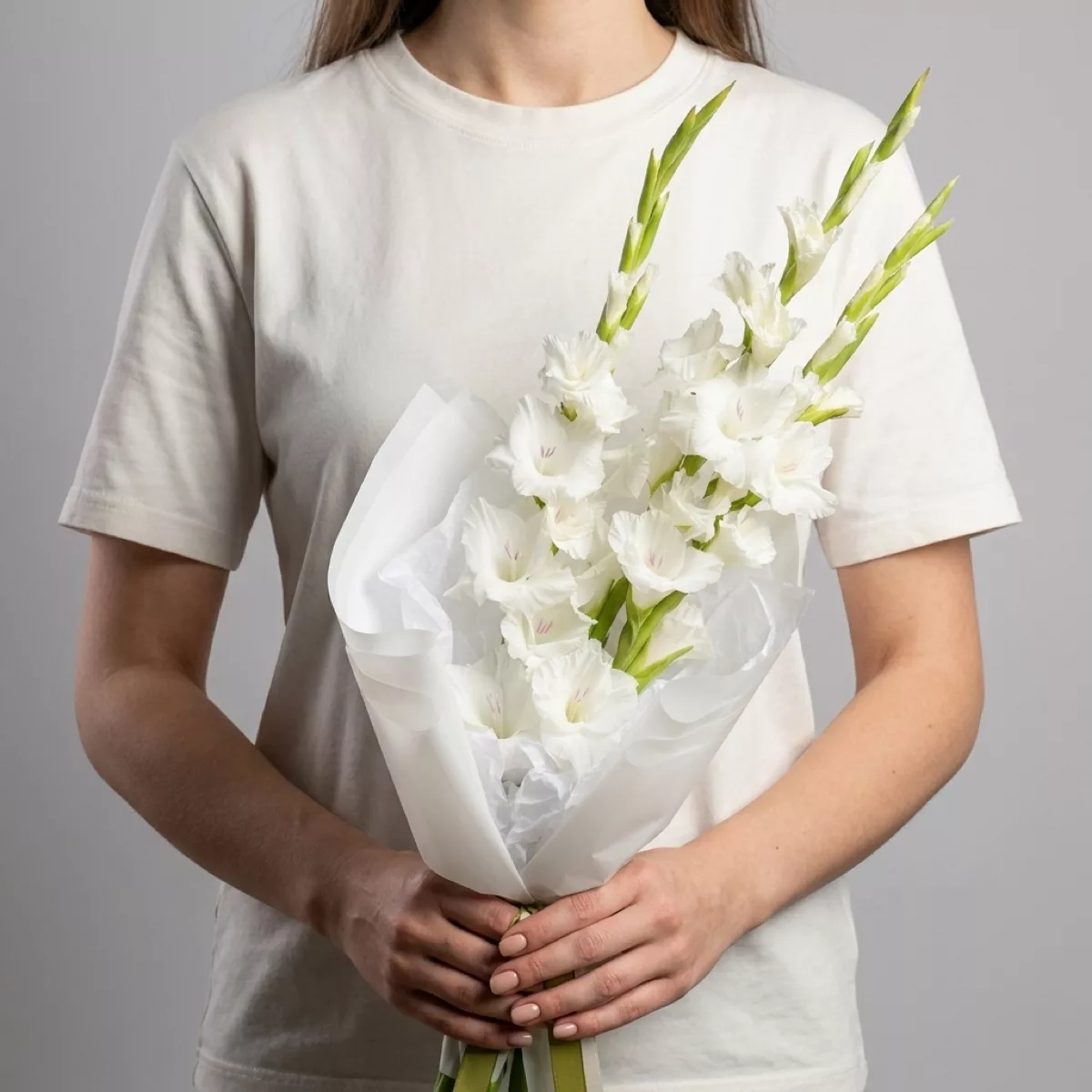
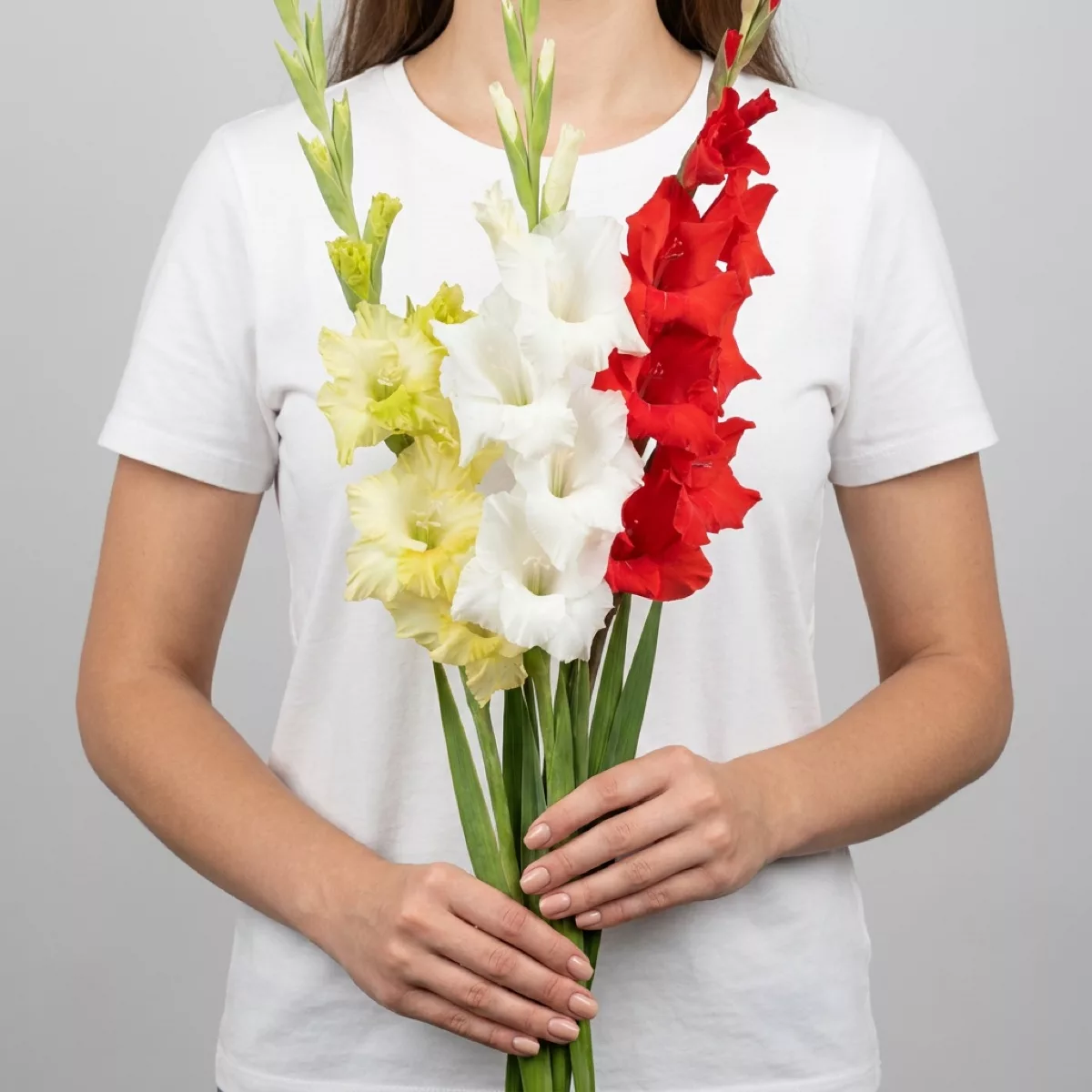
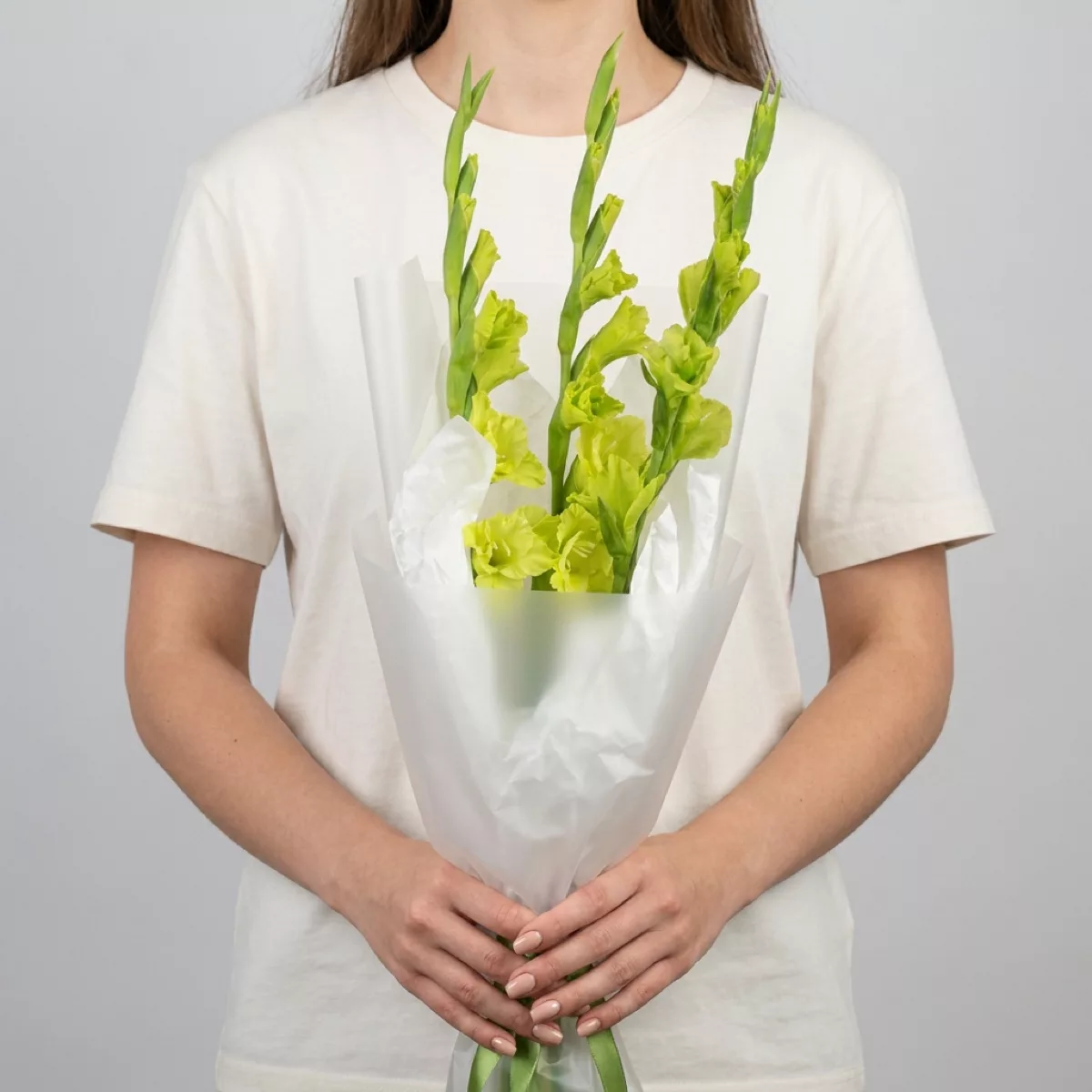
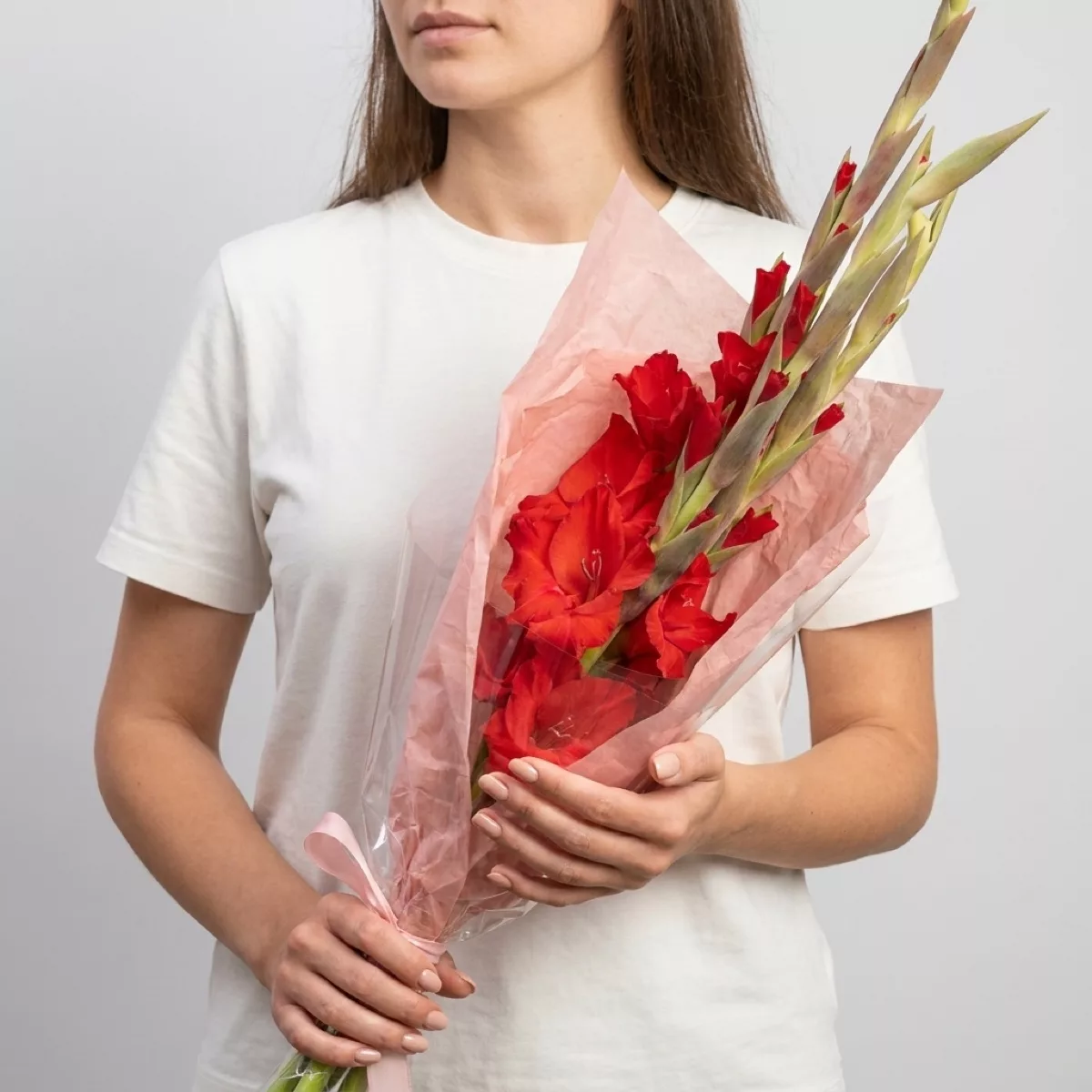
Bouquets we can deliver
Delivery Timing: What One to Two Hours Actually Means
The one-to-two-hour window starts from the moment your order is confirmed and the bouquet is prepared, not from the moment you click the button. Preparation itself takes around twenty to thirty minutes for a standard bouquet — stems are cut at an angle under water, conditioning solution is added, and the arrangement is wrapped so it travels without bruising. For larger compositions or arrangements that include delicate flowers like lisianthus or garden ranunculus, allow a few extra minutes.
Once the courier departs, the drive across Kirovgrad is short. Traffic is rarely a significant factor here the way it would be in Saint Petersburg or Moscow. The honest exception is the period around major public holidays — March 8th, February 14th and the first of September — when order volumes spike and every florist in Russia is working at full capacity. If you are planning a gift for one of these dates, ordering the evening before or early in the morning gives you the most reliable slot.
Evening deliveries are available, and in summer this is actually a pleasant option because the long Ural daylight means your recipient can still see the flowers properly when they arrive. In winter, after five in the afternoon it is dark and cold, so the courier will keep the bouquet wrapped until the handover moment.
If you need a delivery at a precise time — say, at the start of a birthday dinner — note it clearly in the order. We will aim for that window and call you if anything shifts.
Choosing Flowers for the Ural Climate and the Occasion
The Urals have a continental climate with cold winters that can drop well below minus twenty Celsius and summers that are warm but brief. This matters for flower choice in two ways: what is available locally and what survives the journey from the car to the door in February.
For winter orders, roses are the most reliable choice. They travel well in cold, the stems are sturdy, and a tightly closed bud that opens over two or three days in a warm apartment feels like a gift that keeps giving. Spray roses in cream, blush or deep red are particularly popular because they give volume without the cost of large-headed varieties. Chrysanthemums are another winter staple — they are genuinely cold-tolerant and last ten to fourteen days in a vase with proper care.
In summer, the palette opens considerably. Sunflowers feel right for the season and are universally cheerful without being overly romantic, which makes them ideal for friends, teachers or anyone where roses might send the wrong signal. Alstroemeria in mixed colours lasts exceptionally well in warm weather if the stems are kept in cool water. Eustoma, sometimes called lisianthus, is a summer favourite that looks far more expensive than it is — its ruffled petals resemble a peony but it holds for ten days or more.
For romantic occasions, a monobouquet — one variety, one colour, generous quantity — reads as confident and considered. For family celebrations, a mixed arrangement with foliage and filler flowers like waxflower or statice feels abundant and warm.
Budgeting for a Bouquet Without Guessing
Flower prices in Russia follow seasonal logic and stem count rather than arbitrary tiers. Understanding this helps you get more from your budget and avoid the disappointment of expecting a lush arrangement and receiving something spare.
At the entry level, a compact bouquet of five to seven roses or a small sunflower arrangement with greenery is a genuine gift — not a token gesture. The key is presentation. A well-tied kraft paper wrap with a satin ribbon and a handwritten card turns a modest bouquet into something that photographs beautifully and feels considered. Do not underestimate this.
The mid-range opens up to larger stem counts, mixed varieties and the option of a box arrangement. Box arrangements — flowers packed into a hatbox or a low square container — are popular in Russia for birthdays and corporate occasions because they sit on a table without needing a vase. They also photograph well, which matters when the recipient will share the moment on social media.
At the higher end, you are looking at Dutch roses with large heads, peonies in season (May through early July), or a structured arrangement that includes premium foliage like eucalyptus or ruscus alongside the main flowers. Peonies are worth the premium for a significant occasion — they open dramatically over forty-eight hours, filling a room with scent, and they are strongly associated with celebration in Russian culture.
One common mistake: choosing by stem count alone. Seven full peonies will always outperform fifteen thin-stemmed filler flowers in terms of visual impact and emotional weight.
What Happens When the Courier Arrives
In Russia, receiving flowers at the door is still a slightly ceremonial moment, and most recipients appreciate a brief pause rather than a rushed handover. Our couriers are instructed to call ahead five to ten minutes before arrival, which gives the recipient time to come to the door without being startled. If the delivery is a surprise and you do not want the recipient called first, note this in the order — the courier will ring the doorbell and present the bouquet without prior warning.
The bouquet will arrive wrapped in its transport packaging. For winter deliveries, this includes an insulating layer that protects the flowers from frost during the walk from the car to the entrance. The recipient should unwrap it indoors, not in the hallway, so the flowers can adjust to room temperature gradually rather than going from minus fifteen to plus twenty in thirty seconds.
If you have included a card, it will be attached to the outside of the wrapping so it is the first thing seen. In Russian gift culture, a handwritten note carries significant weight — it signals that someone thought carefully rather than clicking a button. Even a short message of three or four sentences is far more meaningful than leaving the card blank.
For corporate deliveries to an office, the courier will ask for the recipient by name at reception. If the office has a strict visitor policy or requires advance registration, let us know when ordering so we can coordinate the handover without the bouquet waiting in a lobby.
Keeping Flowers Fresh After Delivery: Practical Advice
A bouquet that arrives in perfect condition can last five days or twelve days depending entirely on what happens in the first hour after unwrapping. This is where most of the vase life is either saved or lost.
The first step is a clean cut. Use a sharp knife rather than scissors — scissors crush the stem tissue and reduce water uptake. Cut at a forty-five-degree angle, about two centimetres from the bottom, ideally while holding the stem under running water. This prevents an air bubble from forming at the cut end and blocking hydration.
Remove any leaves that will sit below the waterline. Submerged foliage rots within a day and introduces bacteria into the water, which shortens vase life for every stem in the arrangement. This single step makes a noticeable difference.
Water temperature matters by flower type. Roses prefer cool water, around fifteen to eighteen Celsius. Tulips, if included, do better in cold water and should be kept away from direct sunlight and fruit bowls — ethylene gas from ripening fruit accelerates wilting in tulips faster than almost any other factor.
Change the water every two days and re-cut the stems each time. Keep the vase away from radiators, which are working hard through the Ural winter, and away from direct sunlight in summer. A cool interior corner is ideal.
Chrysanthemums and alstroemeria are the most forgiving — they will tolerate slightly warmer water and less frequent changes. Roses and eustoma reward careful attention with a noticeably longer display.
Making the Gift Feel Personal: Small Details That Change Everything
The flowers are the centrepiece, but the surrounding details determine whether the gift feels generic or genuinely thoughtful. In Russian culture, presentation and the sense of effort behind a gift matter as much as the gift itself. A few small choices can shift the entire impression.
Colour carries meaning without being rigid. Red roses signal romantic love clearly and without ambiguity — if that is the message, lean into it. White flowers read as elegant and pure, often chosen for new beginnings: a new job, a new home, a new baby. Yellow flowers have historically carried a negative association in Russian culture (some older recipients still associate them with separation), so unless you know the recipient well and know they love yellow, it is safer to use yellow as an accent rather than the dominant colour.
Wrapping style is a genuine choice, not an afterthought. Kraft paper with natural twine suits a casual, warm occasion. Transparent cellophane with a wide satin bow reads as more formal and celebratory. A monochrome wrap — say, deep green paper with a white ribbon — feels modern and considered. When you order, you can specify a preference or describe the occasion and we will match the wrapping to the mood.
Adding a small gift alongside the bouquet — a box of chocolates, a scented candle, a jar of honey — is common for birthdays and anniversaries in Russia. It is not expected, but it is always appreciated. The combination of something fragrant to look at and something edible or sensory to enjoy makes the gift feel more complete.
Finally, the card. Write something specific. Not just a name, but a sentence that only you could have written. That is the part the recipient will keep.
Kirovgrad may not be the largest city on the map, but a flower arriving there from someone who thought carefully about the choice, the timing and the card inside carries exactly the same weight as it would anywhere else. The Ural climate, the compact streets and the rhythms of the city all shape what works best — and now you have a clear picture of what to expect at every step. Order with confidence, leave a good note on the card, and the rest takes care of itself.
Frequently asked questions
Can I order a flower delivery to Kirovgrad the same day?
Yes, same-day delivery is available for most addresses in Kirovgrad. Orders placed before early evening are typically delivered within one to two hours of confirmation. For major holidays like March 8th or February 14th, ordering in the morning or the evening before gives you the most reliable time slot and the widest choice of available arrangements.
What flowers hold up best in the cold Ural winter during delivery?
Roses and chrysanthemums are the most cold-tolerant options for winter delivery. They travel well at low temperatures and open beautifully once brought indoors. Delicate varieties like garden ranunculus or open peonies are better suited to warmer months. All winter bouquets are wrapped with an insulating layer to protect them during the walk from the courier vehicle to the entrance door.
Do I need to be home to receive the bouquet, or can someone else accept it?
Any adult at the address can accept the delivery. If the recipient is the person being surprised, you can arrange for a neighbour or family member to receive it instead. Simply note this in the order comments with the alternative recipient's name. The courier will call ahead unless you have specifically requested a no-call surprise delivery in your order notes.
Are yellow flowers really considered unlucky in Russia?
The association between yellow flowers and separation or misfortune is a real cultural belief held by many Russians, particularly older generations. It is not universal — younger recipients often have no strong feeling about it — but if you are unsure of the recipient's views, using yellow as a small accent colour rather than the dominant tone is a safe and still visually pleasing approach.
How do I make the bouquet last as long as possible after it arrives?
Cut the stems at a forty-five-degree angle under running water immediately after unwrapping, remove any leaves below the waterline, and place the bouquet in clean cool water. Change the water every two days and re-cut the stems each time. Keep the arrangement away from radiators, direct sunlight and fruit bowls. With this routine, roses and chrysanthemums will typically last ten days or more.
Ready to send flowers?
Pick the city, choose the bouquet, and a local florist takes it from there.
Choose a city →