Sending Flowers to Kirovsk? Here Is What to Expect
Kirovsk sits in the Leningrad Oblast, close enough to Saint Petersburg that a same-day bouquet is entirely realistic — and far enough that the person receiving it will feel genuinely surprised. Whether you are marking a birthday, celebrating a new job or simply saying thank you to someone who lives there, a fresh arrangement arriving at their door carries more weight than any message. This guide walks you through timing, seasonal choices, presentation and care so the flowers look their best long after the courier leaves.
Which Parts of Kirovsk Turboflora Reaches
Kirovsk is a compact town, and that works in your favour. The central districts, the residential mikrorayons along Prospekt Lenina and the neighbourhoods closer to the Neva bank are all within the delivery zone. Addresses near the industrial outskirts or the newer suburban developments on the town's edge may add a small amount of time to the route, so it is worth entering the full address when you order rather than leaving the flat number for later. The courier uses the address to plan the most direct path.
Apartment buildings in Kirovsk often have entry codes or intercoms. When you place the order, add the door code in the comments field if you know it — this single detail prevents the most common delay. If the recipient is at work, a workplace address is perfectly fine. Offices, schools and medical facilities all receive deliveries, and handing flowers to someone in front of their colleagues tends to make the moment more memorable.
If you are unsure whether a specific street falls inside the zone, the Turboflora team can confirm it quickly. It is better to check before ordering than to discover a limitation after you have chosen the bouquet. The coverage area does include most of the addresses a resident or visitor to Kirovsk would typically use, so the chances are good that wherever your recipient is, the flowers will reach them.
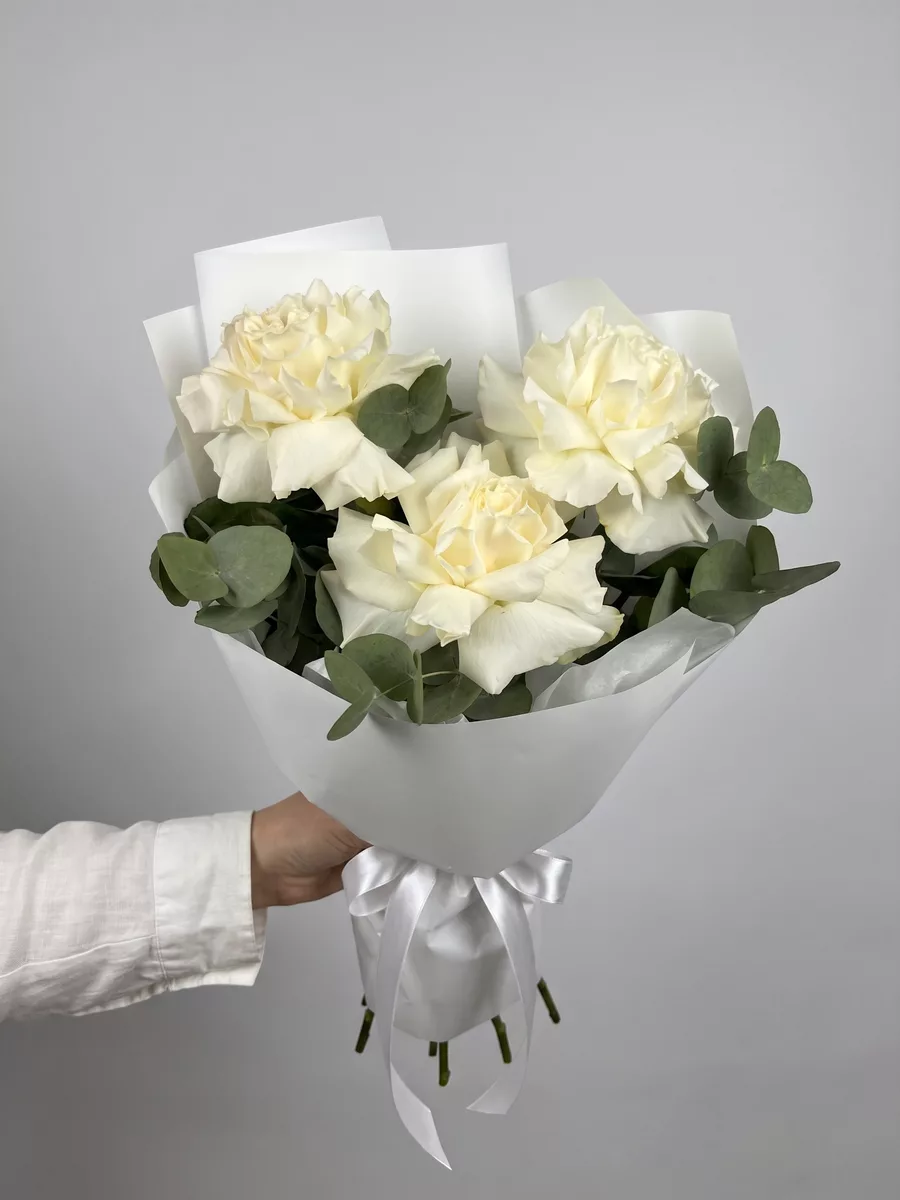
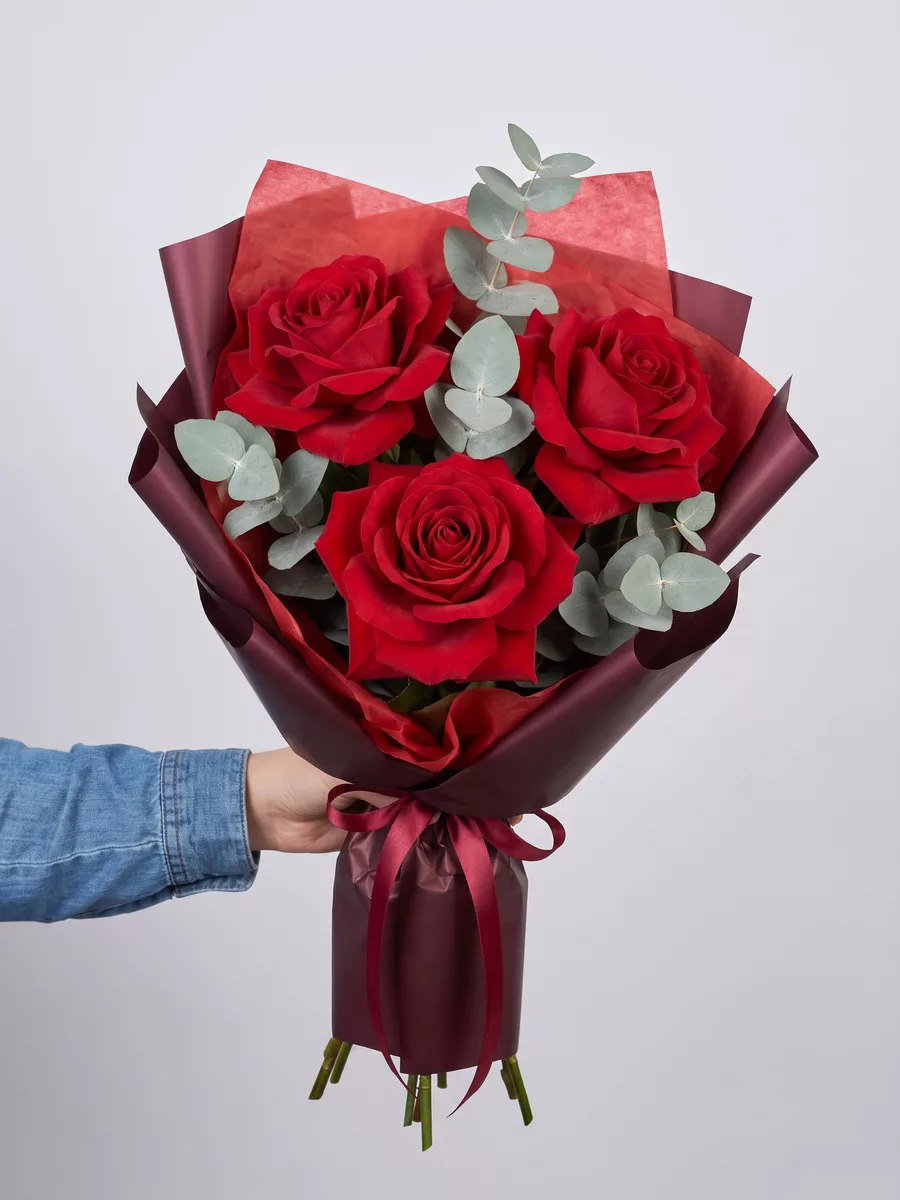
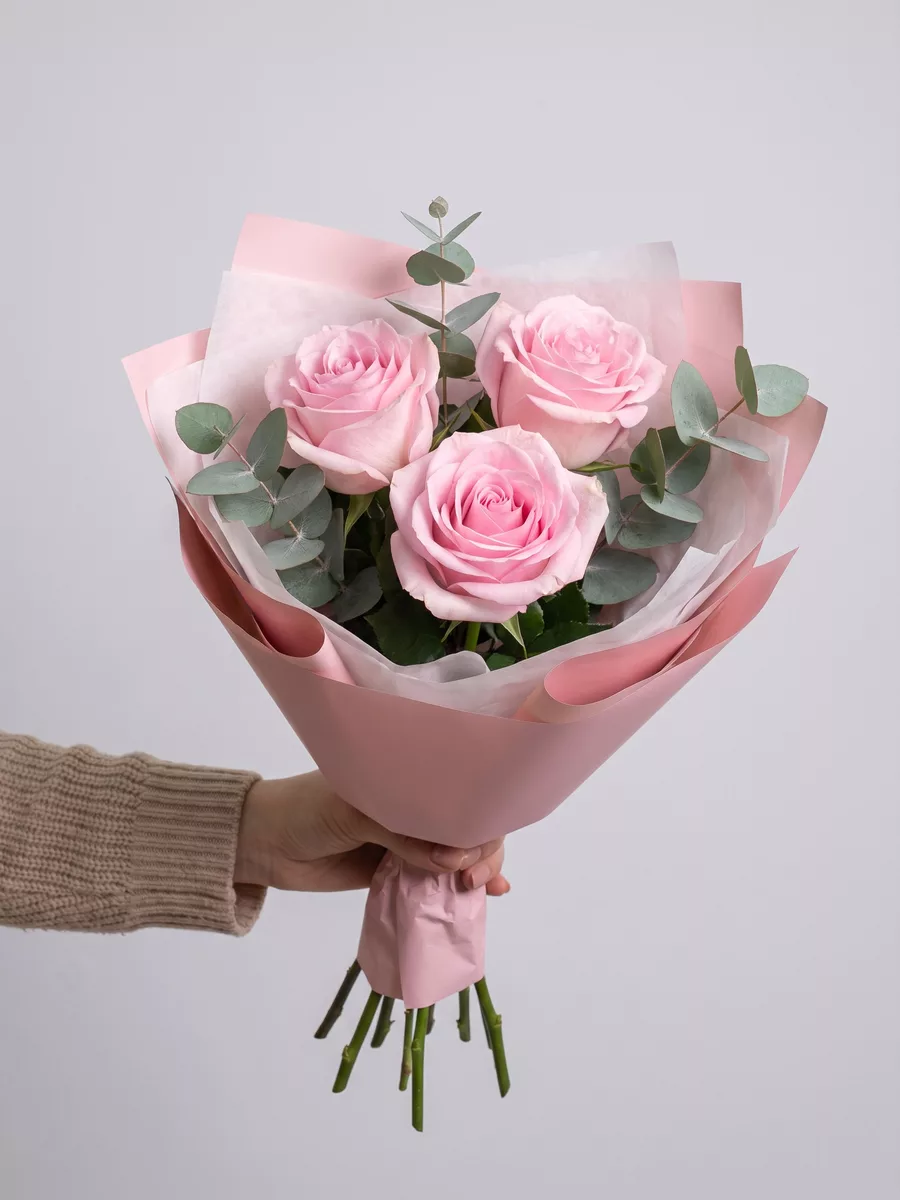
Bouquets we can deliver

Timing Your Delivery for the Right Moment
Turboflora operates on a one-to-two-hour delivery window from Saint Petersburg to Kirovsk, depending on traffic and the time of day. Morning slots, roughly between nine and eleven, tend to move fastest because the road is clear and the recipient is likely to be home or just arriving at work. Midday deliveries are reliable but can stretch slightly on busy weekdays. Evening orders placed before seven in the evening usually arrive before the end of the delivery day.
If the occasion has a fixed time — a birthday dinner, an anniversary celebration, a graduation — order at least three hours ahead of that moment. This gives the florist time to assemble the arrangement fresh, and gives the courier time to handle any unexpected traffic near the Neva crossings. Flowers assembled in a rush and driven fast arrive looking stressed, which defeats the purpose entirely.
Russian custom often involves giving flowers before an event rather than after, so if your recipient has a party at seven in the evening, a delivery at five feels natural and gives them time to put the bouquet in water before guests arrive. That small window between receiving the flowers and the event is when the person feels most seen. Planning the timing around the recipient's schedule rather than your own convenience is the single most thoughtful thing you can do when ordering remotely.
Choosing Flowers for the Person, Not Just the Occasion
The most common mistake when ordering from a distance is picking what looks impressive in a photograph rather than what will suit the person receiving it. A dramatic arrangement of dark burgundy dahlias and eucalyptus makes a strong statement, but if your recipient decorates their home in pale, airy tones, a soft combination of white ranunculus, dusty miller and pale pink spray roses will feel far more personal.
Think about the recipient's age and personality first. Younger recipients often respond warmly to loose, garden-style arrangements — think lisianthus, sweet peas when in season, and chamomile-like feverfew for texture. Older recipients frequently appreciate classic combinations: red or coral roses with gypsophila, or a structured bunch of chrysanthemums in a single colour. Neither is more correct; both are about matching the flowers to the person.
For someone you know well, consider their favourite colour before their favourite flower. A person who wears a lot of yellow will likely light up at sunflowers or yellow alstroemeria even if they have never mentioned flowers specifically. For someone you know less well — a colleague, a host, a teacher — neutral and elegant choices like white tulips, cream freesias or mixed garden roses are universally appropriate and carry no risk of clashing with the recipient's taste or home. Florists call these safe choices, but safe does not mean boring; presentation and wrapping lift even simple flowers into something genuinely beautiful.
Seasonal Realities and What That Means for Your Order
Kirovsk experiences proper Russian winters, with temperatures regularly dropping below minus fifteen Celsius between November and February. This matters for flowers more than most people realise. Cold-sensitive varieties like garden roses, tropical anthuriums and open hydrangeas can suffer during transport if the packaging is not designed for low temperatures. Turboflora wraps cold-weather orders in insulating sleeves and uses sealed packaging, but it is still worth choosing hardier varieties for deep-winter deliveries.
Chrysanthemums, carnations, alstroemeria and closed-bud roses all travel well in the cold. Tulips are surprisingly resilient as long as they are not already fully open when they leave the shop — a tulip in tight bud will open beautifully indoors over two or three days. Gerbera daisies are more delicate and are better ordered in the warmer months of May through September.
Spring in Kirovsk arrives later than in central Russia, but when it does, local demand for tulips, daffodils and hyacinths rises sharply around late March and early April. If you are ordering for International Women's Day on the eighth of March — one of the biggest flower-giving occasions in Russia — place your order at least two days ahead. The same applies to Valentine's Day on the fourteenth of February. Both dates see very high demand, and early ordering ensures the freshest stock and your preferred delivery time rather than whatever slot remains.
Budget Ranges and What Each One Gets You
Flowers communicate differently at different price points, and understanding what each range delivers helps you choose without guessing. A modest budget gets you a clean, single-variety bunch — five or seven stems of roses, a bundle of seasonal tulips, or a small spray of alstroemeria with greenery. These arrangements are sincere and unpretentious. For a colleague's birthday or a thank-you gesture, they are entirely appropriate and will not feel underdone.
A mid-range budget opens up mixed arrangements: two or three flower varieties combined with textural foliage like ruscus, eucalyptus or salal. A combination of blush garden roses, white lisianthus and green bell hellebore, for example, looks considered and generous without being extravagant. This is the range most people choose for birthdays, romantic occasions and housewarming gifts.
A higher budget allows for premium varieties — peonies when in season, David Austin-style garden roses, large-headed hydrangeas or orchid stems — combined with artful presentation, specialty wrapping and a larger overall volume. These arrangements make an impression the moment the door opens. They are well suited to significant milestones: a major anniversary, a promotion, a new home.
One practical note: adding a small plant, such as a succulent or a potted kalanchoe, alongside a bouquet extends the life of the gift well beyond what cut flowers can offer. The recipient keeps the plant after the flowers fade, which means they think of you each time they water it. It is a small addition that carries a long echo.
Presentation, Wrapping and the First Impression
In Russia, how flowers are wrapped matters almost as much as the flowers themselves. A bare bunch handed over without wrapping reads as an afterthought, while a bouquet wrapped in kraft paper, tissue or structured box packaging signals that someone thought carefully about the gift. Turboflora wraps every arrangement before it leaves the shop, and the style of wrapping can be chosen at the time of ordering — round bouquet, flat bouquet or box arrangement each suit different occasions.
Round bouquets, where stems radiate from the centre and the flowers form a dome, are the classic choice for romantic occasions and birthdays. They hold their shape well during transport and look full and generous. Flat bouquets, where flowers are layered and wrapped in a cone of paper, are traditional and suit a wide range of occasions. Box arrangements, where flowers are arranged in a decorative box rather than held by stems, are increasingly popular for office deliveries because they require no vase and stay fresh for several hours without water.
A handwritten card makes a meaningful difference. Even a short message — four or five sentences — transforms a flower delivery from a transaction into a moment. When ordering remotely, you can dictate the card text during checkout. Florists read these messages and sometimes adjust the arrangement subtly to match the tone: a playful message might prompt a looser, more whimsical arrangement, while a formal note pairs better with a structured, classic bouquet. This responsiveness is one of the things that separates a working florist from a vending machine.
Keeping Flowers Fresh After They Arrive
The recipient's first ten minutes with the flowers determine how long they last. The most important step is cutting the stems at an angle — about two centimetres from the bottom — immediately before placing them in water. An angled cut increases the surface area through which the stem draws water and prevents the flat end from sitting flush against the bottom of the vase, which would block absorption entirely. A sharp knife is better than scissors, which can crush the stem tissue.
Water temperature matters more than most people expect. Lukewarm water, around room temperature, is absorbed more readily than cold water for most varieties. The exception is tulips and other spring bulb flowers, which prefer cool water and a cool room. Roses, lisianthus and alstroemeria all do well in room-temperature water with a small sachet of flower food, which is included with every Turboflora delivery.
Change the water every two days and re-cut the stems each time. Remove any leaves that fall below the waterline — submerged foliage rots quickly and introduces bacteria that shorten the life of every stem in the vase. Keep the arrangement away from direct sunlight, radiators and fruit bowls: ethylene gas released by ripening fruit accelerates the ageing of cut flowers noticeably.
With proper care, roses and chrysanthemums last seven to ten days. Tulips typically last five to seven days but continue to grow and move after cutting, which gives them a lively, changing quality. Alstroemeria is one of the longest-lasting cut flowers available, often staying fresh for two weeks or more when cared for correctly.
Sending flowers to Kirovsk from Saint Petersburg is straightforward when you know what to plan for: a realistic delivery window, the right varieties for the season, wrapping that suits the occasion and care instructions the recipient can actually follow. The distance between you and the person you are thinking of becomes much smaller when a fresh bouquet arrives at their door within hours of your order. Turboflora handles the logistics and the craft; your only job is to think about the person on the other end and what they would love to find waiting for them.
Frequently asked questions
Can I order flowers for same-day delivery to Kirovsk?
Yes. Orders placed before early afternoon typically arrive in Kirovsk the same day within one to two hours of dispatch. For time-sensitive occasions like a birthday dinner or an anniversary celebration, ordering at least three hours before the desired arrival time gives the best result and ensures the arrangement is assembled fresh rather than rushed.
What happens if the recipient is not home when the flowers arrive?
The courier will contact the recipient directly using the phone number provided at checkout. If there is no answer, they can leave the flowers with a neighbour, a building concierge or at the doorstep if the recipient confirms this in advance. Adding a backup contact number or delivery instruction in the order comments prevents any delay or missed delivery.
Are there flowers I should avoid ordering in winter for Kirovsk?
In deep winter, fully open hydrangeas, tropical anthuriums and garden roses with very open heads are more vulnerable to cold during transport. Closed-bud roses, carnations, chrysanthemums, alstroemeria and tulips in tight bud all travel well in low temperatures. Turboflora uses insulating packaging in winter, but choosing hardier varieties adds an extra layer of protection.
Is it appropriate to send flowers to a colleague in Russia?
Absolutely. Workplace flower deliveries are common in Russia, particularly for birthdays, professional achievements and the eighth of March. A workplace delivery in front of colleagues amplifies the gesture in a positive way. Neutral, elegant choices such as white or cream roses, mixed spray flowers or a box arrangement without a vase are practical and well suited to an office setting.
How far ahead should I order for major Russian flower-giving dates?
For International Women's Day on the eighth of March and Valentine's Day on the fourteenth of February, ordering two to three days in advance is strongly recommended. These are the two highest-demand dates in the Russian floral calendar. Early ordering secures the freshest stock, your preferred flower varieties and your chosen delivery time slot rather than whatever remains available closer to the date.
Ready to send flowers?
Pick the city, choose the bouquet, and a local florist takes it from there.
Choose a city →