Flower Delivery in Klintsy: Timing, Choices and What Arrives at the Door
Ordering flowers for someone in Klintsy feels simple until you start wondering whether they will arrive fresh, whether the bouquet will look the way it did on screen, and whether the whole thing will happen before the moment passes. These are fair questions, and this article answers all of them plainly — from how we reach addresses across the city to which flowers hold up best in Bryansk Oblast's climate and what your recipient will actually experience when the courier rings the bell.
Which Parts of Klintsy We Deliver To
Klintsy is a compact industrial city in the southwest of Bryansk Oblast, and we cover it fully — from the central streets around Lenin Square and the railway station district to the residential neighbourhoods on the city's outer edges, including Zavodskoy and the areas along the Iput River. If your recipient lives in a private house rather than a block of flats, that changes nothing about the delivery; we simply need the full street address and, ideally, a contact phone number so the courier can call ahead.
The city's road layout is straightforward by Russian standards, which means we rarely face the kind of routing delays common in larger cities. That said, during winter months — roughly November through March — snowfall and road treatment can add fifteen to twenty minutes to a journey, so ordering an hour earlier than you think you need to is always a sensible habit.
If you are sending to a workplace, hospital ward or gated residential complex, note the access details in the order comments. Couriers in Klintsy are used to navigating these situations, but a gate code or a note that the recipient works on the third floor saves time and keeps the flowers in better condition because they are not left waiting in cold air. The more specific you are, the smoother the handover.
Bouquets we can deliver


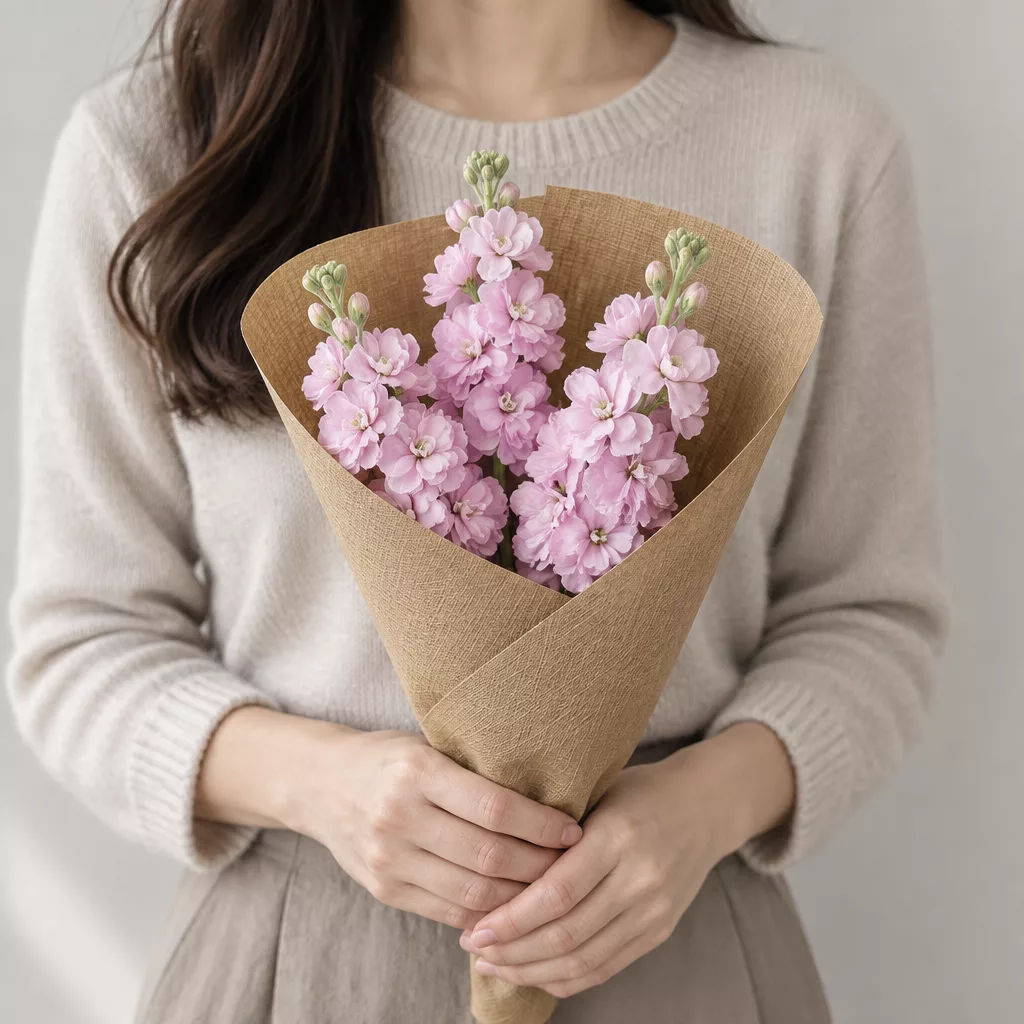
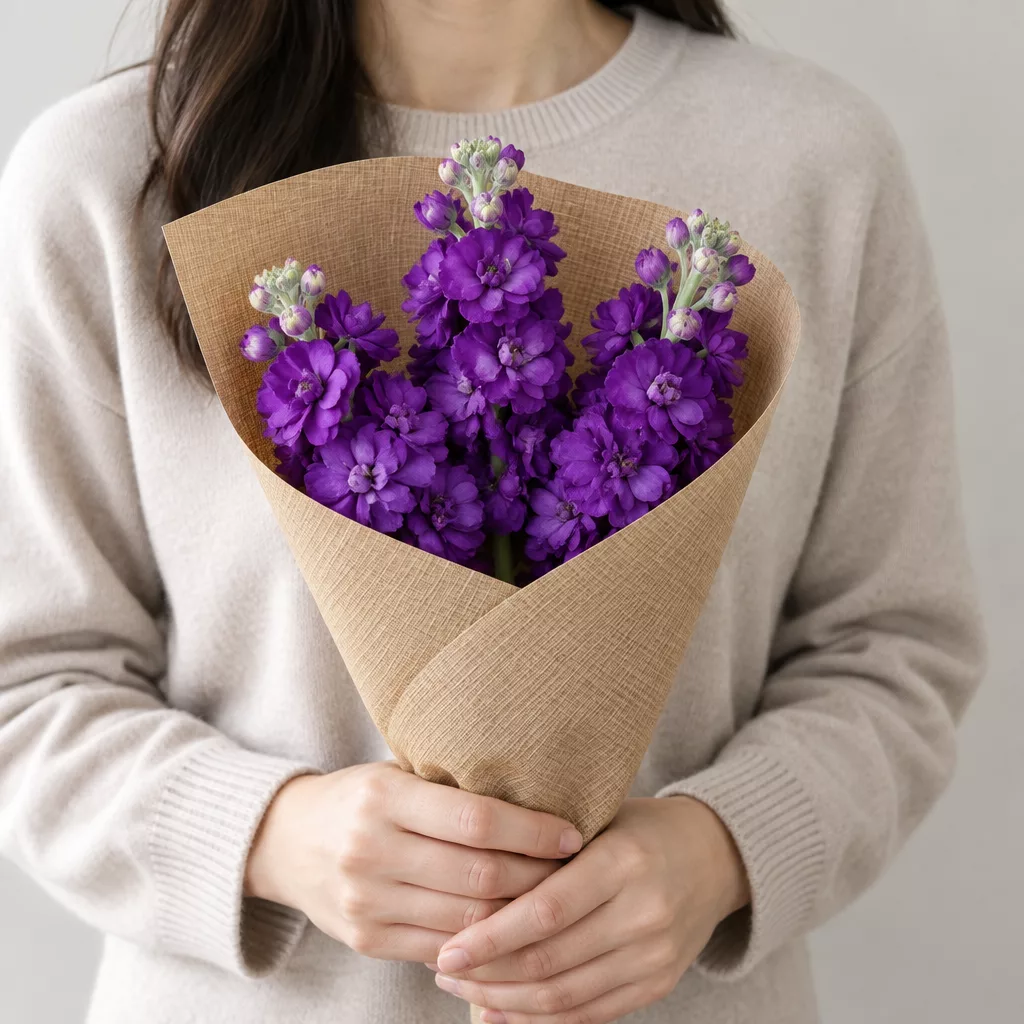
How Long Delivery Actually Takes in Klintsy
Our standard delivery window for Klintsy is one to two hours from the moment your order is confirmed. In most cases, bouquets reach recipients within ninety minutes, and for central addresses the time is often closer to sixty. We say one to two hours because we want to be honest rather than optimistic — flower delivery that arrives exactly when promised matters far more than a tight headline figure that sometimes misses.
The time of day shapes the experience noticeably. Morning deliveries before noon tend to move fastest because roads are clear and the recipient is usually at home or just arriving at work. Lunchtime orders between noon and two o'clock can slow slightly as couriers navigate the busiest part of the working day. Evening deliveries, especially those placed after seven, are still possible but we recommend confirming that your recipient will actually be home — a bouquet left in a cold entrance hall for an hour loses both freshness and the element of surprise.
For date-sensitive occasions — a birthday at a specific time, an anniversary dinner — place the order at least three hours in advance and specify the desired arrival window in the notes. We will do our best to match it, and if something changes we will contact you directly. Last-minute orders placed thirty minutes before a deadline are possible but carry more uncertainty, and we would rather tell you that honestly than promise something we cannot guarantee.
Choosing Flowers for the Person, Not Just the Occasion
The most common mistake people make when ordering flowers is thinking about the occasion first and the recipient second. A birthday bouquet for a woman in her sixties who gardens at her dacha should look completely different from one for a twenty-five-year-old who fills her flat with succulents and minimalist prints. Both are birthdays. The flowers should not be interchangeable.
For recipients who appreciate classic elegance — and in Klintsy, as across much of Russia, this is a genuinely common aesthetic preference — roses remain the most trusted choice. Red roses carry a very specific romantic meaning in Russian culture, so for a friend, colleague or relative, opt for cream, blush pink or coral tones instead. These feel generous and warm without sending a signal you did not intend.
For someone younger or with a more contemporary taste, consider a mixed bouquet built around lisianthus, which has the layered look of a peony but stays fresh significantly longer in transit. Pair it with spray roses and a few stems of eucalyptus and you have something that photographs beautifully and lasts well over a week in a vase. If your recipient is a man — and men in Russia do receive flowers, particularly for professional milestones and birthdays — lean toward structured arrangements with anthuriums, tropical foliage or single-variety bunches of sunflowers, which carry a cheerful and uncomplicated meaning in Russian tradition.
What Works Well at Different Budget Levels
You do not need to spend a large amount to send something that genuinely moves a person. A single variety, presented well and wrapped thoughtfully, often makes a stronger impression than an overstuffed arrangement that tries to do everything at once. The key is matching the scale of the gesture to what the moment actually calls for.
At a modest budget, a hand-tied bunch of seasonal flowers — tulips in spring, chrysanthemums in autumn, alstroemeria almost year-round — wrapped in kraft paper with a ribbon is entirely appropriate for a colleague's work anniversary or a thank-you after a favour. Alstroemeria in particular is an excellent choice at this level because each stem carries multiple blooms and the vase life can reach two weeks with basic care.
In the middle range, you gain the ability to add a focal flower — a garden rose, a peony in season from May to June, or a large-headed sunflower — surrounded by complementary stems and foliage. This is the level that works for most birthdays, name days and romantic gestures that are not a first anniversary or a proposal.
At a higher budget, the difference is not just quantity but composition and presentation — a bouquet that has a clear visual structure, a mix of textures, and packaging that feels intentional from the outside. Orchid stems mixed with ranunculus and dusty miller leaves, for instance, create something that looks considered rather than assembled. These arrangements also tend to include conditioning work that extends their life noticeably.
How Klintsy's Climate Affects Your Flowers
Bryansk Oblast has a continental climate with cold winters and warm, sometimes humid summers. Both extremes affect cut flowers in ways worth understanding before you order, because the same bouquet behaves differently in January and in July.
In winter, the biggest risk is temperature shock. When a bouquet moves from a warm shop or vehicle into air that is minus ten or minus fifteen degrees Celsius — which is common in Klintsy from December through February — delicate petals can bruise or blacken within minutes. We wrap cold-weather orders in protective sleeves and insulating paper, and our couriers are trained to keep flowers inside the vehicle rather than in an open boot. Even so, the moment of handover at the door should be quick. If you are the recipient, bring the flowers inside immediately rather than standing in the doorway to admire them.
In summer, particularly during July and August when temperatures in the region can reach thirty degrees Celsius, the challenge reverses. Heat accelerates the opening of buds and shortens vase life. Roses and tulips are especially sensitive. If you are ordering in summer, tell your recipient to unwrap the bouquet immediately, cut the stems at an angle under running water, and place them in a cool spot away from direct sunlight and from fruit bowls — ethylene gas released by ripening fruit is one of the least-known causes of early wilting in cut flowers.
Spring and autumn are the most forgiving seasons for delivery, and they also happen to align with the best availability of many popular varieties.
Vase Life and Care Once the Flowers Arrive
A bouquet that arrives in perfect condition can last anywhere from five days to two weeks depending on the variety and how it is treated in the first few hours. This window is largely in the recipient's hands, and a few simple steps make a significant difference.
The first thing to do is cut the stems — ideally at a forty-five-degree angle, with scissors or a sharp knife rather than blunt household scissors that crush rather than cut. Crushing the stem blocks water uptake. Do this under running water or while the stems are submerged, then place the bouquet immediately in a clean vase filled with cool, fresh water. Warm water encourages bacteria to multiply faster.
Remove any leaves that fall below the waterline. Submerged foliage rots quickly and clouds the water, which in turn shortens the life of the flowers above. Change the water every two days and re-cut the stems each time. This sounds like more effort than it is — it takes about three minutes and extends the display by several days.
Different varieties have different natural lifespans. Roses, with good care, last seven to ten days. Tulips typically give you five to seven days but open dramatically and beautifully as they age. Lisianthus can last twelve to fourteen days and is one of the best-value flowers by longevity. Chrysanthemums are among the longest-lasting cut flowers available and are a genuinely practical choice for recipients who travel or have busy schedules. Peonies, beloved in Russia and stunning in a vase, last only four to six days but the experience they give during that time justifies everything.
Making the Delivery Feel Like a Real Moment
The logistics of delivery matter, but the experience your recipient has at the door is what they will actually remember. A few small decisions on your part shape that moment significantly.
A handwritten card, even a short one, changes the emotional weight of the delivery. In Russian tradition, flowers given without any explanation of who sent them carry a romantic implication by default — which can be wonderful or confusing depending on the relationship. If you are sending to a colleague, a relative or a friend, a card that names you and says something specific about why you are sending flowers removes ambiguity and adds warmth. You do not need to write much. Three honest sentences are worth more than a paragraph of formal phrases.
Timing the delivery to coincide with the recipient actually being home sounds obvious but is often overlooked. If you are sending a surprise, think about your recipient's day — do they have a lunch break at home, do they return from work at a predictable time, are they likely to be at a celebration that evening? Flowers that arrive when no one is in do not disappear, but they lose their impact and sometimes their freshness.
Finally, consider what the bouquet will look like when it is unwrapped. Good packaging is part of the gift. Kraft paper, satin ribbon and a small envelope tucked into the stems signal that care went into the order. When your recipient unwraps the bouquet, the first few seconds set the emotional tone for everything that follows. That is worth thinking about when you place the order rather than after.
Sending flowers to Klintsy is straightforward when you know what to expect — honest delivery times, flowers chosen for the person rather than just the occasion, and a little care advice passed along so the bouquet lasts as long as it should. Whether you are marking a birthday, saying thank you, or simply letting someone know you are thinking of them, the gesture lands best when the details are right. Turboflora handles the distance; you handle the thought behind it.
Frequently asked questions
How early should I order if I want flowers delivered to a Klintsy address during winter?
Add an hour to whatever window you think you need. Between November and March, snow and road treatment can stretch a standard delivery by fifteen to twenty minutes, and ordering earlier costs you nothing. For a midday arrival, placing the order by ten in the morning gives the courier comfortable time and keeps the bouquet from sitting in cold air longer than necessary.
Does it matter whether my recipient lives in a private house on the Iput River side rather than a central flat?
It does not affect whether we deliver, but it is worth noting the house number clearly and mentioning any gate or yard access in the order comments. Private addresses on the city's outer edges occasionally have unmarked entrances, and a short note from you means the courier finds the door on the first attempt rather than calling the recipient and giving away the surprise.
Which flowers hold up best if the recipient in Klintsy is unlikely to be home immediately and the bouquet may wait?
Chrysanthemums, alstroemerias and spray roses handle a wait far better than open garden roses or ranunculus. If you are not certain your recipient will be home within an hour or two of delivery, choosing a bouquet built around these sturdier stems is a practical decision. They also perform well through the temperature swings common in Bryansk Oblast, where a warm interior follows a cold doorstep quickly.
Can I ask the courier to leave specific instructions for my recipient about caring for the bouquet?
Yes, and it is worth doing. Write what you want passed on in the order comments — whether that is to cut the stems at an angle, keep the flowers away from the radiator, or change the water on the second day. Couriers in Klintsy are used to passing along short messages, and a practical note alongside a personal one means the bouquet lasts noticeably longer.
If I am sending flowers to someone at one of Klintsy's workplaces or the railway station district, what should I include in the order?
Include the building name or employer if it is not obvious from the street address, the floor or department if relevant, and a note about whether the recipient knows to expect a delivery. Workplaces near the station can have multiple entrances and shared reception areas. The more precise your details, the less time the bouquet spends in the cold while the courier locates the right person.
Ready to send flowers?
Pick the city, choose the bouquet, and a local florist takes it from there.
Choose a city →