Sending Flowers to Kokhma? Here Is What to Expect
Kokhma sits just a few kilometres from Ivanovo, quiet and close-knit in the way that smaller Russian cities tend to be. When you send flowers here — for a birthday, an anniversary, a new baby, or simply because someone deserves them — the gesture lands with real weight. People notice. This guide walks you through timing, seasonal choices, presentation and everything else that shapes whether your bouquet arrives looking the way you imagined it.
Where We Deliver in Kokhma and the Surrounding Area
Kokhma is a compact city in the Ivanovo Oblast, and we cover it fully — residential districts, the central streets near the administration building, the industrial neighbourhoods and the quieter outskirts where private houses sit behind wooden fences. If you are unsure whether a specific address falls within the delivery zone, the safest move is to contact us directly with the postal code or street name before placing an order.
We also serve addresses in the immediate surroundings, including villages and settlements that fall within a reasonable radius of Kokhma itself. Distance affects timing rather than availability, so a recipient living slightly outside the city centre may simply receive their bouquet at the later end of the delivery window rather than the earlier one.
One thing worth knowing: Russian addresses sometimes include a building number, a corpus number and an apartment number all at once. When you fill in the delivery form, include every part of the address you have. A missing corpus number is one of the most common reasons a courier has to call the recipient and ask — which can spoil a surprise. Double-check before you confirm the order and the flowers will find their way without any awkward phone calls.
Bouquets we can deliver

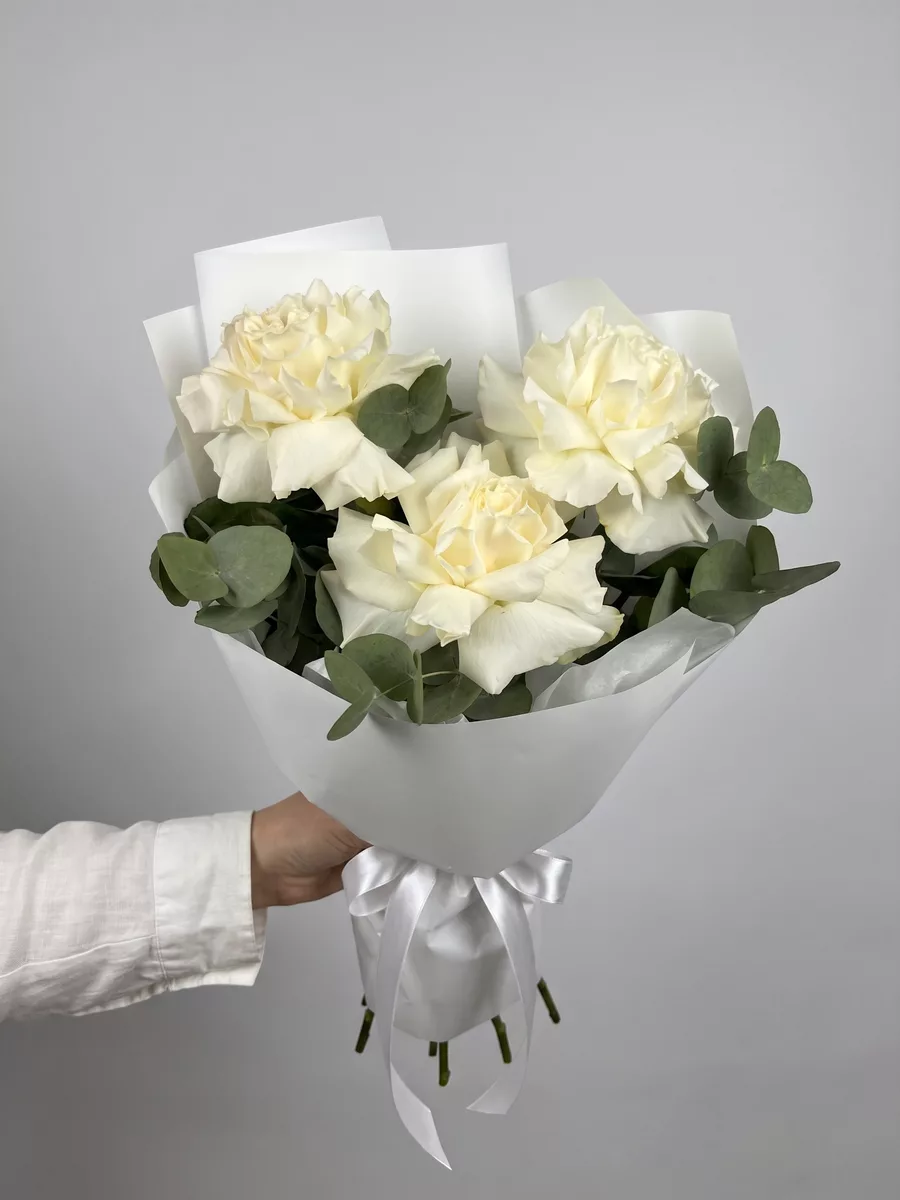
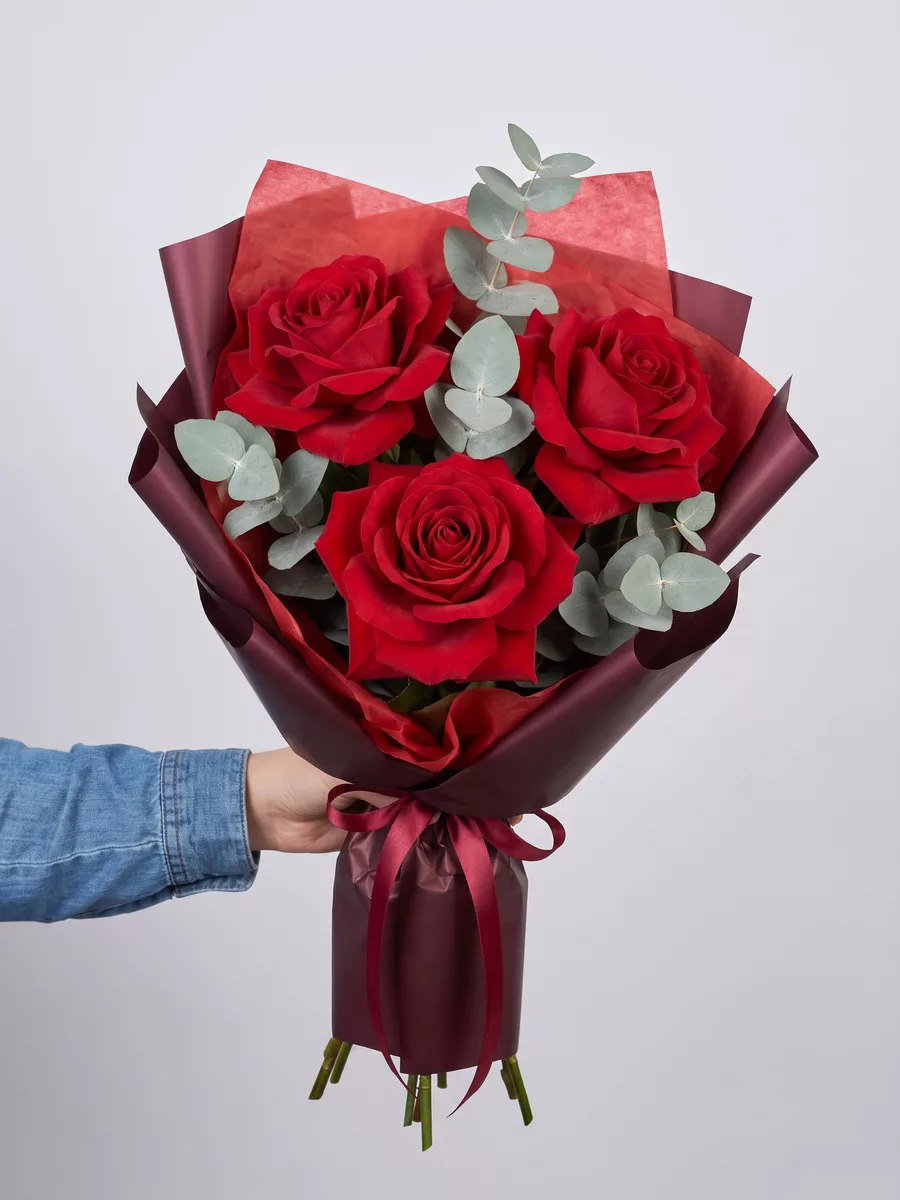
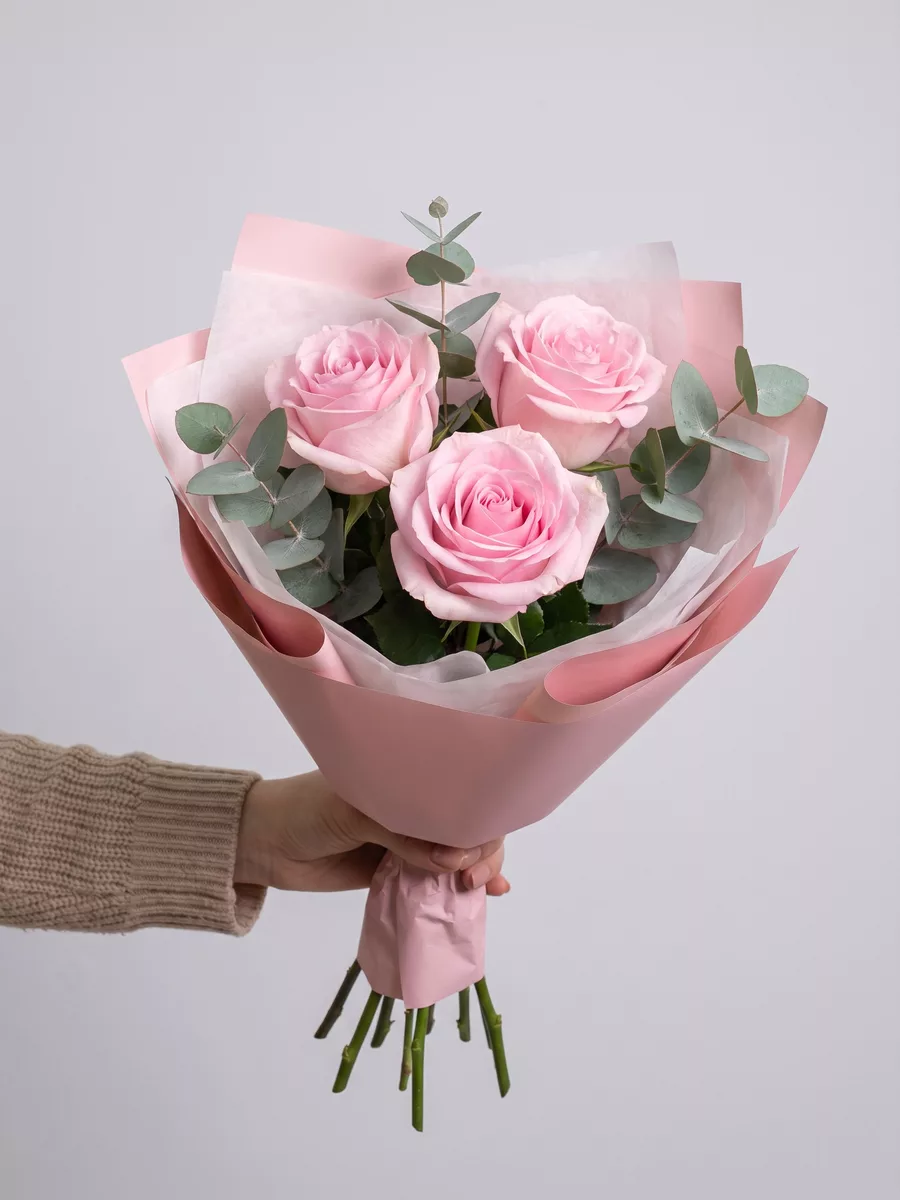
Delivery Timing: What One to Two Hours Actually Means
Our standard delivery window is one to two hours from the moment your order is confirmed. In practice, this means the bouquet is assembled, conditioned and dispatched within that frame. For Kokhma, couriers travel from our Saint Petersburg base using a logistics chain that keeps flowers cold and protected throughout the journey, so the clock on freshness does not start the moment the van leaves — it starts when the flowers were cut and prepared.
For same-day delivery, orders placed before midday have the most flexibility. Orders placed in the afternoon can still be fulfilled on the same day, but the window shifts toward the later part of the delivery range. If you are working toward a specific moment — a surprise at the office, flowers waiting when someone comes home — it is worth placing the order with a couple of hours of buffer rather than cutting it exactly to the minute.
Scheduled delivery is also available. You can choose a date and a time slot in advance, which is particularly useful for birthdays you know about weeks ahead or anniversaries where the timing is part of the meaning. A bouquet arriving at exactly the right moment — when the person is home, when the celebration is beginning — feels intentional in a way that a general-day delivery does not. That precision is easy to arrange and costs nothing extra in terms of care or quality.
Choosing Flowers for the Occasion, Not Just the Season
In Kokhma as elsewhere in Russia, roses carry the most cultural weight. A single red rose means something specific and romantic; a large mixed bouquet of garden roses in peach and cream reads as generous and celebratory without being pointed. If you are sending to someone you know well, matching the flowers to their personality matters more than following convention. A person who loves the outdoors might respond more warmly to ranunculus, lisianthus and eucalyptus than to a formal dozen red roses.
For birthdays, the number of flowers traditionally matters in Russia: odd numbers are for the living, even numbers are reserved for other occasions. If you are not familiar with this custom, simply ask for an odd number when you order — seven, nine, eleven stems — and the gesture will feel considered rather than accidental.
Spring and early summer bring peonies, which are enormously popular across Russia and genuinely hard to resist in a bouquet. They are full, fragrant and visually generous. Tulips work beautifully in late winter and early spring. In autumn, chrysanthemums and dahlias hold up well to temperature changes during transport, which makes them a practical as well as a beautiful choice for the cooler months. Thinking about what will look its best when it arrives, not just what looks best in a photograph, is the florist's instinct — and it is worth borrowing.
Bouquets That Travel Well: Presentation and Packaging
A bouquet that survives a journey to Kokhma in good condition is not an accident. It is the result of correct conditioning — stems cut at an angle and hydrated before packing — and packaging that protects without crushing. We wrap bouquets in kraft paper or structured sleeves that hold the shape of the arrangement while allowing the flowers to breathe. Cellophane wrapping alone is not enough for longer journeys; it traps moisture in the wrong places and can accelerate petal browning.
The presentation style you choose also affects how the bouquet travels. A tight, round hand-tied bouquet is structurally stable and arrives looking much as it was assembled. A looser, more flowing arrangement with tall stems and open blooms is beautiful but requires more careful handling. Both are possible — we just build the packaging around the design rather than the other way around.
For recipients who appreciate the aesthetic detail, the wrapping itself is part of the gift. A ribbon tied at the right height, a card tucked in at the front rather than lost somewhere in the paper — these small things signal that someone thought carefully. In Russian gift culture, presentation carries real meaning. Arriving with a beautifully wrapped bouquet rather than flowers loosely bundled together tells the recipient that they were worth the effort, before they have even read the card.
Temperature, Seasons and What Changes in Winter
Kokhma experiences proper Russian winters: temperatures regularly fall below minus fifteen Celsius in January and February, and even October and March can bring sharp frosts. This matters for flower delivery in ways that are easy to underestimate. Roses and tulips are particularly sensitive to cold shock — a few minutes of exposure to freezing air can cause petals to turn translucent and collapse within hours of being brought inside.
We address this with insulated packaging for cold-weather deliveries. Flowers are wrapped in thermal sleeves and, where necessary, placed in insulated boxes that hold temperature during the transfer from vehicle to door. The courier does not leave flowers on a doorstep in winter — they wait for someone to receive them, or coordinate a handover time to avoid the bouquet sitting in the cold.
In summer, the challenge reverses. Heat above twenty-five Celsius accelerates wilting, particularly for hydrangeas and open peonies. We time summer deliveries to avoid the hottest part of the afternoon where possible and use water tubes on individual stems for arrangements that will be in transit for longer periods. Knowing the season you are ordering in helps you choose flowers that will actually look their best on arrival. A hydrangea in July heat is a riskier choice than one sent in September. We can always advise if you are uncertain — that is exactly what a working florist is for.
Vase Life and Care: What to Tell the Recipient
Most cut flowers last seven to twelve days with basic care, but that range assumes the right conditions. The single most important thing a recipient can do is re-cut the stems — at a forty-five degree angle, with a sharp knife rather than scissors — and place them immediately in clean, cool water. Scissors tend to compress the stem tissue and reduce water uptake. A clean vase matters more than most people realise: bacteria in residue from a previous arrangement will shorten vase life significantly.
Roses benefit from having their lower leaves removed before they go in the vase. Any leaf sitting in water will rot quickly and cloud the water, which then affects the whole bouquet. Changing the water every two days and keeping the bouquet away from direct sunlight, radiators and fruit bowls — ethylene gas from ripening fruit accelerates petal drop — will extend freshness noticeably.
Tulips are a special case: they continue to grow after cutting, sometimes by several centimetres, and they bend toward light. Rotating the vase slightly each day keeps them upright. Lisianthus and chrysanthemums are among the longest-lasting cut flowers and need very little intervention beyond clean water. If you are sending flowers to someone who tends to forget about them, these are the varieties most likely to still look good a week later. Sharing a few care tips with the card message is a small gesture that genuinely extends the life of the gift.
Making the Order Feel Personal: Cards, Extras and Timing
A bouquet without a card is a beautiful object. A bouquet with a card is a message. In Russia, written notes accompanying gifts are taken seriously — they are often kept long after the flowers have faded. A short, honest sentence means more than a long formal phrase. If you are ordering from abroad or from another city and Russian is not your first language, writing in English is completely fine; we can include the card exactly as you write it.
Beyond the card, small additions change the character of a gift. A box of chocolates alongside a bouquet shifts it from a floral gesture to a full celebration. A potted plant — a small orchid or a succulent — offers something that lasts beyond the week of fresh flowers. For someone who has just moved into a new home in Kokhma, a plant is often more welcome than a bouquet because it becomes part of the space.
Timing the delivery to coincide with a specific moment is one of the most underused tools available to anyone ordering remotely. If you know that someone finishes work at six in the evening, scheduling the delivery for six-thirty means they come home to flowers rather than finding them wilting on a doorstep. If the occasion is a birthday morning, an early delivery sets the tone for the whole day. These details do not require any extra effort on your part — just a note in the order — but they transform the experience for the person receiving the gift.
Sending flowers to Kokhma is straightforward when you know what to expect from the journey, the season and the occasion. The city is fully within our delivery reach, the timing is predictable when you plan ahead, and the right choice of flowers — matched to the weather, the recipient and the moment — makes the difference between a pleasant gesture and one that is genuinely remembered. We handle the logistics and the freshness; you bring the intention. That combination is what makes a bouquet worth sending.
Frequently asked questions
Can I order flowers for delivery in Kokhma on the same day?
Yes. Same-day delivery to Kokhma is available for orders placed before midday with the greatest flexibility on timing. Afternoon orders can still be fulfilled the same day, though the delivery will fall toward the later end of the window. If the timing is critical — a surprise at a specific hour — placing the order earlier gives you more control over when the bouquet arrives.
What happens to flowers during delivery in very cold winter weather?
We use insulated packaging and thermal sleeves for cold-weather deliveries in Kokhma, where temperatures can drop well below minus ten Celsius. Couriers do not leave bouquets unattended in freezing conditions — they coordinate a handover directly with the recipient. Cold shock can damage petals within minutes, so this step is not optional; it is built into every winter delivery as standard.
Does the number of flowers in a bouquet matter in Russia?
Yes, it does. Russian tradition holds that odd numbers of flowers are given to living recipients, while even numbers are associated with mourning occasions. If you are unfamiliar with this custom, simply request an odd number — seven, nine, eleven or more stems — when placing your order. Our florists follow this convention automatically, but it is worth knowing so the choice feels intentional rather than accidental.
Which flowers last longest after delivery to Kokhma?
Chrysanthemums and lisianthus are among the most durable cut flowers, often lasting ten days or more with basic care. Roses and tulips last well too when stems are re-cut and water is changed regularly. Hydrangeas and open peonies are more sensitive to heat and handling. If the recipient is unlikely to tend to the flowers daily, chrysanthemums or alstroemeria are the most forgiving choices across seasons.
Can I include a card message in English if I am ordering from outside Russia?
Absolutely. You can write your card message in any language and we will include it exactly as written. Many people ordering from abroad choose to write in English, and recipients in Russia generally appreciate a personal note in the sender's own language. The message is printed or handwritten and attached to the bouquet before delivery, so it arrives as part of the gift rather than separately.
Ready to send flowers?
Pick the city, choose the bouquet, and a local florist takes it from there.
Choose a city →