Sending Flowers to Kolpashevo? Here Is What to Expect
Kolpashevo sits deep in the Tomsk region, on the bank of the Ob River, far from the nearest large city. Ordering flowers here feels uncertain — will they arrive fresh, will they look the way you imagined, will the person you care about actually be surprised in the right way? These are fair questions, and this article answers all of them plainly, from timing and temperature to which flowers travel well and how to make them last once they arrive.
Where Kolpashevo Sits and Why Distance Matters for Flowers
Kolpashevo is a town of roughly 24,000 people in the Tomsk Oblast, positioned about 350 kilometres northwest of Tomsk city. It is not a quick drive — the route runs through taiga, and road conditions shift significantly between seasons. This geography is the first thing a florist thinks about when preparing an order for the region.
Distance affects flowers in two direct ways: time out of water and temperature exposure. Roses, for example, begin to show stress after several hours without a water source, especially if the stems were cut at the wrong angle or the packaging does not retain humidity. Chrysanthemums and carnations are considerably more forgiving and hold their shape and colour far longer in transit.
The second factor is the Siberian climate itself. Winters in Kolpashevo are long and severe, with temperatures regularly dropping below minus 25 degrees Celsius. Tropical flowers such as anthuriums or orchids can sustain cold damage within minutes if transferred between a warm vehicle and freezing outdoor air without proper insulation. Summer brings the opposite challenge — heat inside a delivery vehicle can accelerate wilting if the bouquet is not kept cool.
Understanding these conditions is not meant to discourage you. It simply explains why the preparation of a bouquet for Kolpashevo is different from preparing one for central Saint Petersburg. Every stem is conditioned, every arrangement is packed with the journey in mind, and the choice of flowers is matched to what the season and the route will allow.
Bouquets we can deliver

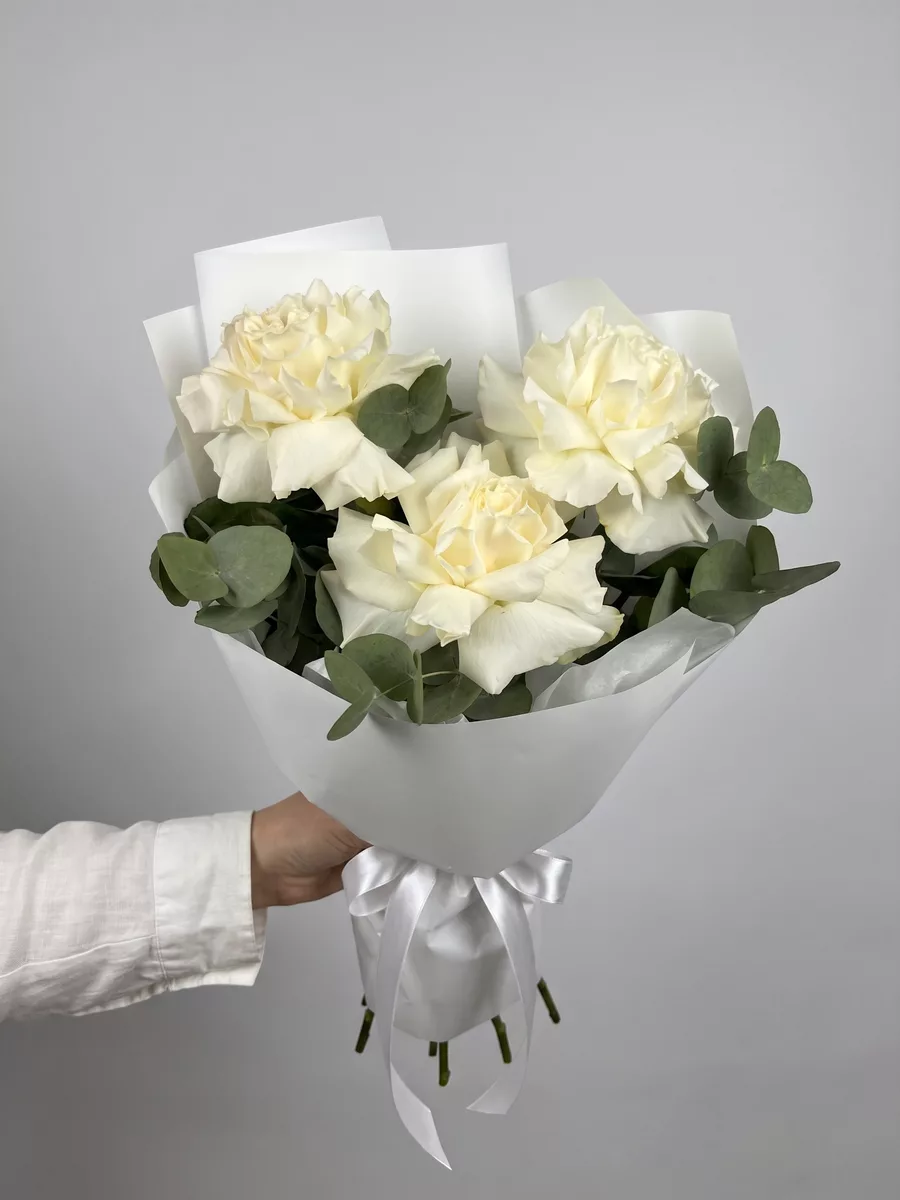
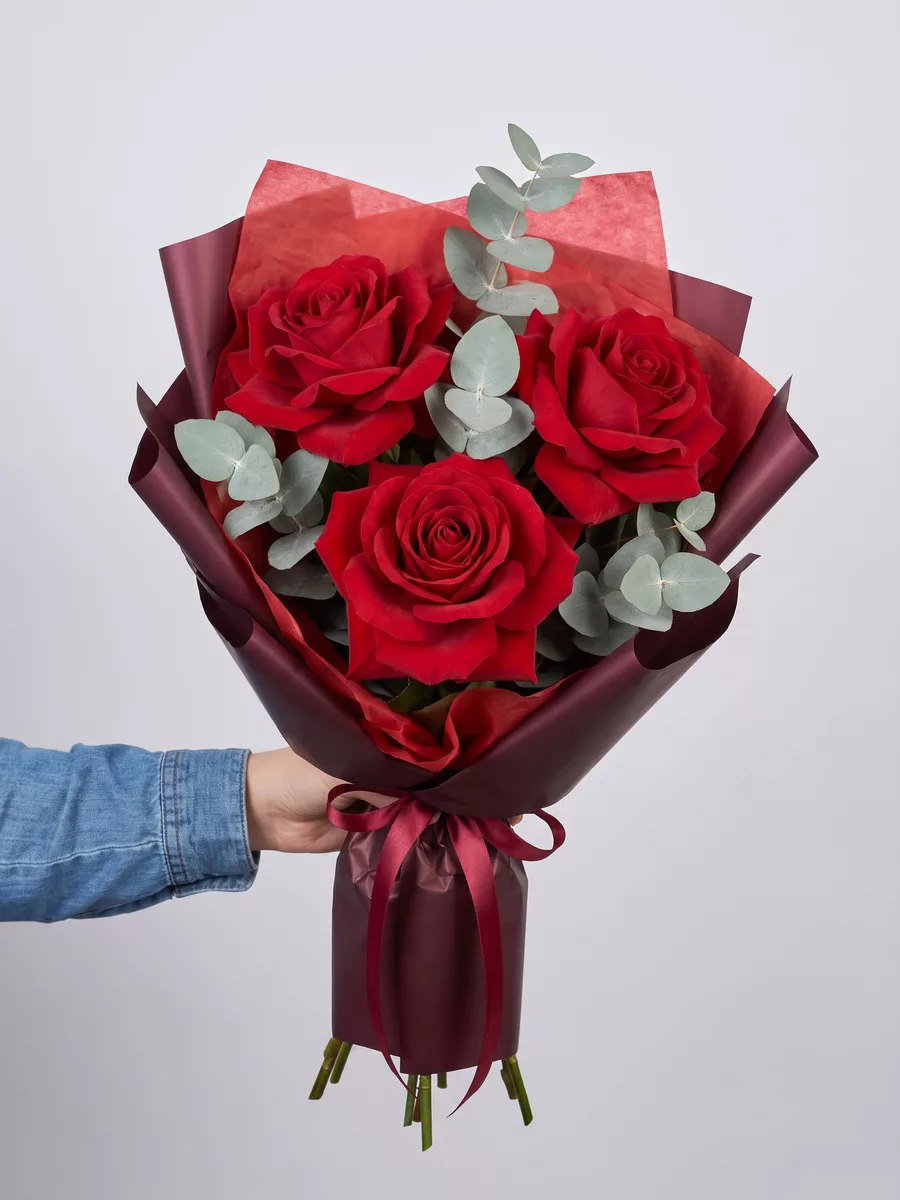
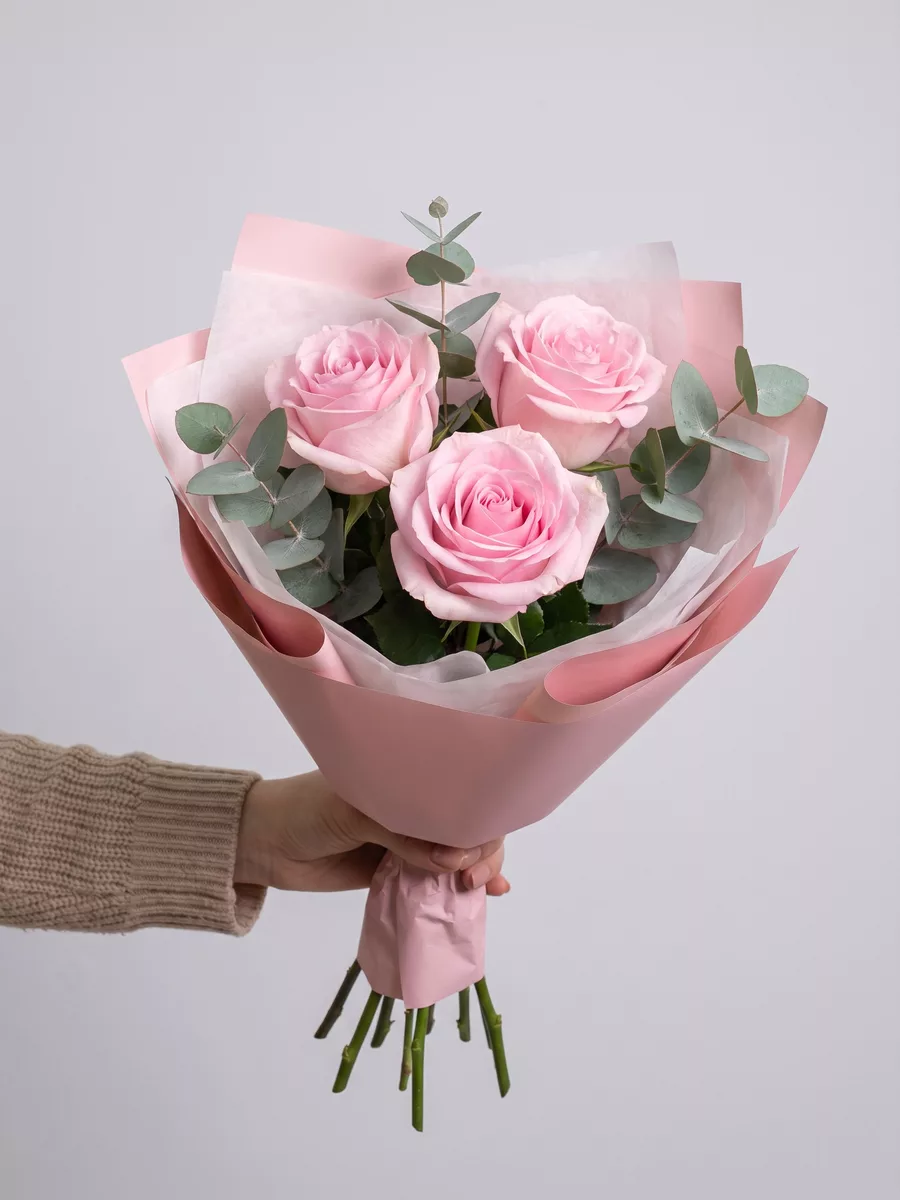
Delivery Timing: What One to Two Hours Means in Practice
Turboflora works on a one-to-two-hour delivery window across Russia, and Kolpashevo is part of that commitment. In practical terms this means that once your order is confirmed and assembled, the bouquet moves toward its destination without unnecessary stops or delays. The florist preparing the order knows the route and packs accordingly.
For Kolpashevo specifically, timing your order matters. Morning orders placed before noon tend to allow the most flexibility — the recipient is more likely to be reachable, and there is enough daylight in winter months for safe delivery. Evening deliveries are possible and sometimes preferable if you want to surprise someone after work, but it helps to confirm the recipient will actually be home.
One thing that surprises people ordering for the first time is how much the day of the week affects freshness. Flowers assembled on a Monday or Tuesday benefit from fresh stock that arrived over the weekend. By Thursday or Friday, a skilled florist will steer you toward varieties that have been stored correctly and will still look vibrant on arrival — dahlias in season, alstroemeria, or spray roses, which are naturally compact and resilient.
If you are ordering for a specific time — a birthday dinner, an anniversary breakfast, a moment you have planned — mention it clearly when placing the order. That single piece of information changes how the florist schedules assembly and dispatch. A bouquet meant to arrive at seven in the evening is prepared differently from one that needs to be there at nine in the morning.
Choosing Flowers for the Person, Not Just the Occasion
The most common mistake people make when ordering remotely is choosing flowers for the occasion rather than for the person. A birthday is not a flower — a person is. Think about who will receive the bouquet before you think about what colour or variety to order.
For someone who keeps a tidy, minimal home, a single-variety arrangement of white freesias or blush ranunculus will feel considered and elegant. Freesia in particular has a natural fragrance that fills a room gently, which makes it memorable without being overwhelming. For someone expressive and warm, a mixed bouquet with sunflowers, orange gerberas and eucalyptus branches reads as joyful and generous.
In Russian culture, flower count carries meaning — even numbers of stems are traditionally associated with mourning, so bouquets are almost always assembled in odd numbers. If you are ordering for someone who grew up with this custom, your florist will already account for it. If the recipient is unfamiliar with Russian traditions, it is still worth knowing so you can decide what matters to you.
For a romantic occasion, deep red or burgundy tones — velvet roses, dark tulips in season, or burgundy peonies from May through July — communicate feeling without needing words. For a colleague or a teacher, softer choices like pale pink alstroemeria or white lisianthus are warm without overstepping. The person receiving the flowers will feel the thought behind the choice, and that feeling is what you are actually sending.
What Flowers Travel Best to Kolpashevo in Each Season
Seasonal awareness is one of the most practical things a florist can share with you. Not every flower is available year-round, and not every flower that is available will arrive in good condition given the distance and climate involved.
In winter, from November through February, the safest choices are roses, carnations, chrysanthemums and waxflower. These varieties tolerate cold packaging and the temperature transitions that happen during a long delivery. Roses should be chosen in tight bud — they will open beautifully over the following two days in a warm room. Avoid tropical varieties like strelitzia or anthurium in deep winter unless you are confident the recipient has a warm entryway and can bring the bouquet inside immediately.
Spring, particularly March and April, is when tulips peak. Dutch tulips in yellow, pink, white and purple are widely available, travel well, and are enormously popular for Women's Day on March 8th — which is the single busiest flower day in Russia. Order well in advance for that date.
Summer opens up the widest range: peonies in June, sunflowers from July onward, dahlias by August. These are the months when a mixed seasonal bouquet looks its absolute best because the flowers are at their natural peak. Autumn brings dahlias in deeper tones, chrysanthemums in amber and rust, and the first appearance of hypericum berries, which add texture and warmth to any arrangement.
Winter again closes the cycle. Knowing the season helps you set realistic expectations and helps your florist give you the most beautiful result possible.
Presentation and Packaging for a Long Journey
A bouquet that looks stunning in a shop window and arrives crushed or lopsided tells the wrong story. Presentation for a long-distance delivery is a craft in itself, and it starts before the flowers are wrapped.
Stem ends are cut at a 45-degree angle immediately before packing — this increases the surface area for water uptake once the flowers are placed in a vase. For deliveries to Kolpashevo, the stems are wrapped in damp paper or a small water capsule at the base, then the entire bouquet is layered in tissue and a protective outer sleeve that holds the shape during transit. In winter, an insulating layer is added to buffer against cold air during the transfer from vehicle to door.
The wrapping style itself communicates something. A bouquet in kraft paper with a simple ribbon reads as natural and warm. A bouquet in structured white packaging with a satin bow reads as formal and celebratory. If you have a preference, mention it — it shapes how the recipient feels the moment they open the door.
One detail that many people overlook is the card. A handwritten message, even a short one, transforms a beautiful object into a personal gesture. In Russian gift culture, the card is read first, before the bouquet is even fully unwrapped. Take a moment to write something real rather than a generic phrase — it will be remembered far longer than the flowers themselves.
Good packaging also protects the flowers from being jostled. Tight, clean wrapping keeps stems aligned and prevents petals from bruising against each other, which is a common cause of early browning.
Caring for the Bouquet Once It Arrives in Kolpashevo
Flowers that arrive in good condition can still decline quickly if they are not cared for properly in the first hour. The recipient does not need to be a florist — a few simple steps make a significant difference.
The first step is water. Cut about two centimetres from the stem ends at a diagonal angle, using a sharp knife rather than scissors if possible. Scissors can crush the stem tissue and reduce water uptake. Place the stems immediately into a clean vase filled with cool, fresh water. Room-temperature water is absorbed faster than cold water, but avoid warm water, which accelerates bacterial growth.
Remove any leaves that would sit below the waterline. Submerged leaves rot within a day and cloud the water with bacteria that shorten the life of every stem in the vase. Change the water every two days and re-cut the stems slightly each time.
Placement matters more than people expect. Keep the vase away from direct sunlight, heating vents and fruit bowls. Fruit releases ethylene gas as it ripens, which causes flowers — especially roses and carnations — to age faster. A cool spot away from drafts is ideal.
With proper care, roses last seven to ten days, chrysanthemums up to two weeks, and alstroemeria can hold for ten days or longer. Tulips have a shorter vase life of five to seven days but are dramatic and beautiful while they last. Freesias tend to open gradually over several days, which means the bouquet actually improves for the first three or four days before beginning to fade. Knowing this helps the recipient enjoy the flowers at every stage rather than waiting for them to look perfect before appreciating them.
Making the Order Feel Personal from Far Away
Ordering flowers for someone in Kolpashevo when you are in another city — or another country — can feel impersonal, as if you are clicking through a transaction rather than giving a gift. The distance between you and the recipient is real, but it does not have to show in the bouquet.
Start by thinking about a specific memory or detail connected to the person. Did they once mention that they love the smell of lilies? Do they always have yellow things in their home? Are they someone who appreciates wildflower textures over formal arrangements? These details, passed along when you place your order, give the florist something real to work with. The result is a bouquet that feels like it came from someone who pays attention.
Timing a delivery to coincide with a specific moment also adds meaning. Flowers that arrive at the start of a birthday morning, or just before a family dinner, become part of the event rather than an add-on to it. If the recipient lives alone, an unexpected delivery on an ordinary Tuesday can feel more moving than a bouquet on a predictable occasion.
Consider asking for a photo of the completed bouquet before dispatch. Seeing what you have chosen — assembled, wrapped and ready — lets you feel connected to the gift even before it arrives. Many people find that this small step makes the whole experience feel less remote and more like something they were genuinely part of.
Flowers sent across a long distance carry more weight precisely because of the effort involved. The person in Kolpashevo who opens the door to a fresh, carefully wrapped bouquet knows that someone thought about them specifically, planned ahead, and made something happen. That knowledge is the real gift.
Kolpashevo is far from Saint Petersburg by any measure, but a well-chosen, carefully packed bouquet can bridge that distance completely. The key is matching your flower choices to the season and the journey, thinking about the person rather than just the occasion, and giving the recipient the simple care instructions that will keep the bouquet beautiful for as long as possible. When all of that comes together, what arrives at the door is not just flowers — it is a clear and tangible sign that someone made an effort, across every kilometre between you.
Frequently asked questions
Does the Ob River flooding season affect flower delivery routes into Kolpashevo?
Spring flooding along the Ob can disrupt road access into Kolpashevo during April and May. If you are ordering around this period, place your order several days earlier than usual and ask your florist about current route conditions. Flowers that travel well under uncertainty, such as carnations and spray chrysanthemums, are a sensible choice when logistics are less predictable.
Which flowers handle the transfer from a warm delivery vehicle to Kolpashevo's winter air without damage?
Carnations, chrysanthemums and alstroemeria cope best with the sudden temperature shift between a heated vehicle and outdoor air below minus 20. Roses can manage if the bouquet is properly insulated and the handover is quick. Tropical stems like anthuriums or orchids are genuinely risky in deep winter and are better chosen for warmer months.
Can I send a bouquet to someone in Kolpashevo without knowing their address precisely, only the district?
A district alone is rarely enough for reliable delivery in a town like Kolpashevo. A street name and building number make the difference between a bouquet arriving on time and a florist spending an hour locating the recipient. If you are unsure, confirm the address with the recipient in advance, even if it slightly reduces the surprise.
What combination of flowers works well for a bouquet that needs to stay presentable for several days in a Kolpashevo home?
Chrysanthemums paired with alstroemeria and a few stems of lisianthus create a bouquet that holds its shape and colour for a week or more with basic care. This combination suits most occasions and travels reliably. Adding eucalyptus gives the arrangement structure and a subtle scent without shortening its vase life.
Is summer actually a safer season than winter for sending flowers to Kolpashevo?
Not automatically. Summer heat inside a delivery vehicle can be as damaging as winter cold, particularly for roses and peonies. The advantage in summer is that stems are not at risk of frost damage during handover. The florist's packaging approach changes between seasons, so mentioning when and where the bouquet will be received helps them prepare it correctly.
Ready to send flowers?
Pick the city, choose the bouquet, and a local florist takes it from there.
Choose a city →