Sending Flowers to Kommunar? Here Is What to Expect
Kommunar sits close enough to Saint Petersburg that a morning order can become an afternoon surprise on someone's doorstep — yet far enough that the journey matters. Whether you are marking a birthday, celebrating a new job or simply saying you are thinking of someone, getting the flowers right starts long before the courier sets off. This guide walks you through timing, seasonal choices, presentation ideas and the small details that turn a delivery into a genuine moment.
Where Kommunar Fits in Our Delivery Area
Kommunar is a small industrial town in the Gatchina district of the Leningrad Oblast, sitting roughly forty kilometres south of Saint Petersburg along the Vitebsk railway line. Its compact layout means that once a courier arrives in town, getting to any address — whether a flat on Zavodskaya Street or a house near the river — takes only a few minutes. That last stretch is rarely the challenge.
The real question is the road between Saint Petersburg and Kommunar itself. On a clear day with no traffic holdups, the drive runs smoothly. During rush hours, typically between eight and ten in the morning and five and seven in the evening on weekdays, travel time stretches noticeably. If you are planning a delivery to coincide with a specific moment — a birthday dinner, a work anniversary announcement, a graduation — factor in those windows and place your order an hour or two earlier than you might for a central city address.
We cover Kommunar as part of our wider delivery zone south of Saint Petersburg. The town is reachable within our standard one-to-two-hour window from the moment your order is confirmed and assembled. Orders placed before noon almost always arrive by early afternoon. Evening deliveries to Kommunar are possible but should be ordered no later than mid-afternoon to allow comfortable preparation and travel time. Knowing these rhythms helps you choose a slot that actually works rather than one that looks good on paper.
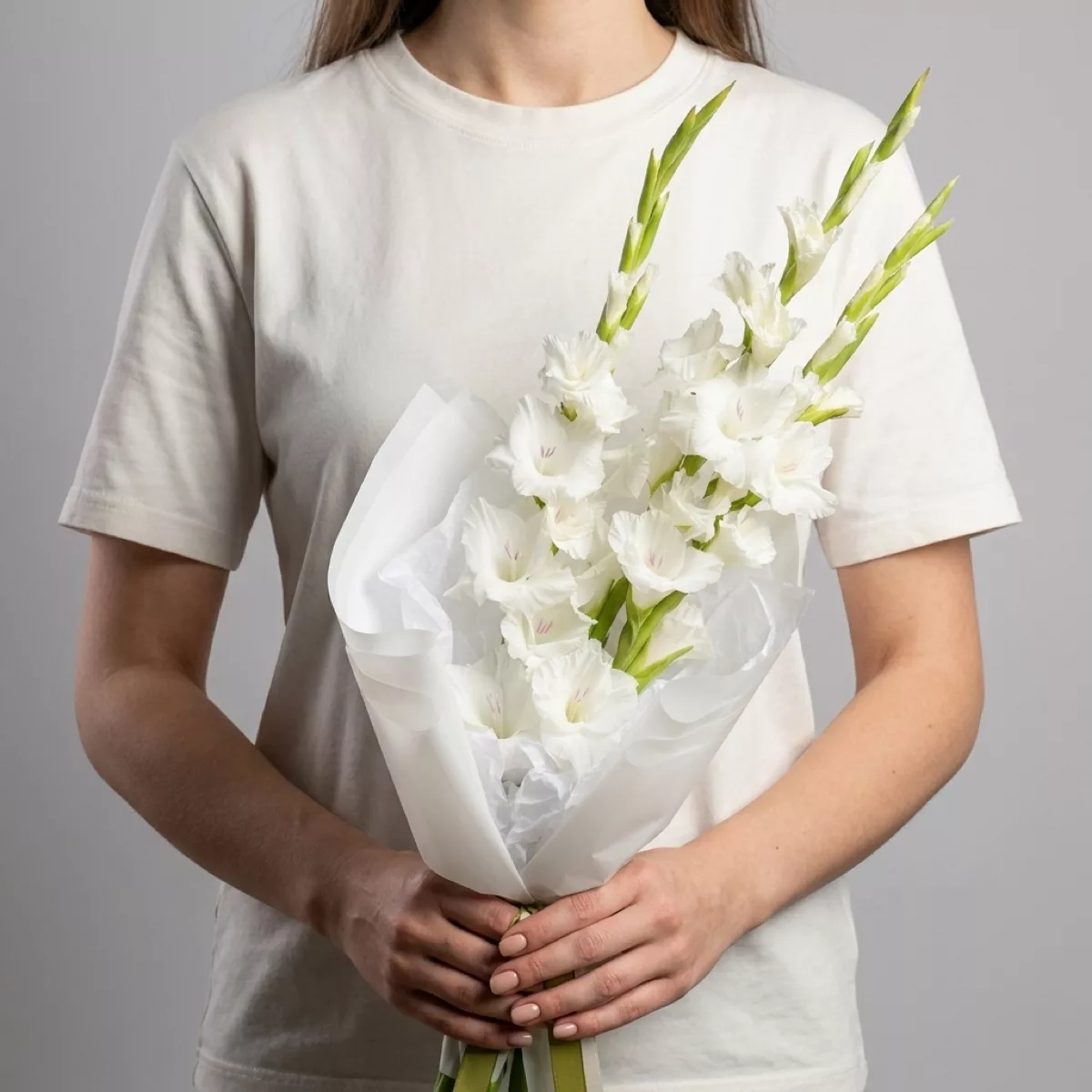
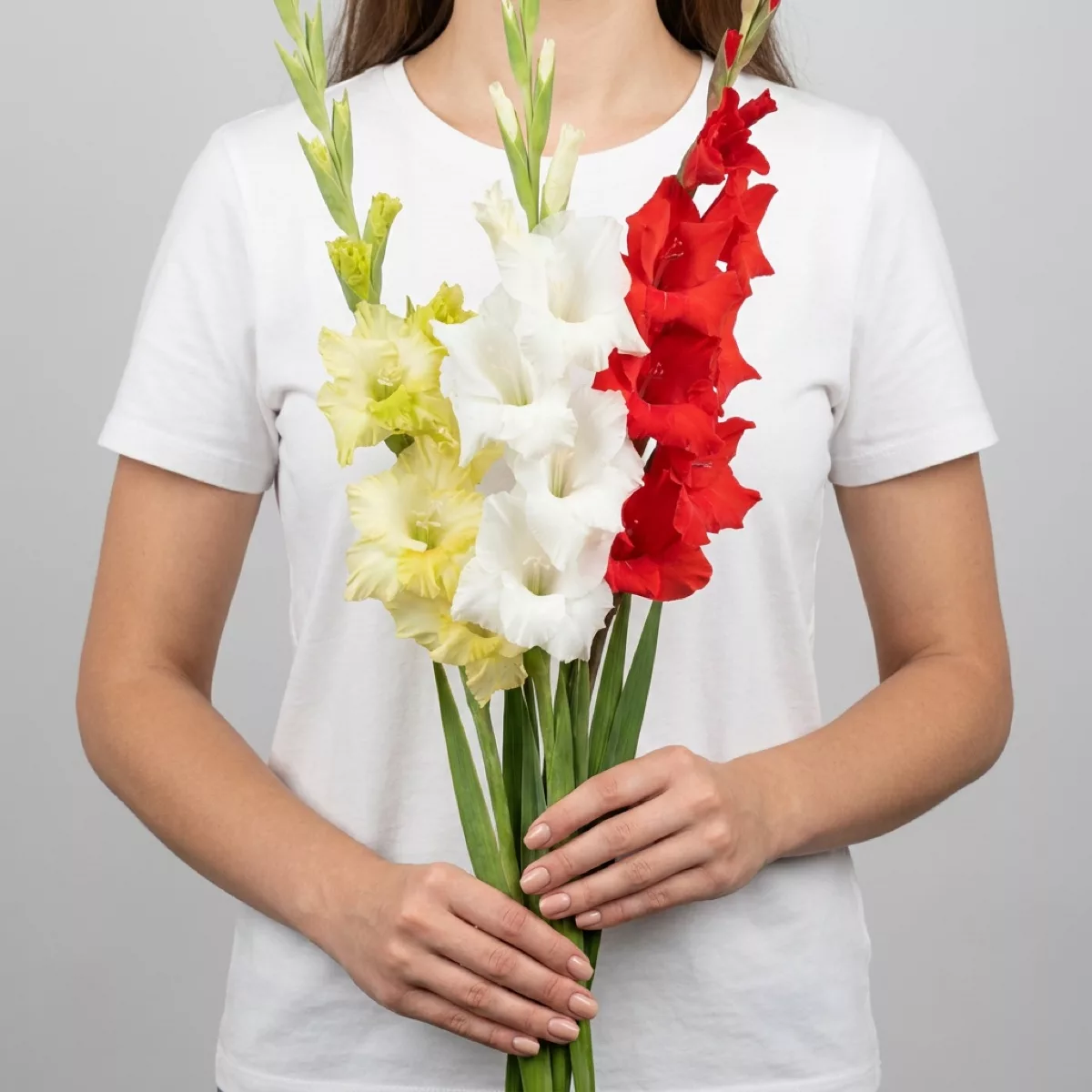
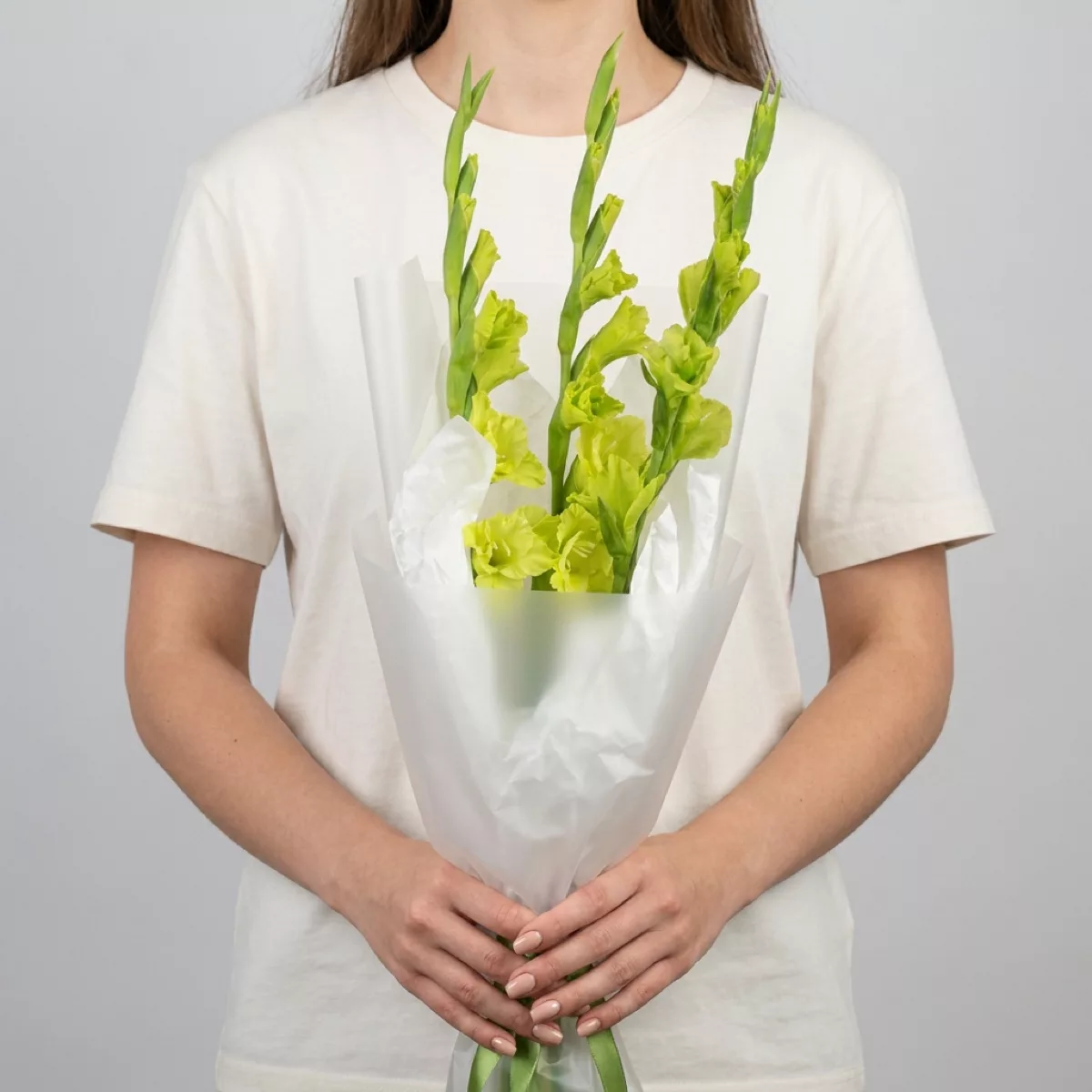
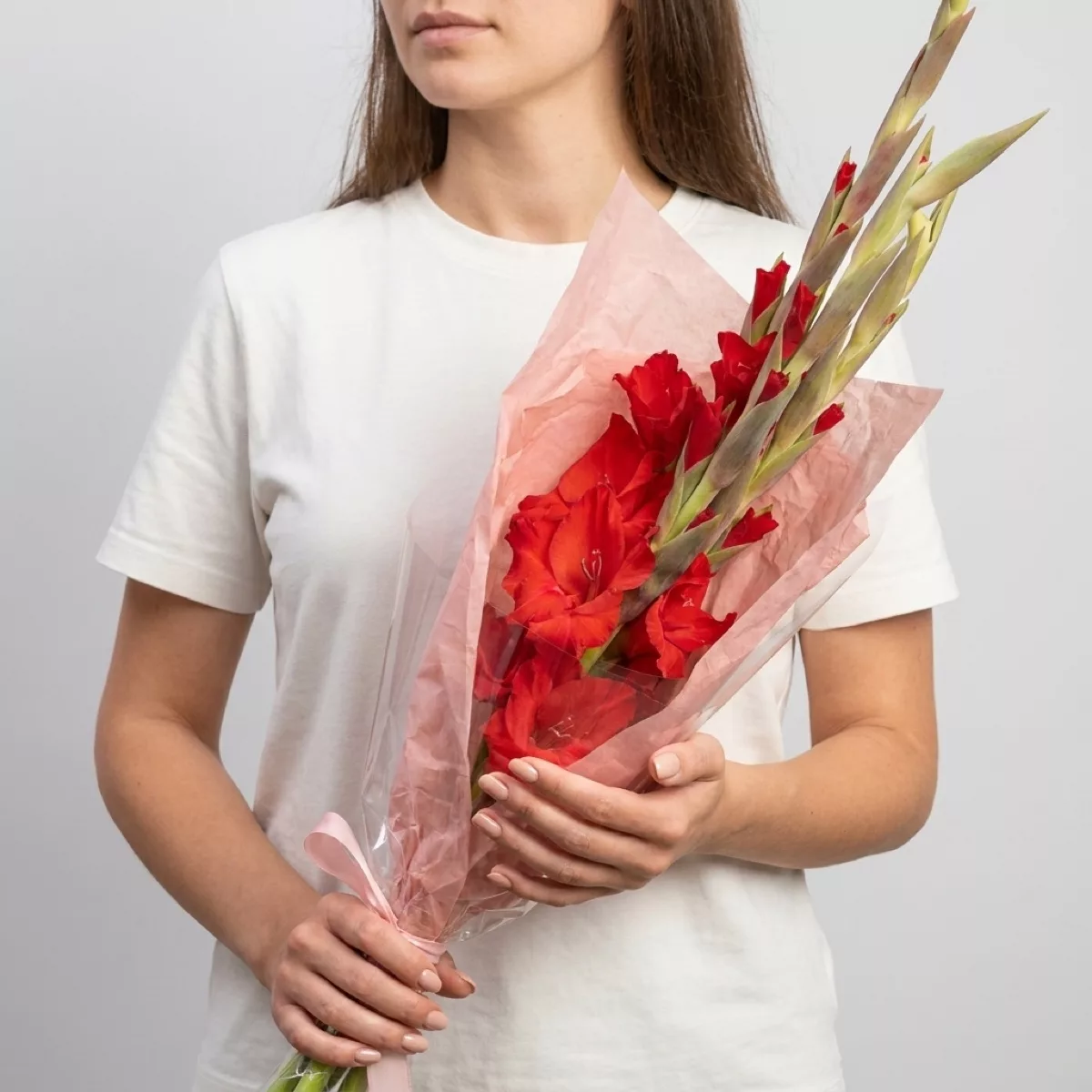
Bouquets we can deliver
Timing Your Order for the Moment That Matters
Flowers arrive best when the recipient is actually home and not rushing out the door. This sounds obvious, but it is one of the most common mistakes people make when ordering remotely. Before you confirm a delivery slot, think about the person's schedule. A teacher finishing school at two in the afternoon, a factory shift worker returning by six, a grandmother who naps between one and three — each of them needs a different window, and a bouquet left with a neighbour or propped against a cold door loses half its impact.
For surprise deliveries, the safest approach is to choose a slot when you know the recipient will be home for at least thirty minutes. Courier delivery to a private address in Kommunar works best when someone can answer the door promptly, take the flowers inside and get them into water quickly. Roses and tulips left in a cool hallway for twenty minutes are fine. Left in a warm stairwell for an hour, they begin to wilt at the edges.
If you are sending flowers to a workplace in Kommunar — an office, a reception desk, a small business — midday slots between eleven and one tend to work well. The recipient is typically present, colleagues are around to share the moment, and the flowers have the whole afternoon to be admired before going home. Always leave a contact number when ordering so the courier can call ahead if there is any access question at the address. A brief heads-up call also builds a small moment of anticipation.
Choosing Flowers for the Person, Not Just the Occasion
The occasion tells you the register — celebratory, affectionate, grateful, congratulatory. The person tells you the flower. These are two different questions, and the best bouquets answer both at once.
For a woman in her fifties or sixties celebrating a birthday, a classic combination of cream or blush garden roses with white lisianthus and a few stems of eucalyptus reads as elegant and considered rather than flashy. Lisianthus, sometimes called eustoma, has ruffled petals that resemble peonies but last significantly longer in a vase — often ten days or more with fresh water every other day. It is a practical choice for someone who lives alone and will not have help caring for an elaborate arrangement.
For a younger recipient, something with more colour and movement works well. Spray roses in coral or peach tones mixed with solidago and a few stems of bright gerbera give energy without looking chaotic. Gerbera daisies are cheerful, widely loved and honest — they do not pretend to be anything other than what they are, which makes them surprisingly personal.
For a man — and yes, flowers for men are increasingly common in Russia, especially for professional milestones — a structured bouquet of deep burgundy anthuriums, tropical foliage and a couple of strong-stemmed chrysanthemums makes an impression without feeling out of place. The key is clean lines and confident colour rather than soft pastels. When in doubt, ask yourself what the person's home looks like and what colours they tend to wear. Flowers that match someone's world feel chosen, not grabbed.
Seasonal Availability and What Grows Well in Spring and Autumn
Russia's northwest climate means that locally grown cut flowers are genuinely seasonal. In late spring and early summer, peonies appear in abundance — fat, fragrant, short-lived and absolutely worth it for a special occasion. Their vase life is only five to seven days even under ideal conditions, but the scent they release in a warm room is unlike anything else. If you are ordering peonies for delivery to Kommunar in June, choose buds that are just beginning to open rather than fully bloomed flowers, which will not survive the journey as well.
By late August and through September, dahlias come into season. These are dramatic, densely petalled flowers that range from small pompom varieties to dinner-plate sizes. A mono bouquet of mixed dahlia colours — deep plum, burnt orange, pale yellow — is one of the most striking things you can send in early autumn and feels genuinely connected to the time of year.
Winter and early spring are the seasons of tulips, ranunculus and imported roses. Dutch and Kenyan roses arrive consistently and hold their quality well in transit when stored correctly. The risk in cold months is not the flower itself but the temperature during delivery. Below minus ten Celsius, roses and tulips need proper insulation during the final stretch. We wrap cold-weather orders accordingly, but it is worth knowing that a bouquet received in January needs to be brought indoors immediately and given warm — not hot — water to recover from any chill. Let it stand at room temperature for an hour before arranging.
Presentation Choices That Change How a Bouquet Feels
The same flowers can feel completely different depending on how they are presented. A round, tightly bound bouquet wrapped in kraft paper and tied with a natural ribbon reads as warm, artisanal and personal. The same flowers in a structured box with tissue paper and a ribbon closure feel more formal and gift-like — closer to something you might receive from a luxury brand. Neither is better, but they send different signals, and it is worth choosing consciously.
For deliveries to Kommunar where the recipient lives in a flat building, a bouquet in hand-tied form is easier to carry up stairs and through narrow hallways. A box arrangement, while beautiful, is more awkward to transport and requires the recipient to keep the box if they want to display the flowers as intended. Unless you know the person has a table or surface where the box can sit undisturbed, the hand-tied option is more practical.
Adding a personal note changes everything. In Russian culture, the written word carries real weight — a handwritten card is not a formality but a gesture of care. Even a short message of two or three sentences, written as you would speak rather than as you would type, makes the flowers feel like a conversation rather than a transaction. If you are ordering from abroad or from another city and cannot write in Russian, a message in English is entirely acceptable and often touched upon as something thoughtful and different. The flowers speak first; the card speaks after.
Caring for Flowers After Delivery: Practical Advice That Actually Works
Most flowers that die within two days of arrival do so because of one of three things: no water, wrong temperature or dirty vase. None of these is complicated to fix, but they require attention in the first thirty minutes after the bouquet arrives.
As soon as the flowers are unwrapped, trim the stems at a diagonal angle — about two centimetres from the bottom — using scissors or a sharp knife. A diagonal cut increases the surface area through which the stem draws water. Do this under running water if possible, or immediately before placing the stems in the vase, so no air enters the cut end. Fill the vase with cool, clean water and change it every two days. If the water begins to smell, change it immediately and re-trim the stems.
Keep the bouquet away from direct sunlight, radiators and fruit bowls. This last point surprises many people: ripening fruit releases ethylene gas, which accelerates the ageing of cut flowers. A bowl of apples on the kitchen table is genuinely bad company for roses or tulips.
Ranunculus and tulips prefer cooler rooms and will last noticeably longer if kept away from heated areas. Roses are more tolerant of warmth but still benefit from a cool night — placing them in a cool corridor or an unheated room overnight can add two or three days to their vase life. Chrysanthemums and alstroemeria are the most forgiving: they tolerate a range of temperatures and last ten days or more with basic care. If you are sending flowers to someone who travels often or tends to forget to water things, these are genuinely the most practical choices.
What Makes a Flower Delivery Feel Special, Not Just Functional
There is a difference between flowers that arrive and flowers that are received. The first is logistics. The second is an experience. Getting from one to the other takes only a few small decisions made at the ordering stage.
Timing is the first. A bouquet that arrives exactly when someone least expects it — mid-morning on a Tuesday, not on the obvious Saturday — carries more surprise and therefore more emotion. Routine occasions are fine, but an unexpected Tuesday delivery for no reason other than affection is remembered longer than a birthday bouquet that arrived on schedule.
The second is specificity. Choosing a flower or a colour that connects to something the recipient loves — their favourite colour, a flower from their garden, the variety they mentioned once in passing — signals that the gift was thought about, not assembled at random. Even one specific element among a general arrangement changes the feeling entirely.
The third is the message. Not a template, not a copied phrase, but something real. In Russia, receiving flowers with a card is standard; receiving flowers with a card that says something true and specific is uncommon enough to be genuinely moving. You do not need to be a writer. You need to say one thing you mean.
For deliveries to Kommunar specifically, where the town is smaller and quieter than the city, a flower delivery is a visible event. Neighbours notice. The moment feels larger. That is not a reason to overthink it — it is a reason to enjoy it. A well-chosen bouquet delivered on time to the right address is one of the simplest and most effective ways to make someone feel seen.
Kommunar is well within reach, and a thoughtful flower delivery there is entirely straightforward when you plan around the timing, choose varieties suited to the season and take a moment to personalise the message. The distance from Saint Petersburg is not an obstacle — it is just something to account for. Place your order with enough lead time, think about who is receiving the flowers and what they will feel when they open the door, and the rest takes care of itself.
Frequently asked questions
Can I order flowers for same-day delivery to Kommunar?
Yes, same-day delivery to Kommunar is available for orders placed before mid-afternoon. Because the journey from Saint Petersburg takes time, earlier orders have more flexibility in delivery slot. If you need a specific time, order at least two to three hours in advance to allow for assembly and travel without rushing the process.
What happens to flowers in cold weather during delivery?
In temperatures below minus ten Celsius, cut flowers — especially roses and tulips — need insulation during transit. We wrap cold-weather orders carefully for the journey. Once delivered, bring the bouquet indoors immediately and place stems in cool, not cold, water. Let the flowers adjust to room temperature for about an hour before arranging them properly.
Which flowers last longest if the recipient is away from home for part of the day?
Chrysanthemums, alstroemeria and lisianthus are the most resilient choices. They tolerate a range of temperatures, do not wilt quickly in a warm room and can last ten days or more with basic water changes. Avoid sending peonies or open tulips if the recipient will not be home to put them in water within the first hour.
Is it appropriate to send flowers to a man in Russia?
Absolutely. Flowers for men are increasingly common in Russia, particularly for professional milestones, promotions or significant birthdays. The key is choosing a bouquet with strong shapes and confident colours — deep reds, burgundy, white or structured tropical varieties — rather than soft pastels. A clean, architectural arrangement feels natural and well-judged rather than out of place.
Can I include a message card written in English?
Yes, and it often adds something memorable. A card written in English for a Russian recipient is unusual enough to feel special and considered. Keep the message personal and direct rather than formal. The flowers arrive first and make the emotional impression; the card adds meaning. Even two or three sincere sentences in English are more than enough.
Ready to send flowers?
Pick the city, choose the bouquet, and a local florist takes it from there.
Choose a city →