Flower Delivery in Konstantinovsk: Timing, Choices and What Arrives at the Door
Ordering flowers for someone in Konstantinovsk feels different from ordering in a big city — distances are real, timing matters more, and the person receiving the bouquet deserves something that still looks alive and vibrant when it arrives. This article walks you through everything: when to order, what holds up well on the road, how to match the arrangement to the moment, and how to make sure the flowers last long after the delivery.
What Delivery to Konstantinovsk Actually Looks Like
Konstantinovsk is a town in the Rostov region, sitting on the Don River. It is not a metropolis, which means delivery logistics require more planning than a same-day order to the centre of a major city. Turboflora delivers fresh flowers here, and the honest answer about timing is this: plan for the same day if you order early, and allow a buffer if the occasion is time-sensitive like a birthday dinner or an anniversary evening.
The route from the nearest fulfilment point covers real distance, and the bouquet spends time in transit. That is not a problem if you choose the right flowers and the order is handled by people who understand how to pack and condition stems properly before they travel. A well-conditioned rose in a water-retaining wrap will look fresher after two hours on the road than a carelessly prepared one would after twenty minutes.
When you place your order, you will be asked for the recipient's address and a preferred delivery window. In Konstantinovsk, being specific about the address matters — include the street number, building entrance number if relevant, and a phone number the courier can call. Many people in smaller Russian towns prefer to be called ahead rather than surprised at the door, so a short heads-up call is standard practice here. If the recipient is at work, confirm whether flowers are welcome at their workplace before ordering, since not every office environment suits a large bouquet arriving mid-afternoon.
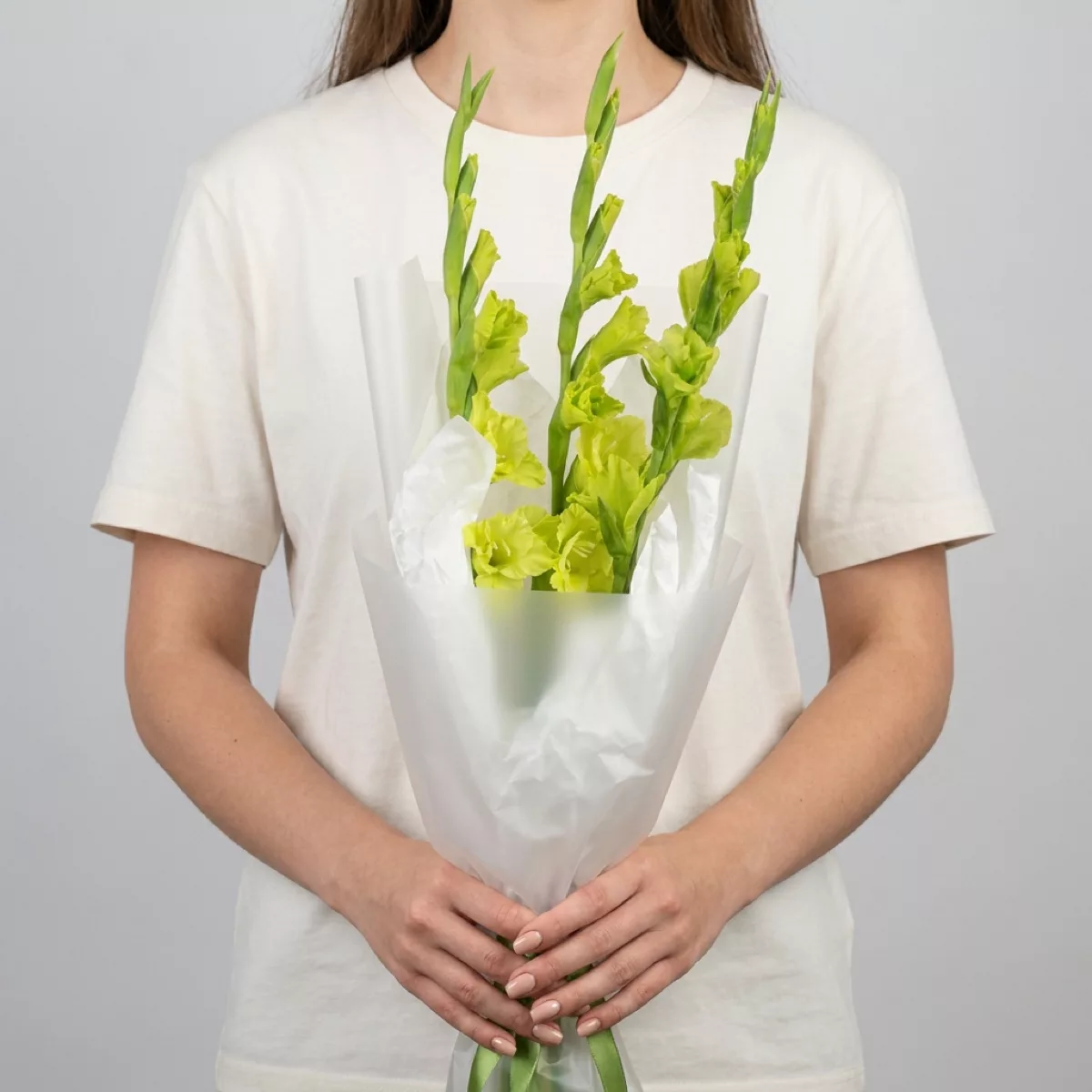
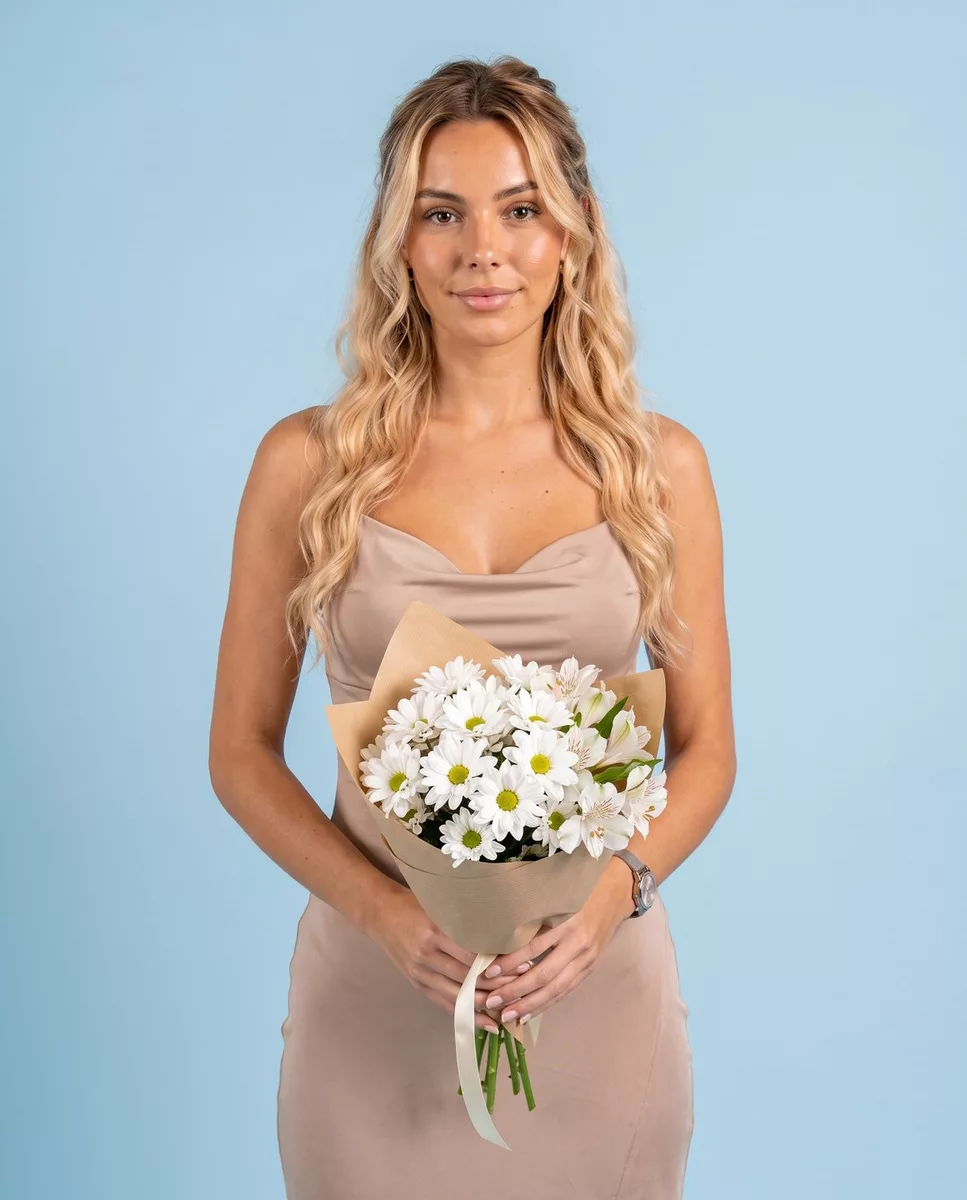
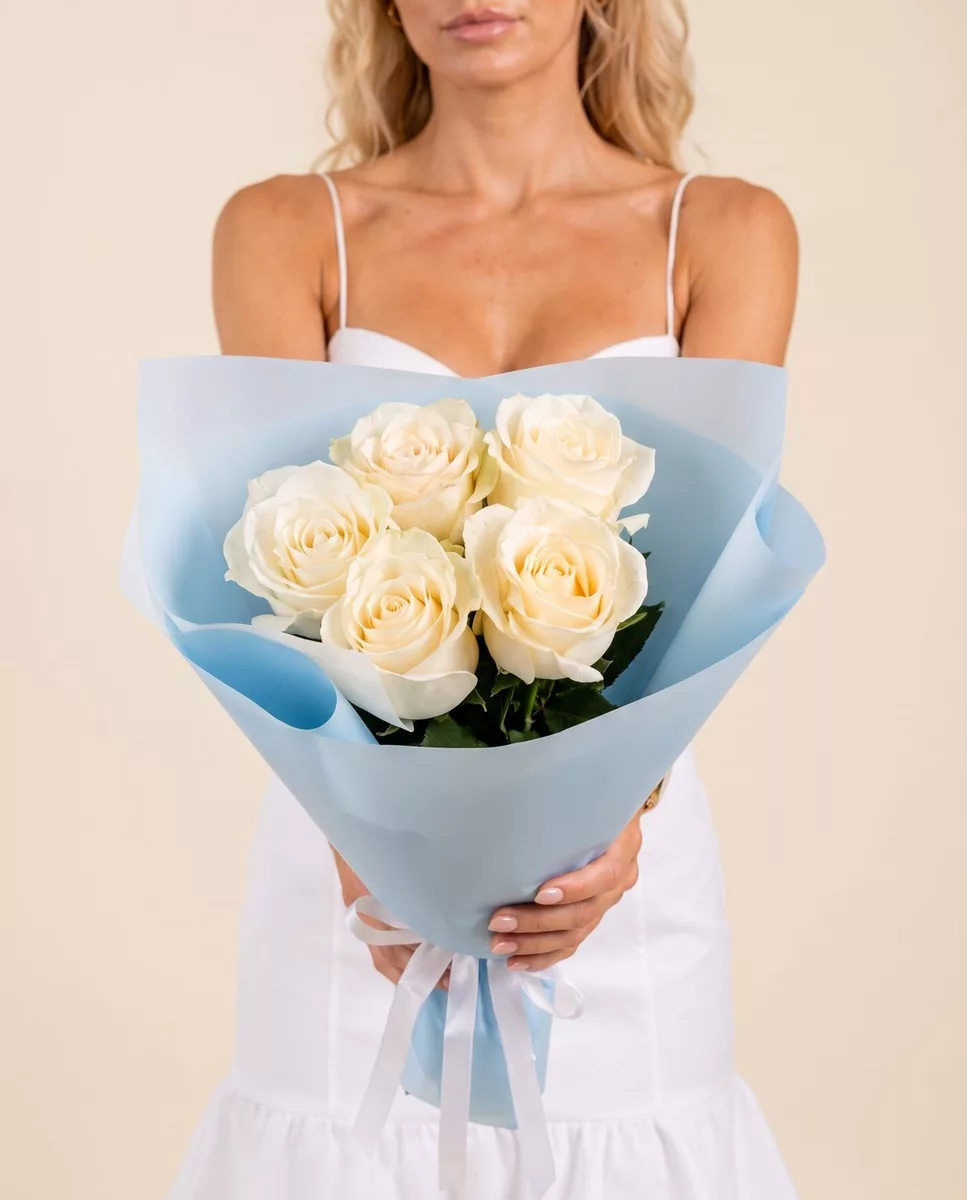
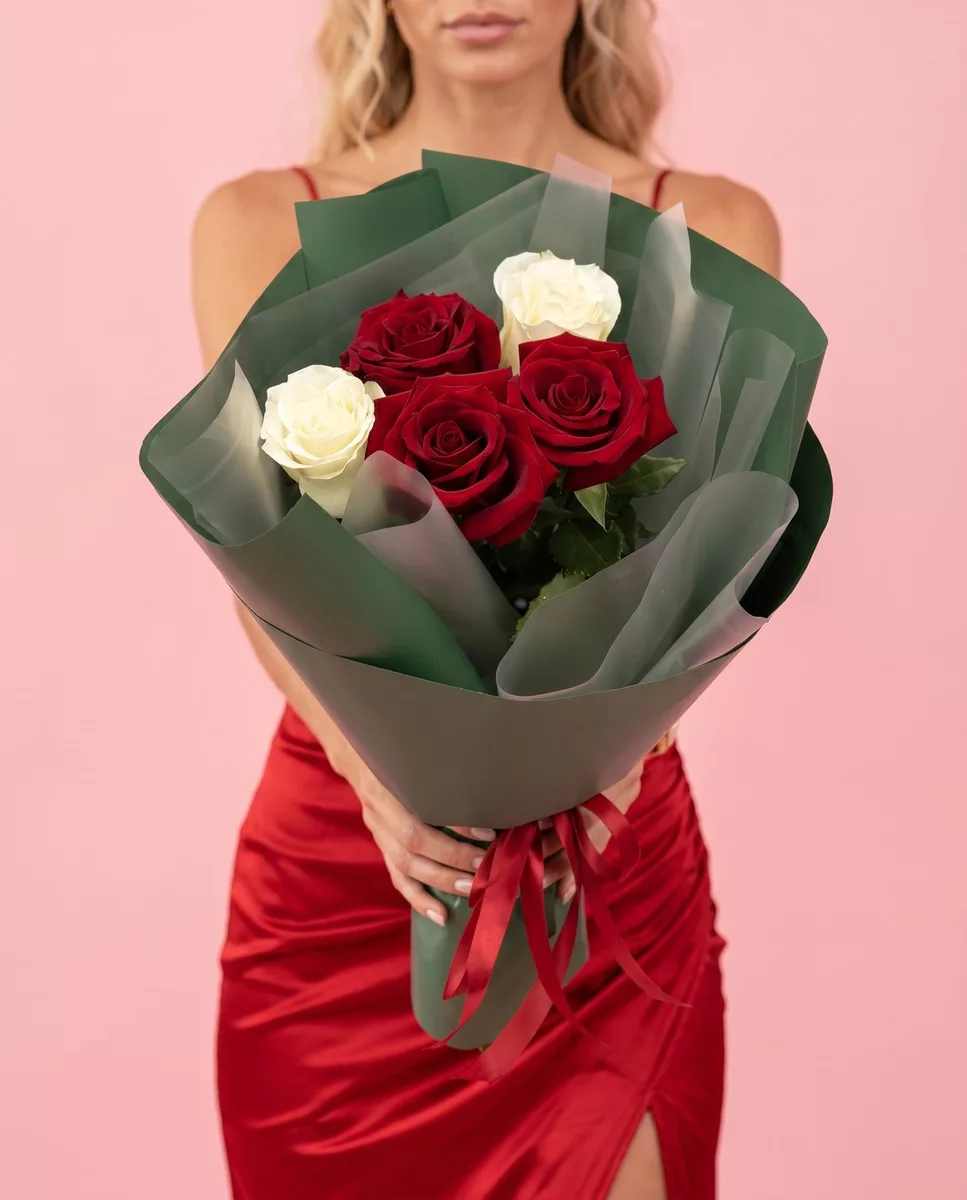
Bouquets we can deliver
Choosing Flowers for the Rostov Climate and the Season
The Rostov region has a continental climate with hot summers and cold winters. That temperature range affects which flowers travel well and which ones struggle. In July and August, when midday temperatures can exceed 35 degrees Celsius, delicate blooms like sweet peas, anemones and open garden roses wilt quickly without proper cold-chain handling. For summer deliveries, choose flowers with sturdy petals and firm stems: spray chrysanthemums, alstroemerias, lisianthus and sunflowers are all reliable in the heat.
In winter, the opposite problem appears. Frost damage is real for tropical flowers like anthuriums and orchid stems if they are exposed to cold air during transit. Roses and carnations handle Russian winters better than most, provided they are wrapped correctly and not left on a cold doorstep for an extended period. If you are sending in January or February, note this in your order comments so the packing is adjusted accordingly.
Spring and early autumn are the most generous seasons for flower delivery here. Tulips in March and April, peonies in late May and June, dahlias from August into September — these are moments when local growing conditions align with what florists can offer at their freshest. If you are ordering around International Women's Day on the eighth of March, which is one of the biggest flower-giving occasions in Russia, place your order at least two to three days ahead. Demand across the whole country spikes sharply, and delivery slots fill faster than on any other date of the year.
Reading the Occasion: Who Is Receiving and What Will They Feel
Before you think about colours or varieties, think about the person and the moment. A bouquet for a woman turning fifty at a family gathering calls for something different from flowers sent to a young colleague who just got promoted. The recipient's age, personality and the setting where they will receive the flowers all shape what will feel right.
For a mother or grandmother in a Russian household, classic arrangements carry weight. Roses in deep red, cream or soft pink, combined with greenery like ruscus or eucalyptus, read as respectful and warm. Adding a few stems of stock or matthiola brings fragrance into the room, which older recipients often appreciate more than visual drama alone. These combinations photograph beautifully on a kitchen table and last well in a vase.
For a younger recipient — a friend, a partner, a sibling — there is more room to experiment. Dried flower accents mixed with fresh blooms, asymmetric wrapped bouquets, single-variety bunches of ranunculus or garden spray roses all feel current without being difficult to care for. The key is that the arrangement should match what the person would actually enjoy living with for a week, not just what looks impressive in a photograph at the moment of delivery.
If you are sending flowers without being certain of the recipient's taste, lean toward a mixed seasonal bouquet in soft, neutral tones. Cream, blush, white and sage green work across almost every interior and personal style. They feel considered rather than generic, especially when the stems are varied in texture — a mix of round blooms, spiky elements and trailing greenery reads as thoughtful even to someone who knows nothing about flowers.
Matching the Bouquet to Your Budget Without Losing the Effect
The size of a bouquet does not determine how much it moves someone. Presentation, freshness and the sense that the arrangement was chosen with care matter far more than stem count. A tightly wrapped bundle of fifteen fresh tulips in one strong colour, tied with a wide satin ribbon, often makes a stronger impression than a loose mixed arrangement twice the size assembled without intention.
At a modest budget, single-variety bouquets are your best tool. Tulips, carnations, alstroemerias and chrysanthemums are all flowers that look intentional when grouped together rather than mixed. Choose an odd number of stems — five, seven, nine — as even numbers in Russian gifting tradition are associated with other occasions. An odd-numbered bunch of bright gerberas, for example, reads as celebratory and cheerful without requiring a large spend.
With a mid-range budget, you can introduce a focal flower alongside supporting stems and greenery. A central cluster of spray roses or lisianthus, framed by eucalyptus and one or two accent flowers like waxflower or solidago, creates a layered look that feels designed. The greenery is not filler — it provides depth and extends vase life by reducing how hard the focal flowers have to work visually.
At the higher end, peonies, garden roses with many-petalled heads, and hydrangeas are crowd-pleasing choices that photograph well and fill a room with presence. These varieties need careful water management once they arrive, but they reward the effort. If you are sending a premium arrangement to Konstantinovsk, consider adding a care note so the recipient knows how to handle the stems on arrival.
How to Write the Card: Russian Customs Explained Simply
In Russian gifting culture, the accompanying card or note carries real significance. It is not an afterthought. A handwritten message, even a short one, is read carefully and often kept. If you are ordering from outside Russia or are unfamiliar with local customs, a few things are worth knowing before you write your message.
Direct emotional expression is more accepted in Russian card-writing than in some northern European or Anglo-American traditions. Saying clearly that you are proud of someone, that you love them, or that they deserve to be celebrated is not considered excessive — it is considered warm and genuine. Formal or restrained messages can sometimes read as cool or indifferent to a Russian recipient, even if that was not the intention.
For a birthday, the phrase that translates roughly as wishing health, happiness and all the best is a classic opener, but adding one personal sentence makes it memorable. Reference something specific — a shared memory, a quality you admire, a wish tied to something happening in their life right now. That specificity is what turns a card from polite to meaningful.
If the flowers are a professional gesture — congratulating a colleague on a work achievement or welcoming a business partner — keep the message warm but measured. Acknowledge the achievement directly, wish them continued success, and sign with your full name if the relationship is formal. Russians appreciate sincerity in professional settings and respond well to messages that feel genuine rather than templated. Avoid overly effusive language in professional contexts, as it can feel out of place.
Keeping the Flowers Fresh After They Arrive
The moment the bouquet is handed over is not the end of the florist's responsibility — it is the beginning of the recipient's. Flowers that arrive in good condition can last a week or more with the right handling, or wilt within two days if placed in the wrong spot. Sharing a few care tips with the recipient, either in the card or in a separate note, is one of the most thoughtful things you can do as the sender.
The first step is always to recut the stems. Use a sharp knife or scissors and cut at an angle, removing about two centimetres from the base. This reopens the water-uptake channels, which seal during transit. Do this under running water or immediately before placing the stems in a vase so air does not re-enter the cut. Roses and gerberas are particularly sensitive to this step and will droop noticeably within a day if it is skipped.
The vase water should be cool and clean. Strip any leaves that would sit below the waterline, as submerged foliage rots quickly and clouds the water with bacteria that shorten vase life. Change the water every two days and recut the stems each time you do. Adding a small amount of the flower food sachet that comes with the bouquet extends freshness significantly — it is not a gimmick but a real aid.
Placement in the room matters. Keep flowers away from direct sunlight, radiators, and fruit bowls. Ripening fruit releases ethylene gas, which accelerates petal drop in roses, carnations and lisianthus. A cool spot with indirect light — a sideboard away from a sunny window, for example — is ideal. In Konstantinovsk summers, a cool interior room will serve the flowers far better than any windowsill.
Getting the Order Right: Practical Steps Before You Confirm
A smooth delivery to Konstantinovsk starts with a complete and accurate order. Before you confirm, run through a short checklist that will prevent the most common problems. First, double-check the recipient's address. In smaller Russian towns, street numbering can be non-sequential and building names matter. If you are not certain of the exact address, ask the recipient directly — framing it as wanting to send something is usually enough without revealing the surprise.
Confirm the delivery window with the recipient's schedule in mind. If they work during the day, a morning delivery before nine or an evening delivery after six is usually safer than a midday slot when they may be out. If the flowers are a surprise, consider asking a family member or neighbour to receive them. In Russia, accepting a delivery on behalf of someone is entirely normal and not considered intrusive.
If you have a specific flower request — a particular colour, a variety you know they love, or something to avoid because of an allergy — add it in the order notes. Florists work with what is freshest and available that day, so a rigid specific request may not always be possible, but a clear preference gives the team direction and usually results in a better match than leaving the choice entirely open.
Finally, consider the timing relative to the occasion. Flowers for a birthday are best received on the day itself, ideally in the morning so the recipient has them all day. Flowers for a welcome home or a congratulatory moment should arrive as close to that moment as possible. Planning the delivery time with the same care you put into choosing the flowers makes the whole gesture land the way you intended.
Sending flowers to Konstantinovsk is entirely possible and, when done with a little planning, results in something genuinely beautiful arriving at someone's door. The town's location, the regional climate, and the realities of transit all factor into what you choose and when you order — but none of them are obstacles. They are simply the context that a good florist accounts for on your behalf. Think first about the person and the feeling you want to create, then let the practical decisions follow from there. Fresh flowers, chosen with care and delivered on time, remain one of the most direct ways to tell someone that they matter.
Frequently asked questions
How far in advance should I order flowers for delivery to Konstantinovsk?
For most occasions, ordering the day before gives the best result. If you need same-day delivery, place your order as early in the morning as possible to allow time for preparation and transit. Around major holidays like March 8th, order two to three days ahead, as demand across Russia rises sharply and delivery slots fill quickly.
Which flowers travel best for long-distance delivery in summer heat?
Alstroemerias, spray chrysanthemums, lisianthus and sunflowers handle warm transit conditions better than open garden roses or sweet peas. Their petals are firmer and their stems retain water more efficiently. In Rostov region summers, these varieties will arrive looking fresh when more delicate blooms might show stress from the heat.
Can I send flowers to a workplace address in Konstantinovsk?
Yes, workplace deliveries are possible. Confirm that the recipient's workplace accepts personal deliveries before ordering, as some offices or institutions have restrictions. Provide the full address including the organisation name if relevant, and include a phone number so the courier can reach the recipient or a colleague to coordinate handover.
Why do Russian bouquets traditionally have an odd number of stems?
In Russian tradition, even numbers of flowers are associated with solemn occasions, so gifts use odd numbers to signal celebration and warmth. This applies most strictly to roses and single-variety bouquets. Mixed arrangements are less rigidly counted, but if you are ordering a specific stem count, choosing five, seven or nine is always the safer and more culturally appropriate choice.
What should I do if the recipient is not home when the flowers arrive?
Ask the recipient or a trusted contact to confirm availability during the delivery window before placing the order. If no one is home, the courier will call the number provided. Leaving flowers unattended outdoors is not recommended, especially in summer heat or winter cold. A neighbour or building concierge can accept the delivery if arranged in advance.
Ready to send flowers?
Pick the city, choose the bouquet, and a local florist takes it from there.
Choose a city →