Sending Flowers to Kostomuksha? Here Is What to Expect
Kostomuksha sits close to the Finnish border in the Republic of Karelia, surrounded by pine forest and lake country. It is a compact, close-knit city where a bouquet arriving at the door feels like a real event. Whether you are sending to a colleague at the mining combine, a friend in one of the residential districts, or a relative celebrating a birthday, getting flowers there on time and in perfect condition takes a little planning — and that planning is exactly what this article covers.
Who Usually Receives Flowers in Kostomuksha and Why It Matters
Kostomuksha has a population built largely around one major employer, and that shapes how people celebrate. Birthdays, work anniversaries, professional milestones, and school graduations carry real weight here. When you send flowers to someone in this city, you are often marking a moment that the whole circle of colleagues or family will notice. That context changes what you should order.
For a colleague or manager, restraint reads as respect. A structured bouquet of white or cream spray roses mixed with eucalyptus branches and a few stems of lisianthus signals thoughtfulness without overstepping. For a close friend or partner, you can go bolder — garden roses in coral or burgundy paired with ranunculus make a statement that feels genuinely warm rather than formal.
For a child's teacher or a neighbour who helped during a difficult week, something cheerful and unpretentious works best. Bright gerberas in yellow and orange, or a mixed seasonal bunch with chamomile-type flowers and greenery, feels generous without being showy. The point is that the recipient's role in your life should guide the shape and colour of what you send, not just the budget. A florist who understands Kostomuksha knows that understated elegance often lands better here than dramatic arrangements.
Bouquets we can deliver

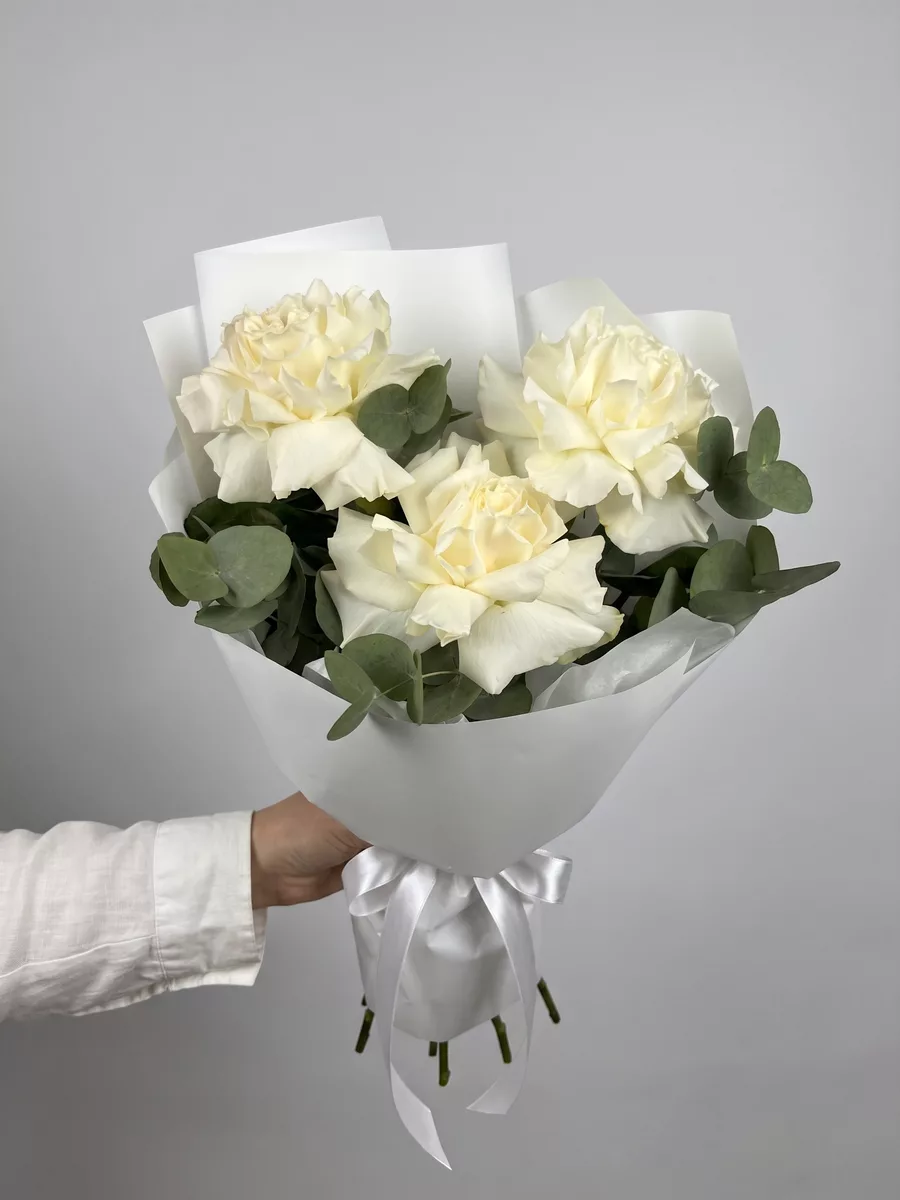
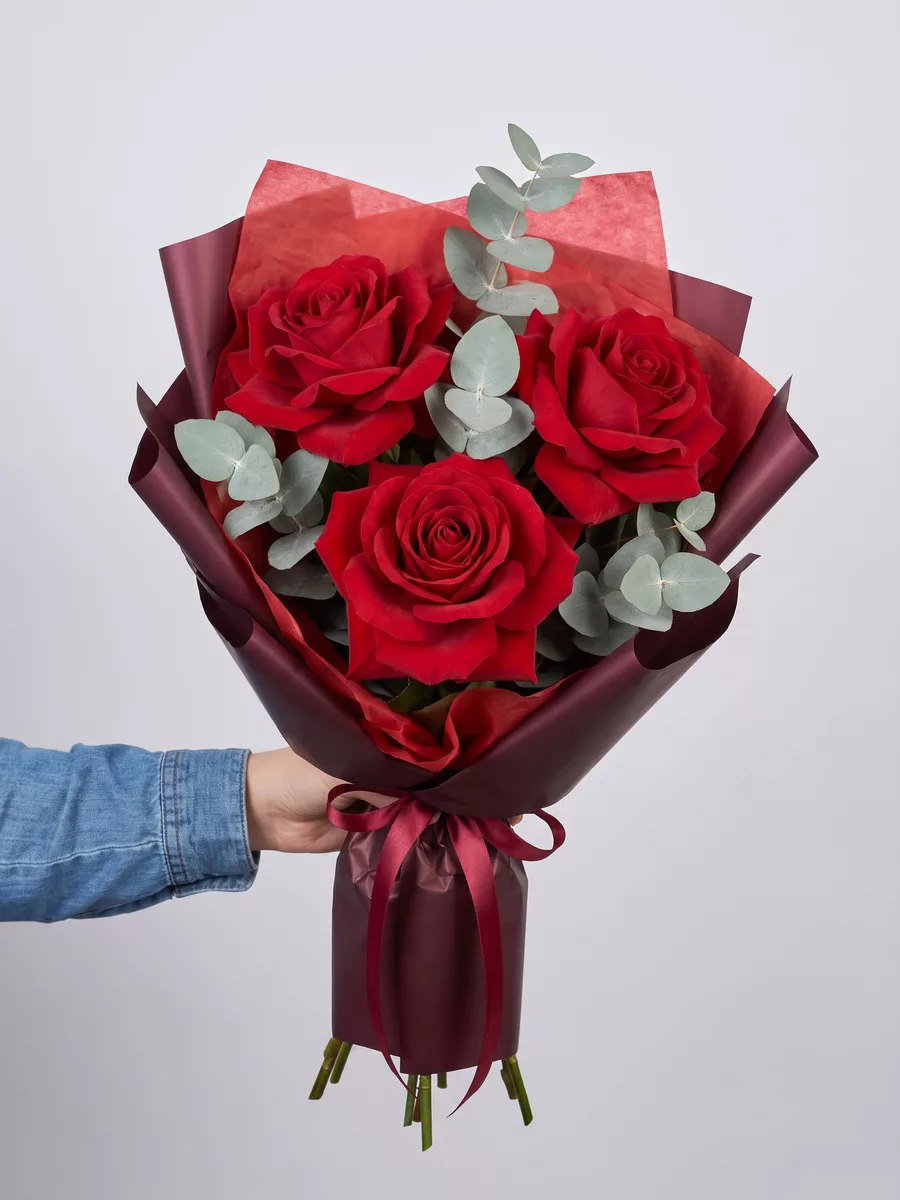
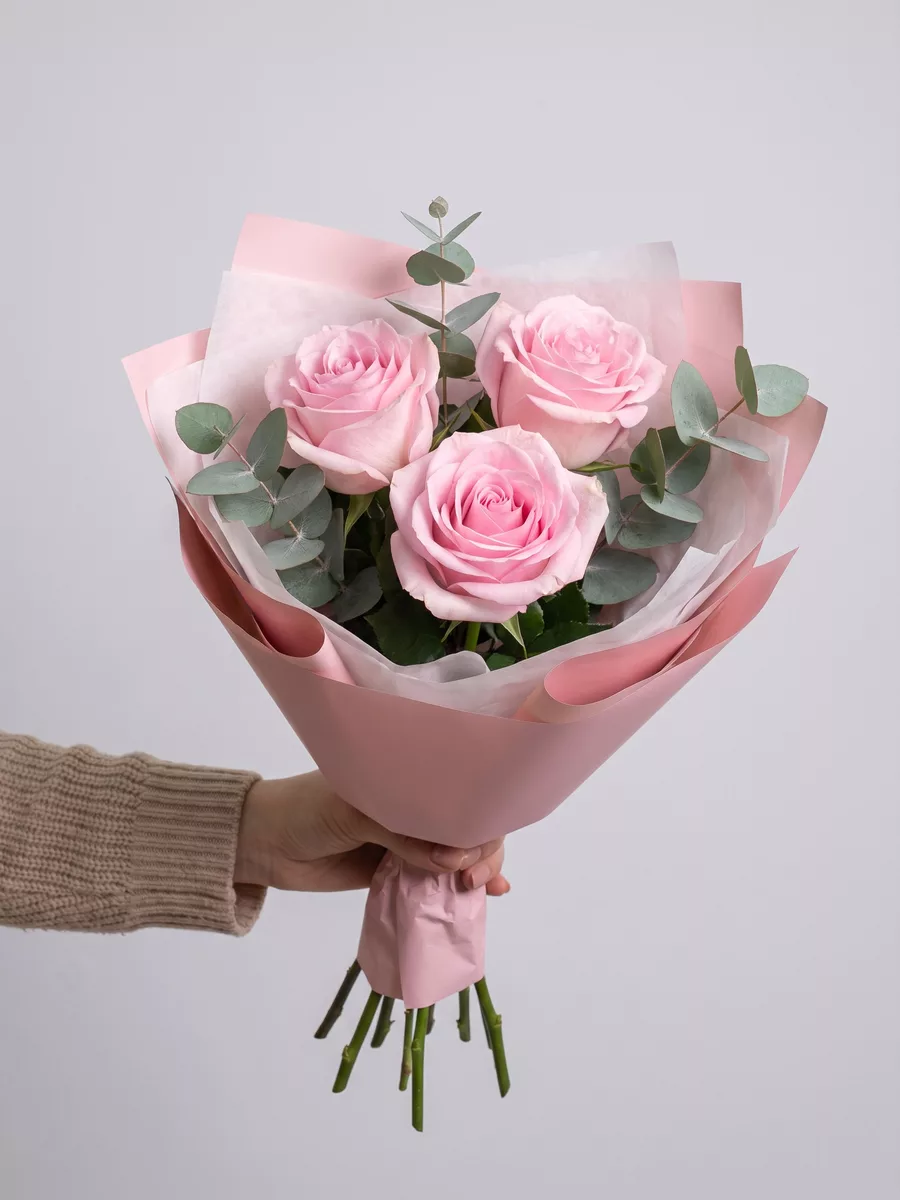
Delivery Areas Inside Kostomuksha and the Surrounding Region
Kostomuksha itself is a relatively compact urban area, and most residential addresses — including the central districts, the mikrorayons near the combine, and the newer residential blocks on the outskirts — are reachable without difficulty. The city's layout means that a courier starting from a central point can cover most addresses within a manageable window, which is good news for anyone ordering on a tight schedule.
The surrounding area is a different conversation. Villages and settlements in the Kostomuksha district vary considerably in road access, especially after heavy snowfall or during spring thaw when unpaved roads become unreliable. If you are sending to an address outside the city boundary, it is worth confirming the exact location and road conditions at the time of order. Some rural addresses may require adjusted delivery windows or alternative arrangements for the final stretch.
One practical detail many people overlook: apartment buildings in Kostomuksha sometimes have intercom systems that require a working code or a recipient who is actively available to buzz the courier in. If the person you are sending to is at work during the day, coordinate the delivery time so they are actually home or ask a neighbour to receive the bouquet. A flower left outside in Karelian temperatures — even in late spring — will not survive long. Always leave a real phone number for the recipient so the courier can call ahead.
Timing Your Order: What One to Two Hours Really Means Here
The one-to-two-hour delivery window that Turboflora offers across Russia applies to Kostomuksha as well, but it helps to understand what that window looks like in practice in a northern city. Orders placed during morning and early afternoon on weekdays move fastest because couriers are already active and roads are at their quietest. Evening orders, particularly after seven, may push toward the outer edge of the window depending on current demand and courier availability.
Weather is not a small variable in Karelia. Winter in Kostomuksha is long and genuinely cold, with temperatures regularly dropping below minus twenty Celsius between December and February. Snow and ice affect road surfaces and add time to any journey. When you place a winter order, build in a small buffer — if the gift needs to arrive before a dinner at seven, ordering by four rather than five gives everyone room to breathe.
Summer is kinder, with long daylight hours and accessible roads, but it brings its own challenge: heat. Cut flowers in a warm car without climate control can wilt faster than you expect. This is why summer orders should also include clear recipient availability so the bouquet is not sitting in a warm entryway for an hour after delivery. The best results come from treating the delivery window as a collaboration — your timing, the recipient's availability, and current conditions all play a role.
Choosing Flowers That Survive the Karelian Climate
Not every flower travels equally well to a northern city in winter. Tropical varieties like anthuriums and birds of paradise are striking in a warm shop but can suffer cold shock during transport in temperatures below minus fifteen. For winter orders to Kostomuksha, the most reliable choices are flowers with naturally robust structure: standard roses, spray roses, chrysanthemums, carnations, and alstroemeria all handle cold transit well when properly wrapped.
Lisianthus is worth mentioning specifically because it looks delicate — the ruffled petals resemble peonies — but it is actually one of the tougher cut flowers available, with a vase life of ten to fourteen days in cool indoor conditions. Paired with eucalyptus or ruscus greenery, it makes a bouquet that looks luxurious and lasts. Carnations, sometimes dismissed as old-fashioned, are genuinely cold-resistant and long-lasting; modern varieties in dusty rose, burgundy, or white look nothing like the carnations of thirty years ago.
In summer, the options open up considerably. Peonies, garden roses, and sunflowers all travel well in mild temperatures and feel right for the season. Gerberas are cheerful but need to arrive quickly and go straight into water — their stems are hollow and they dehydrate faster than most. Whatever the season, a good bouquet for Kostomuksha is one built around flowers that will still look beautiful on day three, not just the moment the door opens.
Bouquet Combinations That Work Well as Gifts
The most successful bouquets for Kostomuksha recipients tend to be layered rather than single-variety. A bunch of only red roses, while classic, can feel impersonal unless the relationship is clearly romantic. Mixing textures and forms — a main flower, a secondary flower, and greenery — creates something that looks considered and feels genuinely made for that person.
For a birthday, try combining coral garden roses with white lisianthus and soft grey-green eucalyptus. The colour contrast is warm without being loud, and the combination reads as both festive and tasteful. For a professional occasion, white and cream tones with structured greenery — think white spray roses, white alstroemeria, and flat eucalyptus leaves — feel appropriate across a wide range of workplace relationships.
For a romantic gesture, burgundy roses paired with dusty miller (the silvery-leaved accent plant) and a few stems of deep purple lisianthus create a rich, moody palette that feels distinctive rather than generic. If the recipient has a preference for something lighter, soft pink ranunculus with white chamomile-type flowers and minimal greenery gives a garden-fresh look that works beautifully in any season.
Presentation matters as much as the flowers themselves. A bouquet wrapped in kraft paper with a simple ribbon looks intentional and modern. Cellophane can trap moisture and flatten petals during transport, so minimal wrapping is usually better. Ask for the stems to be cut at an angle before wrapping — it makes a real difference to how quickly the flowers drink once they are placed in a vase.
What to Tell the Recipient: Care Instructions That Actually Help
Many people in Russia — and anywhere, really — do not know the basic steps that double or triple a bouquet's vase life. If you are sending flowers to someone who may not be familiar with caring for cut flowers, a short note with the bouquet is genuinely useful and feels like an extra layer of care.
The most important step is the first one: trim about two centimetres from each stem at a forty-five-degree angle as soon as the bouquet arrives, and place the flowers immediately in clean, cool water. Tap water in Kostomuksha is generally fine. The vase should be rinsed clean — bacteria from a previously used vase will shorten flower life significantly. Keep the bouquet away from direct sunlight, radiators, and draughts. In a Karelian apartment in winter, the heating can be intense, so placing the vase near a cool window rather than on a sunny shelf makes a real difference.
Change the water every two days and re-trim the stems each time. Remove any leaves that fall below the waterline — they rot quickly and cloud the water. Roses specifically benefit from being placed in deep water up to their necks for the first hour after arrival, especially if they have been in transit for a while. Chrysanthemums and alstroemeria are the most forgiving and will look good for ten to fourteen days with minimal attention. Gerberas need shallow water — no more than five centimetres — because their hollow stems rot from the inside if submerged too deeply.
Making the Order Go Smoothly: Practical Details That Matter
A successful delivery to Kostomuksha starts with accurate information at the point of order. The full address including apartment number, floor, and building entrance number is essential — many residential blocks in Russian cities have multiple entrances, and a courier arriving at the wrong one loses time that cannot be recovered. If the building has a gate code or a specific intercom sequence, include that in the order notes.
The recipient's phone number should be a number they will actually answer, not a work landline or a number they only check occasionally. The courier will call ahead when they are close, and if there is no answer, the bouquet may need to be left with a neighbour or held for redelivery. Neither outcome is ideal for delicate flowers.
If the delivery is a surprise — which many birthday and anniversary orders are — there is a simple approach that preserves the surprise while ensuring smooth handover. Ask a family member or close friend who lives with or near the recipient to be available to receive the bouquet. Alternatively, schedule the delivery for a time when you know the recipient will be home and simply do not tell them what to expect. A phone call from an unknown number saying a delivery is on its way is not much of a spoiler.
Finally, order as early in the day as possible. Last-minute orders can absolutely be fulfilled, but the more lead time you give, the more options are available in terms of flower selection and exact delivery timing. An order placed at noon for a seven o'clock arrival is a much more comfortable arrangement than one placed at five.
Kostomuksha is the kind of city where a well-chosen bouquet genuinely means something. It arrives as a real gesture in a place where people know each other, where occasions are taken seriously, and where the effort of sending something beautiful from far away is noticed. Choose flowers that travel well in the season you are ordering, give the courier everything they need to find the door, and let the recipient know how to keep the bouquet looking its best. The rest takes care of itself.
Frequently asked questions
Can you deliver to addresses outside the Kostomuksha city boundary?
Deliveries to rural settlements and villages in the Kostomuksha district are possible but depend on road conditions, especially in winter and during spring thaw. When placing an order for an out-of-town address, include the full location details and a working phone number for the recipient. We will confirm availability and give you a realistic delivery window before the order is confirmed.
Which flowers hold up best in Kostomuksha's winter temperatures?
Roses, spray roses, chrysanthemums, carnations, and alstroemeria are the most reliable choices for cold-weather delivery. They handle low temperatures during transit without suffering cold shock. Lisianthus also travels well and has a long vase life once indoors. Tropical varieties like anthuriums are better ordered in warmer months when temperatures outside are above freezing.
What if the recipient is not home when the courier arrives?
The courier will call the recipient's number before arriving. If there is no answer, we will contact you as the sender to arrange an alternative. The bouquet can be left with a neighbour if you authorise that in advance, or redelivery can be scheduled. To avoid this situation, confirm the recipient's availability for the chosen time window before placing the order.
How far in advance should I order for a specific delivery time?
For a precise arrival time — say, before a birthday dinner or a work celebration — placing your order at least three to four hours ahead is ideal. Same-day orders with flexible timing can be placed with shorter notice. Evening deliveries, particularly after seven, benefit from earlier ordering because courier availability can be tighter in the late hours.
Is it possible to include a handwritten card or a personalised note with the bouquet?
Yes. When placing your order, add the message you would like included and we will attach a card to the bouquet. Keep the message concise — a short, warm sentence or two reads better on a small card than a long paragraph. If the delivery is a surprise, the card is the moment the recipient understands who sent the flowers, so make it count.
Ready to send flowers?
Pick the city, choose the bouquet, and a local florist takes it from there.
Choose a city →