Sending Flowers to Kotelniki? Here Is What to Expect
Kotelniki sits just beyond the Moscow Ring Road, and if you have never sent flowers there before, you might wonder whether the distance changes anything. It does not have to. With the right preparation — knowing the area, picking the right flowers for the season, and understanding what happens between the florist's hands and your recipient's door — you can send something genuinely beautiful to anyone in this part of the Moscow region.
Where in Kotelniki We Deliver and Why It Matters
Kotelniki is a compact city in the Moscow Oblast, directly adjacent to the Moscow city boundary along the Novoryazanskoye Highway corridor. It includes residential districts such as Belaya Dacha, the areas around Kotelniki metro station, and the newer apartment blocks that have grown up along the southern edge of the city. Knowing the specific district matters because it shapes how long a courier is on the road and whether the bouquet arrives in perfect condition.
We deliver to the full territory of Kotelniki, including high-rise residential complexes, private houses, and office addresses near the retail zones. If your recipient lives in one of the large new developments, it helps to include the building number, entrance number, and floor in the order notes. Russian apartment buildings often have multiple entrances, and a courier standing outside a twelve-entrance block with a bouquet of peonies in July heat is not an ideal situation for anyone.
The city is well connected by metro — the Kotelniki station is the southern terminus of the Tagansko-Krasnopresnenskaya line — which means we can also coordinate timing around when a recipient is likely to be home. If you know they commute by metro, early evening delivery usually works better than a midday window. Giving us a realistic delivery window rather than the earliest possible slot almost always leads to a smoother handover and a happier recipient.
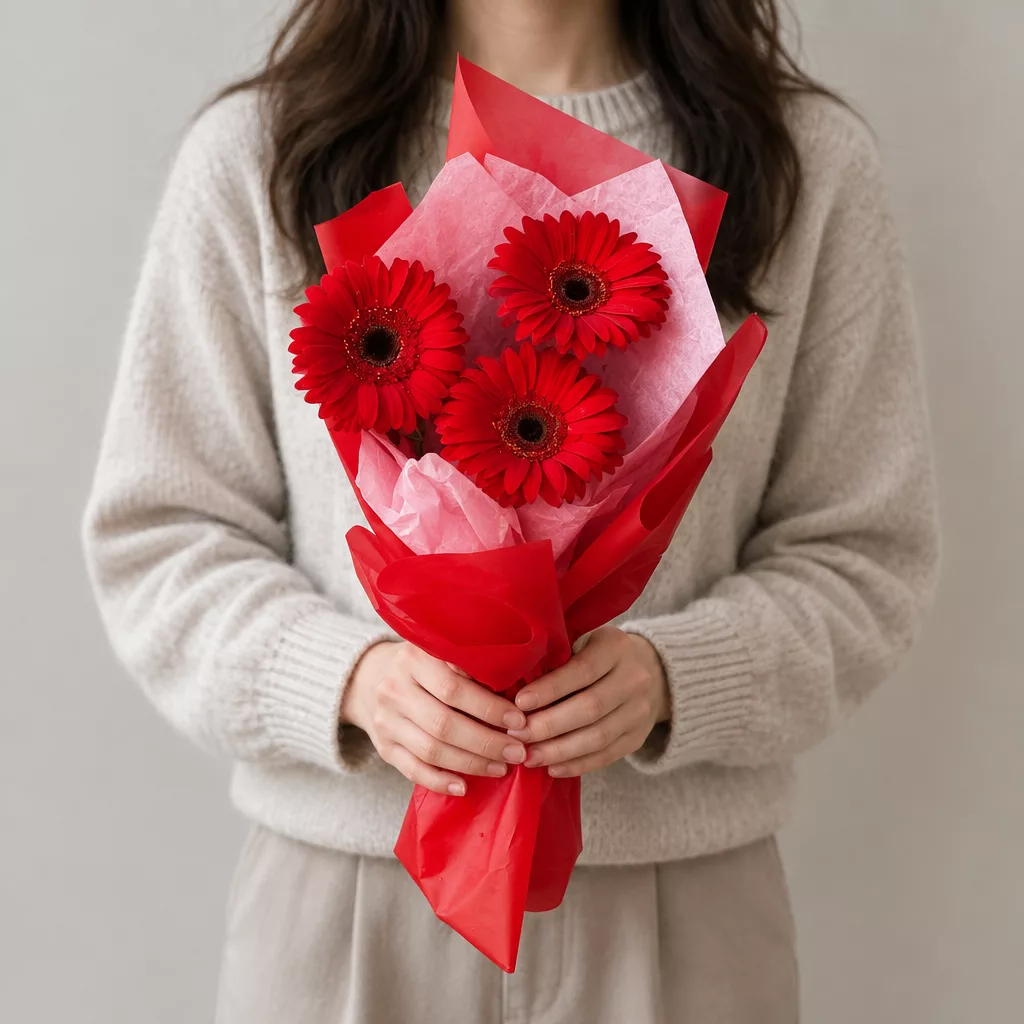
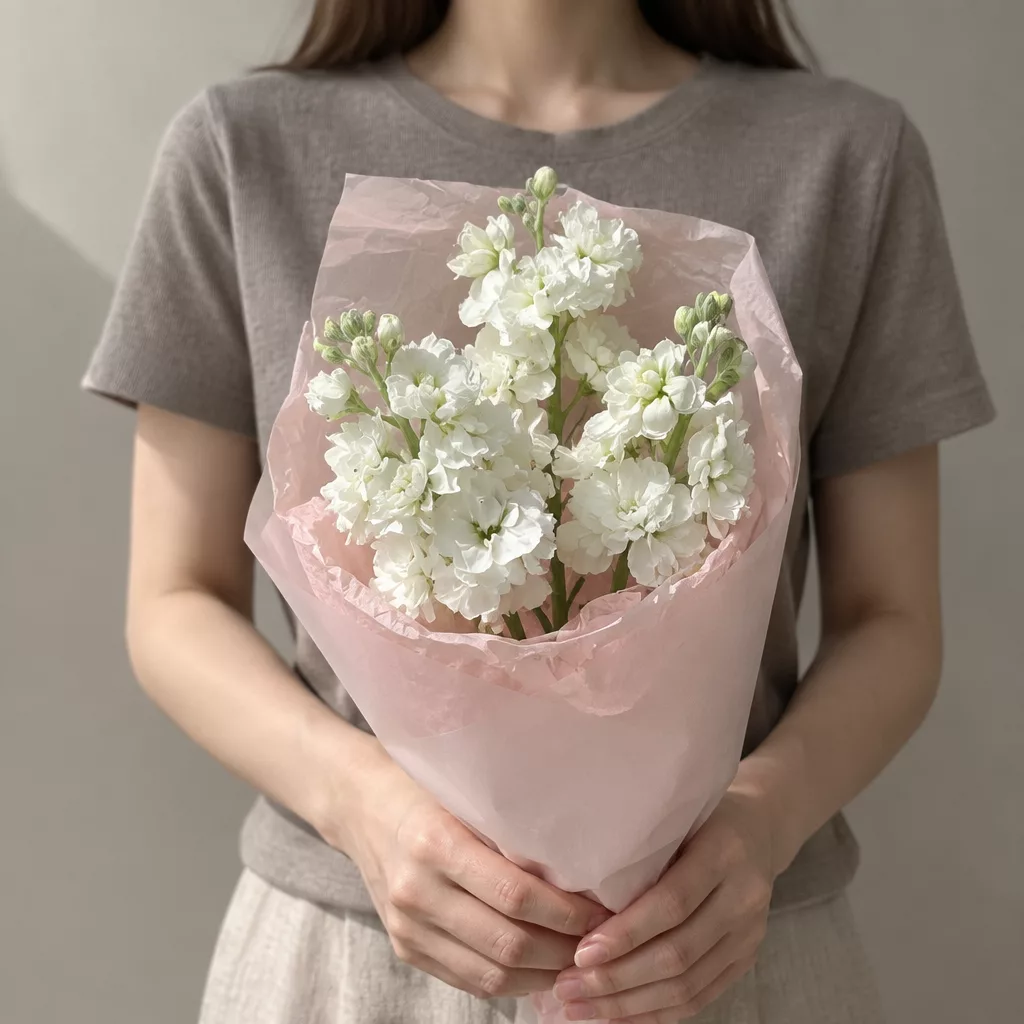
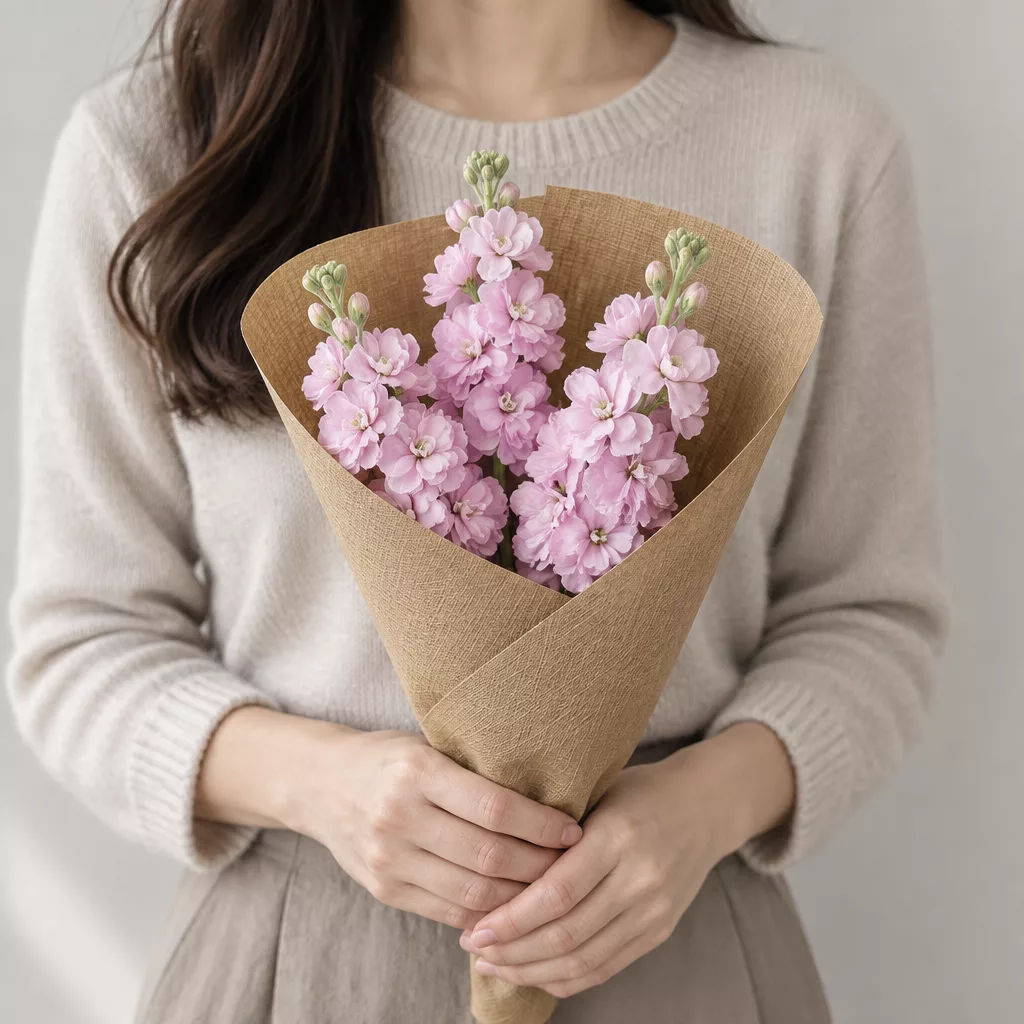
Bouquets we can deliver

Delivery Timing: What One to Two Hours Actually Means
When we say one to two hours, we mean from the moment the bouquet is assembled and checked, not from the moment you place the order. Assembly takes time — a florist works through the stems, strips the lower leaves, conditions the flowers in water, and builds the arrangement properly before it goes anywhere. Rushing that step produces a bouquet that looks tired by the time it arrives.
For Kotelniki, the road distance and traffic on the Novoryazanskoye Highway are the main variables. Morning orders placed before eleven typically move quickly. Midday and early afternoon can be slower because of delivery concentration. Friday evenings and the days before major Russian holidays — particularly International Women's Day on the eighth of March, which is the single biggest flower day in Russia — should be ordered as early as possible, ideally the day before.
If you are sending flowers as a surprise, the timing window you choose is important. We recommend selecting a two-hour window rather than a one-hour window for Kotelniki addresses, simply because road conditions south of the ring road can shift. A bouquet that arrives forty minutes later than expected is a small thing; a bouquet that arrives when nobody is home is a real problem. Consider asking the recipient to be available, or arrange with a neighbor or building concierge if the surprise must be preserved.
We track every order and can update you on courier progress. If anything changes on the road, we communicate proactively rather than leaving you to wonder.
Choosing Flowers for the Person, Not Just the Occasion
The most common mistake people make when ordering flowers is starting with the occasion rather than the person. An occasion tells you the mood; the person tells you the bouquet. A birthday bouquet for a woman in her sixties who keeps a dacha and grows her own tomatoes is a very different thing from a birthday bouquet for a twenty-five-year-old who has just moved into her first apartment.
For someone who loves the outdoors and natural textures, consider a loose, garden-style arrangement with ranunculus, lisianthus, and seasonal greenery like eucalyptus or ruscus. These flowers have an informal, gathered quality that feels personal rather than ceremonial. For someone whose taste runs more modern and minimal, a single-variety bouquet of white tulips or coral spray roses in a tight, structured form reads as considered and elegant.
In Russian culture, the number of flowers in a bouquet carries meaning — even numbers are traditionally associated with mourning, so always choose an odd number of stems. This is one of the customs that surprises people from outside Russia the most, and it is worth knowing before you order. Our florists always follow this convention automatically, but if you are building a custom order, keep it in mind.
Color also communicates. Red roses remain the most recognized romantic gesture in Russia. Yellow flowers, contrary to what some older traditions suggest, are now widely given and received positively — particularly yellow tulips in spring and sunflowers in summer. White arrangements feel celebratory and clean. Soft pinks and lilacs work beautifully for a new mother or a close friend.
Seasonal Flowers and What Arrives in Best Condition
Flowers that have traveled thousands of kilometers to reach Russia are not always in the same condition as flowers that are in their natural season. Understanding what is genuinely fresh at a given time of year helps you order something that will last.
In winter and early spring — from December through March — tulips, hyacinths, and alstroemeria are reliable choices. Roses are available year-round but tend to be at their most robust in cooler months, when they do not have to contend with summer heat during transport. Chrysanthemums are extraordinarily hardy and last well regardless of season, which makes them a practical choice for Kotelniki deliveries in July and August when temperatures can exceed thirty degrees Celsius.
Summer brings the most varied palette. Peonies appear in late May and June and are deeply loved in Russia — they are associated with warmth, generosity, and celebration. Sunflowers peak in July and August. Eustoma, also called lisianthus, blooms in soft purples and whites throughout summer and has a vase life of ten to fourteen days when properly conditioned.
Autumn is the season for dahlias, which arrive in extraordinary colors from deep burgundy to pale apricot. Freesias carry a strong, sweet fragrance that makes them memorable even in a mixed arrangement. Statice and dried elements are increasingly popular for autumn and can be combined with fresh stems to create something that lasts well beyond a week.
When you order, tell us the season you are in and the temperature conditions of the recipient's home — a heated apartment in January is very different from a cool hallway.
Bouquet Presentation and What Makes It Feel Special
A bouquet is not just the flowers. The way it is wrapped, tied, and handed over shapes how the recipient experiences the moment. We think about presentation the same way a good restaurant thinks about plating — the content matters, but so does everything around it.
For Kotelniki deliveries, we pack bouquets with care for the road. Stems sit in a small water source for longer journeys, and the outer wrapping protects against wind and temperature changes. In winter, flowers need insulation from cold air; in summer, they need protection from direct sun through a car window. These are not details you need to manage — they are part of what we do — but knowing they exist helps you understand why we ask for a realistic delivery window.
Russian recipients often expect flowers to arrive unwrapped or semi-wrapped so they can be placed directly into a vase. A tightly sealed bouquet that requires unpacking in layers can feel slightly impersonal. We use wrapping that is easy to open but still protective during transit — the recipient should not need scissors.
If you want to add a card, write something specific rather than something general. "Happy birthday" is warm but thin. A sentence about a shared memory, a joke, or a specific quality you admire in the person turns a bouquet into a conversation. We include handwritten cards on request, and the message you write is printed or written exactly as you give it to us. In Russia, receiving a personal note alongside flowers is considered a genuine gesture of attention, and it is remembered long after the flowers have faded.
Caring for Flowers After Delivery in Kotelniki
The bouquet's life after delivery depends almost entirely on what happens in the first hour. Most Russian apartments are kept warm, often between twenty-two and twenty-five degrees Celsius, which is comfortable for people but shortens flower life significantly. The recipient should unwrap the flowers immediately, cut the stems at an angle under running water — about two centimeters from the bottom — and place them in a clean vase with fresh, cool water.
Keep the vase away from radiators, which are common in Russian apartments and run warm from October through April. Direct sunlight shortens vase life too. A windowsill that gets afternoon sun looks beautiful but can reduce a tulip's life from a week to three days. A shaded spot on a table or sideboard is almost always better.
Change the water every two days and re-cut the stems each time. This is the step most people skip, and it makes the biggest difference. Bacteria build up in standing water and block the stems, preventing flowers from drinking properly. A small amount of sugar in the water — a teaspoon per liter — can extend life slightly, though commercial flower food sachets, if included with the bouquet, are more reliable.
Different flowers have different natural lifespans. Chrysanthemums and alstroemeria can last two to three weeks with good care. Tulips last five to seven days. Peonies are generous — seven to ten days when the room is not too warm. Roses sit comfortably at seven to ten days. Knowing what you have sent helps the recipient understand what to expect and care accordingly.
Common Questions People Have Before Ordering to Kotelniki
People who have not ordered flowers for delivery to Kotelniki before often have the same set of concerns, and most of them are easier to resolve than they expect.
The most frequent question is whether we can deliver to a specific new-build complex that opened recently. The answer is almost always yes — Kotelniki has seen significant residential construction, and we update our knowledge of new addresses regularly. If you are unsure, give us the full postal address including the postal code, and we will confirm.
Another common concern is same-day delivery for a forgotten occasion. This is possible, but it depends on the time of day. Orders placed before two in the afternoon have the best chance of same-day delivery. Orders placed after five in the evening are usually scheduled for the following morning, which we will confirm clearly at the time of order rather than leaving you uncertain.
People also ask whether the courier will call the recipient before arriving. We do this as standard practice. A brief call five to ten minutes before arrival means the recipient has time to come to the door, which avoids the awkward situation of a bouquet left with a neighbor or in a lobby. If the delivery is a surprise and you prefer no call, you can specify this in the order notes and we will find another way to coordinate.
Finally, people sometimes worry about the flowers being damaged in transit. We take responsibility for the bouquet's condition on arrival. If something arrives in poor condition, we resolve it — that is a straightforward commitment, not a complicated policy.
Sending flowers to Kotelniki is simpler than it might seem from a distance. The city is close, the roads are manageable, and a well-chosen bouquet assembled by someone who cares about the details will arrive in good condition and make a real impression. Start from the person you are sending to — their age, their taste, the season, the mood of the occasion — and let those details guide the choice. The logistics are something we handle. The thought behind the bouquet is something only you can provide, and that is the part the recipient will remember.
Frequently asked questions
Can you deliver flowers to Kotelniki on the same day I order?
Yes, same-day delivery to Kotelniki is available for orders placed before two in the afternoon. For orders placed later in the day, we will confirm whether same-day is possible or schedule delivery for the following morning. We always confirm the exact window at the time of ordering so there is no uncertainty on your end.
What is the best flower choice for a Kotelniki delivery in summer heat?
In summer, choose flowers with strong heat tolerance: chrysanthemums, alstroemeria, and sunflowers travel well above twenty-five degrees. Avoid delicate open peonies in July and August unless delivery is early morning. We pack all summer bouquets with extra care and recommend a shaded delivery window to protect the arrangement during transit.
Will the courier call my recipient before arriving?
Yes, our couriers call ahead as standard practice, typically five to ten minutes before arrival. This ensures someone is at the door and the bouquet does not sit in a lobby. If the delivery is a surprise and you prefer no advance call, note this when ordering and we will coordinate arrival carefully without spoiling the moment.
Why does the number of stems in a Russian bouquet matter?
In Russian tradition, even numbers of flowers are associated with mourning and are brought to funerals. For any celebratory or affectionate occasion, an odd number of stems is the correct choice. Our florists apply this automatically, but if you are customizing a bouquet yourself, always count to an odd number before finalizing.
How long will the flowers last after delivery to a Kotelniki apartment?
Vase life depends on the variety and how the flowers are cared for. Chrysanthemums and alstroemeria last up to three weeks; roses and peonies last seven to ten days; tulips five to seven days. The key steps are cutting stems under water on arrival, changing the water every two days, and keeping the vase away from radiators and direct sunlight.
Ready to send flowers?
Pick the city, choose the bouquet, and a local florist takes it from there.
Choose a city →