Sending Flowers to Kotlas? Here Is What to Expect
Kotlas sits in the Arkhangelsk region where winters are long and genuine, and a bouquet arriving at someone's door carries real weight — it says someone thought of them from far away, made a decision, and followed through. Whether you are sending roses to a mother on her birthday or peonies to a friend who just moved into a new flat, the flowers need to arrive looking as if they were cut that morning. This article walks you through everything: how delivery reaches Kotlas, which flowers travel best in northern temperatures, how to choose by occasion and budget, and how the recipient can keep the bouquet alive for as long as possible.
Why Kotlas Is Worth Sending Flowers To
Kotlas is a genuine northern city — a river port, a railway hub, a place where people have deep roots and mark occasions with real ceremony. Birthdays, anniversaries, graduations, the first day of school in September, International Women's Day on the eighth of March: these are all moments when flowers are expected and genuinely appreciated. If you have never sent flowers to someone in Russia before, the culture around gifting is warm and direct. The recipient will unwrap the bouquet immediately, show it to everyone in the room, and put it in the most visible spot in the flat.
Kotlas is not a small village — it has a real population, proper addresses, and a postal and courier infrastructure that functions year-round. That matters because it means a bouquet ordered in the morning can reach a specific apartment building, office or house by the afternoon. The city centre, the residential districts along the Northern Dvina river, and the areas near Kotlas South station are all reachable without the complications that affect truly remote settlements.
The northern latitude also means the recipient will likely be indoors when the flowers arrive, which is actually good for the bouquet. There is no hot car journey from a shop, no sitting in direct sun on a balcony. A well-packed arrangement handed to someone in a warm hallway is already halfway to a long vase life. That context shapes every decision we make about which flowers to send and how to pack them.
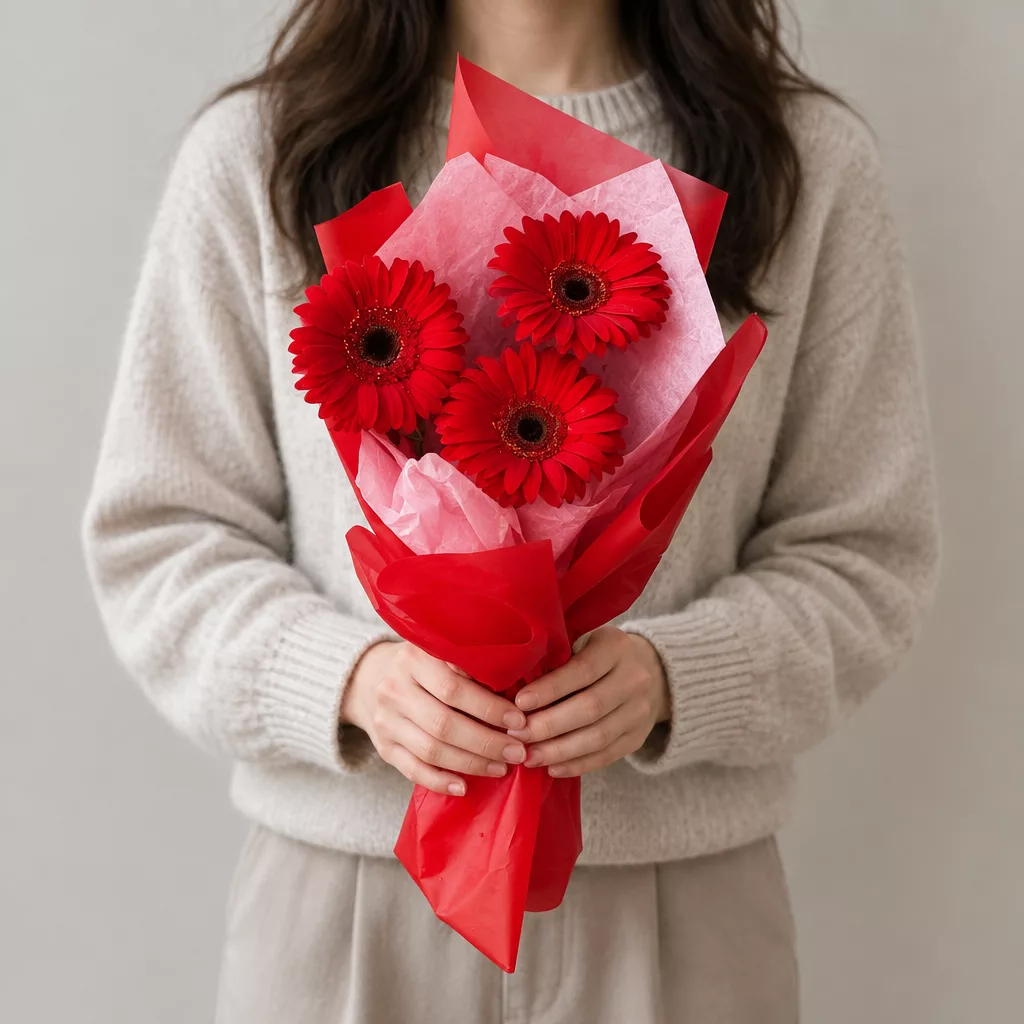
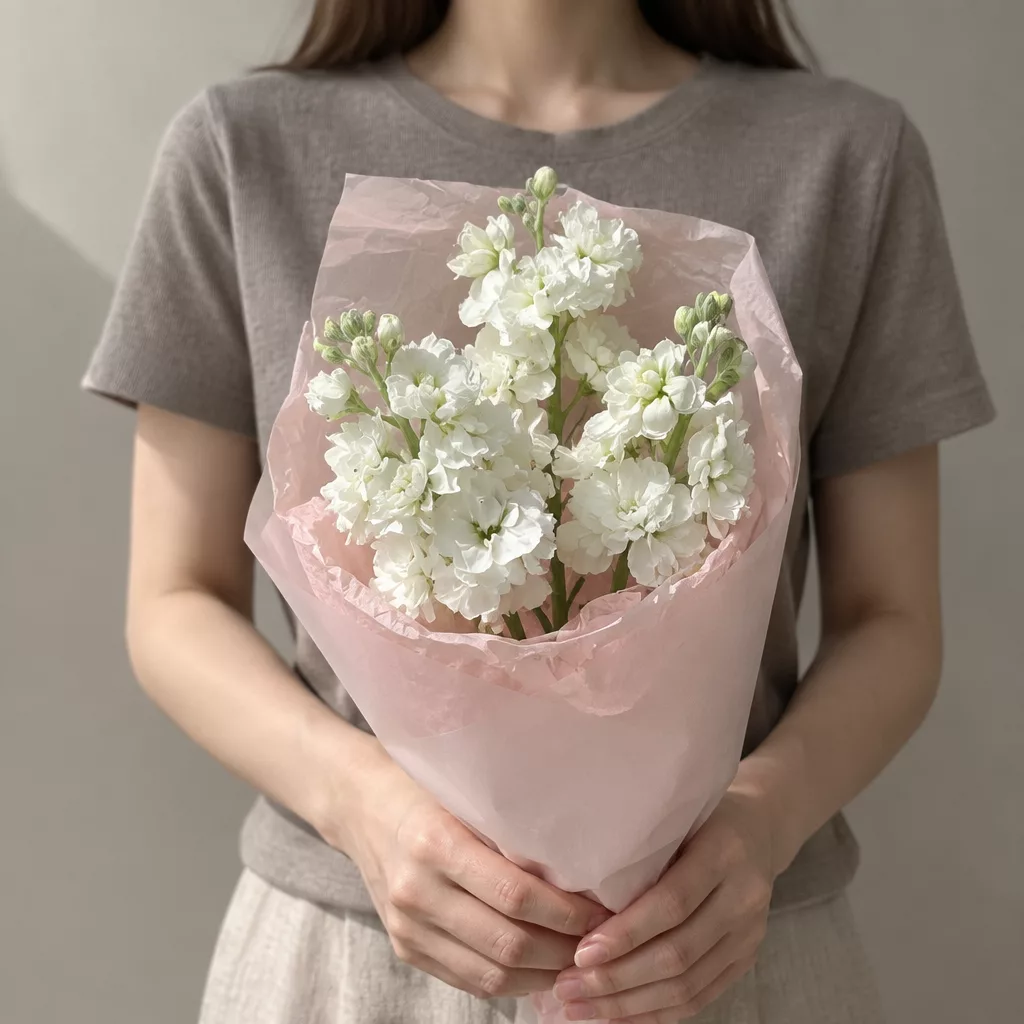
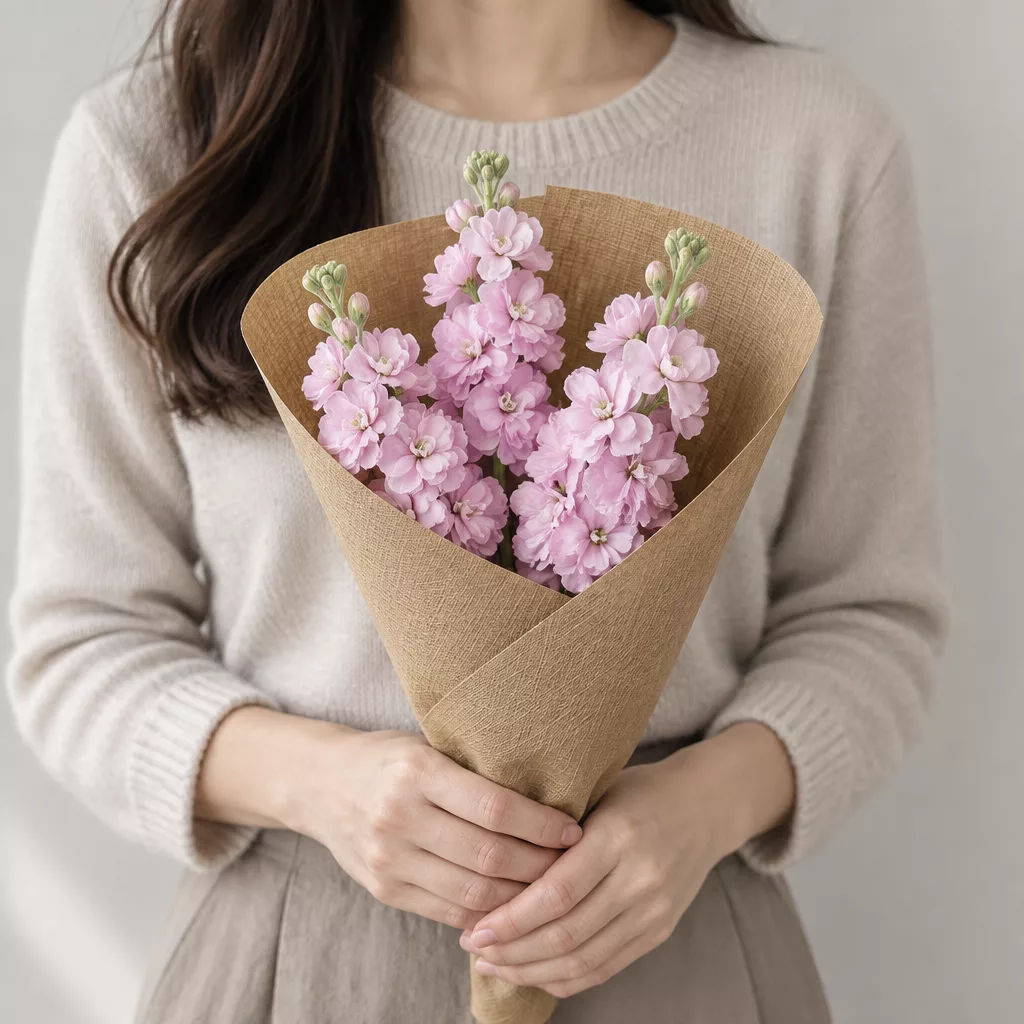
Bouquets we can deliver

Delivery Timing: What the Journey to Kotlas Actually Looks Like
Turboflora is based in Saint Petersburg, which means delivery to Kotlas is an intercity order — not the same as a same-day courier crossing a few neighbourhoods. The honest answer on timing is that orders placed with enough lead time arrive within one to two days, depending on when you place the order and which delivery window you select. For a birthday or anniversary, placing the order the day before is the safest approach. For a spontaneous gesture, same-day dispatch is possible for orders confirmed before the morning cut-off.
The route from Saint Petersburg to Kotlas is well-established. The distance is roughly 1,100 kilometres by road, and professional courier logistics handle this corridor regularly. What matters to you as the sender is not the route itself but the confirmation: you receive tracking information, and the recipient gets a notification before the courier arrives so they are not caught off guard.
Temperature is a real consideration on this route. In January and February, Kotlas regularly sees minus twenty degrees Celsius or colder. Flowers are packed in insulated materials that protect them during the final leg of the journey, but this is also why we do not recommend very delicate tropical blooms like anthurium or bird-of-paradise for winter deliveries to the north. Roses, spray chrysanthemums, alstroemeria, and carnations are all proven travellers in cold conditions. They arrive with closed or half-open buds, which actually extends vase life — the recipient watches them open over the following days, which feels like a gift that keeps giving.
Choosing Flowers for the Occasion, Not Just the Season
The most common mistake people make when ordering remotely is choosing flowers they personally like rather than flowers suited to the recipient and the moment. A dramatic all-black calla lily arrangement is striking in a photograph but can feel cold in a family home in Kotlas where the occasion is a grandmother's seventy-fifth birthday. Context matters as much as colour.
For birthdays, the warmest choices are peony-style bouquets when peonies are in season from May through July, and garden roses or lisianthus the rest of the year. Lisianthus, sometimes called eustoma, looks like a delicate rose but lasts eight to ten days in a vase — it is one of the best choices for a recipient who lives alone and will be tending the flowers herself.
For romantic occasions — anniversaries, Valentine's Day, the first serious gesture toward someone — red and deep pink roses remain the clearest signal in Russian culture. A mixed bouquet of garden roses with eucalyptus and white waxflower reads as thoughtful and contemporary without being confusing. White flowers in Russia are traditionally associated with formal or solemn occasions, so a fully white bouquet for a birthday can feel unintentionally muted. A touch of white within a coloured arrangement is perfectly warm.
For congratulations on a new job, a new home, or a graduation, sunflowers are genuinely beloved in Russia — they are cheerful, generous in size, and they photograph beautifully against any interior. A sunflower and solidago combination is one of the most reliably joyful arrangements we send north.
Bouquet Options Across Different Budgets
Spending more on flowers does not always mean a bigger bouquet — sometimes it means a longer-lasting one, or one that uses a single premium variety rather than a mix of fillers. Understanding this helps you make a decision you will feel good about regardless of what you spend.
At the entry level, a single-variety bouquet of spray roses or alstroemeria in a kraft paper wrap is honest and cheerful. Alstroemeria lasts ten to fourteen days in a vase, which is exceptional, and comes in a wide range of colours from cream to deep burgundy. This is a genuinely good choice for someone who appreciates flowers but lives a busy life and cannot fuss over a high-maintenance arrangement.
In the mid range, you can move to a mixed bouquet with a focal flower — garden roses or large-headed chrysanthemums — supported by greenery like ruscus or pistache and a secondary bloom like waxflower or statice. The result looks considered and generous without requiring the most expensive varieties.
At the upper end, Dutch garden roses in varieties like David Austin-style blooms, ranunculus in season from winter through spring, or a structured arrangement with premium foliage and a complementary ribbon finish — these are the choices when the occasion is significant and you want the recipient to feel it immediately. A large bouquet of ranunculus in blush and coral tones is one of the most photographed arrangements we make, and recipients in colder cities often tell us it feels like spring arriving in a box.
For any budget, adding a personalised card with a handwritten message transforms the delivery from a transaction into a moment.
What the Recipient Should Do When the Flowers Arrive
This section is worth sharing directly with the person receiving the bouquet, especially if they are not accustomed to caring for cut flowers. The first ten minutes after unwrapping matter more than almost anything else.
The stems should be cut at an angle — about two centimetres from the bottom — using a sharp knife or scissors, and this should be done while holding the stems under running water or submerging them in a basin. Cutting at an angle increases the surface area for water uptake, and cutting underwater prevents an air bubble from sealing the stem. This single step can add two or three days to the vase life of roses and chrysanthemums.
The vase should be clean and filled with cool, fresh water. Flowers in Kotlas during winter are arriving from a cold journey and will appreciate a stable cool environment — a room at eighteen to twenty degrees Celsius is ideal. Keep them away from radiators, which are running hard all winter in northern Russia, and away from fruit bowls. Ripening fruit releases ethylene gas, which accelerates wilting in flowers, particularly in roses and lisianthus.
Remove any leaves that will sit below the waterline. Submerged leaves rot quickly and cloud the water, which shortens the life of every stem in the vase. Change the water every two days and re-cut the stems each time. With this routine, a well-chosen bouquet in Kotlas should look beautiful for seven to ten days, and hardier varieties like alstroemeria or carnations can last up to two weeks.
Russian Flower Customs Worth Knowing Before You Order
If you are sending flowers to someone in Kotlas from outside Russia, a few cultural details will help you choose more confidently and avoid an accidental misstep.
The most widely known convention is the odd-number rule: bouquets given as gifts should contain an odd number of stems — one, three, five, seven, eleven, fifteen, and so on. Even numbers are associated with mourning and are left at graves. This is taken seriously across generations, and florists in Russia count carefully. When you order from Turboflora, this is handled automatically, but it is worth knowing so you understand why a bouquet of twelve roses is never offered as a gift option.
Yellow flowers carry a complicated reputation in Russian popular culture. The old superstition links yellow blooms to separation or infidelity, though this belief is stronger among older generations and in more traditional regions. Kotlas is a northern city with a mix of generations, so if you are sending to someone over fifty, it is safer to choose another colour unless you know the recipient specifically loves yellow. Sunflowers are a notable exception — they are universally cheerful and no one applies the superstition to them.
Giving a potted plant instead of a cut bouquet is increasingly common in Russian cities, especially for housewarming occasions. A potted orchid or a small succulent arrangement reads as modern and practical. However, for birthdays and romantic occasions, a fresh cut bouquet remains the warmer and more emotionally resonant choice. The gesture of something beautiful that requires care, even briefly, carries a different meaning than something permanent.
How to Place an Order and Track It to the Door
Ordering flowers for delivery to Kotlas from Turboflora is designed to be straightforward even if you are placing an order for the first time or doing it from abroad. The key information you need to have ready is the recipient's full name, their phone number, and their complete address including the apartment number and entrance code if there is one. In Russian cities, many residential buildings have a door code or intercom system, and without it the courier cannot enter. This small detail causes more failed deliveries than anything else.
Once the order is confirmed, you receive a message with the expected delivery window. The recipient is contacted before arrival — typically by phone or message — so they can be at home or arrange for a neighbour to receive the bouquet. If the recipient is not available, the courier will attempt to reach them and, if necessary, leave the flowers in a safe location agreed upon with the building management.
You can monitor the status of your order through the confirmation details provided at the time of purchase. If anything changes — if the recipient has moved temporarily, or if you want to add a last-minute card message — contact the team as early as possible after placing the order. Changes are easier to accommodate before the bouquet is assembled and dispatched.
The most important thing to remember is lead time. For a guaranteed delivery on a specific date in Kotlas, placing your order at least twenty-four hours in advance gives the logistics the space to work properly. For major holidays like March 8th or February 14th, ordering three to five days ahead is strongly advisable, as demand across all northern cities increases sharply and delivery windows fill quickly.
Kotlas may be far from Saint Petersburg on a map, but a bouquet can bridge that distance in a way that a message or a call simply cannot. The flowers arrive in person, they fill a room with colour and scent, and they sit on a table reminding the recipient for a week or more that someone cared enough to send something real. Choose the variety for the person, not for the photograph. Give the recipient the care instructions so the flowers last. And order with enough lead time to let the logistics do their job. The rest takes care of itself.
Frequently asked questions
Can I order flowers for same-day delivery to Kotlas?
Same-day delivery to Kotlas is possible for orders placed before the morning cut-off time, but it depends on the current logistics schedule. For guaranteed same-day arrival, it is safest to confirm availability with the team directly when placing your order. For important occasions, ordering the day before removes all uncertainty.
Which flowers hold up best during winter delivery to a northern city like Kotlas?
Roses, spray chrysanthemums, alstroemeria, carnations, and lisianthus all travel reliably in cold conditions and arrive with closed buds that open over several days. Very delicate tropical varieties are less suitable for long cold-weather routes. The bouquet is packed in insulated materials to protect it during the final stage of delivery.
Do I need to include the apartment entrance code when ordering?
Yes, and this is one of the most important details to get right. Many residential buildings in Russian cities have a door code or intercom entry system. Without it, the courier cannot reach the recipient's floor. Include the entrance number, apartment number, and any door code in the delivery notes when placing your order.
Is it true that flowers in Russia should always come in odd numbers?
Yes, this is a genuine and widely observed custom. Bouquets given as gifts should contain an odd number of stems — even numbers are associated with mourning rather than celebration. Turboflora follows this rule automatically when assembling every gift bouquet, so you do not need to count yourself, but it is useful to understand why.
How should the recipient care for the bouquet once it arrives in winter?
Cut the stems at an angle under running water immediately after unwrapping, place them in a clean vase with cool fresh water, and keep them away from radiators and fruit. Change the water every two days and re-cut the stems each time. With this routine, most bouquets will stay fresh for seven to ten days even in a heated northern apartment.
Ready to send flowers?
Pick the city, choose the bouquet, and a local florist takes it from there.
Choose a city →