Flower Delivery in Kotovo: Timing, Choices and What Arrives at the Door
Kotovo is a quiet Volgograd Oblast town where a bouquet arriving at someone's door is still a genuine event. Whether you are sending flowers to a colleague for a work anniversary, to a grandmother on her birthday, or to a friend who just moved into a new flat, the gesture lands differently here than in a big city — it is more personal, more noticed, and remembered longer. That is exactly why getting the details right matters.
What Kotovo Looks Like as a Delivery Area
Kotovo sits in the northern part of Volgograd Oblast, a compact town with well-defined residential districts and a straightforward road layout. That simplicity works in your favour when you are ordering flowers. There are no labyrinthine ring roads or restricted delivery zones to navigate, and addresses are generally easy to confirm with a single phone call to the recipient or a neighbour.
Delivery reaches both the central streets and the quieter residential outskirts without extra complications. If you are sending to a private house rather than a flat, it helps to include a landmark or gate colour in the address field — details like that shave minutes off the final approach and keep the flowers looking their freshest when the door opens.
The town's size also means that once a courier is on route, the journey from one end to the other is short. That matters more than people realise. A bouquet of garden roses or sweet peas sitting in a warm car for forty minutes loses petals and fragrance noticeably. The compact geography of Kotovo keeps that window small, which is one practical reason local delivery here tends to produce better results than long cross-city runs in larger places.
If you are ordering from outside the region — from Moscow, Saint Petersburg or another city — you can place the order online and specify the Kotovo address in full. The process is the same as ordering for any other Russian city, and the recipient does not need to do anything in advance.
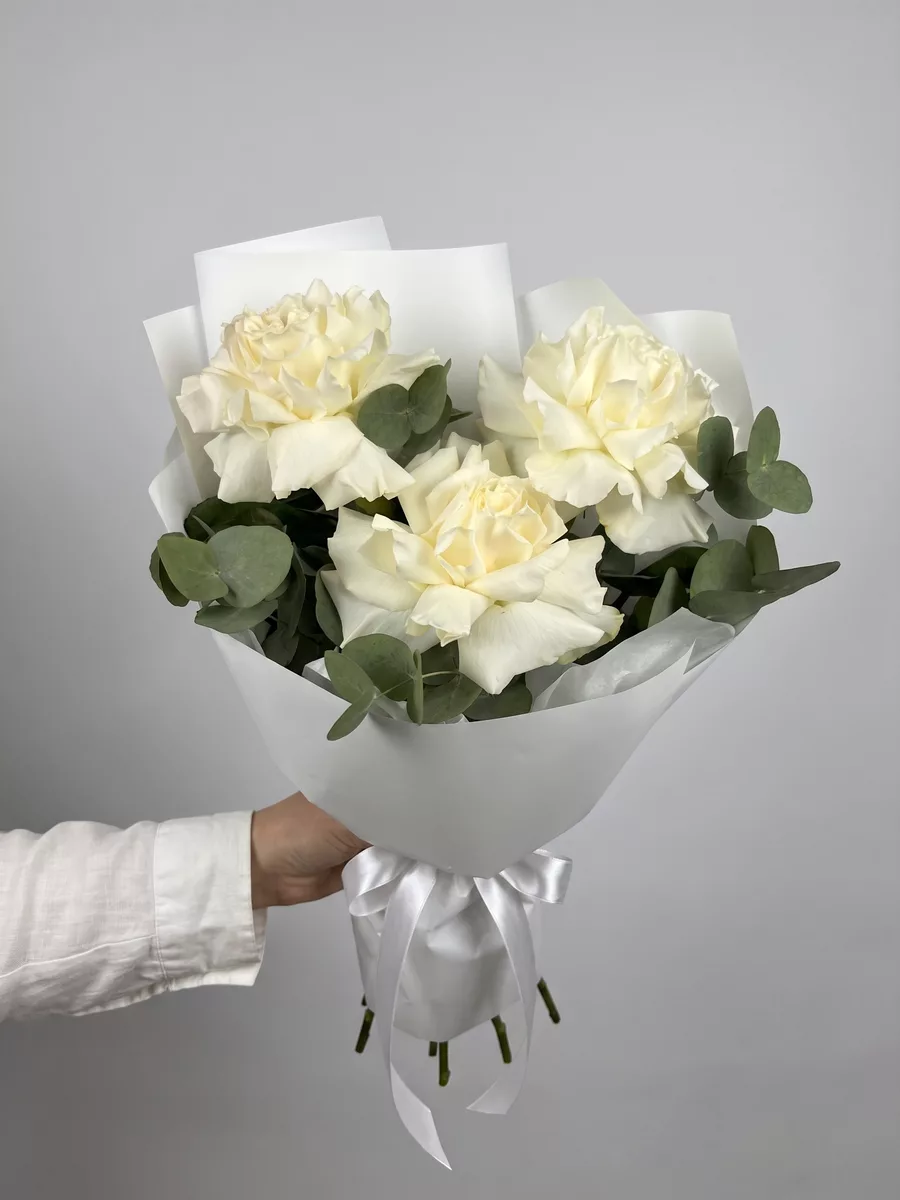
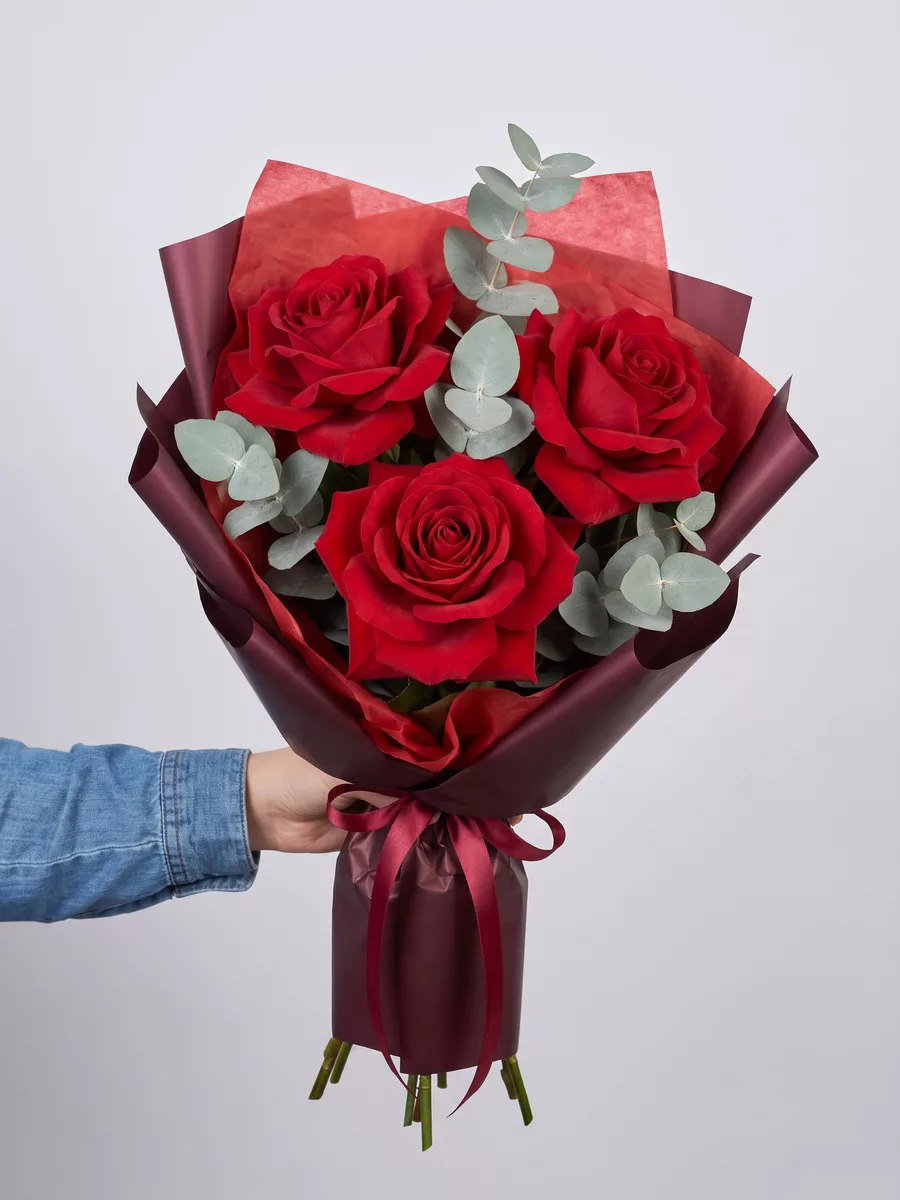
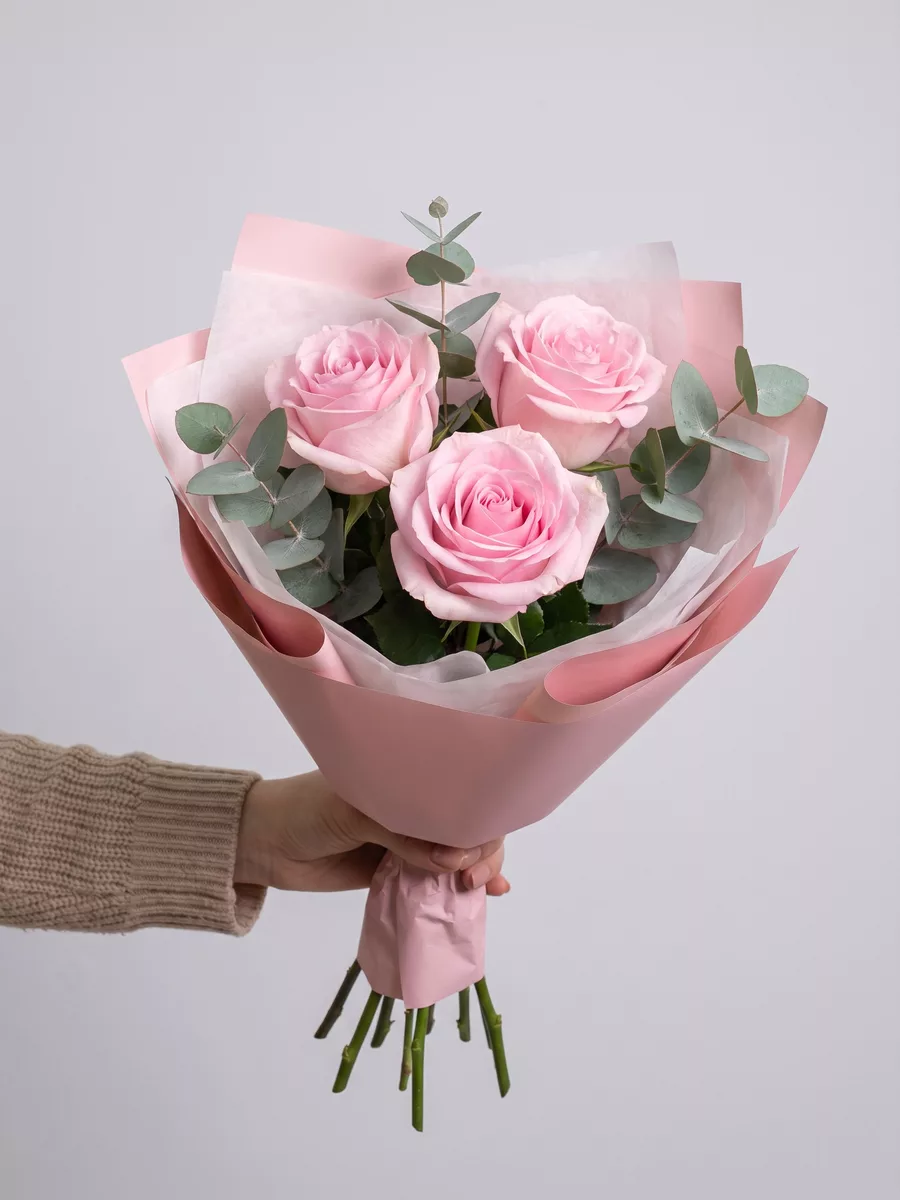
Bouquets we can deliver

Timing Your Order for the Moment That Counts
The standard delivery window Turboflora works within is one to two hours from the moment your order is confirmed. In a town the scale of Kotovo, that window is realistic and consistently achievable, provided you place the order during working hours and give a complete address. Same-day delivery is available, and for most occasions it is exactly what people need — birthdays are often remembered the morning of, not the week before.
If the occasion has a fixed time — a graduation ceremony, a work event, a dinner at seven — it is worth ordering two to three hours ahead rather than cutting it close. That buffer absorbs any small variable: a road closure, a recipient who stepped out briefly, a bouquet that needs a few extra minutes of preparation because you chose something elaborate.
Morning deliveries, roughly between nine and noon, are popular for birthdays because the recipient has the whole day to enjoy the flowers and show them to visitors. Evening deliveries before eight work well for romantic gestures or surprises after work. Midday slots are often chosen for office or workplace addresses, where someone is reliably present.
One thing worth knowing: if you want the courier to call ahead before arriving, you can request that in the order notes. Some recipients prefer a quiet knock; others appreciate a heads-up, especially if they live in a building with a locked entrance. Specifying this takes ten seconds and prevents the small frustration of a missed delivery on what should be a happy day.
Choosing Flowers for the Person, Not Just the Occasion
The most common mistake when ordering flowers remotely is thinking about the occasion first and the person second. The occasion sets the general register — celebratory, tender, cheerful — but the person tells you which flowers actually belong in the bouquet. A woman in her sixties who keeps a vegetable garden will respond to lisianthus and spray chrysanthemums differently than a twenty-five-year-old who follows design accounts and expects something architectural and unusual.
For a warm, classic Russian birthday gift, roses remain the benchmark. Red roses carry a romantic weight that is understood universally in Russia, so unless the relationship is clearly romantic, a mixed palette — cream, blush, coral — reads as celebratory rather than declarations of love. Peonies, when in season between late spring and early summer, are an excellent alternative: generous, fragrant, and deeply appreciated by most age groups.
For something lighter and more playful — a housewarming, a thank-you, a get-well gesture — freesias, ranunculus and alstroemeria hold up well in transit and bring colour without heaviness. Sunflowers are perennially popular in the Volga region and carry an uncomplicated cheerfulness that works across generations.
If you are genuinely unsure, a mixed seasonal bouquet assembled by the florist is a safer choice than a single-variety arrangement picked without knowing the recipient's taste. The florist will balance textures, heights and colours in a way that looks intentional rather than random, and seasonal flowers are always at their freshest point.
How Temperature and Season Affect What You Order
Kotovo has a continental climate with cold winters and hot summers, and that range has a direct effect on which flowers travel well and which ones need extra care. In January and February, temperatures regularly drop well below minus fifteen degrees Celsius. Delicate flowers like garden roses with many open petals, or hydrangeas in full bloom, are vulnerable to frost damage during even a short journey from a warm vehicle to a cold doorstep.
In winter, florists typically wrap bouquets in several layers of kraft paper and sometimes a protective sleeve specifically designed to buffer against temperature shock. If you are ordering in deep winter, it is worth choosing flowers with tighter, more robust buds — roses that are still partially closed, tulips, or alstroemeria — rather than fully open blooms that lose petals quickly when exposed to cold air.
Summer brings the opposite challenge. Temperatures in Kotovo in July and August can climb above thirty degrees Celsius, and a bouquet sitting in a hot car, even briefly, will wilt faster than expected. Flowers with a high water content — hydrangeas, gerberas — are the most vulnerable. In summer, the courier keeps the vehicle cool and moves quickly, but you can also choose sturdier varieties like statice, echinacea or solidago as supporting elements that hold structure in heat.
Spring and early autumn are the most forgiving seasons for flower delivery. The temperatures are moderate, the seasonal availability is at its widest — tulips and daffodils in March and April, dahlias and late roses in September — and bouquets arrive looking exactly as they were assembled.
Presentation and Wrapping: What the Recipient Actually Sees
The first impression is the wrapping, not the flowers. A beautifully assembled bouquet in careless packaging feels like a gift that was almost thought through. Conversely, a modest but well-wrapped arrangement with a handwritten card feels considered and personal. This is something working florists notice that customers sometimes overlook when ordering online.
Turboflora wraps bouquets in kraft paper or a combination of kraft and tissue, depending on the style of the arrangement. Structured, architectural bouquets — those built around tall stems like lisianthus, snapdragons or ornamental grasses — tend to be wrapped more loosely to preserve their shape. Rounder, softer arrangements of roses or peonies are gathered more tightly so the blooms support each other during transit.
A ribbon or twine at the base is standard. If you want a specific colour scheme for the wrapping — to match a party theme or the recipient's favourite colour — you can note this in the order. It is a small detail that people notice and appreciate.
The card is worth taking seriously. In Russia, birthday cards often include a wish for health, happiness and success — not just a brief happy birthday. If you are writing from abroad or are unfamiliar with the convention, a warm and specific sentence or two is far better than a generic line. Mentioning something personal — a shared memory, a quality you admire — makes the card something the recipient keeps rather than discards with the packaging.
If the delivery is a surprise, you can ask the courier to hand the bouquet without announcing who it is from, leaving the card to do the reveal. This works particularly well for romantic gestures.
Keeping Flowers Fresh After They Arrive
A bouquet that arrives in perfect condition can still look tired within two days if it is not cared for correctly. The most common mistake is putting flowers straight into a tall vase with too much water and leaving them near a window in direct sunlight. Sunlight accelerates wilting, and standing water that is not changed becomes a breeding ground for bacteria that shortens vase life significantly.
The right approach is straightforward. Trim each stem at a forty-five-degree angle with a sharp knife — not scissors, which crush the stem tissue — immediately before placing them in water. This angle maximises the surface area through which the stem draws water. Remove any leaves that fall below the waterline, because submerged foliage rots quickly and clouds the water.
Change the water every two days and re-trim the stems each time. Keep the bouquet away from radiators, which are a real factor in Russian homes during the heating season, and away from fruit bowls — ripening fruit releases ethylene gas, which causes flowers to age faster. A cool room at night extends vase life noticeably.
Different flowers have different lifespans. Chrysanthemums and alstroemeria regularly last ten to fourteen days with proper care. Roses typically give seven to ten days. Tulips are shorter — five to seven days — but they continue to open and move after cutting, which many people find beautiful rather than a flaw. Freesias fade faster but fill the room with fragrance while they last, which is its own kind of value.
If the recipient is someone who does not usually keep flowers, a simple care note tucked into the bouquet alongside the card makes a thoughtful addition.
Making the Order Work When You Are Far Away
A significant portion of flower orders to Kotovo come from people who live elsewhere — in Moscow, Saint Petersburg, Yekaterinburg, or even abroad. Ordering for someone in a town you may never have visited requires a small amount of trust, and it helps to know what to prepare before you place the order.
Have the recipient's full address ready, including the flat number and entrance number if applicable. Russian residential buildings often have multiple entrances, numbered separately, and an incorrect entrance number is the single most common cause of a delayed delivery. If you are not sure of the entrance number, it is worth a quick message to the recipient or a family member who can confirm it without spoiling a surprise.
A working phone number for the recipient is essential. The courier may need to call if the building entrance is locked or if there is no answer at the door. If the delivery is a surprise and you do not want the recipient called in advance, you can provide an alternative contact — a neighbour, a family member, a colleague — who can receive the bouquet or open the entrance.
You can add a personal note to the order specifying anything particular: the recipient's language preference for the card, a request to deliver to the workplace rather than the home address, or a preference for the courier to leave the bouquet with a neighbour if there is no answer. These notes are read and acted on, not ignored.
Ordering across time zones is straightforward — the website processes orders around the clock, and delivery timing is calculated from the moment the order is confirmed, not from when it was placed.
Kotovo may be a smaller town on the map, but a bouquet delivered there with care and good timing carries the same weight as one sent anywhere else — perhaps more, because it is less expected. The details that make it work are not complicated: a complete address, a flower choice suited to the person rather than just the occasion, wrapping that holds up in transit, and a card that says something real. Get those right and the flowers do the rest.
Frequently asked questions
Can I order flowers to Kotovo from another city?
Yes, you can place an order from anywhere in Russia or abroad through the Turboflora website. Enter the Kotovo address in full, including the flat and entrance number, provide the recipient's phone number, and choose your delivery window. The order is processed immediately and delivery follows within the standard one-to-two-hour window from confirmation.
What happens if the recipient is not home when the flowers arrive?
The courier will call the recipient before or upon arrival. If there is no answer, you can provide an alternative contact in the order notes — a neighbour, colleague or family member who can receive the bouquet. For surprises, you can specify a backup contact without revealing who sent the flowers, so the gesture remains intact.
Which flowers travel best to Kotovo in winter?
In cold weather, flowers with tighter buds hold up better than fully open blooms. Partially closed roses, tulips and alstroemeria are good winter choices. The bouquet is wrapped in protective layers to buffer against temperature shock, but choosing sturdier varieties reduces the risk of petal damage during the brief exposure to freezing outdoor temperatures.
How long will the bouquet stay fresh after delivery?
With basic care — trimmed stems, clean water changed every two days, a cool spot away from direct sun and radiators — most bouquets last seven to ten days. Chrysanthemums and alstroemeria can reach fourteen days. Tulips are shorter at five to seven days but continue to open beautifully after cutting, which many recipients enjoy watching.
Can I request a specific wrapping colour or style for the bouquet?
Yes. Add a note in the order specifying the wrapping colour, ribbon preference or any presentation detail you have in mind. Florists read these notes during assembly and will accommodate requests where materials allow. Matching wrapping to a party colour scheme or the recipient's favourite colour is a small touch that makes the bouquet feel more personal.
Ready to send flowers?
Pick the city, choose the bouquet, and a local florist takes it from there.
Choose a city →