Flower Delivery in Kotovsk: Timing, Choices and What Arrives at the Door
Ordering flowers for someone in Kotovsk feels straightforward until you start wondering whether the roses will still look fresh after the journey, whether the courier will call ahead, and what happens if the recipient is not home. These are fair questions, and this article answers all of them plainly — from how we cover the city to which flowers survive the trip best in July heat or January frost.
Which Parts of Kotovsk We Deliver To
Kotovsk is a compact city in the Tambov region, and we cover it in full — the central districts around Sovetskaya Street, the residential areas along Michurina and Komsomolskaya, the quieter neighbourhoods near the chemical plant district, and the private house zones on the outskirts. If the address has a postcode and a street name, we can reach it.
The city's size actually works in your favour. Because Kotovsk is not sprawling, a courier does not need to navigate a maze of ring roads to get from one end to the other. That keeps delivery windows tight and predictable rather than vague.
One thing worth knowing: if the delivery address is a private house rather than an apartment block, it helps to include a landmark or a gate description in the comments field when you order. Kotovsk has several streets where house numbering jumps around, and a short note — 'green fence, second house past the school' — saves everyone time and keeps the bouquet looking its best rather than sitting in a warm car while the courier searches.
We also deliver to workplaces, offices, schools and public institutions in the city. Sending flowers to a colleague's desk or a teacher on their professional holiday is completely normal here, and we handle those deliveries with the same care as home orders.
Bouquets we can deliver

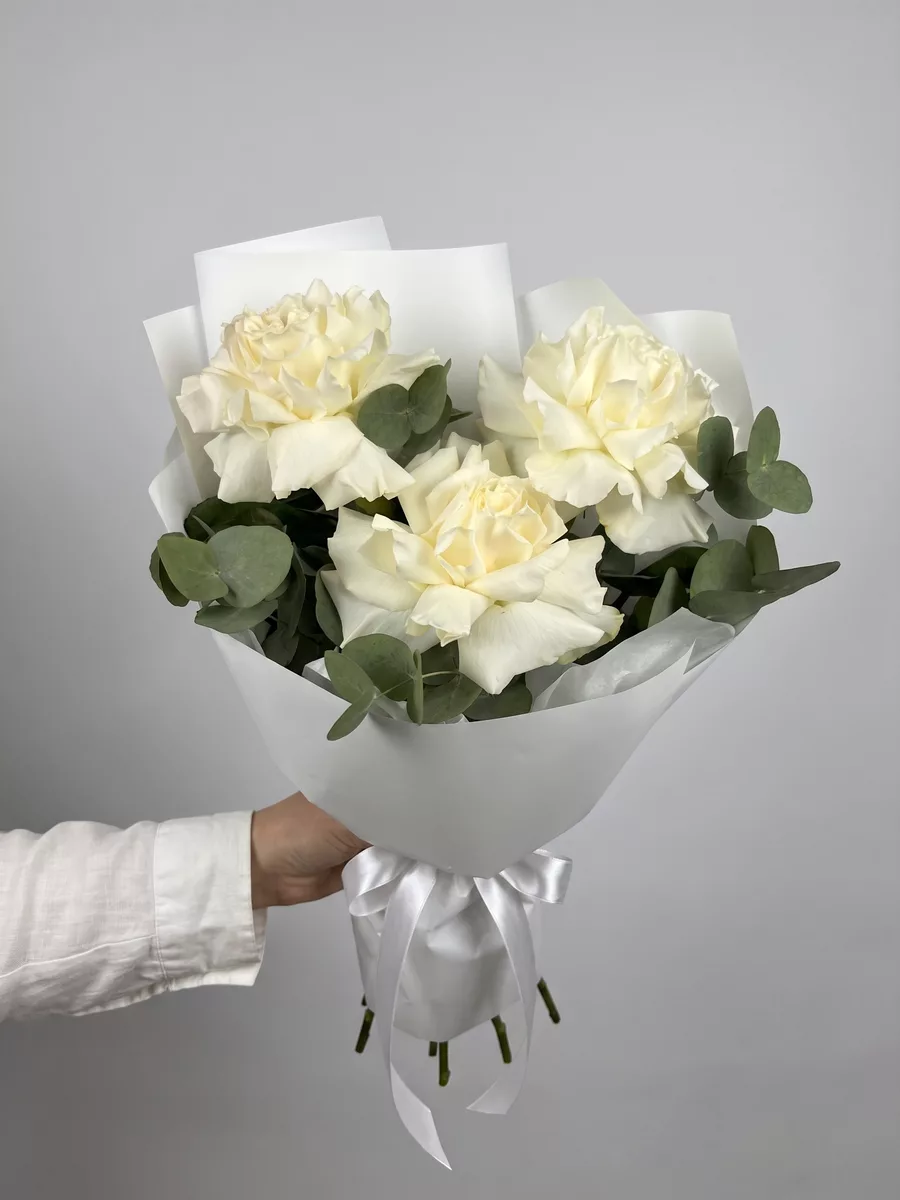
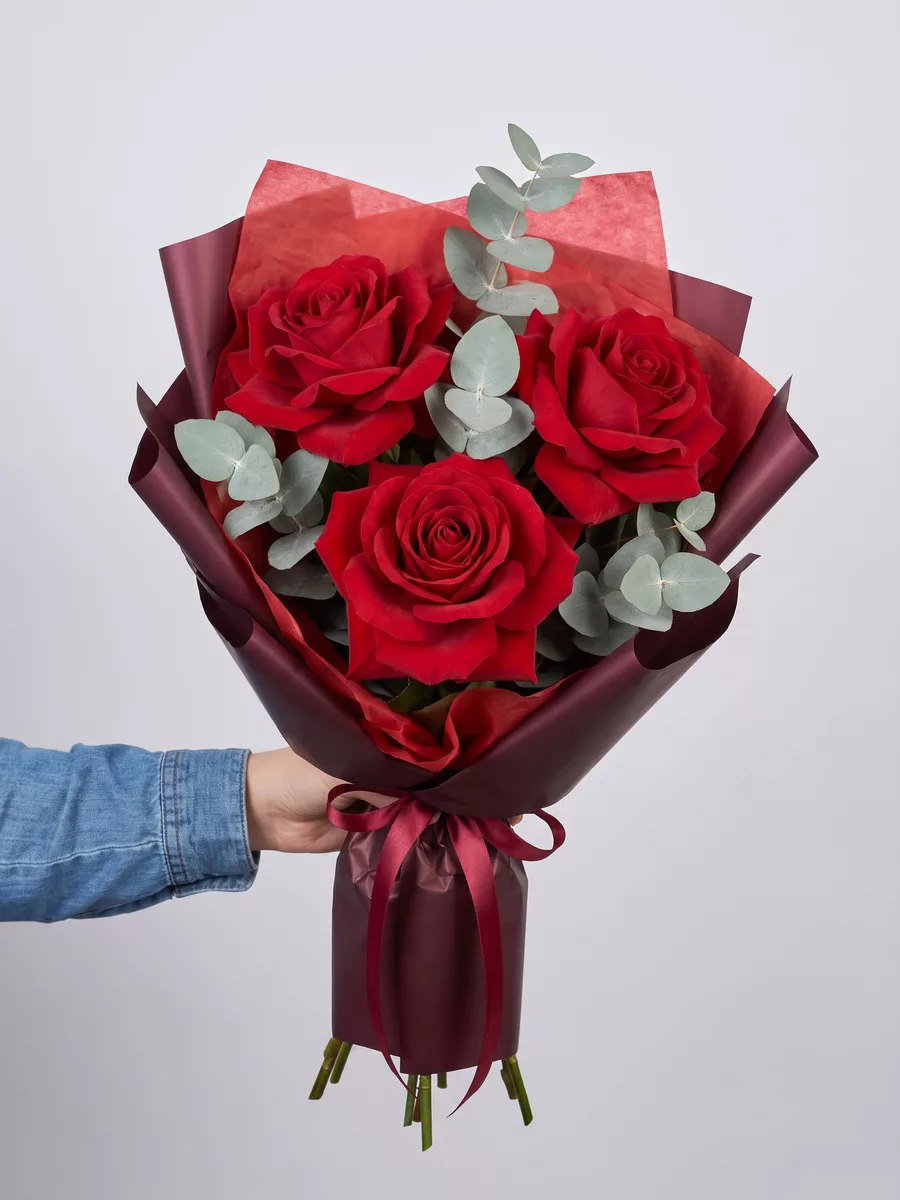
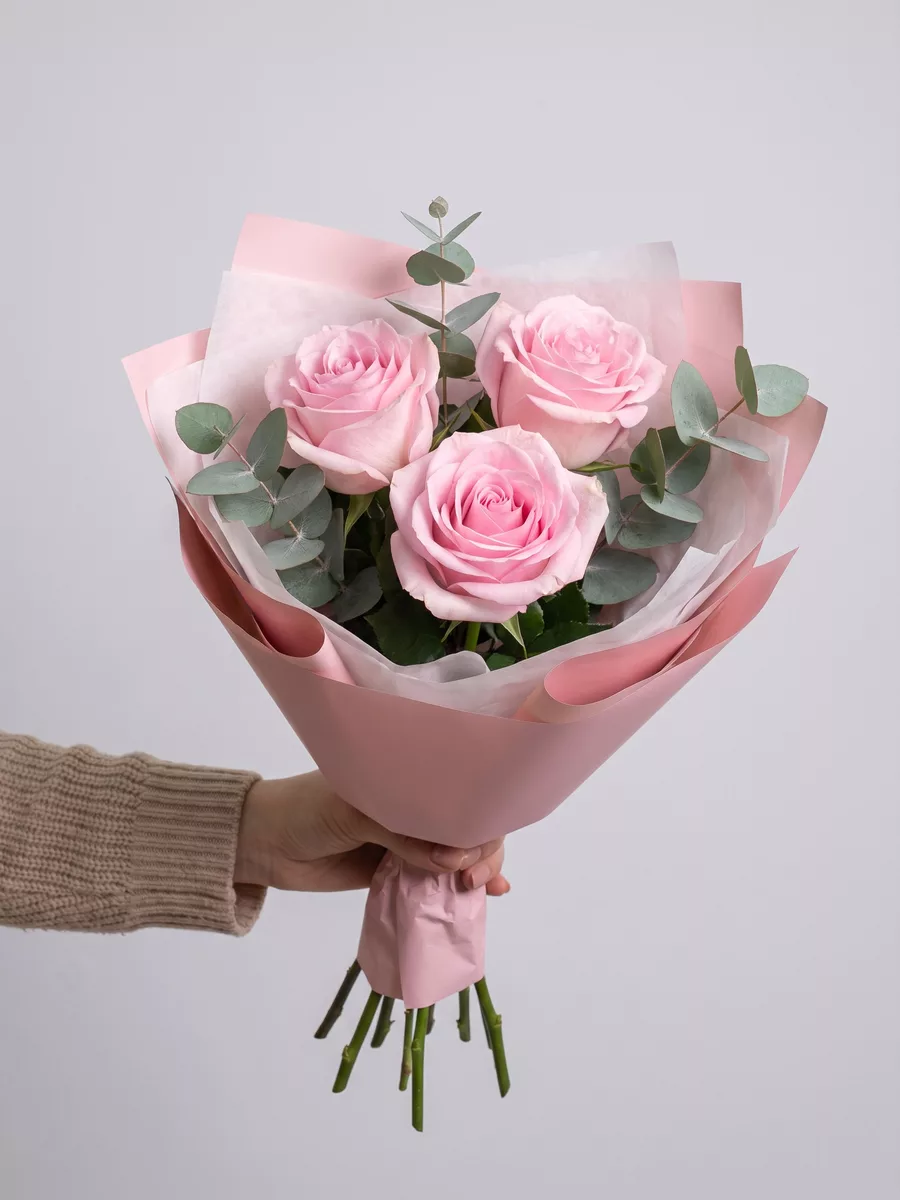
Timing: When the Flowers Actually Arrive
Our standard delivery window for Kotovsk is one to two hours from the moment you confirm your order. That window applies during our operating hours, and it is a real working target rather than a polite estimate. The courier leaves with a fresh bouquet, not one that has been sitting in a warehouse since morning.
For planned occasions — a birthday, an anniversary, the first day of school on September the first — it is worth ordering the evening before or at least a few hours in advance. This lets us prepare the composition carefully, condition the stems properly and schedule the courier run without rushing. A bouquet assembled without haste simply looks better when it arrives.
Same-day orders placed in the morning for an afternoon delivery are very manageable. Orders placed late in the evening for delivery that same night depend on our current schedule, so it is always worth checking availability by phone or through the site rather than assuming.
We ask couriers to call the recipient about fifteen minutes before arrival. This matters because nobody wants a surprise bouquet left on a cold staircase landing. If the person is at work or stepping out briefly, we can coordinate a short wait or arrange a handoff to a neighbour or colleague — whatever suits the situation. The goal is for the flowers to land in warm hands, not on a doorstep.
Choosing Flowers for the Occasion, Not Just the Budget
Start from the person, not the price tag. Think about what they actually like — do they have a garden full of dahlias at their dacha, or do they keep a single orchid on the windowsill? Someone who grows their own peonies every summer will notice and appreciate a beautifully arranged garden-style bouquet far more than a formal dozen red roses.
For a birthday, mixed seasonal compositions tend to feel more personal than a single-variety arrangement. Combine spray roses with alstroemeria and eucalyptus for volume and a long vase life. Lisianthus adds a soft, almost peony-like fullness without the peony price, and it holds well even in centrally heated rooms.
For a romantic occasion, the classic single-colour rose bouquet still works — but the variety matters. Garden roses with cupped heads and a gentle scent read very differently from tight hybrid tea buds. Ask us to specify a scented variety if fragrance is part of the gesture.
For a teacher or a colleague — a common occasion in Russia around professional holidays in October and February — chrysanthemums remain a culturally familiar and genuinely appreciated choice. A mixed arrangement with santini chrysanthemums, solidago and a few stems of statice has excellent vase life, which matters when the recipient will carry it home on public transport after a long day.
For a new baby or a housewarming, soft colours and gentle textures work best: white and blush lisianthus, pale green hydrangea, or freesia, which also brings a clean, light fragrance into a new space.
Budget Ranges and What They Realistically Buy
Talking about money honestly is more useful than vague categories. At the lower end of our range, you get a neat hand-tied bouquet of five to seven stems — perhaps alstroemeria with a few spray roses and some greenery. It is a genuine, fresh arrangement, not a token gesture, and it photographs well and lasts a week in water.
The middle range opens up considerably. This is where mixed compositions become possible: a dozen roses with eucalyptus and waxflower, or a garden-style bouquet combining ranunculus, lisianthus and matthiola when those are in season. The presentation — wrapping, ribbon, a handwritten card — is also more considered at this level.
At the upper end, you are looking at large statement arrangements: hydrangea with garden roses and greenery, or a mono-bouquet of fifty roses in a gradient of shades. These are the bouquets that stop a room when the door opens.
A practical note: flowers priced in the middle range often have better vase life than premium single-variety bouquets, simply because a mixed arrangement allows us to use varieties that genuinely hold well. Alstroemeria, for instance, can last ten to fourteen days with basic care. A delicate garden rose may last five or six. Neither is wrong — they just serve different moments.
If you are unsure, tell us the occasion and the person, and we will suggest the best use of your budget rather than defaulting to the most expensive option.
How Seasons and Temperature Affect the Delivery
Kotovsk sits in a continental climate zone, which means genuinely cold winters and warm summers. Both extremes affect flowers, and we account for them at every stage.
In winter, when temperatures drop to minus fifteen or lower, we wrap bouquets in insulating kraft paper and sleeve them tightly before the courier leaves. Exposure to freezing air for even a few minutes can blacken rose petals or turn tulip stems translucent and limp. Our packaging is not decorative at that point — it is protective. We also keep courier transit times short in deep winter rather than letting a bouquet sit in an unheated vehicle.
In summer, the challenge reverses. Heat above twenty-five degrees accelerates the opening of buds and shortens vase life. We condition stems in cold water before assembly and avoid varieties that wilt quickly in warmth — dahlias, for example, are beautiful but genuinely difficult to transport in July heat over any distance. In summer we lean toward roses, alstroemeria and chrysanthemums, which are more heat-tolerant.
Spring and autumn are the easiest delivery seasons in this region. Temperatures are moderate, flowers travel well, and the seasonal variety is at its broadest — tulips and ranunculus in spring, dahlias and asters in early autumn before the first frost.
Tell us if the recipient's home is very warm or if they will be outdoors for a while after receiving the bouquet. Small details like that let us choose and package more appropriately.
What to Do With the Flowers When They Arrive
The first ten minutes after a bouquet arrives determine much of its vase life. This is not an exaggeration — it is simple biology. Cut stems begin to seal themselves the moment they leave water, so the sooner fresh cuts are made and the stems go into a clean vase, the longer the flowers will last.
Use a sharp knife rather than scissors. Scissors crush the stem tissue rather than cutting cleanly, which reduces water uptake. Cut at an angle, about two centimetres from the bottom, under running water if possible. Remove any leaves that would sit below the waterline — they rot quickly and cloud the water, which shortens the life of the whole bouquet.
Fill the vase with cool, clean water. Not cold — cool. Flowers drink more efficiently at moderate temperatures. Change the water every two days, and re-cut the stems each time you do. This single habit doubles vase life for most varieties.
Keep the bouquet away from direct sunlight, radiators and fruit bowls. Ripening fruit releases ethylene gas, which accelerates flower ageing. A windowsill above a radiator is one of the worst places in a Russian apartment for cut flowers in winter, however pretty it looks.
Roses that arrive with tight buds can be encouraged to open by placing them in slightly warmer water in a warm room. Conversely, if you want to slow the opening of tulips or ranunculus, keep them in a cool room overnight. These are small adjustments that give you more control over when the bouquet looks its absolute best.
Russian Flower Customs Worth Knowing Before You Order
If you are ordering from outside Russia or are unfamiliar with local customs, a few things are genuinely useful to know so the gesture lands exactly as you intend.
The number of flowers in a bouquet carries meaning in Russian tradition. An even number of stems is associated with mourning and is given at funerals. For any celebratory or affectionate occasion, choose an odd number — five, seven, nine, eleven, fifteen, twenty-five. When you order from us, we follow this by default unless you specify otherwise, but it is worth understanding why.
Red roses carry a strong romantic meaning and are almost universally understood as a declaration of love or deep affection. Giving red roses to a colleague or a distant acquaintance can feel unexpectedly intimate. For professional occasions, mixed colours or non-rose varieties are a safer and equally beautiful choice.
White flowers are given freely for celebrations, unlike in some other cultures where white is reserved for mourning. White chrysanthemums, white lisianthus and white tulips are all perfectly appropriate for birthdays, graduations and housewarmings.
On March the eighth — International Women's Day — the entire country sends flowers. It is the single busiest flower day of the year in Russia, bigger than Valentine's Day. If you are planning a delivery around that date, ordering a day or two in advance is strongly advisable. Mimosa is the traditional flower for this holiday and is widely expected and loved.
A handwritten card is always appreciated and adds something a printed label cannot. We include one with every order if you leave a message.
Ordering flowers for someone in Kotovsk is simpler than it might seem from a distance. The city is well covered, the delivery window is real, and the choice of flowers is wide enough to suit any occasion and any budget. What matters most is starting from the person you are sending to — their taste, their home, the moment you want to mark — and letting that guide everything else. We handle the rest: the conditioning, the packaging for whatever the weather is doing, the call ahead, and the care that goes into every arrangement before the courier leaves.
Frequently asked questions
Can I order flowers for delivery in Kotovsk the same day?
Yes, same-day delivery is our standard service in Kotovsk. Orders confirmed during operating hours are typically delivered within one to two hours. For very late evening requests, it is worth calling us to confirm availability before placing the order, so there are no surprises on either side.
What if the recipient is not home when the courier arrives?
Our courier calls ahead about fifteen minutes before arrival, so the recipient has time to be ready. If they are briefly away, we can wait a short time or coordinate with a neighbour or colleague. We never leave a bouquet unattended on a landing — flowers deserve a proper handoff.
Why do bouquets from Turboflora always have an odd number of flowers?
In Russian tradition, an even number of stems is reserved for mourning occasions. For any celebration, birthday, romantic gesture or professional holiday, an odd number is the correct and expected choice. We apply this automatically to every bouquet unless a customer specifically requests otherwise.
Which flowers last longest after delivery in a Kotovsk apartment?
Alstroemeria, chrysanthemums and carnations consistently have the best vase life — often ten to fourteen days with clean water and regular stem re-cutting. Lisianthus and spray roses also hold well. Tulips and ranunculus are beautiful but shorter-lived, typically five to seven days, especially in warm centrally heated rooms.
Is it possible to deliver flowers to a workplace or school in Kotovsk?
Absolutely. We deliver to offices, schools, medical institutions and other workplaces regularly. It helps to include the organisation's name, floor or room number, and a contact phone for the recipient in the order comments. This ensures the courier reaches the right person without delay, especially in larger buildings.
Ready to send flowers?
Pick the city, choose the bouquet, and a local florist takes it from there.
Choose a city →