Sending Flowers to Kovdor: Timing, Freshness and What to Choose
Kovdor sits deep in the Murmansk region, close to the Finnish and Norwegian borders, where winters are long and the light in summer barely sets. Sending flowers here is not complicated, but it does require knowing what the climate does to petals, how timing works across the distance, and which blooms arrive looking as good as they left. This guide walks you through all of it so you can order with confidence, whether the recipient is a colleague, a partner, a parent, or a friend celebrating something that matters.
Who Receives Flowers in Kovdor and What the Occasion Usually Calls For
Kovdor is a small mining city of roughly thirty thousand people, and its social life is tightly woven. Birthdays, anniversaries, graduations, and professional milestones are all marked with genuine warmth, and a bouquet carries real weight here. When you send flowers to someone in Kovdor, you are not just sending a product — you are sending a gesture that the whole household notices.
For a birthday, the recipient usually expects something full and generous. Roses in deep red or coral, or a mixed bouquet with spray chrysanthemums, lisianthus, and seasonal greenery, reads as festive and thoughtful without being over the top. For a professional occasion — a promotion, a first day at a new role, a thank-you to a teacher — white or cream arrangements feel composed and respectful.
For a romantic occasion, think about what the person actually loves rather than defaulting to the classic red dozen. A bouquet of garden roses in blush and peach tones, paired with eucalyptus or ruscus, feels personal. Tulips in spring and early summer are a favourite across Russia for their lightness and colour range — they feel like a mood rather than a formality.
If you are not sure of the occasion's tone, a mixed bouquet with a clear focal flower — one variety that dominates — and supporting greenery is always a safe and beautiful choice. Ask yourself what the person's home looks like, and let that guide the palette. A florist who knows the range can help you narrow it down in one conversation.
Bouquets we can deliver
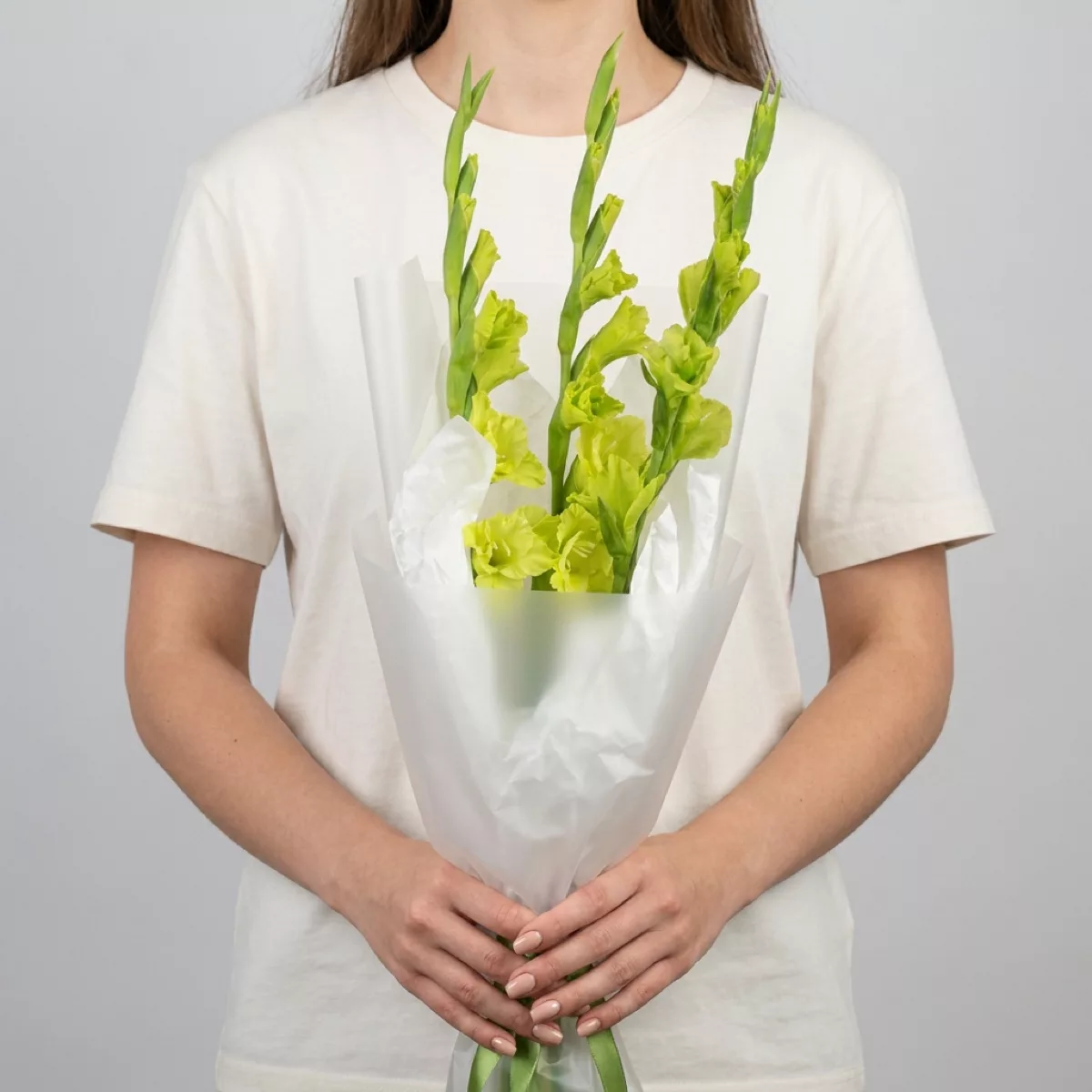
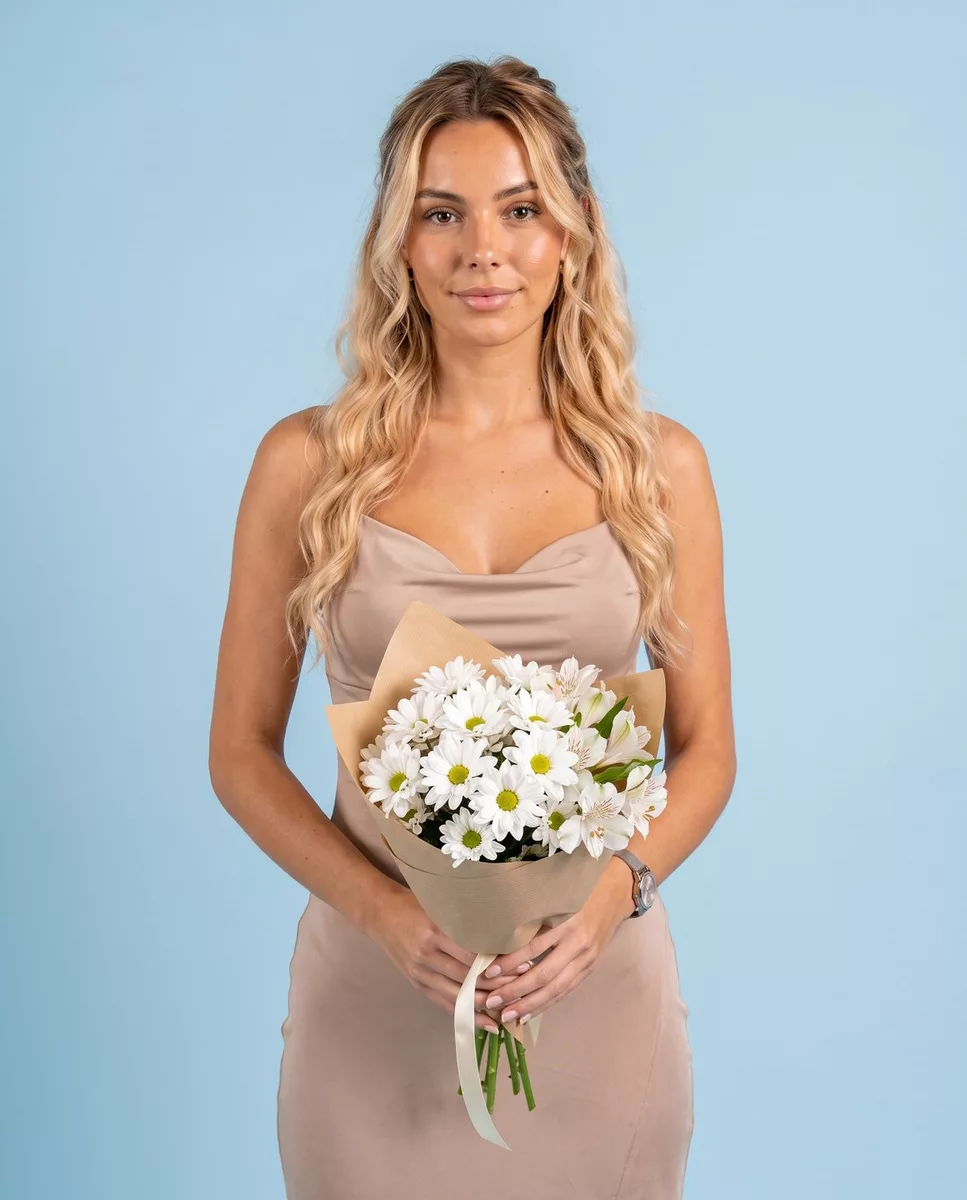
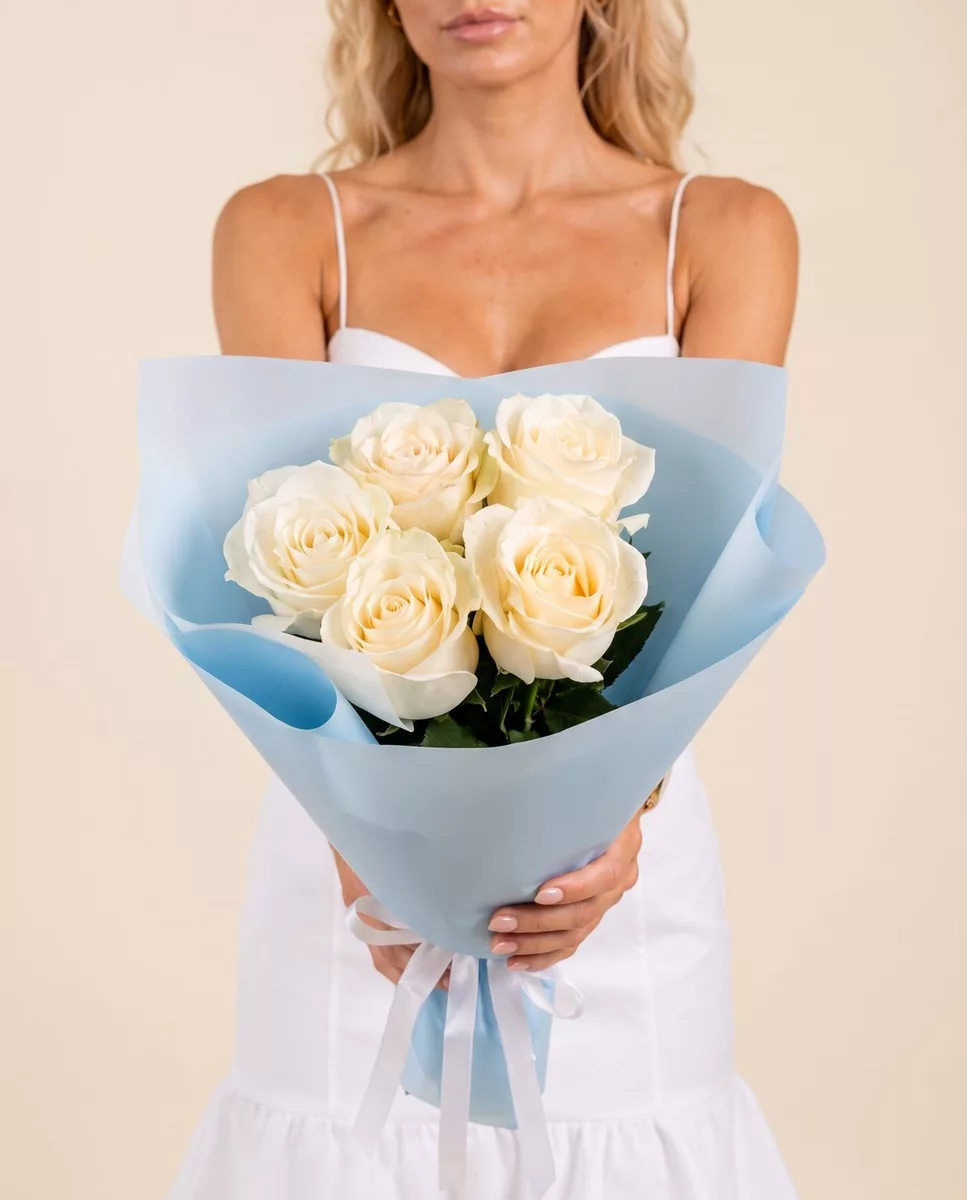
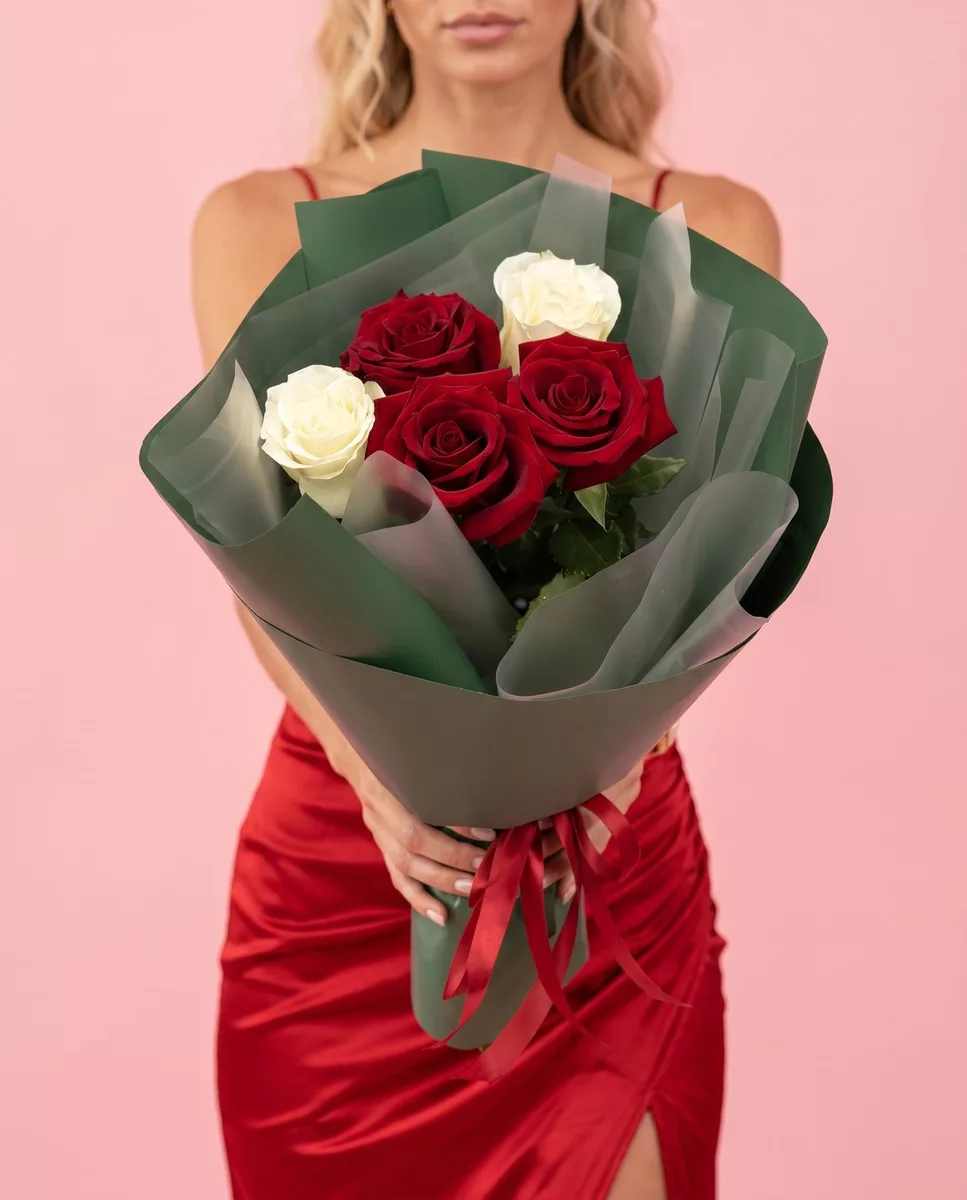
Delivery Areas Within Kovdor and How Coverage Actually Works
Kovdor's compact layout means that most residential addresses, including the central districts and the areas near the mining enterprise, are reachable within a single delivery window. The city does not sprawl the way larger Russian cities do, which works in your favour when you need a bouquet to arrive at a specific time.
Addresses in the central part of town, near Lenin Square and the main residential blocks, are the most straightforward to reach. Deliveries to the outskirts or to addresses near the industrial perimeter may require a slightly wider time window, so if you are ordering for a specific moment — a surprise at the door, a delivery timed to a celebration — it helps to note any access details when placing the order.
Kovdor is accessible by road from Kandalaksha, and the route is well-maintained in warmer months. In winter, road conditions in the Murmansk region can slow transit, so orders placed the day before or with a morning delivery window give the best results. If you are ordering same-day, placing the order before noon increases the likelihood of an afternoon arrival.
One practical note: many buildings in Kovdor are Soviet-era apartment blocks with entry codes or intercom systems. Including the apartment number, floor, and any door code in the delivery comments removes the most common cause of delay. The recipient does not need to be home — a neighbour or a building concierge can receive the bouquet — but it helps to mention this option in the order notes so the courier knows how to proceed if no one answers.
What the Murmansk Climate Does to Flowers and How We Handle It
The Murmansk region has one of the most demanding climates for flower logistics in Russia. Winters bring temperatures well below minus twenty Celsius, and even in May the nights can drop below freezing. This is not a reason to avoid sending flowers — it is a reason to understand how they are protected during transit.
Cold is actually less damaging to most cut flowers than heat, but exposure to freezing temperatures for even a short period can cause petal cells to rupture. Roses, lisianthus, and gerberas are particularly sensitive to frost. Tulips and alstroemeria handle cold better and are often a smart choice for winter deliveries in northern cities. Chrysanthemums — both standard and spray varieties — are among the most cold-tolerant cut flowers and hold up well in transit.
Every bouquet sent to Kovdor is wrapped and insulated for the journey. In winter this means thermal packaging that keeps the flowers above the critical threshold during the final leg of delivery. In summer, when Kovdor can see surprisingly warm days, the concern shifts to wilting in transit, and bouquets are kept cool until the last possible moment before handoff.
When the bouquet arrives, it may look slightly closed if the flowers have been kept cool — this is normal and not a sign of poor quality. Roses and peonies in particular open beautifully over the first twelve to twenty-four hours after delivery. Encourage the recipient to trim the stems at an angle and place the bouquet in cool water as soon as it arrives. That single step makes a significant difference in vase life.
Choosing by Occasion: What Works and What to Avoid
Choosing flowers for someone in Kovdor follows the same logic as anywhere in Russia, but a few local customs are worth knowing if you are ordering from outside the country. In Russian tradition, bouquets are almost always given in odd numbers — one, three, five, seven, and so on. Even numbers are associated with mourning and will confuse or unsettle the recipient. Most florists follow this automatically, but it is worth confirming if you are building a custom arrangement.
For a birthday, bold and warm colours — orange gerberas, yellow freesias, red roses, hot-pink alstroemeria — signal celebration. For a more reserved recipient, a monochrome bouquet in white or cream with interesting texture (garden roses, ranunculus, and white lisianthus together, for example) reads as sophisticated. For a child's celebration, sunflowers and bright spray roses are cheerful and durable.
For a romantic occasion, avoid white roses if you are not sure of the relationship — in some Russian contexts, white flowers can feel solemn rather than romantic. Blush, peach, and deep red work well. For a new baby, soft yellows and pale greens are universally appropriate and gender-neutral, which matters when you are ordering before the birth.
One thing to avoid regardless of occasion: very delicate flowers like sweet peas or anemones in the depths of winter. They are beautiful but fragile, and the transit conditions in January or February in the Murmansk region are simply not suited to them. A florist can suggest alternatives that carry the same lightness and colour with more resilience.
Timing Your Order: Same-Day, Next-Day and Scheduled Delivery
Getting the timing right is often the most stressful part of ordering flowers remotely, and Kovdor's location means it deserves some honest explanation. Same-day delivery to Kovdor is available, but it works best when the order is placed in the morning. Orders placed before eleven in the morning have the highest chance of arriving in the afternoon of the same day. Orders placed later in the day are better scheduled for the following morning.
Next-day delivery is the most reliable option for a specific occasion. If you know the date — a birthday, an anniversary, a graduation — placing the order twenty-four hours in advance gives the full range of flowers to choose from and removes any timing pressure. You can specify a delivery window, such as morning or afternoon, and add a note about the best time to reach the recipient.
Scheduled delivery works well for surprises. You can set the date and time in advance, add a personal message card, and trust that the order will be held and dispatched at the right moment. This is a popular choice for people sending flowers from abroad or from another time zone — it removes the need to be awake and available at the moment of delivery.
One practical detail: Kovdor has no twenty-four-hour delivery window, and very late evening deliveries are not always possible. If the occasion calls for the flowers to arrive at a specific moment — during a dinner, at the end of a workday — a midday or early afternoon delivery window is the most dependable. Flowers waiting in a cool entrance hall for a few hours are fine; flowers left outside in winter are not.
Care Instructions to Pass Along to the Recipient
A bouquet that arrives in Kovdor has already travelled through cold and variable conditions. The first thirty minutes after arrival are the most important for vase life, and a few simple steps make the difference between flowers that last four days and flowers that last ten.
The first step is to trim the stems. Cut at least two centimetres from the bottom of each stem, at a forty-five-degree angle, using a sharp knife or scissors. A diagonal cut increases the surface area through which the flower draws water. Do this under running water or immediately before placing the stems in the vase — exposure to air for even a few seconds begins to block the stem's vessels.
Fill the vase with cool, clean water. In winter, the water should be at room temperature rather than cold, because flowers that have been chilled during transit benefit from a gentle warm-up. Remove any leaves that would sit below the waterline — they decompose quickly and cloud the water, which accelerates bacterial growth and shortens vase life.
Change the water every two days and re-trim the stems each time. Keep the bouquet away from direct sunlight, radiators, and fruit bowls — ripening fruit releases ethylene gas, which causes flowers to age faster. This last point surprises many people but is one of the most common reasons a bouquet fades faster than expected.
Different flowers in a mixed bouquet have different lifespans. Chrysanthemums and alstroemeria typically last the longest — up to two weeks with good care. Roses and gerberas usually give seven to ten days. Tulips are shorter, around five to seven days, but they move and change as they open, which is part of their charm.
How to Write a Card Message That Lands Well in Russian Culture
A card message is a small thing that carries a lot of meaning, especially when the sender is far away. In Russian culture, directness and warmth coexist comfortably — you do not need to be formal, but you also do not need to be vague. A message that names the person, states the occasion, and says something specific about them is always better than a generic phrase.
For a birthday, something like: 'Wishing you a day as bright as these flowers — you deserve every good thing this year brings' is warm without being excessive. For a professional milestone: 'This is well earned. Congratulations on everything you have built.' Short, genuine, and specific to the person works in any language and any culture.
If you are writing in English and the recipient reads Russian, consider adding a line in Russian if you can manage it — even a simple 's lyubovyu' (with love) or 'pozdravlyayu' (congratulations) shows effort and is always received warmly. The card does not need to be long. Three to five sentences is exactly right.
Avoid overly poetic or elaborate messages if you are not sure of the relationship's tone — they can feel mismatched with a bouquet that arrives at a workplace or in a shared apartment. A message that sounds like you is always more effective than one that sounds borrowed.
When placing the order, you can type the message in the order notes and specify the language. The message is printed on a small card and attached to the bouquet. If the occasion is a surprise, you can also ask for the card to be placed inside the wrapping rather than on the outside.
Sending flowers to Kovdor is entirely doable, and when it is done thoughtfully — with the right varieties for the season, a delivery window that matches the occasion, and a card that sounds like you — it lands with real impact. Distance does not diminish the gesture. If anything, a bouquet that arrives from far away carries an extra layer of meaning, because it says that someone made the effort. That is what flowers have always been for.
Frequently asked questions
Can I order same-day flower delivery to Kovdor?
Yes, same-day delivery to Kovdor is available when you place your order before eleven in the morning. Orders placed later in the day are more reliably scheduled for the following morning. If you have a specific time requirement, note it in the order comments and we will do our best to accommodate it within the available delivery windows for that day.
Which flowers hold up best in Kovdor's cold winters?
Chrysanthemums, alstroemeria, and tulips are the most cold-tolerant cut flowers and travel well through the Murmansk region in winter. Roses are more sensitive to frost but are protected with thermal packaging during transit. Avoid very delicate varieties like sweet peas or anemones in January and February — a florist can suggest alternatives with the same look and better resilience.
Do I need to be in Russia to order flowers for someone in Kovdor?
Not at all. You can place an order from anywhere in the world through turboflora.com. Payment is processed online, the message card can be written in English or Russian, and you can schedule the delivery for a specific date and time window. Many customers order from Europe, the United States, and beyond for family and friends across Russia.
What if the recipient is not home when the flowers arrive?
Include a note in your order about what to do if no one answers — for example, leaving the bouquet with a neighbour or a building concierge. It also helps to give the recipient a heads-up that a delivery is coming, especially in apartment buildings with entry codes. Add the door code and floor number in the delivery comments to avoid delays.
How long will the flowers last once they arrive in Kovdor?
With proper care — fresh water, trimmed stems, and a spot away from sunlight and radiators — most bouquets last seven to ten days. Chrysanthemums and alstroemeria can last up to two weeks. Tulips are shorter at five to seven days but open beautifully over that time. Changing the water every two days and re-trimming the stems each time makes the biggest difference.
Ready to send flowers?
Pick the city, choose the bouquet, and a local florist takes it from there.
Choose a city →