Sending Flowers to Kozelsk: Timing, Choices and What to Expect
Kozelsk is a quiet, historic town in the Kaluga region, and sending flowers there feels personal in a way that a big-city delivery sometimes does not. The person receiving them will likely be surprised — flowers arriving at a home or workplace in a smaller town still carry a sense of real effort and care. This guide walks you through how delivery works here, what grows well in transit, how to match your bouquet to the moment, and what your recipient can do to keep the flowers looking their best for as long as possible.
Ordering for Someone in a Smaller Russian Town
Many people ordering to Kozelsk are doing so from another city — Moscow, Saint Petersburg, or somewhere abroad — and they have never sent flowers to a smaller Russian town before. The first thing to understand is that the recipient's experience is shaped entirely by what arrives at the door, so presentation matters as much as the flowers themselves. A bouquet that travels well and arrives in clean wrapping, with a handwritten card, lands completely differently from one that looks tired from the journey.
In Russian tradition, flowers are given in odd numbers — one, three, five, seven — for living recipients. Even numbers are reserved for mourning, so this is worth remembering when you specify a quantity. If you are ordering a mixed bouquet and leaving the count to the florist, they will follow this convention automatically.
Kozelsk is a town where people know each other, and a flower delivery is noticed. If you are sending to a workplace, the bouquet will almost certainly be seen by colleagues, which adds a layer of warmth to the gesture. A well-composed arrangement with seasonal greenery and a complementary ribbon color reads as thoughtful rather than hurried. Take a moment when ordering to describe who the recipient is — their age, the occasion, whether they prefer bold colors or something softer — and the florist can match the bouquet to the person rather than just the price point.
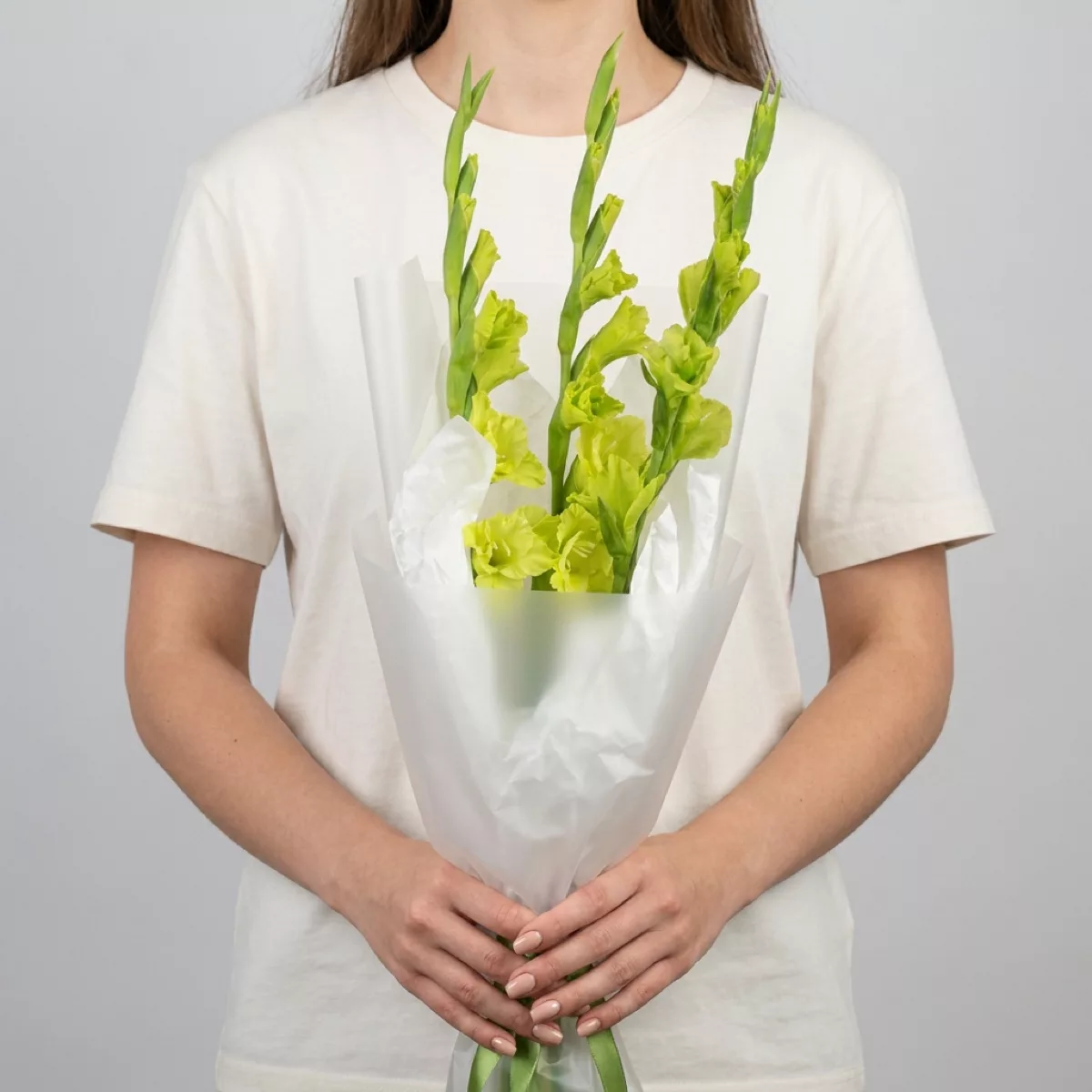
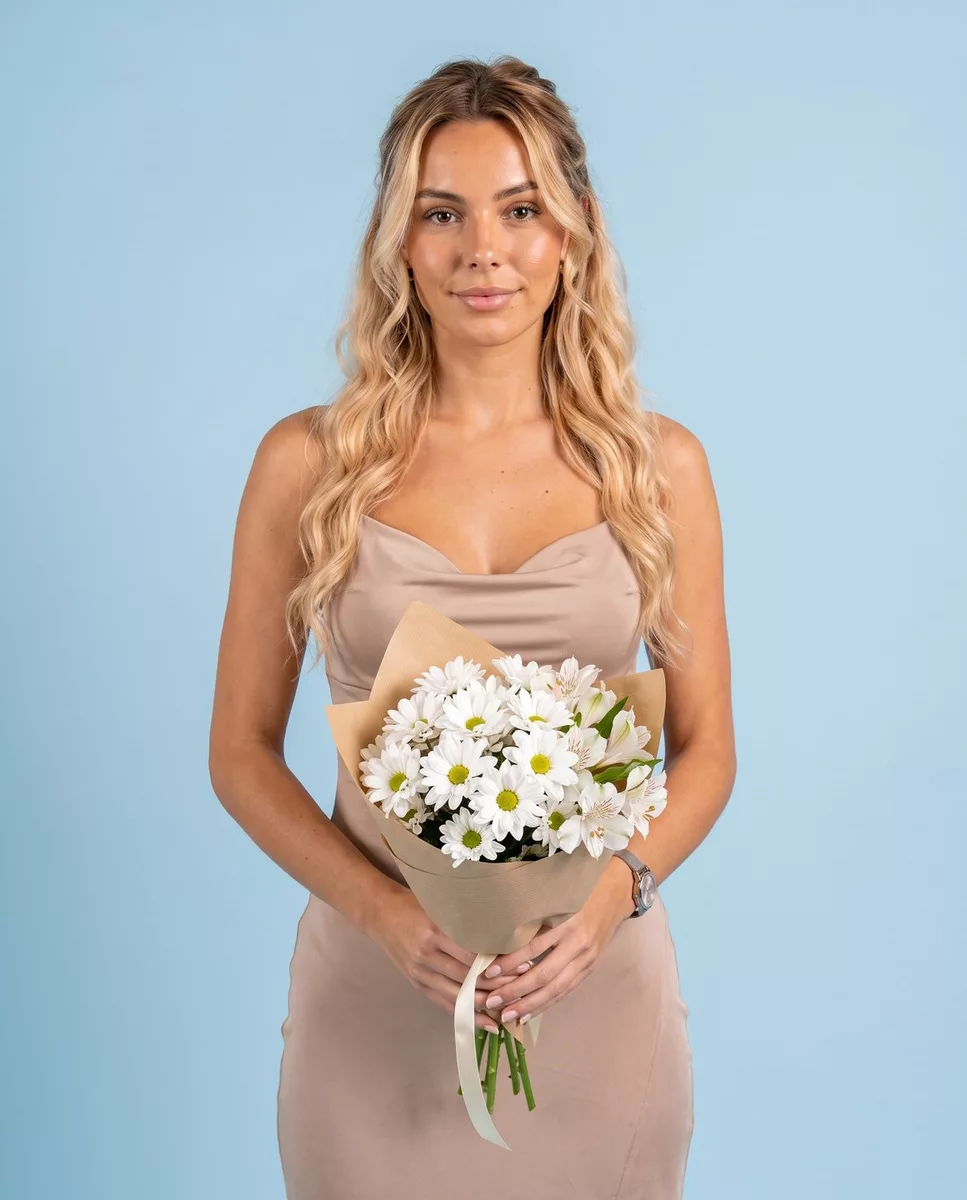
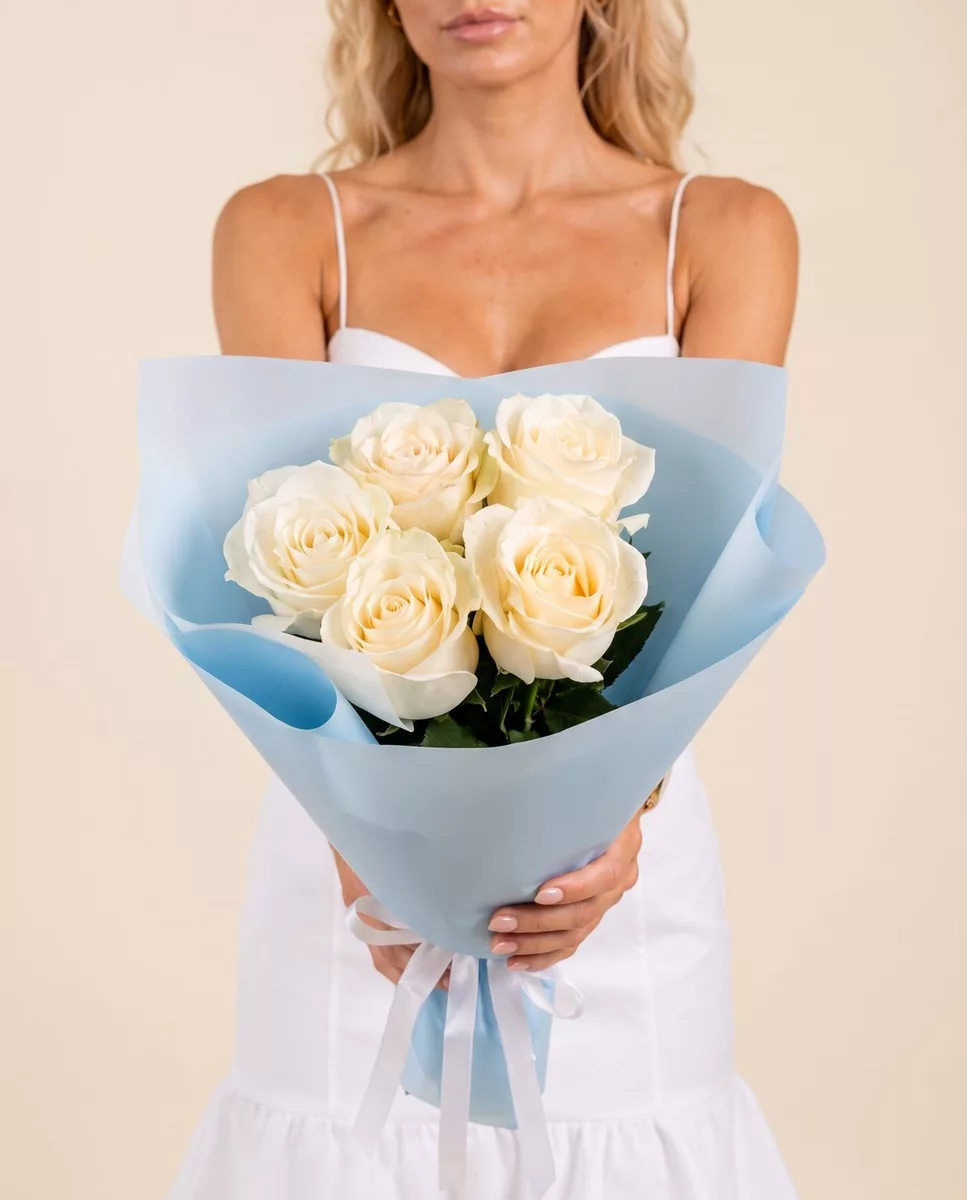
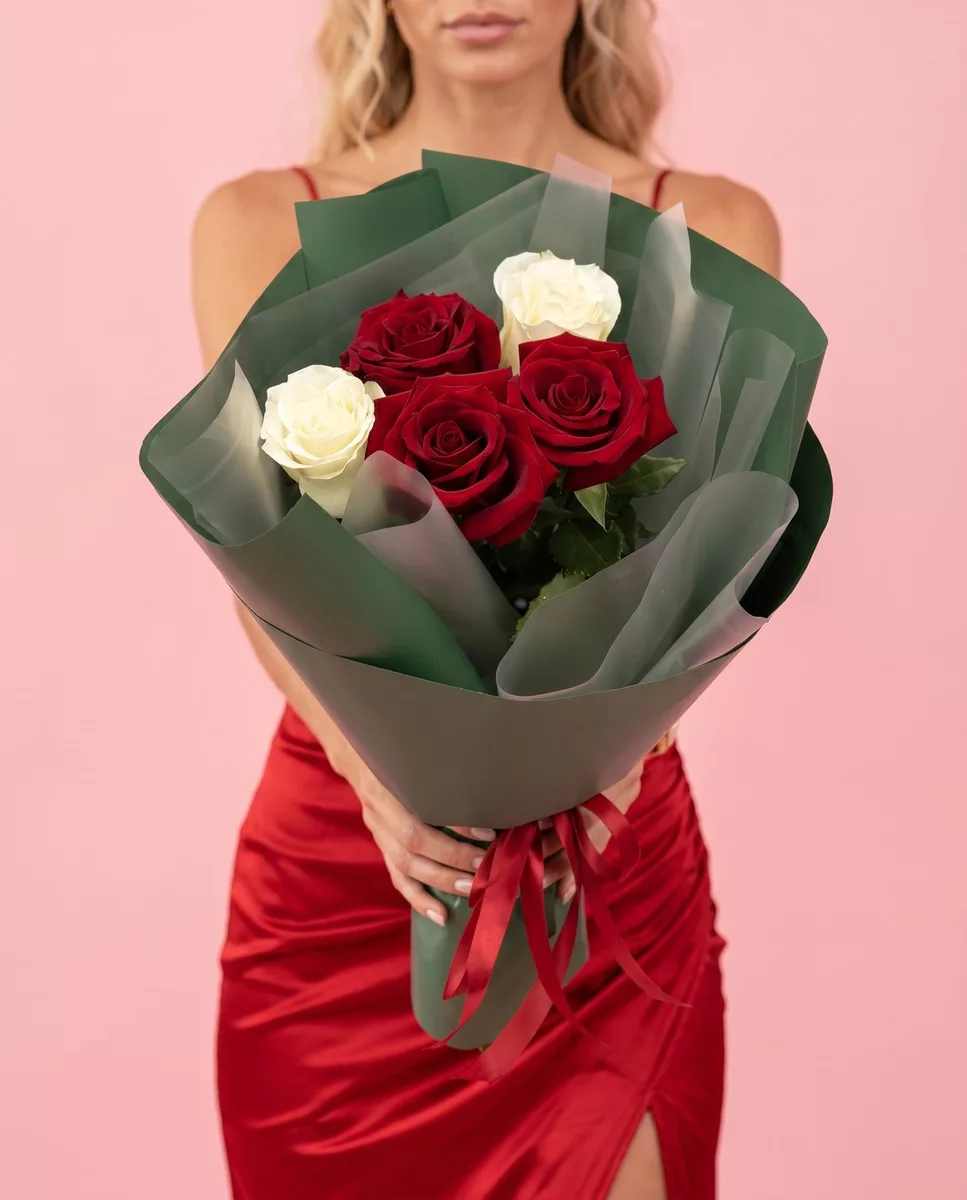
Bouquets we can deliver
Delivery Areas and Addresses in Kozelsk
Kozelsk sits in the Kaluga region, roughly 260 kilometers southwest of Moscow. The town itself is compact, and most central addresses — residential buildings, schools, offices along the main streets — are reachable without difficulty. Surrounding villages and rural addresses outside the town boundary may require additional lead time, so it is always worth specifying the full address including any building entrance number, floor, and apartment number when you place the order.
Russian address formats can be unfamiliar if you are ordering from outside the country. The standard order is: region, city or town, street name, building number, apartment number. If you are unsure how to format it, simply write the details clearly in the notes field and the team will confirm the address before dispatch. A phone number for the recipient is genuinely helpful — not to spoil the surprise, but so the courier can coordinate arrival without waiting outside.
For deliveries to workplaces, include the organization name and, if possible, the floor or department. Many offices in smaller towns have a reception desk that will accept the bouquet on behalf of the recipient, which is perfectly normal and does not diminish the gesture at all. If you want the flowers handed directly to the person, note that in your order and the courier will wait for them to come to the door. Being specific about address details is the single most reliable way to ensure a smooth delivery in any town, and Kozelsk is no exception.
Timing: When the Flowers Will Arrive
Turboflora operates with a delivery window that reaches Kozelsk, and the honest answer on timing is that it depends on when you order and how far the address is from the main route. For most central Kozelsk addresses, same-day delivery is available when you order before the afternoon cutoff. The exact cutoff varies by day, so checking at the time of order gives you the most accurate window.
For time-sensitive moments — a birthday morning, a graduation ceremony, an anniversary dinner — it is always better to order the evening before or early in the morning of the day. This gives the florist time to compose the bouquet fresh, condition the stems properly, and dispatch without rushing. A bouquet assembled calmly looks better than one put together in a hurry, and that difference is visible to the recipient.
If you are coordinating with an event, share the target time in the order notes. The team will tell you honestly whether it is achievable. In winter, road conditions between cities can add time, and in summer, heat means the bouquet needs to travel in a cooled vehicle — both factors are accounted for in how the order is prepared and dispatched. You will receive a confirmation when the order is accepted and a notification when it is on its way, so you are never left wondering. Tracking the delivery gives you something to look forward to almost as much as the recipient does.
Choosing the Right Flowers for the Occasion
The occasion shapes the bouquet more than anything else. For a birthday, you want something that feels celebratory and lasts — spray roses in coral or peach, alstroemeria, or a mixed arrangement with lisianthus and eucalyptus branches hold up well in transit and open beautifully over several days. For a romantic gesture, red or deep burgundy roses are the classic choice in Russia, and they are classic for a reason: they communicate clearly without needing explanation.
If you are sending flowers to congratulate someone on a professional achievement — a promotion, a defense of a thesis, a new business — white and cream tones read as elegant and respectful. A bouquet of white spray chrysanthemums with green hypericum berries and a satin ribbon is a combination that works for both men and women in a professional context.
For a new mother or a young woman's birthday, soft pinks and lilacs work beautifully — ranunculus when in season, or a mix of pink roses with waxflower and dusty miller for texture. For older recipients, it is worth thinking about fragrance: freesia and stocks are both wonderfully scented and tend to be appreciated by people who grew up with garden flowers rather than the more neutral modern varieties. Describing your recipient when you order means the florist can make these choices with the actual person in mind, not just the category.
Bouquet Options Across Different Budgets
A smaller budget does not mean a small gesture. A single-variety bouquet of well-conditioned seasonal flowers — sunflowers in summer, tulips in early spring, chrysanthemums in autumn — arranged with care and wrapped beautifully can be more striking than a mixed bunch that looks crowded and confused. The florist's job at any price point is to make the bouquet look intentional, and that comes from editing rather than adding.
At a mid-range budget, you start to have room for combinations: a base of sturdy spray roses with complementary greenery like ruscus or pittosporum, and one or two accent flowers — a few stems of statice for texture, or a single variety of seasonal bloom that sets the color tone. This is where the florist's skill shows most clearly, because the balance between the elements is what makes a bouquet look professional rather than assembled.
At a higher budget, the options open up significantly. Garden roses with their layered petals and gentle fragrance, peonies when in season from May through June, or an arrangement in a ceramic vessel that the recipient keeps long after the flowers have faded — these are gestures that go beyond the flowers themselves. A bouquet in a box, with the blooms lying flat on tissue paper, has become popular in Russia over the past several years and photographs beautifully, which matters to recipients who will want to share the moment. Whatever your budget, describing the recipient and the occasion gives the florist the context to make the best possible choice within it.
How Temperature and Season Affect Your Order
Kozelsk experiences proper Russian seasons: cold winters with temperatures that regularly drop below minus ten Celsius, warm summers, and transitional periods in spring and autumn that can surprise you with late frosts or early heat. Each season affects both what flowers are available and how they need to be handled in transit.
In winter, the main risk is cold damage. Flowers exposed to freezing temperatures for even a short time — sitting in an unheated vehicle, or left on a doorstep in frost — can develop dark patches on petals and collapse within hours. The courier handles the bouquet in insulated packaging, but the recipient should also bring the flowers inside immediately rather than leaving them in a cold hallway. A common mistake in Russian apartments is placing flowers near a drafty window in winter: the temperature swings cause more damage than stable cool air.
In summer, the challenge reverses. Heat accelerates everything — flowers open faster, water in the vase depletes more quickly, and bacteria multiply faster in warm water. In July and August, a bouquet that would last ten days in spring might last five or six. Keeping flowers away from direct sunlight and out of rooms above twenty-two degrees Celsius makes a real difference. Spring and early autumn are the most forgiving seasons for delivery: temperatures are moderate, flowers travel well, and the seasonal variety is at its broadest. If you are planning a significant order for a summer event, morning delivery is always preferable to afternoon.
Vase Life and Care Once the Flowers Arrive
The care the recipient gives the flowers in the first hour determines how long they will last. The single most important step is re-cutting the stems — at an angle, with a sharp knife rather than scissors, about two centimeters from the bottom — and placing them immediately into clean, cool water. Scissors crush the stem tissue and reduce water uptake; a diagonal cut increases the surface area and keeps the stem from sitting flat against the bottom of the vase.
Roses and other woody-stemmed flowers benefit from having any leaves removed that would sit below the waterline, as submerged leaves rot quickly and cloud the water with bacteria. Changing the water every two days and re-cutting the stems each time extends vase life noticeably. A clean vase matters more than most people think — residue from previous bouquets harbors bacteria that shorten the life of fresh flowers.
Different varieties have different expectations. Alstroemeria can last two weeks with good care. Spray roses typically give you seven to ten days. Tulips are shorter — five to seven days — but they continue to grow and move in the vase in a way that many people find beautiful. Lisianthus is one of the longest-lasting cut flowers and holds its color well even as it ages. If the bouquet includes a card with care instructions, encourage the recipient to follow them — not because the flowers are fragile, but because a little attention in the first day or two pays back generously over the following week. Flowers that are cared for become part of the room rather than just a delivery.
Sending flowers to Kozelsk is a gesture that lands with more weight than it might in a large city — the town is smaller, the moment is more visible, and the care you put into the order is felt by the person who receives it. From choosing the right varieties for the season to getting the address details right and giving your recipient a moment's notice to open the door, each small decision adds up to an experience that the person will remember. The flowers themselves are the heart of it, but everything around them — the wrapping, the card, the timing, the care instructions — is what turns a bouquet into a memory.
Frequently asked questions
Can I send flowers to a Kozelsk address the same day I order?
Yes, same-day delivery to central Kozelsk addresses is available when you place your order before the afternoon cutoff. For addresses in surrounding villages or for time-sensitive events like a morning birthday, ordering the evening before gives the florist more time to prepare the bouquet properly and ensures dispatch without rushing.
What if I do not know the recipient's exact apartment number?
Include as much detail as you have — street, building number, floor — and add a phone number for the recipient in the notes. The courier can call ahead to confirm the apartment without revealing the surprise. A confirmed address prevents delays and ensures the bouquet reaches the right person rather than waiting in a lobby.
Which flowers travel best to Kozelsk in winter?
Spray roses, alstroemeria, chrysanthemums, and lisianthus all handle cold-weather transit well when properly packaged. Delicate varieties like ranunculus or open peonies are more vulnerable to temperature swings. In winter orders, the florist will choose varieties and packaging suited to the conditions, so mentioning the season in your notes is always helpful.
Is it normal to send flowers to a man in Russia?
Absolutely. Flowers for men are common in Russia for birthdays, professional achievements, and significant life events. The bouquet is typically composed differently — bolder colors, architectural shapes, less delicate texture — but the gesture is entirely familiar and well-received. Describing the recipient when you order helps the florist choose a composition that feels right for him.
How do I make sure the bouquet lasts as long as possible after delivery?
Ask your recipient to re-cut the stems at an angle with a sharp knife, remove leaves below the waterline, and place the bouquet in clean cool water immediately. Keeping flowers away from direct sun, heating vents, and ripe fruit extends vase life significantly. Changing the water every two days and re-cutting stems each time makes a noticeable difference across all varieties.
Ready to send flowers?
Pick the city, choose the bouquet, and a local florist takes it from there.
Choose a city →